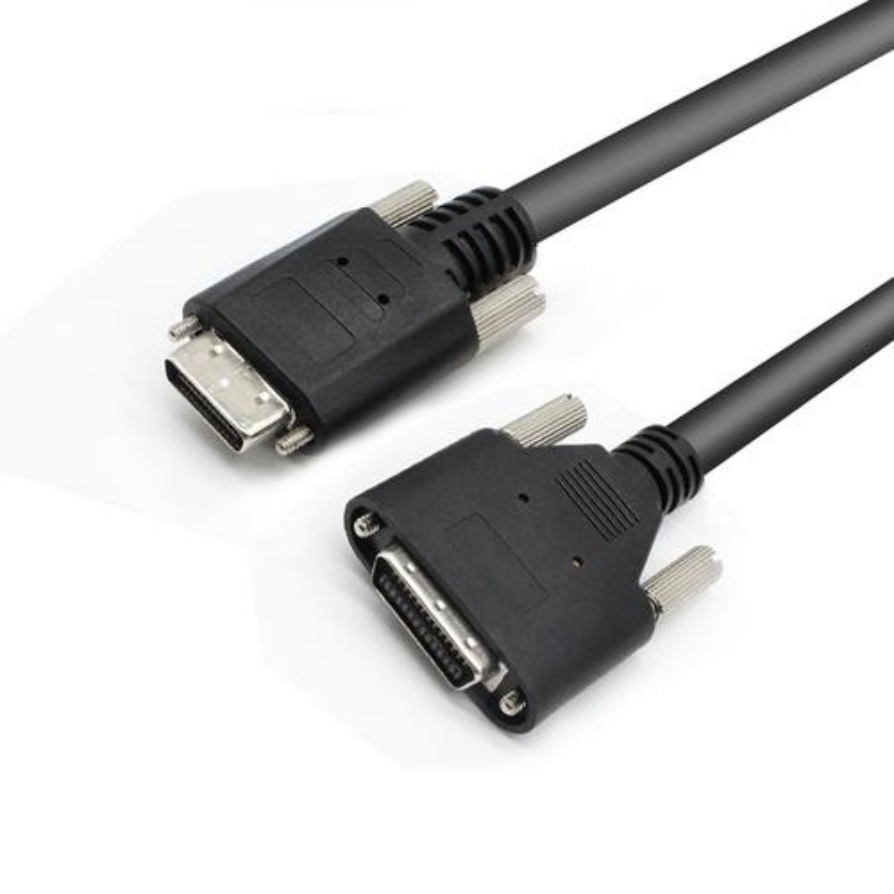
Flexible Machine Cable Assemblies: Key Solutions for Industrial Effic...
In the fast-paced world of industrial manufacturing and automation, reliable connectivity is the backbone of seamless operations. Among the critical components that ensure this connectivity, flexible machine cable assemblies stand out as indispensable assets. Designed to withstand constant movement, harsh environments, and demanding operational conditions, these cable assemblies play a pivotal role in powering, controlling, and transmitting data across a wide range of machinery. Whether in robotics, packaging equipment, conveyor systems, or automotive production lines, the performance of flexible machine cable assemblies directly impacts productivity, downtime, and overall operational efficiency.
Key Characteristics of High-Quality Flexible Machine Cable Assemblies
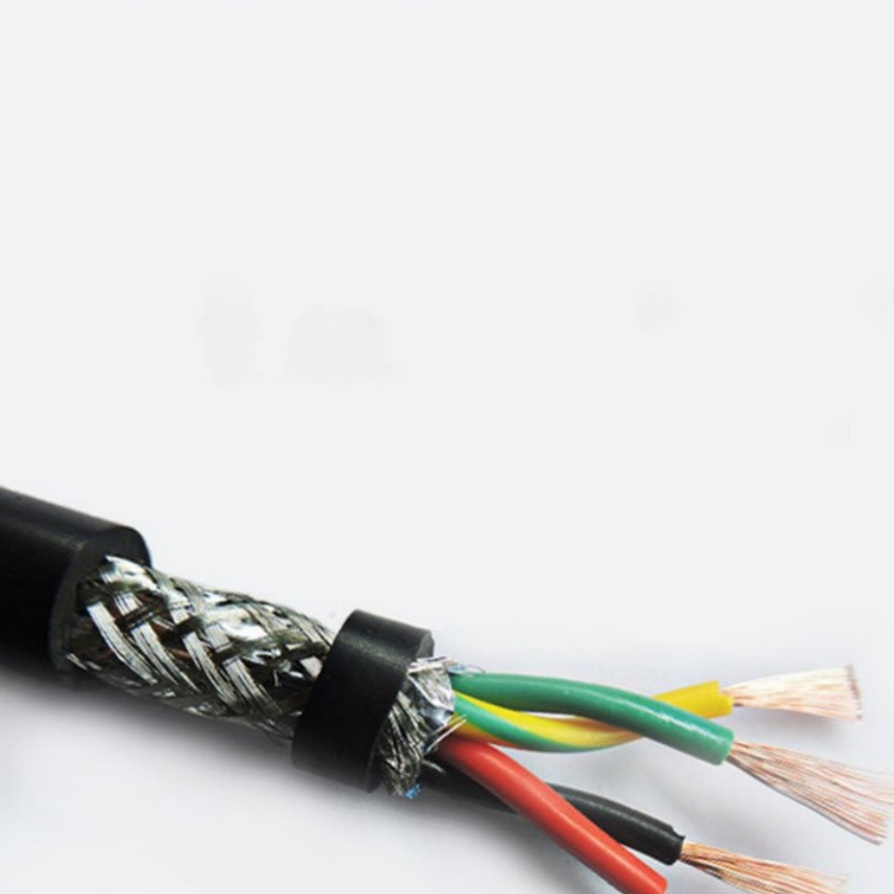
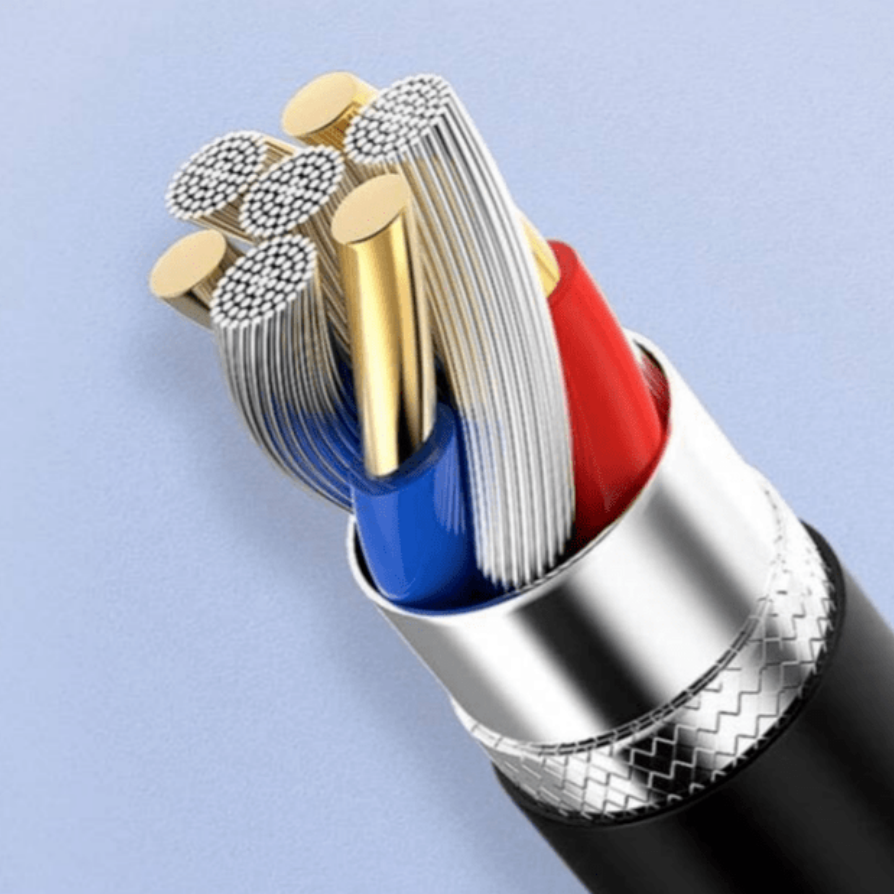
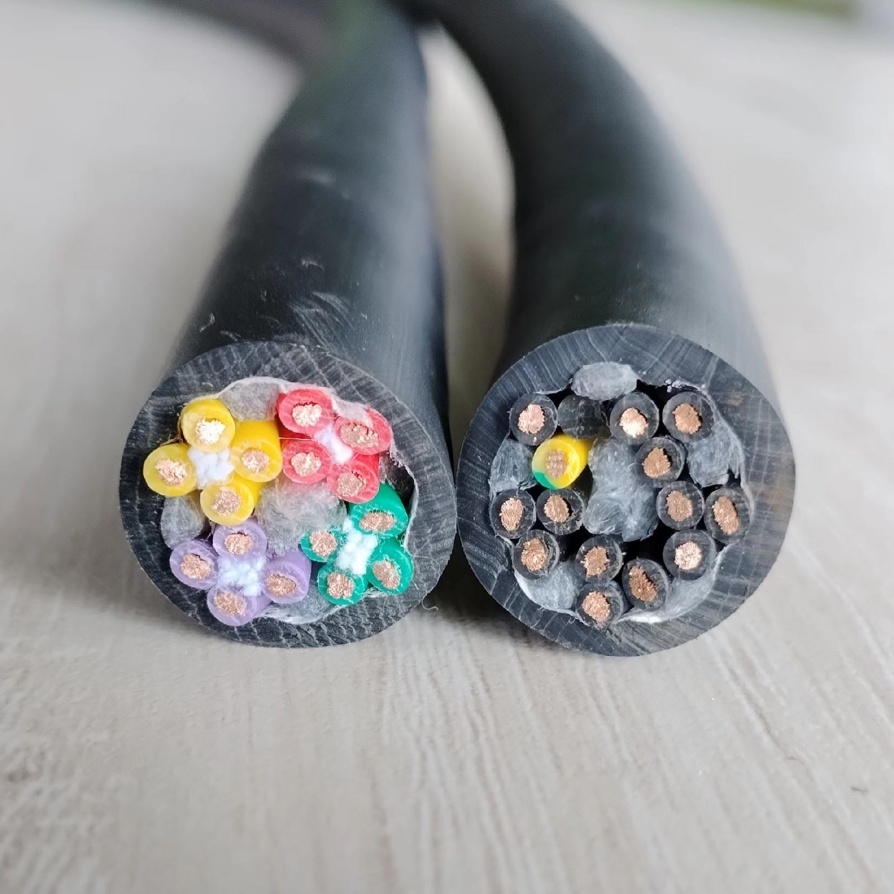
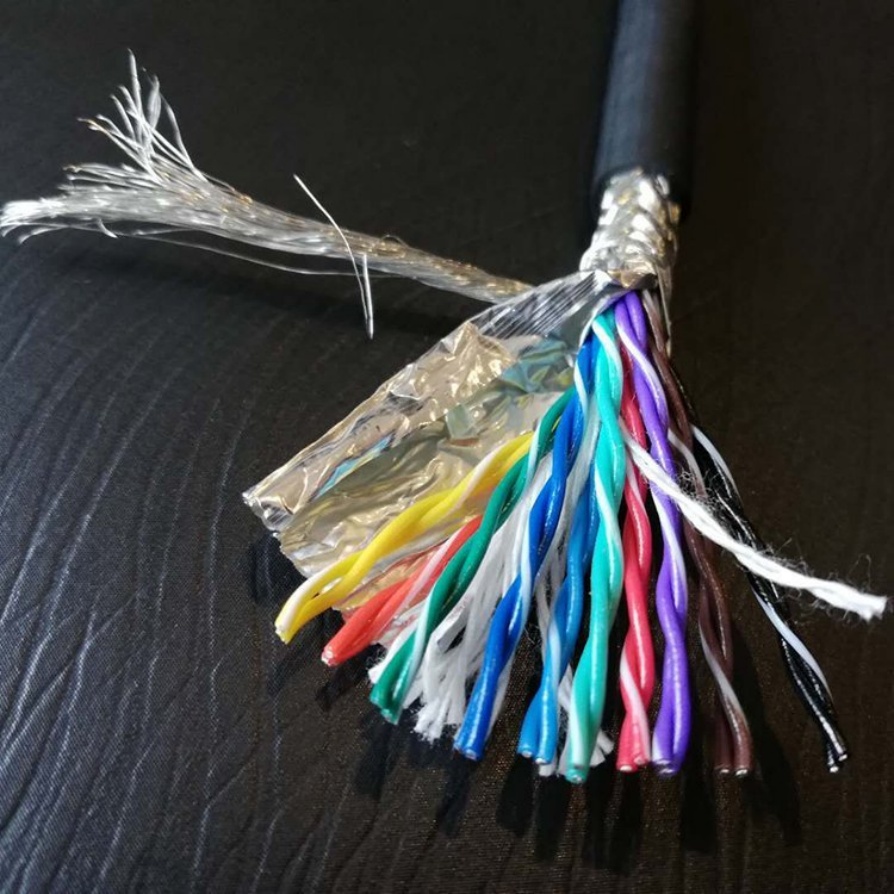
Not all cable assemblies are created equal, and when it comes to industrial applications, flexibility is just the starting point. Top-tier flexible machine cable assemblies boast a set of defining features that make them suitable for rigorous use. First and foremost is their mechanical flexibility—engineered with stranded conductors and durable insulation materials like PVC, PUR, or TPE, these cables can endure millions of bending cycles without signal degradation or physical damage. This is crucial for machinery with moving parts, such as robotic arms or linear actuators, where static cables would quickly fail.
Another critical characteristic is environmental resistance. Industrial settings often expose cables to oil, chemicals, moisture, extreme temperatures (-40°C to 125°C or higher), and abrasion. High-quality flexible machine cable assemblies are shielded or jacketed to repel these elements, ensuring consistent performance even in the harshest workshops or manufacturing floors. Additionally, they offer excellent electrical performance, with low capacitance and impedance to maintain signal integrity for data transmission or precise power delivery to sensitive components.
Applications of Flexible Machine Cable Assemblies Across Industries
The versatility of flexible machine cable assemblies makes them a staple in numerous industrial sectors. In the automotive industry, they are used in assembly lines to connect robotic welders, paint systems, and material handling equipment, where constant movement and exposure to solvents demand robust cables. In packaging and printing, these assemblies power conveyor belts, labelers, and printers, ensuring smooth, uninterrupted production runs.
The robotics and automation sector relies heavily on flexible machine cable assemblies to transmit power and control signals between robotic joints and control units. Their ability to bend and twist without failure allows robots to perform complex tasks with precision. Similarly, in food and beverage processing, cables with food-grade jackets are used to maintain hygiene standards while withstanding frequent washdowns with water and cleaning agents. Even in renewable energy applications, such as wind turbines, these cables connect moving parts in nacelles, enduring vibration and outdoor conditions.
How to Choose the Right Flexible Machine Cable Assemblies
Selecting the appropriate flexible machine cable assemblies requires careful consideration of several factors to ensure optimal performance and longevity. First, assess the operational environment: determine if the cable will be exposed to chemicals, moisture, extreme temperatures, or physical abrasion, then choose a jacket material that offers the necessary resistance (e.g., PUR for oil resistance, TPE for flexibility in cold temperatures).
Next, evaluate the mechanical requirements, such as the number of bending cycles, bend radius, and movement type (torsion, linear, or continuous flex). Cables designed for continuous flex applications will have different construction than those for occasional movement. Additionally, consider the electrical specifications, including voltage rating, current capacity, and signal type (analog, digital, or power). Ensuring the cable meets these electrical needs prevents overheating and signal loss.
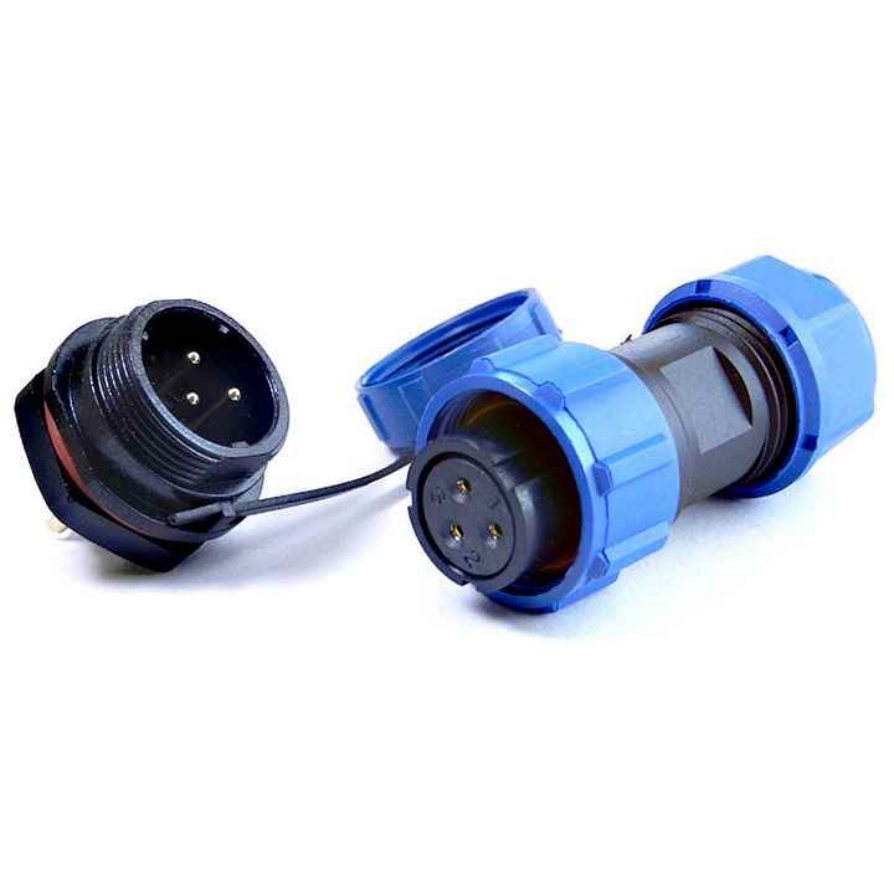
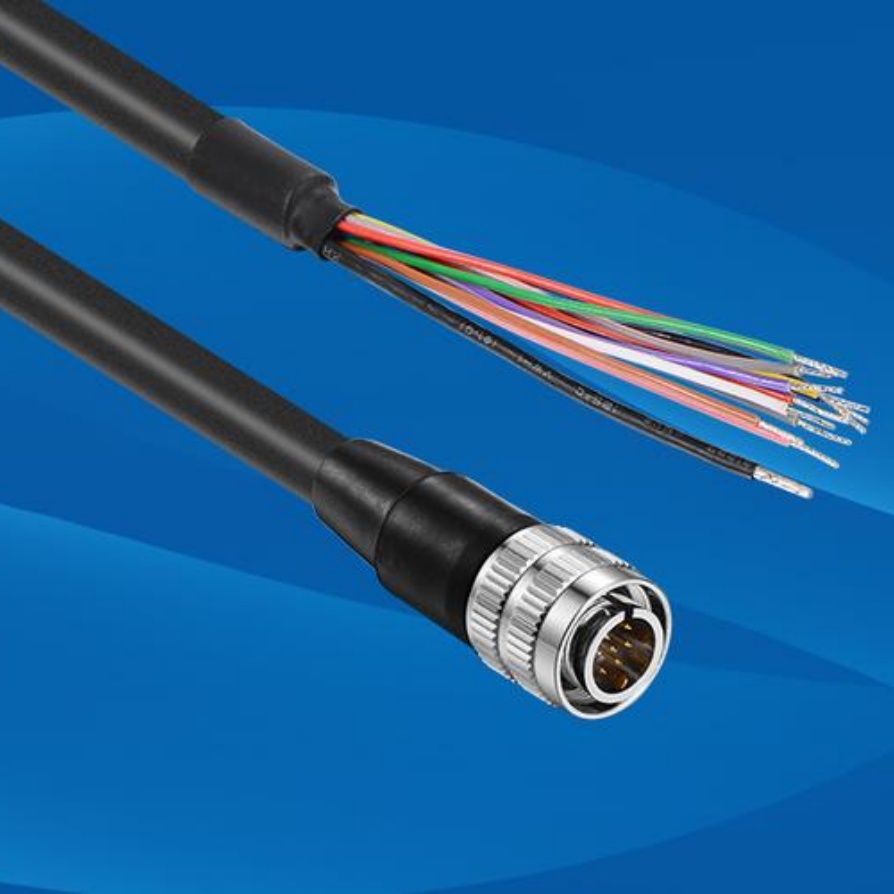
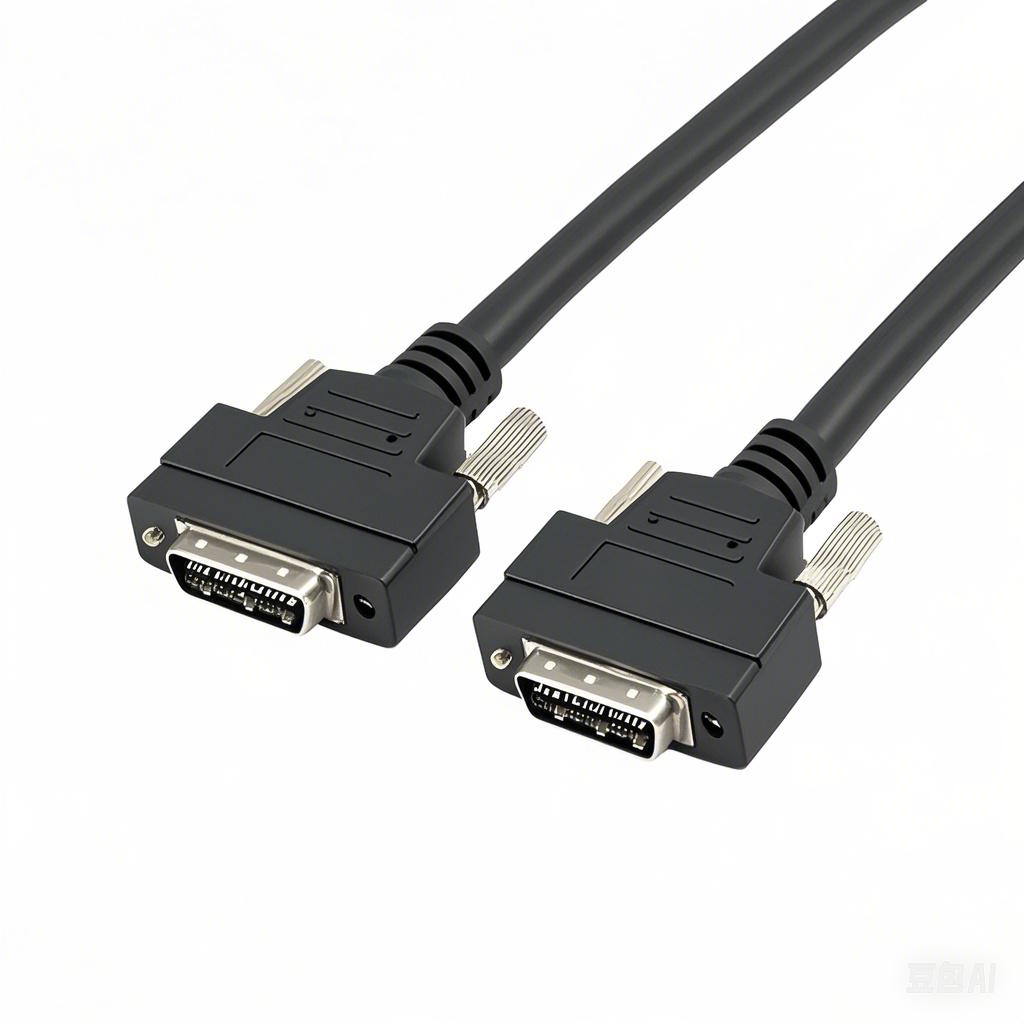
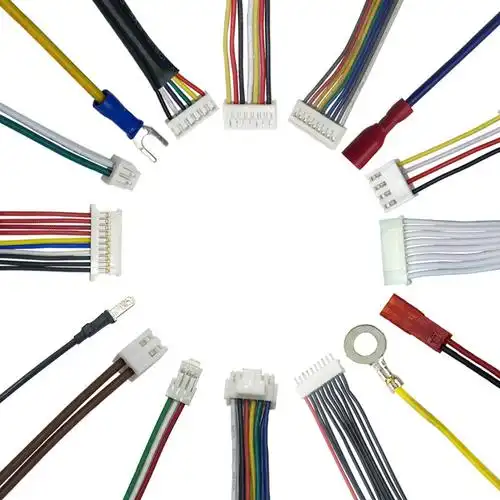
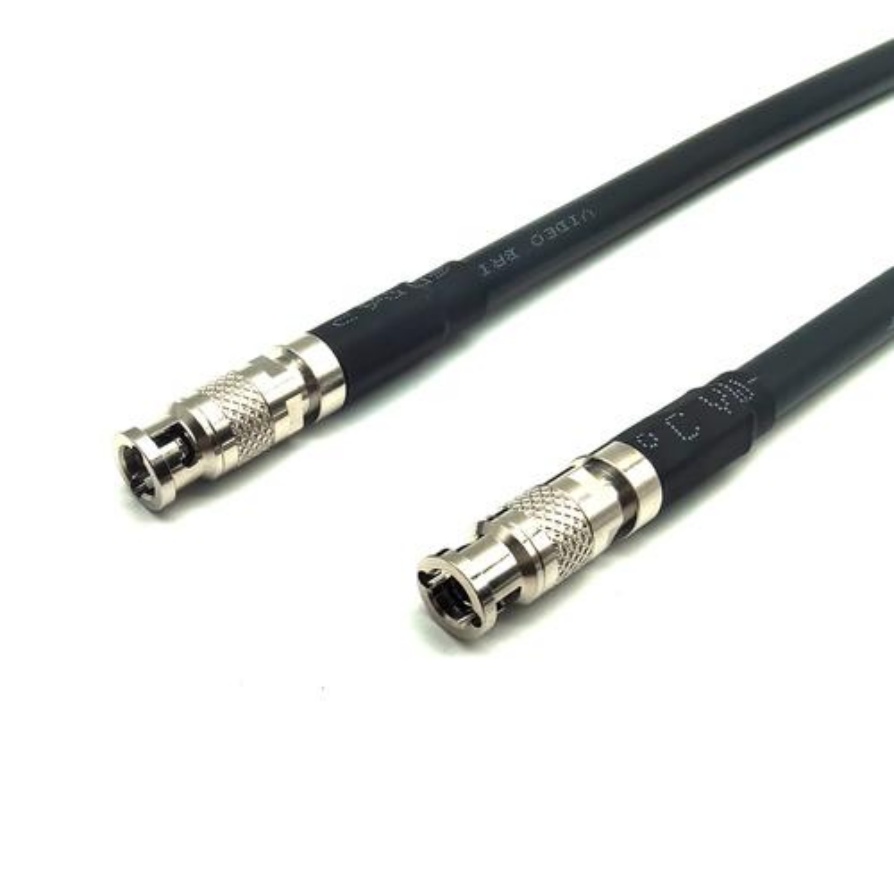
Finally, partner with a reputable manufacturer that adheres to industry standards (such as ISO, IEC, or UL) and offers custom solutions if needed. Custom flexible machine cable assemblies can be tailored to specific lengths, connector types, and shielding requirements, ensuring a perfect fit for your machinery.
The Importance of Quality in Flexible Machine Cable Assemblies
Investing in high-quality flexible machine cable assemblies is a cost-effective decision in the long run. Poor-quality cables are prone to premature failure, leading to unplanned downtime, costly repairs, and lost productivity. A single cable failure in a critical piece of machinery can halt an entire production line, resulting in significant financial losses. Quality assemblies, on the other hand, offer long service life, reduced maintenance costs, and consistent performance, minimizing the risk of operational disruptions.
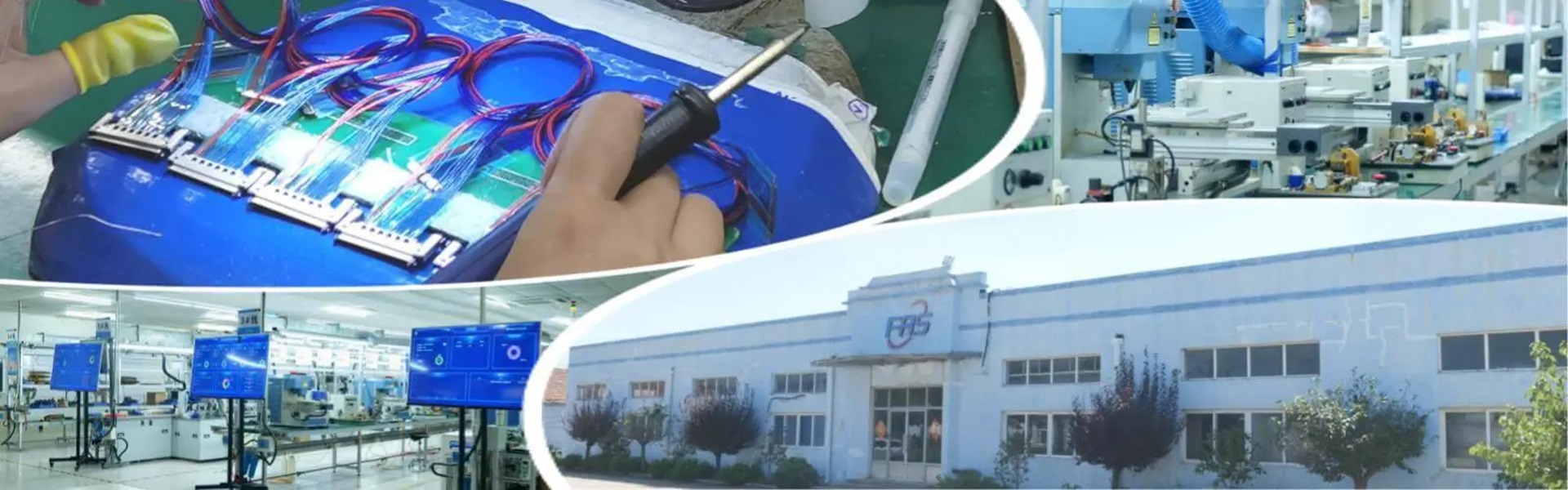
Moreover, reputable manufacturers subject their flexible machine cable assemblies to rigorous testing, including flex testing, temperature cycling, and electrical performance checks, to ensure they meet or exceed industry standards. This testing provides peace of mind that the cables will perform reliably under the intended conditions.
In conclusion, flexible machine cable assemblies are essential components in modern industrial operations, enabling reliable connectivity in dynamic and challenging environments. By understanding their key characteristics, applications, and selection criteria, businesses can choose the right assemblies to enhance efficiency, reduce downtime, and maintain a competitive edge in their industry. Whether for robotics, automotive manufacturing, or food processing, investing in high-quality flexible machine cable assemblies is a strategic choice that pays dividends in operational reliability and performance.