Global Machine Vision Market Grows: High Flex MDR 26pin Camera Link C...
The global machine vision market is expanding rapidly, driven by the need for higher resolution, faster frame rates, and more reliable inspection in industries like automotive, electronics, and logistics. As factories become smarter, the demand for robust, high-speed data cables grows. Among these, the Camera Link cable MDR 26pin high flexhas become a critical component, especially for dynamic applications.
This article explores the role of high-flex MDR 26-pin Camera Link cables in modern vision systems, their key specifications, and how to choose the right one for your application.
📈 Market Trends Driving Demand
Recent studies show the machine vision sector is the primary driver for Camera Link cable demand, accounting for a significant portion of global shipments. Applications such as weld inspection on automotive lines and PCB inspection in electronics rely on high-speed, low-latency links. This pushes the need for cables that can handle multi-gigabit data rates and millions of flex cycles in harsh industrial environments .
As a result, the Camera Link cable MDR 26pin high flexhas become a go-to solution for system integrators who need a proven interface with the durability to withstand continuous motion.
🔌 What is a Camera Link MDR 26-pin High Flex Cable?
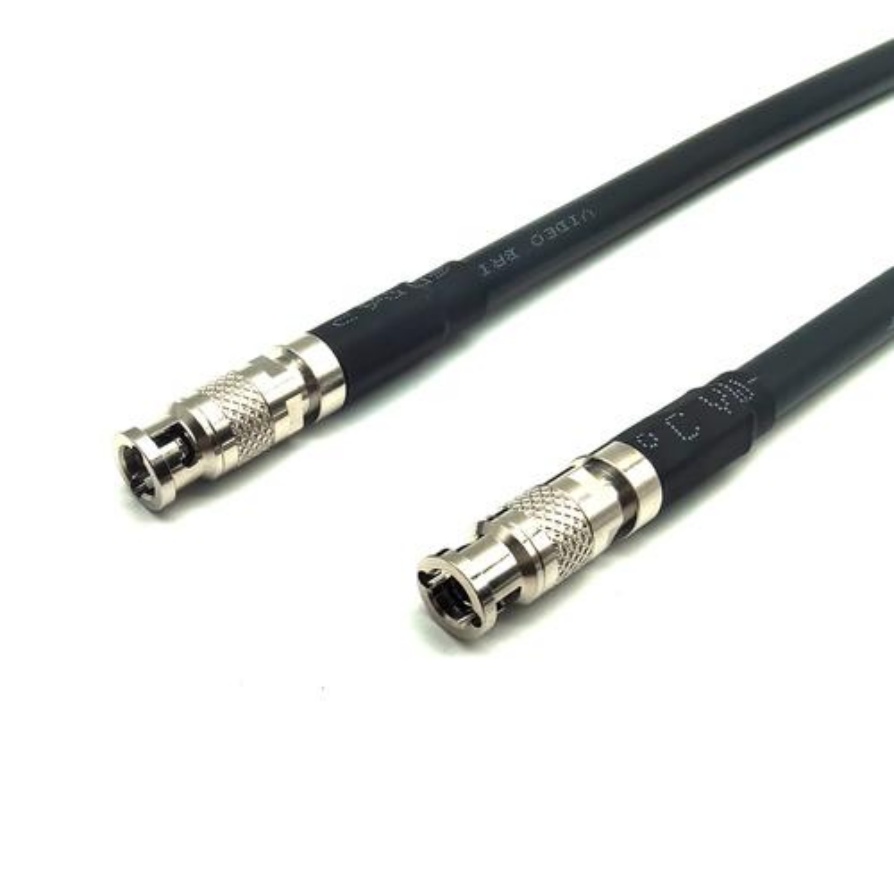
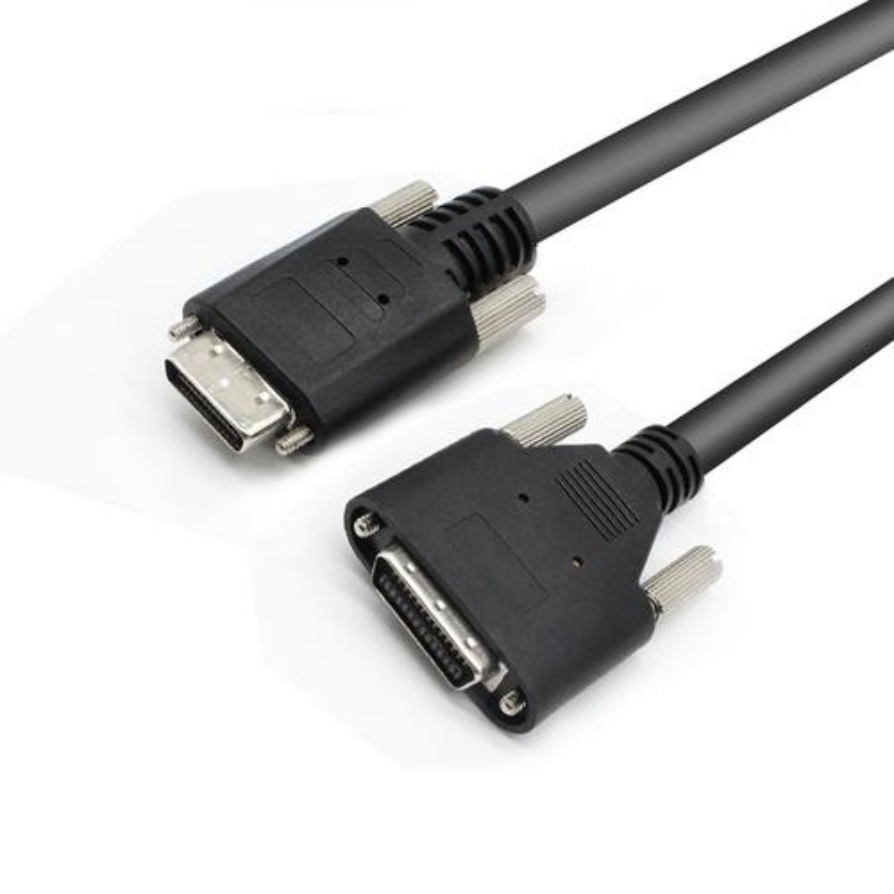
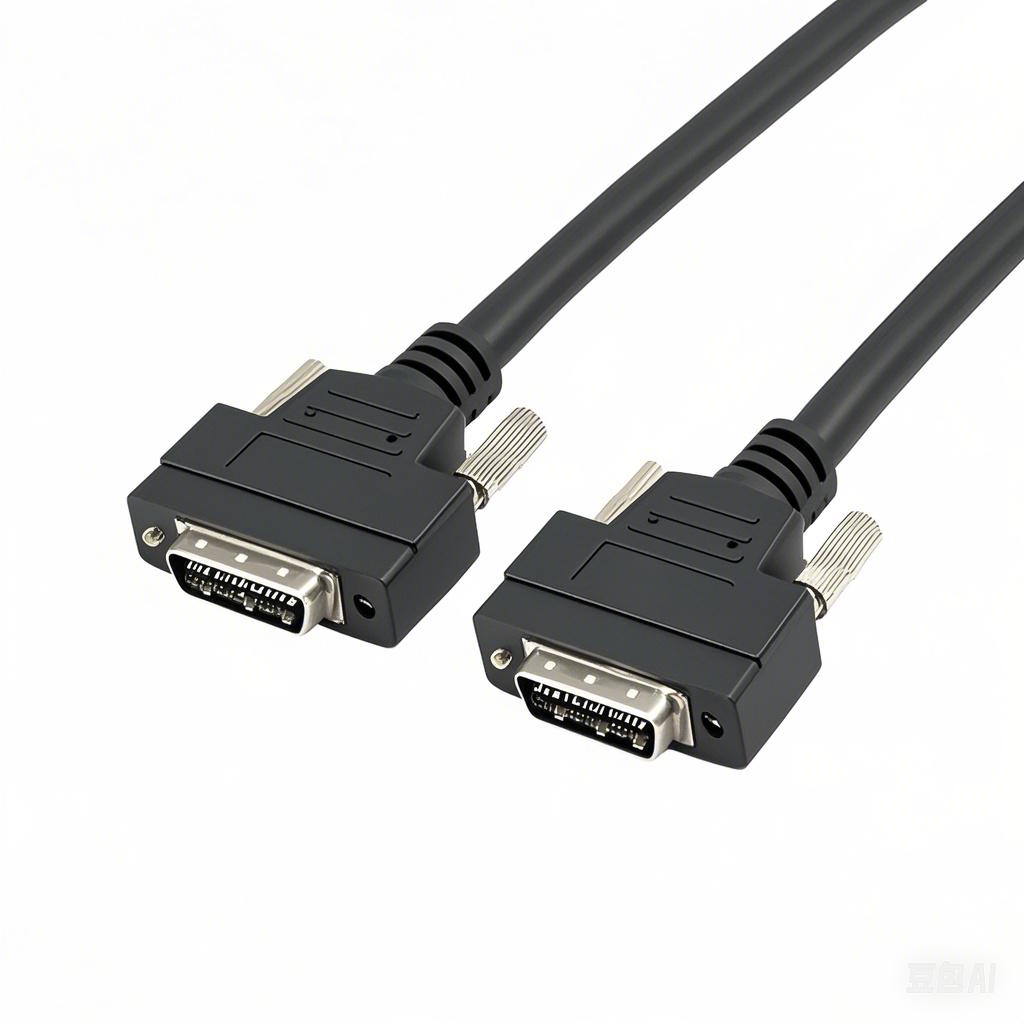
A Camera Link cable with an MDR (Mini D Ribbon) 26-pin connector is the standard interface for many industrial cameras and frame grabbers. The “high flex” designation means the cable is engineered for continuous motion, such as in robotic arms or drag chains, and can endure millions of bending cycles.
Key Features:
- Connector:26-pin MDR male on one or both ends, often with thumbscrews for a secure lock. Compatible with SDR (Mini Camera Link) connectors.
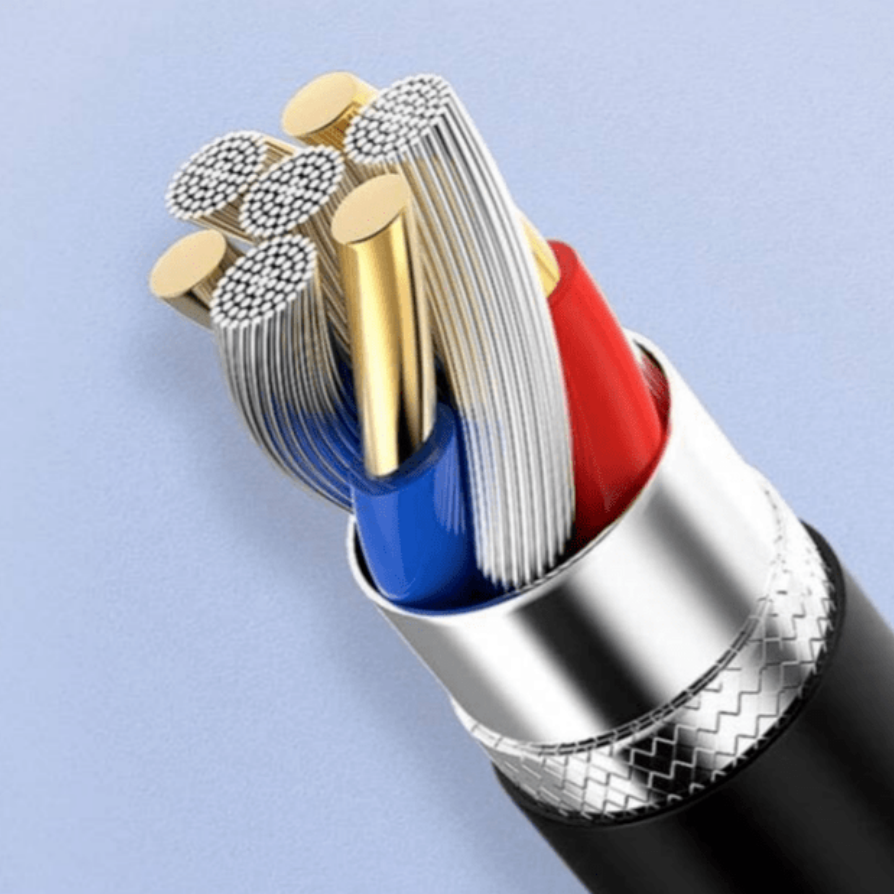
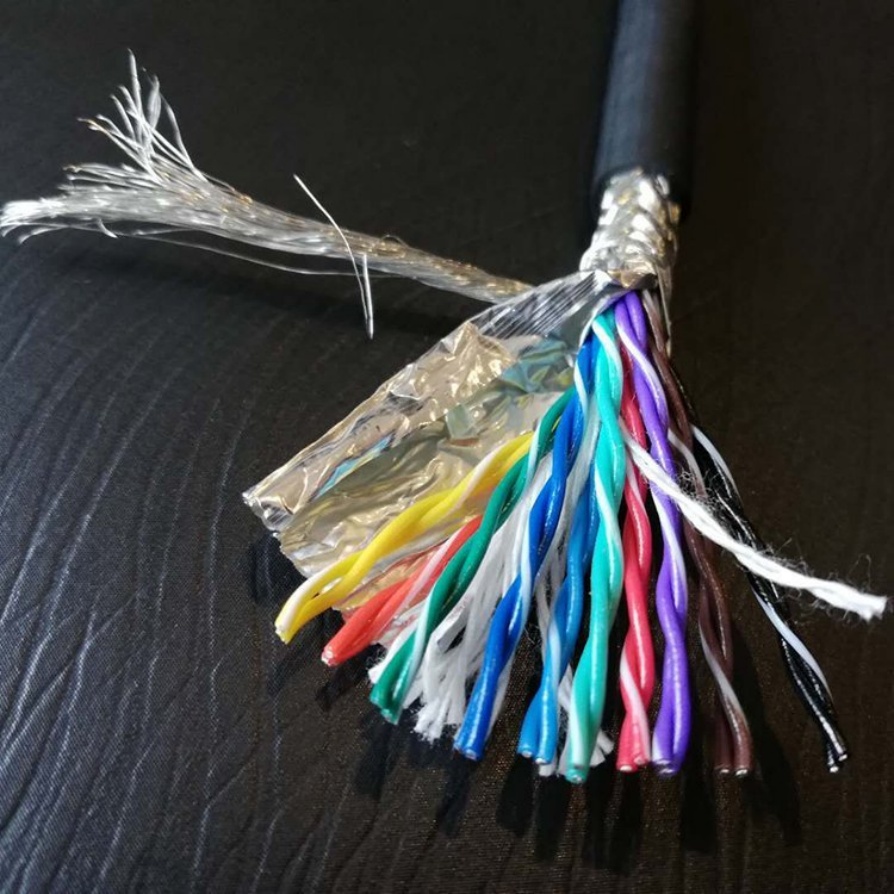
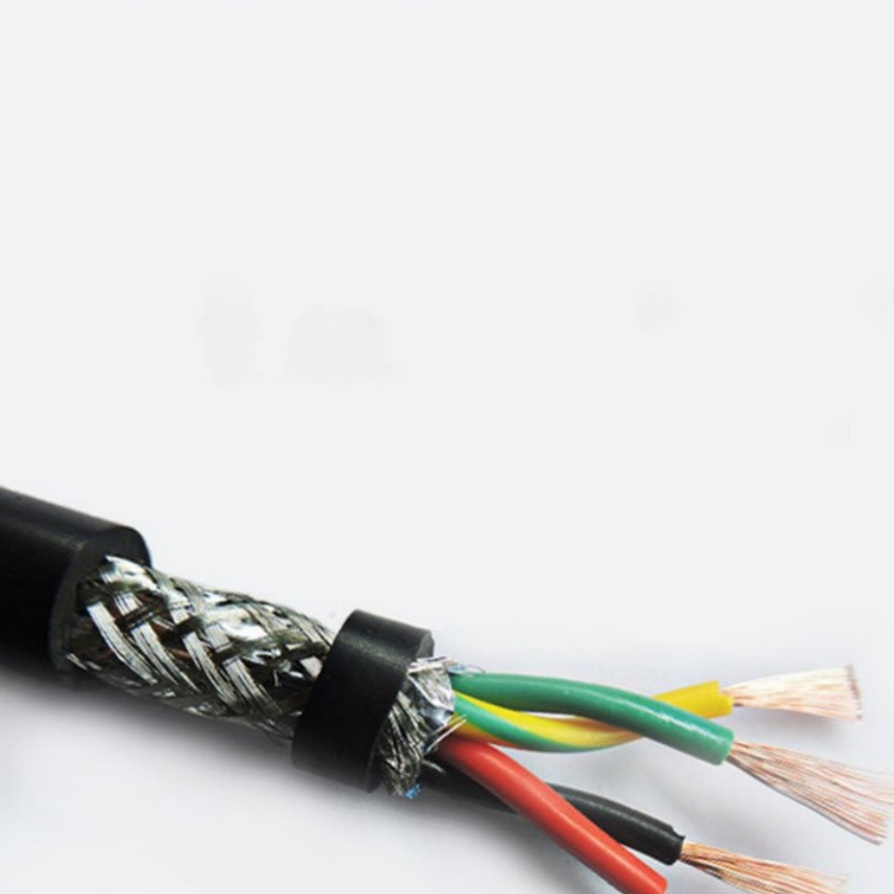
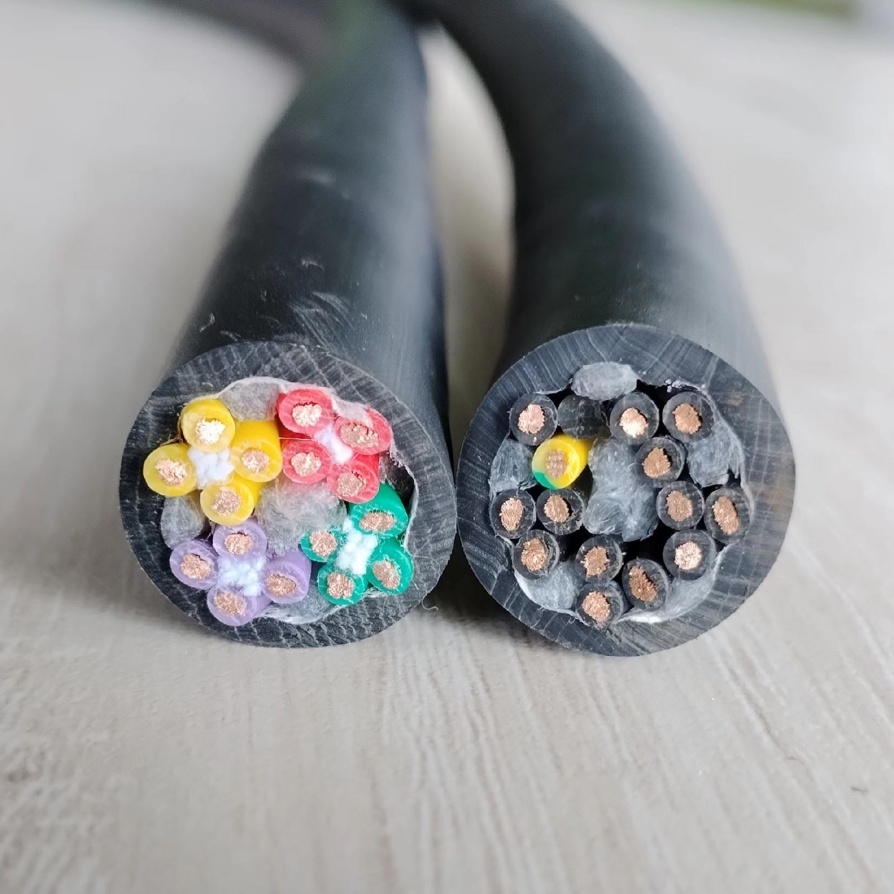
- Cable Construction:Typically features 11 individually shielded twisted pairs (plus additional conductors) to minimize signal skew and interference. It uses fine-stranded copper and a durable outer jacket like PVC or TPE.
- Shielding:Comprehensive shielding, usually a combination of aluminum foil and braid, provides excellent EMI/RFI protection, which is critical in electrically noisy factory environments .
🚀 Performance & Data Rates
Camera Link defines several configurations, and the high-flex MDR 26-pin cable is available for all of them:
- Base Configuration:Up to 2.04 Gbit/s
- Medium Configuration:Up to 4.08 Gbit/s
- Full Configuration:Up to 5.44 Gbit/s
The maximum cable length varies by configuration and frequency. For instance, some high-flex cables are specified for 85 MHz operation up to 10 meters, while others can reach 15 meters at lower frequencies. Premium cables are tested for 3 to 10 million flex cycles, ensuring a long service life in dynamic applications .
⚡ PoCL (Power over Camera Link)
Many high-flex MDR 26-pin cables support PoCL, allowing both data and power to be transmitted over a single cable. This simplifies system design by eliminating the need for a separate power supply to the camera, reducing cable clutter and potential failure points. It is crucial to verify PoCL compatibility with both your camera and frame grabber .
🎯 Key Applications
The combination of high bandwidth and mechanical durability makes the high-flex MDR 26-pin cable ideal for various demanding applications:
- Robotics & Automated Assembly:Used in robot arms and gantry systems where cables undergo constant flexing in drag chains.
- Electronics & Semiconductor Inspection:Connects high-resolution line scan cameras to inspection stations, where long cables in motion require high flex life.
- Automotive Manufacturing:Withstands the vibration and movement of in-line inspection systems for tasks like weld and surface inspection.
- Logistics & Packaging:Performs reliably in high-speed sorting and barcode reading systems with continuous cable movement.
- Medical & Scientific Imaging:Used in devices requiring compact, shielded, and durable connections for high-resolution imaging .
✅ How to Choose the Right Cable
Selecting the correct cable involves evaluating several critical factors:
- Connector Type:Match the connector to your hardware. Options include MDR-to-MDR, MDR-to-SDR, and right-angle configurations for tight spaces.
- Flex Life & Bending Radius:For dynamic applications, choose cables rated for at least 3-5 million flex cycles. Adhere to the manufacturer’s minimum bending radius (e.g., ≥ 4–8 times the cable OD) to avoid damage.
- Data Rate & Cable Length:Ensure the cable’s rated frequency and length meet your system’s speed and distance requirements. Longer cables may require lower data rates or repeaters.
- Shielding & EMI Performance:In environments with high EMI (e.g., near motors), prioritize cables with robust shielding (foil + braid) to maintain signal integrity.
- Environmental Resistance:Consider the operating temperature range and choose jackets like TPE or PUR for better oil, chemical, or abrasion resistance.
- PoCL Compatibility:If your system uses PoCL, ensure the cable is explicitly rated for it and that your frame grabber supports the standard .
🔧 Installation & Maintenance Best Practices
Proper handling extends the life of your high-flex cable:
- Avoid Tight Bends:Do not bend the cable tighter than the specified minimum radius. Use guide tubes or drag chains to manage the bend radius.
- Secure Cable Routing:Prevent sharp bends and crushing at cable entry points. Use strain relief boots on connectors.
- Maintain Connector Integrity:Hand-tighten thumbscrews; do not overtighten. Ensure the connector is fully seated before locking.
- Inspect Regularly:Periodically check for jacket cracks, kinks, or connector damage, especially in high-vibration areas .
🌐 Global Supply & Customization
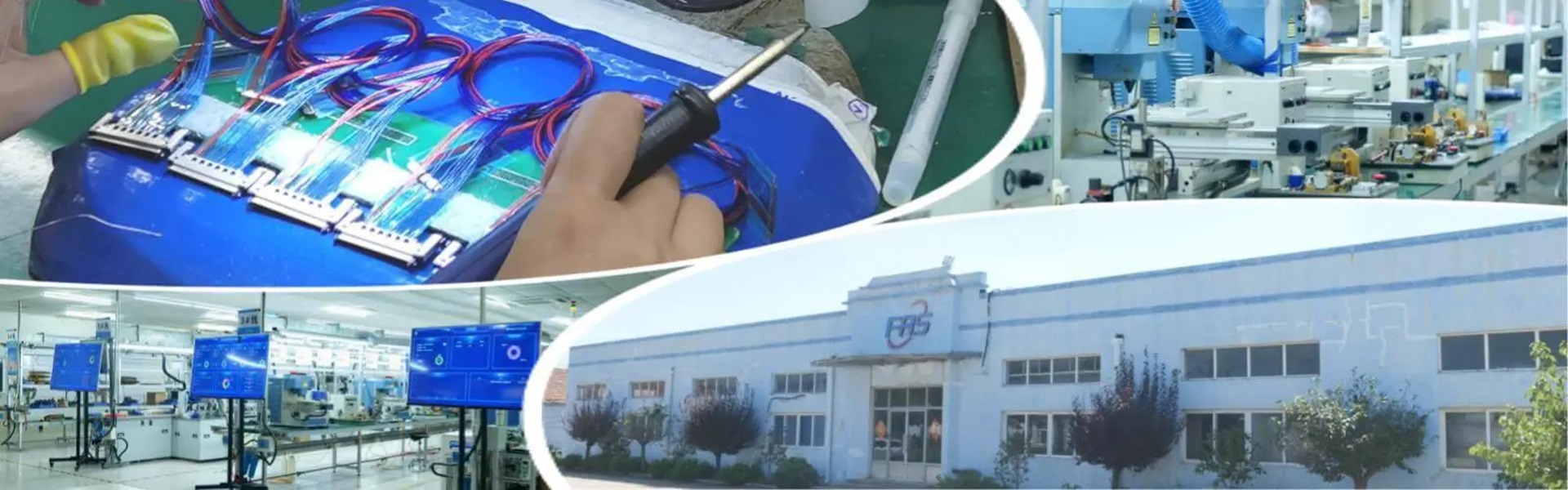
The market for Camera Link cables is global, with a strong manufacturing base in regions like China, which produces a large share of the world’s supply. This concentration offers advantages in cost and lead times but also requires attention to regional certifications like RoHS, REACH, and UL .
Most manufacturers offer customization services, allowing you to specify connector orientation, cable length, jacket material, and shielding to meet your exact application needs .
💡 Conclusion
As machine vision continues to evolve, the Camera Link cable MDR 26pin high flexremains a vital link in the data chain. Its ability to combine high-speed data transmission with the durability needed for continuous motion makes it indispensable for engineers building reliable, high-performance vision systems. By understanding the key specifications and selection criteria, you can choose a cable that ensures your system performs optimally for years to come.