heavy – duty machine cable Assemblies
In the realm of industrial machinery, heavy-duty machine cable assemblies serve as the vital nervous system, facilitating the seamless transmission of power, signals, and data between critical components. Unlike standard cable assemblies, these specialized solutions are engineered to withstand the harshest operating conditions, making them indispensable in sectors where reliability and durability directly impact productivity, safety, and operational efficiency.
Key Characteristics of High-Quality Heavy-Duty Machine Cable Assemblies
The performance of heavy-duty machine cable assemblies hinges on several core attributes that set them apart from conventional alternatives:
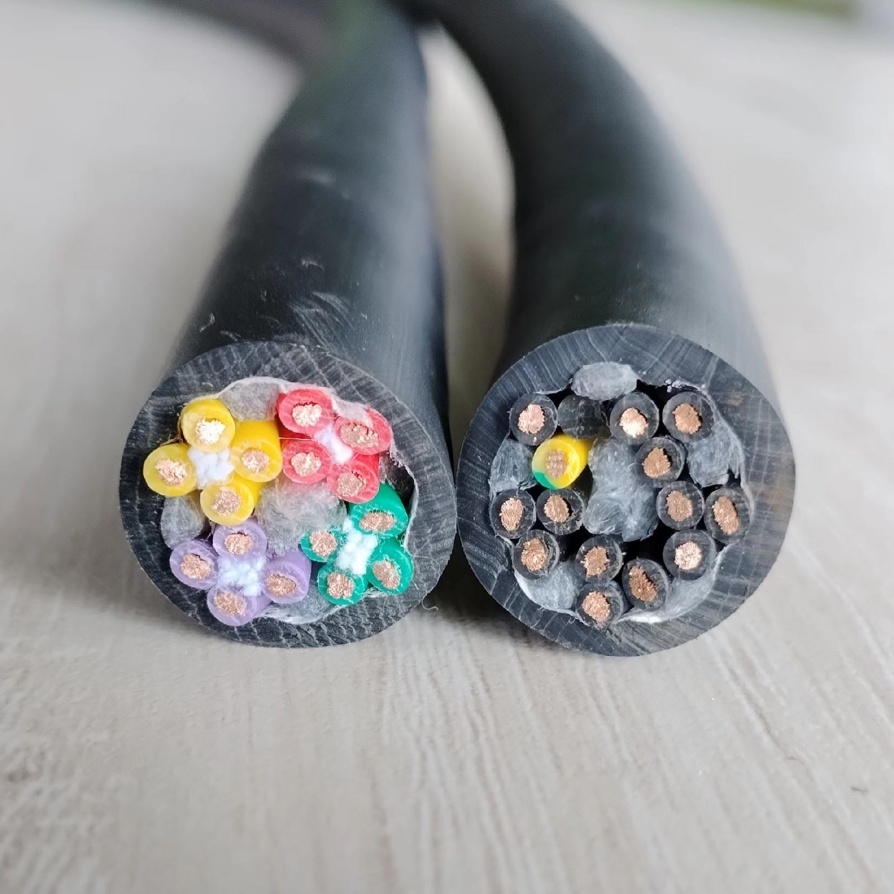
- Robust Durability: Constructed with rugged materials such as thermoplastic elastomers (TPE), polyurethane (PU), or ethylene propylene diene monomer (EPDM) for the outer jacket, these cables resist abrasion, oil, chemicals, and extreme temperatures ranging from -40°C to 125°C or higher. This durability ensures longevity even in environments with constant mechanical stress, like factory floors or construction sites.
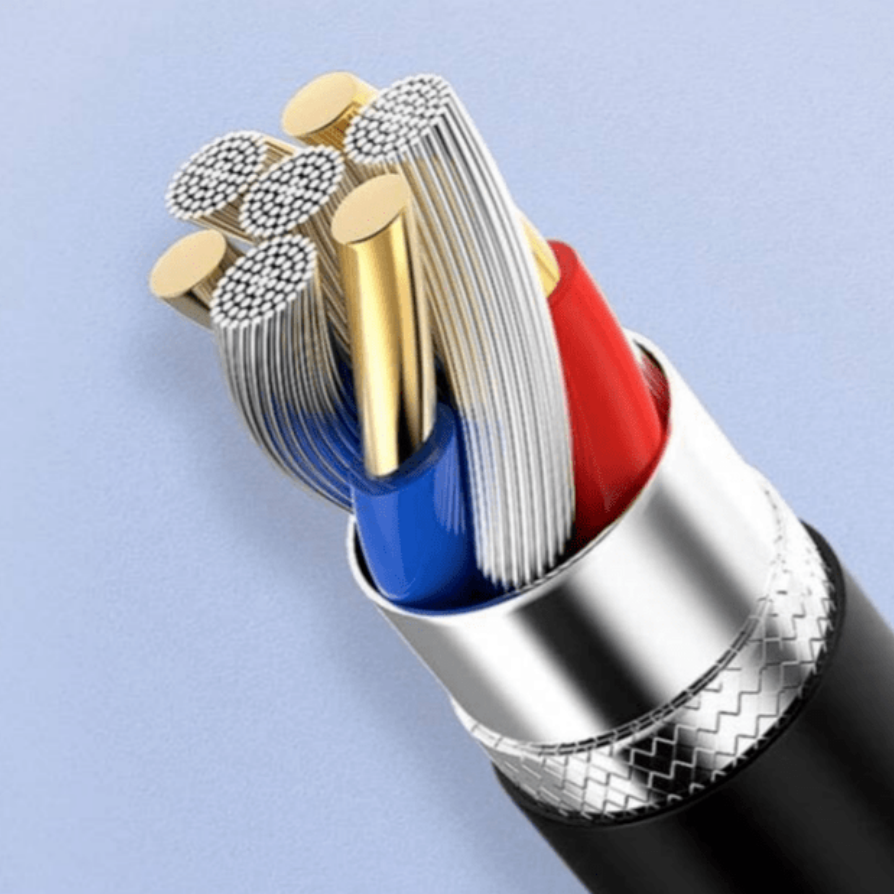
- Superior Conductivity: Utilizing high-grade copper conductors (often stranded for flexibility), heavy-duty cable assemblies minimize electrical resistance and power loss. This is crucial for heavy machinery that demands consistent power delivery to motors, sensors, and control systems, preventing downtime caused by voltage drops.
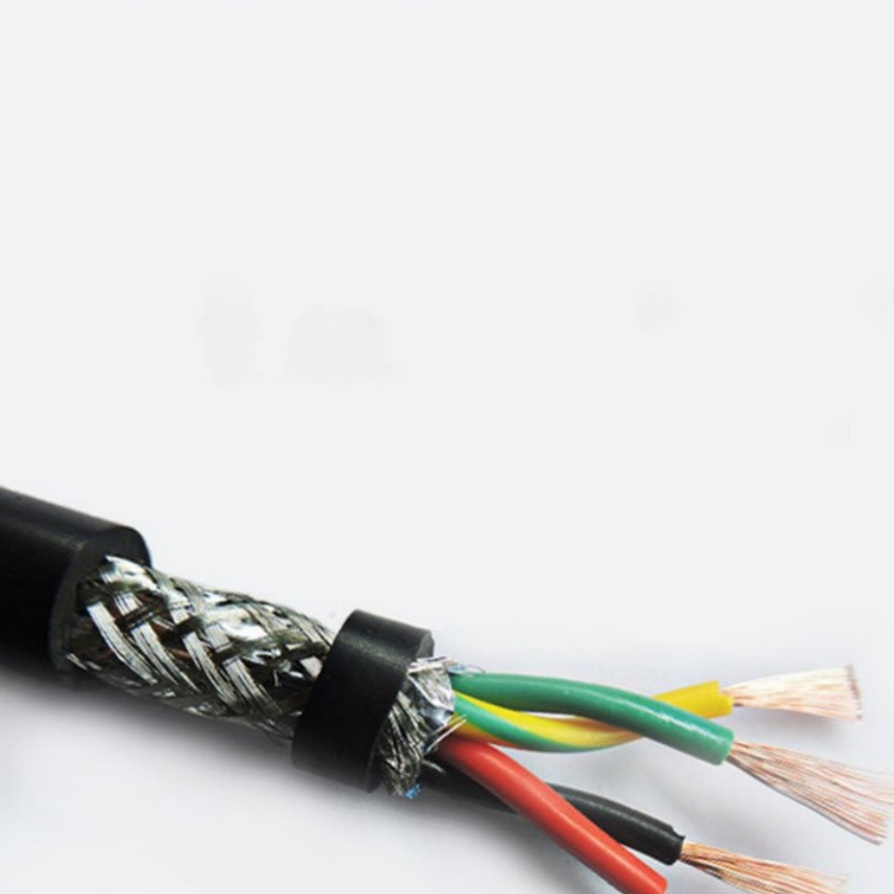
- Flexibility and Torsion Resistance: Many heavy-duty applications require cables to bend, twist, or move repeatedly (e.g., robotic arms, conveyor systems). Advanced designs incorporate绞合导体(stranded conductors) and flexible insulation, enabling millions of cycles of movement without signal degradation or physical damage.
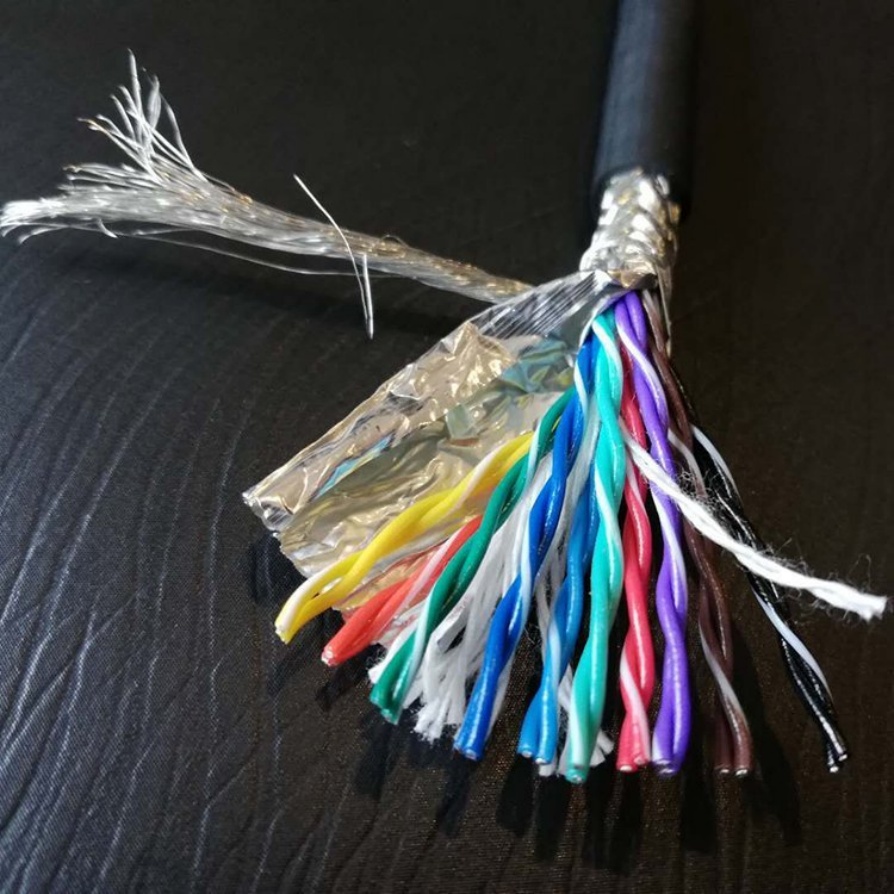
- Enhanced Shielding: To combat electromagnetic interference (EMI) and radio frequency interference (RFI)—common in industrial settings with multiple electronic devices—these cable assemblies feature shielding layers (such as braided copper, foil, or a combination). This ensures stable signal transmission for precision equipment like CNC machines or automated control systems.
Primary Applications Across Industries
Heavy-duty machine cable assemblies are integral to a wide range of industrial sectors, each with unique requirements:
- Industrial Manufacturing: Used in assembly lines, CNC machines, packaging equipment, and metalworking tools, where they must endure continuous motion, coolant exposure, and mechanical impact.
- Construction Machinery: Deployed in excavators, bulldozers, cranes, and concrete pumps, resisting dust, moisture, vibration, and extreme temperature fluctuations on job sites.
- Agricultural Equipment: Applied in tractors, harvesters, and irrigation systems, withstanding exposure to fertilizers, pesticides, UV radiation, and harsh weather conditions.
- Energy Sector: Utilized in wind turbines, solar panels, and oil/gas drilling equipment, where cables must handle high voltages, outdoor elements, and corrosive substances.
- Mining Industry: Critical for mining trucks, crushers, and conveyor systems, enduring heavy vibration, dust, and chemical exposure in underground or open-pit mines.
Critical Considerations When Selecting Heavy-Duty Cable Assemblies
Choosing the right heavy-duty machine cable assembly requires careful evaluation of the following factors to ensure optimal performance and cost-effectiveness:
- Environmental Conditions: Assess the operating temperature range, exposure to chemicals, moisture, dust, UV light, and mechanical stress (bending, torsion, impact) to select the appropriate jacket material and shielding.
- Current and Voltage Requirements: Match the cable’s conductor size and insulation rating to the power demands of the machinery, avoiding overheating or voltage breakdown.
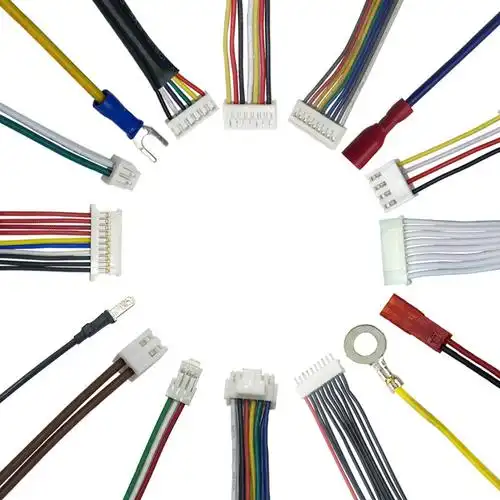
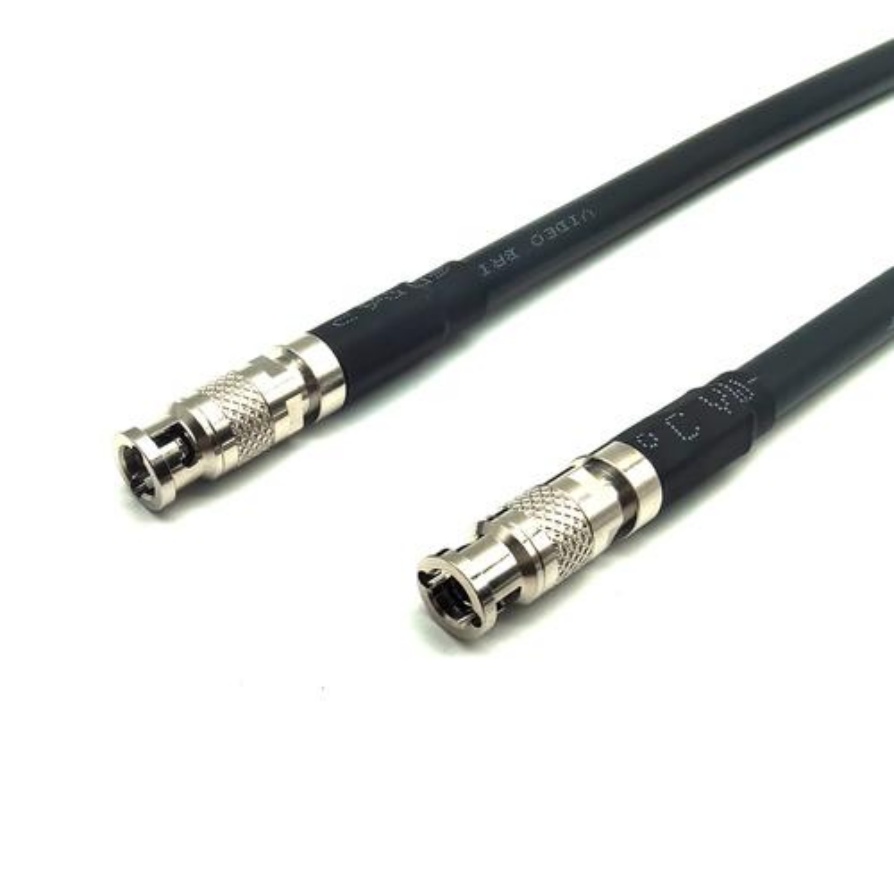
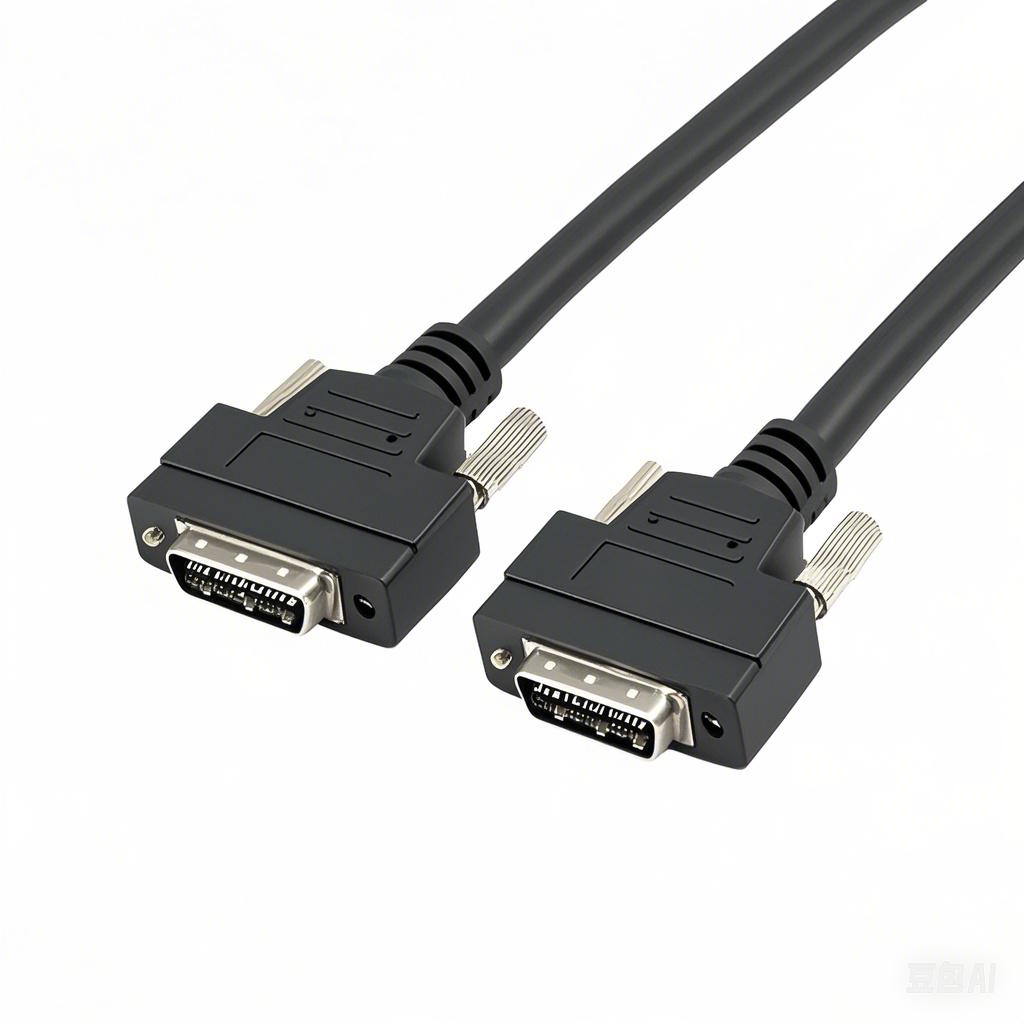
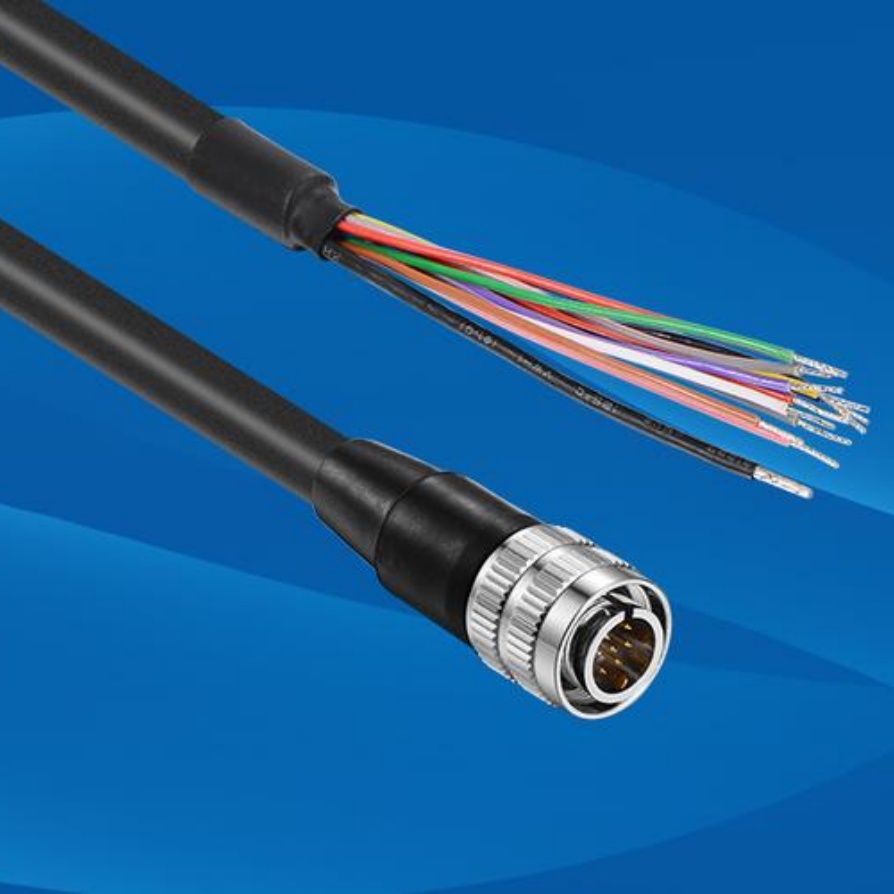
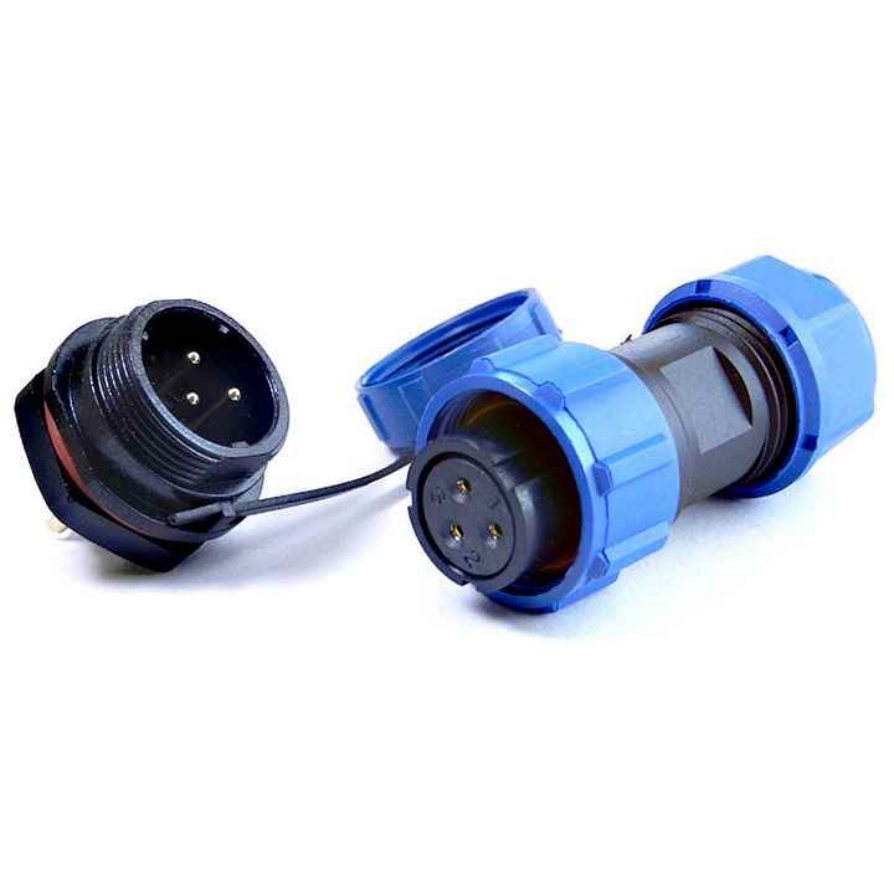
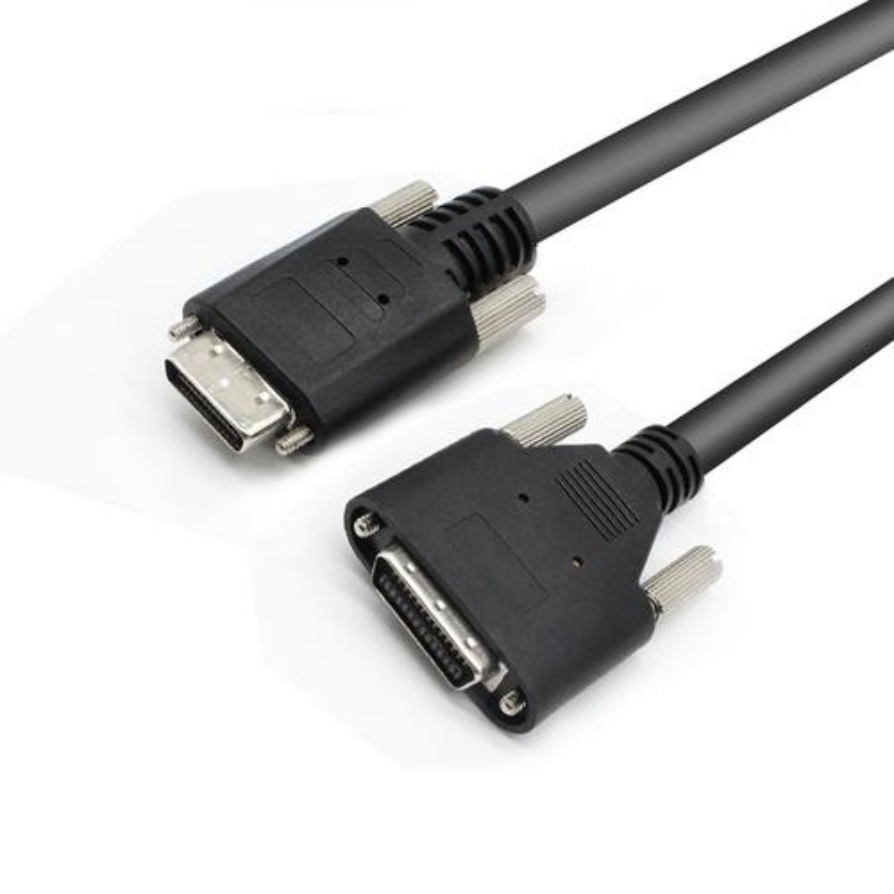
- Connector Compatibility: Ensure the cable assembly’s connectors (e.g., circular connectors, D-sub connectors, terminal blocks) are compatible with the machinery’s ports and can withstand the application’s environmental challenges.
- Compliance with Industry Standards: Look for cables that meet relevant standards such as IEC (International Electrotechnical Commission), UL (Underwriters Laboratories), or CE (Conformité Européenne) to guarantee safety and reliability.
Maintenance Tips to Extend Service Life
Proper maintenance can significantly prolong the lifespan of heavy-duty machine cable assemblies:
- Regularly inspect cables for signs of wear, such as cracks in the jacket, frayed conductors, or loose connectors.
- Avoid excessive bending or twisting beyond the cable’s specified minimum bend radius.
- Keep cables clean and free from debris, chemicals, or oil buildup that could degrade the jacket material.
- Secure cables with proper cable management tools (clips, ties, conduits) to prevent snagging or mechanical damage.
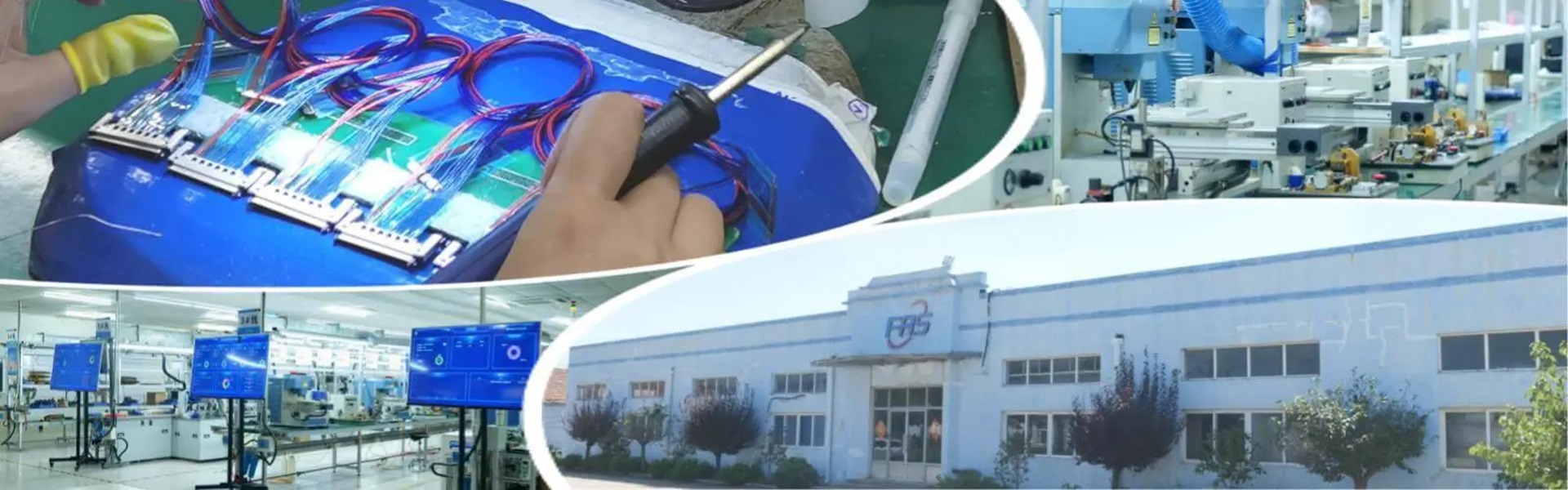
When it comes to sourcing reliable heavy-duty machine cable assemblies, FRS brand factory stands out as a trusted partner. With years of expertise in engineering and manufacturing industrial cable solutions, FRS prioritizes quality at every stage—from selecting premium materials to rigorous testing against harsh conditions. Our cable assemblies are tailored to meet the unique needs of diverse industries, ensuring seamless performance, durability, and compliance with global standards. Whether you require custom configurations for specialized machinery or standard solutions for common applications, FRS delivers consistent quality and responsive customer support. Choose FRS for heavy-duty machine cable assemblies that keep your operations running smoothly, reliably, and efficiently.