High-Flex Drag Chain Rated Machine Vision Cable 10m Launches for Robo...
In high-speed robotic quality control cells, a single cable failure can halt an entire production line. This is why the demand for a high-flex drag chain rated machine vision cable 10mis surging. It’s not just about connecting a camera; it’s about ensuring millions of reliable flex cycles, stable GigE or USB3 Vision data, and immunity to EMI/RFI noise in a moving robot arm.
This article explores the critical specifications, real-world applications, and key considerations for selecting the right 10m drag chain cablefor demanding machine vision tasks.
🎯 Why a Specialized 10m Drag Chain Cable Matters
Standard Ethernet or USB cables are not built for the intense, repetitive motion inside a robot’s drag chain. They often fail due to:
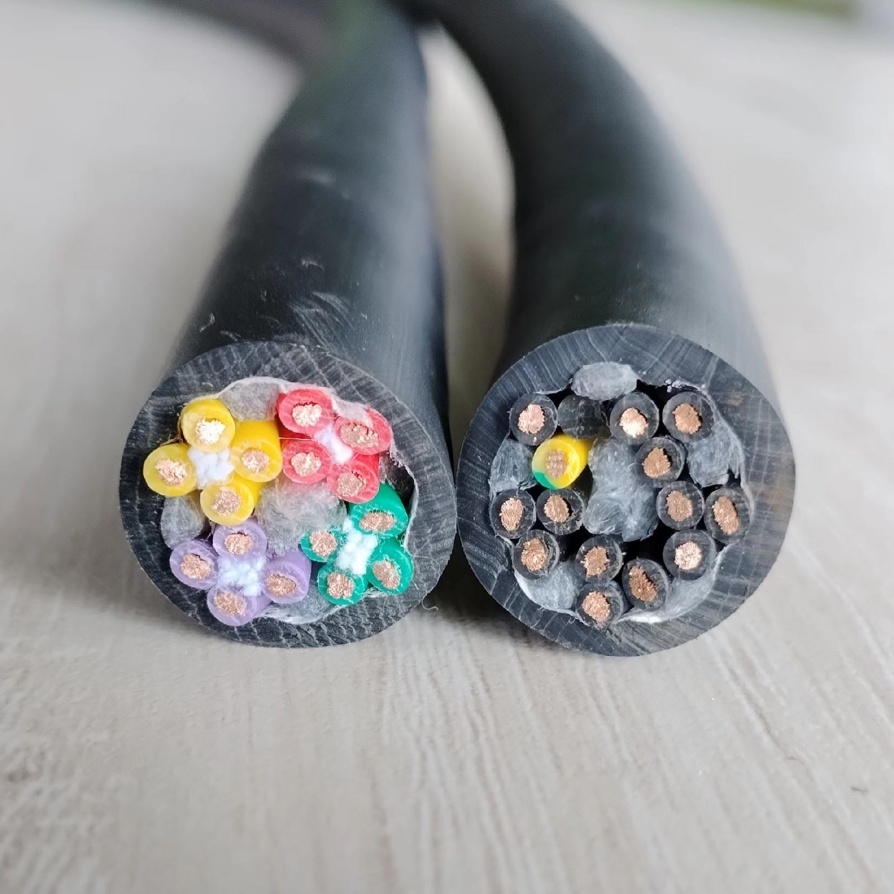
- Conductor Breakage:Internal copper strands fatigue and fracture from constant bending.
- Shielding Damage:The shielding braid or foil cracks, increasing electromagnetic interference (EMI/RFI).
- Connector Strain:Repeated flexing at the strain relief loosens or breaks solder joints.
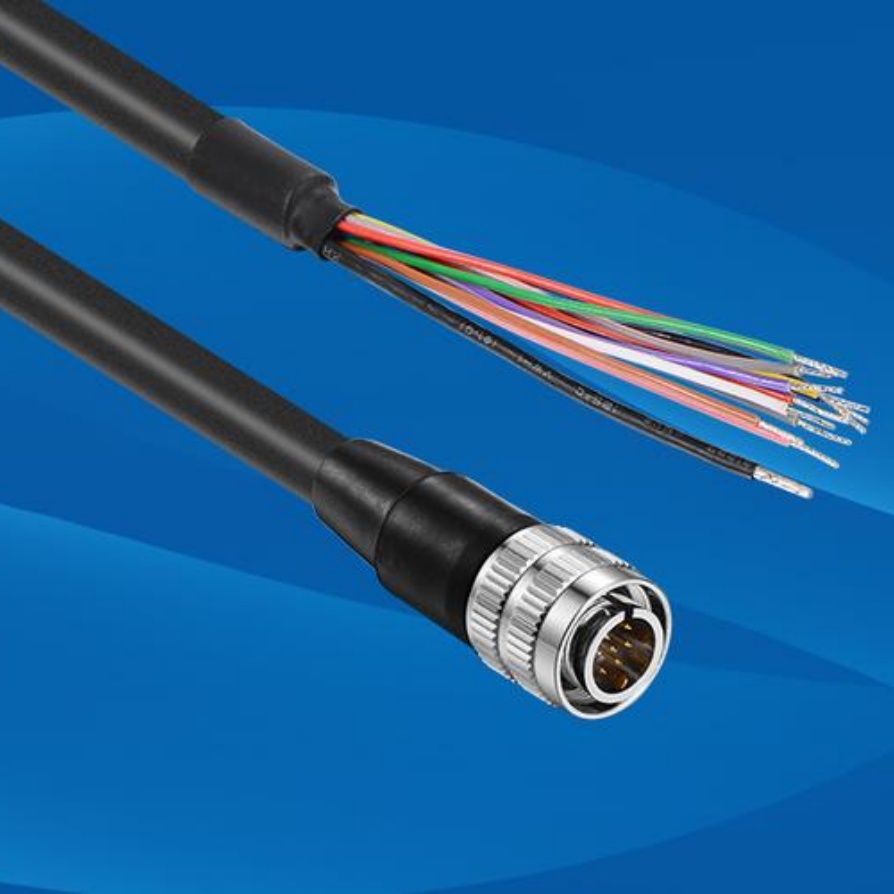
A purpose-built high-flex drag chain rated machine vision cable 10msolves these issues with a design proven for millions of flex cycles, making it essential for robotic quality control where downtime is extremely costly.
⚙️ Key Specifications to Evaluate
When selecting a 10m drag chain cable, focus on these core parameters:
1. Mechanical Endurance
- Flex Life:Look for cables rated for at least 5 milliondrag chain flex cycles. Top-tier models can reach 10 millionor more.
- Bending Radius:Ensure the minimum bend radius is 5–8 times the cable OD. For a 10m cable moving in a tight robot, a smaller radius (e.g., 6–8D) is a significant advantage.
2. Shielding & Signal Integrity
Stable data transmission for GigE Vision or USB3 Vision is paramount.
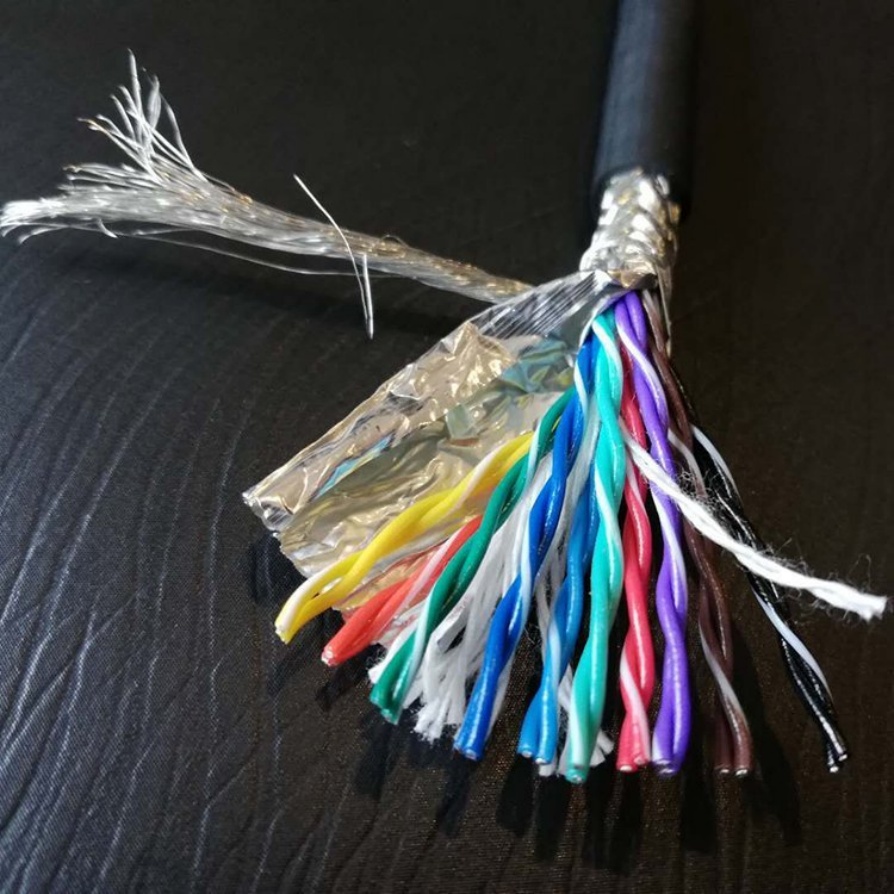
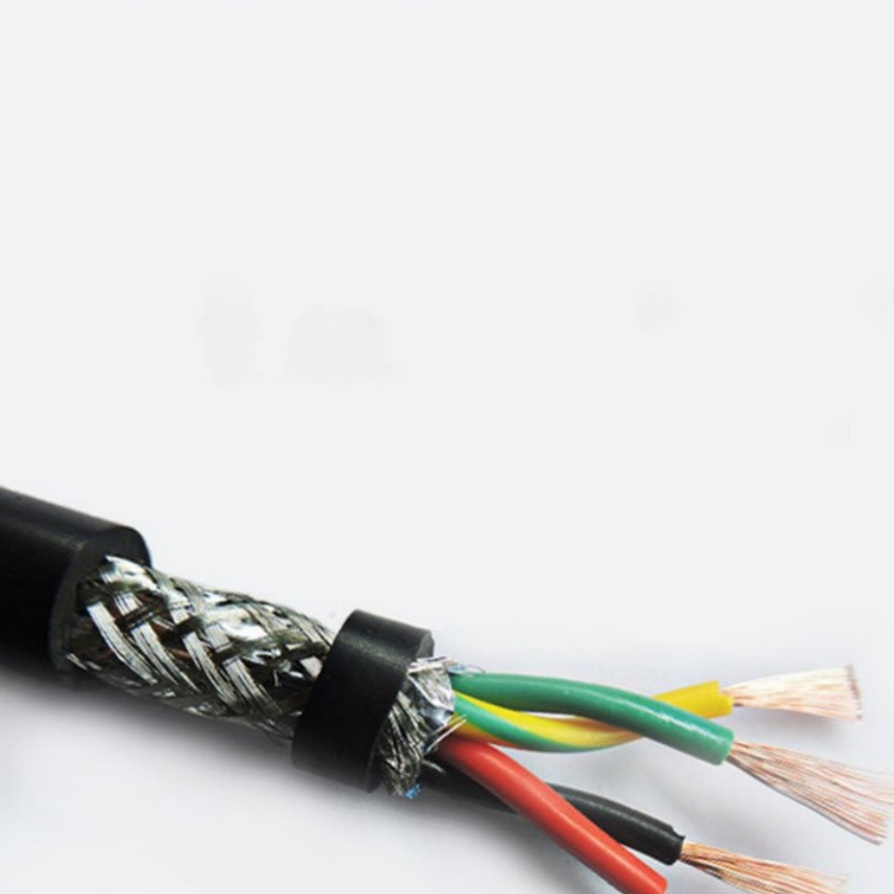
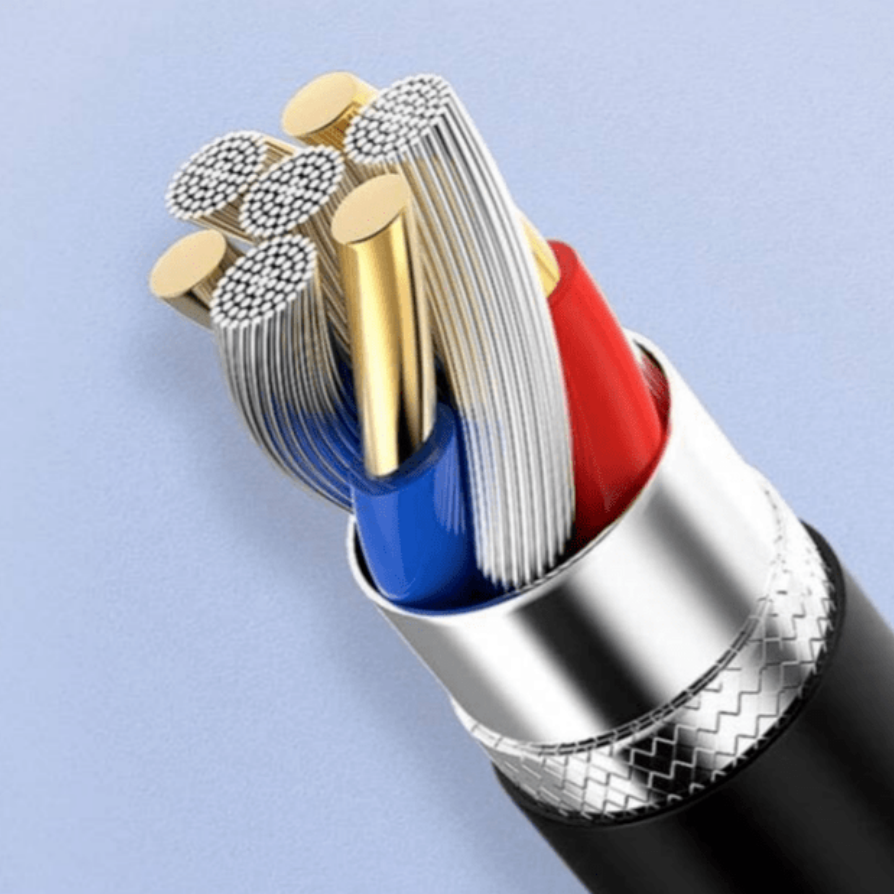
- Construction:Opt for cables with double shielding(e.g., aluminum foil + tinned copper braid) providing 85-95% coverage.
- Standards:For GigE, Cat6a SF/UTP or better is recommended for 1 Gbps and noise immunity. For USB3 Vision, ensure the cable is certified for high-speed video transfer.
3. Jacket & Environmental Resistance
The cable must withstand the rigors of a factory floor.
- Materials:PURjackets offer superior oil, abrasion, and hydrolysis resistance. PVCis a more economical choice for less demanding environments.
- Flame Rating:A VW-1or equivalent flame rating is a common industrial standard.
4. Connector & Locking
A loose connector can be as catastrophic as a broken wire.
- Machine Vision RJ45:Use screw-lock RJ45 connectorsfor GigE Vision cameras to prevent accidental disconnection from vibration.
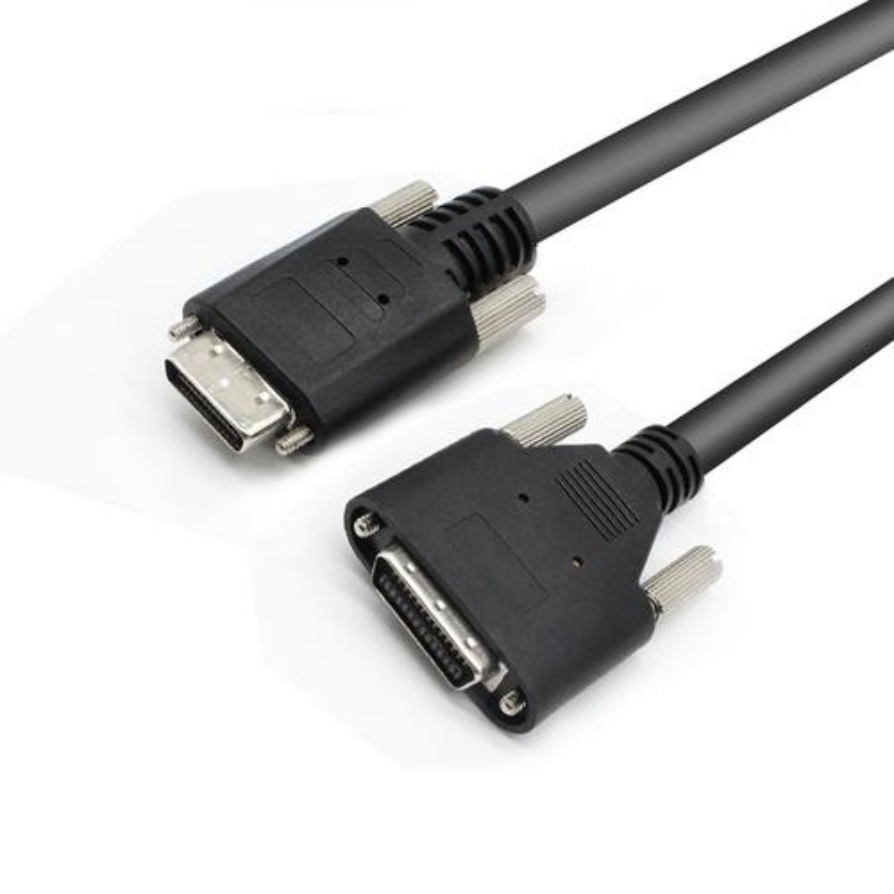
- USB3 Vision:Choose cables with locking thumbscrewson the Micro-B or Type-C connector for a secure fit in tight spaces.
🔌 Common Interfaces for 10m Machine Vision Cables
1. GigE Vision (Cat5e/Cat6a)
- Use Case:Ideal for high-resolution, high-speed inspection over long distances (up to 100m).
- Cable:A Cat6a SF/UTP high-flex drag chain cable, 10mwith screw-lock RJ45 connectors is the standard.
2. USB3 Vision
- Use Case:Favored for its plug-and-play simplicity and high bandwidth for close-range 3D and high-speed 2D inspection.
- Cable:A high-flex USB3 Vision cable, 10mwith locking thumbscrews is crucial. Note that USB has a practical distance limit of around 5-7m, making the 10m length suitable for specific, optimized setups.
3. Camera Link
- Use Case:Suited for very high-resolution, high-bandwidth applications.
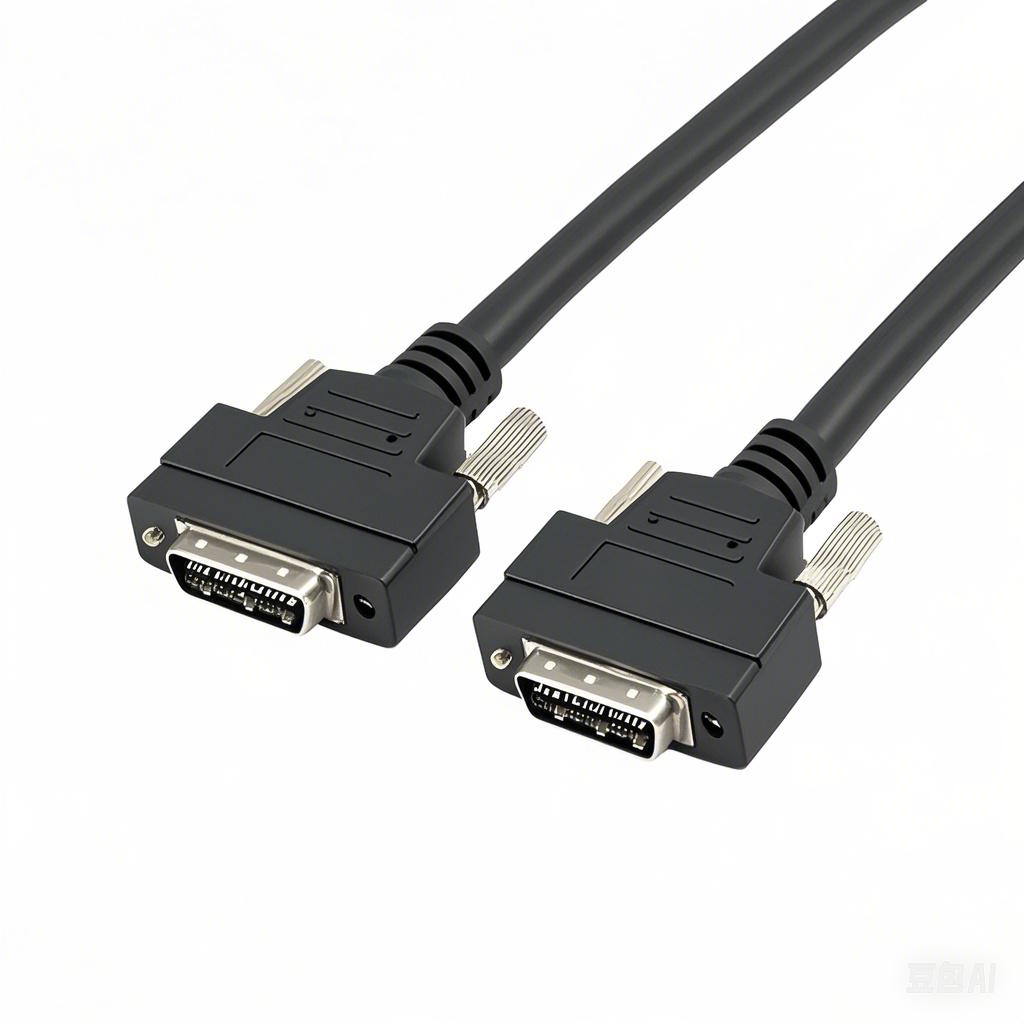
- Cable:Camera Link drag chain cables, 10mare available in both copper and AOC (Active Optical Cable) formats, with AOC offering immunity to EMI/RFI.
4. Power & I/O
- Use Case:To power the camera and connect trigger/signal lines.
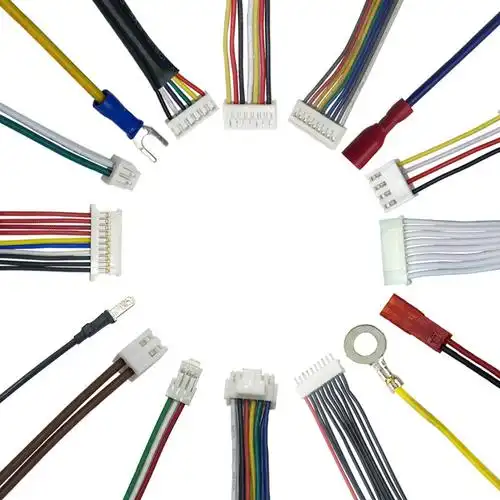
- Cable:Use a high-flex power/IO cable, 10mwith the appropriate connector (e.g., Hirose 6-pin) designed for continuous flex.
🤖 Applications in Robotic Quality Control
1. High-Speed Pick-and-Place Verification
In a 6-axis robot cell, a 10m GigE Vision cableon a moving arm can inspect hundreds of parts per minute. The cable must endure millions of flexes while maintaining signal integrity for reliable reject decisions.
2. 3D Robot Guidance
For 3D profiling, a 10m USB3 Vision or Camera Link cablemust deliver stable data as the robot moves. A high-flex cable with locking connectors ensures the system doesn’t fail during critical production runs.
3. Inline Dimensional & Surface Inspection
Long travel robot rails require cables that can handle long travel distances and constant flexing. A 10m high-flex Ethernet or hybrid cableprovides the necessary reach and durability for 24/7 inspection.
🔧 Installation & Best Practices
Maximizing cable life requires proper installation:
- Respect the Bend Radius:Never force the cable into a tighter bend than its specified minimum.
- Support Long Travel:Use intermediate cable supports for travel distances over 1-2 meters to reduce stress.
- Strain Relief is Key:Ensure the cable is clamped close to the connector’s entry point to prevent bending at the solder joint.
- Maintain Separation:Keep high-flex data cables away from high-power motor cables to minimize EMI. Cross them at 90° if they must intersect.
💡 How to Choose the Right 10m Cable
- Define the Interface:Is it GigE Vision, USB3 Vision, Camera Link, or a combination?
- Check the Specs:Look for a minimum of 5 million flex cycles, a bend radius of 5-8x OD, and robust shielding (e.g., double-shielded Cat6a).
- Match the Environment:Choose PURfor oily or abrasive environments and PVCfor general-purpose use.
- Secure the Connection:Ensure connectors have locking mechanisms(screw-lock RJ45, thumbscrews).
- Verify Compatibility:Confirm the cable works with your specific camera, frame grabber, and software.
🚀 Conclusion
The high-flex drag chain rated machine vision cable 10mis a critical component for any robotic quality control system that demands speed, precision, and uptime. By understanding the key specifications and following best practices, you can select a cable that performs reliably for years, keeping your production line running smoothly.