High-Flex Machine Vision Cable | 10M Bending Cycles
High-Flex Machine Vision Cable: The Ultimate Solution for Industrial Vision Systems with 10M Bending Cycles
In the fast-paced world of industrial automation and machine vision, every component plays a critical role in ensuring seamless operation, and machine vision cables stand at the heart of reliable data transmission. A standard cable might suffice for static setups, but modern machine vision systems demand more—flexibility, durability, signal stability, and long-term performance in harsh, high-motion industrial environments. This is where a high-flex machine vision cable with 10 million bending cycles becomes an indispensable asset, elevating system efficiency, reducing downtime, and delivering consistent results for even the most demanding applications.
What Makes High-Flex Machine Vision Cables Indispensable for Industrial Vision?
Machine vision systems are the eyes of industrial automation, powering quality inspection, robotic guidance, product sorting, defect detection, and precision measurement across manufacturing, automotive, electronics, semiconductor, packaging, and logistics industries. These systems rely on real-time, high-resolution image and data transfer between cameras, sensors, frame grabbers, and control units. Any disruption in this transmission—whether from signal interference, cable wear, or poor flexibility—can lead to costly production halts, inaccurate readings, and compromised product quality.
Conventional standard cables are built for stationary use, lacking the structural integrity to withstand repeated bending, twisting, dragging, and vibration common in drag chains, robotic arms, automated assembly lines, and mobile vision setups. They quickly develop internal wire breaks, shielding damage, and insulation cracks, resulting in signal loss, intermittent connectivity, and complete system failure. A high-flex machine vision cable, engineered specifically for dynamic motion, solves these pain points by combining premium materials, advanced construction, and rigorous durability testing, with a standout 10 million bending cycle rating that sets it apart from ordinary industrial cables.
Key Performance Advantages of High-Flex Machine Vision Cables with 10M Bending Cycles
Unmatched Flex Life & Durability for Continuous Motion
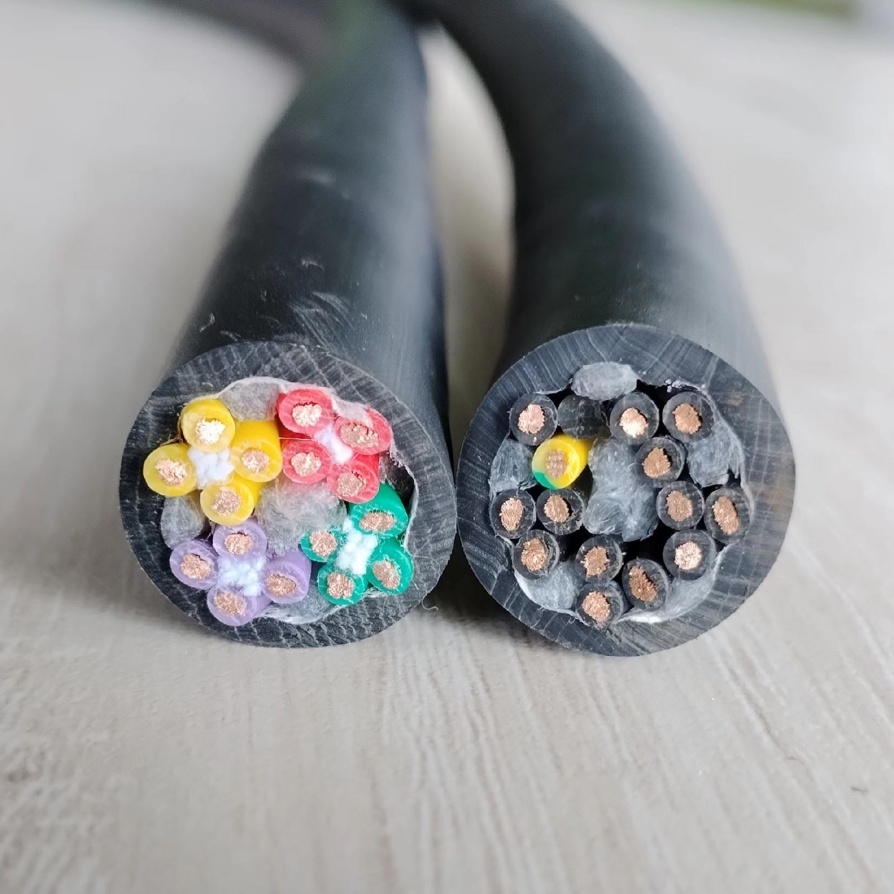
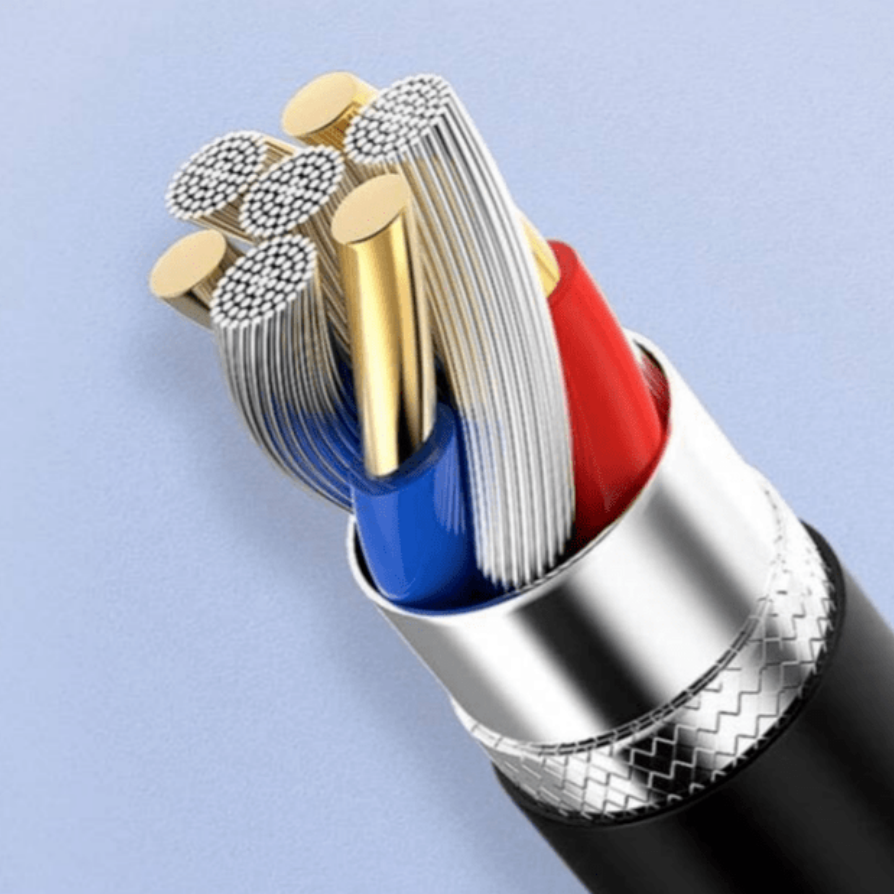
The defining feature of this high-flex machine vision cable is its exceptional 10 million bending cycle lifespan, a benchmark that reflects its ability to endure relentless repetitive motion without performance degradation. This feat is achieved through precision engineering: ultra-fine stranded oxygen-free copper (OFC) conductors, which offer superior flexibility compared to solid or coarse-stranded wires, paired with a specialized flexible insulation and jacket material. Unlike standard cables that fail after thousands or hundreds of thousands of bends, this cable maintains structural integrity through millions of bending, twisting, and flexing motions, making it ideal for high-cycle drag chain applications, six-axis robotic arms, and mobile vision platforms that operate 24/7.
The cable’s optimized bend radius design further enhances its durability, allowing it to navigate tight spaces and sharp bends without kinking or internal damage. This eliminates the need for frequent cable replacements, cutting down on maintenance costs, reducing production downtime, and extending the overall service life of the entire machine vision system. For industrial facilities running continuous shifts, this durability translates directly to improved operational efficiency and lower total cost of ownership (TCO).
Superior Signal Integrity & Anti-Interference Performance
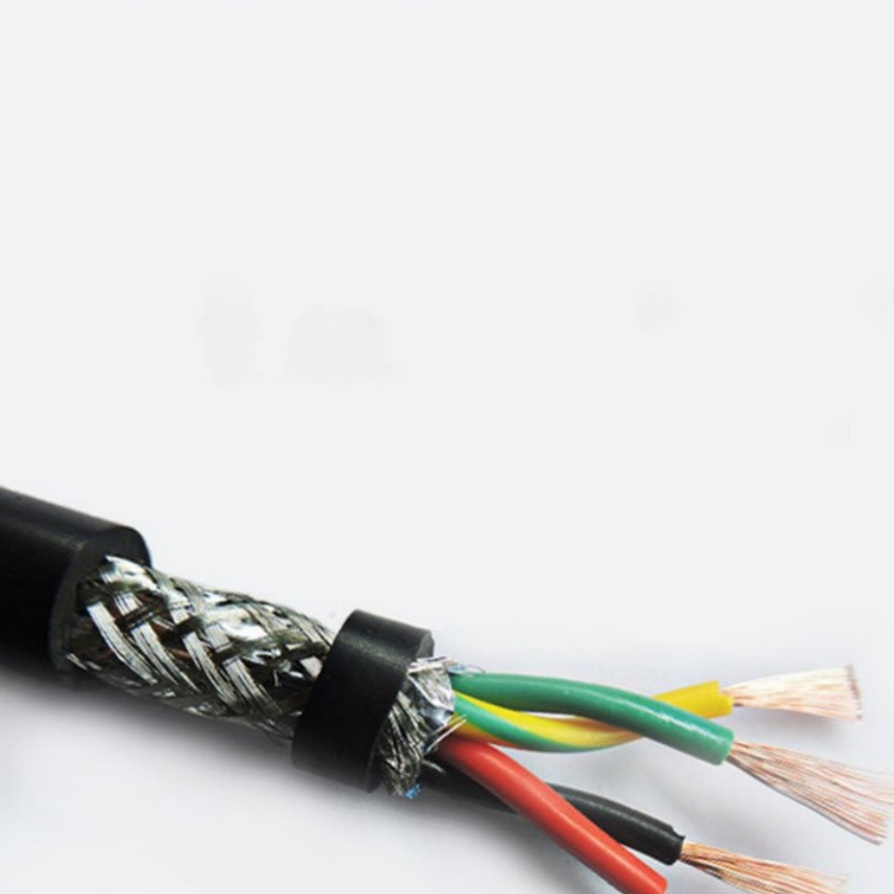
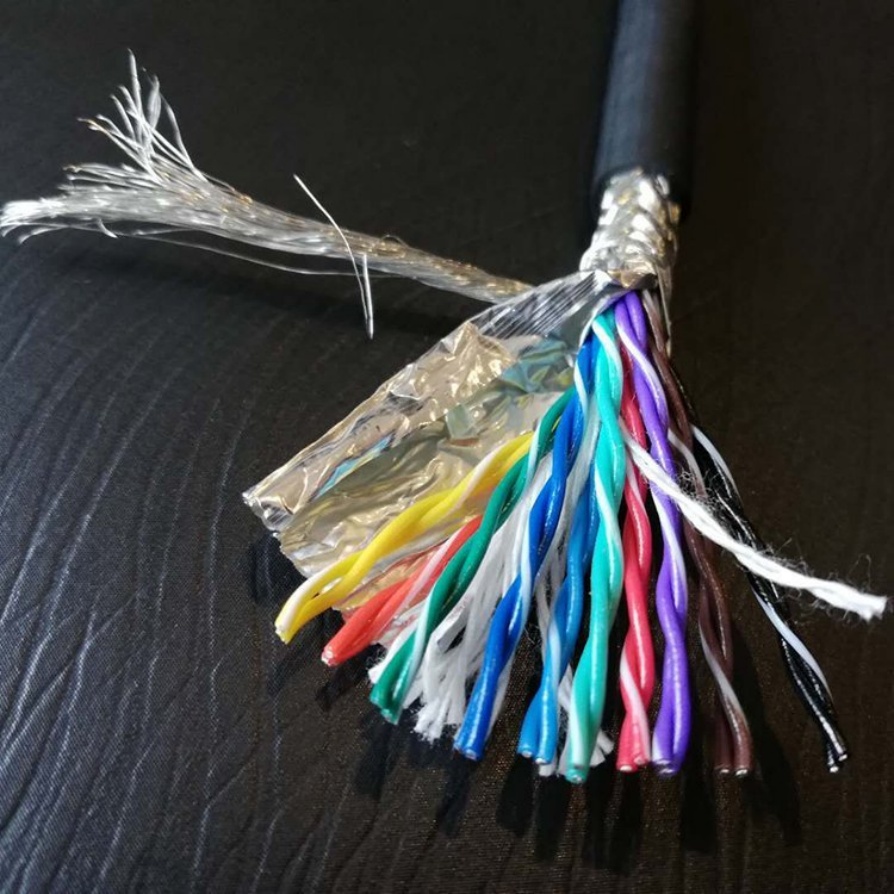
Machine vision systems handle high-speed, high-bandwidth data transmission, requiring pristine signal quality to capture clear, accurate images and avoid data corruption. Industrial environments are rife with electromagnetic interference (EMI), radio frequency interference (RFI), and electrical noise from motors, drives, power cables, and other machinery—all of which can distort vision signals and cause system errors. High-flex machine vision cables feature a multi-layer shielding structure, typically including aluminum foil shielding (AL-foil) and tinned copper braided shielding, that creates a robust barrier against external interference.
This dual shielding design ensures stable transmission of high-resolution video signals, even in noisy industrial settings, supporting common machine vision protocols such as GigE Vision, USB3 Vision, Camera Link, and CoaXPress. The cable’s low capacitance and low attenuation properties further preserve signal clarity over extended lengths, enabling consistent performance whether the cable is used for short-range camera connections or longer-distance system integration. Whether inspecting tiny electronic components, large automotive parts, or fast-moving packaged goods, the cable delivers uninterrupted, high-fidelity data transfer that keeps vision systems running at peak performance.
Industrial-Grade Build for Harsh Environments
Industrial settings are often unforgiving, exposing cables to oil, chemicals, abrasion, moisture, dust, and extreme temperatures. A high-flex machine vision cable is constructed with industrial-grade materials that resist these harsh conditions, ensuring reliable performance in diverse operating environments. The outer jacket is typically made of oil-resistant, wear-resistant PVC, PUR (Polyurethane), or TPE (Thermoplastic Elastomer), which repels industrial oils, lubricants, and chemical splashes while resisting scratches and abrasion from contact with metal drag chains, robotic components, and production equipment.
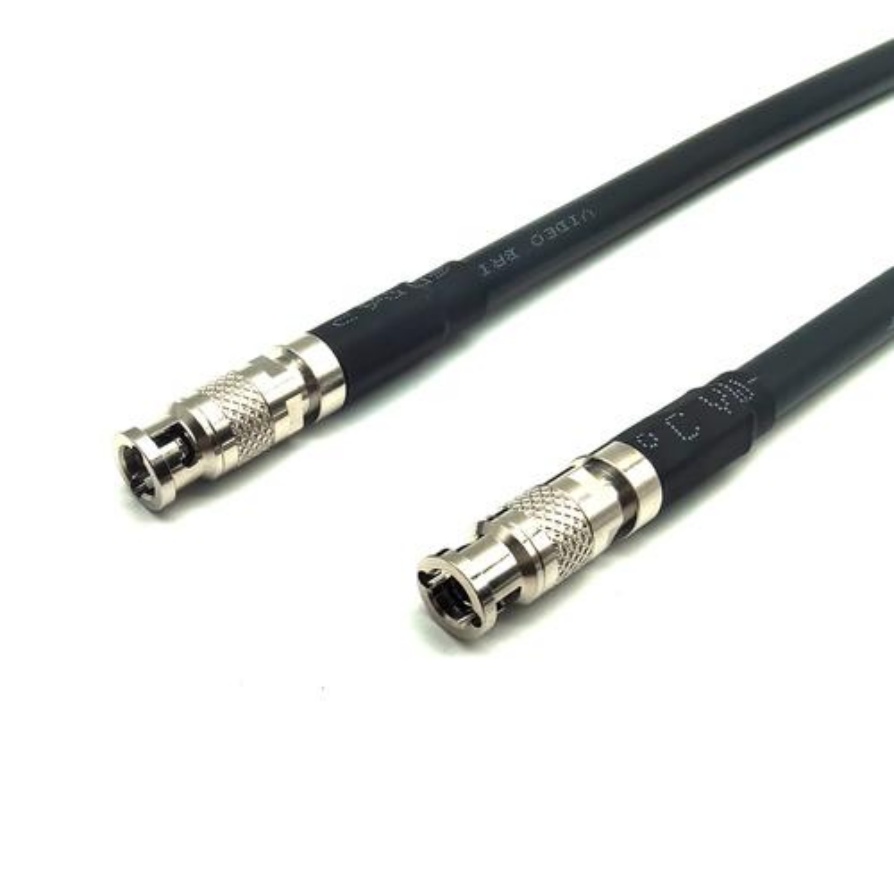
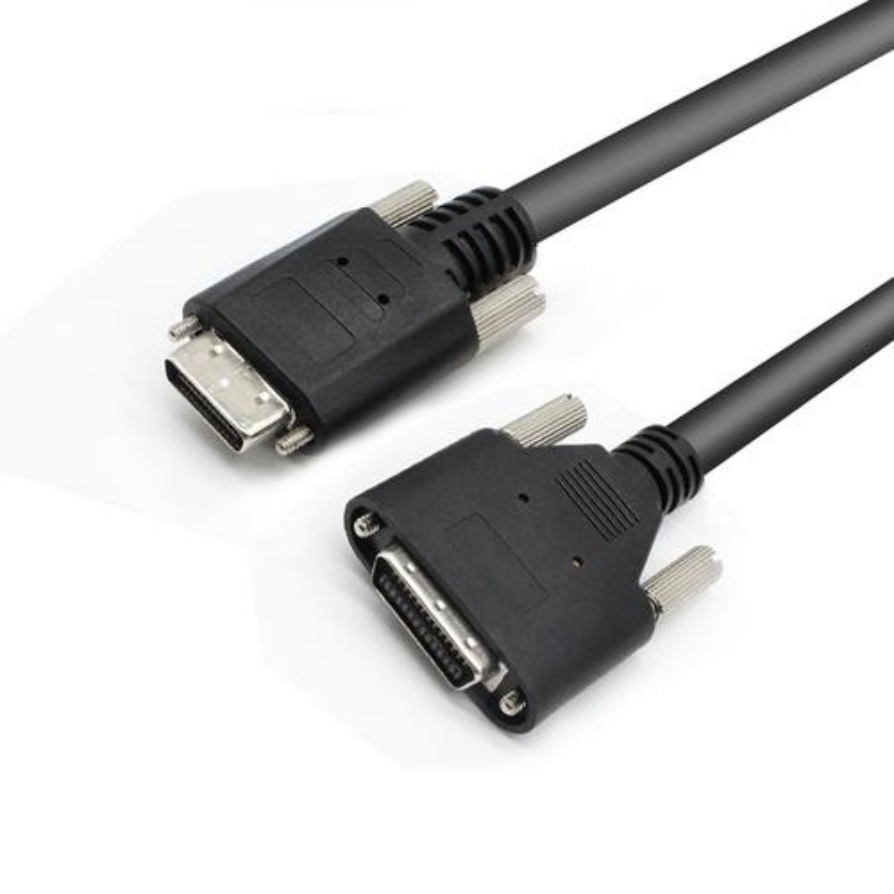
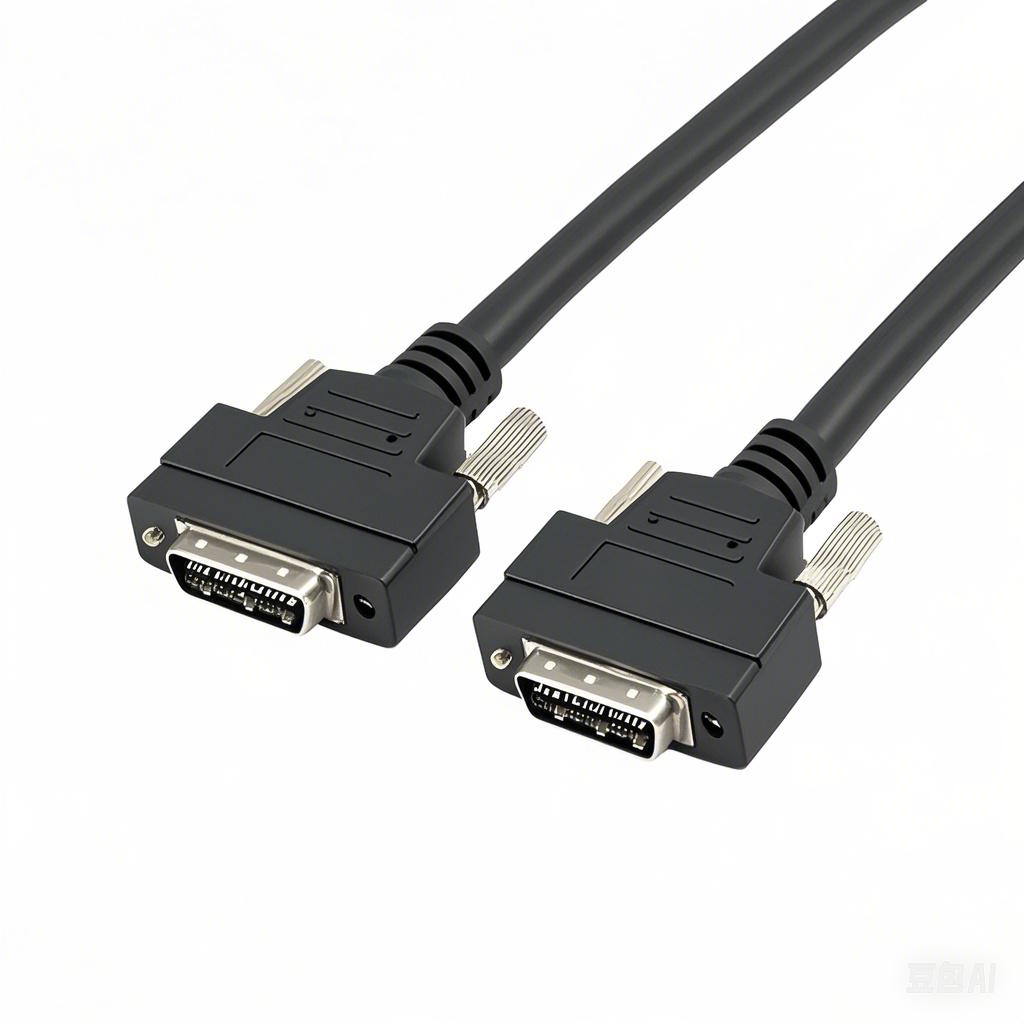
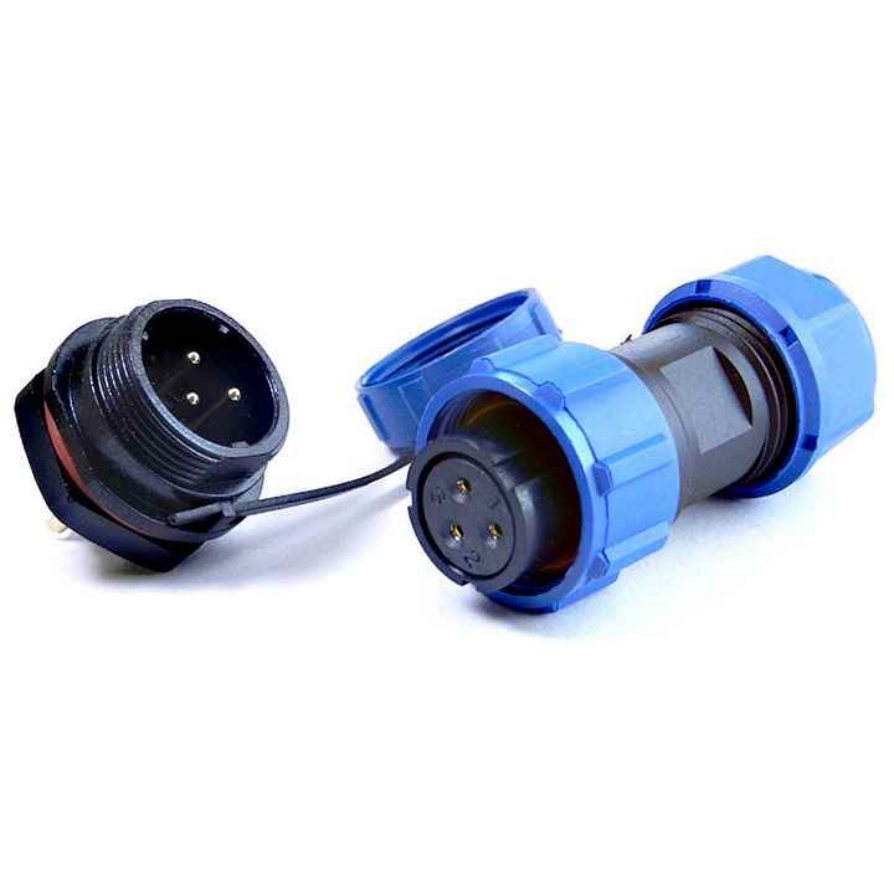
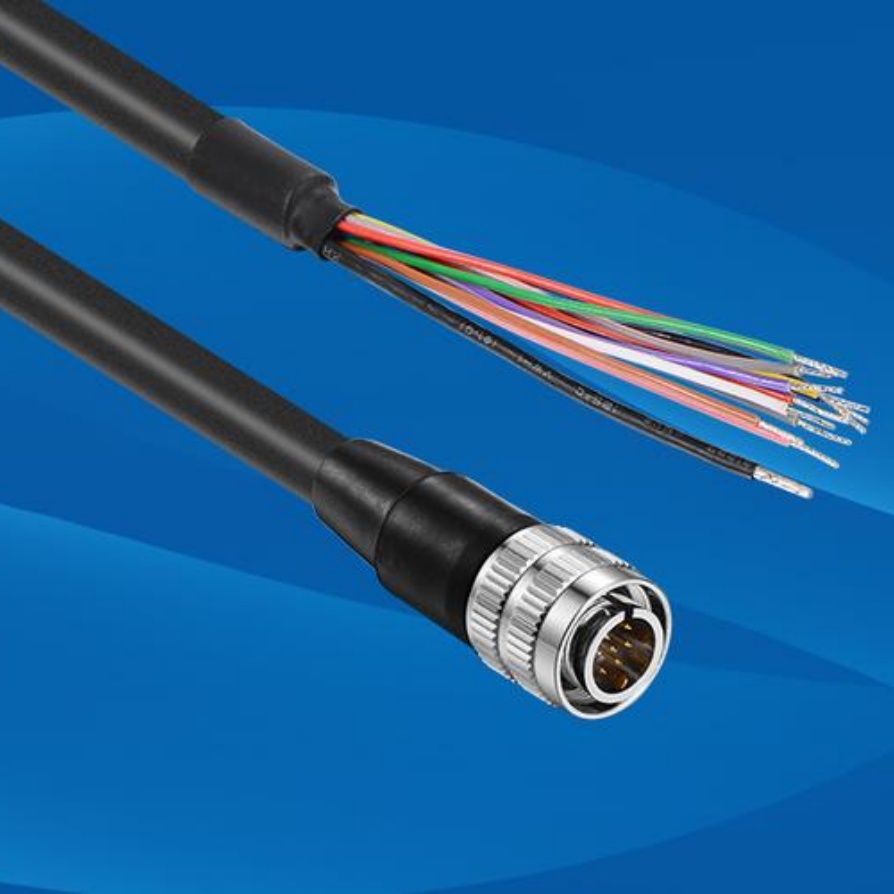
These cables also offer wide temperature resistance, functioning reliably in both frigid cold and high-heat conditions common in manufacturing facilities. Additionally, they feature rugged, secure connectors—such as M12 connectors, RJ45 industrial connectors, USB3 Vision connectors, and Camera Link connectors—with locking mechanisms to prevent accidental disconnection due to vibration or motion. This rugged build ensures the cable remains operational in tough conditions, eliminating unexpected failures and keeping production lines running smoothly.
Wide Compatibility & Versatile Application Scenarios
High-flex machine vision cables with 10 million bending cycles are designed for universal compatibility with all major machine vision cameras, sensors, frame grabbers, and controllers, supporting the most widely used industry protocols. This versatility makes them suitable for an extensive range of industrial applications, including:
- Automated Optical Inspection (AOI): PCB inspection, semiconductor wafer detection, and electronic component quality control
- Robotic Machine Vision: Robotic assembly, pick-and-place operations, and robotic guidance in automotive manufacturing
- Packaging & Printing: Label inspection, package sealing verification, and print quality checking on high-speed lines
- Food & Beverage: Product sorting, defect detection, and packaging integrity inspection
- Logistics & Warehousing: Barcode scanning, package dimensioning, and automated sorting systems
- Metalworking & Heavy Industry: Part dimension measurement, surface defect detection, and welding quality inspection
Whether deployed in a compact desktop vision system or a large-scale industrial automation line, this high-flex cable adapts seamlessly to diverse setups, delivering consistent performance across every application.
How to Choose the Right High-Flex Machine Vision Cable for Your System
Selecting the ideal high-flex machine vision cable requires careful consideration of your system’s specific needs to ensure optimal performance and compatibility. Here are the core factors to prioritize during the selection process:
1. Bending Cycle Rating
Always prioritize cables with a proven bending cycle rating—10 million cycles is the gold standard for high-motion applications. Avoid cables with vague durability claims or low cycle ratings, as they will fail prematurely in dynamic environments, leading to increased maintenance and replacement costs.
2. Transmission Protocol Compatibility
Match the cable to your machine vision system’s protocol (GigE Vision, USB3 Vision, Camera Link, etc.) to ensure seamless data transfer. Each protocol has specific bandwidth and wiring requirements, so compatibility is non-negotiable for reliable performance.
3. Environmental Conditions
Assess the operating environment: if the cable is exposed to oil, chemicals, or extreme temperatures, choose a jacket material (PUR or TPE) that offers superior resistance. For dusty or moist environments, opt for cables with IP-rated protection and secure, sealed connectors.
4. Cable Length & Bend Radius
Measure the required cable length accurately to avoid excess slack or insufficient reach, and ensure the cable’s minimum bend radius aligns with your system’s routing constraints. A cable with a tight bend radius will fit in compact spaces without compromising flexibility.
5. Connector Type & Durability
Select industrial-grade connectors with locking mechanisms to prevent disconnection. Consider connector orientation (straight, right-angle) to optimize cable routing and reduce stress on the connector head, extending both cable and connector lifespan.
Why Settle for Less When You Can Choose Reliable High-Flex Machine Vision Cables from FRS
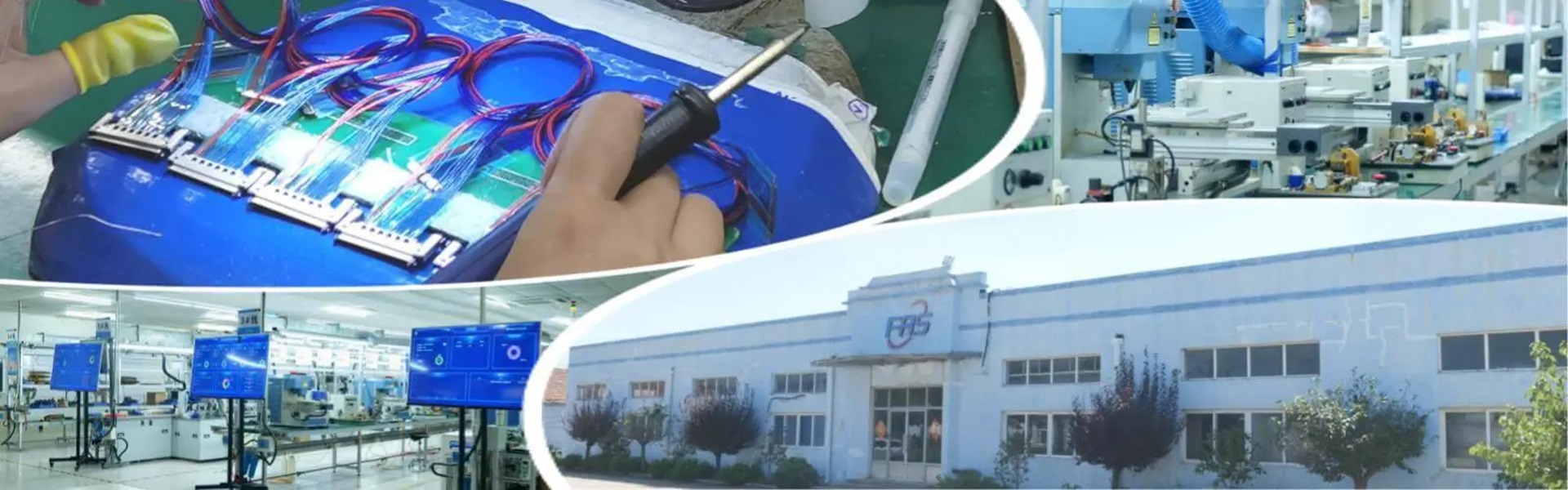
When it comes to high-performance machine vision cables, FRS is a trusted factory specializing in the R&D, production, and customization of industrial-grade high-flex machine vision cables. Our flagship high-flex machine vision cable, engineered for 10 million bending cycles, is built to meet the strictest international industrial standards, delivering unmatched durability, signal stability, and flexibility for critical vision applications.
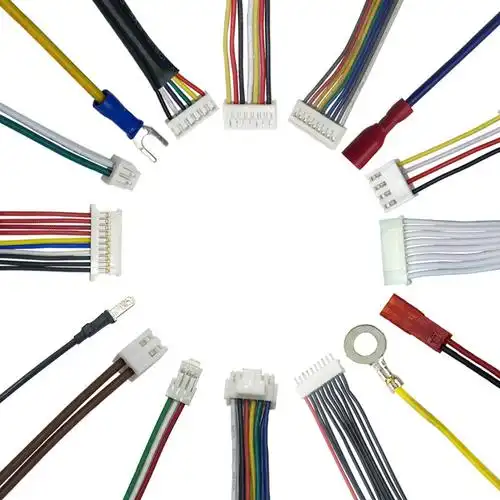
As a direct manufacturer, FRS combines advanced production technology, strict quality control, and years of industry expertise to craft cables that outperform generic alternatives. We offer customizable solutions tailored to your specific needs, including custom lengths, connector types, jacket materials, and shielding configurations, ensuring a perfect fit for your machine vision system. Our cables undergo rigorous testing for bending durability, signal integrity, and environmental resistance, guaranteeing reliable performance in even the most demanding industrial environments.
Choose FRS high-flex machine vision cables to upgrade your automation system, reduce downtime, and enhance production efficiency. With FRS, you get factory-direct pricing, stable supply, and professional after-sales support, making us your ideal partner for all machine vision cabling needs.