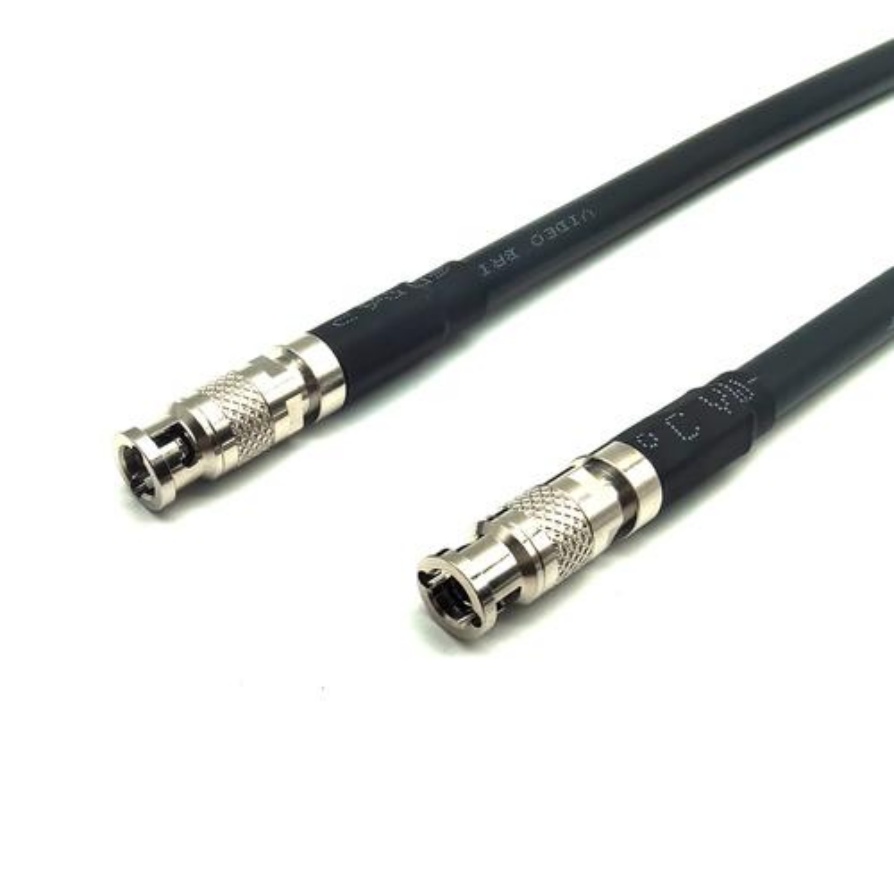
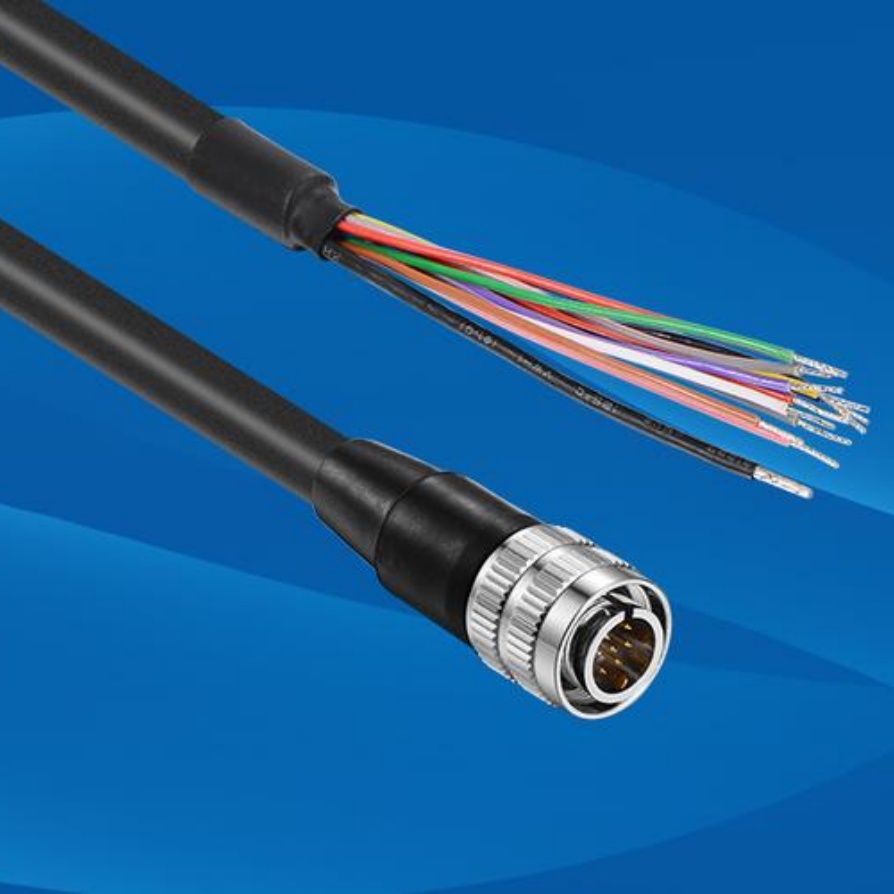
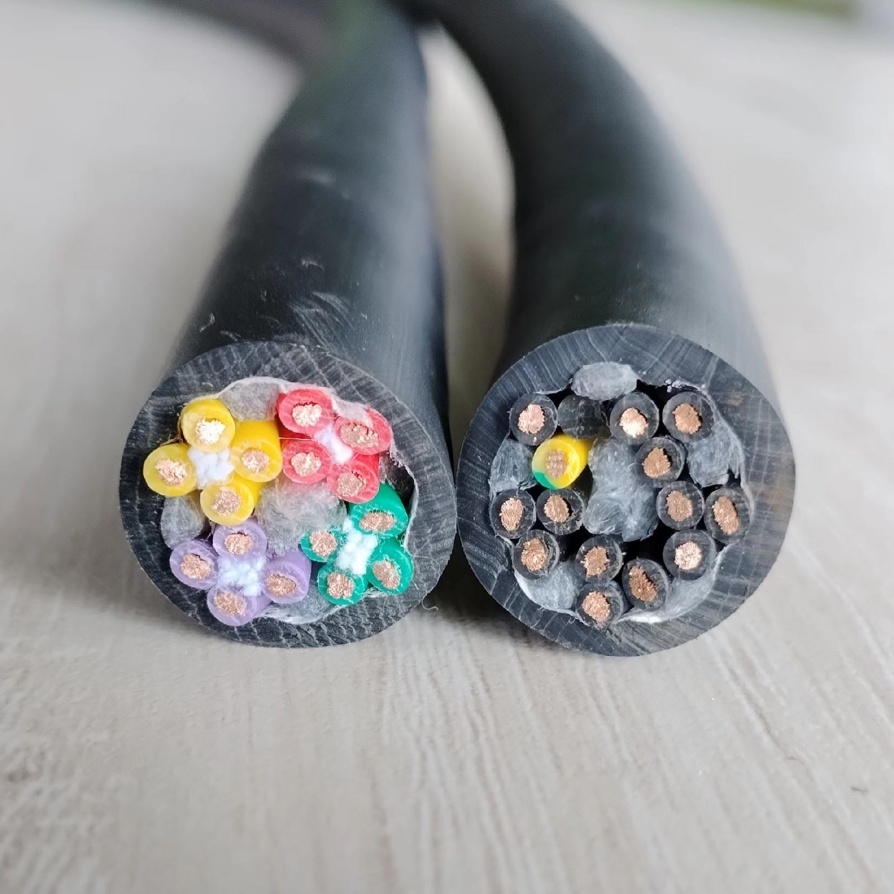
high – temperature machine cable Assemblies
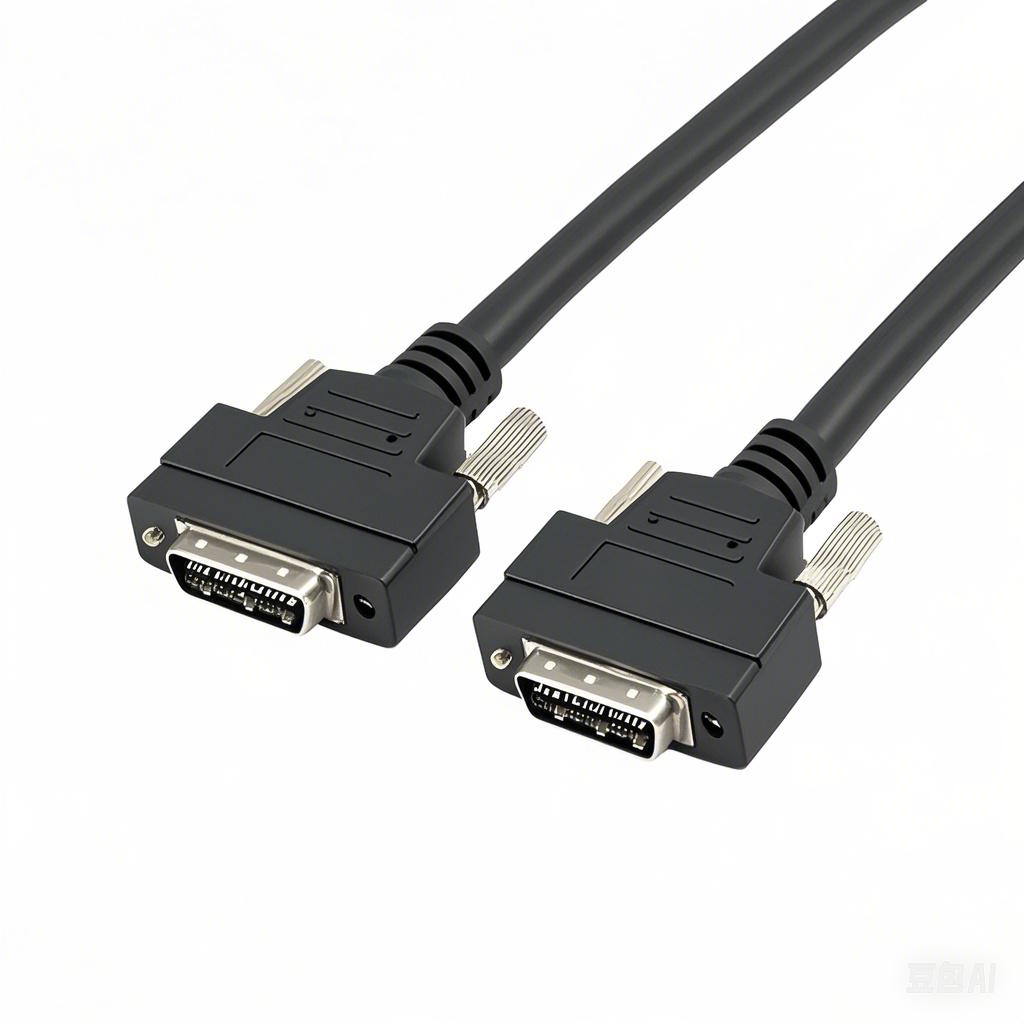
In the realm of industrial machinery and high-heat operating environments, high – temperature machine cable assemblies stand as a critical component that ensures seamless and reliable electrical connectivity. These specialized cable assemblies are engineered to withstand extreme thermal conditions, making them indispensable in applications where standard cables would fail due to heat – induced degradation. As industries continue to push the boundaries of operational efficiency and performance, the demand for robust high – temperature machine cable assemblies has never been higher, as they directly impact the safety, productivity, and longevity of industrial equipment.
Key Characteristics of High – temperature Machine Cable Assemblies
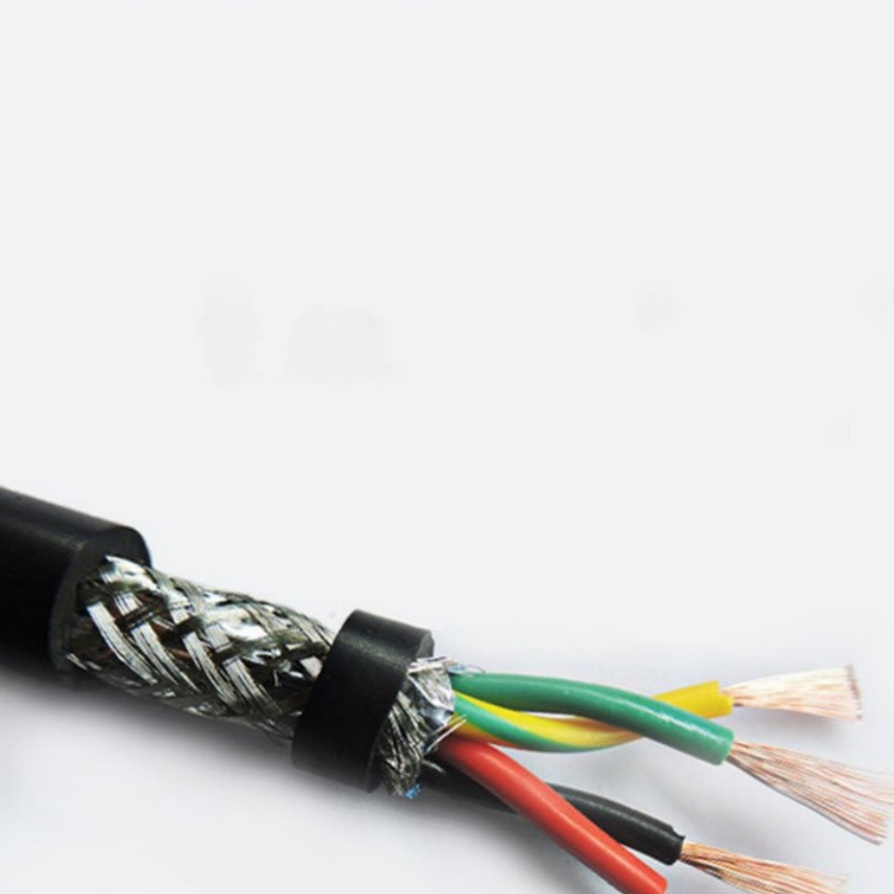
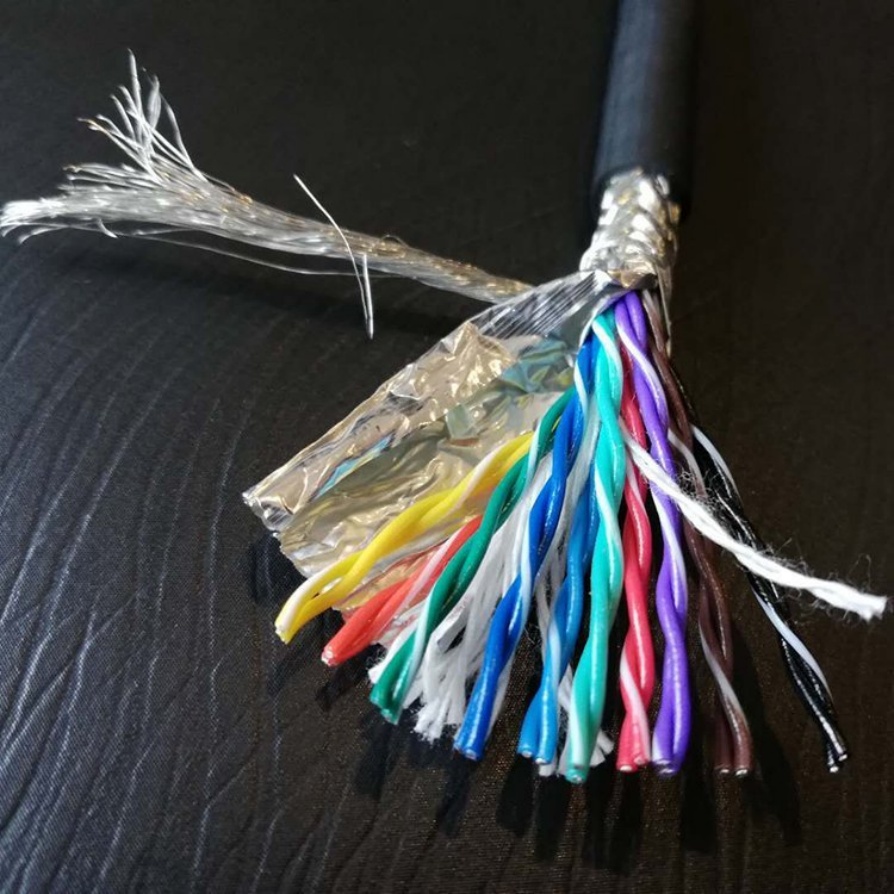
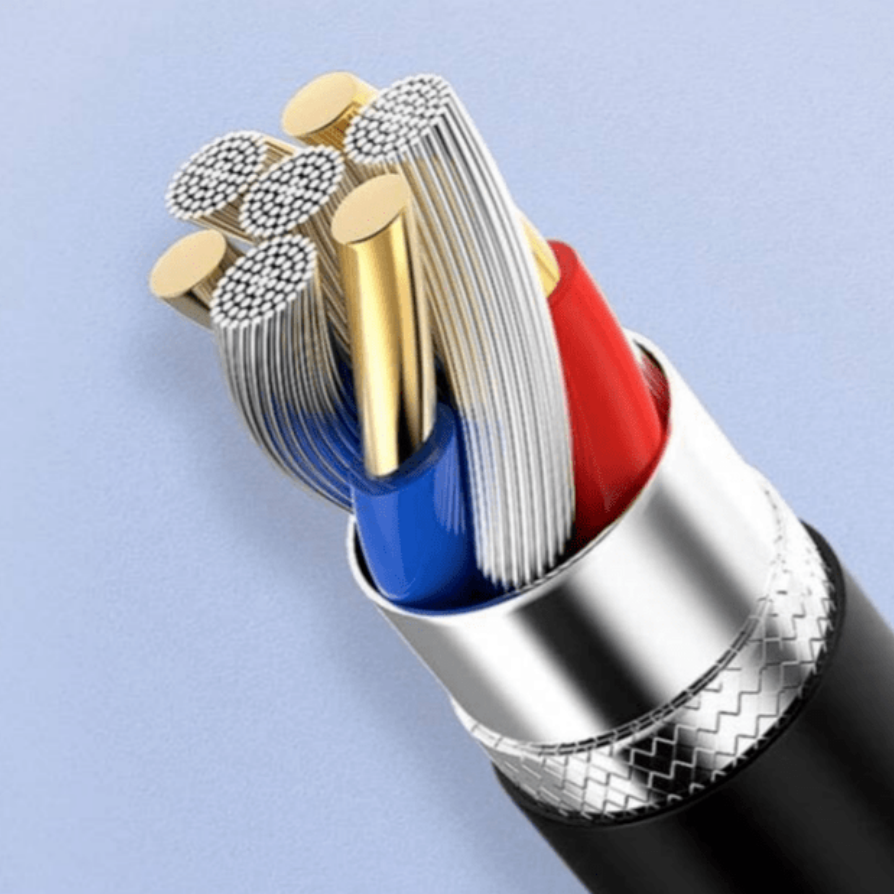
High – temperature machine cable assemblies are designed with a range of features that enable them to thrive in harsh thermal settings. One of the most prominent characteristics is their exceptional heat resistance. Typically, these cable assemblies can endure continuous operating temperatures ranging from 150°C to 500°C, depending on the materials used in their construction. Materials such as silicone rubber, PTFE (polytetrafluoroethylene), and fiberglass are commonly employed for the insulation and jacket of these cables, as they exhibit excellent thermal stability and do not melt or degrade easily under high heat.
Another vital feature is their resistance to chemical corrosion. In many industrial environments, high – temperature machine cable assemblies come into contact with various chemicals, oils, and solvents. The specialized materials used in their manufacturing provide a strong barrier against these corrosive substances, preventing damage to the cable core and ensuring consistent electrical performance. Additionally, these cable assemblies boast high mechanical strength, allowing them to withstand physical stress such as vibration, abrasion, and bending without compromising their structural integrity. This mechanical robustness is crucial in machine applications where cables are often subjected to constant movement and wear.
Wide – Ranging Applications of High – temperature Machine Cable Assemblies
The versatility of high – temperature machine cable assemblies makes them suitable for a diverse array of industries and applications. In the automotive industry, they are used in engine compartments, where temperatures can reach extremely high levels. These cable assemblies ensure the reliable transmission of electrical signals between various engine components, such as sensors, actuators, and control units. In the aerospace and defense sector, they play a vital role in aircraft engines, missile systems, and space exploration equipment, where they must withstand the intense heat generated during flight and operation.
Industrial manufacturing is another major sector that heavily relies on high – temperature machine cable assemblies. They are integral to equipment such as furnaces, ovens, and heat treatment machinery, where they facilitate the transfer of power and data in high – heat zones. The energy industry, including power generation plants and oil refineries, also uses these cable assemblies in applications such as steam turbines and high – temperature pipelines, where they ensure the safe and efficient operation of critical systems. Furthermore, in the medical field, they are utilized in equipment like sterilization autoclaves and diagnostic machines that operate at elevated temperatures.
Factors to Consider When Choosing High – temperature Machine Cable Assemblies
Selecting the right high – temperature machine cable assemblies is essential to ensure optimal performance and safety in any application. The first factor to consider is the operating temperature range of the environment. It is crucial to choose a cable assembly that can withstand the maximum and minimum temperatures it will encounter during operation. Using a cable assembly with an insufficient temperature rating can lead to premature failure, equipment downtime, and potential safety hazards.
The type of insulation and jacket material is also a key consideration. Different materials offer varying levels of heat resistance, chemical resistance, and mechanical strength. For example, PTFE insulation is ideal for applications requiring high heat resistance and chemical inertness, while silicone rubber is more flexible and suitable for applications involving frequent bending. Additionally, the conductor material and size should be matched to the electrical current and voltage requirements of the application to ensure efficient power transmission and prevent overheating.
Certification and compliance with industry standards are another important aspect. High – temperature machine cable assemblies should meet relevant standards such as UL (Underwriters Laboratories), CSA (Canadian Standards Association), and IEC (International Electrotechnical Commission) to ensure their quality and safety. Choosing certified cable assemblies provides peace of mind that they have undergone rigorous testing and meet the highest industry benchmarks.
Maintenance and Care for High – temperature Machine Cable Assemblies
Proper maintenance and care of high – temperature machine cable assemblies are essential to extend their service life and maintain their performance. Regular inspection is crucial to identify any signs of damage, such as cracks in the insulation, fraying of the jacket, or corrosion of the conductors. Any damaged cable assemblies should be replaced immediately to avoid electrical malfunctions or safety issues.
In addition, it is important to ensure that the cable assemblies are installed correctly, following the manufacturer’s guidelines. Proper installation includes avoiding excessive bending, pulling, or twisting of the cables, as well as ensuring that they are not exposed to unnecessary mechanical stress. Keeping the cable assemblies clean and free from debris and contaminants also helps to prevent damage and maintain their electrical conductivity.
In conclusion, high – temperature machine cable assemblies are a vital component in a wide range of industrial and high – heat applications. Their exceptional heat resistance, chemical resistance, and mechanical strength make them indispensable for ensuring the reliable and safe operation of industrial equipment. By understanding their key characteristics, applications, selection factors, and maintenance requirements, businesses can choose the right high – temperature machine cable assemblies to meet their specific needs and enhance the performance and longevity of their equipment.