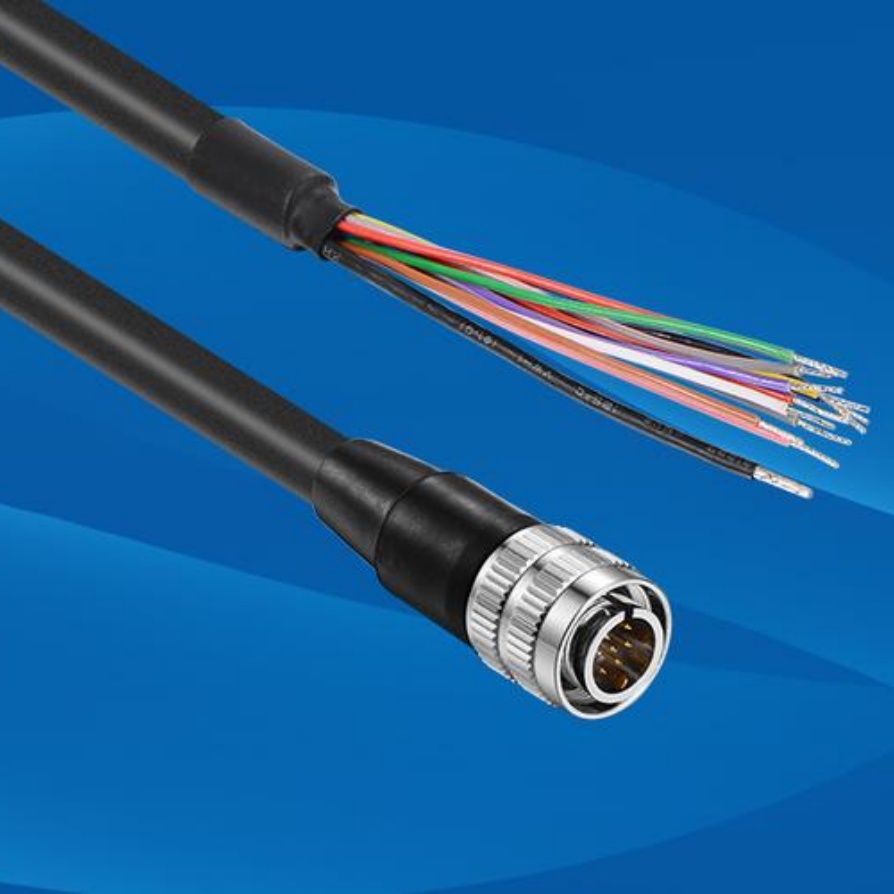
How to choose the right machine cable Assemblies for CNC machines
In the world of precision manufacturing, CNC (Computer Numerical Control) machines stand as the backbone of efficiency, accuracy, and productivity. From milling and turning to routing and grinding, these machines operate with intricate movements and constant data transmission to deliver high-quality components. However, behind every seamless CNC operation lies a critical yet often overlooked component: machine cable assemblies. These assemblies serve as the nervous system of CNC machines, transmitting power, signals, and data between various parts—such as motors, controllers, sensors, and actuators. Choosing the wrong machine cable assemblies can lead to costly downtime, reduced precision, equipment damage, and even safety hazards. Therefore, selecting the right machine cable assemblies for CNC machines is a decision that directly impacts the performance, reliability, and longevity of your manufacturing operations. In this guide, we will break down the key factors to consider when making this crucial choice, ensuring that you can identify the best solutions for your specific CNC requirements.
1. Understand Your CNC Machine’s Specific Requirements
The first step in choosing the right machine cable assemblies is to thoroughly understand the unique needs of your CNC machine. No two CNC setups are identical, and factors such as machine type, operating conditions, and application demands will dictate the ideal cable assembly specifications. Here are the critical aspects to evaluate:
a. Power and Current Requirements
CNC machines consist of various components that require different power levels—from high-power motors that drive spindles and axes to low-power sensors and control units. It is essential to calculate the maximum current draw of each component connected by the cable assembly. Undersized conductors can lead to overheating, voltage drops, and premature cable failure, while oversized conductors may be unnecessarily bulky and expensive. Refer to your CNC machine’s manual for detailed power ratings, and ensure that the cable assembly’s conductor gauge (AWG) is rated to handle the required current without exceeding its temperature limits. For example, a CNC milling machine with a 5HP spindle motor will have different current demands than a small CNC router, so the cable assemblies for these two machines must be sized accordingly.
b. Motion and Flexibility Needs
CNC machines are characterized by their dynamic movements—axes sliding, spindles rotating, and tool changers moving rapidly. Cable assemblies that are exposed to constant bending, twisting, or flexing must be designed to withstand mechanical stress without compromising performance. This is where flex life becomes a key parameter. Flex life refers to the number of bending cycles a cable can endure before its conductors or insulation deteriorates. For CNC machines with high-cycle movements (e.g., pick-and-place CNC systems or 5-axis mills), choose cable assemblies with a high flex life rating—typically measured in millions of cycles. Additionally, consider the bend radius: the minimum radius a cable can be bent without damage. A smaller bend radius is ideal for tight spaces in CNC enclosures, but it must be compatible with the cable’s design to avoid cracking or conductor breakage.
c. Environmental Operating Conditions
CNC machines operate in a wide range of environments, and the cable assemblies must be resistant to the specific hazards present in your workshop. Common environmental factors to consider include:
- Temperature: High-temperature environments (e.g., near welding stations or heated workpieces) require cable assemblies with heat-resistant insulation materials such as silicone or PTFE. Conversely, cold environments may demand cables that remain flexible at low temperatures to prevent brittleness.
- Contaminants: Dust, oil, coolant, and metal chips are prevalent in CNC workshops. Cable assemblies should have a robust outer jacket (e.g., PVC, polyurethane, or nylon) that is resistant to chemical exposure, abrasion, and ingress of particles. For applications where coolant or oil immersion is possible, choose cables with an oil-resistant jacket to avoid swelling or degradation.
- Moisture and Humidity: In damp or washdown environments (e.g., food processing CNC machines), cable assemblies must be waterproof or water-resistant, with IP (Ingress Protection) ratings indicating their level of protection against solids and liquids. An IP67 rating, for example, means the cable is dust-tight and can withstand temporary immersion in water.
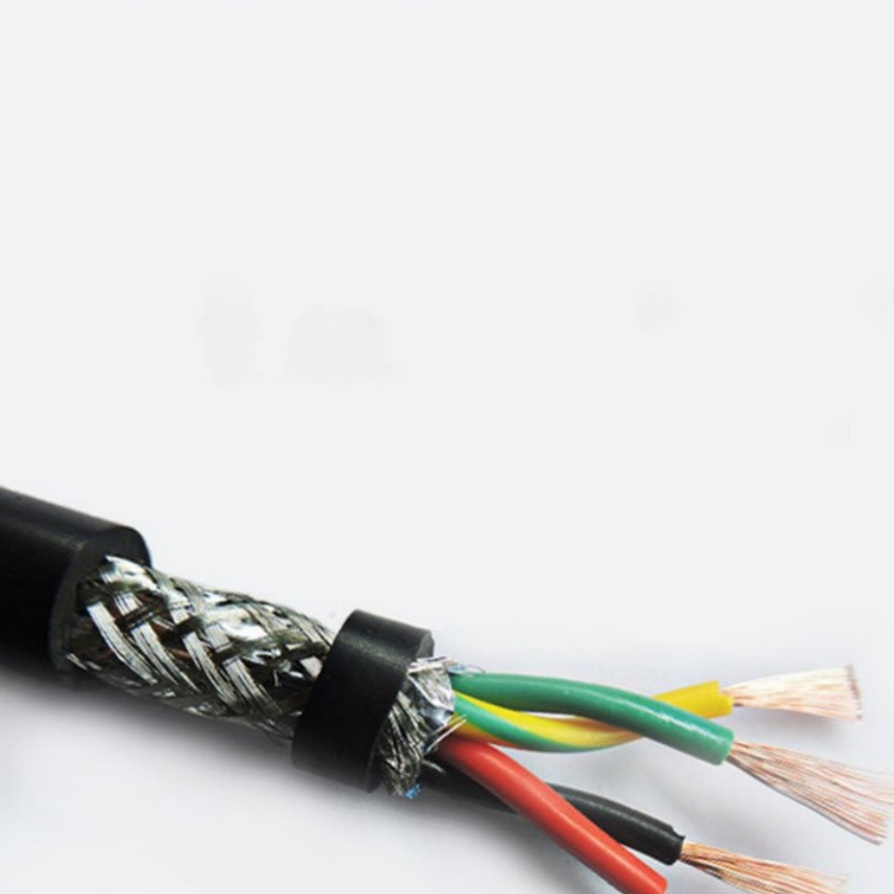
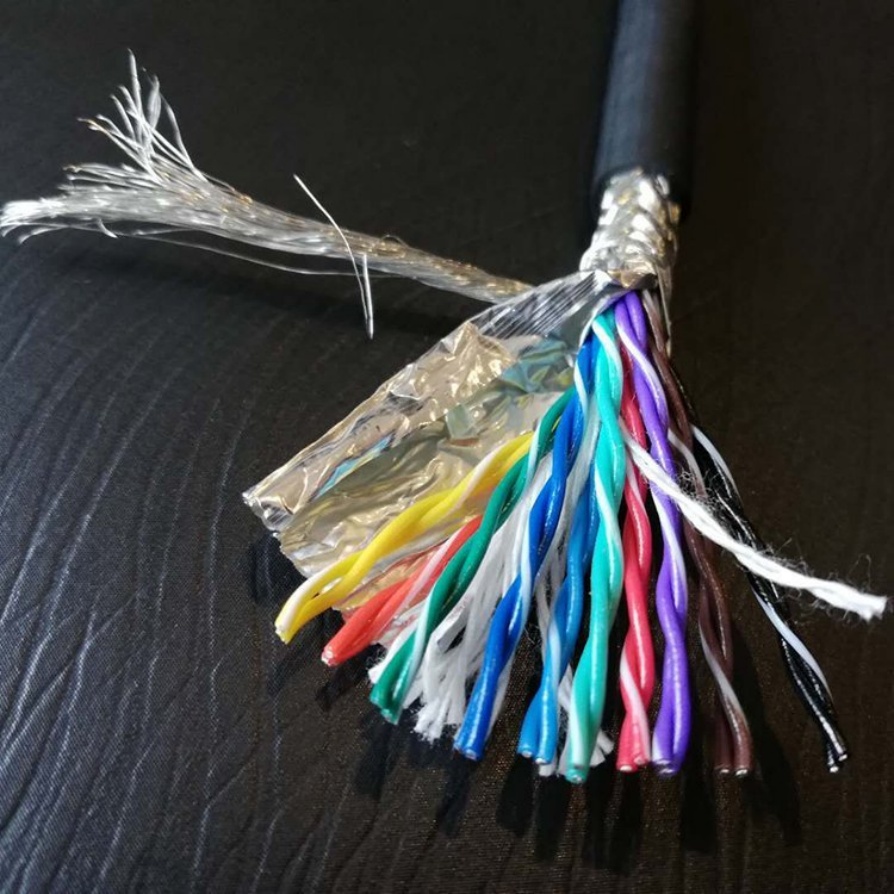
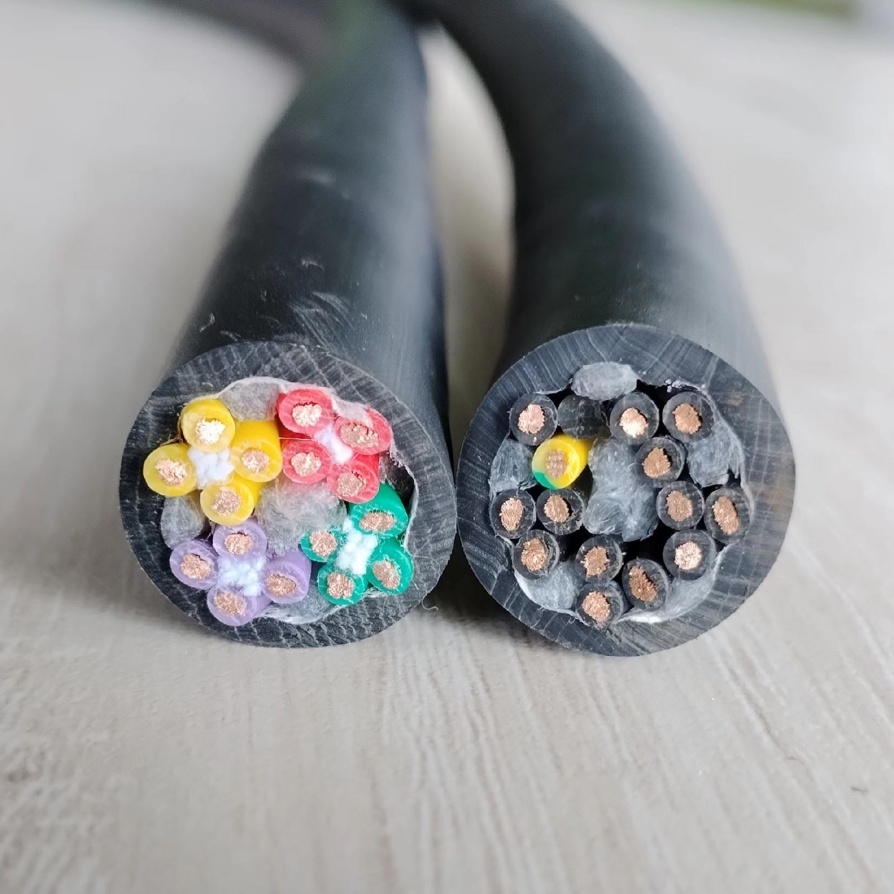
- Electromagnetic Interference (EMI): CNC machines rely on precise signal transmission for accuracy. EMI from nearby equipment (e.g., motors, welders, or other CNC machines) can disrupt signals, leading to errors in machining. Shielded cable assemblies—such as those with braided copper shielding or foil shielding—help block EMI and ensure signal integrity. For high-sensitivity applications (e.g., CNC machines used for micro-machining), double-shielded cables may be necessary.
2. Evaluate Key Cable Assembly Performance Parameters
Once you have a clear understanding of your CNC machine’s requirements, the next step is to evaluate the performance parameters of potential cable assemblies. These parameters directly influence the assembly’s ability to meet your machine’s needs and ensure long-term reliability.
a. Conductor Material and Stranding
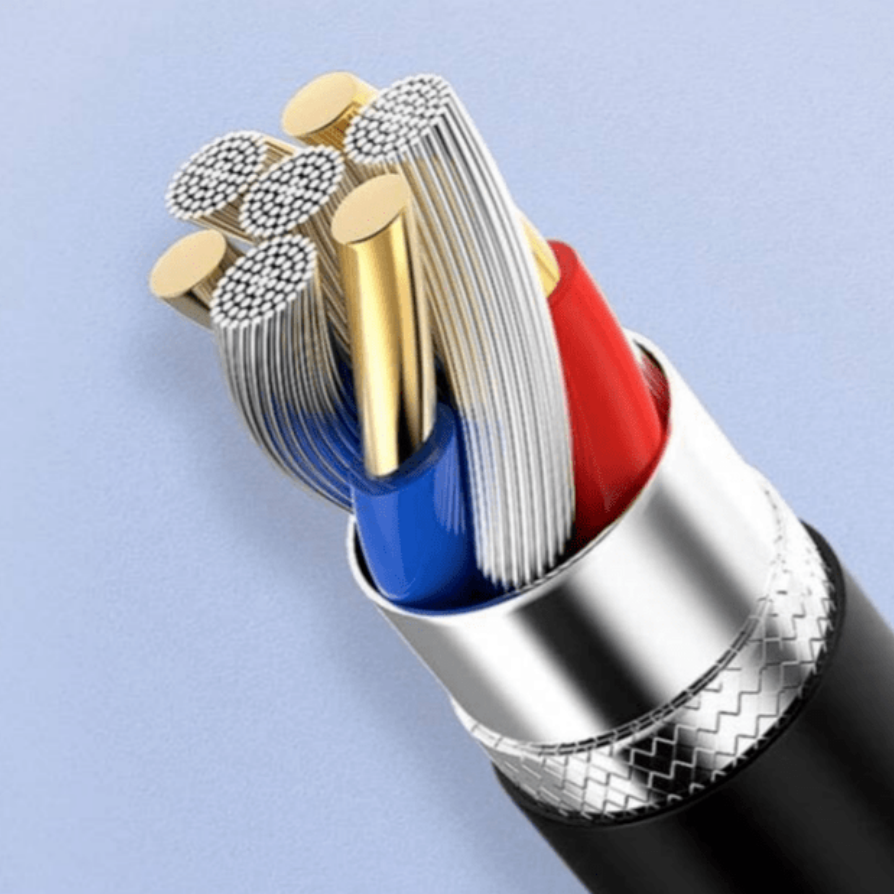
The conductors within the cable assembly are responsible for transmitting power and signals. Copper is the most common conductor material due to its excellent electrical conductivity and flexibility. However, not all copper conductors are the same—tinned copper, for example, offers better corrosion resistance than bare copper, making it ideal for humid or corrosive environments. Additionally, conductor stranding plays a role in flexibility: finer strands (e.g., 36-strand vs. 7-strand) allow for greater flexibility, which is essential for cables that undergo frequent bending. For static applications (e.g., fixed connections between a CNC controller and a power supply), solid conductors may be sufficient, but stranded conductors are always preferred for dynamic CNC movements.
b. Insulation and Jacket Materials
Insulation materials separate the conductors to prevent short circuits, while the outer jacket protects the entire assembly from environmental damage. The choice of insulation and jacket materials depends on your operating conditions:
- PVC (Polyvinyl Chloride): A cost-effective option for general-purpose CNC applications. It offers good resistance to oil, water, and abrasion but has limited heat resistance (typically up to 80°C).
- Polyurethane (PUR): Ideal for harsh environments due to its excellent abrasion resistance, oil resistance, and flexibility at low temperatures. It can withstand temperatures up to 105°C, making it suitable for most CNC workshops.
- Silicone: Offers superior heat resistance (up to 200°C or higher) and flexibility, making it perfect for high-temperature CNC applications. However, it is less abrasion-resistant than PUR, so it may not be suitable for environments with heavy debris.
- PTFE (Polytetrafluoroethylene): The most durable option, with exceptional resistance to heat, chemicals, and radiation. It is used in extreme environments but is more expensive than other materials.
c. Shielding Effectiveness
As mentioned earlier, EMI can significantly impact CNC machine performance. The shielding of a cable assembly determines how well it blocks external interference and prevents internal signals from radiating out. Braided shielding (made of copper or aluminum) provides excellent EMI protection and is flexible, making it suitable for dynamic applications. Foil shielding (typically aluminum with a drain wire) is lighter and more cost-effective but offers less mechanical durability. For critical signal paths (e.g., encoder cables that transmit position data), a combination of braided and foil shielding (double shielding) provides the highest level of protection, ensuring that the CNC machine maintains precise positioning and machining accuracy.
d. Connector Quality and Compatibility
The connectors at the ends of the cable assembly are just as important as the cable itself. Poor-quality connectors can lead to loose connections, signal loss, or even arcing, which can damage CNC components. When evaluating connectors, consider the following:
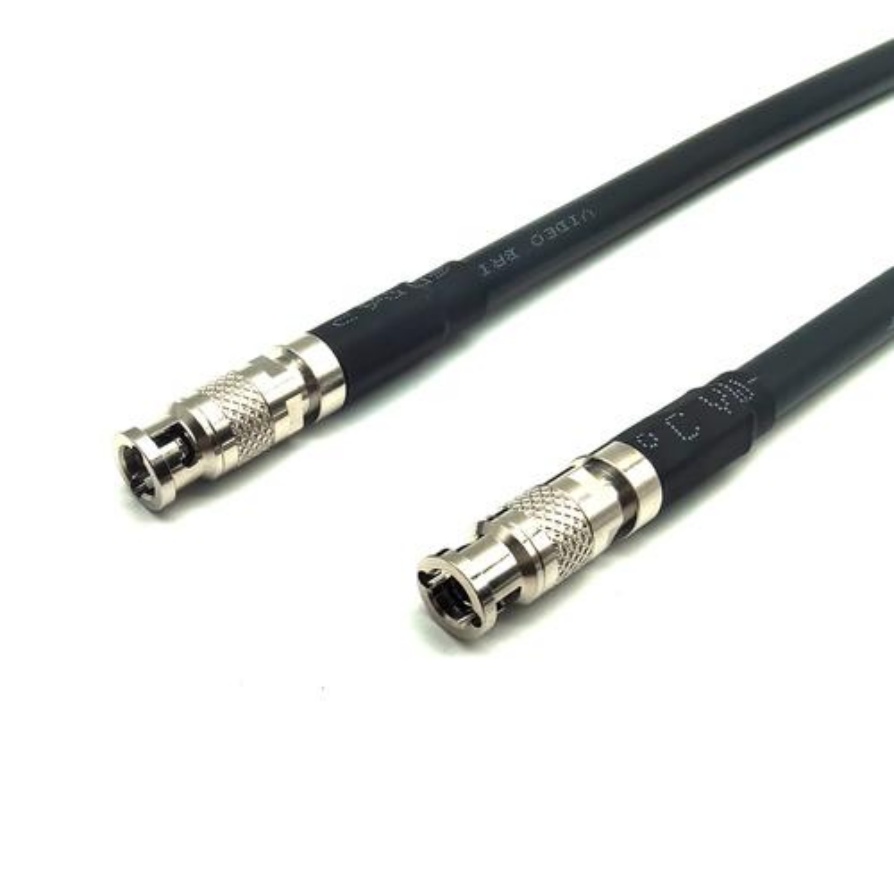
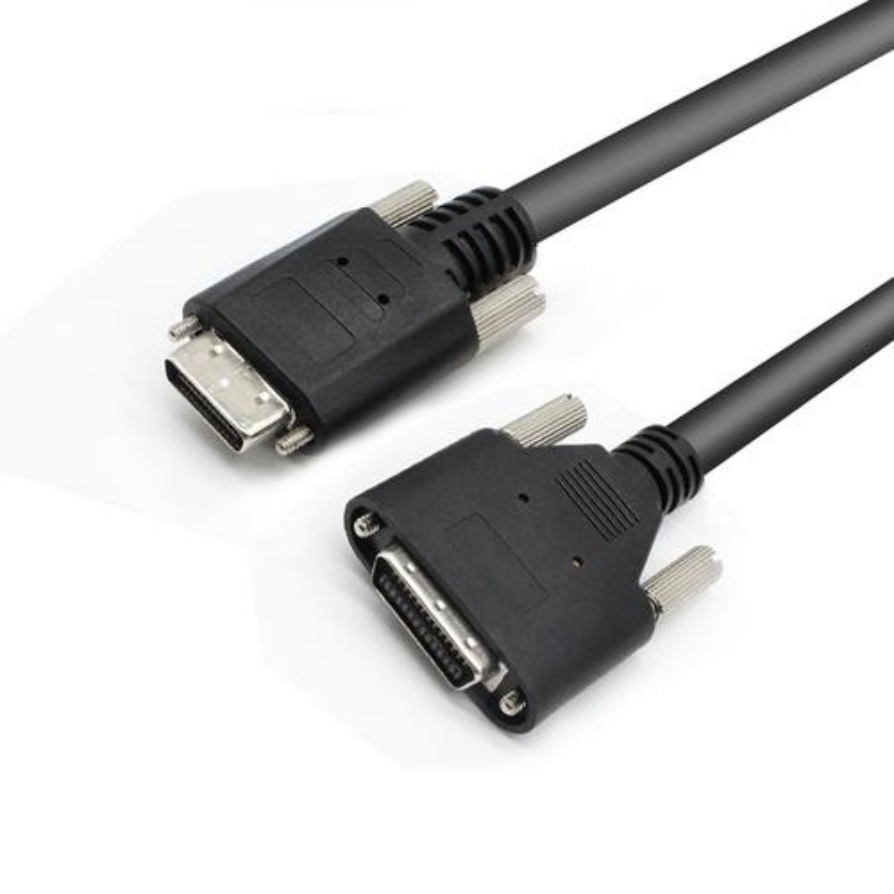
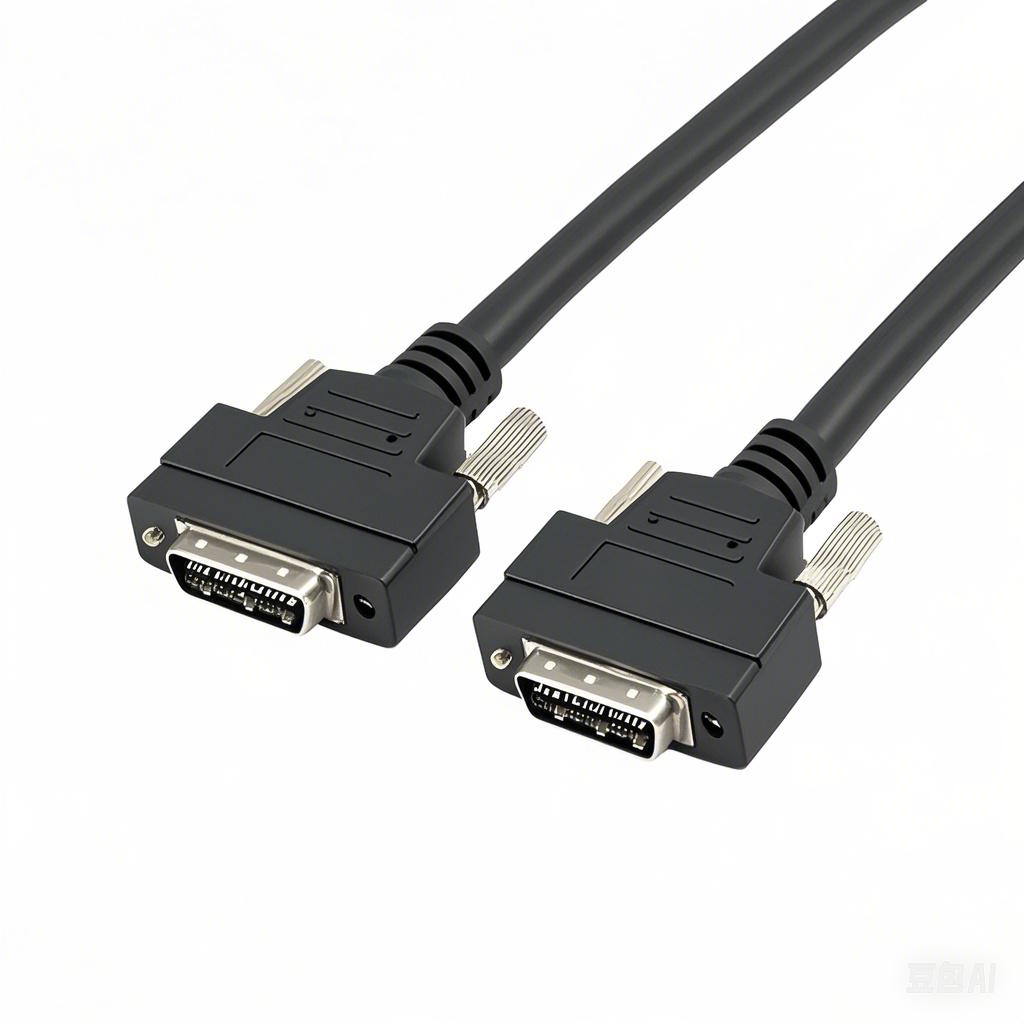
- Compatibility: Ensure the connectors match the ports on your CNC machine’s components (e.g., motors, controllers, sensors). Common connector types for CNC applications include DIN connectors, M12 connectors, D-sub connectors, and circular connectors.
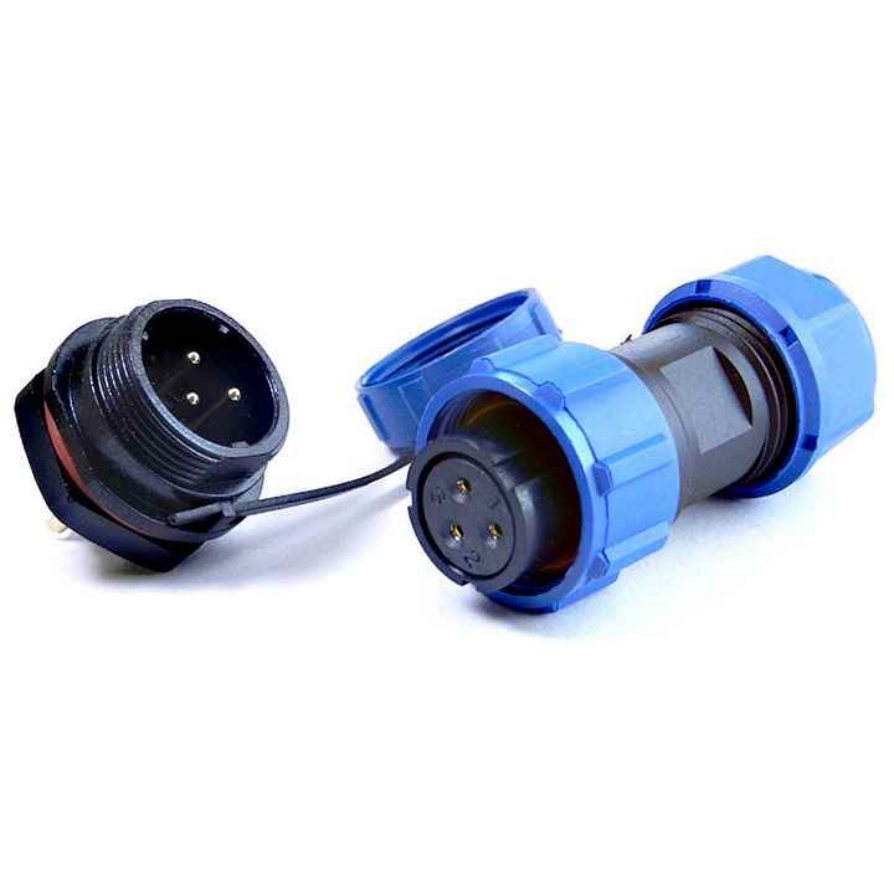
- Environmental Sealing: Choose connectors with IP ratings that match the cable assembly’s jacket rating to maintain overall protection against moisture, dust, and contaminants.
- Durability: Connectors should be made of robust materials (e.g., metal or high-grade plastic) and feature secure locking mechanisms to prevent accidental disconnection during CNC operation. Gold-plated contacts offer better conductivity and corrosion resistance than tin-plated contacts, making them a good choice for long-term reliability.
3. Prioritize Compliance and Quality Certifications
When selecting machine cable assemblies for CNC machines, it is crucial to choose products that meet international safety and quality standards. Compliance with these standards ensures that the cable assemblies have undergone rigorous testing and meet minimum requirements for performance, safety, and reliability. Some of the key certifications to look for include:
- UL (Underwriters Laboratories): UL certification indicates that the cable assembly meets safety standards for electrical insulation, flame resistance, and temperature ratings. UL-listed cables are widely accepted in North America.
- CE (Conformité Européenne): CE marking indicates that the product complies with European Union (EU) safety, health, and environmental protection standards, making it suitable for use in the EU and other regions that recognize CE certification.
- ISO (International Organization for Standardization): ISO certifications (e.g., ISO 9001 for quality management) reflect a manufacturer’s commitment to consistent quality control and process improvement.
- RoHS (Restriction of Hazardous Substances): RoHS compliance ensures that the cable assembly does not contain hazardous materials such as lead, mercury, or cadmium, making it environmentally friendly and safe for use in manufacturing facilities.
Avoid uncertified cable assemblies, as they may not meet safety standards and could pose risks to your CNC machine, operators, and overall production.
4. Consider Customization Options
Many CNC machines have unique configurations, and off-the-shelf cable assemblies may not always fit perfectly or meet all your requirements. In such cases, custom cable assemblies offer a tailored solution. Customization options include:
- Length: Custom lengths eliminate excess cable that can get tangled or damaged during CNC movement, reducing the risk of downtime.
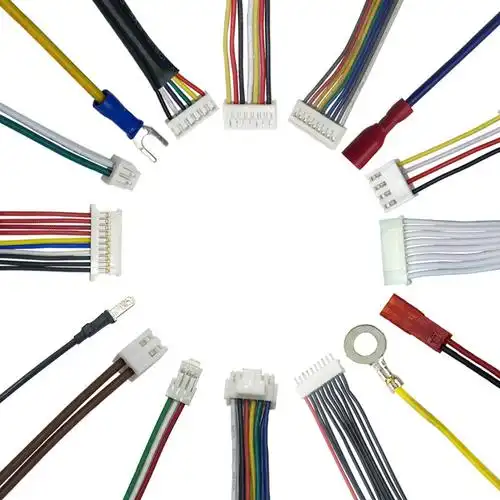
- Connector Types and Pin Configurations: Custom connectors can be designed to match non-standard ports or specific pin layouts required by your CNC components.
- Shielding and Jacketing: Custom shielding (e.g., double shielding for high-EMI environments) or jacket materials (e.g., silicone for high temperatures) can be specified to meet unique operating conditions.
- Bundling and Labeling: Cables can be bundled together for neat installation, and labels can be added for easy identification during maintenance or troubleshooting.
Working with a manufacturer that offers custom cable assembly services ensures that you get a solution perfectly tailored to your CNC machine’s needs, maximizing performance and minimizing potential issues.
5. Evaluate the Supplier’s Expertise and Support
The quality of the cable assembly is only as good as the manufacturer behind it. When choosing a supplier, consider their expertise in CNC applications, production capabilities, and customer support. Here are some questions to ask:
- Do they specialize in machine cable assemblies for CNC machines? Suppliers with experience in CNC applications will have a better understanding of your specific needs and can provide valuable recommendations.
- What is their quality control process? Look for suppliers that implement strict quality control measures, such as testing each cable assembly for continuity, insulation resistance, and shielding effectiveness before shipment.
- Do they offer technical support? A reliable supplier should provide technical assistance to help you select the right cable assembly, troubleshoot issues, and answer questions about installation or maintenance.
- What is their lead time and delivery capability? Ensure the supplier can meet your delivery deadlines to avoid delays in CNC machine setup or maintenance.
Why FRS is Your Trusted Partner for Machine Cable Assemblies for CNC Machines
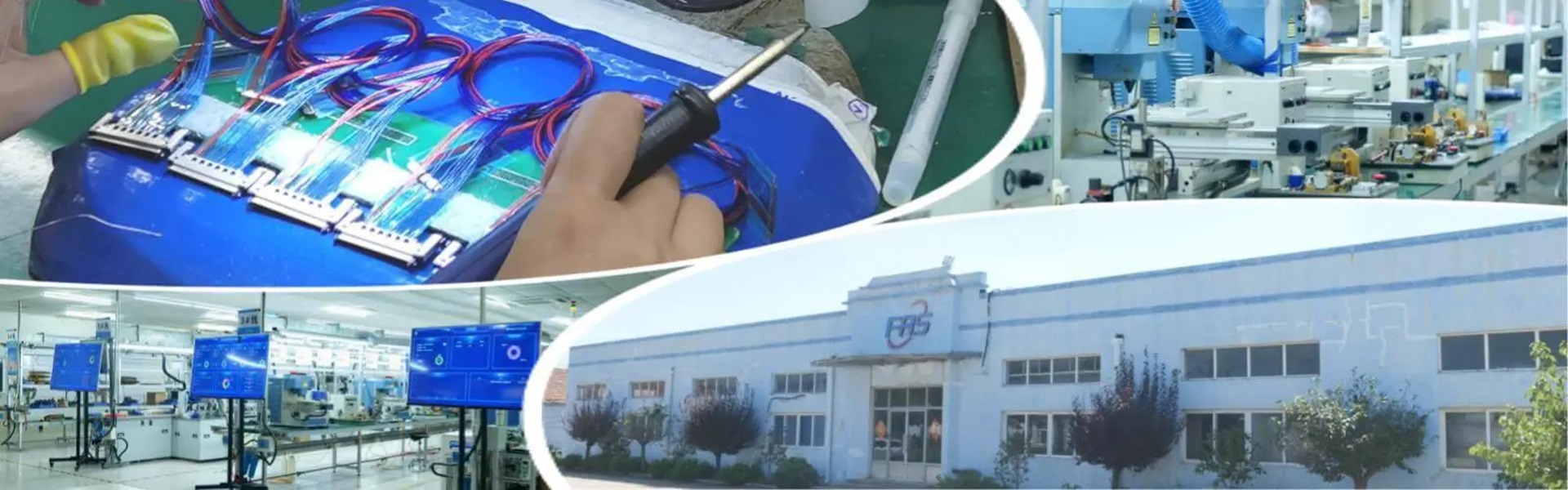
When it comes to selecting the right machine cable assemblies for your CNC machines, FRS stands out as a leading manufacturer with the expertise, quality, and customization capabilities to meet your most demanding requirements. For years, FRS has been dedicated to designing and producing high-performance cable assemblies specifically engineered for the unique challenges of CNC manufacturing.
At FRS, we understand that every CNC machine has distinct needs, which is why we offer both standard and fully customized cable assembly solutions. Our team of engineers works closely with you to evaluate your machine’s power requirements, motion demands, and environmental conditions, ensuring that each cable assembly is tailored to deliver optimal performance. We use only premium materials—from high-conductivity stranded copper conductors to abrasion-resistant PUR and heat-resistant silicone jackets—to ensure durability and reliability in even the harshest CNC environments. Our cable assemblies feature advanced shielding technologies, including braided, foil, and double shielding, to protect against EMI and maintain signal integrity for precise machining.
FRS is committed to quality and compliance, with all our cable assemblies meeting UL, CE, ISO, and RoHS standards. We implement rigorous quality control processes at every stage of production, from raw material inspection to final testing, ensuring that each product leaves our factory defect-free. Additionally, our technical support team is available to provide expert guidance throughout the selection, installation, and maintenance process, helping you minimize downtime and maximize the lifespan of your CNC equipment.
Whether you need a standard cable assembly for a common CNC mill or a custom solution for a specialized 5-axis machining center, FRS has the capabilities to deliver. With fast lead times, competitive pricing, and a focus on customer satisfaction, FRS is your trusted partner for machine cable assemblies that keep your CNC machines running smoothly, accurately, and efficiently. Choose FRS, and experience the difference that high-quality, tailored cable assemblies can make for your manufacturing operations.