How to protect machine cable during transportation?
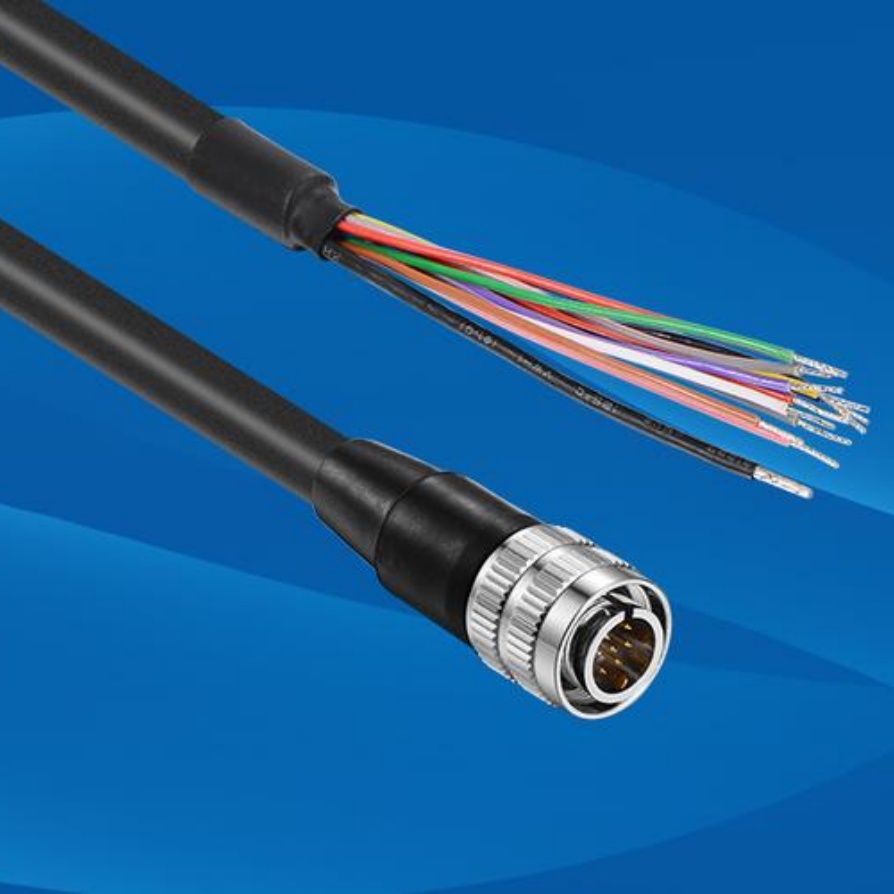
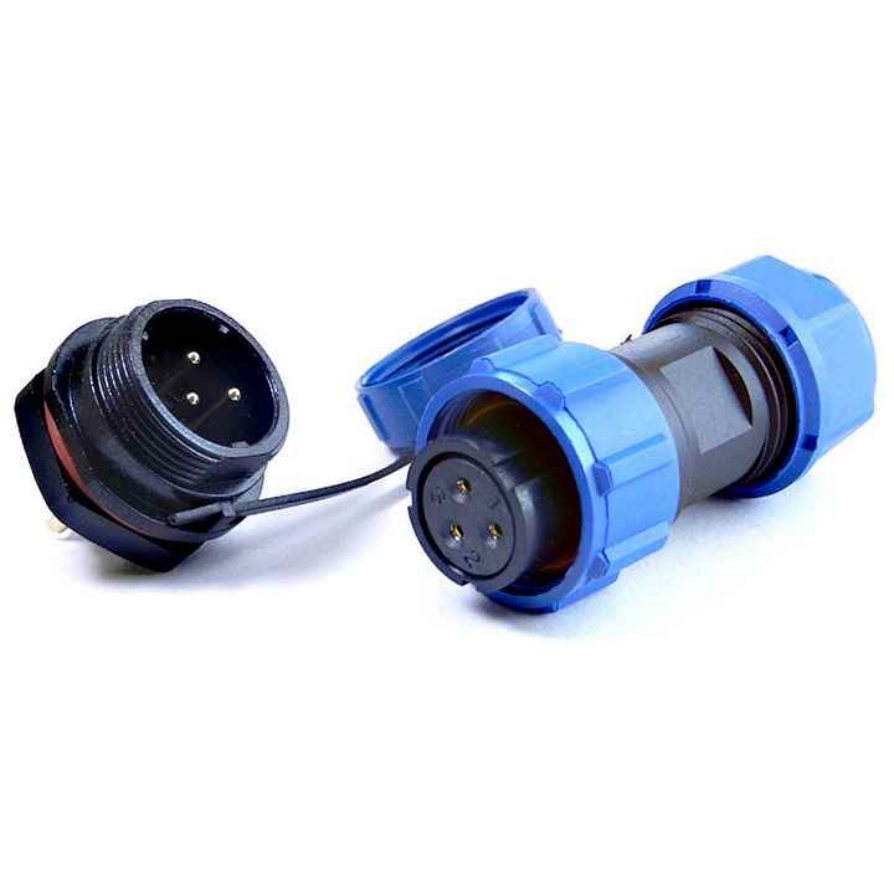
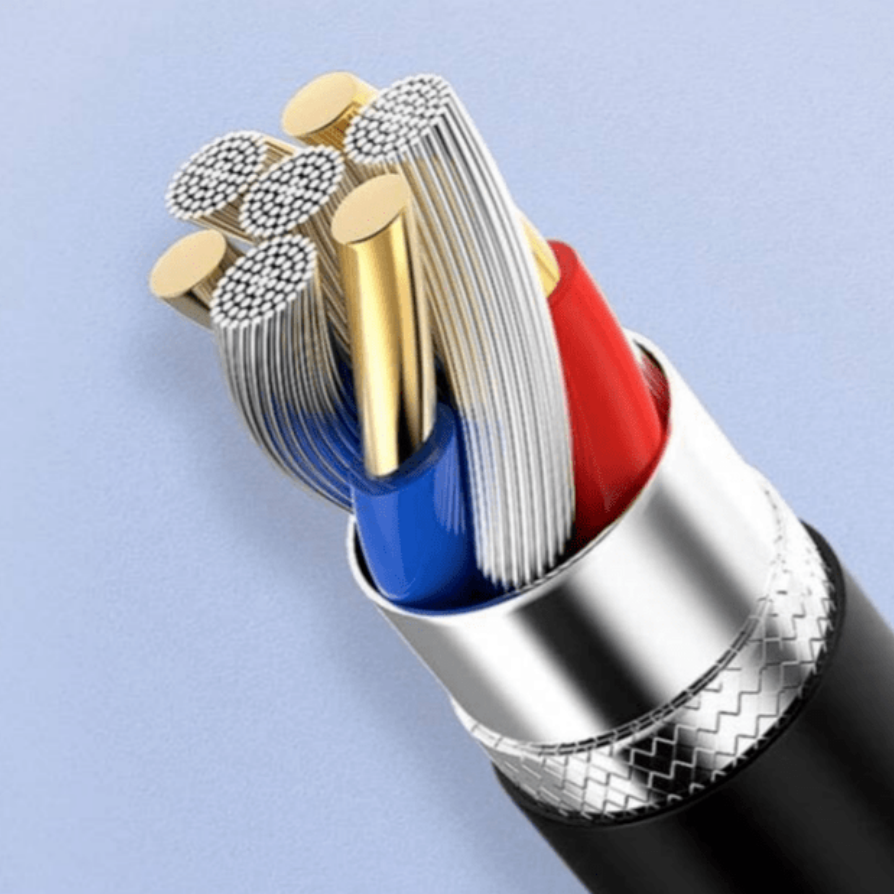
Machine cables are the lifeline of various industrial equipment, responsible for transmitting power, signals, and data. Their performance directly affects the normal operation of the entire machinery. However, during transportation, machine cables often face numerous risks such as physical damage, environmental erosion, and improper handling, which may lead to cable insulation damage, core wire breakage, or signal interference. Once damaged, not only will it increase maintenance costs and delay production schedules, but it may also cause safety accidents in severe cases. Therefore, knowing how to effectively protect machine cable during transportation is crucial for enterprises and equipment manufacturers. This article will provide a comprehensive and detailed guide on the key measures and best practices to protect machine cable during transportation.
1. Choose Appropriate Packaging Materials
The first line of defense to protect machine cable during transportation is selecting the right packaging materials. The packaging should be able to resist external impacts, prevent moisture and dust, and avoid cable tangling. Here are some commonly used and effective packaging materials:
- Bubble Wrap: Bubble wrap is an excellent choice for primary packaging. Its air-filled bubbles can effectively absorb shock and vibration during transportation, reducing the impact of external collisions on the cable. When using bubble wrap, it is necessary to wrap the cable tightly and evenly, ensuring that every part of the cable is covered, especially the connectors and joints which are more vulnerable. For longer cables, it is recommended to wrap them in sections to prevent the bubble wrap from slipping.
- Foam Inserts: Foam inserts are suitable for packaging cables with irregular shapes or fragile connectors. They can be customized according to the size and shape of the cable, providing a snug fit and maximum shock absorption. Foam materials such as polyethylene foam and polyurethane foam have good elasticity and wear resistance, which can effectively protect the cable from scratches and挤压 (squeezing). When placing the cable into the foam insert, make sure there are no gaps to avoid the cable moving inside during transportation.
- Corrugated Cardboard Boxes: Corrugated cardboard boxes are widely used as outer packaging due to their lightweight, high strength, and low cost. When choosing a corrugated box, it is necessary to select the appropriate thickness and grade according to the weight and length of the cable. For heavy or long cables, double-layer or triple-layer corrugated boxes should be used to ensure sufficient load-bearing capacity. Before putting the packaged cable into the box, it is advisable to line the bottom and sides of the box with foam boards or bubble wrap to enhance the protection effect.
- Waterproof Bags/Covers: Moisture is one of the major threats to machine cables, as it can cause insulation breakdown and corrosion of core wires. Therefore, in areas with high humidity or during transportation in rainy seasons, waterproof bags or covers should be used. These waterproof materials are usually made of polyethylene or polypropylene with a waterproof coating, which can effectively prevent water from penetrating into the packaging. When using waterproof bags, make sure to seal them tightly with tape or heat sealing to avoid water seepage at the seams.
2. Properly Secure and Isolate the Cable
During transportation, the movement and collision of goods can easily cause the machine cable to rub against other items or collide with the packaging box, leading to damage. Therefore, proper securing and isolation are essential to protect machine cable.
2.1 Secure the Cable Inside the Packaging
After packaging the cable with buffer materials, it is necessary to fix it firmly inside the outer packaging box to prevent it from moving during transportation. Common securing methods include:
- Packing Tape: Use high-quality packing tape to fix the cable and buffer materials to the bottom and sides of the box. Make sure the tape is wrapped tightly and evenly, and there are no loose parts. For longer cables, it is recommended to use multiple tape strips at intervals to enhance the fixing effect.
- Cable Ties: Cable ties can be used to bundle the cable into a neat bundle, preventing it from tangling. When using cable ties, avoid tying them too tightly to prevent damage to the cable insulation. At the same time, fix the bundled cable to the packaging box with tape or foam blocks to avoid movement.
- Air Pillows: Air pillows are a lightweight and effective filling material that can fill the gaps inside the packaging box, fixing the cable in place and providing additional buffer protection. They are especially suitable for filling irregular gaps and can be inflated to the appropriate pressure according to the needs.
2.2 Isolate the Cable from Other Goods
If multiple goods are transported in the same container or truck, it is necessary to isolate the machine cable from other items, especially heavy objects, sharp tools, or chemicals. Isolation methods include:
- Separation Boards: Use wooden or plastic separation boards to separate the cable from other goods. The separation boards should be strong enough to withstand the pressure from adjacent goods and prevent them from squeezing the cable.
- Individual Packaging: Each machine cable should be packaged individually, even if they are of the same type. This can avoid friction and collision between cables, reducing the risk of damage.
- Placement Position: When loading the goods, place the machine cable in a relatively safe position, such as above other lightweight goods or in the corner of the container where there is less movement. Avoid placing the cable under heavy objects or near sharp edges.
3. Control Transportation Environment
The transportation environment has a significant impact on the quality of machine cables. Extreme temperatures, humidity, and corrosive substances can all cause damage to the cable. Therefore, controlling the transportation environment is an important part of protecting machine cable.
3.1 Avoid Extreme Temperatures
Most machine cables have a specific temperature range for normal use and storage. High temperatures can cause the cable insulation to soften, melt, or age, while low temperatures can make the insulation brittle and easy to crack. During transportation, it is necessary to:
- Choose Temperature-Controlled Transportation: For cables that are sensitive to temperature, such as those used in high-precision equipment, temperature-controlled trucks or containers should be used. These transportation vehicles can maintain a stable temperature inside, ensuring that the cable is not affected by extreme temperatures.
- Avoid Direct Sunlight: When transporting the cable by truck or other open vehicles, cover the packaging with a sunshade cloth to avoid direct sunlight. Direct sunlight can increase the temperature inside the packaging, causing damage to the cable.
- Prevent Freezing: In cold weather, avoid transporting the cable in unheated vehicles for a long time. If necessary, use heating equipment or insulation materials to keep the cable at a suitable temperature.
3.2防潮 (Moisture Proof) and Corrosion Proof
Moisture and corrosive substances can cause serious damage to machine cables. To prevent this, the following measures should be taken:
- Use Moisture-Absorbing Materials: Place moisture-absorbing packets, such as silica gel, inside the packaging box. These packets can absorb the moisture in the air, keeping the packaging dry. The number of moisture-absorbing packets should be determined according to the size of the packaging box and the humidity of the transportation environment.
- Seal the Packaging Tightly: Ensure that the outer packaging box is sealed tightly with waterproof tape to prevent water from entering. For cables transported by sea, it is necessary to use seawater-resistant packaging materials and add an additional layer of waterproof film to prevent salt spray corrosion.
- Avoid Contact with Corrosive Substances: Do not transport machine cables together with chemicals, acids, alkalis, or other corrosive substances. If it is unavoidable, use special anti-corrosion packaging and separate them with impermeable materials.
4. Select Suitable Transportation Methods and Carriers
The choice of transportation method and carrier also affects the safety of machine cables during transportation. Different transportation methods have different characteristics and risks, so it is necessary to choose according to the actual situation.
4.1 Choose the Right Transportation Method
- Road Transportation: Road transportation is flexible and convenient, suitable for short-distance or medium-distance transportation. When choosing road transportation, select trucks with good shock absorption performance and stable driving. Avoid transporting cables on rough roads or during peak traffic hours to reduce vibration and collision.
- Rail Transportation: Rail transportation is relatively stable and has less vibration, suitable for long-distance transportation of large quantities of cables. However, it should be noted that the loading and unloading process of rail transportation may cause damage to the cable, so proper packaging and securing are particularly important.
- Sea Transportation: Sea transportation is cost-effective for long-distance and large-volume transportation, but it has a long transportation time and is vulnerable to salt spray and moisture. Therefore, seawater-resistant packaging and sufficient moisture-proof measures are required.
- Air Transportation: Air transportation is fast, suitable for urgent transportation of high-value or sensitive cables. However, air transportation has strict restrictions on the weight and size of goods, and the pressure and temperature changes during flight may affect the cable. Therefore, lightweight and pressure-resistant packaging materials should be used.
4.2 Choose a Reliable Carrier
A reliable carrier has rich transportation experience, perfect safety management systems, and professional loading and unloading teams, which can greatly reduce the risk of cable damage during transportation. When choosing a carrier, consider the following factors:
- Reputation and Experience: Choose a carrier with a good reputation and many years of experience in transporting industrial equipment and cables. You can check the carrier’s customer reviews and case studies to understand their service quality.
- Safety Measures: Inquire about the carrier’s safety measures during transportation, such as whether they have shock absorption devices, temperature control equipment, and waterproof measures. At the same time, understand their emergency handling plans in case of accidents.
- Insurance Coverage: Ensure that the carrier provides cargo transportation insurance to cover the loss caused by cable damage during transportation. Clarify the insurance coverage and claim process to avoid disputes.
5. Standardize Loading and Unloading Operations
Improper loading and unloading operations are one of the main causes of machine cable damage. Therefore, standardizing loading and unloading operations is essential to protect machine cable during transportation.
5.1 Use Appropriate Loading and Unloading Equipment
According to the weight and size of the cable packaging, use appropriate loading and unloading equipment such as forklifts, cranes, or manual hydraulic trucks. Avoid manual handling of heavy cables to prevent injury to personnel and damage to the cable. When using forklifts or cranes, use soft slings or pads to avoid scratching the packaging and the cable inside.
5.2 Follow Correct Loading and Unloading Procedures
- Light Handling: During loading and unloading, handle the cable packaging gently, avoiding rough handling such as throwing, dropping, or kicking. The cable should be lifted and placed vertically or horizontally according to its packaging form, not tilted or inverted.
- Proper Stacking: When stacking cable packages, follow the principle of “light on top and heavy on bottom”. Do not stack too high to avoid the bottom packages being crushed. The distance between the stacked packages and the walls of the container or truck should be at least 5 cm to facilitate ventilation and prevent挤压 (squeezing).
- Secure the Load: After loading all the cables, use ropes, chains, or tensioners to secure the load to prevent it from moving during transportation. The securing points should be on the packaging box, not on the cable itself.
5.3 Train Loading and Unloading Personnel
Provide professional training to loading and unloading personnel on the importance of protecting machine cables and the correct loading and unloading procedures. Make them aware of the risks of improper handling and master the skills of using loading and unloading equipment. Regularly assess the training effect to ensure that the personnel strictly follow the operating procedures.
6. Conduct Post-Transportation Inspection and Maintenance
After the machine cables arrive at the destination, timely inspection and maintenance are necessary to detect and deal with potential damage in time, ensuring the normal use of the cables.
6.1 Visual Inspection
First, check the outer packaging of the cable for damage such as tears, breaks, or water stains. If the packaging is damaged, carefully open it and check the cable inside for scratches, dents, insulation damage, or connector deformation. Pay special attention to the ends and joints of the cable, which are more prone to damage.
6.2 Performance Testing
For important cables, conduct performance testing after visual inspection. Common tests include insulation resistance testing, continuity testing, and signal transmission testing. Use professional testing equipment to ensure that the cable’s electrical performance meets the requirements. If any performance indicators are unqualified, contact the supplier or carrier immediately for handling.
6.3 Maintenance and Storage
If the cable is not used immediately after transportation, store it in a dry, ventilated, and clean warehouse. Avoid storing it in areas with high temperature, humidity, or corrosive substances. The cable should be placed on a shelf or pallet, not directly on the ground. Regularly check the stored cable for signs of damage or deterioration.
Choose FRS for Reliable Machine Cable Protection Solutions
Protecting machine cable during transportation requires a comprehensive approach covering packaging, securing, environment control, transportation method selection, loading and unloading standardization, and post-transportation inspection. As a professional manufacturer dedicated to providing high-quality machine cable protection products, FRS understands the importance of cable safety during transportation and has rich experience in this field.
FRS offers a full range of machine cable protection solutions, including high-quality bubble wrap, foam inserts, waterproof packaging materials, cable ties, and securing devices. All our products are made of premium materials that meet international standards, ensuring excellent shock absorption, moisture resistance, and wear resistance. We can also provide customized packaging solutions according to the specific requirements of your machine cables, such as size, shape, and transportation environment, to provide the most suitable protection for your cables.
In addition to high-quality products, FRS also provides professional technical support and consulting services. Our team of experts can provide you with detailed guidance on machine cable protection during transportation, including packaging design, transportation method selection, and loading and unloading procedures. We are committed to helping you reduce the risk of cable damage during transportation, save maintenance costs, and ensure the smooth progress of your production.
When it comes to protecting machine cable during transportation, FRS is your trusted partner. Choose FRS, and you will get reliable products, professional services, and peace of mind. Contact us today to learn more about our machine cable protection solutions and let us protect your valuable machine cables together.