How to route machine cable Assemblies to avoid wear and tear
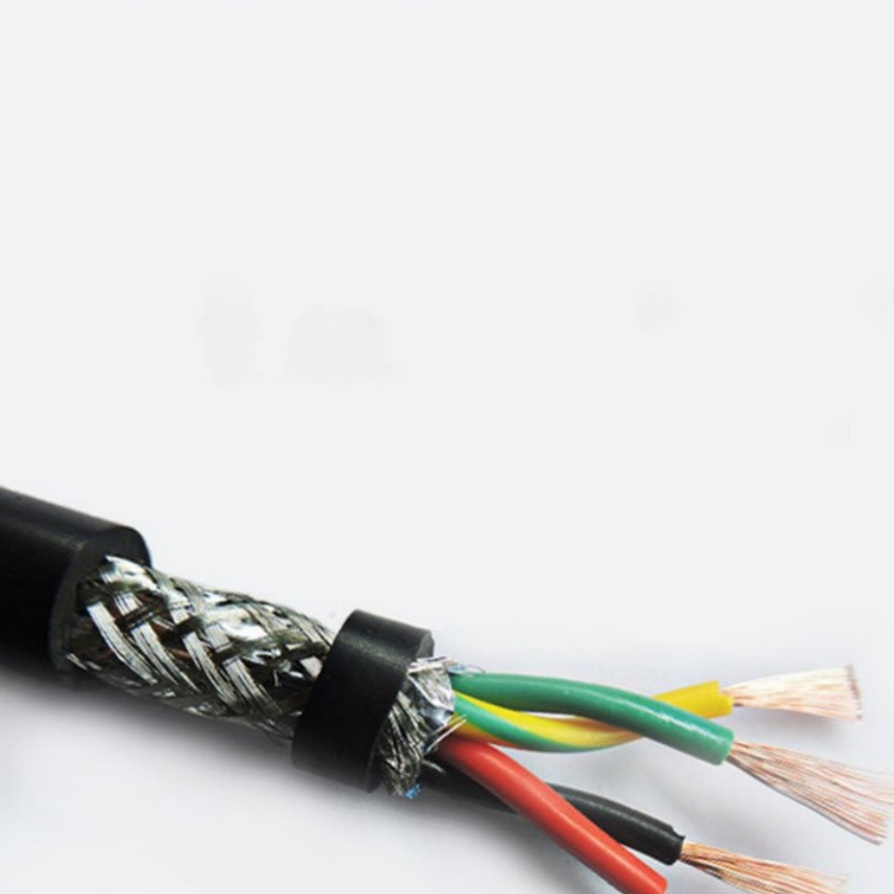
Machine cable assemblies are the lifelines of industrial equipment, transmitting power, signals, and data that keep operations running smoothly. However, improper routing of these critical components often leads to premature wear and tear, resulting in costly downtime, equipment failures, and safety hazards. In industrial settings—where machines operate under constant vibration, temperature fluctuations, and mechanical stress—routing machine cable assemblies correctly is not just a maintenance task but a strategic investment in operational efficiency and longevity. This comprehensive guide will walk you through the key principles, best practices, and actionable steps to route machine cable assemblies effectively, minimizing wear and maximizing their service life.
1. Conduct a Thorough Pre-Routing Assessment
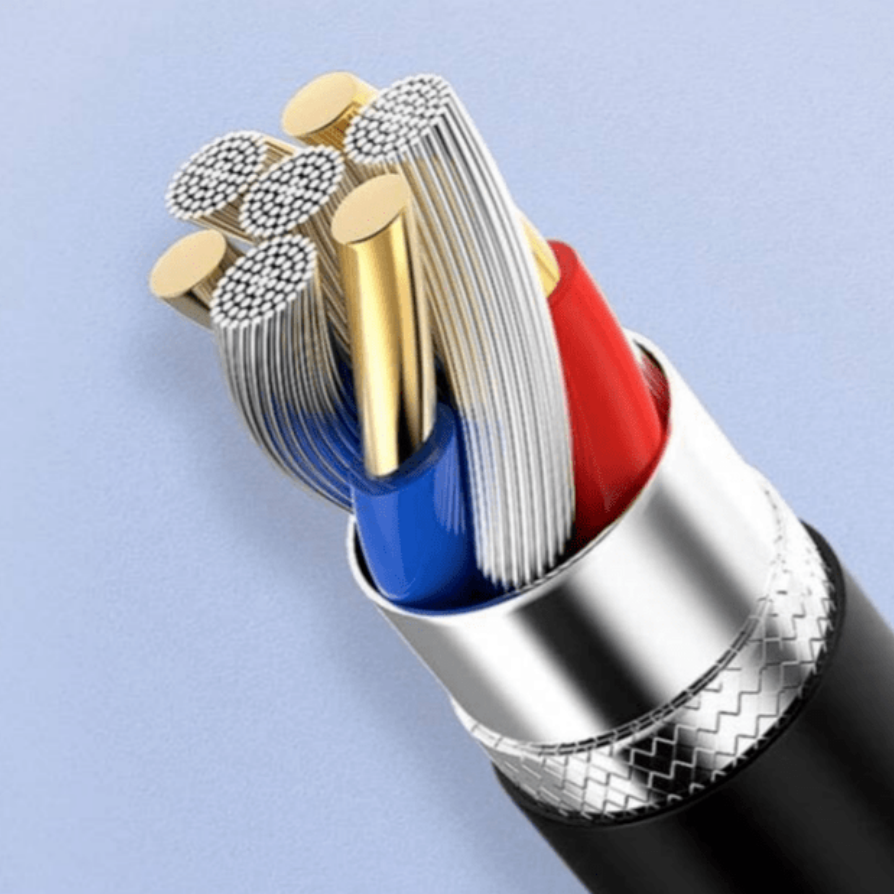
Before beginning any routing work, a detailed assessment of the application environment and cable assembly requirements is essential. This foundational step ensures that your routing plan aligns with both the technical specifications of the cables and the operational demands of the machinery. Start by documenting the key parameters of the machine cable assemblies themselves: voltage rating, current capacity, flexibility, outer jacket material, and minimum bend radius. The minimum bend radius is particularly critical—bending a cable beyond this limit can damage internal conductors, shieldings, or insulation, leading to signal degradation or short circuits.
Next, evaluate the environmental conditions where the cable assemblies will be installed. Note factors such as temperature ranges (extreme heat or cold can degrade jacket materials), exposure to chemicals (oils, solvents, or corrosive substances), moisture levels, and the presence of abrasive particles. Additionally, map out the mechanical stresses the cables will endure: constant vibration from motors, repetitive motion (e.g., robotic arms), or potential impact from moving machine parts. By compiling this information, you can select the right routing path and protective measures tailored to the specific challenges of your application.
2. Design a Routing Path That Minimizes Stress Points
The routing path is the backbone of effective cable management. A well-designed path avoids high-stress areas and ensures that machine cable assemblies are not subjected to unnecessary tension, friction, or bending. When planning the path, prioritize the following guidelines:
- Avoid Moving Parts and Pinch Points: Never route cable assemblies near gears, pulleys, belts, or sliding components that could pinch, crush, or abrade the cables. Maintain a safe distance (at least the diameter of the cable assembly, or more for high-motion areas) from any moving parts. If routing near moving components is unavoidable, use protective guards or sleeves to create a physical barrier.
- Minimize Bends and Use Gradual Curves: Sharp bends are a major cause of cable wear. Whenever possible, route machine cable assemblies in straight lines, and when bends are necessary, ensure they follow the cable’s minimum bend radius. For example, a cable with a 10mm diameter might have a minimum bend radius of 50mm—meaning the radius of the curve should be at least 50mm. Use gradual curves instead of tight angles to distribute stress evenly across the cable jacket.
- Keep Cables Away from Heat Sources: High temperatures can soften or crack cable jackets, exposing internal components to damage. Route assemblies away from heaters, exhaust vents, or hot surfaces (e.g., engine blocks or welding areas). If heat exposure is inevitable, select cables with heat-resistant jackets (such as silicone or PTFE) and use heat shields to redirect thermal energy.
- Reduce Exposure to Chemicals and Moisture: For environments with chemicals, route machine cable assemblies above floor level to avoid pooling liquids, and use chemical-resistant conduits or enclosures. In wet or humid areas, ensure cables are sealed at connections and routed to prevent water from entering connectors or splices.
3. Use Proper Cable Management Hardware
Selecting the right cable management hardware is crucial to securing machine cable assemblies and preventing movement that causes wear. The goal is to hold cables firmly in place without restricting their natural flexibility (where needed) or applying excessive pressure. Here are the most effective hardware options and their applications:
- Cable Clamps and Ties: Nylon cable ties are versatile for bundling cables, but they must be tightened properly—over-tightening can crush cables, while under-tightening allows movement. Use releasable ties for applications where cables may need to be reconfigured. For heavier cable assemblies, metal clamps (e.g., stainless steel or galvanized steel) provide stronger support, especially in high-vibration environments. Ensure clamps have rubber or plastic liners to prevent abrasion between the clamp and the cable jacket.
- Cable Trays and Conduits: Cable trays are ideal for routing multiple machine cable assemblies in industrial settings, keeping them organized and off the floor. Choose trays with smooth edges to avoid snagging cables, and use covers to protect against dust, debris, and accidental impact. Conduits (metal or plastic) are suitable for protecting cables in harsh environments or where cables need to be routed through walls or machine frames. Ensure conduits are large enough to accommodate the cable assemblies without forcing them, and use conduit fittings (e.g., elbows, couplings) that maintain the minimum bend radius.
- Cable Carriers (Energy Chains): For machine cable assemblies that move with robotic arms, linear slides, or other dynamic components, cable carriers are essential. These plastic or metal chains enclose and guide cables, preventing tangling, kinking, or stretching during motion. Select a cable carrier with the appropriate inner height and width to fit the cables, and ensure it has a smooth gliding mechanism to reduce friction. Regularly inspect carriers for wear, as damaged links can cause cables to snag.
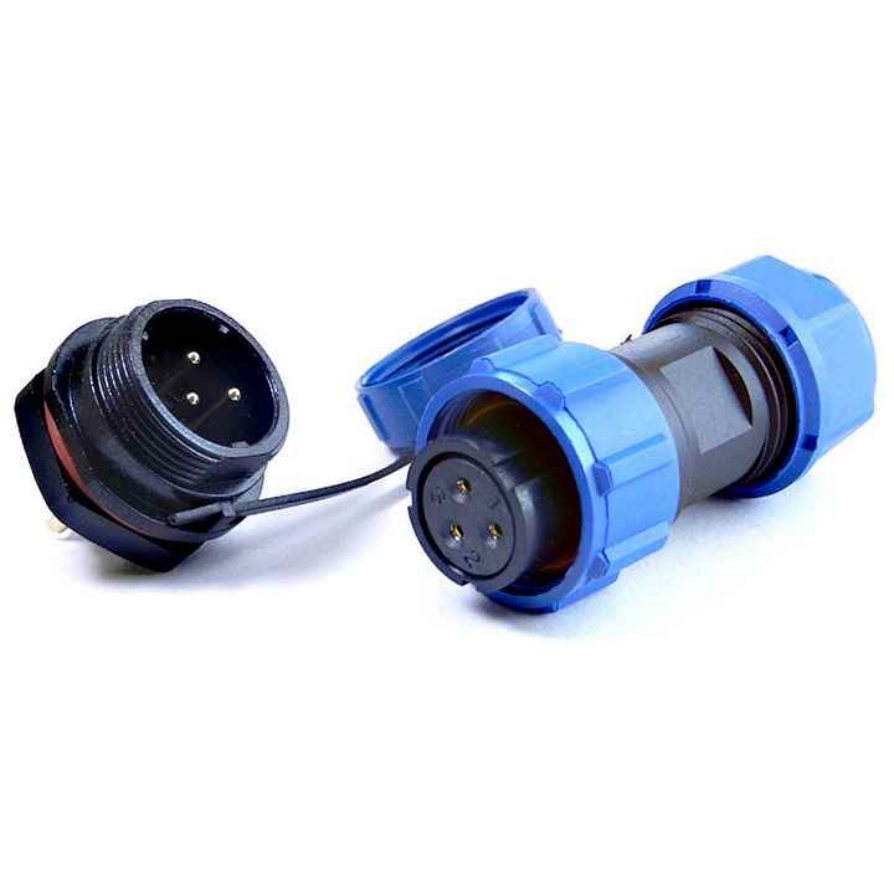
- Strain Reliefs: Install strain reliefs at cable entry points (e.g., connectors, junction boxes, or machine enclosures) to distribute tension away from the connector. This prevents the cable from pulling loose or sustaining damage at the point where it meets the device. Strain reliefs can be molded, clamped, or heat-shrinked, and should be matched to the cable’s diameter and flexibility.
4. Implement Dynamic Routing for Moving Applications
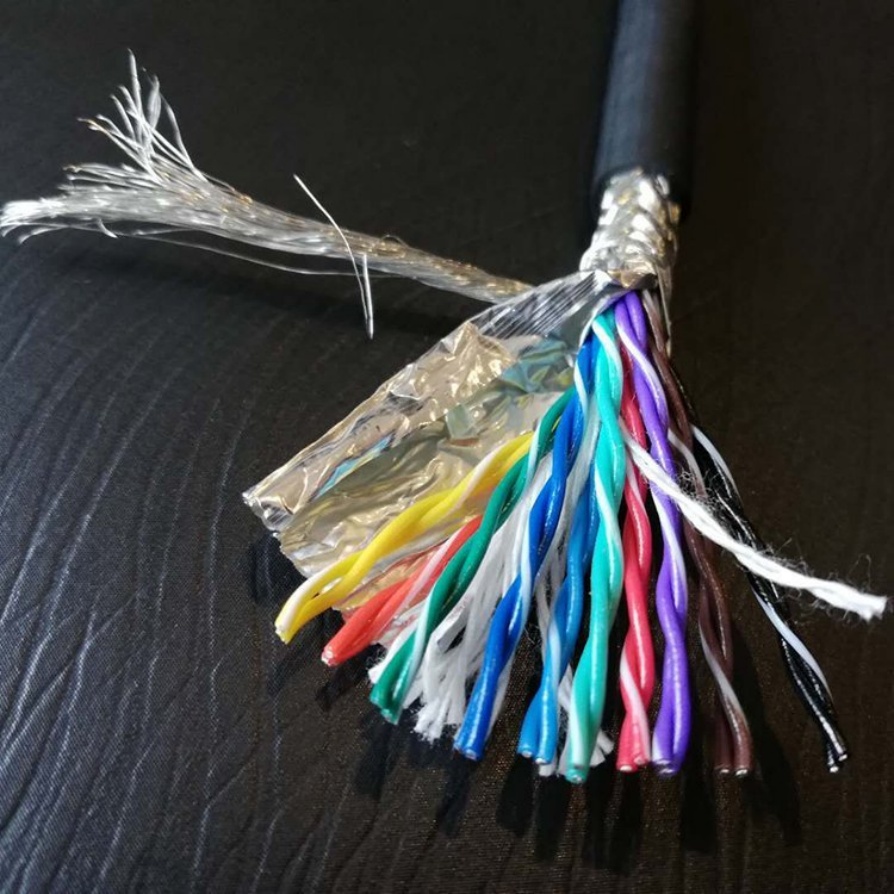
Many industrial machines involve repetitive motion—such as robotic welding arms, CNC machine tool heads, or conveyor systems—and machine cable assemblies in these applications face unique wear challenges. Dynamic routing requires specialized techniques to accommodate movement without compromising cable integrity. Start by calculating the total travel distance of the moving component and selecting cables designed for dynamic flexing (e.g., high-flex cables with stranded conductors and flexible jackets). These cables are engineered to withstand millions of bending cycles without fatigue.
When routing dynamic cables, use the “S-curve” or “wave” method to provide slack. This involves creating a gentle, repeating curve in the cable assembly that allows it to extend and retract with the moving component, rather than stretching or compressing. Avoid over-slacking, however, as excess cable can get caught on nearby parts. Pair this with a cable carrier that matches the motion profile—for example, a side-bending carrier for lateral movement or a vertical carrier for up-and-down motion. Additionally, ensure the cable carrier is mounted securely to both the fixed and moving parts of the machine, and that the cables are not twisted inside the carrier (twisting can damage conductors and shieldings).
5. Maintain and Inspect Routed Cable Assemblies Regularly
Even the best routing plan requires ongoing maintenance to detect and address wear before it leads to failure. Establish a regular inspection schedule based on the severity of the application—high-vibration or high-motion environments may require weekly checks, while static applications can be inspected monthly or quarterly. During inspections, look for the following signs of wear:
- Fraying, cracking, or discoloration of the cable jacket
- Exposed conductors or shieldings
- Loose or damaged connectors
- Kinks or permanent bends in the cable
- Signs of abrasion (e.g., scuff marks) from contact with other parts
- Signal degradation or intermittent electrical issues (which may indicate internal damage)
If any wear is detected, take immediate action: replace damaged cables, adjust the routing path to eliminate stress points, or upgrade to more durable cable management hardware. Additionally, keep detailed records of inspections and maintenance activities to identify patterns—for example, if cables in a specific area consistently wear out, you may need to redesign the routing path or switch to a more robust cable type.
6. Train Personnel on Proper Routing Practices
Human error is a common cause of improper cable routing. Ensure that all maintenance technicians, machine operators, and installation teams are trained on the best practices outlined in this guide. Provide them with access to technical specifications for machine cable assemblies (including minimum bend radius and environmental ratings) and routing diagrams for each piece of equipment. Train personnel to recognize signs of wear and to report issues promptly, and emphasize the importance of following established routing procedures during installations, repairs, or reconfigurations. Regular refresher training can help reinforce these practices and keep teams updated on new cable management technologies or techniques.
Why FRS Is Your Trusted Partner for Machine Cable Assemblies
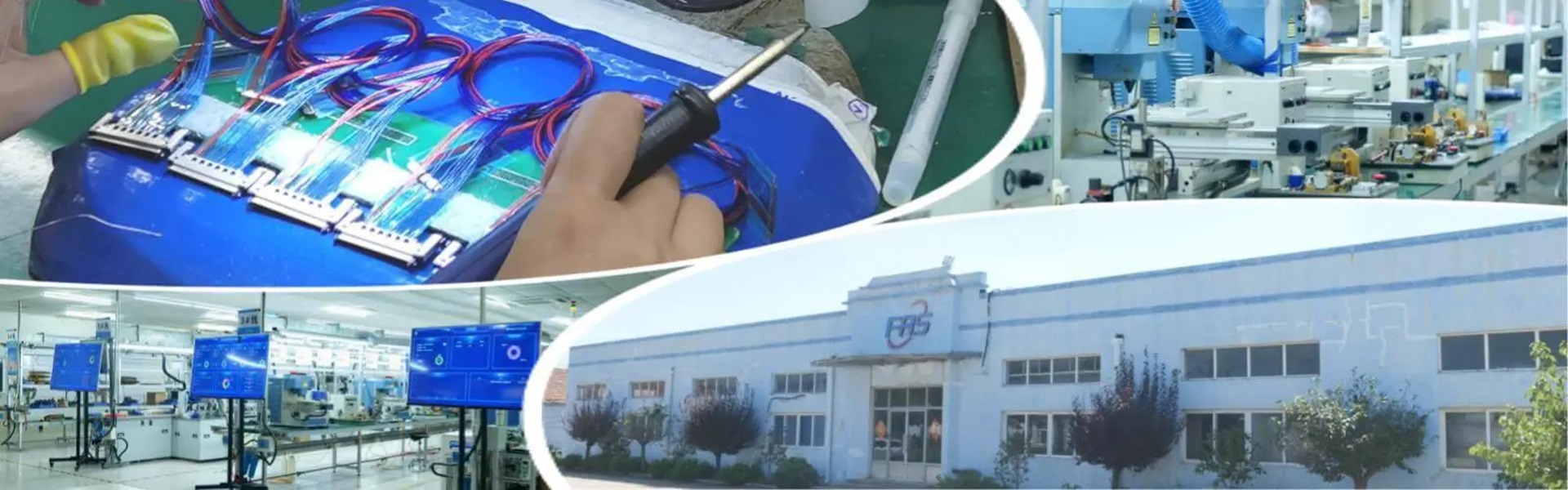
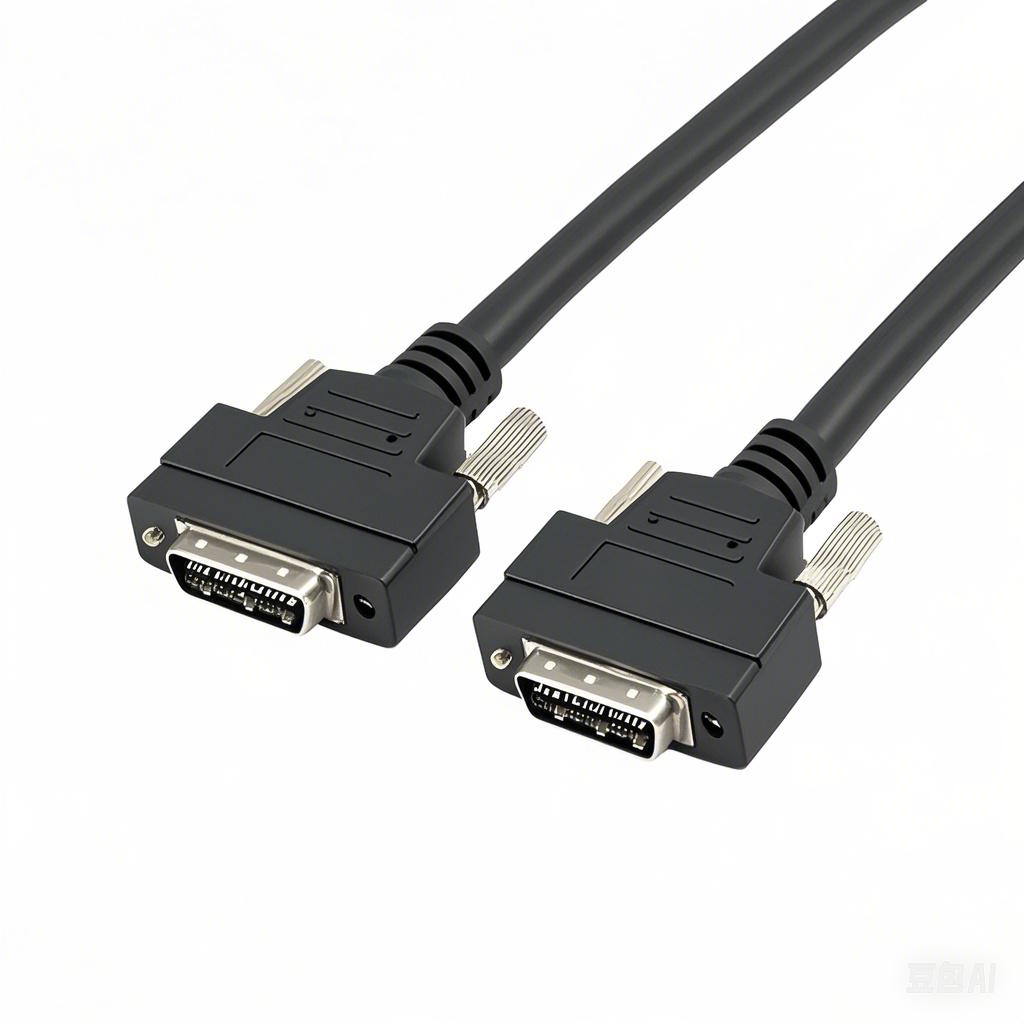
Routing machine cable assemblies to avoid wear and tear starts with using high-quality, application-specific cable assemblies—and FRS is the brand that industrial professionals rely on for excellence. At FRS, we understand that every industrial environment is unique, which is why we design and manufacture machine cable assemblies tailored to your exact requirements. Our assemblies are engineered with premium materials—from durable, chemical-resistant jackets to high-flex conductors—that stand up to vibration, temperature extremes, and repetitive motion, making them ideal for even the most demanding routing applications.
What sets FRS apart? Our commitment to precision. We adhere to strict quality control standards at every stage of production, ensuring that each machine cable assembly meets or exceeds industry specifications for minimum bend radius, voltage rating, and mechanical durability. Whether you need dynamic cable assemblies for robotic systems, heat-resistant assemblies for high-temperature environments, or chemical-resistant assemblies for manufacturing floors, FRS has the expertise to deliver solutions that minimize wear and maximize uptime.
But FRS doesn’t stop at manufacturing. Our team of engineering experts works closely with you to optimize your cable routing plan, providing insights on hardware selection, path design, and maintenance strategies to further extend the life of your cable assemblies. We believe that a successful partnership is built on reliability—from on-time delivery to responsive customer support. When you choose FRS machine cable assemblies, you’re not just buying a product; you’re investing in a solution that keeps your machinery running efficiently, reduces maintenance costs, and eliminates unplanned downtime.
For industrial operations that demand durability, precision, and performance, FRS is the name to trust. Let us help you route machine cable assemblies with confidence—contact FRS today to learn more about our custom cable assembly solutions and how we can support your operational goals.