How to select machine cable Assemblies for wet environment applicatio...
Wet environments, such as manufacturing plants with frequent washdowns, outdoor industrial sites, marine facilities, and wastewater treatment plants, pose unique challenges to machine cable assemblies. Exposure to water, moisture, chemicals, and temperature fluctuations can degrade cable performance, lead to equipment failure, and even create safety hazards. Selecting the right machine cable assemblies for these applications is critical to ensuring operational reliability, longevity, and safety. This article outlines key considerations and practical steps to guide your selection process.
1. Understand the Challenges of Wet Environments
Before diving into selection criteria, it is essential to recognize the specific threats wet environments present to cable assemblies. Water and moisture can infiltrate cables, causing short circuits, corrosion of conductors, and breakdown of insulation materials. Chemicals like cleaning agents, oils, and solvents in industrial washdowns can deteriorate cable jackets. Additionally, temperature swings—from freezing to high heat—can make cables brittle or prone to cracking, further compromising their integrity. Ignoring these factors can result in unplanned downtime, increased maintenance costs, and potential safety risks like electrical shocks or fires.
2. Key Selection Criteria for Wet Environment Cable Assemblies
2.1 Material Selection
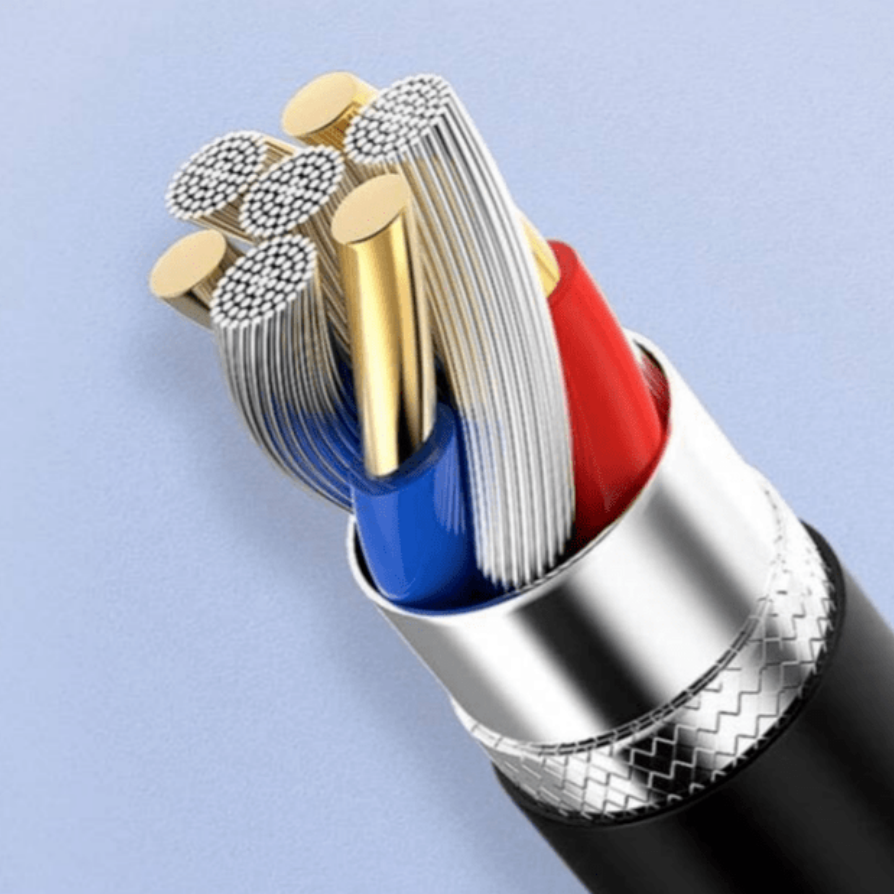
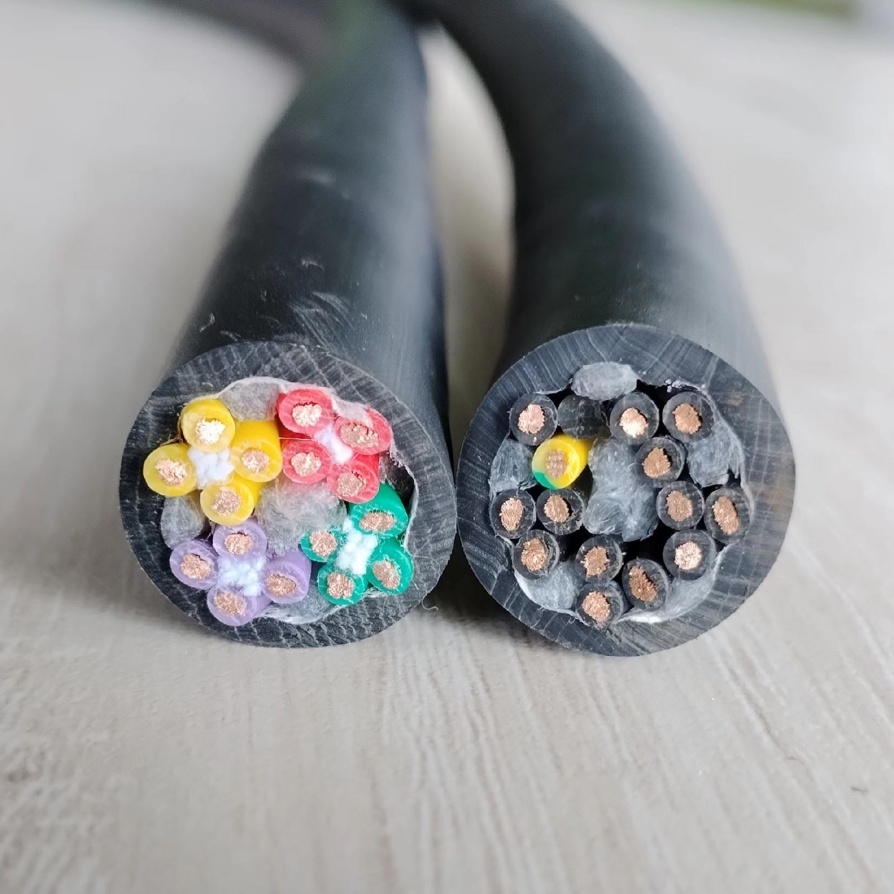
The choice of materials directly impacts a cable assembly’s resistance to wet conditions. For conductors, tinned copper is preferred over bare copper because the tin coating provides excellent corrosion resistance, preventing rust and degradation when exposed to moisture. Insulation materials should be hydrophobic (water-repellent) and resistant to water absorption. Cross-linked polyethylene (XLPE) and ethylene propylene diene monomer (EPDM) are top choices, as they maintain electrical insulation properties even when damp. The outer jacket, which acts as the first line of defense, should be made of durable, water-resistant materials like thermoplastic polyurethane (TPU) or polyurethane (PUR). These materials not only repel water but also resist abrasion, chemicals, and UV radiation—critical for outdoor or harsh industrial wet environments.
2.2 IP Rating and Sealing
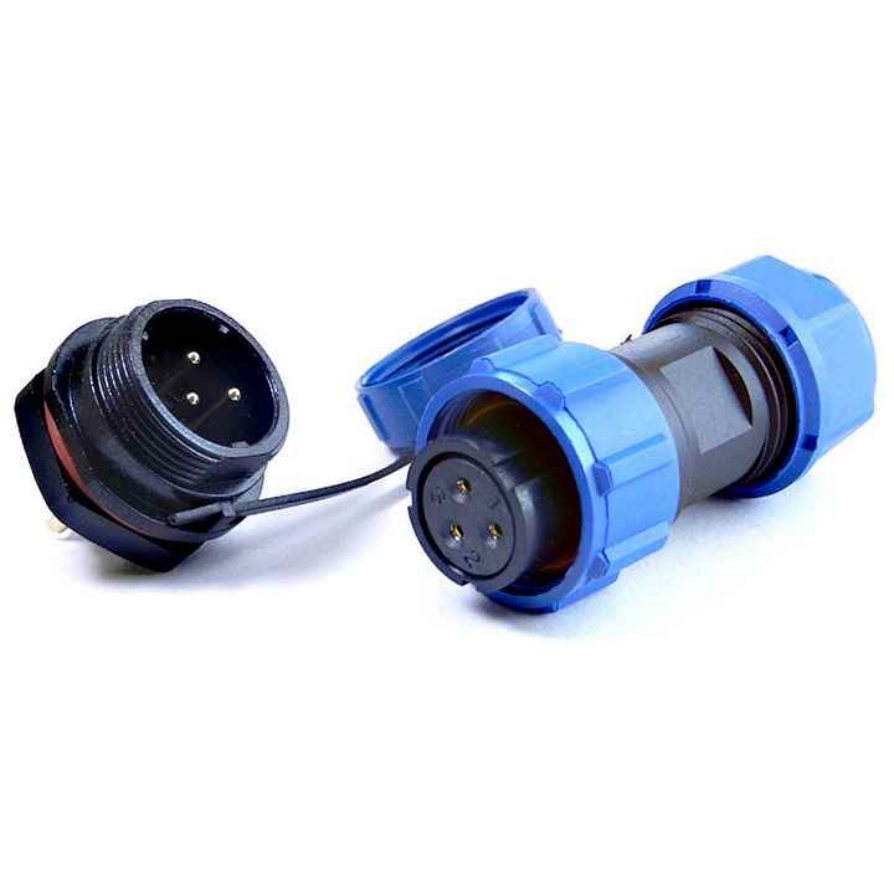
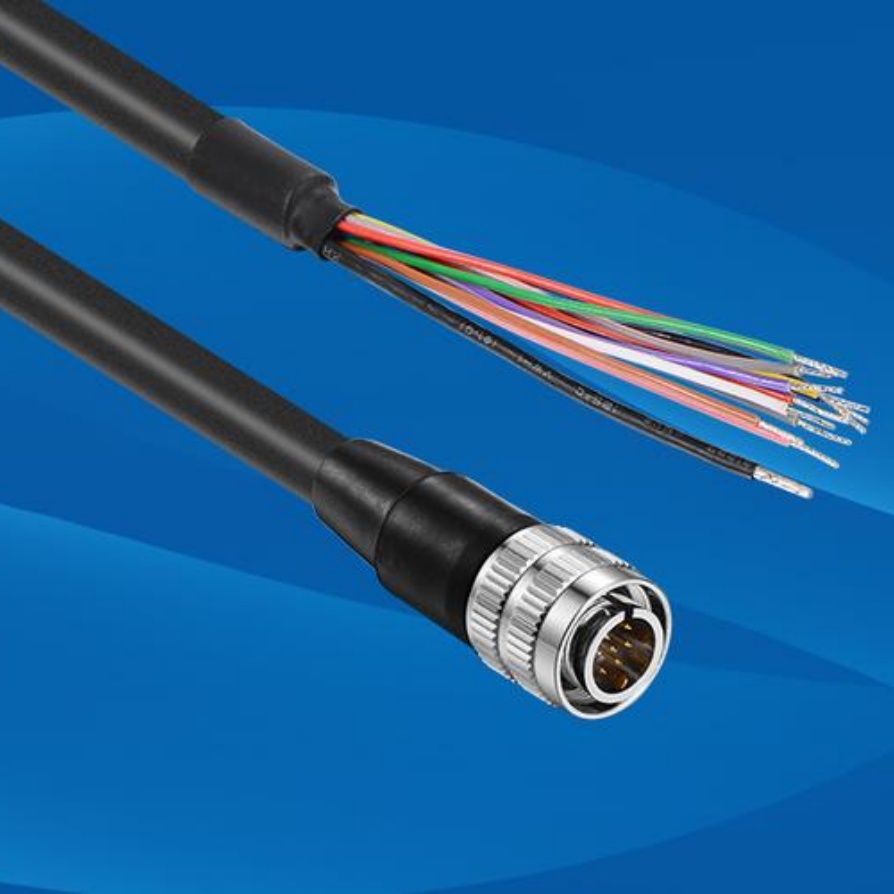
Ingress Protection (IP) rating is a standardized system that indicates a product’s resistance to solid objects and liquids. For wet environments, focus on the second digit of the IP rating, which measures liquid resistance. A rating of IP67 means the cable assembly can withstand temporary immersion in water (up to 1 meter for 30 minutes), while IP68 offers continuous immersion in water at greater depths (specifics vary by manufacturer). Beyond IP ratings, ensure the cable assembly has robust sealing at connectors and terminations. Seals made of rubber or silicone gaskets prevent water from seeping into connection points, which are common failure spots. Avoid cable assemblies with exposed crimps or poorly sealed connectors, as these are vulnerable to moisture intrusion.
2.3 Shielding Performance
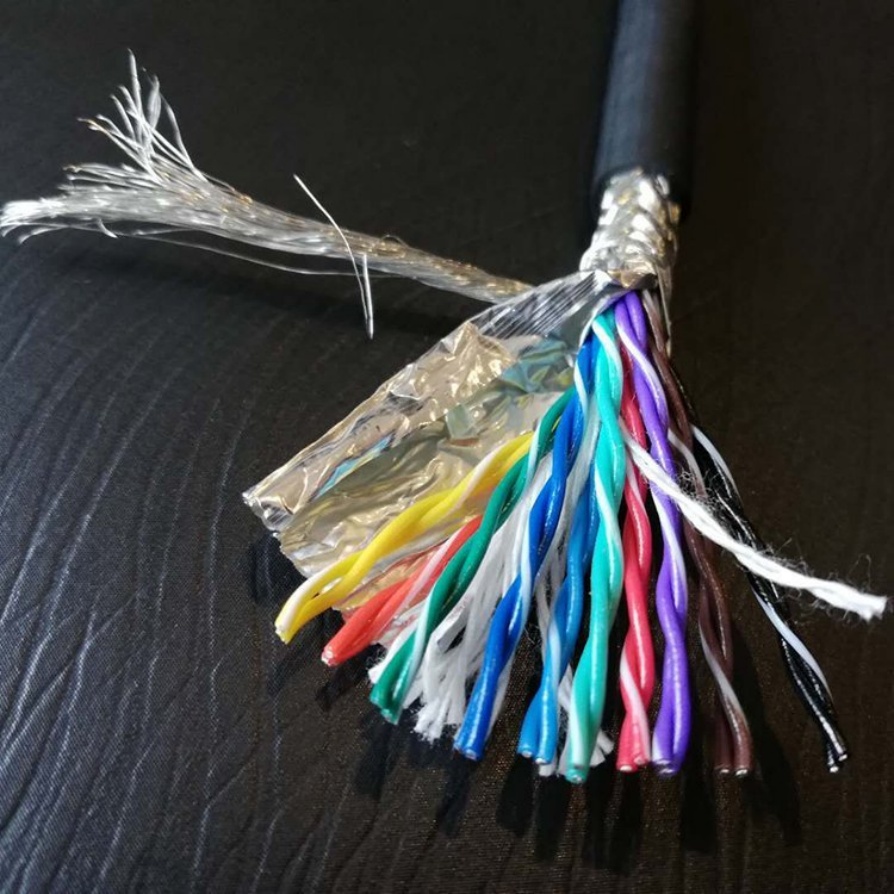
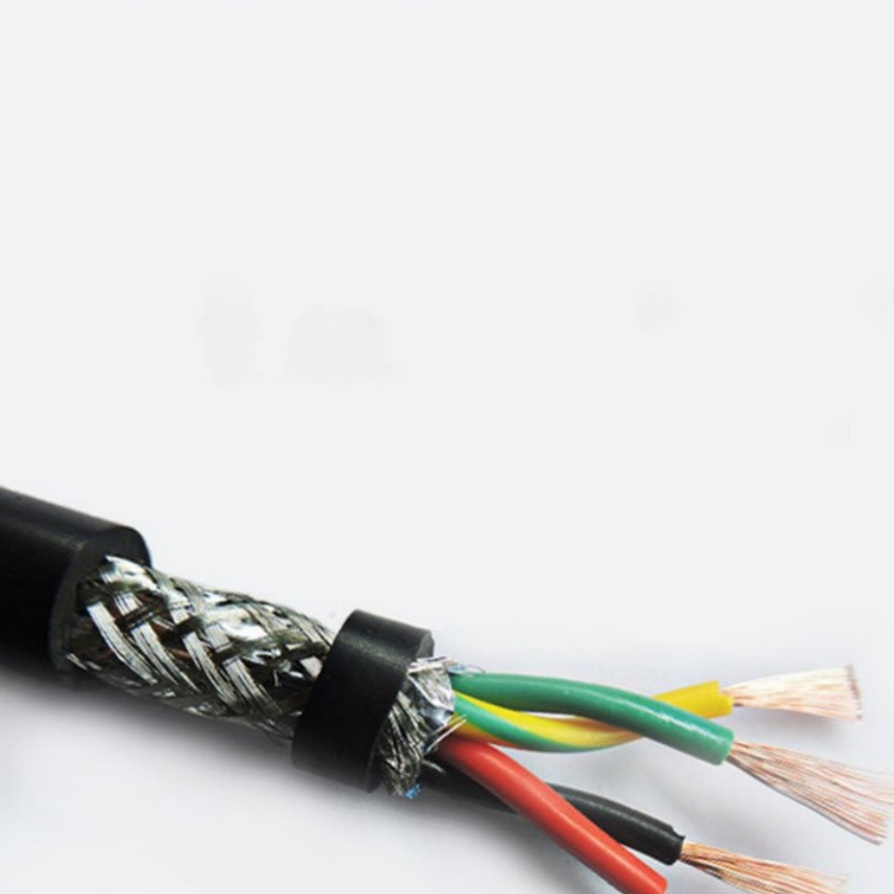
In many wet industrial environments, cable assemblies are also exposed to electromagnetic interference (EMI) from nearby machinery. Moisture can worsen EMI issues by altering the cable’s electrical properties. Therefore, selecting cable assemblies with effective shielding is crucial. Braided shielding (typically made of tinned copper) provides excellent EMI protection and is more resistant to corrosion than unshielded alternatives. Foil shielding can be used as a secondary layer for additional protection, especially in applications where flexibility is required. Ensure the shield is properly grounded to divert EMI away from the conductors, maintaining signal integrity in wet conditions.
2.4 Mechanical Durability
Wet environments often involve frequent movement, vibration, or physical contact with equipment or debris. Cable assemblies must be mechanically durable to withstand these stresses. Look for cables with high flex life ratings, especially if they are used in applications with repeated bending (e.g., robotic arms). Reinforced jackets or aramid fiber strength members can enhance tensile strength, preventing the cable from stretching or breaking. Additionally, resistance to abrasion is vital—TPU or PUR jackets are superior in this regard compared to PVC, which can crack or tear when exposed to water and physical wear.
2.5 Compliance and Certifications
Ensure the cable assemblies comply with relevant industry standards and certifications. For example, UL (Underwriters Laboratories) certifications ensure the product meets safety requirements for electrical and mechanical performance. CE marking indicates compliance with European Union safety, health, and environmental standards. In marine environments, cables may need to meet IMO (International Maritime Organization) standards for flame resistance and low smoke emission. Choosing certified cable assemblies not only guarantees quality but also ensures compliance with regulatory requirements, reducing liability risks.
3. Practical Selection Steps
To streamline the selection process, follow these steps: First, conduct a thorough assessment of the environment—identify the type and level of moisture (e.g., splashing, immersion), presence of chemicals, temperature range, and mechanical stresses (flexing, vibration). Second, define the cable’s performance requirements, including voltage rating, current capacity, signal type (analog, digital), and shielding needs. Third, shortlist cable assemblies that meet the material, IP rating, and certification criteria outlined above. Fourth, test prototypes in the actual environment if possible, to validate performance under real-world conditions. Finally, partner with a reputable supplier who can provide technical support and custom solutions if standard cables do not meet your needs.
4. Choose FRS for Reliable Wet Environment Cable Assemblies
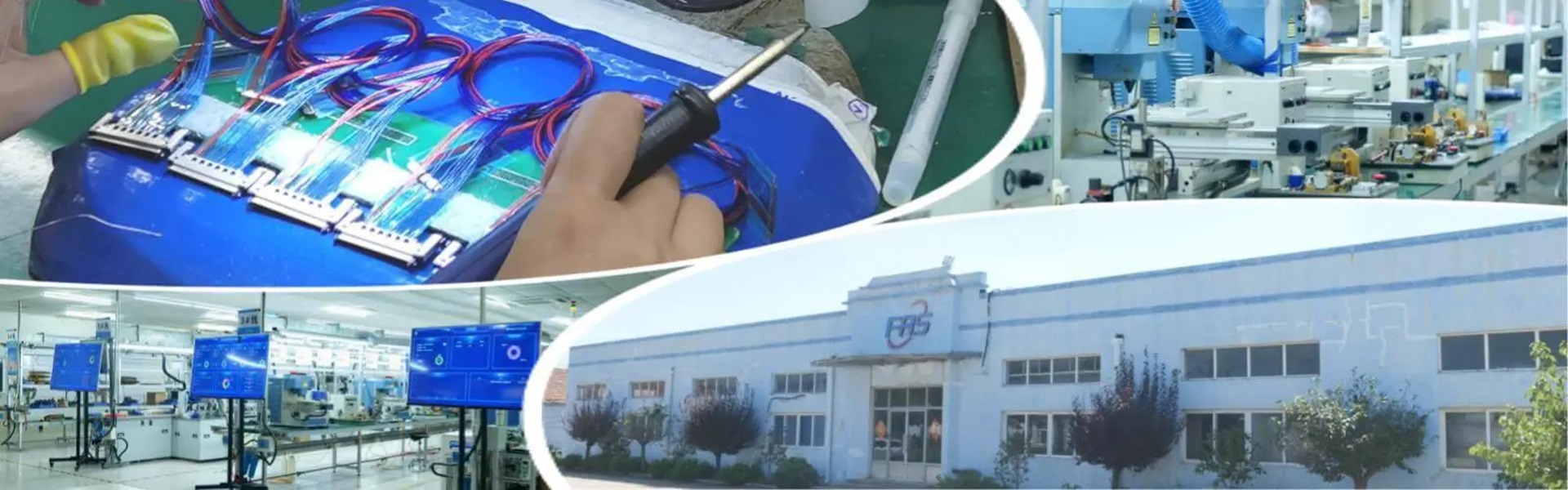
When it comes to selecting machine cable assemblies for wet environments, FRS brand factory stands out as a trusted partner. FRS prioritizes quality and performance, using premium materials like tinned copper conductors, XLPE insulation, and TPU/PUR jackets to ensure superior water resistance and durability. Our cable assemblies boast IP67/IP68 ratings with advanced sealing technology, preventing moisture intrusion at every connection. With robust braided shielding and compliance with UL, CE, and IMO standards, FRS cable assemblies deliver consistent performance in the harshest wet conditions—from industrial washdowns to marine applications. Whether you need standard products or custom solutions tailored to your specific environment, FRS combines technical expertise with rigorous quality control to meet your needs. Choose FRS for machine cable assemblies that keep your operations running reliably, even in the wettest environments.