How to select machine cable for a woodworking machine
Woodworking machines, such as saws, routers, sanders, and planers, are the backbone of furniture manufacturing, cabinetry, and carpentry workshops. Behind their smooth and efficient operation lies a critical component that is often overlooked: the machine cable. A high-quality and properly selected machine cable for a woodworking machine not only ensures the safe and stable running of the equipment but also extends its service life and reduces the risk of downtime. Choosing the wrong cable, however, can lead to overheating, short circuits, equipment failure, or even safety hazards like electrical fires. To help you make an informed decision, this guide will break down the key factors to consider when selecting a machine cable for your woodworking machine.
1. Understand the Power and Current Requirements of Your Woodworking Machine
The first and most fundamental step in selecting a machine cable for a woodworking machine is to match the cable’s current-carrying capacity with the machine’s power demands. Woodworking machines vary significantly in power—from small benchtop sanders with 1-2 HP (horsepower) to large industrial table saws or CNC routers with 5-15 HP or more. Each machine’s power rating directly determines the amount of current it draws, which in turn dictates the required cross-sectional area (gauge) of the cable.
To calculate the current, you can use the formula: Current (I) = Power (P) / Voltage (V). Most woodworking machines operate on either 110V (common in residential workshops) or 220V (standard for industrial settings). For example, a 5 HP woodworking router running on 220V will draw approximately 16.5 amps (since 1 HP ≈ 746 watts, so 5*746 = 3730 watts; 3730 / 220 ≈ 16.5 A). Once you have the current value, you need to select a cable with a gauge that can handle this current without overheating.
As a general rule, smaller gauge numbers indicate thicker cables with higher current-carrying capacity. For instance, a 14-gauge cable can typically handle up to 15 amps, suitable for low-power machines like small drills or sanders. A 12-gauge cable is rated for up to 20 amps, ideal for medium-power tools such as 3 HP planers. For high-power machines like 5 HP table saws (drawing 16-20 amps) or 10 HP CNC machines (drawing 30-40 amps), you may need 10-gauge or even 8-gauge cables. Always refer to the machine’s user manual for the exact power and current specifications, and choose a cable that exceeds the minimum requirement to account for potential power surges during startup.
2. Consider the Working Environment of the Woodworking Machine
Woodworking workshops are harsh environments for cables, with factors like wood dust, oil, moisture, temperature fluctuations, and physical abrasion posing significant threats. A machine cable for a woodworking machine must be designed to withstand these conditions to ensure long-term reliability.
Wood Dust Resistance: Wood dust is fine, abrasive, and can easily penetrate into cable jackets if they are not sealed properly. Over time, dust accumulation inside the cable can cause insulation breakdown and short circuits. Look for cables with a tight, durable outer jacket made of materials like PVC (polyvinyl chloride) or PUR (polyurethane), which have excellent dust-resistant properties. Some cables also feature a smooth surface that prevents dust from adhering, making them easier to clean.
Oil and Chemical Resistance: Many woodworking machines use lubricating oils or coolants to reduce friction and prevent overheating. These substances can degrade standard cable jackets, leading to cracking and exposure of the inner conductors. Choose a machine cable that is resistant to mineral oils, greases, and common workshop chemicals. PUR and neoprene jackets are known for their superior oil resistance compared to basic PVC.
Moisture and Humidity Resistance: Workshops may have varying humidity levels, especially if they are not climate-controlled. Moisture can corrode the conductors and weaken the insulation. For damp environments, opt for cables with water-resistant jackets and insulated conductors. Cables marked with an IP (Ingress Protection) rating of IP65 or higher are ideal, as they provide protection against dust and low-pressure water jets.
Temperature Tolerance: Woodworking machines generate heat during operation, especially motors and cutting tools. The cable near the machine’s motor or hot components must be able to withstand high temperatures without melting or deforming. Check the cable’s temperature rating—most industrial machine cables can handle temperatures ranging from -20°C to 80°C, but for high-heat areas, look for cables rated for 105°C or higher.
3. Evaluate Flexibility and Bend Performance
Many woodworking machines have moving parts, such as the arms of a router table, the slides of a planer, or the gantry of a CNC machine. The machine cable for these components must be flexible enough to bend repeatedly without fatigue or damage. Cables that lack flexibility will crack or break over time, leading to costly downtime.
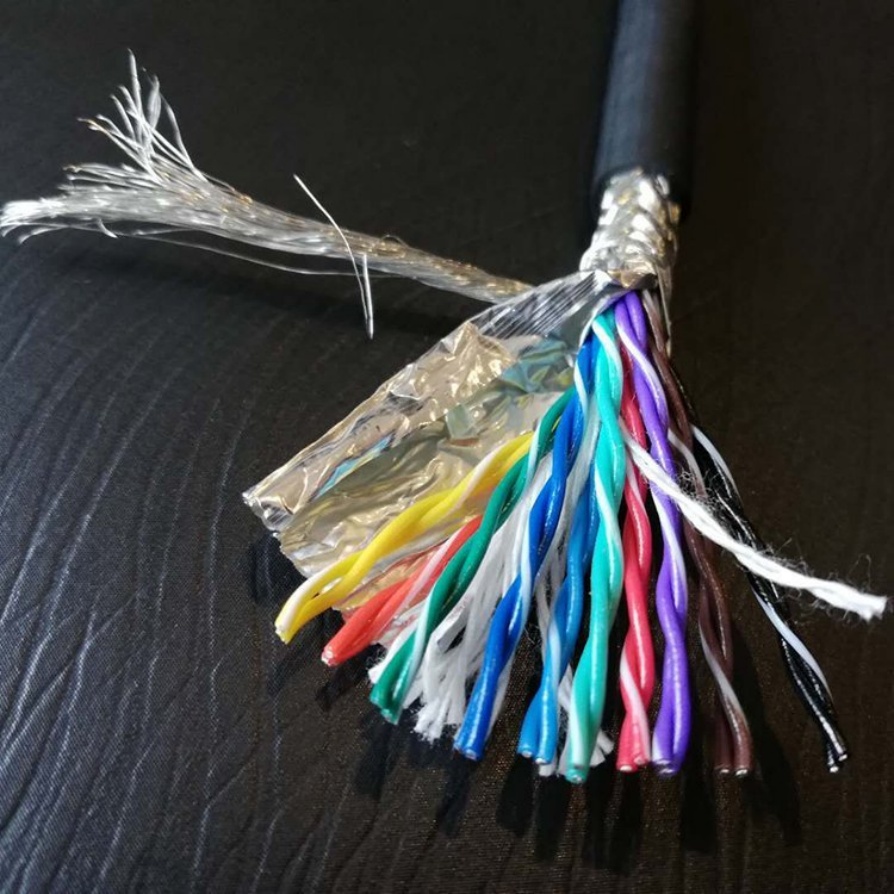
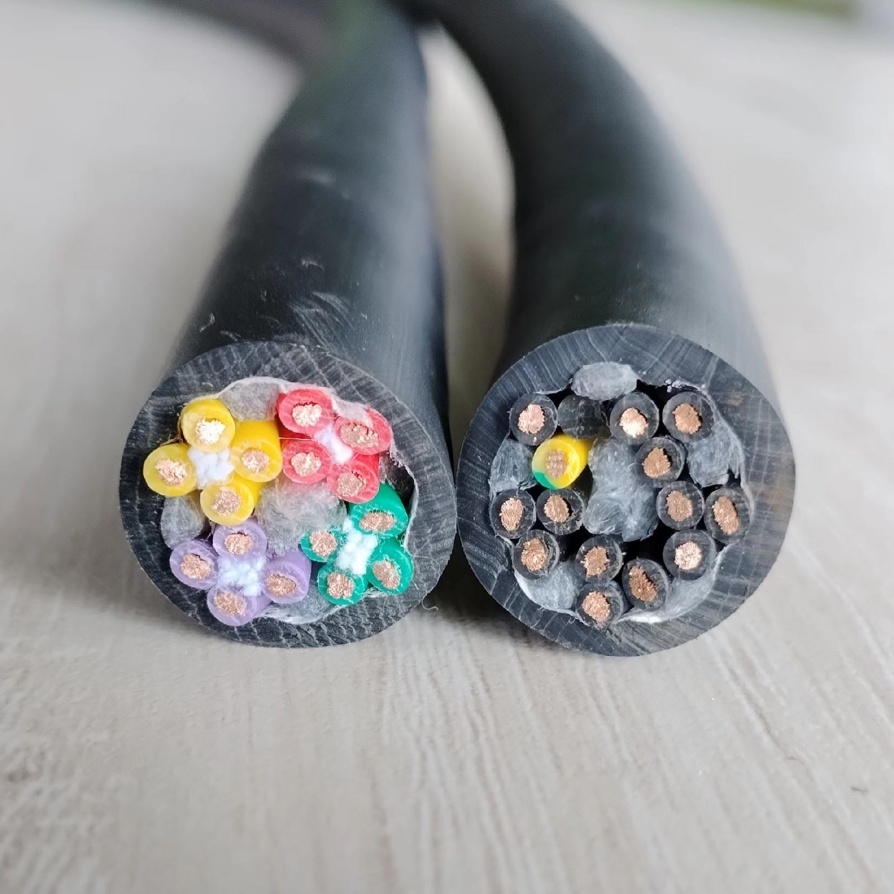
The flexibility of a cable depends on its conductor stranding and jacket material. Cables with fine-stranded conductors (as opposed to solid conductors) are more flexible because the smaller strands can move independently. For example, a cable with 19 strands of 26 AWG wire is more flexible than a single solid 14 AWG wire. Additionally, jacket materials like PUR or TPE (thermoplastic elastomer) are more flexible than rigid PVC, making them suitable for dynamic applications.
Another key factor is the bend radius. The bend radius is the minimum radius a cable can be bent without damaging the insulation or conductors. Most cables have a specified bend radius—for static applications (fixed installation), it is typically 4-6 times the cable diameter, while for dynamic applications (moving parts), it is 8-10 times the diameter. Always ensure that the cable’s bend radius is compatible with the machine’s movement range to avoid strain.
4. Prioritize Safety Standards and Certifications
Safety is paramount when selecting any electrical component, and machine cables for woodworking machines are no exception. Using uncertified cables can violate electrical codes and pose serious risks to operators and equipment. Look for cables that meet international safety standards and certifications, such as:
- UL (Underwriters Laboratories): UL certification ensures that the cable has been tested for safety, including flame resistance, temperature tolerance, and electrical performance. Cables marked with UL 62 (Standard for Flexible Cords and Cables) or UL 1581 (Standard for Power and Control Cables) are suitable for woodworking machines.
- CE (Conformité Européenne): For workshops in the European Union, CE marking indicates that the cable complies with EU safety, health, and environmental protection standards.
- CSA (Canadian Standards Association): CSA certification is required for cables used in Canada, ensuring compliance with Canadian electrical codes.
Additionally, consider cables with flame-retardant jackets. In the event of an electrical fault, a flame-retardant cable will not spread fire, reducing the risk of workplace accidents. Cables with a VW-1 flame rating (UL’s vertical flame test) are a good choice for woodworking workshops, where wood dust (a combustible material) is present.
5. Choose the Right Insulation and Shielding
The insulation of a machine cable for a woodworking machine is responsible for separating the conductors and preventing short circuits. Poor insulation can lead to electrical leakage, which is dangerous and can damage the machine. Common insulation materials include PVC, XLPE (cross-linked polyethylene), and rubber. PVC is cost-effective and suitable for most applications, while XLPE offers better heat resistance and durability. Rubber insulation is highly flexible and resistant to oil, making it ideal for harsh environments.
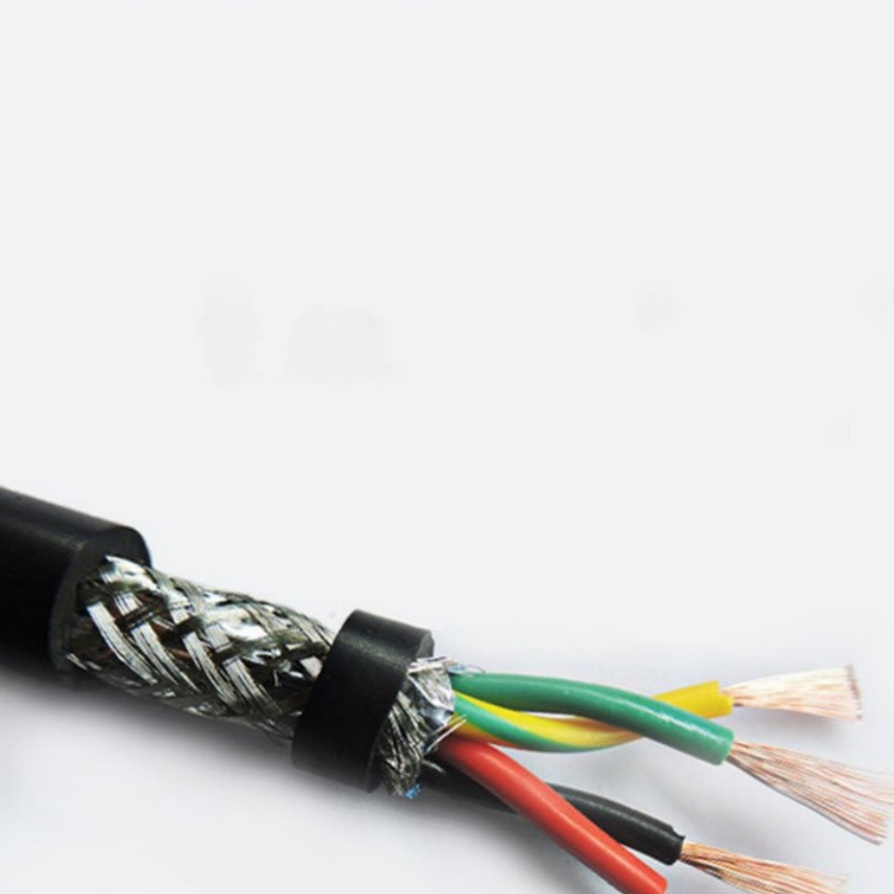
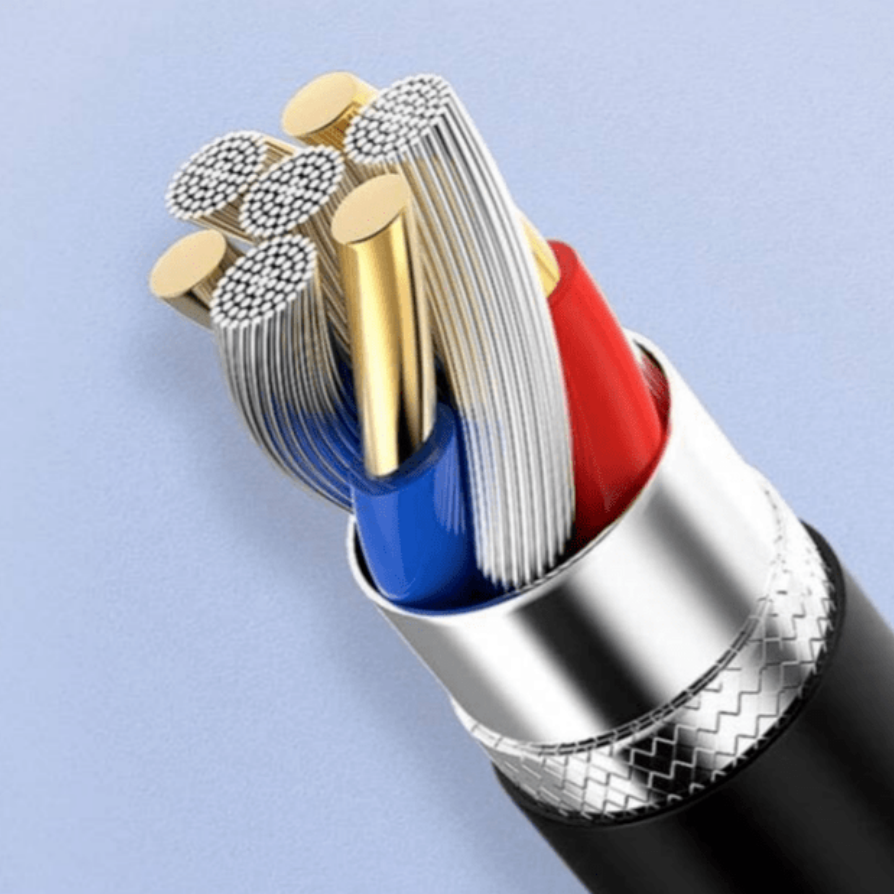
Shielding is another consideration, especially for woodworking machines with sensitive electronic components (such as CNC controllers). Electromagnetic interference (EMI) from nearby electrical equipment can disrupt the machine’s operation, causing errors or malfunctions. Shielded cables use a layer of metal (such as copper braid or aluminum foil) to block EMI. If your woodworking machine has digital controls or is located near other high-power equipment, a shielded machine cable is recommended.
6. Account for Installation and Length Requirements
The length of the cable and the installation method also play a role in selection. Cables that are too long can experience voltage drop, which reduces the machine’s performance. Voltage drop occurs because the resistance of the cable increases with length, causing a loss of electrical energy. To minimize voltage drop, calculate the required cable length accurately and choose a thicker gauge if the length exceeds 50 feet (15 meters). For example, a 5 HP machine running on 220V may require a 10-gauge cable for lengths up to 50 feet, but an 8-gauge cable for lengths between 50-100 feet.
When installing the cable, avoid pulling it too tightly or bending it beyond its specified radius. Use cable clips or conduits to secure the cable and protect it from physical damage (such as being crushed by machine parts or stepped on). For cables that pass through moving parts (like拖链), use drag chain cables specifically designed for continuous flexing.
Why FRS is Your Trusted Partner for Machine Cable for Woodworking Machine
When it comes to selecting a reliable, high-performance machine cable for your woodworking machine, FRS stands out as a leading brand factory with years of experience in the electrical cable industry. We understand the unique challenges of woodworking environments—from dust and oil to constant movement—and our machine cables are engineered to address these challenges head-on.
At FRS, every machine cable for woodworking machine is designed to meet or exceed international safety standards, including UL, CE, and CSA certifications. Our cables feature durable PUR or PVC jackets that resist wood dust, oil, and moisture, ensuring long-term performance even in the harshest workshops. With fine-stranded conductors and flexible jackets, our cables offer excellent bend performance, making them ideal for woodworking machines with moving parts. We also offer a range of gauges and lengths to match the power and installation requirements of any woodworking equipment, from small benchtop tools to large industrial CNC machines.
What sets FRS apart is our commitment to quality and customer satisfaction. We use only premium materials in our cables, and each product undergoes rigorous testing for current-carrying capacity, temperature resistance, and flexibility. Our team of experts is also available to provide personalized advice, helping you select the perfect machine cable for your specific woodworking machine and application.
Don’t compromise on the safety and efficiency of your woodworking equipment. Choose FRS machine cables for reliable performance, durability, and peace of mind. Contact FRS today to learn more about our product range and how we can support your workshop’s needs.