HR10A-7P-6S Industrial Camera Cable: The New Standard for Reliable Ma...
In high-speed production lines and precision inspection systems, a single cable failure can halt an entire operation. The HR10A-7P-6S industrial camera cable is engineered to prevent these costly failures. It is a 6-pin circular connector system from Hirose (HRS), widely adopted as a standard interface for power and I/O triggering in machine vision cameras.
This guide explores the technical details, applications, and selection criteria for the HR10A-7P-6S, empowering you to build more robust and reliable vision systems.
What is the HR10A-7P-6S Industrial Camera Cable?
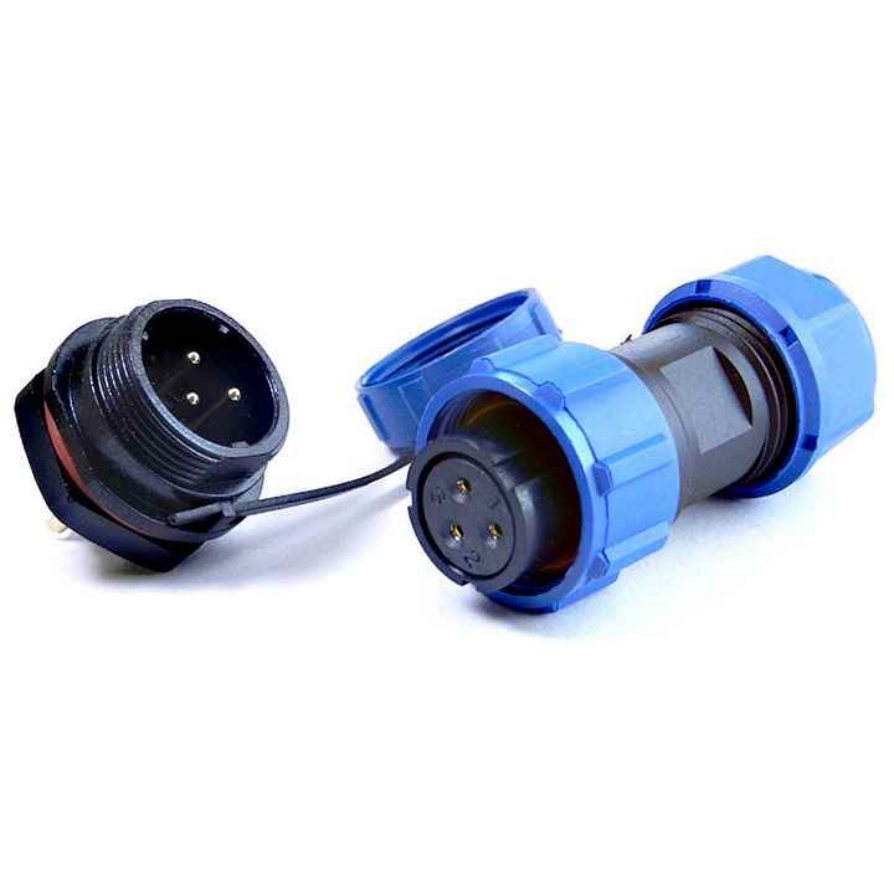
The HR10A-7P-6S is a 6-pin, circular, push-pull locking connector, with the gender “P” indicating a plug and “S” a socket. It is a field-proven standard for industrial cameras, I/O boxes, and sensors.
Key Features
- Secure Locking: Push-pull self-locking mechanism prevents accidental disconnection, ideal for vibrating environments.
- Rugged & Compact: Small form factor with a metal or high-strength plastic shell, designed for industrial use.
- IP67 Rated: Offers protection against dust and water ingress during temporary immersion, suitable for harsh factory floors.
- Wide Temperature Range: Typically operates from -25°C to +85°C, covering most industrial environments.
- High-Durability Contacts: Gold-plated brass contacts ensure low contact resistance and long-term reliability.
Common Configurations
- HR10A-7P-6S (6-pin female): The standard camera-endconnector.
- HR10A-7P-6P (6-pin male): The standard device-endconnector, e.g., on GPIO boxes or cables.
Technical Specifications
Cable Construction
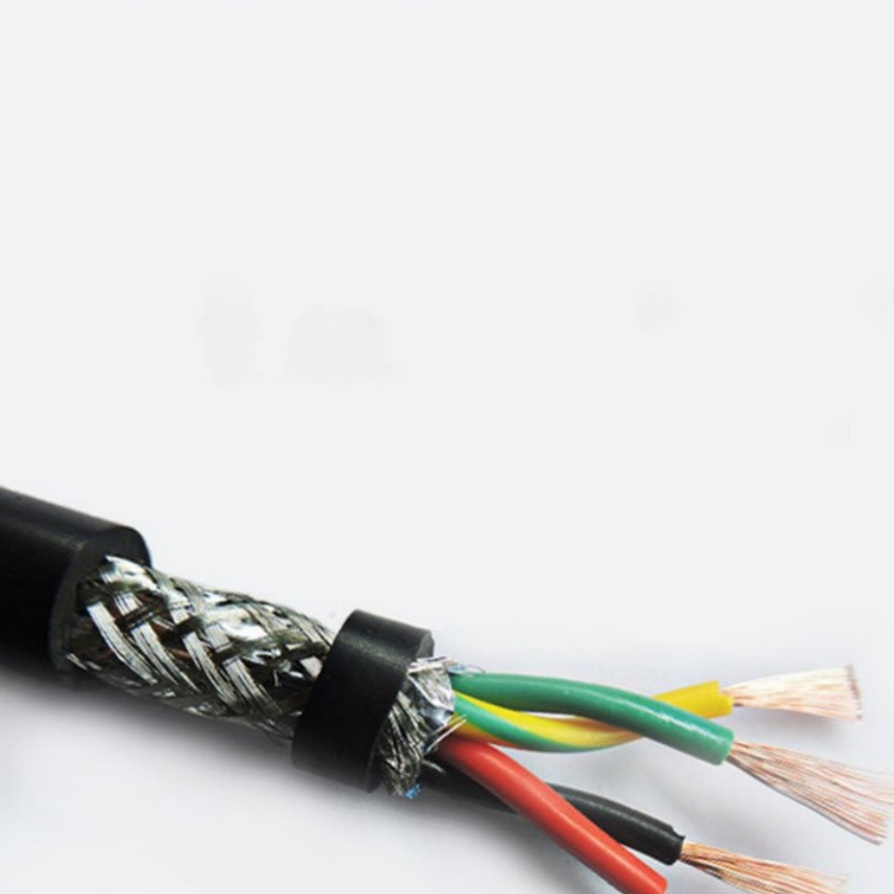
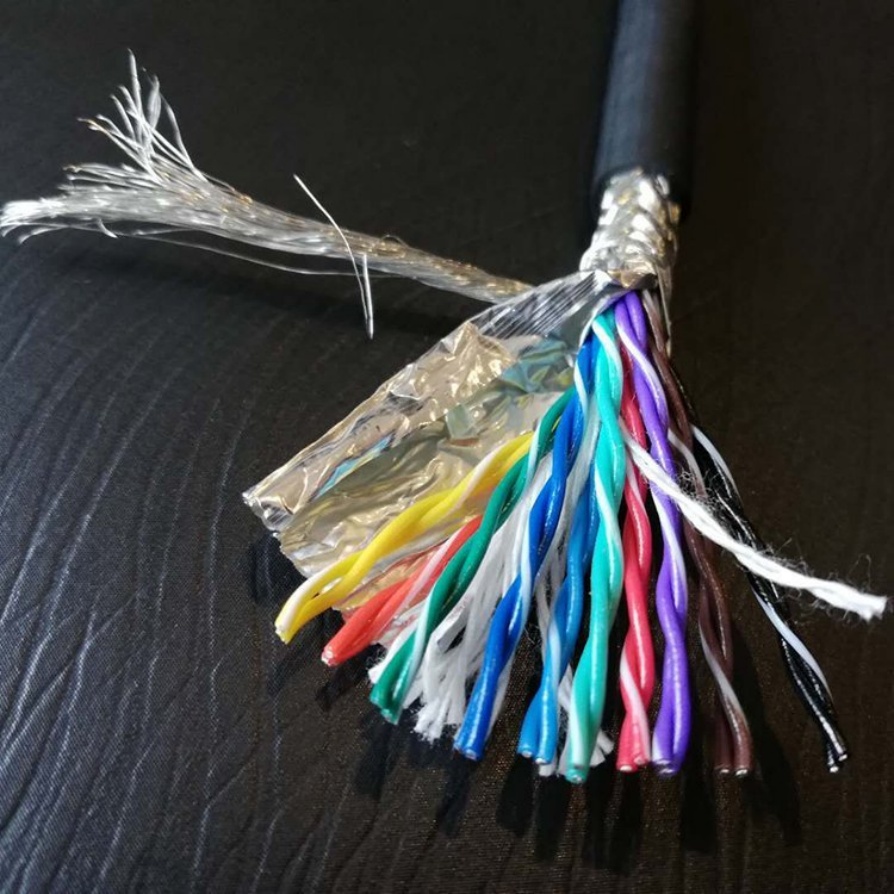
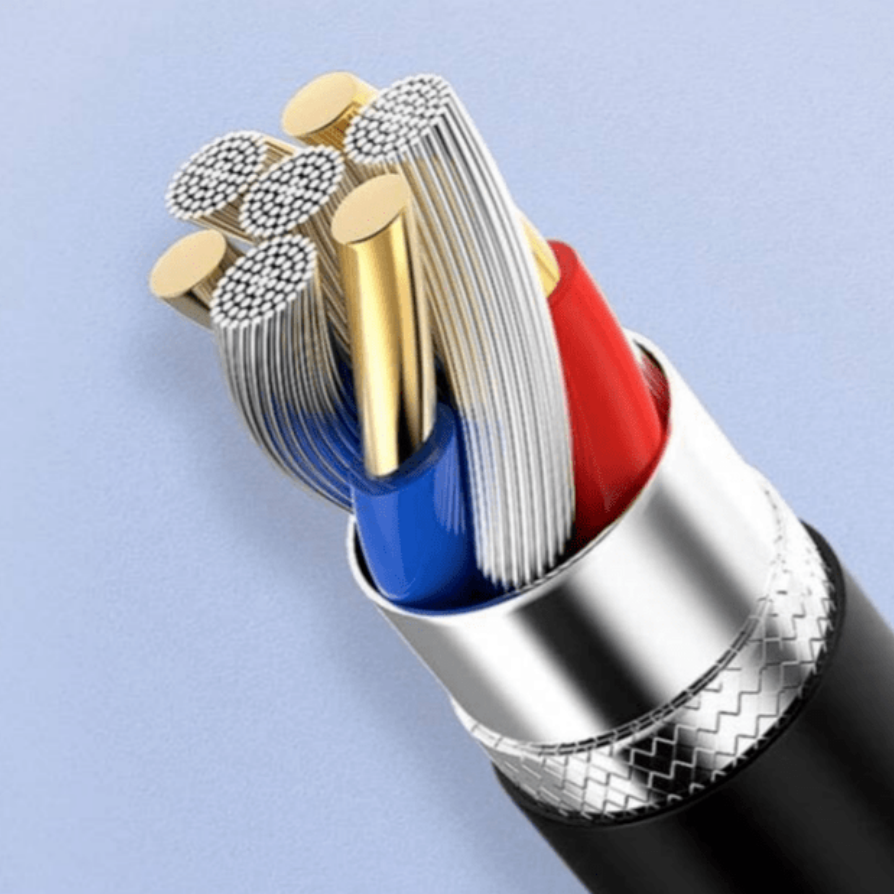
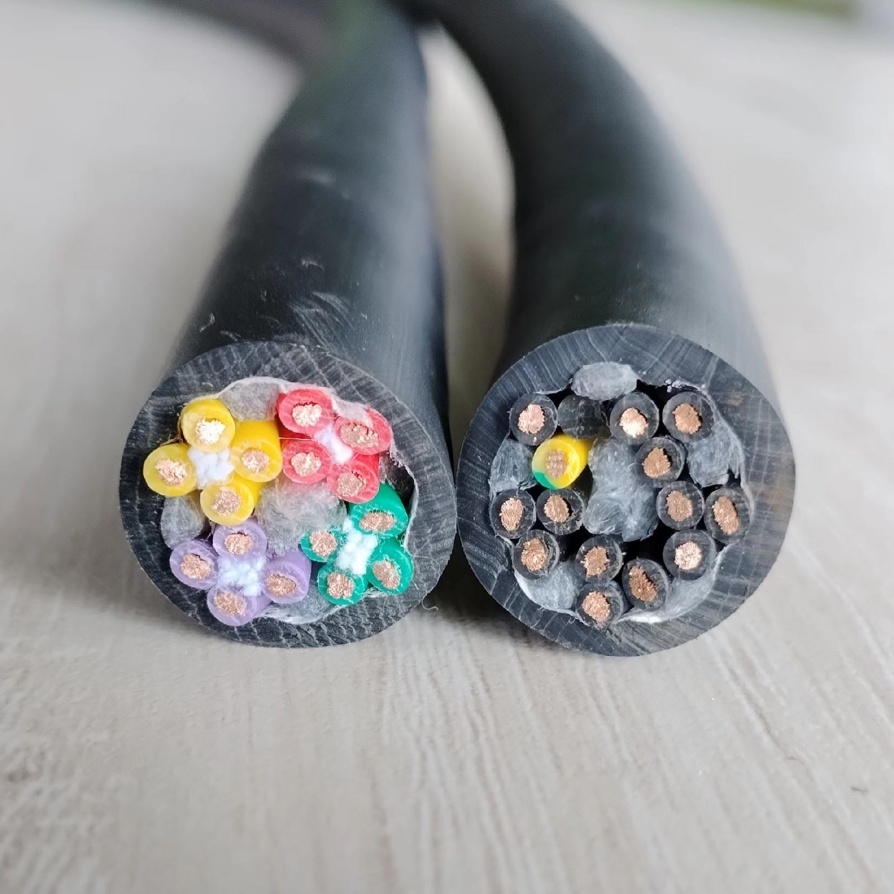
- Conductor: High-quality stranded copper (typically 26–28 AWG) for flexibility and current capacity.
- Shielding: Braid + foil or dual shielding to minimize electromagnetic interference (EMI/RFI), crucial for signal integrity.
- Jacket: Oil-resistant, flexible PVC or PUR jacket for drag chain applications.
Mechanical Properties
- High Flex Life: Rated for millions of bending cycles, essential for use in cable chains (e.g., 40mm minimum bending radius).
- Durability: Industrial-grade cables are 100% factory-tested and often come with a 1–2 year warranty.
Electrical Ratings
- Voltage/Current: Rated for 30–60V and currents sufficient for cameras and simple I/O (exact ratings depend on the cable and application).
- Compliance: Many assemblies are UL/CE certified and RoHS compliant.
Key Applications
1. Power and I/O Trigger
This is the primary use case. The cable supplies power to the camera and carries I/O signals for precise hardware triggering and system synchronization.
2. Machine Vision Systems
It is the go-to cable for GigE, CCD/CMOS cameras, and other imaging hardware from brands like Basler, AVT, Baumer, Dalsa, and Sony.
3. Industrial Automation & Robotics
Its locking mechanism and IP67 rating make it suitable for robotic arms, conveyors, and other automated equipment where reliability is paramount.
4. Analog Camera & Scanner Systems
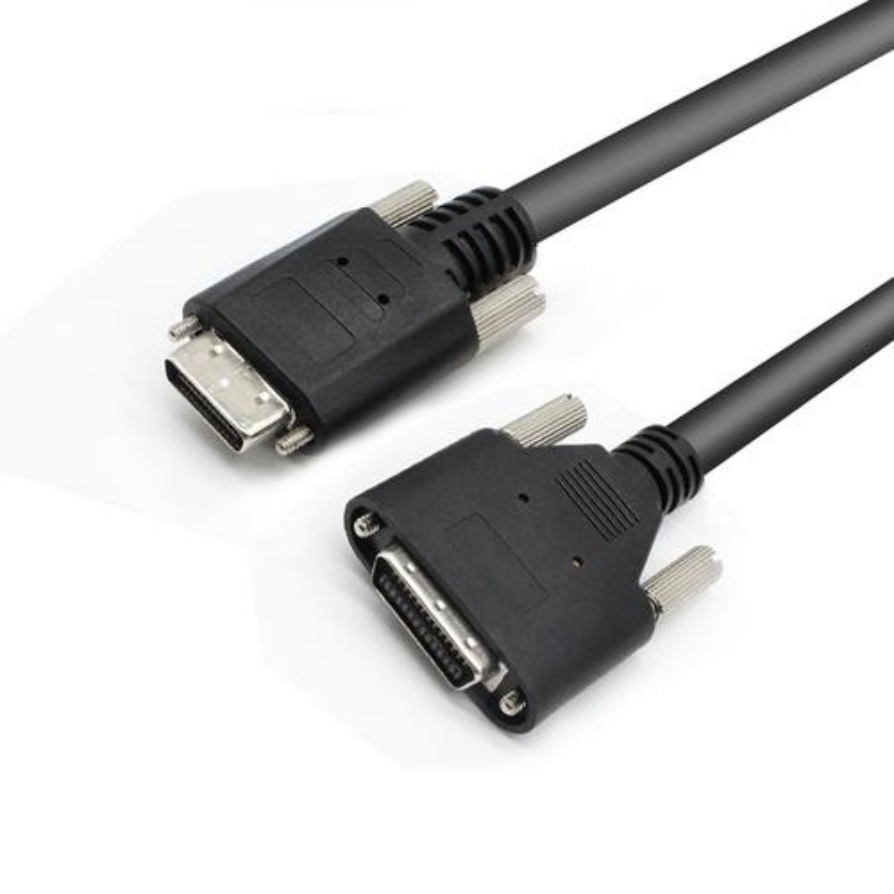
The HR10A-7P-6S connector is also used in analog video systems, such as the HR10A-7P-6S to DB15 high-flex video cable for analog cameras and scanners.
Common Product Forms
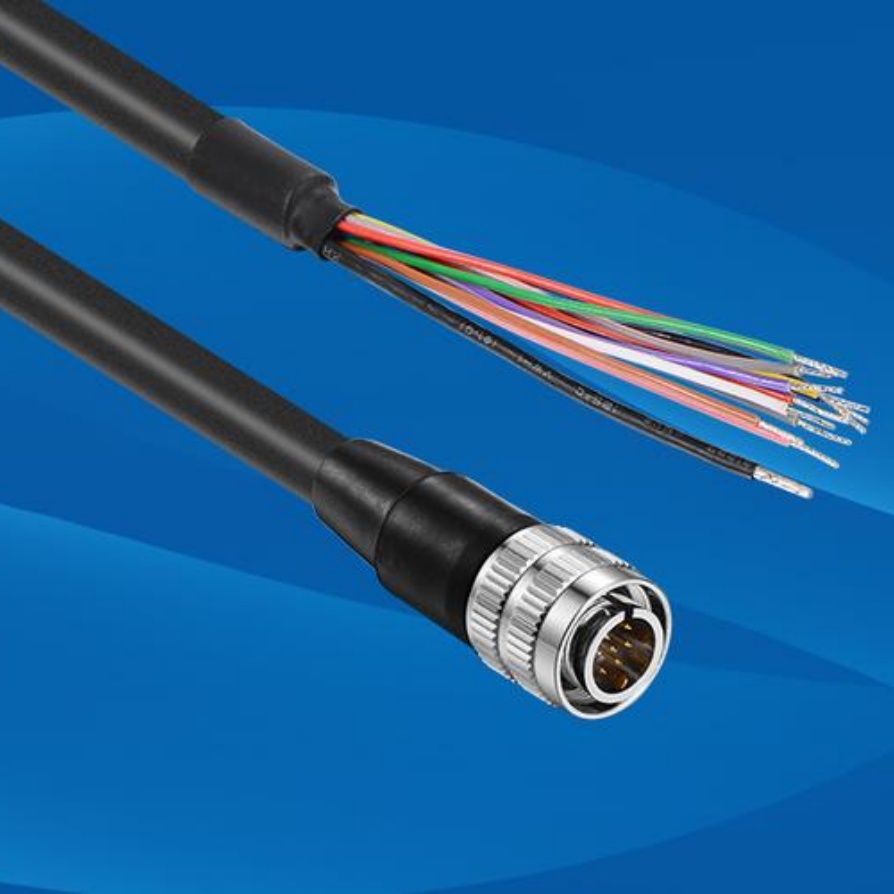
1. HR10A-7P-6S to Open End (Flying Leads)
This configuration allows for custom wiring to a power supply or I/O card. It is available in both straight and right-angle (A/B/C type) versions.
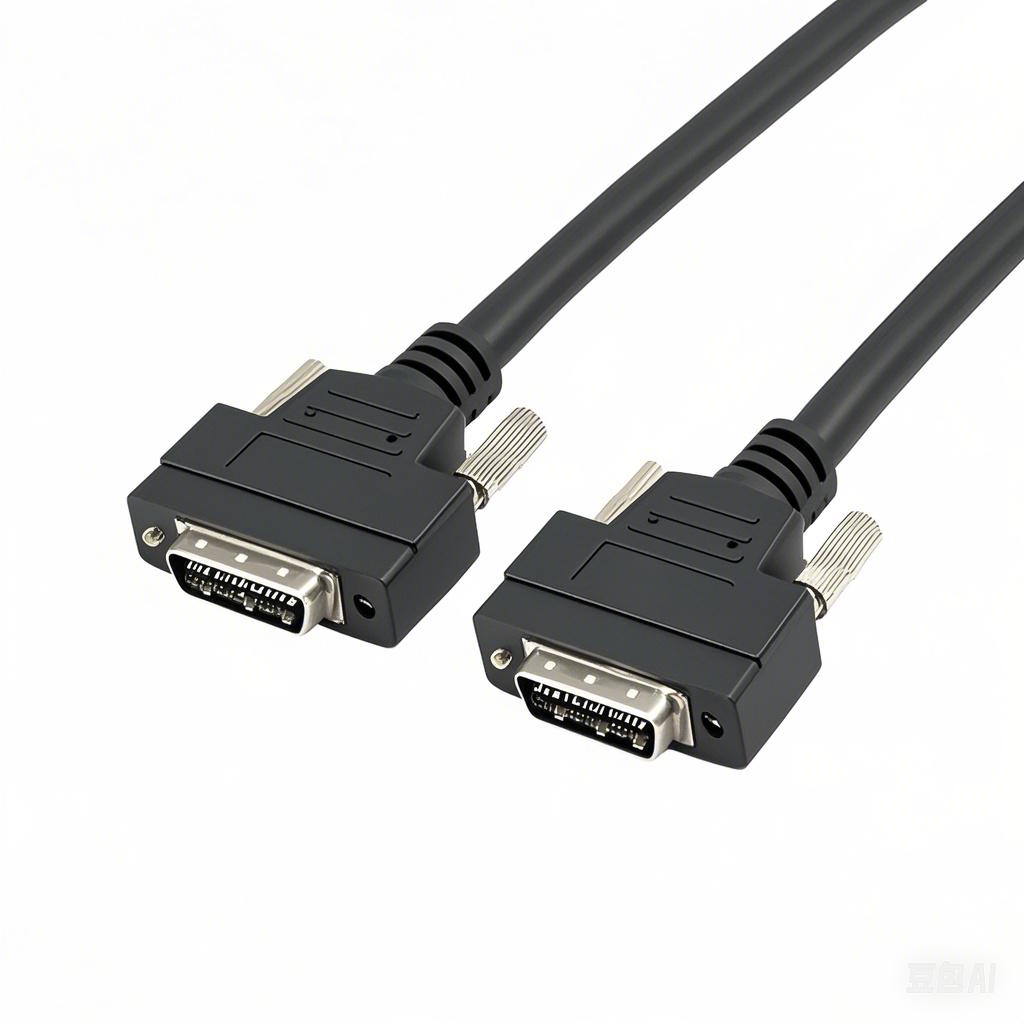
2. HR10A-7P-6S to HR10A-7P-6P (Extension)
Used to extend the distance between a camera and a controller or to connect to an I/O box.
3. Right-Angle HR10A-7P-6S (90°)
Designed to fit into tight spaces behind the camera, reducing cable stress and improving cable management.
4. Integrated Cable Assemblies
Pre-assembled cables that combine the HR10A-7P-6S connector with other interfaces like DB15for analog video or USB/GigEfor data and power in a single solution.
How to Choose the Right Cable
1. Match the Connector
Ensure your camera has a male HR10A-7P-6Pport and choose a cable with the corresponding female HR10A-7P-6Sconnector.
2. Choose the Right Configuration
- For DIY: Select a “to open end” cable.
- For tight spaces: Opt for a right-angleconnector.
- For extending distance: Use an “extension” cable.
3. Select the Proper Length
Choose a standard length (e.g., 1m, 3m, 5m, 10m) or a custom length to avoid excessive slack or tight pulling, which can stress the connectors.
4. Ensure Mechanical Suitability
For moving parts like robotic arms, confirm the cable has a high-flex ratingand a minimum bending radiusthat fits your application.
5. Verify Shielding and Ratings
For electrically noisy environments, ensure the cable has dual shielding. Also, check that the voltage and current ratings meet your system’s requirements.
6. Prioritize Quality and Certification
Look for cables that are 100% tested, come with a warranty, and have relevant certifications like RoHS, UL, or CE.
Installation and Maintenance Best Practices
- Secure Locking: Always ensure the connector is fully locked with an audible click to prevent vibration-induced disconnections.
- Avoid Sharp Bends: Do not bend the cable beyond its minimum bending radius, especially near connectors.
- Protect from Tension: Secure the cable close to the connector entry point to prevent it from bearing the weight of the cable.
- Inspect Regularly: Check for jacket cracks, exposed shielding, or bent pins, especially in drag chain applications.
- Clean Connectors: Keep connectors clean and dry to prevent corrosion. Use mating connectors with the same IP rating for outdoor or washdown areas.
Compatibility with Popular Camera Brands
The HR10A-7P-6S is a de facto standard on many industrial cameras. It is explicitly supported on models from Sony (e.g., XC-75), Basler (Ace, Racer), Allied Vision, and Keyence.
Its wide adoption across the industry makes it a safe and reliable choice for standardizing your machine vision cable infrastructure.
Conclusion
The HR10A-7P-6S industrial camera cable is more than just a connector; it’s a foundational component for building reliable, high-performance machine vision systems. By understanding its specifications and following best practices for selection and installation, you can significantly enhance the stability and uptime of your production line.
When designing or upgrading your system, standardizing on the HR10A-7P-6S interface is a strategic choice for long-term reliability and performance.