Machine Vision Cable for Robotics: High-Flex, 100m Transmission, OEM ...
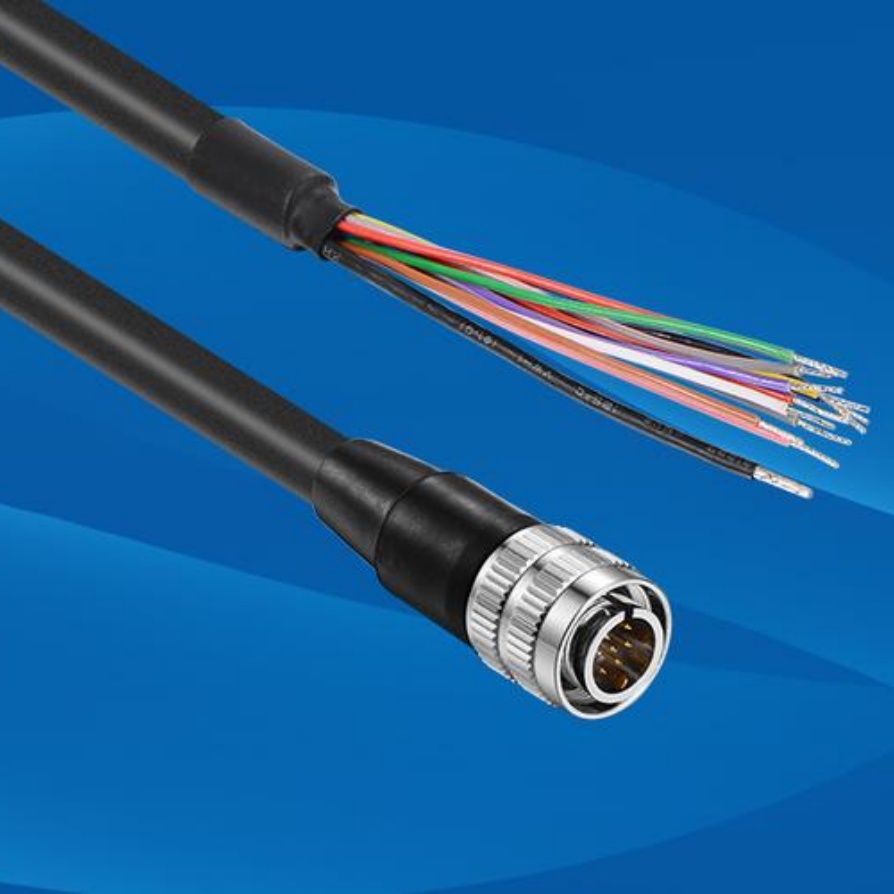
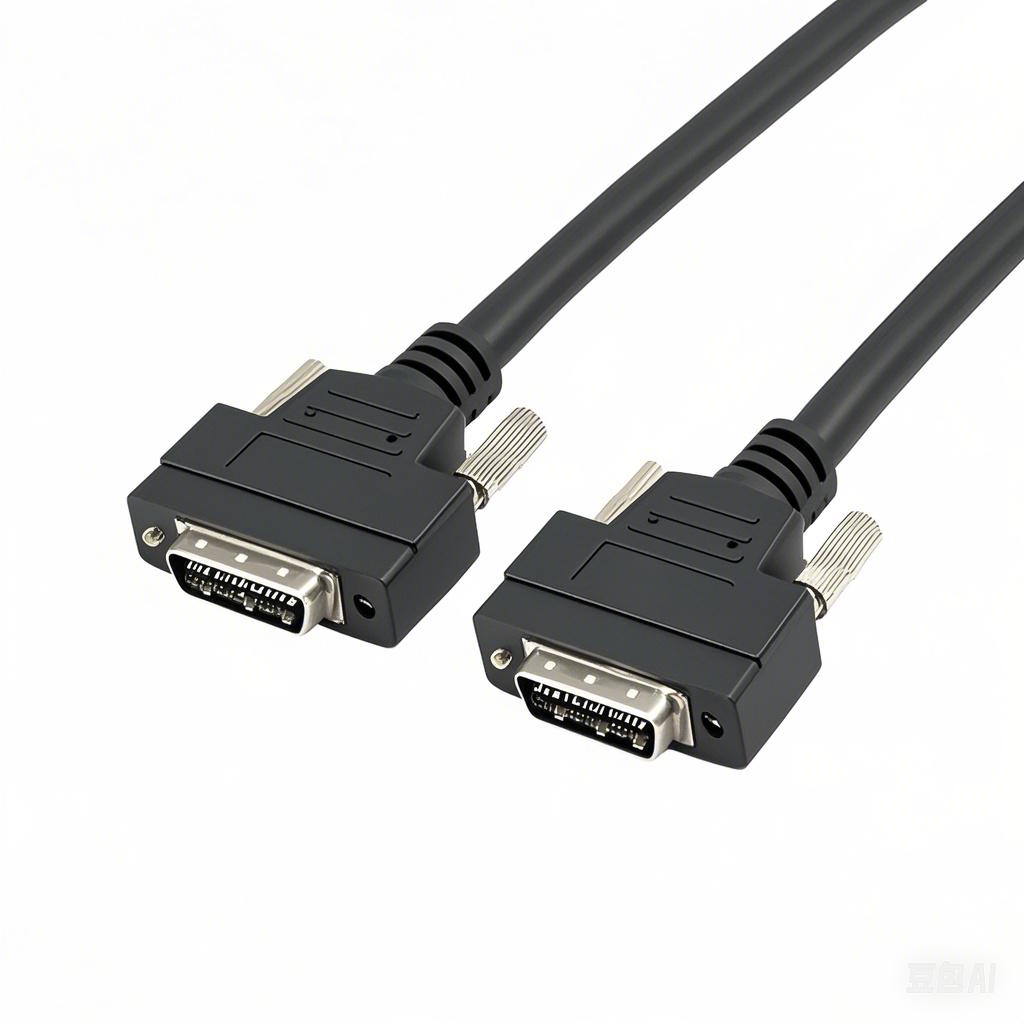
In a robotic vision system, the machine vision cableis the critical link between the camera and the controller. For integrators and engineers, a high-flex, long-distance cablethat supports OEM customization is essential for stable, long-term operation.
This article explains why a specialized robot vision cableoutperforms standard industrial Ethernet or camera link cables, and how to select the right one for your project.
Why a Dedicated Machine Vision Cable for Robotics?
Standard cables often fail prematurely in robotic applications due to constant, multi-directional movement. A purpose-built machine vision cable for roboticsis engineered to withstand millions of bending cycles in drag chains or cable tracks, ensuring signal integrity and reducing costly downtime.
Key differentiators include:
- High Flexibility & Fatigue Resistance:Built to last in dynamic robot applications.
- Stable High-Speed Data Transmission:Maintains signal quality for GigE, USB3 Vision, CoaXPress, and Camera Link interfaces.
- Durability:Resistant to oil, coolant, abrasion, and repeated flexing.
- EMC Protection:Shielding that minimizes electromagnetic interference (EMI) in electrically noisy factory environments.
The Advantage of High-Flex Construction
A high-flex machine vision cableis designed for constant motion, unlike stiff data cables. Its construction ensures a long service life in robotic arms, gantries, and moving platforms.
Key High-Flex Features:
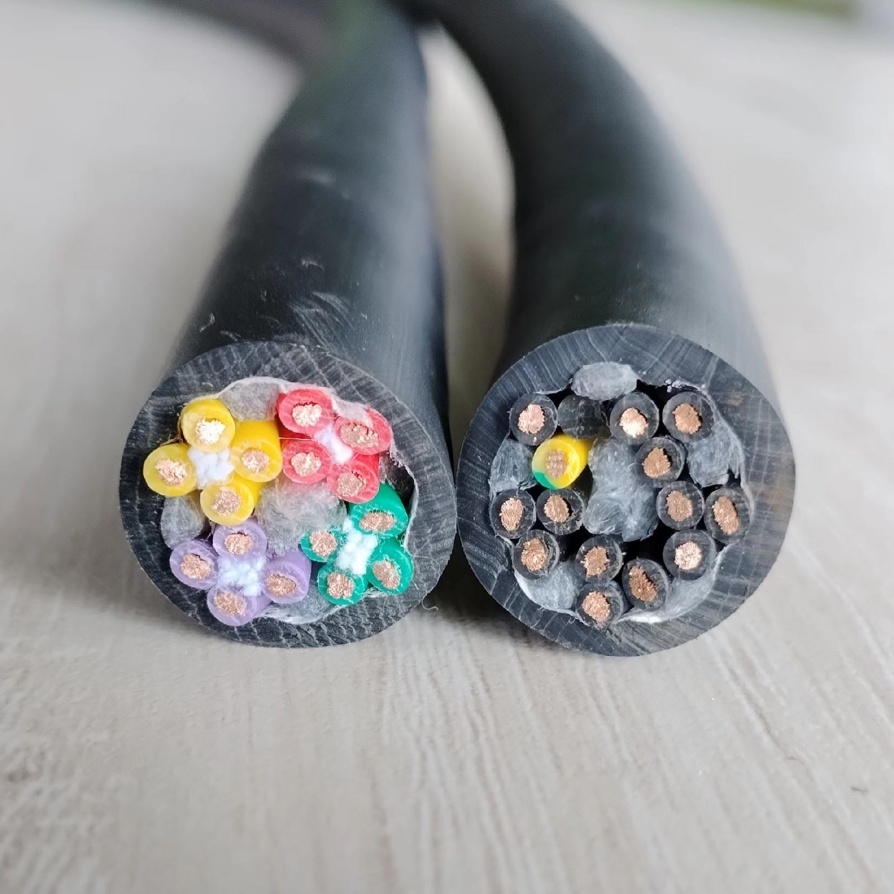
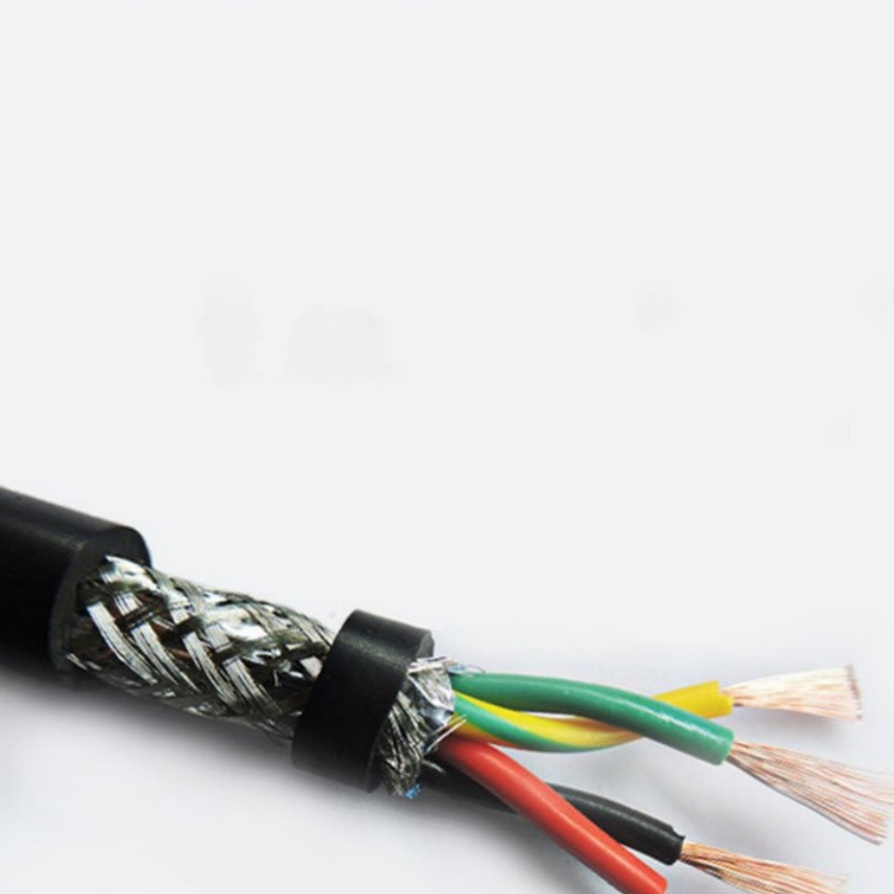
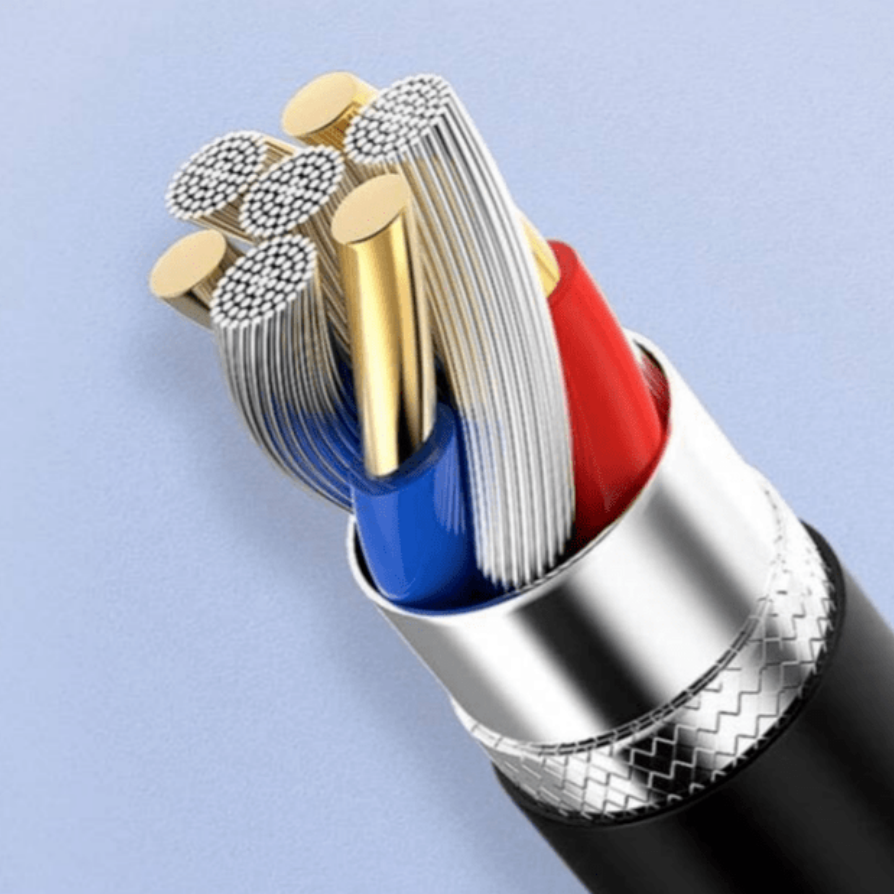
- Fine-Stranded Conductors:Hundreds of ultra-fine copper strands provide flexibility and stable resistance over time.
- Flex-Optimized Insulation:Special polymers like TPE or PE offer a balance of flexibility and signal integrity.
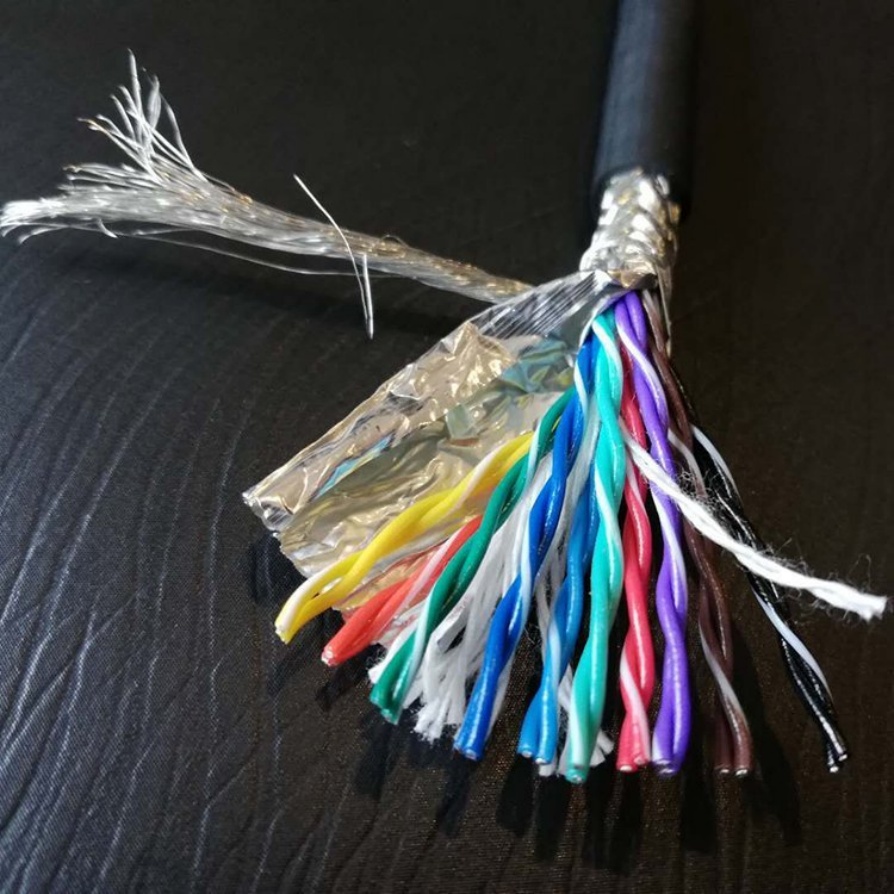
- Robust Shielding:Typically features a combination of braided and foil shields for high immunity to EMI/RFI.
- Durable Jacket:Made of materials like PUR or TPU, providing excellent abrasion, oil, and chemical resistance.
Industry Insight:Leading high-flex robot cablesare often rated for 5 to 10 million flex cyclesor more, far exceeding the lifespan of standard PVC cables.
Why 100m Transmission Matters
Many vision systems require long cable runs between the camera and processing unit. A 100m transmissioncapability is a significant advantage, as it:
- Simplifies Layout:Reduces the need for costly and failure-prone repeaters or fiber converters.
- Increases Flexibility:Allows for more convenient equipment placement, especially in large workcells or along production lines.
- Supports High Bandwidth:Modern standards like 10GigE, CoaXPress 12X, and high-speed GVIF/GMSL can reliably achieve 100m transmission with the right cable design.
To ensure reliable 100m transmission, focus on:
- Cable Impedance:Precise control (e.g., 100 Ω differential) is critical for GigE and CoaXPress.
- Shielding & Twisted Pairs:Minimizes signal loss and crosstalk over long distances.
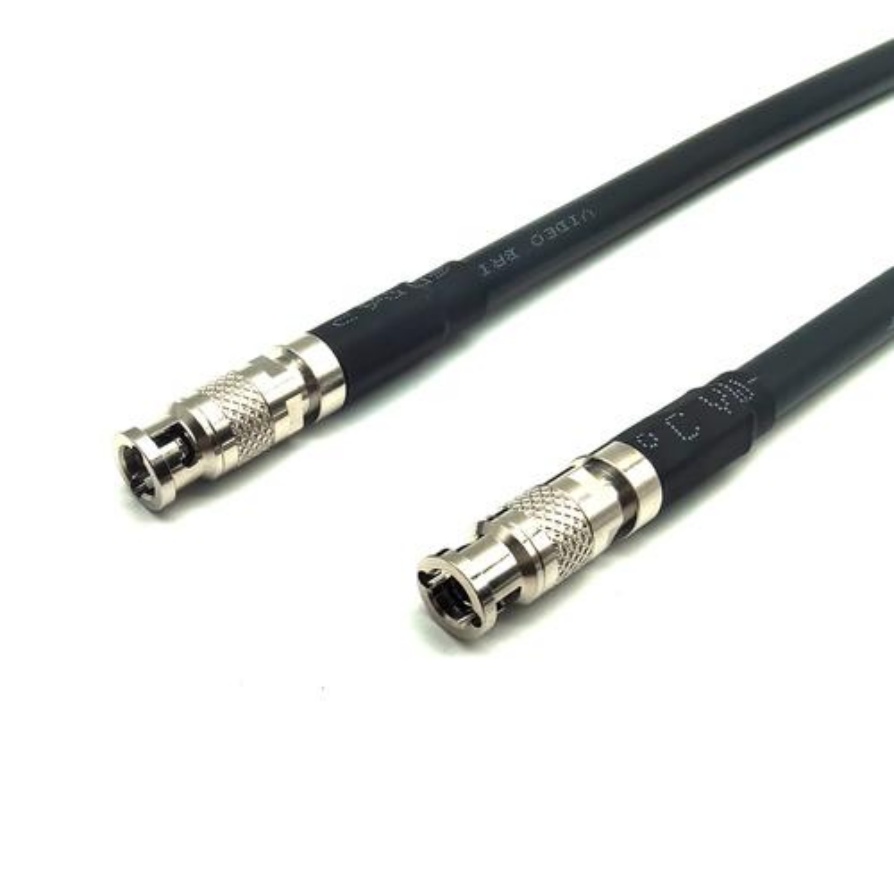
- Connector Quality:High-quality, shielded connectors are vital to prevent signal degradation.
The Value of OEM Acceptance
OEM acceptanceis a major benefit for volume integrators and manufacturers. It means the cable manufacturer can provide custom solutions tailored to your specific needs, including:
- Cable Geometry:Length, diameter, and bend radius.
- Conductor & Shielding:AWG size, shielding structure, and coverage percentage.
- Jacket & Color:Material (PUR, TPU, PVC) and color for easy identification.
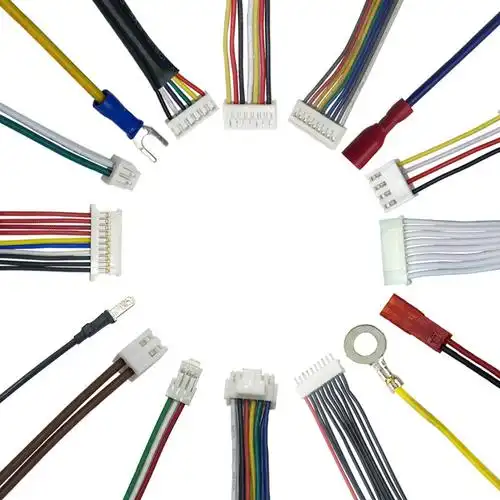
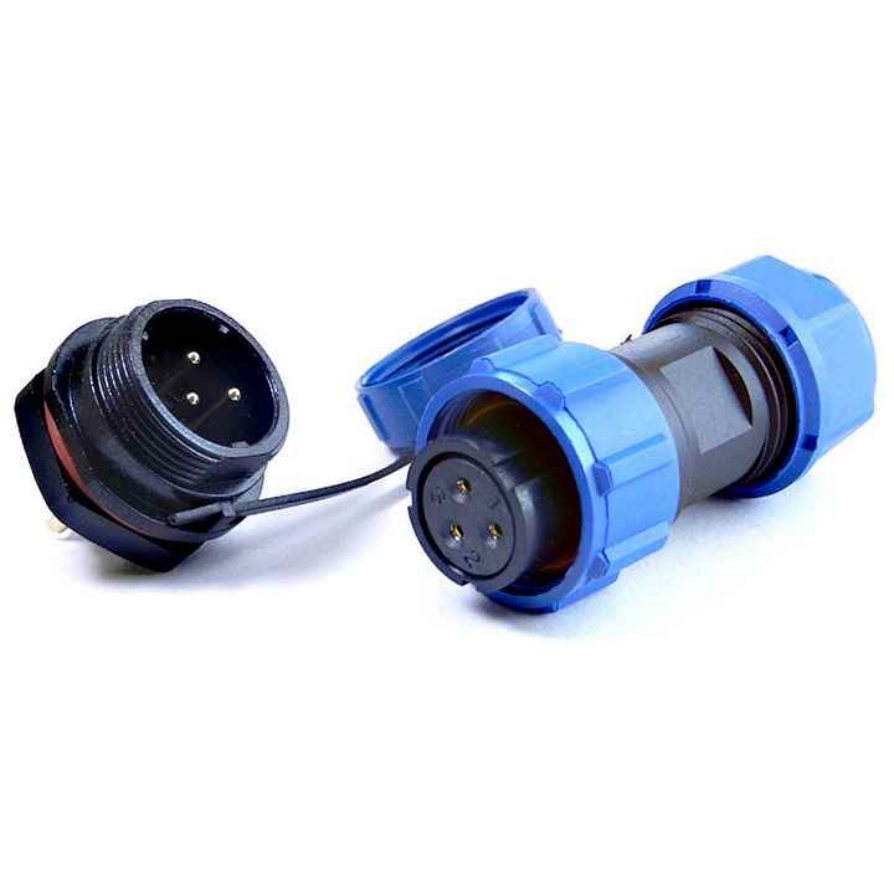
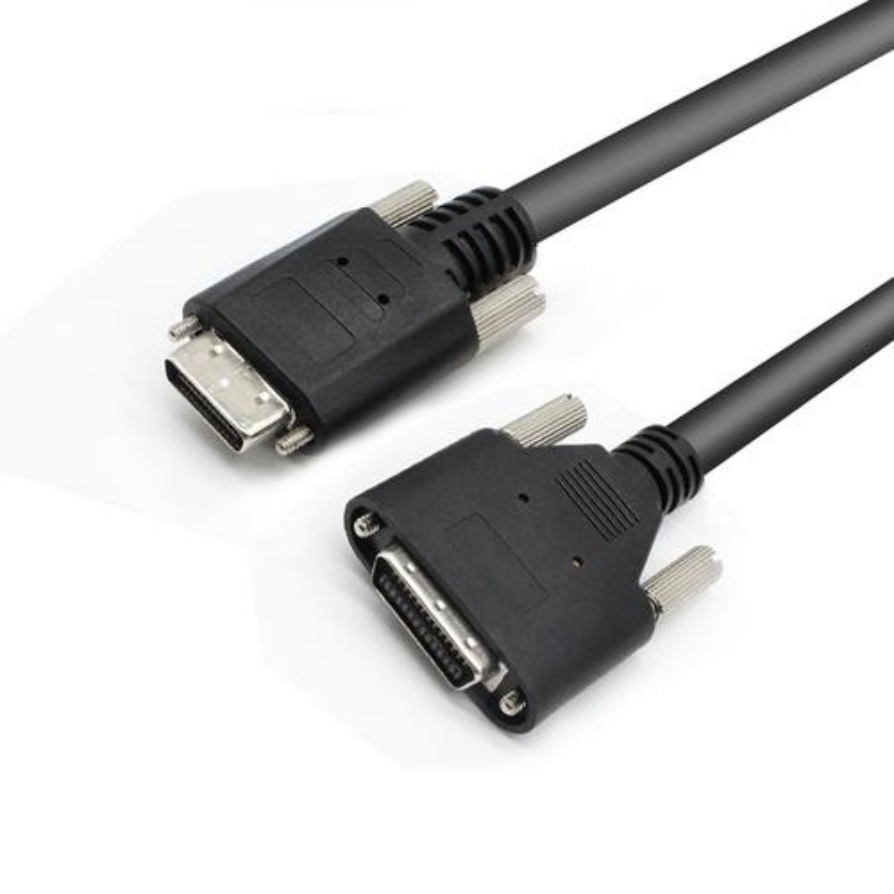
- Connector Configuration:Straight/angled, locking screws, M12, RJ45, or FAKRA types.
- Performance Testing:Customized flex life, temperature, and EMI tests to match your application.
Pro Tip:Providing your robot model, cycle time, bend radius, and installation environmentto an OEM supplier can lead to a significantly more reliable and cost-effective cable solution.
Key Technical Parameters to Specify
When evaluating a machine vision cable, ensure you have clear data for the following parameters:
- Bending Life:Aim for 5–10 million+cycles for high-flex applications.
- Bend Radius:Specify both static and dynamic bend radii (e.g., 7.5–10× cable OD).
- Operating Temperature:Ensure it covers your environment (e.g., -40 °C to +90 °C).
- Shielding Effectiveness:Look for high-density braid coverage (e.g., >85%) and low transfer impedance.
- Data Rate & Bandwidth:Match the cable’s rating to your vision standard (e.g., 1G/10GigE, 5Gbps GMSL).
- Voltage Rating:Ensure it’s sufficient for your signal and PoCL (Power over Cable) needs.
- Environmental Resistance:Confirm resistance to oil, coolant, UV, and chemicals based on your application.
Typical Robotics Applications
A high-flex machine vision cableis vital in various robotic scenarios:
- Robot Arm Vision:For inspection, guidance, and pick-and-place tasks.
- Gantry & Cartesian Robots:For high-speed, long-travel vision systems.
- AGVs & AMRs:For navigation and safety camera connections.
- End-of-Arm (EOAT) Tools:For small, highly flexible cables on grippers or screwdrivers.
- Machine Tending & Palletizing:For reliable communication in high-vibration environments.
How to Choose the Right Cable
Follow this practical checklist to select the optimal machine vision cable:
- Define the Interface:Is it GigE, USB3 Vision, CoaXPress, or Camera Link?
- Analyze the Motion:What is the bend radius, cycle count, and speed?
- Evaluate the Environment:What are the temperature, oil, and chemical exposure conditions?
- Determine Cable Length:Do you need a standard 5-10m or a 100m transmissionsolution?
- Check Connector & OEM Needs:Will you use standard connectors or require a custom OEM design?
- Verify Certifications:Look for CE, RoHS, UL, and compliance with relevant standards like the new Industrial Visual Special Cable Technical Specification.
Conclusion
Choosing the right machine vision cableis not just a procurement decision; it’s a strategic one for system reliability and total cost of ownership. A high-flex, long-distance cablewith OEM customizationsupport provides the durability and performance your robotics projects demand.
For demanding applications, consider partnering with an experienced machine vision cable manufacturerwho can provide application-specific data and custom solutions. This ensures a future-proof vision system with minimized downtime and maximum productivity.