Machine Vision Cable for Robotics | High-Flex, Durable
Durable machine vision cables for robotic systems. High-flex design supports continuous motion, ideal for robot guidance and automated units.
In a robot vision or robot guidance system, the camera is only as reliable as the cable connecting it. A standard cable may work for a benchtop demo, but in a real production cell, thousands of repetitive robot motions will quickly expose weak points: broken conductors, cracked insulation, intermittent data, or EMI noise that distorts the image.
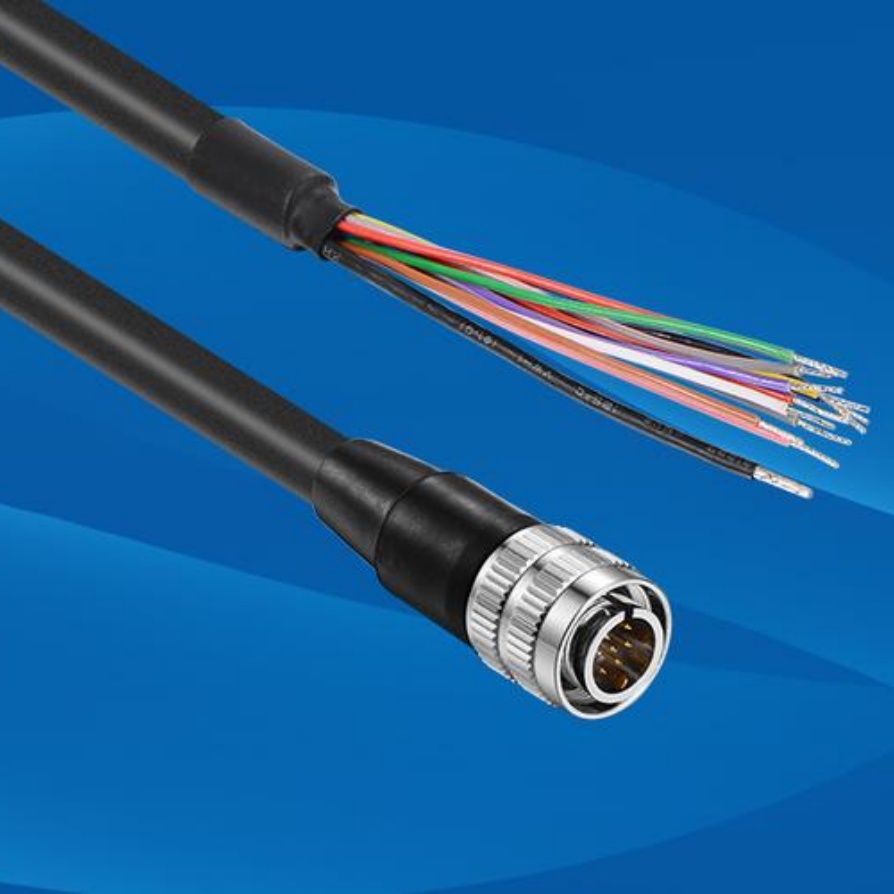
This is why machine vision cable for robotics is a specialized product category. It is engineered to combine high data rates, long flex life, compact dimensions, and resistance to oils, vibration, and temperature. The right cable ensures stable image transmission, reduces downtime, and simplifies long-term maintenance.
Why Machine Vision Cables for Robotics Are Different
A typical machine vision setup includes an industrial camera, a vision controller or PC, lighting, and a robot or motion system. The camera is often mounted directly on the robot arm, in a gantry, or on a moving platform. This subjects the cable to:
Continuous, high-frequency flexingin cable carriers or drag chains.
Torsion and multi-axis bendingat robot joints.
Exposure to oils, coolants, metal shavings, and welding spatter.
Strong electromagnetic fieldsfrom servo drives and frequency converters.
Standard office-grade USB, HDMI, or Ethernet cables are not built for this. They may work for a few thousand cycles but will eventually fail in a robotic application, leading to costly production stops.
Key differentiators for robotic machine vision cables include:
High Flex Life:Tested for millions of bending cycles in drag chains or along defined radii.
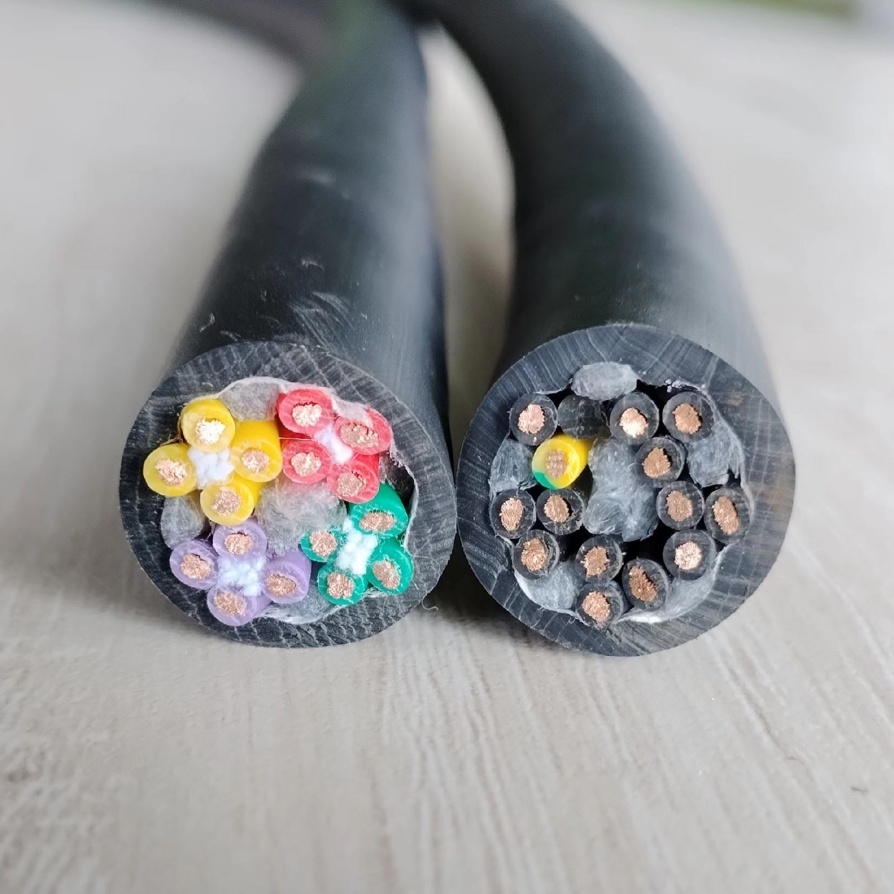
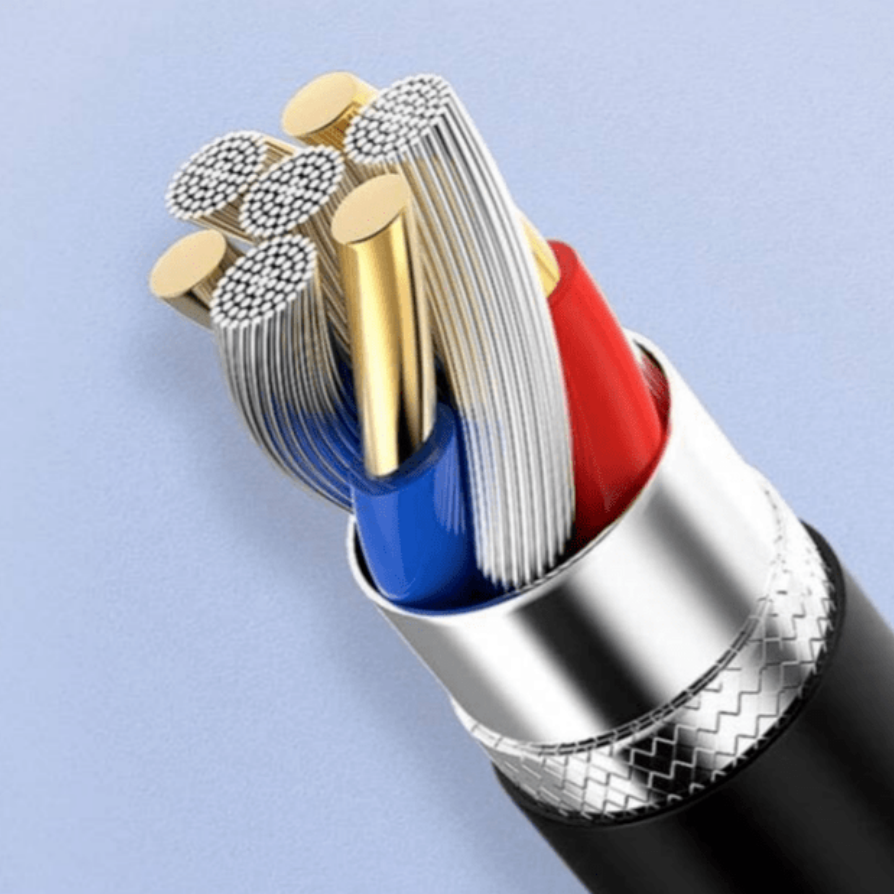
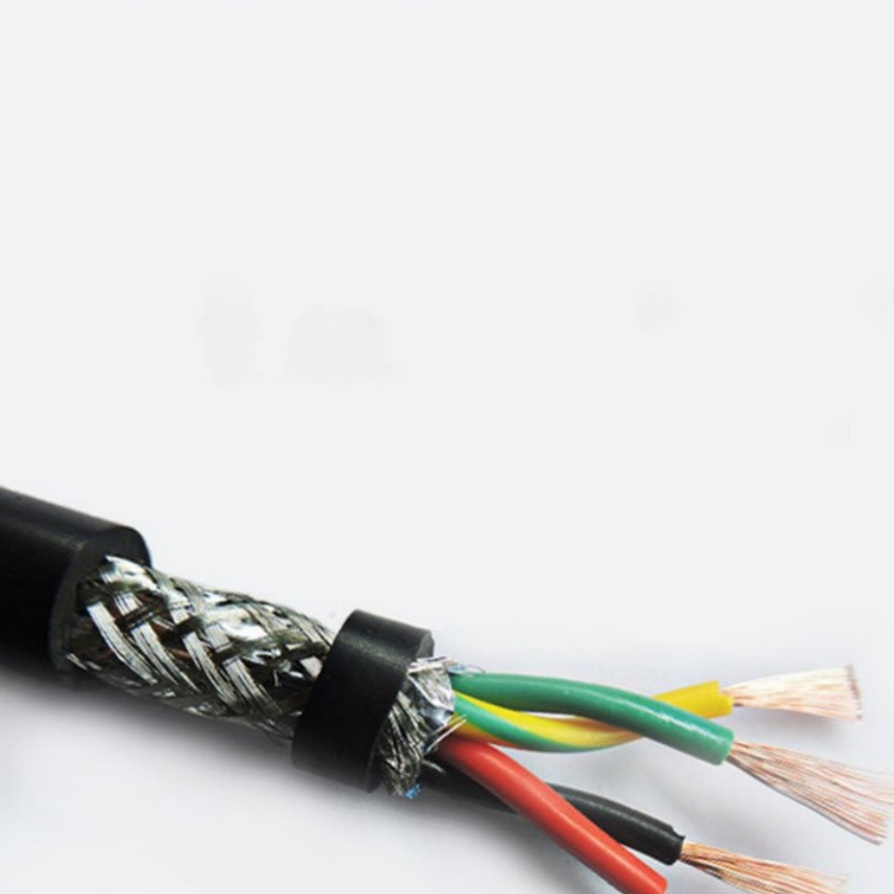
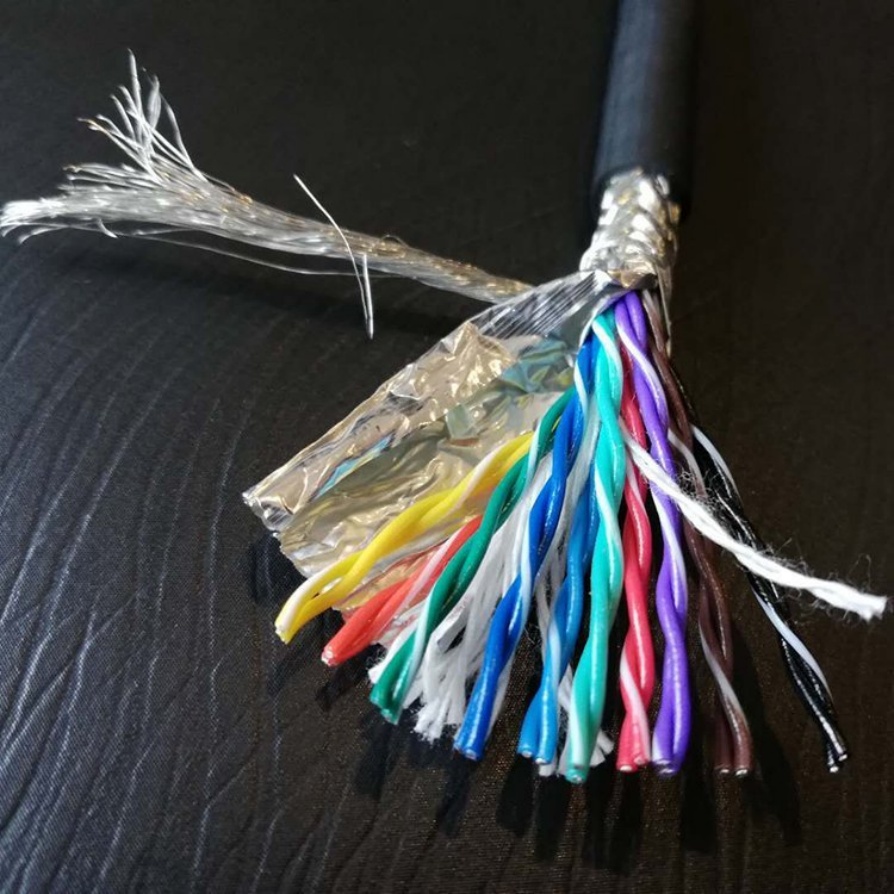
Robust Shielding:Multi-layer shielding (braid + foil) to maintain signal integrity in EMI-heavy environments.
Harsh-Environment Jacket:Materials like PUR, TPE, or TPU provide resistance to abrasion, oil, and chemicals.
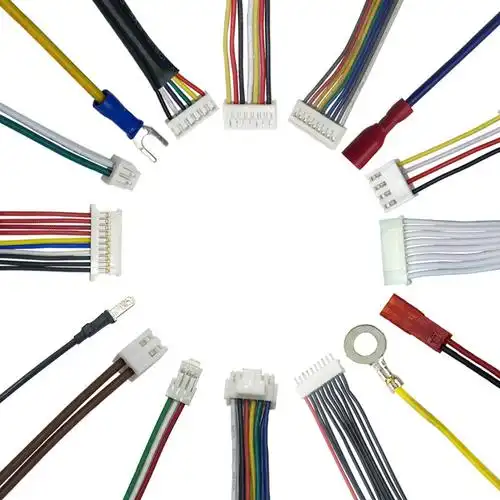
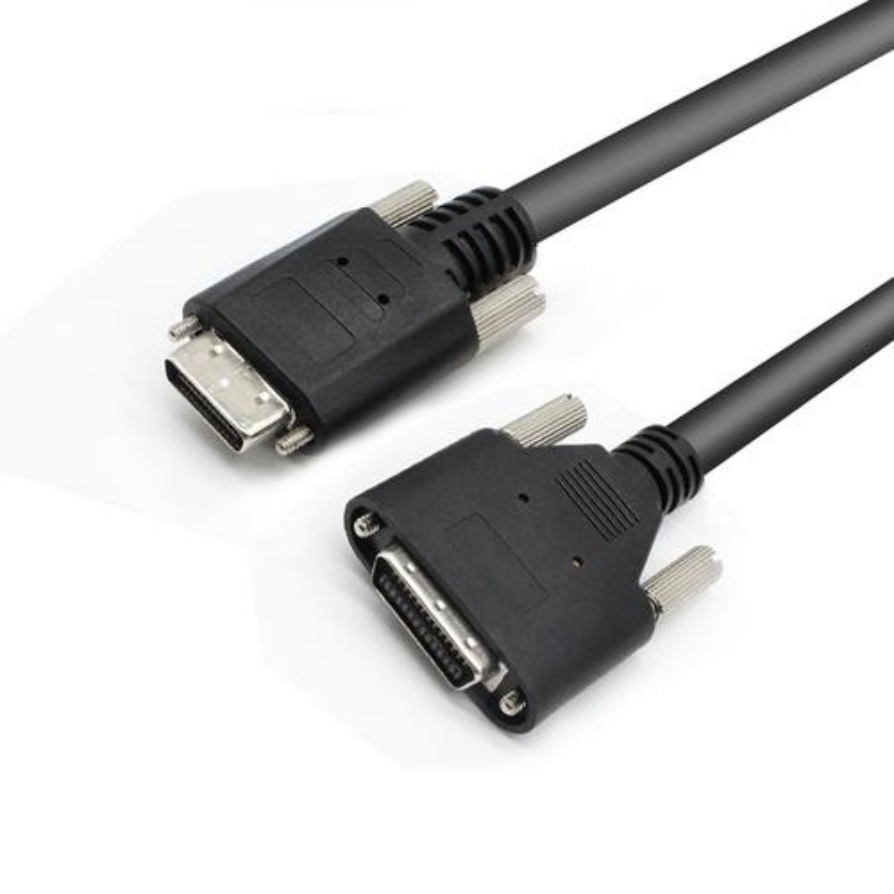
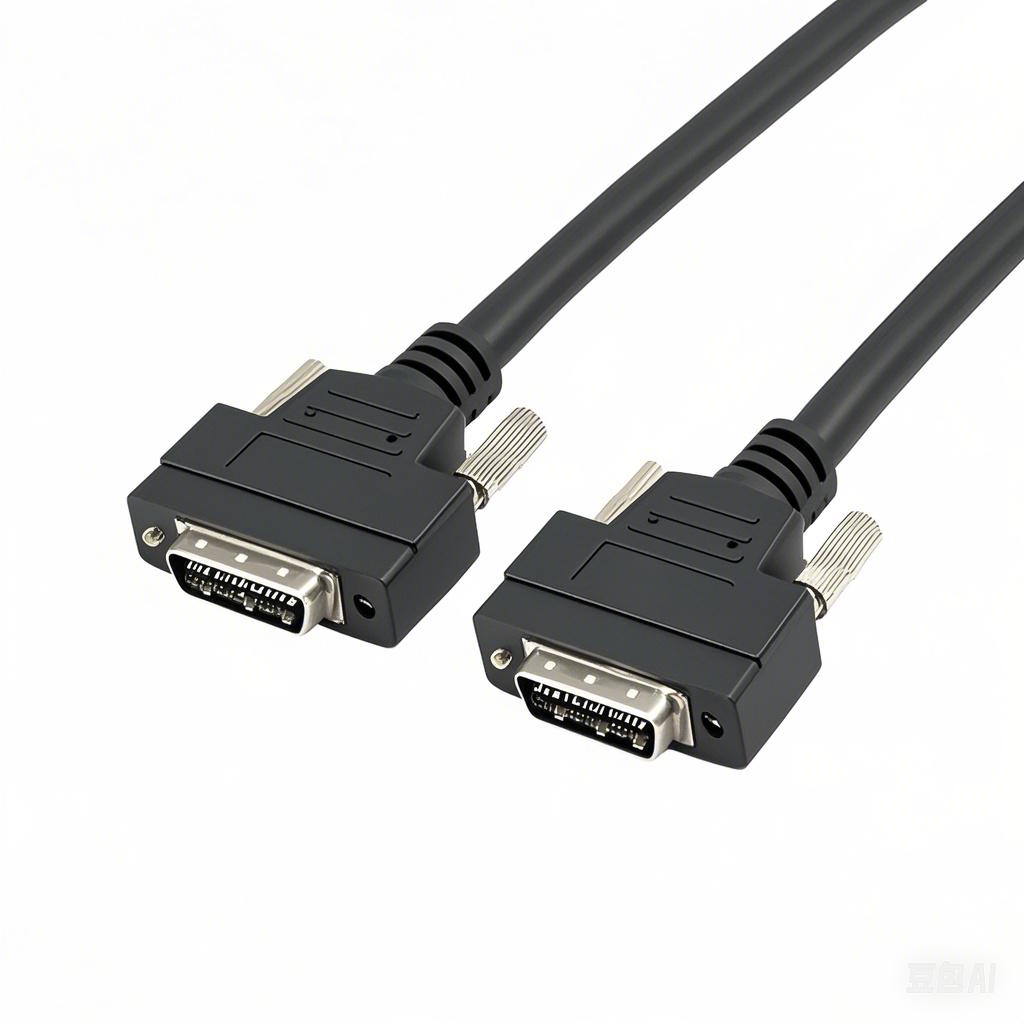
Secure Locking Connectors:Screw-lock or latch-type connectors (e.g., GigE Vision screw-lock, USB3 Vision locking) prevent accidental disconnection from vibration or cable pull.
Compact Design:Smaller diameters allow routing through tight robot joints and small cable tracks.
📊 Common Interfaces and Their Cable Requirements
The required cable type depends heavily on the camera’s interface standard. Here’s a breakdown of common interfaces and their typical robotic cable requirements:
Very high flex life (30-50M+ cycles), excellent shielding.
GVIF / GMSL
~5 Gbps
Up to 15 m
Ultra-slim (3mm OD), automotive-grade FAKRA connectors, high EMC resistance.
🔧 Key Cable Specifications to Evaluate
When selecting a machine vision cable for a robotic application, focus on these critical parameters:
Bending Life & Flex Type
Drag Chain Life:Specified in millions of cycles (e.g., 1M, 6M, 12M).
Bending Radius:The smaller the radius, the harsher the stress. Ensure the spec is realistic for your robot’s motion.
Torsional Performance:For robot wrists, cables with verified torsion resistance are crucial.
Shielding & EMI Performance
Look for 360° shielding(braid + foil) to combat EMI from servo motors.
Ferrite cores can be added for extra noise suppression on long runs or near strong EMI sources.
Jacket Material & Environmental Resistance
PUR:Excellent abrasion, oil, and tear resistance. Good for most factory floors.
TPE:Flexible and cost-effective, suitable for moderate-duty drag chains.
Teflon (PTFE/FEP):For high-temperature or chemically aggressive environments.
Verify oil, coolant, UV, and flame-retardant ratings.
Connector Type & Locking
GigE Vision:Screw-lock RJ45 for reliable connections in vibration-prone areas.
USB3 Vision:Locking screw on Micro-B or USB-C connectors.
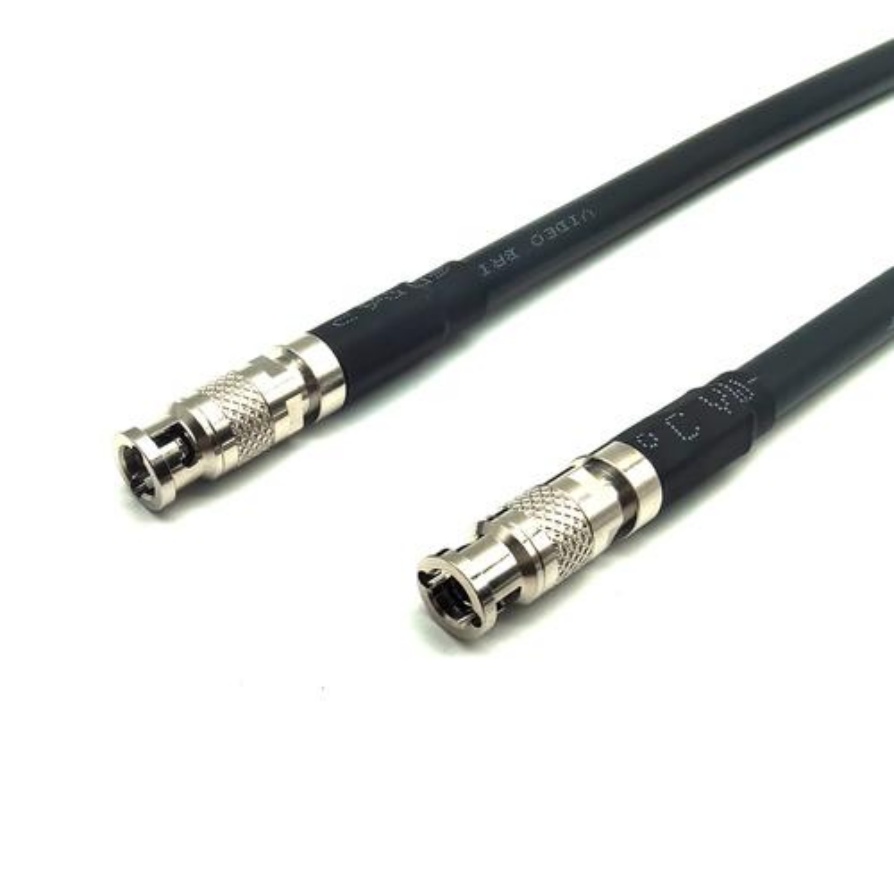
CoaXPress:Micro-BNC or BNC with secure latching.
FAKRA:Color-coded, keyed automotive connectors with excellent vibration resistance.
Cable Diameter & Bend Radius
Smaller diameters (e.g., 3mm coax) are essential for tight robot joints but require careful bend radius management.
Always follow the manufacturer’s minimum bend radius guidelines to avoid premature failure.
Data Rate, Length, and Signal Integrity
Ensure the cable’s rated bandwidth exceeds your camera’s maximum data rate.
For long distances or high flex life, active cables or fiber extensions may be necessary.
Typical Robotic Applications
Robot Guidance & 3D Vision Robots use cameras to locate parts in 3D space for tasks like bin picking. Cables on the robot arm must endure constant, multi-axis motion and vibration.
Welding & Painting Robots These robots operate in harsh environments with weld spatter, UV radiation, and chemicals. Cables require high-flex construction and robust jacketing.
High-Speed Pick-and-Place In electronics or packaging, robots move at high speeds. Cables in cable tracks must handle millions of cycles without degrading image quality.
Collaborative Robot (Cobot) Vision Cobots often work near humans and require lightweight, highly flexible cables with smooth exteriors for safety.
Automated Inspection Cells In automotive or electronics inspection, multiple fixed and robot-mounted cameras create a complex cabling challenge. Hybrid cabling systems with separate fixed and moving segments can simplify maintenance.
Practical Tips for Cable Management
Route Cables Through Dedicated Tracks:Use smooth, wide-radius drag chains designed for data cables. Avoid sharp bends and cable ties that pinch the jacket.
Support Long Vertical Runs:Prevent cables from hanging freely, which can cause stress at the top and bottom of the travel. Use spring or weighted supports.
Separate Power and Signal Cables:Route high-current power cables away from data cables or use separate tracks to minimize EMI coupling.
Use Service Loops:Provide slack in the cable path to absorb acceleration and deceleration forces without overstressing the cable.
Implement Segmented Wiring:For long robot arms, use a hybrid approach with a short, high-flex segment on the moving part and a longer, more economical fixed cable for the stationary run. This simplifies maintenance and reduces cost.
Quick Selection Checklist
Interface:What is the camera’s interface? (GigE, USB3, CoaXPress, etc.)
Data Rate & Distance:What are the maximums, and do you need repeaters or fiber?
Robot Motion:What is the bending radius and cycle life? (e.g., 1M cycles at 75mm radius)
Environment:What are the temperature, oil, chemical, and EMI conditions?
Connector:Does it need a locking mechanism (screw-lock, latch, FAKRA)?
Maintenance:Can you use a segmented cable design for easier servicing?
Conclusion
Choosing the right machine vision cable for roboticsis not just about finding a cable that fits. It’s about ensuring your entire robotic system performs reliably, day after day. By focusing on flex life, shielding, connector integrity, and environmental resistance, you can build a vision system that keeps your robots productive and your factory running smoothly.
Meta Description: Discover the Flexible & Bend-Resistant Vision Cable, engineered for precision imaging in demanding environments. Durable, reliable, and built to last. Perfect for industrial, medical, and robotic applications.
Int.
Meta Description: Experience seamless 4K/8K video transmission with our High-Speed Anti-Interference Vision Cable. Engineered for crystal-clear visuals, robust durability, and interference-free performance. Perfect for gaming, profes.
High-speed factories demand flawless synchronization between machines and vision systems. Yet, challenges like electromagnetic interference (EMI), cable fatigue, and data bottlenecks often disrupt operations. The right machine vision cab.
Subtitle: A High-Performance Signal Cable Designed for 3D Scanners, Ensuring Lossless Data and Minimal Latency
Product OverviewThe 3D Scanner Vision Signal Cable is a premium signal transmission cable engineered for both industrial a.
Elevate your visual data transmission with the IP67 Waterproof Vision Connection Cable, engineered to deliver seamless performance in the harshest conditions. Designed for industrial, outdoor, and mission-critical applications, this rugg.
The Precision Imaging Dedicated Vision Cable is a cutting-edge connectivity solution designed to deliver crystal-clear image transmission in high-stakes environments. Optimized for industrial automation, medical imaging, machine vision, .
Meta Description: Discover premium Robotic Vision System Cables engineered for seamless data transmission, durability, and precision in industrial automation. Ensure flawless vision system performance.
Enhance Automation Precision with.
Shielded Twisted-Pair Vision Cable – Ultra-Clear Signal Transmission for Demanding Environments
Ensure flawless video and data transmission in high-interference environments with our Shielded Twisted-Pair (STP) Vision Cable. Engineere.
Enhance the reliability and performance of your automated systems with our Industrial-Grade Machine Vision Cable—engineered to deliver unparalleled signal integrity, durability, and speed for demanding industrial applications. Designed f.
Product Overview: Machine Vision Cables
Machine vision cables are specialized components designed to ensure high-speed, stable data transmission and signal integrity in automated imaging systems. Key features include:
Technical S.