As machine vision systems become more compact and powerful, cable design is also evolving. The Mini Machine Vision Cable—with its 3mm slim profile—solves a critical problem: how to deliver high-speed video and control signals in tight spaces without compromising reliability. This guide explains what these cables are, where they excel, key technical points, selection tips, and common installation pitfalls, so you can deploy them with confidence.
What Is a 3mm Mini Machine Vision Cable?
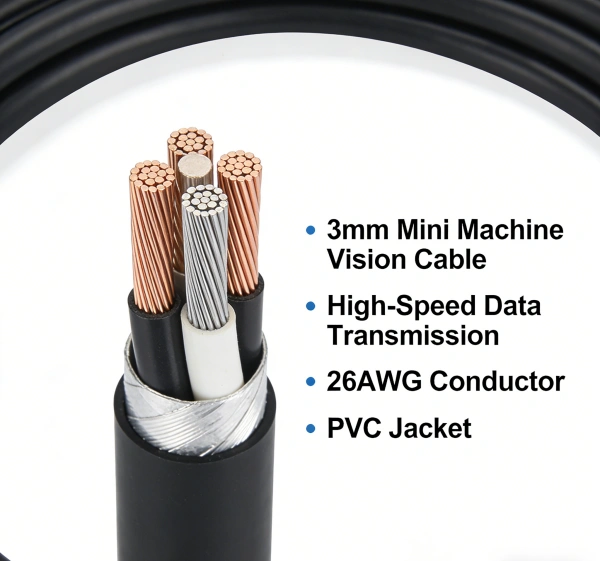
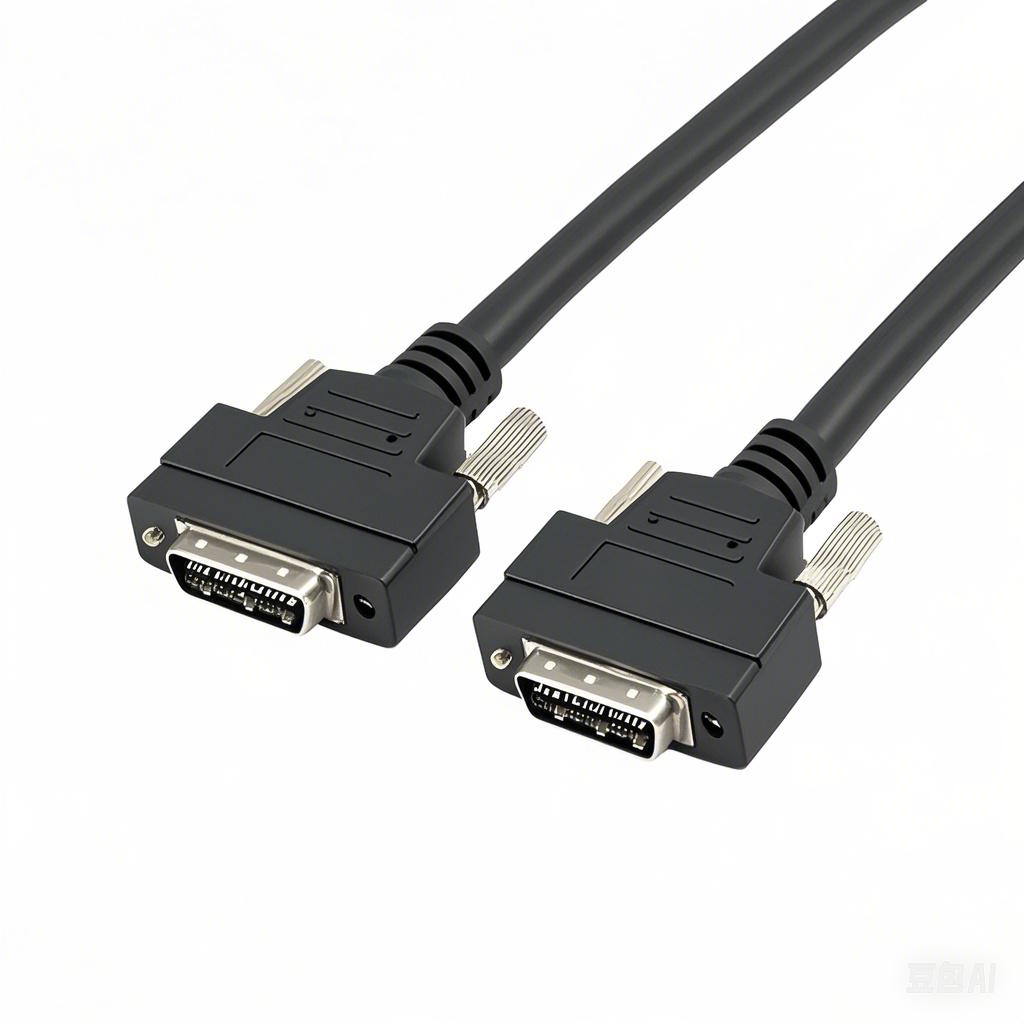
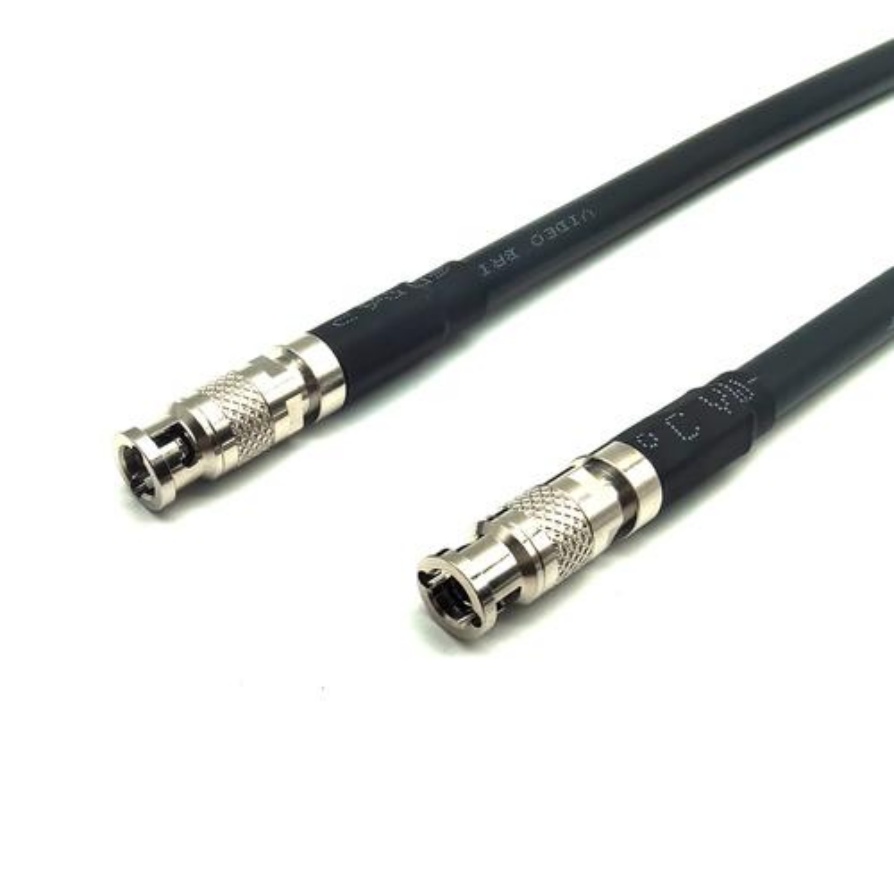
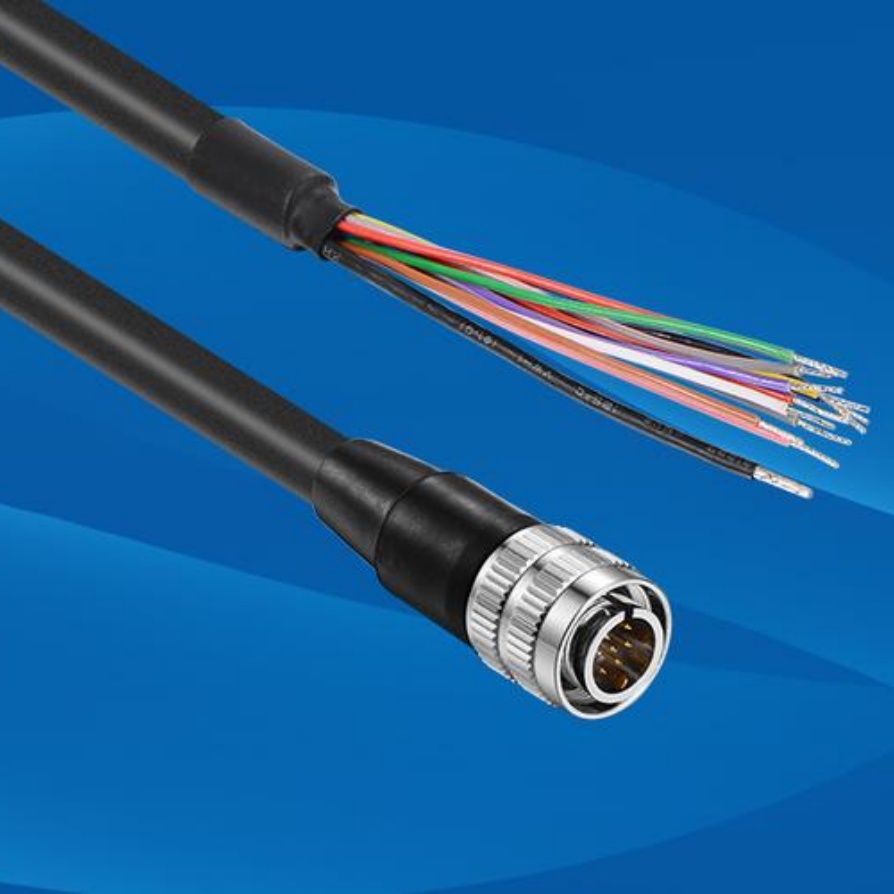
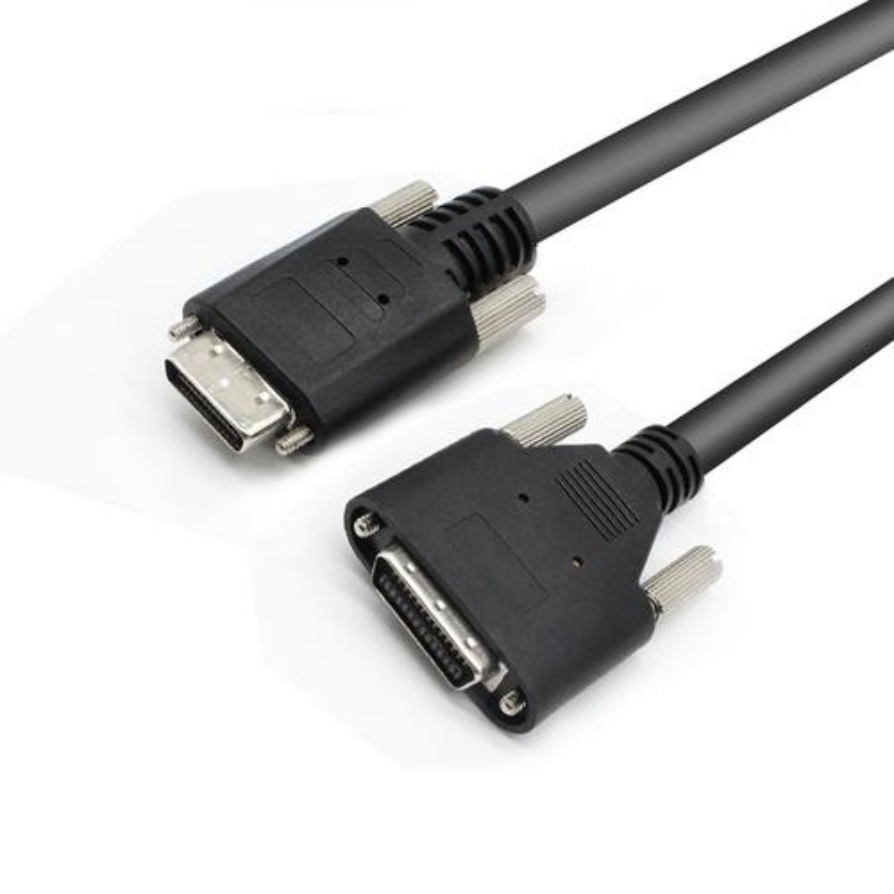
A Mini Machine Vision Cableis a high-performance interconnect designed for industrial cameras and sensors. Its defining feature is a 3mm outer diameter, significantly slimmer than traditional Camera Link or GigE cables.
These cables are engineered to transmit high-bandwidth digital video (e.g., MIPI, GMSL, GVIF, or FPD-Link) over long distances while maintaining signal integrity in electrically noisy environments. They often use coaxial or shielded twisted-pair constructions with robust connectors like FAKRA, HRS, or other miniaturized locking typesfor secure connections .
Core Characteristics:
Outer Diameter:Approx. 3 mm
Data Rates:Up to 5 Gbps(e.g., GVIF/GMSL implementations)
Applications:Fixed and dynamic (continuous flex) setups
Connectors:Standardized miniature connectors (e.g., FAKRA) for automated production and assembly
Why Choose a 3mm Slim Cable? Key Advantages
Frees Up Space in Compact Equipment The 3mm diameter is less than half the size of many traditional industrial cables. This is crucial for:
Embedded vision systems
Miniature inspection heads
Robot wrists and grippers
Medical devices and lab automation
Result:Cleaner layouts and easier routing in dense assemblies.
Supports High-Density Wiring You can bundle more cables into cable carriers and conduits. This allows for:
Multiple camera views (top, side, bottom)
Integration of auxiliary sensors (lighting, proximity)
Benefit:Reduces the number of separate cable runs and bulkheads.
Maintains Signal Integrity Despite the small size, these cables are designed for high-speed signals. Key features include:
Controlled impedance(typically 50Ω or 100Ω differential)
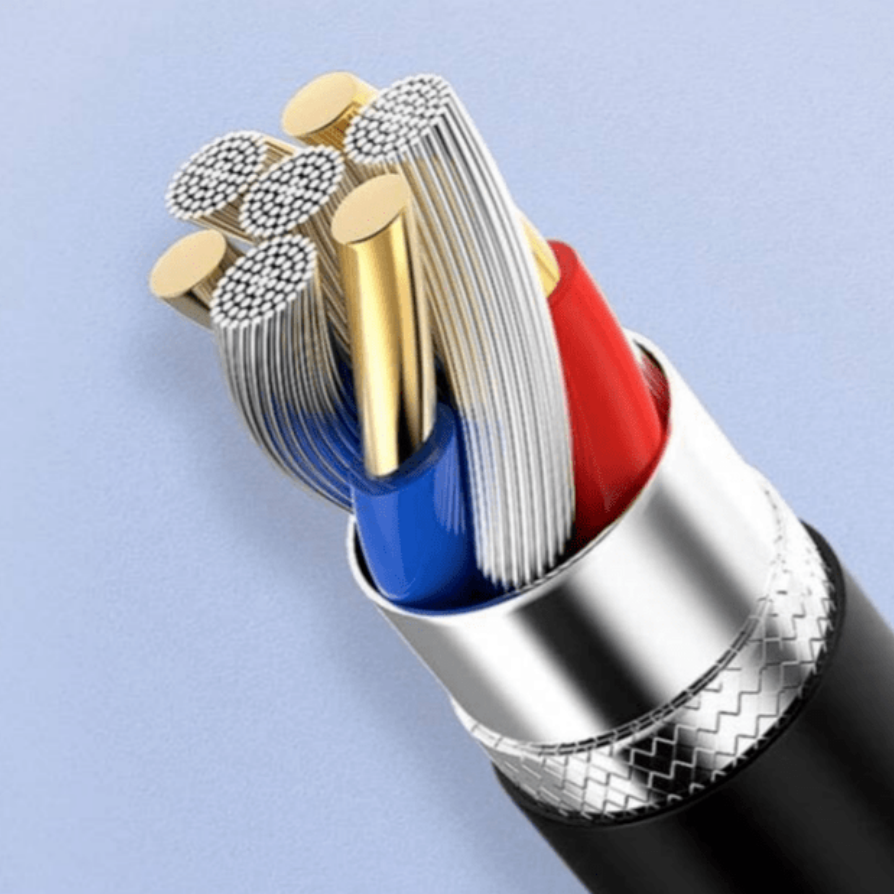
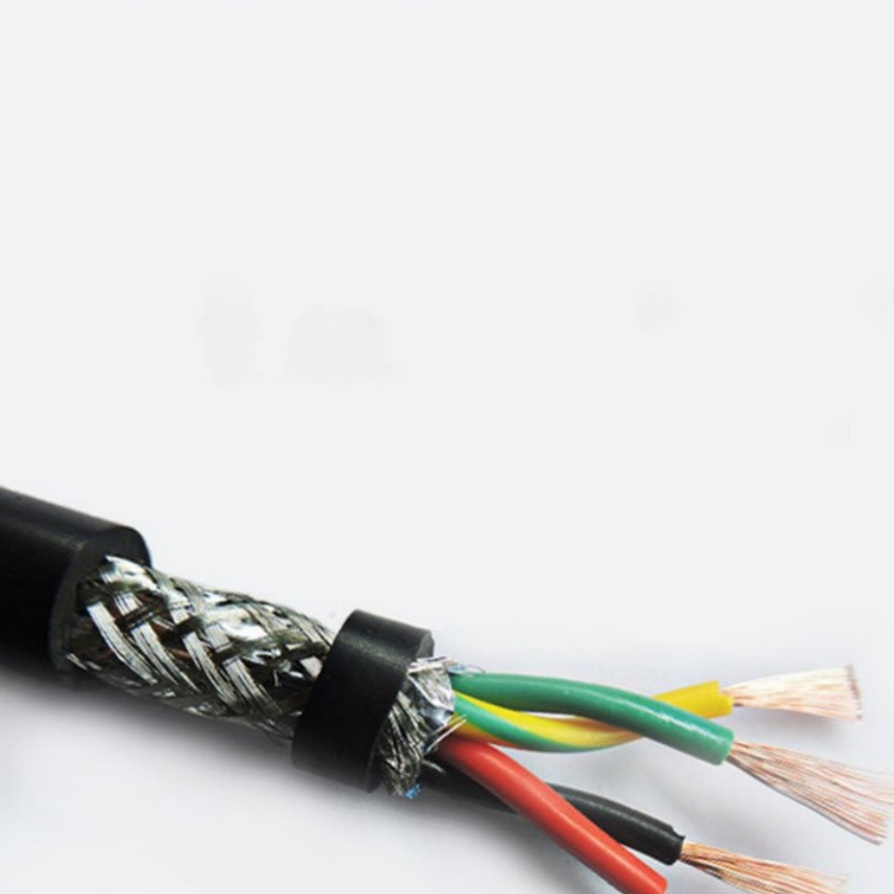
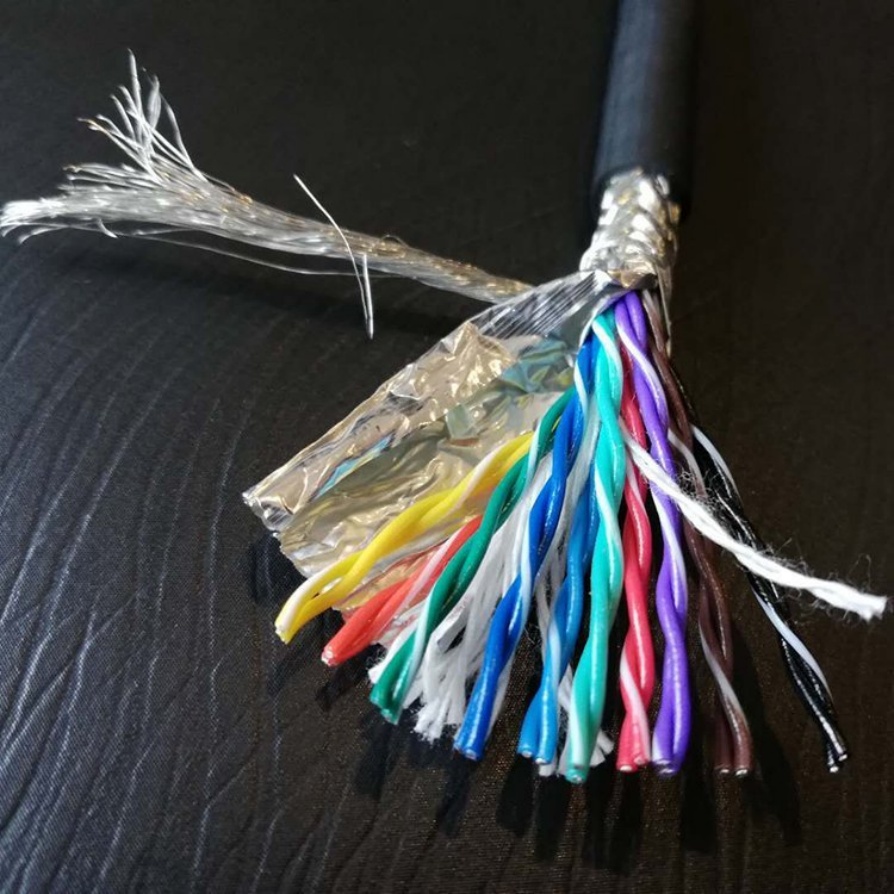
High-quality shielding(e.g., braid + foil) for EMI/RFI immunity
Low insertion loss and skewfor reliable image transmission.
Optimized for Moving Applications Many 3mm cables are available in continuous-flex grades, making them suitable for:
Articulated robots
Gantries and pick-and-place machines
They are designed with stranded conductors and flexible jackets (e.g., PUR) to withstand millions of bend cycles.
Typical Applications
Industrial Robots:Mounting on robot wrists or grippers to inspect parts, guide assembly, or verify seams.
Compact Production Lines:Embedded into small assembly cells, pharmaceutical machines, or electronics handling equipment.
Automated Test & Measurement:Used in testers and semiconductor equipment where space is extremely limited.
Mobile & Service Robots:In AGVs/AMRs and logistics robots where weight and bulk must be minimized.
Medical & Lab Automation:For portable imaging devices and automated analyzers that require both cleanliness and precision.
Technical Specifications & Selection Criteria
When selecting a 3mm Mini Machine Vision Cable, verify the following:
Parameter
What to Check
Why It Matters
Cable Diameter
~3 mm
Ensures fit in tight spaces and cable carriers.
Data Rate
Up to 5 Gbps (for GVIF/GMSL)
Matches camera resolution and frame rate requirements.
Impedance
Typically 50Ω (coax) or 100Ω (diff pair)
Must match the camera and frame grabber for signal integrity.
Shielding
Braid + foil, high coverage
Critical for noise immunity in environments with motors and VFDs.
Bend Radius
Static: ~5× diameter; Dynamic: manufacturer spec
Prevents premature cable failure, especially in flexing applications.
Flex Rating
“Continuous-flex” grade available
Essential for moving robot or gantry installations.
Jacket Material
PVC (general), PUR (flex, oil), others
PUR offers better oil and abrasion resistance for industrial use.
Temperature Range
e.g., -20°C to +80°C
Must handle the heat from lights and electronics in your machine.
Connector Type
FAKRA, HRS, etc.
Must be compatible with your camera and frame grabber interfaces.
Dense Wiring & Cable Carrier Best Practices
Calculate Fill Ratio:Do not overfill cable carriers. A good rule of thumb is to keep the total cross-sectional area of the cables below 50%of the carrier’s interior area.
Separate Power and Data:If possible, route high-power cables separately from sensitive video cables to reduce electrical noise coupling.
Secure with Strain Relief:Use clamps or ties near the connectors. Neverlet the cable’s bending start right at the connector’s strain relief.
Mind the Bend Radius:In dynamic applications, ensure the cable does not bend tighter than the manufacturer’s dynamic bend radiusspecification, especially at entry and exit points of the carrier.
Provide Extra Length:Account for the full range of motion. The cable should be slightly slack at the extremes of travel, not taut.
Installation Checklist: Avoid Costly Downtime
✅ Verify Compatibility:Confirm that the cable, camera, and frame grabber support the same interface (e.g., GMSL2, 5 Gbps) and impedance.
✅ Plan the Routing Path:Identify all bends, supports, and potential interference points beforeinstallation.
✅ Apply Proper Strain Relief:Use clamps or ties to support the cable’s weight and prevent tugs on the connector.
✅ Respect Bend Radii:Ensure bends, especially near connectors, are wider than the minimum specified radius.
✅ Check Pinouts and Polarity:For power over coax or custom pinouts, double-check polarity and pin assignments.
✅ Secure in Carriers:Lay cables neatly in cable carriers without twisting. Secure them at both ends.
✅ Test Under Real Conditions:Run the system through its full motion and speed range to check for image errors or disconnections.
Common Pitfalls & How to Avoid Them
Using a Standard Cable in a Flex Application:
Problem:Standard cables have stiff insulation that cracks and conductors that break after repeated bending.
Solution:Use a cable explicitly rated for continuous flexwith a high cycle life specification.
Ignoring Impedance Matching:
Problem:Mismatched impedance causes signal reflections, leading to image noise or data loss.
Solution:Ensure the cable’s impedance (e.g., 50Ω) matches the camera and receiver specifications.
Underestimating EMI/RFI:
Problem:Motors and VFDs can easily corrupt video signals if the cable shielding is inadequate.
Solution:Choose cables with high-coverage shielding (braid + foil) and ensure proper connector grounding.
Neglecting Environmental Factors:
Problem:Standard PVC jackets can fail under exposure to oils, chemicals, or extreme temperatures.
Solution:Select a jacket material (e.g., PUR) appropriate for the environment.
Improper Cable Carrier Installation:
Problem:Kinking, twisting, or overfilling the carrier leads to rapid cable failure.
Solution:Follow the fill ratio and bend radius guidelines and secure the cable properly at both ends of the carrier.
Pro Tips for Reliable Performance
Request Samples:Always test a sample cable in your actual application—with your camera, movement profile, and environment—before committing to a large order.
Ask for Test Reports:Request data on attenuation, impedance consistency, and flex life to validate the cable’s performance claims.
Document Your Setup:Keep a record of cable part numbers, routing diagrams, and test results for future maintenance and troubleshooting.
Standardize:Where possible, use the same cable type across your machines to simplify inventory, maintenance, and training.
Summary
The 3mm Mini Machine Vision Cableis more than just a smaller wire; it’s a purpose-built interconnect that enables high-resolution imaging in the most space-constrained industrial and robotic systems. By choosing the right cable—with verified data rates, impedance, shielding, and flex ratings—and following disciplined installation practices, you can significantly improve system reliability, reduce downtime, and simplify future maintenance. For engineers and system integrators, specifying the correct mini cable is a high-impact decision that pays dividends throughout the life of the equipment.
Product Overview: Machine Vision Cables
Machine vision cables are specialized components designed to ensure high-speed, stable data transmission and signal integrity in automated imaging systems. Key features include:
Technical S.
Meta Description: Experience seamless 4K/8K video transmission with our High-Speed Anti-Interference Vision Cable. Engineered for crystal-clear visuals, robust durability, and interference-free performance. Perfect for gaming, profes.
Elevate your visual data transmission with the IP67 Waterproof Vision Connection Cable, engineered to deliver seamless performance in the harshest conditions. Designed for industrial, outdoor, and mission-critical applications, this rugg.
High-speed factories demand flawless synchronization between machines and vision systems. Yet, challenges like electromagnetic interference (EMI), cable fatigue, and data bottlenecks often disrupt operations. The right machine vision cab.
Shielded Twisted-Pair Vision Cable – Ultra-Clear Signal Transmission for Demanding Environments
Ensure flawless video and data transmission in high-interference environments with our Shielded Twisted-Pair (STP) Vision Cable. Engineere.
Meta Description: Discover the Flexible & Bend-Resistant Vision Cable, engineered for precision imaging in demanding environments. Durable, reliable, and built to last. Perfect for industrial, medical, and robotic applications.
Int.
The Precision Imaging Dedicated Vision Cable is a cutting-edge connectivity solution designed to deliver crystal-clear image transmission in high-stakes environments. Optimized for industrial automation, medical imaging, machine vision, .
Meta Description: Discover premium Robotic Vision System Cables engineered for seamless data transmission, durability, and precision in industrial automation. Ensure flawless vision system performance.
Enhance Automation Precision with.
Subtitle: A High-Performance Signal Cable Designed for 3D Scanners, Ensuring Lossless Data and Minimal Latency
Product OverviewThe 3D Scanner Vision Signal Cable is a premium signal transmission cable engineered for both industrial a.
Enhance the reliability and performance of your automated systems with our Industrial-Grade Machine Vision Cable—engineered to deliver unparalleled signal integrity, durability, and speed for demanding industrial applications. Designed f.