Mini Machine Vision Cable | Compact Equipment Fit
Mini Machine Vision Cable: The Ultimate Solution for Compact Industrial Vision Setups
In the fast-evolving landscape of industrial automation and machine vision systems, space constraints have become one of the most pressing challenges for engineers, system integrators, and manufacturing teams. Standard machine vision cables, while reliable, often feature bulky designs, rigid constructions, and oversized connectors that simply don’t align with the needs of today’s compact, high-density equipment. This is where the Mini Machine Vision Cable steps in as a game-changing component, engineered specifically to deliver uncompromised performance in tight spaces while meeting the rigorous demands of industrial machine vision applications. Whether you’re building miniaturized inspection stations, robotic vision arms, compact sorting equipment, or embedded vision systems, a high-quality mini machine vision cable is the backbone of seamless, stable data transmission—proving that size doesn’t have to compromise functionality.
What Is a Mini Machine Vision Cable & How Does It Differ from Standard Vision Cables?
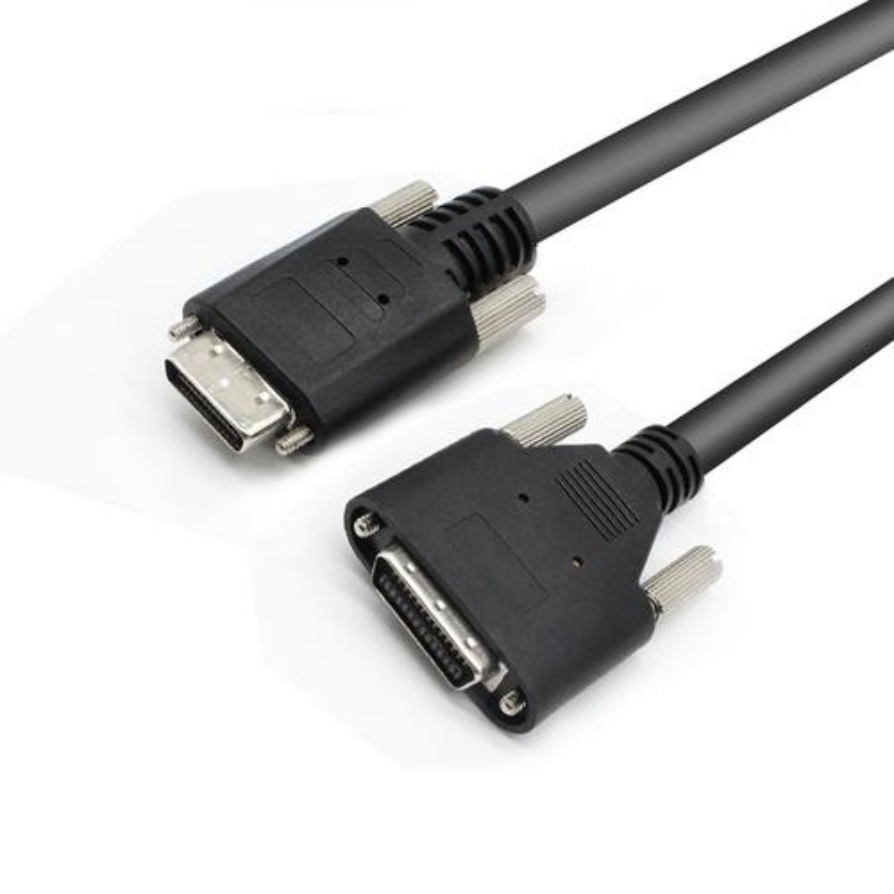
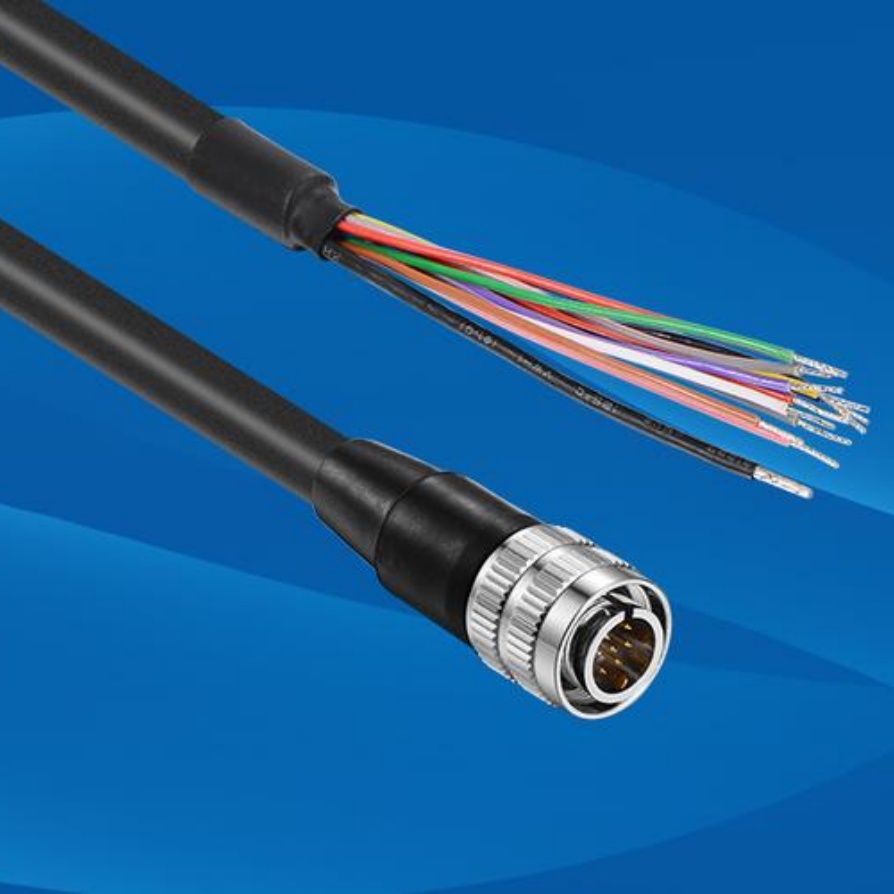
A mini machine vision cable is a precision-engineered, space-optimized transmission cable designed exclusively for connecting industrial vision cameras, sensors, frame grabbers, and processing units in compact equipment setups. Unlike standard machine vision cables that prioritize universal compatibility over size, mini variants are crafted with slimmed-down profiles, reduced outer diameters, miniaturized connectors, and flexible yet durable constructions tailored for confined wiring environments. These cables retain all the critical performance features of full-sized vision cables—including high-speed data transfer, superior shielding, and industrial-grade durability—while cutting down on bulk to fit seamlessly into tight enclosures, narrow cable trays, and compact machinery frames.
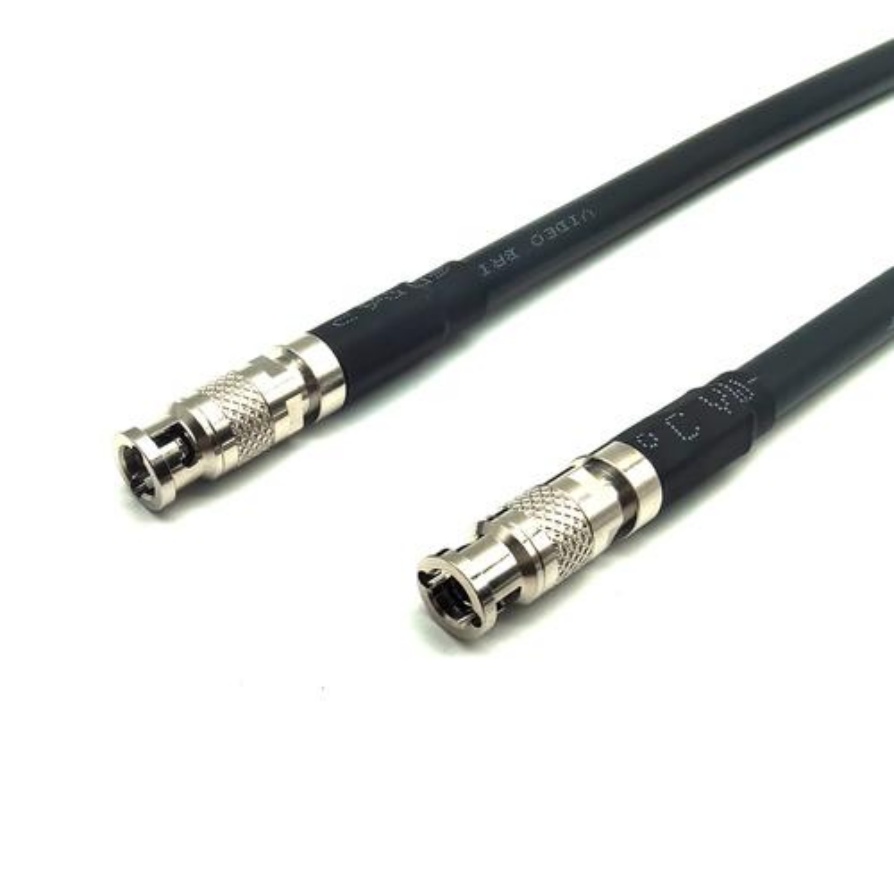
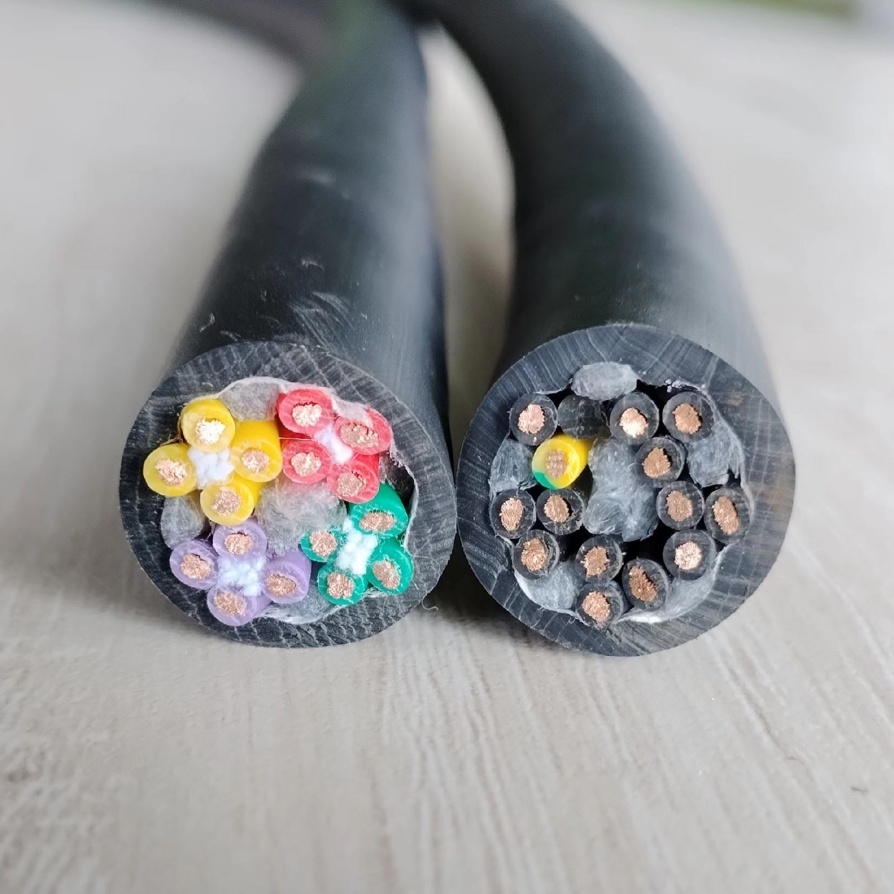
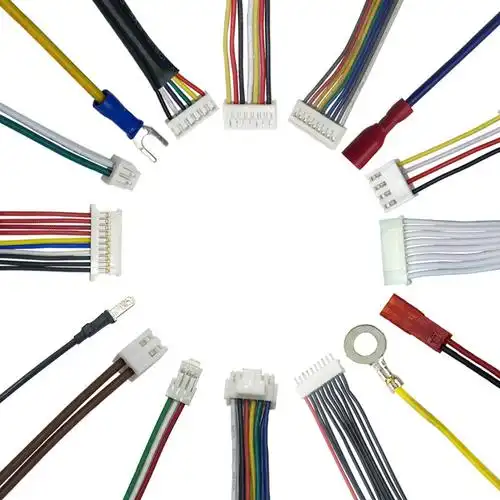
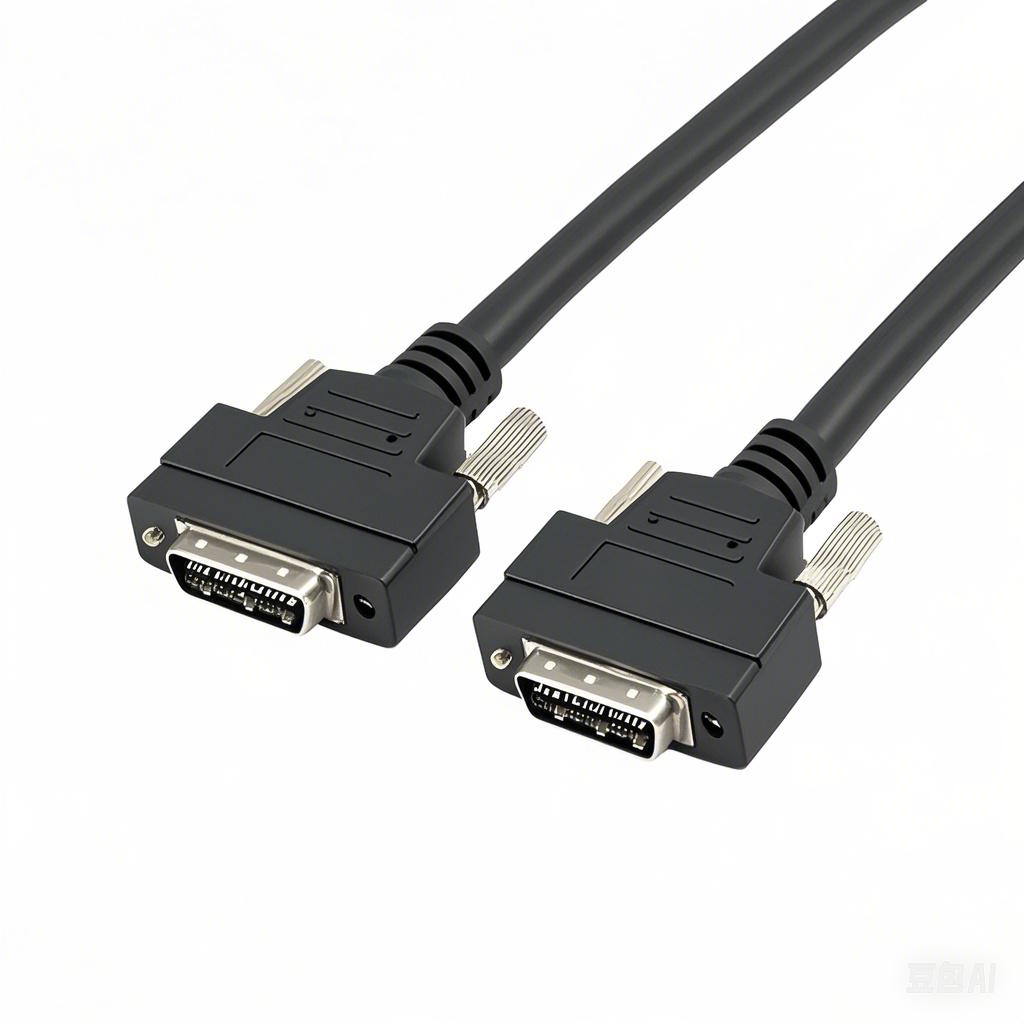
The key differentiators of mini machine vision cables lie in three core areas: physical dimensions, connector design, and flexibility. Standard vision cables typically have an outer diameter of 6mm or more, paired with large MDR, RJ45, or full-sized USB connectors that require significant clearance. In contrast, premium mini machine vision cables boast an ultra-slim outer diameter (often 3mm to 4mm) and feature compact, low-profile connectors (such as micro USB, mini Camera Link, or slim Hirose connectors) that eliminate wasted space. Additionally, mini cables are built with ultra-flexible stranded conductors and thin yet robust insulation, allowing for tighter bend radii without signal loss or cable damage—an essential trait for dynamic compact systems with moving parts.
Core Applications: Where Mini Machine Vision Cables Excel
Mini machine vision cables are purpose-built for scenarios where space is at a premium, making them indispensable across a wide range of industrial and commercial machine vision use cases. Their compact design and high-performance specs make them the top choice for equipment manufacturers and system integrators working on space-constrained projects, with standout applications including:
- Miniaturized Industrial Inspection Systems: From small-scale PCB inspection machines and micro-component sorting units to handheld vision testers, these cables fit into tight chassis without disrupting internal layouts, ensuring high-resolution image data is transmitted flawlessly for precise defect detection.
- Robotic Vision & Collaborative Robots (Cobots): Robotic arms, gripper cameras, and cobot vision modules require slim, flexible cables that can withstand repeated bending and movement in confined motion paths. Mini machine vision cables deliver the necessary flexibility and durability to support real-time visual feedback without cable fatigue or signal interference.
- Embedded Vision Equipment: Embedded vision systems used in medical devices, automotive assembly lines, and 3D printing machinery rely on mini cables to integrate vision technology into compact, enclosed designs, balancing performance with space efficiency.
- High-Density Vision Arrays: Multi-camera setups in tight manufacturing cells or packaging lines benefit from mini cables’ slim profile, allowing for neat, organized wiring that reduces clutter and simplifies maintenance while supporting simultaneous high-speed data transmission from multiple cameras.
- Portable & Desktop Vision Tools: Benchtop inspection devices, portable quality control scanners, and small-format vision sensors require compact cabling that doesn’t add unnecessary bulk, making mini machine vision cables the ideal fit for lightweight, mobile equipment.
Key Performance Features of Top-Tier Mini Machine Vision Cables
Choosing the right mini machine vision cable isn’t just about size—it’s about prioritizing performance features that ensure long-term reliability in industrial environments. Cheap, low-quality mini cables often sacrifice shielding, durability, and signal integrity, leading to data loss, blurry images, and costly downtime. Premium mini vision cables, however, are engineered with the following critical features to meet industrial standards:
1. Ultra-High-Speed Data Transmission
Modern machine vision systems rely on rapid, high-resolution image transfer to operate efficiently, and mini cables must keep pace with these demands. Top-tier mini machine vision cables support high-speed protocols including USB3 Vision, GigE Vision, Camera Link Mini, and CoaXPress (CXP) Mini, delivering data transfer rates up to 5Gbps or higher. This ensures that even 4K and high-frame-rate camera feeds are transmitted in real time, with no lag, distortion, or packet loss—critical for accurate inspection, measurement, and automation tasks.
2. Advanced Shielding for EMI/RFI Immunity
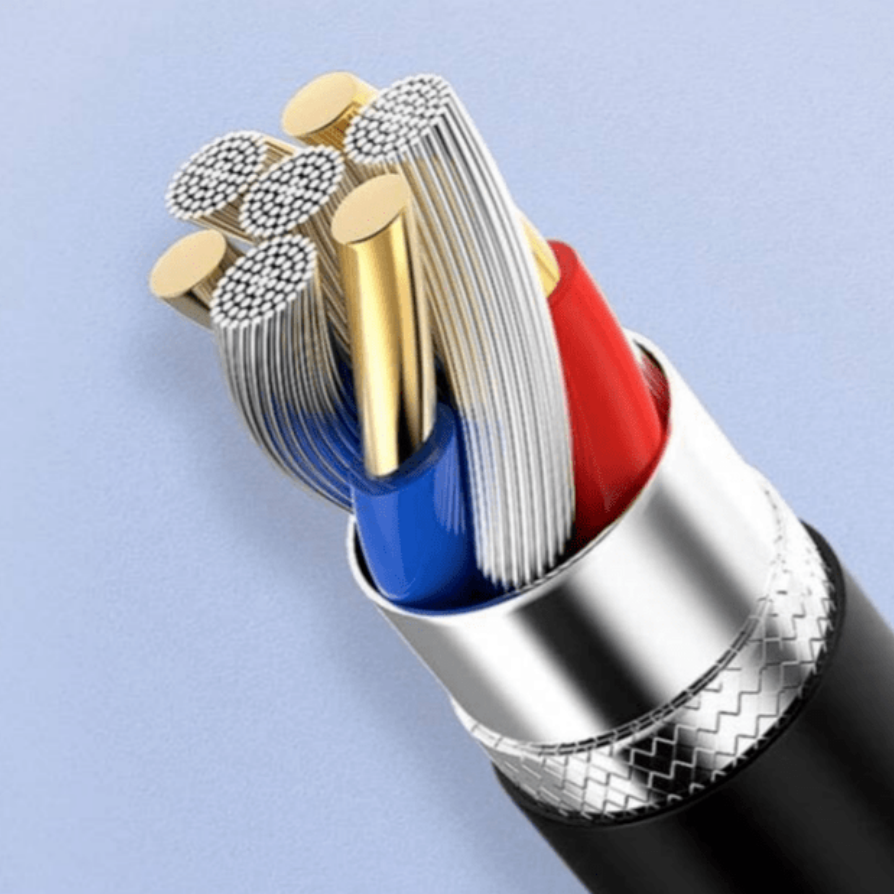
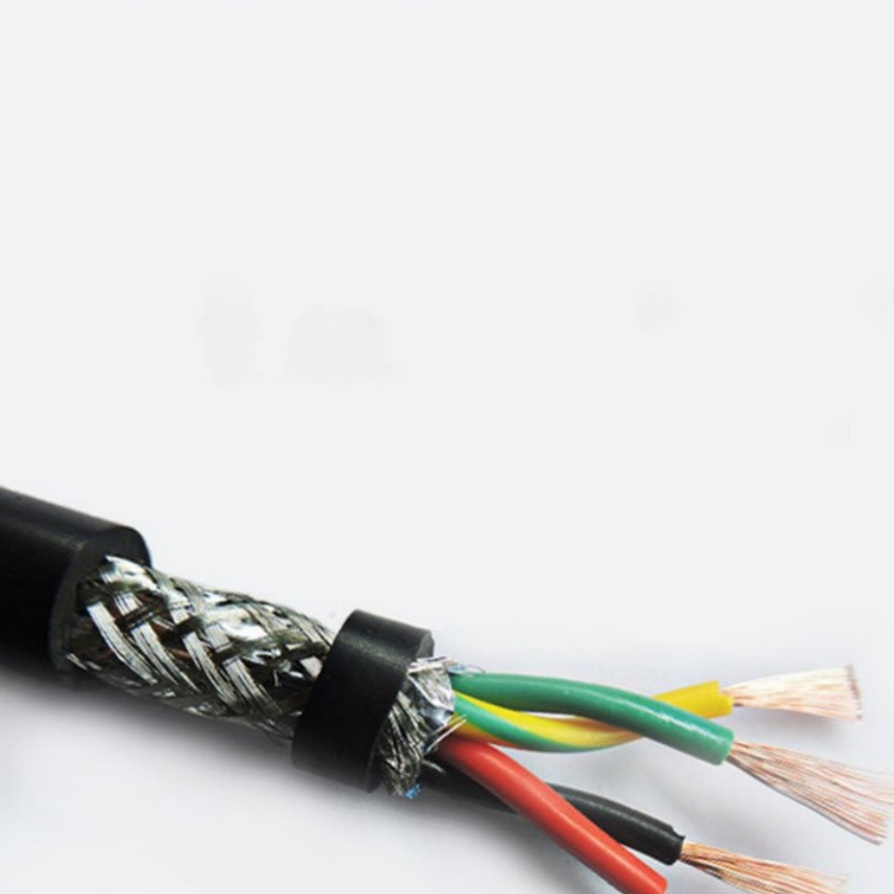
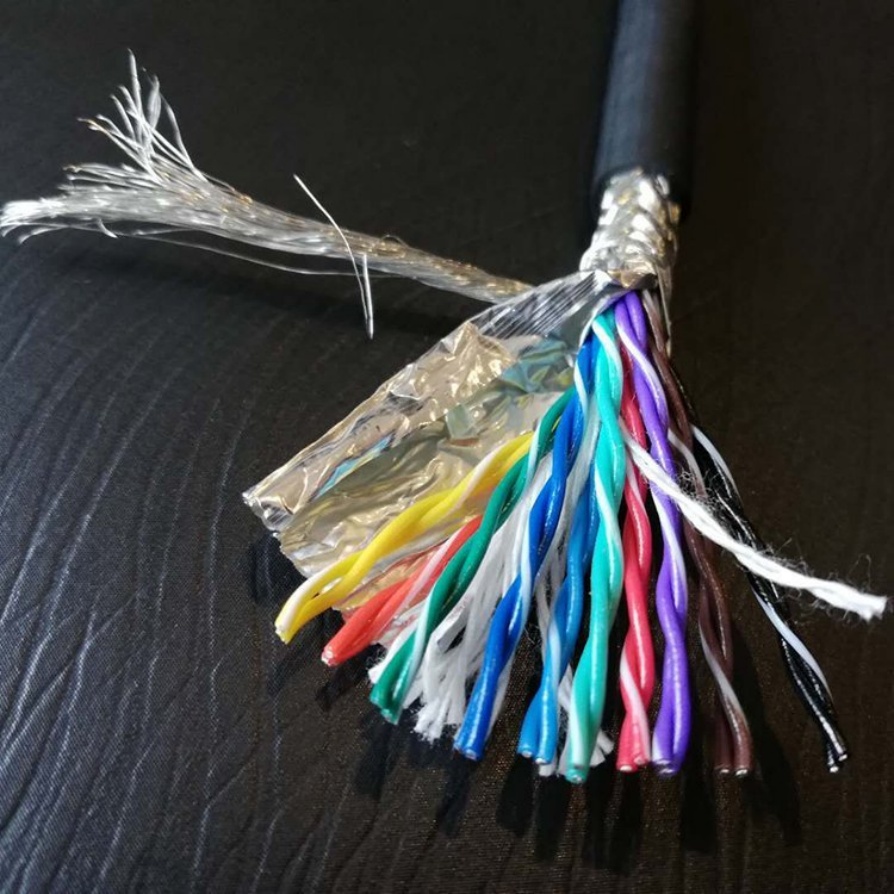
Industrial settings are filled with electromagnetic interference (EMI) and radio frequency interference (RFI) from motors, drives, and other electrical equipment, which can disrupt vision signal transmission. Premium mini machine vision cables feature multi-layer shielding (including braided copper shielding and foil shielding) paired with twisted-pair conductor designs, effectively blocking interference and preserving signal purity. This shielding is packed into the slim cable profile without adding bulk, ensuring reliable performance even in high-noise factory floors.
3. Industrial-Grade Durability & Flex Life
Compact equipment often involves repeated movement, tight bends, and exposure to oil, dust, and abrasives—so mini vision cables must be built to last. High-quality mini cables use ultra-fine stranded tinned copper conductors, wear-resistant PVC or PUR jackets, and reinforced connector strain reliefs. These materials offer exceptional flex life (supporting millions of bending cycles) and resistance to oil, chemicals, and mechanical abrasion, making them suitable for drag chain, robotic, and high-vibration applications. Unlike flimsy generic cables, they won’t crack, fray, or break under continuous use in demanding industrial conditions.
4. Tight Bend Radius Compatibility
One of the biggest advantages of mini machine vision cables is their ability to navigate tight corners and narrow spaces. With a bend radius as small as 5-10 times the cable diameter (far tighter than standard vision cables), they can be routed through small openings, around internal components, and along compact equipment frames without kinking or signal degradation. This flexibility eliminates the need for complex cable routing solutions and maximizes usable space within equipment enclosures.
5. Secure, Compact Connectors
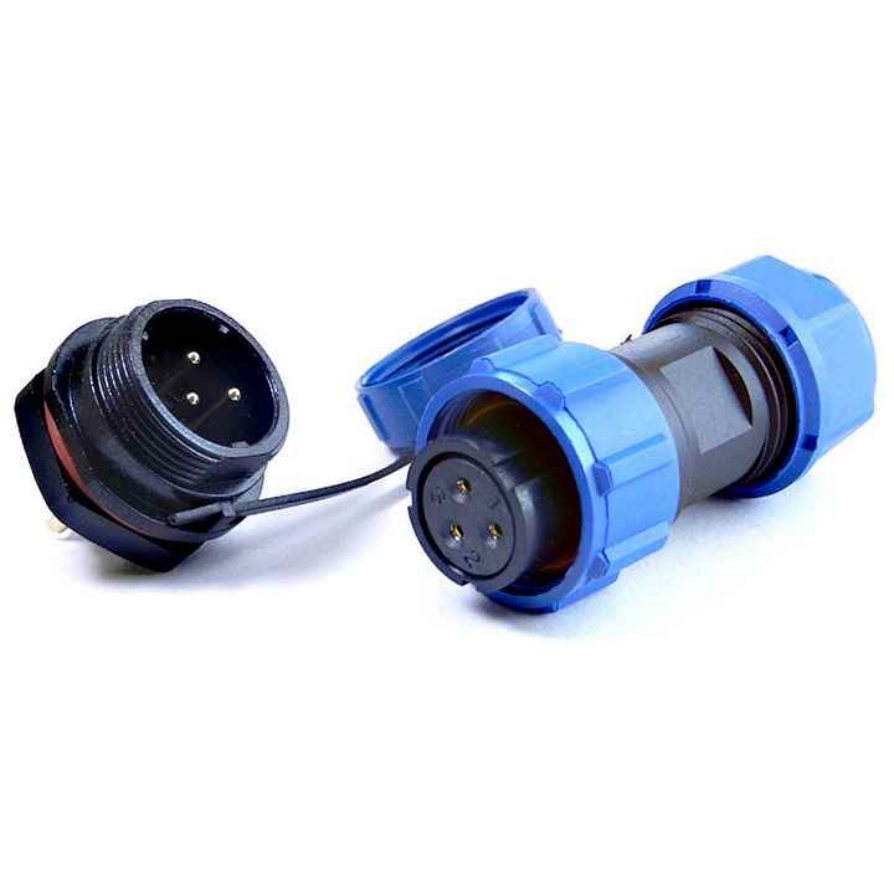
The connector is just as vital as the cable itself in mini vision setups. Premium mini cables come equipped with lockable, low-profile connectors that ensure a secure connection even in high-vibration environments. These mini connectors are designed for easy installation and removal, while their compact size prevents interference with adjacent components in dense wiring setups. Many also feature IP-rated protection for dust and moisture resistance, adding an extra layer of reliability for harsh industrial environments.
How to Select the Perfect Mini Machine Vision Cable for Your Equipment
With a variety of mini machine vision cables on the market, selecting the right one for your compact equipment requires careful consideration of several key factors. Taking the time to evaluate these criteria will ensure you choose a cable that aligns with your performance needs, space constraints, and environmental conditions:
- Match the Vision Protocol: First and foremost, ensure the mini cable supports your camera and equipment’s communication protocol (USB3 Vision, GigE Vision, Camera Link Mini, etc.). Using a mismatched cable will result in poor performance or complete signal failure, so always verify protocol compatibility before purchasing.
- Measure Space & Bend Requirements: Calculate the available wiring space and required bend radius in your equipment. Opt for a cable with the smallest outer diameter that still meets your performance needs, and confirm it can handle the tight bends in your setup without compromising durability.
- Assess Environmental Conditions: Consider the operating environment—if your equipment is exposed to oil, chemicals, extreme temperatures, or heavy vibration, choose a mini cable with a rugged PUR jacket, high shielding, and extended temperature ratings. For clean, low-vibration setups, a standard PVC-jacketed mini cable may suffice.
- Prioritize Cable Length & Flexibility: Select a cable length that fits your equipment perfectly (avoid excess slack that adds clutter) and choose a highly flexible variant if the cable will be subjected to repeated movement. For static compact setups, a semi-flexible mini cable can offer added stability.
- Check Certification & Quality Standards: Look for mini machine vision cables that meet industrial standards (such as CE, RoHS, and UL) and are tested for signal integrity, flex life, and interference resistance. Certified cables guarantee consistent performance and compliance with industry regulations.
Why Settle for Standard Cables When Mini Machine Vision Cables Deliver Better Fit & Performance
Many equipment manufacturers and integrators make the mistake of forcing standard machine vision cables into compact setups, only to face a host of issues: cramped wiring, damaged cables from tight bends, signal interference from poor shielding, and inefficient equipment design. These problems not only compromise the performance of the machine vision system but also increase maintenance costs and delay project timelines.
Mini machine vision cables eliminate these pain points entirely. They are purpose-built to solve the space challenges of modern compact equipment, offering a perfect balance of size, flexibility, and performance. By switching to mini vision cables, you can streamline equipment design, reduce internal clutter, improve system reliability, and extend the lifespan of your vision setup—all while maintaining the high-speed, high-fidelity data transmission that machine vision systems depend on. In an industry where every millimeter of space matters, a mini machine vision cable isn’t just a component—it’s a strategic upgrade that enhances the overall efficiency and functionality of your equipment.
Elevate Your Compact Vision Systems with FRS Mini Machine Vision Cables
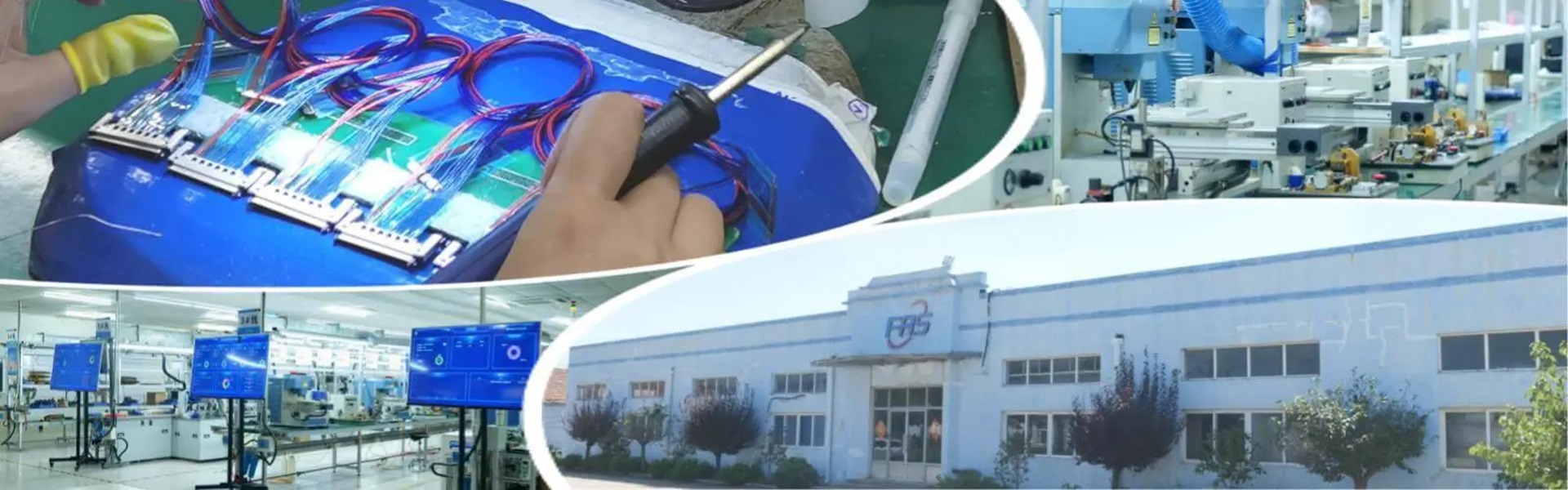
When it comes to reliable, high-performance mini machine vision cables, FRS stands out as a trusted factory brand with years of expertise in industrial cabling solutions. As a professional manufacturer dedicated to machine vision and industrial automation cables, FRS designs and produces premium mini machine vision cables that check every box for compact equipment fit, signal integrity, and industrial durability. Our mini vision cables feature ultra-slim profiles, advanced shielding, rugged construction, and compatibility with all major machine vision protocols, engineered to excel in the tightest spaces and harshest industrial environments.
At FRS, we prioritize quality craftsmanship and customer-centric customization—offering tailored cable lengths, connector options, and jacket materials to match your unique compact equipment needs. All our products undergo rigorous testing for flex life, signal performance, and environmental resistance, ensuring consistent quality and long-term reliability. Whether you need a small batch for prototyping or bulk orders for large-scale production, FRS delivers cost-effective, high-quality mini machine vision cables that power seamless, efficient machine vision systems. Choose FRS for your compact vision cabling needs and experience the difference of a factory-direct solution built for industrial excellence.