New Launch: 90 Degree Right Angle 6pin Cable Improves Machine Vision ...
In high-precision machine vision applications, even a small detail like a cable can determine whether your system runs stably for years or suffers from intermittent errors and downtime. The new 90 degree right angle 6pin cableis engineered to solve one of the most common pain points in compact vision systems: how to make a reliable connection in a space that is too tight for a standard straight plug.
This article explains what this cable is, why it matters for machine vision, and how to choose the right one for your application.
🎯 What Is a 90 Degree Right Angle 6pin Cable?
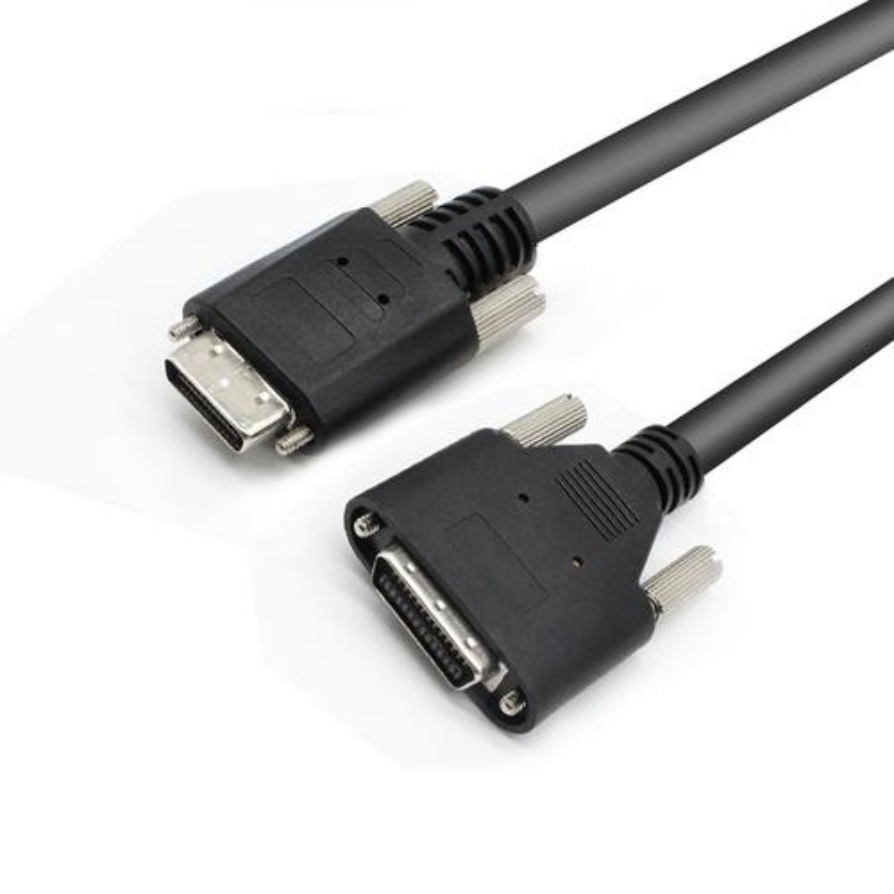
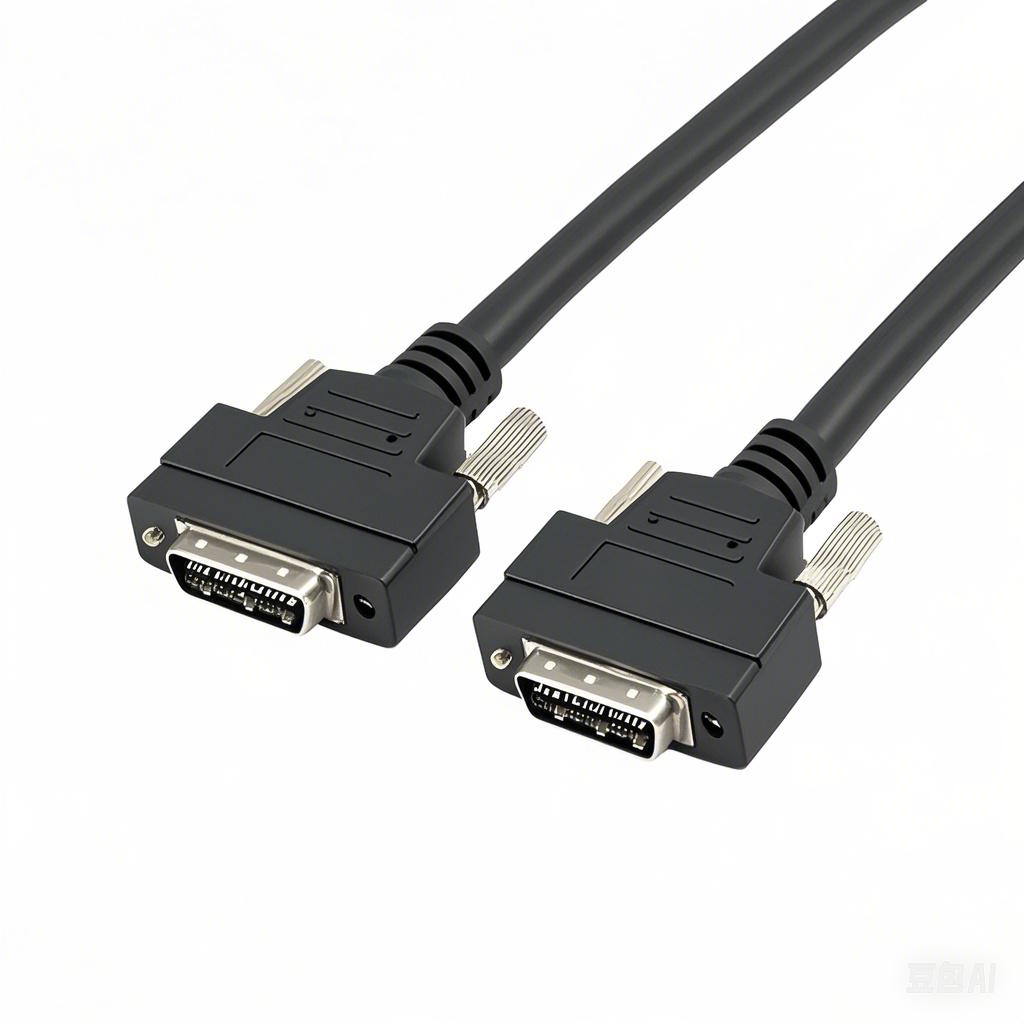
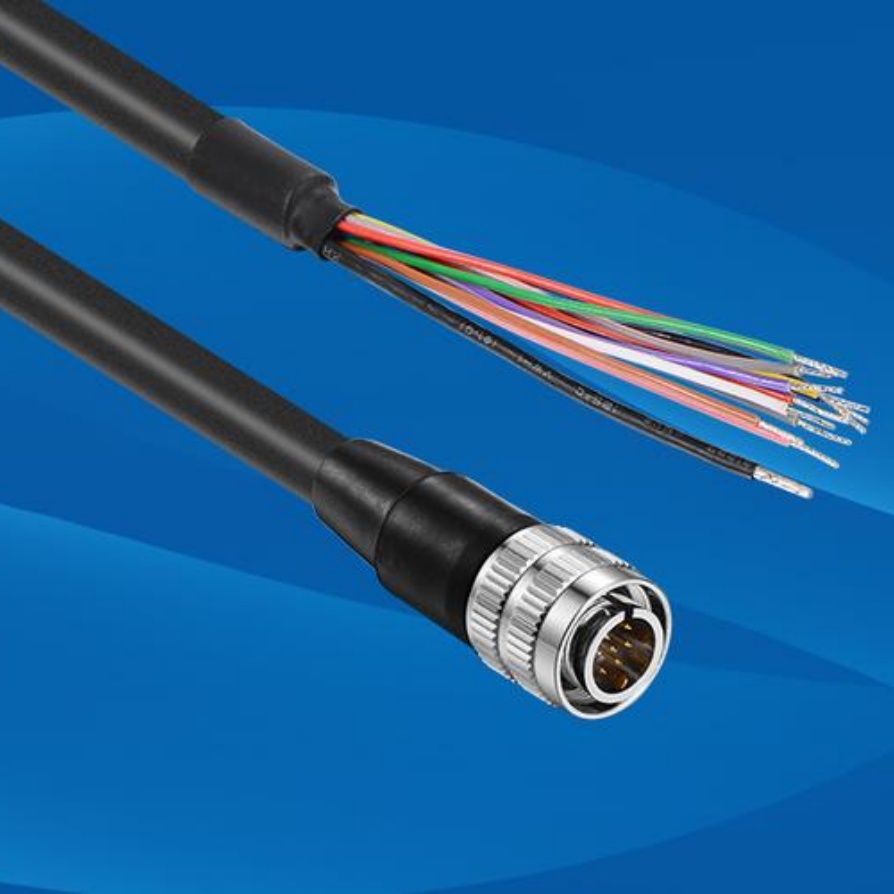
A 90 degree right angle 6pin cableis an industrial-grade cable with a 6-pin circular or rectangular connector on one or both ends. One end is molded into an L-shaped right-angleform, allowing the cable to exit the device parallel to a panel, housing, or machine frame instead of protruding straight out.
These cables are widely used for:
- Power and I/O connections to industrial cameras (e.g., Hirose 6-pin)
- Sensor and trigger signal transmission
- Quick-disconnect sensor cordsets in automation equipment
For example, the Basler Hirose 6-pin right angle cableis designed for high-end industrial use, featuring a self-locking push-pull circular connector that fits into tight spaces and prevents cable snagging. Similarly, the Banner MQDC-615RAis a 6-pin Euro-style right-angle quick-disconnect cable rated for 2A and 75V, built for reliable use in factory environments .
🤔 Why Use a Right Angle Connector in Machine Vision?
Machine vision engineers often face a common problem: a perfectly mounted camera is blocked by a straight cable, or a cable bundle puts stress on a delicate connector. A right-angle design solves this by:
- Saving Space & Preventing Damage In compact vision systems, a right-angle plug allows the cable to run parallel to the camera body or mounting plate, avoiding interference with moving parts or neighboring components. This protects the connector from bending stress and accidental tugs, which are leading causes of intermittent connections and system failures .
- Improving Cable Management & Stability In multi-camera setups, right-angle cables help create a clean, layered cable path. This reduces tangling and the risk of cables being pulled loose during maintenance or operation. A stable physical setup translates to more consistent image acquisition and fewer false triggers .
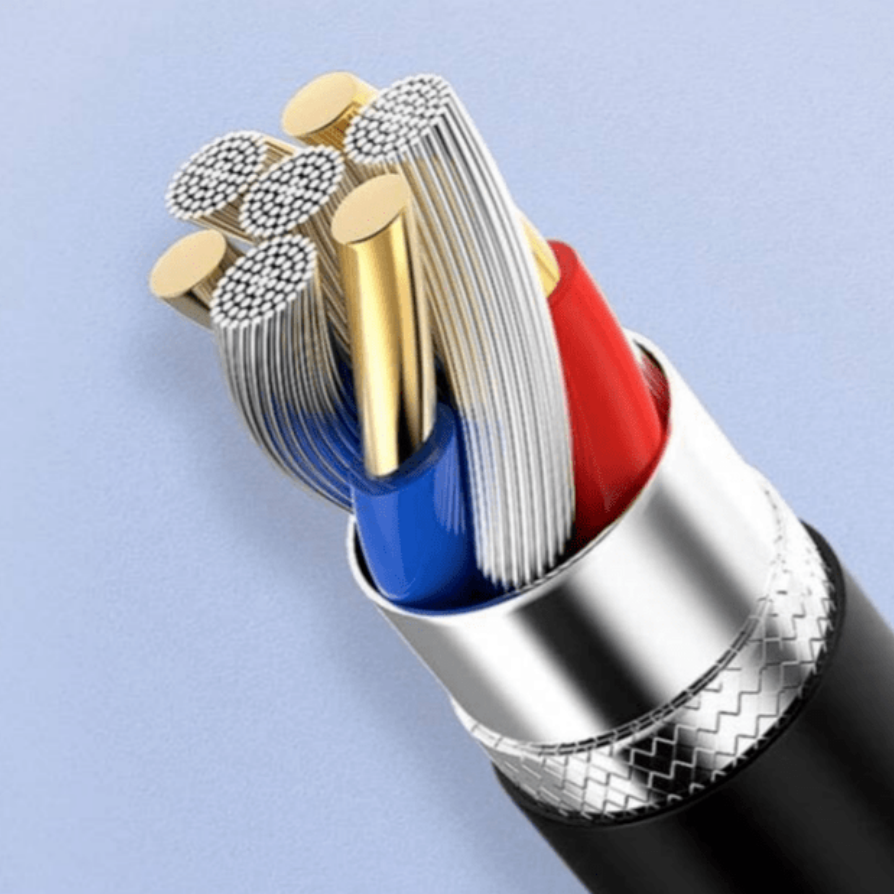
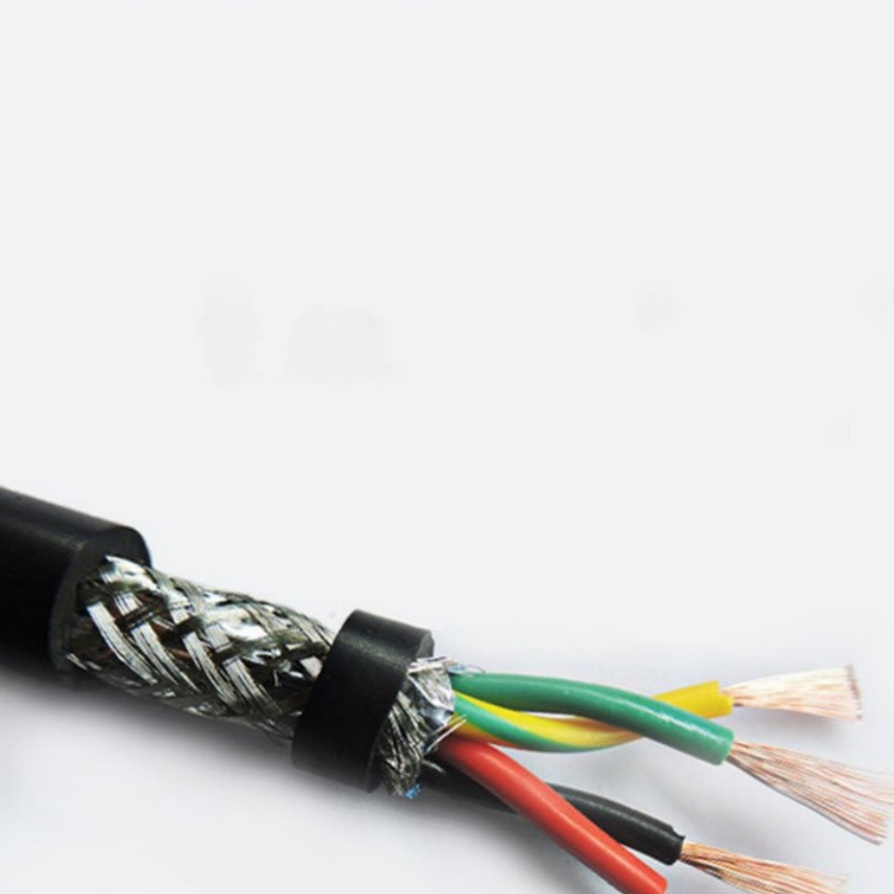
- Enhancing Durability in Harsh Environments Industrial vision cables are designed for demanding conditions. High-quality 6-pin right-angle cables use robust materials like PVC, TPE, or PUR jacketsand feature shielding to protect against oil, dust, and electromagnetic interference (EMI). This ensures stable signal and power transmission, which is critical for applications like robot guidance and automated inspection .
🔗 How Cable Stability Impacts Overall System Performance
While camera choice, lenses, lighting, and software are often the focus, the stability of the physical layer—cables, connectors, and mounts—is equally crucial. A loose or broken cable can cause:
- Image Drops or Freezes:Resulting in missed detections and production line stops.
- Trigger Jitter:Leading to inaccurate measurements and misaligned data.
- Intermittent Power Loss:Causing cameras to reboot, disrupting the entire inspection process.
In high-speed or high-precision tasks, these issues can cascade into significant production losses. A stable 90 degree right angle 6pin cableprovides a solid physical link, reducing one of the common failure points in the system .
🔧 Key Technical Considerations
When selecting a 90 degree right angle 6pin cable, focus on these key parameters:
- Connector Type & Compatibility Ensure the connector (e.g., Hirose HR10A-7P-6S, M12, or Euro-style) matches your camera or device. Pay attention to pin count, gender (male/female), and locking mechanism (push-pull, screw, etc.) .
- Current & Voltage Rating Verify the cable meets or exceeds your device’s requirements. For instance, the Banner MQDC-615RA is rated for 2A at 75V AC/DC, suitable for many sensor and I/O applications .
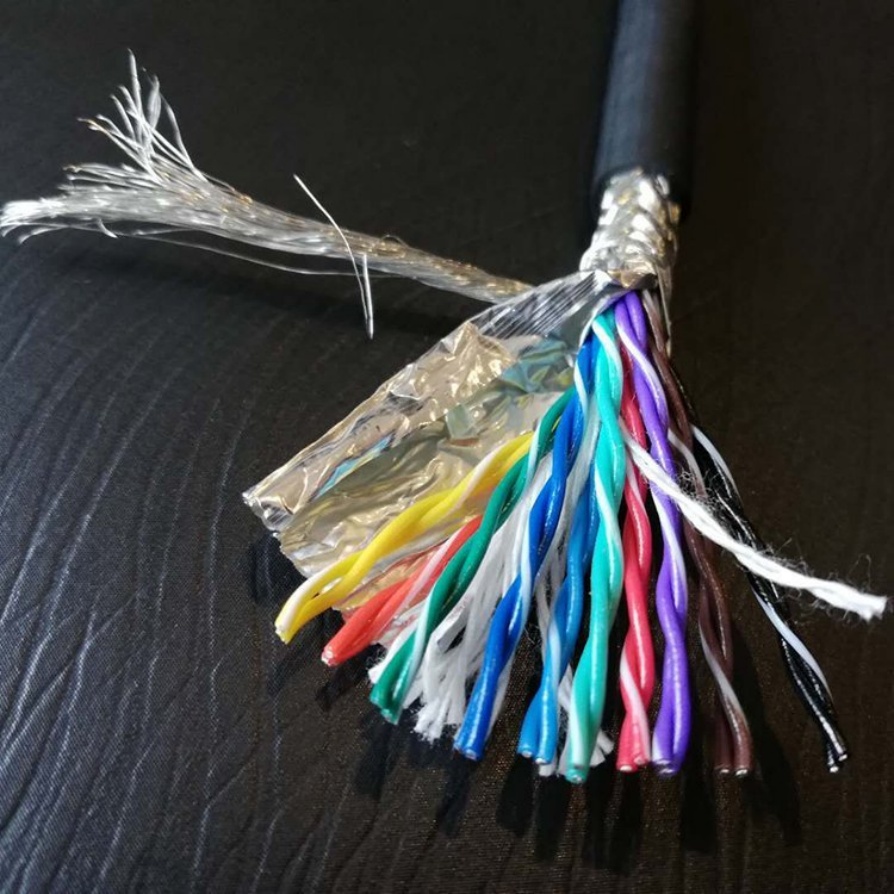
- Shielding & Signal Integrity For data or trigger signals, choose a cable with proper shielding (e.g., braided + foil) to minimize EMI. For power cables, ensure low resistance and stable voltage delivery .
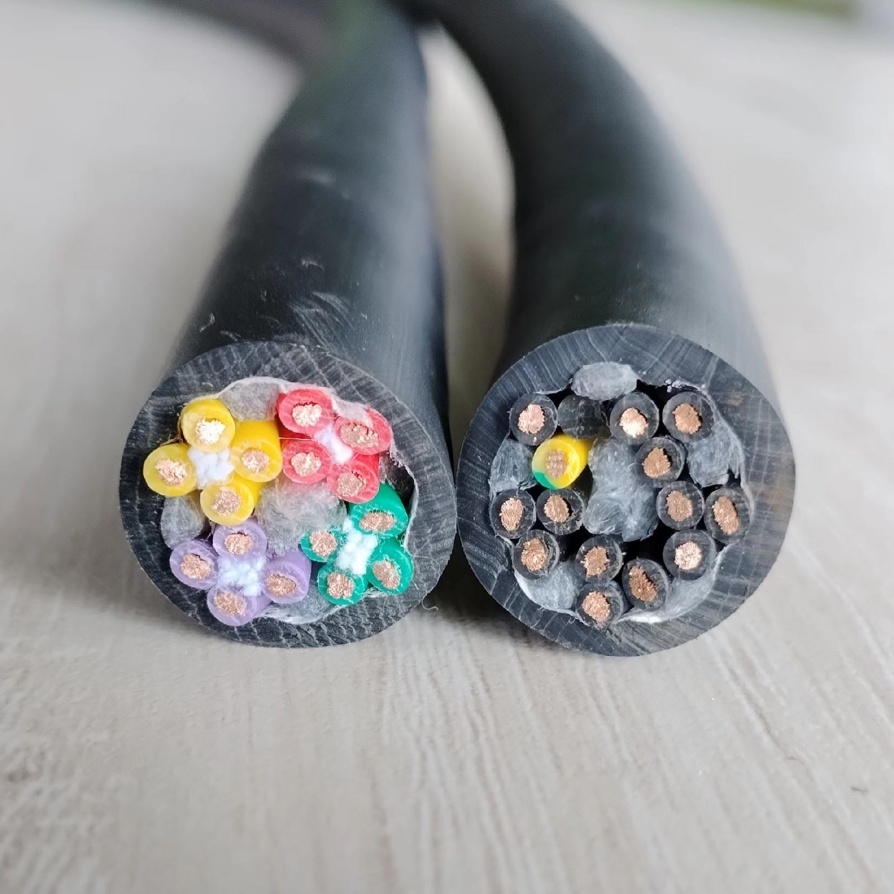
- Mechanical Properties Consider the cable’s bend radius, flexibility, and whether it’s suitable for continuous flexing (e.g., in a robot arm). High-flex cablesare specifically designed for millions of bending cycles in drag chain applications .
- Environmental Ratings Check the operating temperature range and resistance to oil, chemicals, and UV light. PUR jacketsoffer excellent abrasion and chemical resistance, while PVCis more economical for general use .
- Cable Length Choose the shortest practical length to minimize signal loss, voltage drop, and cable clutter. Custom lengths are often available .
💡 Practical Applications
- Compact Industrial Cameras The Basler Hirose 6-pin right angle cableis ideal for tight camera mounts, allowing the cable to exit cleanly without stressing the connector .
- Factory Automation Sensors The Banner MQDC-615RA quick-disconnect cableis perfect for sensors on moving machinery, where a right-angle design simplifies cable routing and reduces snagging risks .
- Robot Vision Systems In robotics, where cables undergo constant bending, a high-flex 6-pin right angle cablewith a durable jacket (like PUR) ensures reliable data and power transmission for vision-guided robots .
✅ Quick Selection Checklist
Use this checklist to quickly evaluate a 90 degree right angle 6pin cable for your needs:
- [ ] Connector Match:Pin count, gender, and locking mechanism are correct.
- [ ] Electrical Specs:Current, voltage, and shielding meet your application’s requirements.
- [ ] Mechanical Fit:The right-angle design fits the available space and bend radius.
- [ ] Environmental Suitability:The jacket material is appropriate for the operating conditions.
- [ ] Quality & Reliability:The cable is from a reputable manufacturer and, ideally, tested for flex life and EMI performance .
🚀 Conclusion
The 90 degree right angle 6pin cableis more than just a connector; it’s a critical component for building stable, reliable machine vision systems. By addressing a common mechanical pain point, it helps ensure that your system delivers consistent, high-quality results in demanding industrial environments.