Packaging Inspection Machine Cables: Ensuring Precision and Reliabili...
1. Introduction to Packaging Inspection Machine Cables
1.1 What Are Packaging Inspection Machine Cables?
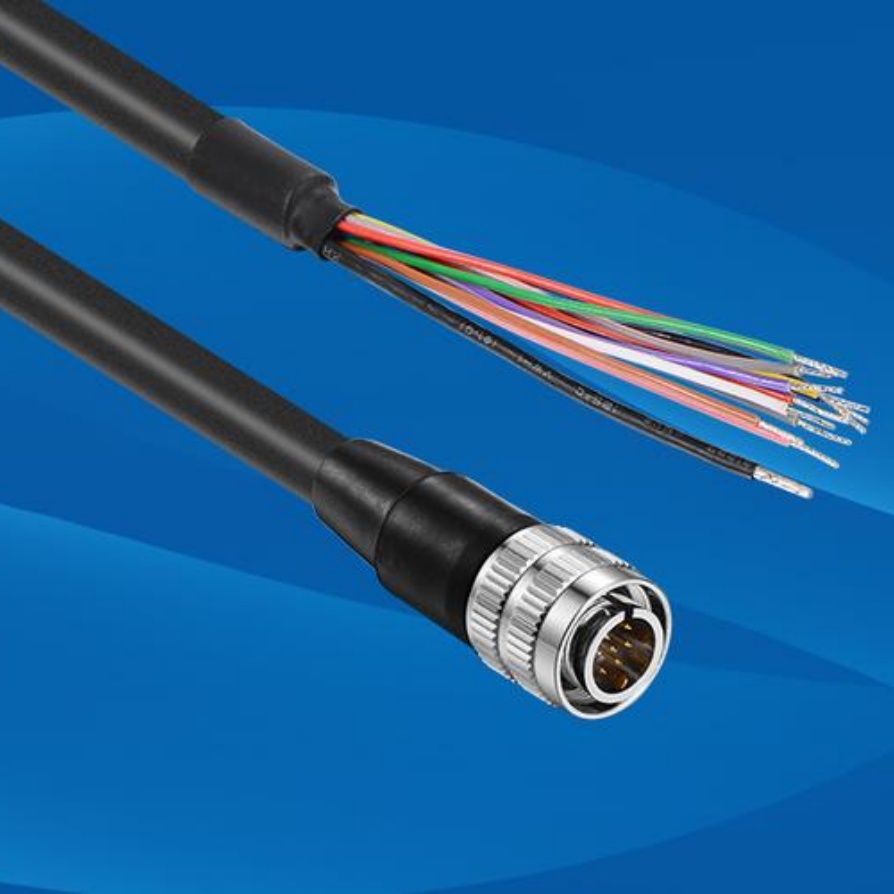
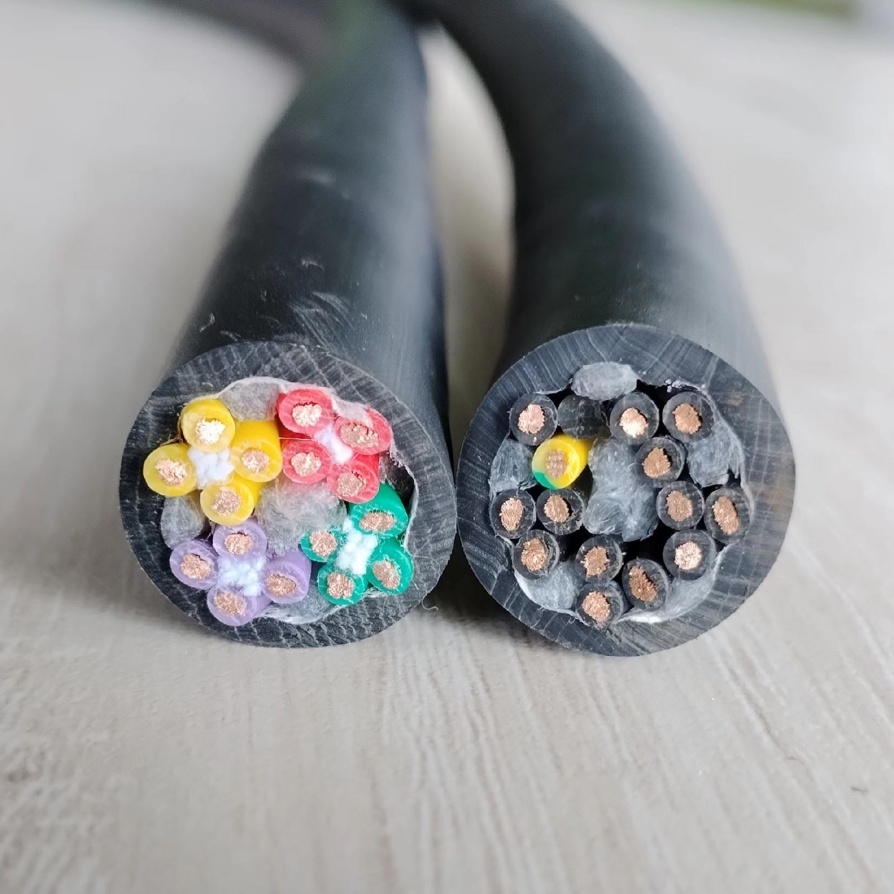
Packaging inspection machine cables are specialized electrical cables designed to transmit power, signals, and data in packaging and inspection machinery. These cables play a critical role in maintaining the accuracy of automated inspection systems, such as those used for quality control in product dimensions, material integrity, and labeling. Unlike standard cables, they are engineered to withstand the rigors of industrial environments, including constant movement, exposure to chemicals, and mechanical stress. Their design often incorporates advanced shielding to prevent signal interference, ensuring seamless communication between sensors, cameras, and control units in high-speed packaging lines.
1.2 The Critical Role in Modern Packaging Lines
In today’s automated packaging industries, precision is non-negotiable. Machine cables act as the nervous system of inspection equipment, enabling real-time data transfer for tasks like X-ray scanning, metal detection, and visual quality checks. A single cable failure can disrupt an entire production line, leading to costly downtime. Thus, selecting cables with superior durability and signal integrity is essential for maintaining operational efficiency and product quality compliance.
2. Key Technical Features of High-Performance Machine Cables
2.1 Robust Signal Transmission for Accurate Inspections
2.1.1 Low Noise and Interference Resistance
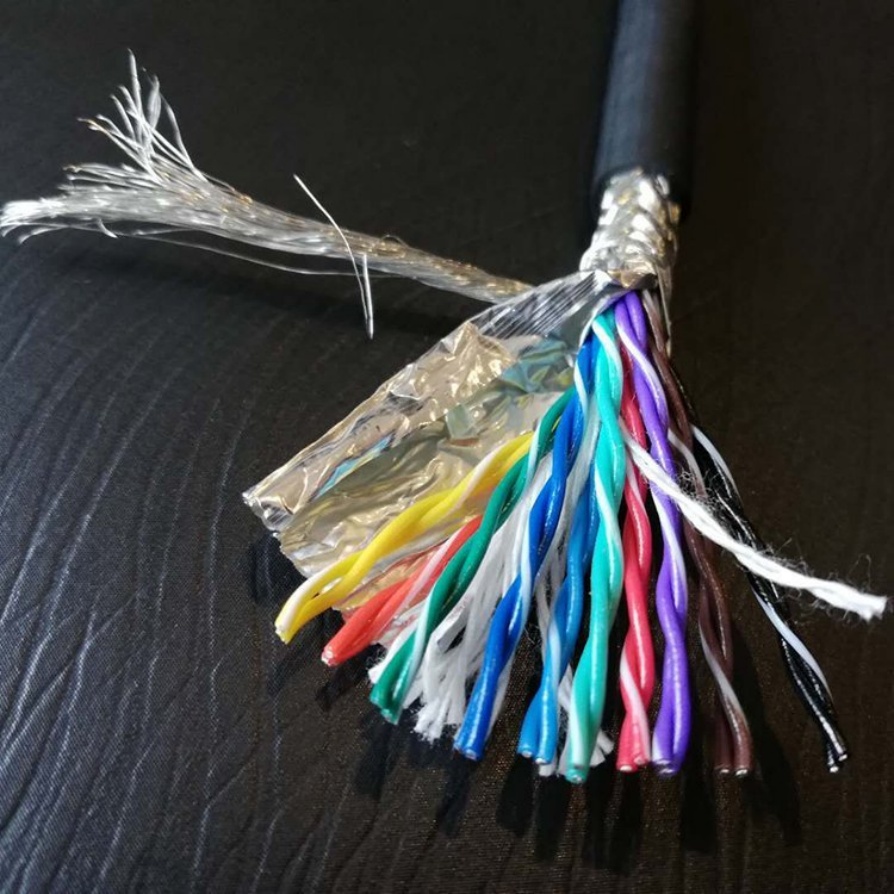
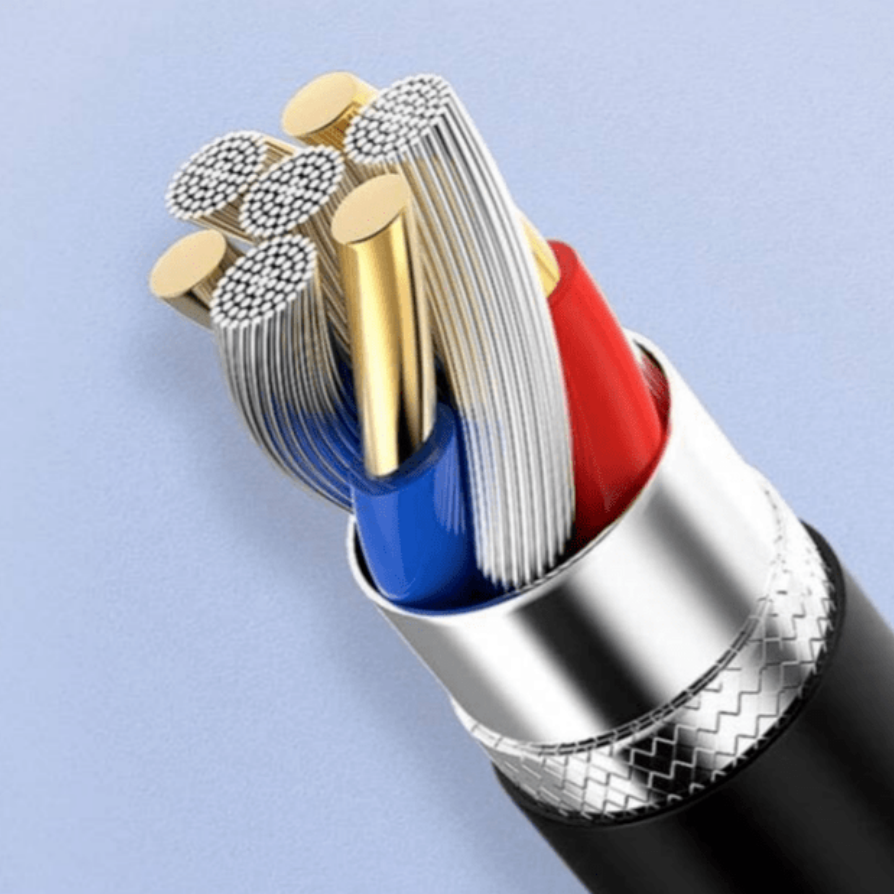
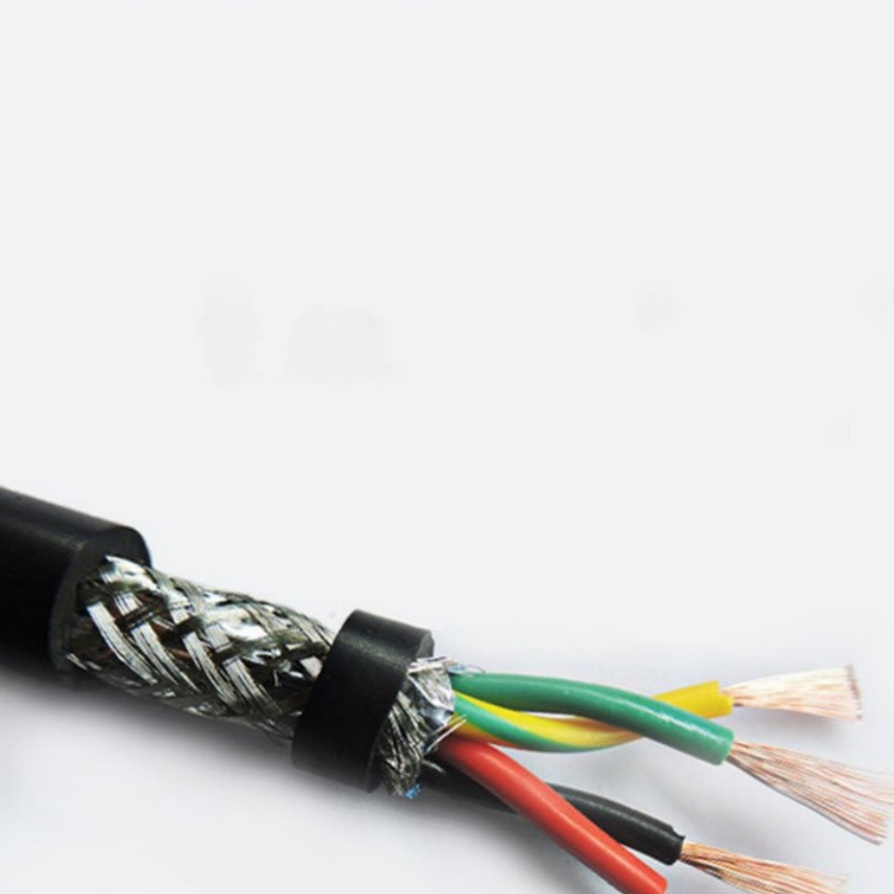
Machine cables used in inspection systems must maintain clear signal pathways to avoid false readings. They often feature braided copper or aluminum shielding, which minimizes electromagnetic interference (EMI) and radio frequency interference (RFI). For example, cables with a coverage density of 90% or higher in their shielding layers ensure stable data transmission even in environments packed with industrial machinery.
2.1.2 High-Speed Data Capabilities
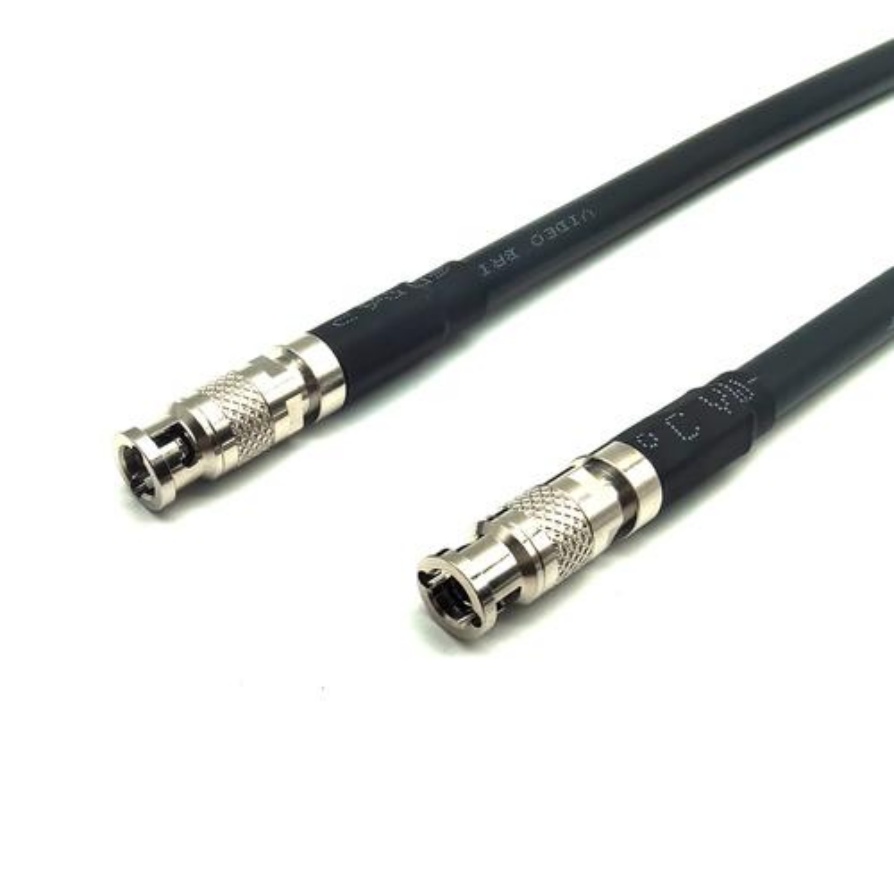
Modern inspection systems rely on high-resolution cameras and sensors that generate large data streams. Cables with twisted-pair configurations or coaxial structures support bandwidths up to 1 GHz, enabling real-time transmission of HD video and sensor data without lag. This is critical for applications like automated optical inspection (AOI), where split-second decisions based on visual data are essential.
2.2 Durability for Demanding Industrial Environments
2.2.1 Mechanical Resistance: Flex, Torsion, and Abrasion
Packaging machinery often involves repetitive motion, such as robotic arms rotating or conveyor belts moving. Cables here must withstand millions of bending cycles without fracturing. Polyurethane (PU) or thermoplastic elastomer (TPE) jackets are commonly used for their high abrasion resistance, with minimum bending radii as low as 5x the cable diameter to ensure flexibility in tight spaces.
2.2.2 Environmental Adaptability
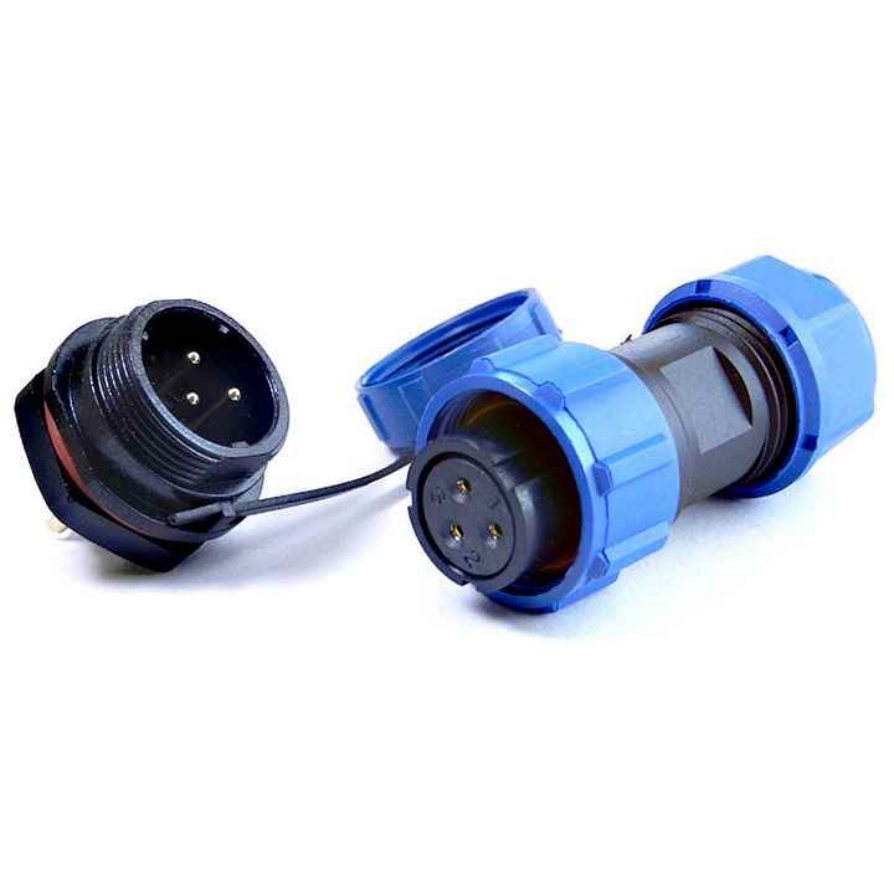
From cold storage facilities to high-temperature packaging zones, cables must perform across a wide temperature range (e.g., -40°C to +125°C). Additionally, resistance to oils, solvents, and UV exposure is crucial in food processing or outdoor packaging setups. Standards like FDA-compliant materials for food contact areas or IP67/IP68 ratings for water and dust ingress protection ensure suitability for diverse environments.
3. Applications Across Industries
3.1 Food and Beverage Packaging: Compliance and Hygiene
In food processing, cables must meet strict hygiene standards, such as FDA 21 CFR Part 177 and EU 10/2011 for contact with food. Smooth, non-porous jacket materials like ethylene-propylene-diene monomer (EPDM) prevent bacterial buildup and are easy to clean. These cables are used in label inspection systems, weight checkers, and metal detectors, ensuring product safety and regulatory compliance.
3.2 Pharmaceutical Packaging: Precision and Sterility
Pharmaceutical lines require cables that can withstand frequent sanitization with harsh chemicals like hydrogen peroxide or alcohol. Stainless steel braided shielding or halogen-free jackets are preferred to avoid outgassing in sterile environments. Cables here support critical inspections, such as seal integrity testing for vials and blister packs, ensuring no compromises in drug safety.
3.3 E-Commerce and Logistics: High-Speed Sorting and Quality Control
In automated warehouses, machine cables enable rapid barcode scanning, dimension measurement, and damage inspection for parcels. Their ability to handle high-speed data and endure constant motion in sorting robots and conveyor systems is vital for maintaining throughput rates exceeding 10,000 packages per hour.
4. Market Trends and Innovations in Machine Cables
4.1 Rising Demand for Automation-Driven Inspections
As industries shift toward Industry 4.0, the adoption of smart packaging lines is surging. Global market research indicates a CAGR of 6.8% for industrial automation cables between 2023 and 2030, driven by the need for zero-defect products and reduced labor costs. Innovations like IoT-enabled cables with built-in diagnostic sensors are emerging, allowing predictive maintenance to avoid unexpected failures.
4.2 Material and Design Advancements
Recent patents highlight developments in 铠装层包装 (armored layers) and integrated strength 检测设备 (strength testing mechanisms), ensuring cables can handle higher tensile forces without compromising signal quality. For example, helical armor designs provide 30% more flexibility than traditional braided armor while maintaining impact resistance.
5. How to Select the Right Machine Cable for Packaging Inspection
5.1 Define Application Requirements
Start by assessing mechanical needs (e.g., bending cycles, load forces), environmental conditions (temperature, chemicals), and electrical specifications (voltage, data rate). For high-precision visual inspection, prioritize low-loss cables with impedance matching to prevent signal degradation.
5.2 Certifications and Standards Compliance
Ensure cables meet industry standards, such as CE, UL, or RoHS for safety and environmental protection. In regulated sectors like food and pharma, FDA or NSF certifications for material safety are non-negotiable.
5.3 Partner with Experienced Manufacturers
Choose suppliers with expertise in custom cable solutions, as one-size-fits-all cables rarely meet unique industrial needs. Look for manufacturers offering prototype testing and rapid customization to align with specific machinery layouts and performance demands.
6. Why FRS Factory Stands Out in Machine Cable Solutions
6.1 Decades of Industrial Expertise
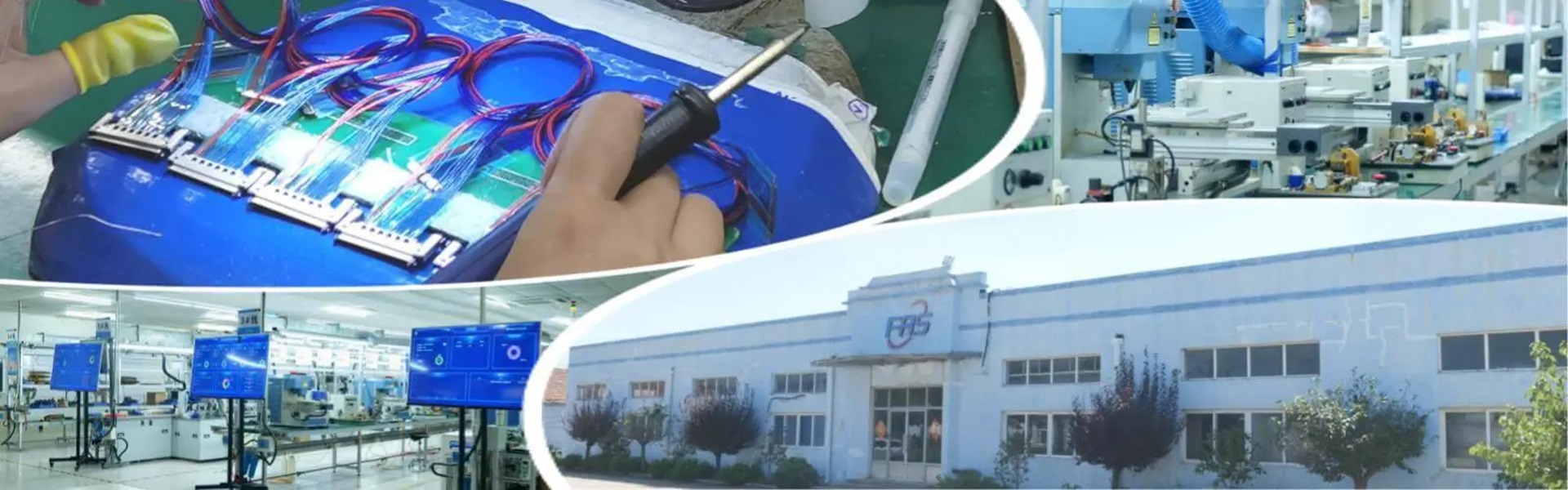
With over 20 years in manufacturing high-precision cables, FRS Factory specializes in designing solutions for packaging and inspection equipment. Our cables are engineered to meet the tight tolerances of automated systems, ensuring consistent performance in even the most demanding environments.
6.2 Customization for Unique Challenges
We understand that every packaging line is different. Whether you need cables with specialized shielding for EMI-heavy zones, food-grade materials for sanitary lines, or extreme-temperature resistance for industrial ovens, our team works with you to develop tailored solutions. Our in-house testing lab verifies each design for bend fatigue, chemical resistance, and signal integrity, guaranteeing reliability from day one.
6.3 Global Quality and Compliance
FRS cables adhere to international standards (ISO 9001, IATF 16949) and undergo rigorous quality control. We offer full traceability, from raw material sourcing to final shipment, ensuring peace of mind for global supply chains. Our commitment to innovation means we stay ahead of industry trends, integrating the latest materials and technologies into every product.
6.4 Partner with FRS for Your Next Project
When precision and durability matter, FRS Factory delivers machine cables that keep your packaging lines running smoothly. Contact us today to discuss how our custom solutions can enhance your inspection systems’ performance and reliability. Trust in FRS – where engineering excellence meets industrial innovation.