Power over Camera Link SDR PoCL Cable Achieves Stable Transmission fo...
In high-performance machine vision, reliable data and power delivery are non-negotiable. The PoCL (Power over Camera Link) SDR cableis a key enabler, combining signal and power in a single, robust cable for industrial cameras. This article explores the engineering behind a PoCL cable that achieves stable transmission over 10 million flex cycles, its key specifications, and how to select the right one for demanding applications.
💡 What is a PoCL Cable and Why Use SDR?
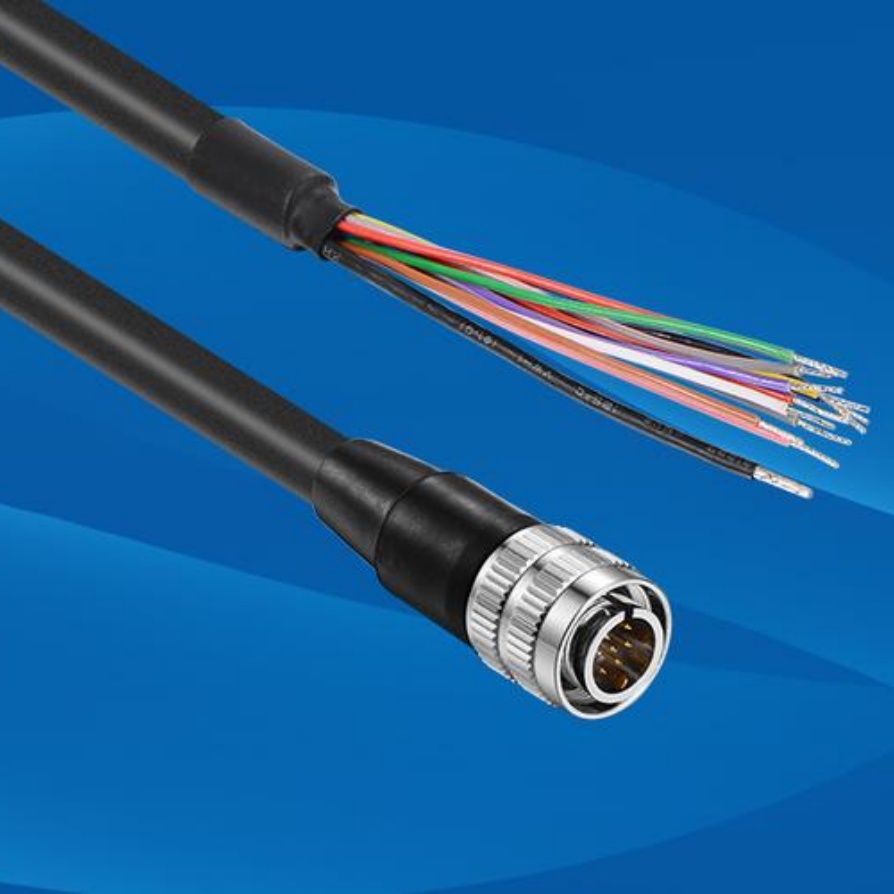
PoCL (Power over Camera Link)is a standard that allows a Camera Link frame grabber to power a camera via the same cable that carries image data. This eliminates the need for a separate power supply at the camera, reducing cable clutter, simplifying installation, and improving system reliability.
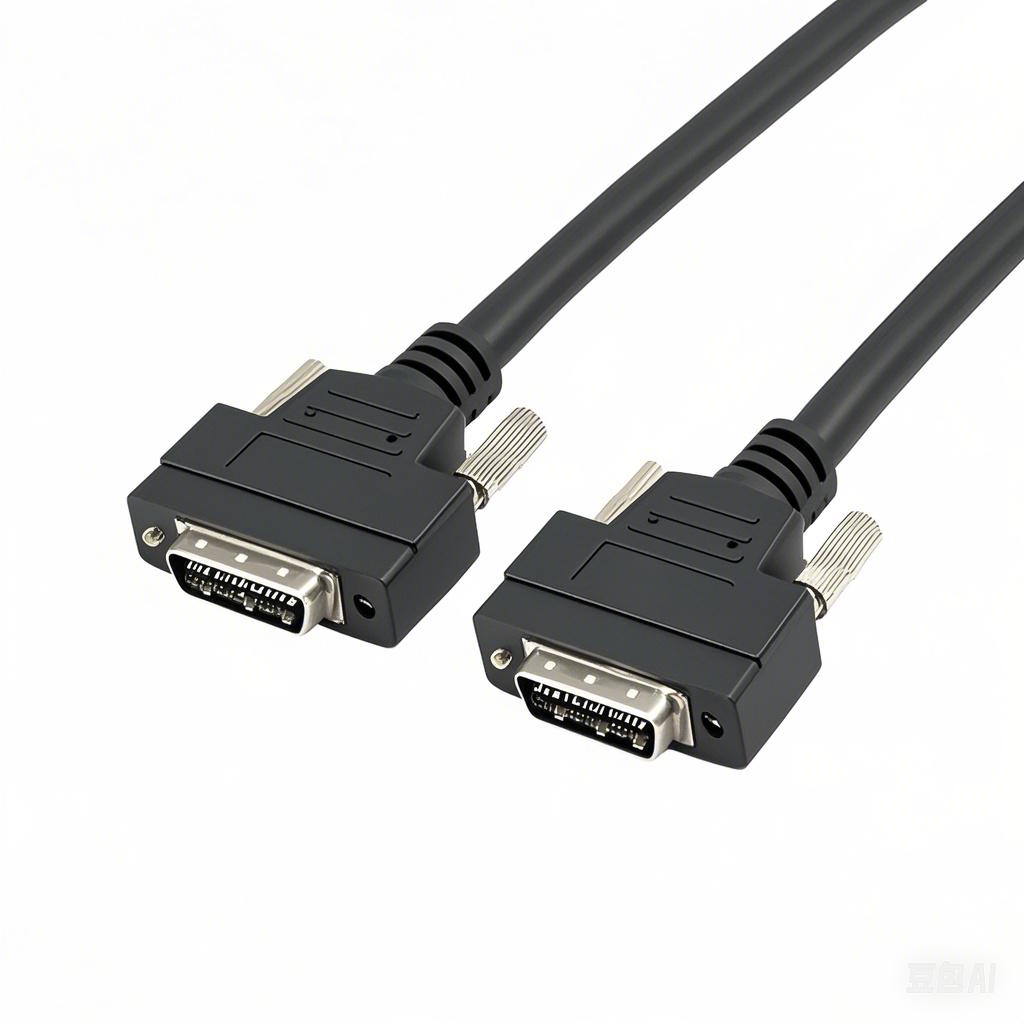
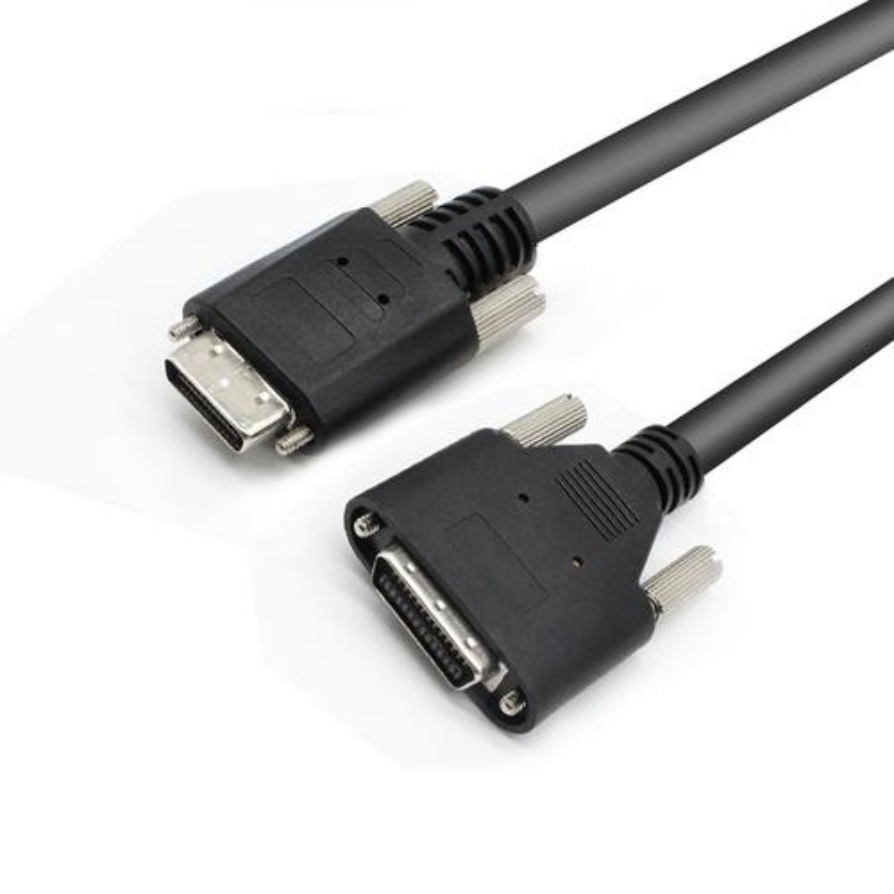
SDR (Shrunk Delta Ribbon)refers to the 26-pin “mini” connector defined in the Camera Link standard. Compared to the larger MDR (Mini D-sub) connector, SDR offers a more compact form factor, making it ideal for space-constrained vision systems and small industrial cameras.
SDR PoCL Cable Applications:
Industrial cameras with SDR ports
PoCL-capable frame grabbers or vision controllers
Automated inspection systems (electronics, automotive, pharmaceuticals)
Robotics and motion platforms with moving cameras
Medical imaging devices requiring clean cable management
🔬 Inside a PoCL SDR Cable: Key Specifications
A robust PoCL SDR cable is built on precise engineering. Here are the critical specifications that ensure performance and durability:
Feature
Specification & Details
Connector
Type:26-pin SDR male to MDR male (or SDR female). Features:0.80 mm pitch ribbon contacts, thumbscrew retention for secure locking, and options for straight or right-angle cable exits to fit tight spaces.
Signal & Power
Data:11 differential pairs for Camera Link Base/Medium/Full/Deca modes. PoCL Power:Pins 1 and 26 are typically used. The standard supports up to 4 W (e.g., 400 mA @ 10 V), but always verify the specific limits of your camera and frame grabber.
Cable Construction
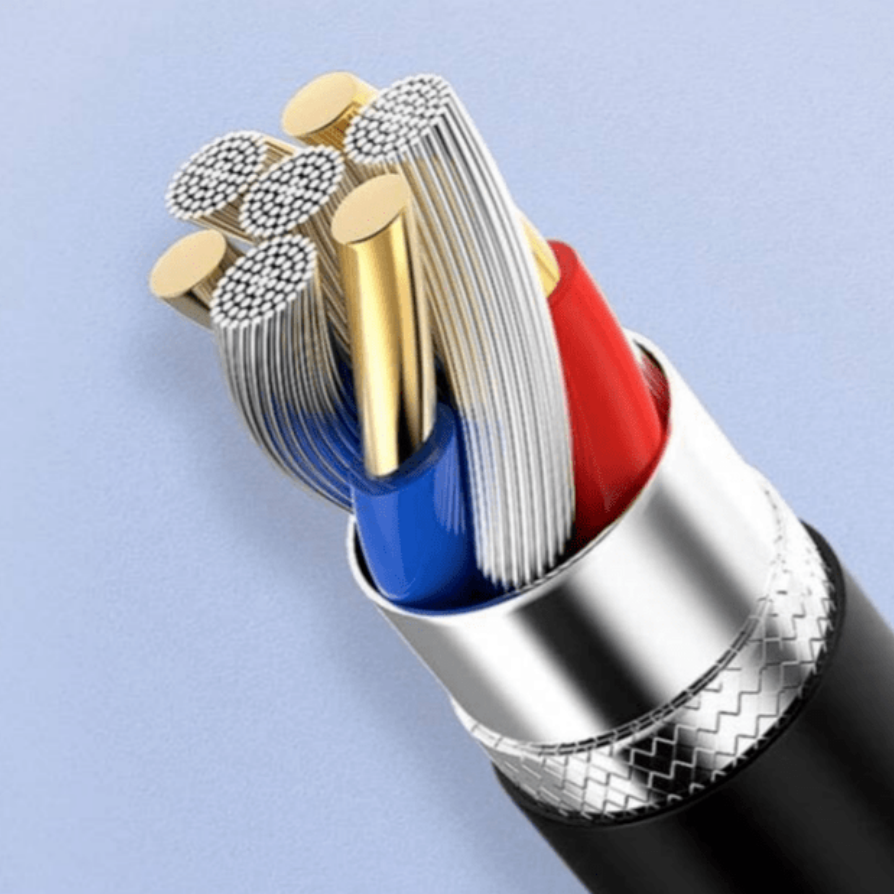
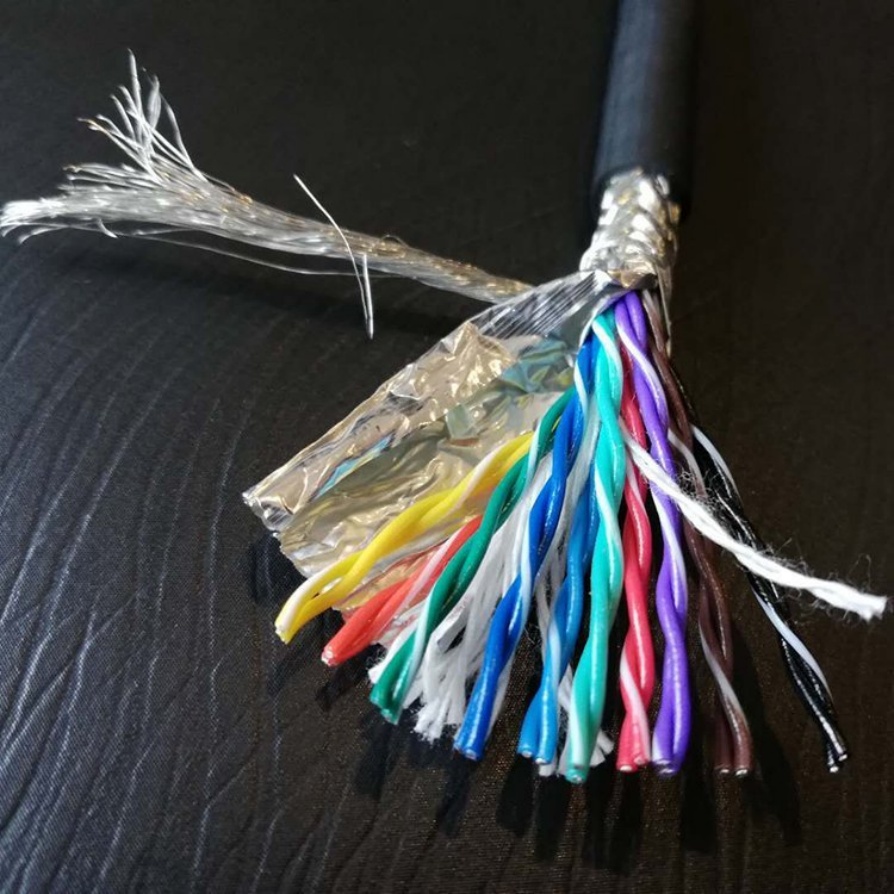
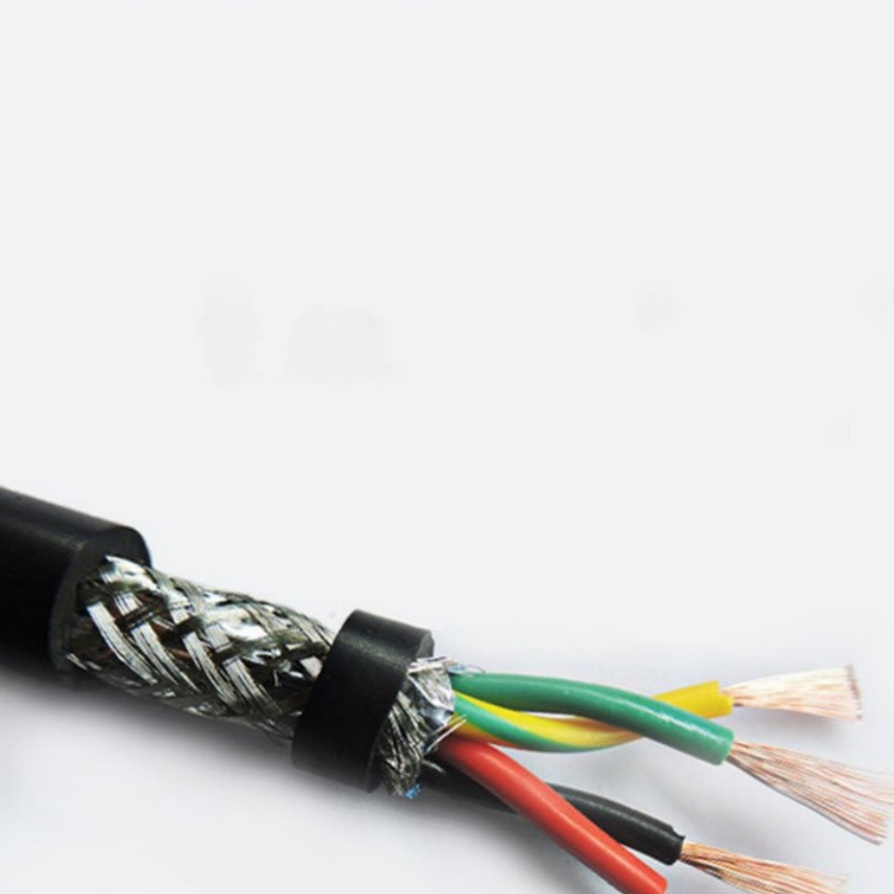
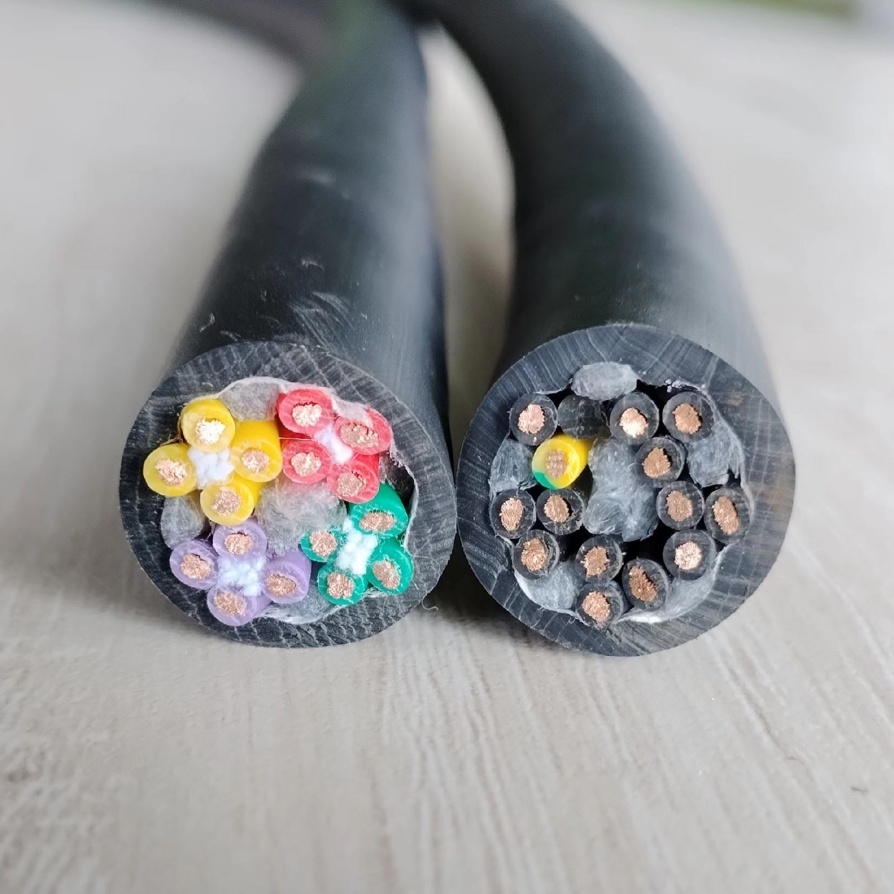
Conductors:28 AWG stranded tinned copper for flexibility and current capacity. Pairs:11 twisted pairs + 2 dedicated power conductors. Shielding:Individual pair shielding plus an overall foil and braid for superior EMI/RFI protection.
Electrical Performance
Impedance:100 Ω ±10 Ω differential. Skew:Intra-pair < 50 ps/m; Channel skew < 100 ps/m for signal integrity. Voltage/Current:Typically rated for 30 V and 0.5 A, suitable for PoCL-Lite.
Mechanical Durability
Bending Life:High-flex cables are rated for 5 to 10 million flex cycles, suitable for drag chain applications. Bending Radius:A minimum of 8–10 times the cable ODis recommended to prevent damage.
Environmental
Temperature:Typically rated for 0 °C to +70 °C. Jacket:Common materials include PVC or TPU, with options for oil, flame, or chemical resistance. Compliance:Look for UL, CSA, RoHS, and REACH certifications.
🔩 Engineering for 10 Million Stable Cycles
Achieving a 10 million-cycle lifespan in a moving cable requires a systems-level design approach:
Connector Integrity:The SDR connector’s flat ribbon contacts are designed for high mating cycles. A secure thumbscrew prevents loosening, while robust overmolding protects against dust and mechanical stress.
Cable Core Design:Fine-stranded conductors provide the flexibility needed for millions of bends. Consistent impedance and tight skew control are maintained by using precise twist pitches and consistent pair geometry.
Shielding Strategy:A dual-layer shield (foil + braid) is essential to combat EMI in electrically noisy factory environments. This prevents signal corruption that can lead to image artifacts or data loss.
Jacketing & Flex Life:The outer jacket material (PVC, TPU, etc.) is chosen for a balance of flexibility and durability. The cable’s bend radius must be respected during installation in drag chains or robotic arms to avoid premature failure.
🛠️ How to Choose the Right PoCL SDR Cable
Follow these practical steps to select the optimal cable for your system:
Match the Standard:Confirm your camera and frame grabber support Camera Link Basewith PoCL. For SDR cameras, you’ll need an SDR-to-MDRPoCL cable.
Verify PoCL Power Budget:Ensure the combined power draw of your camera and cable does not exceed the PoCL source’s rating (typically 4 W).
Select the Right Length:The maximum recommended length for a Base mode Camera Link cable is 10 meters. For longer distances, consider fiber extenders.
Choose the Right Flex Rating:For static or minimal-motion setups, a standard cable may suffice. For robots or gantries with drag chains, choose a high-flex cable rated for 5-10 million cycles.
Consider the Environment:Select a cable with an appropriate jacket (e.g., oil-resistant for factory floors, flame-retardant for control cabinets) and an operating temperature range that exceeds your application’s requirements.
Plan for Cable Management:Use service loops and adhere to the manufacturer’s minimum bend radius to maximize the cable’s lifespan.
🏆 Why RFS is a Trusted Choice for Critical Infrastructure
When your application demands unwavering reliability, the quality of every component matters. RFSis a global leader in designing and manufacturing high-performance cables and connectivity solutions for critical infrastructure, including industrial and communication systems.
With a strong focus on quality, environmental resilience, and long-term reliability, RFS applies the same engineering rigor to its cable assemblies as it does to its RF infrastructure products. This makes RFS a natural choice for system integrators and engineers seeking robust, long-life connectivity solutions.
If you’re specifying cables for a mission-critical machine vision or industrial imaging project, consider leveraging RFS’s proven expertise. Their team can provide application-specific guidance to ensure you select the optimal solution for peak performance and uptime.
Contact RFS todayto discuss your next project and experience the difference that quality and reliability can make.
Meta Description: Experience seamless 4K/8K video transmission with our High-Speed Anti-Interference Vision Cable. Engineered for crystal-clear visuals, robust durability, and interference-free performance. Perfect for gaming, profes.
Product Overview: Machine Vision Cables
Machine vision cables are specialized components designed to ensure high-speed, stable data transmission and signal integrity in automated imaging systems. Key features include:
Technical S.
High-speed factories demand flawless synchronization between machines and vision systems. Yet, challenges like electromagnetic interference (EMI), cable fatigue, and data bottlenecks often disrupt operations. The right machine vision cab.
The Precision Imaging Dedicated Vision Cable is a cutting-edge connectivity solution designed to deliver crystal-clear image transmission in high-stakes environments. Optimized for industrial automation, medical imaging, machine vision, .
Elevate your visual data transmission with the IP67 Waterproof Vision Connection Cable, engineered to deliver seamless performance in the harshest conditions. Designed for industrial, outdoor, and mission-critical applications, this rugg.
Enhance the reliability and performance of your automated systems with our Industrial-Grade Machine Vision Cable—engineered to deliver unparalleled signal integrity, durability, and speed for demanding industrial applications. Designed f.
Shielded Twisted-Pair Vision Cable – Ultra-Clear Signal Transmission for Demanding Environments
Ensure flawless video and data transmission in high-interference environments with our Shielded Twisted-Pair (STP) Vision Cable. Engineere.
Meta Description: Discover the Flexible & Bend-Resistant Vision Cable, engineered for precision imaging in demanding environments. Durable, reliable, and built to last. Perfect for industrial, medical, and robotic applications.
Int.
Subtitle: A High-Performance Signal Cable Designed for 3D Scanners, Ensuring Lossless Data and Minimal Latency
Product OverviewThe 3D Scanner Vision Signal Cable is a premium signal transmission cable engineered for both industrial a.
Meta Description: Discover premium Robotic Vision System Cables engineered for seamless data transmission, durability, and precision in industrial automation. Ensure flawless vision system performance.
Enhance Automation Precision with.