Robot vision cable high flex drag chain|RFS
In high-performance robot vision systems, a standard Ethernet or USB cable is often the weakest link. The Robot vision cable high flex drag chain|RFS seriesis engineered to be that critical, reliable link. This guide explains what it is, its key parameters, how to select the right one, and how to avoid common pitfalls.
What is a Robot Vision Cable High Flex Drag Chain|RFS?
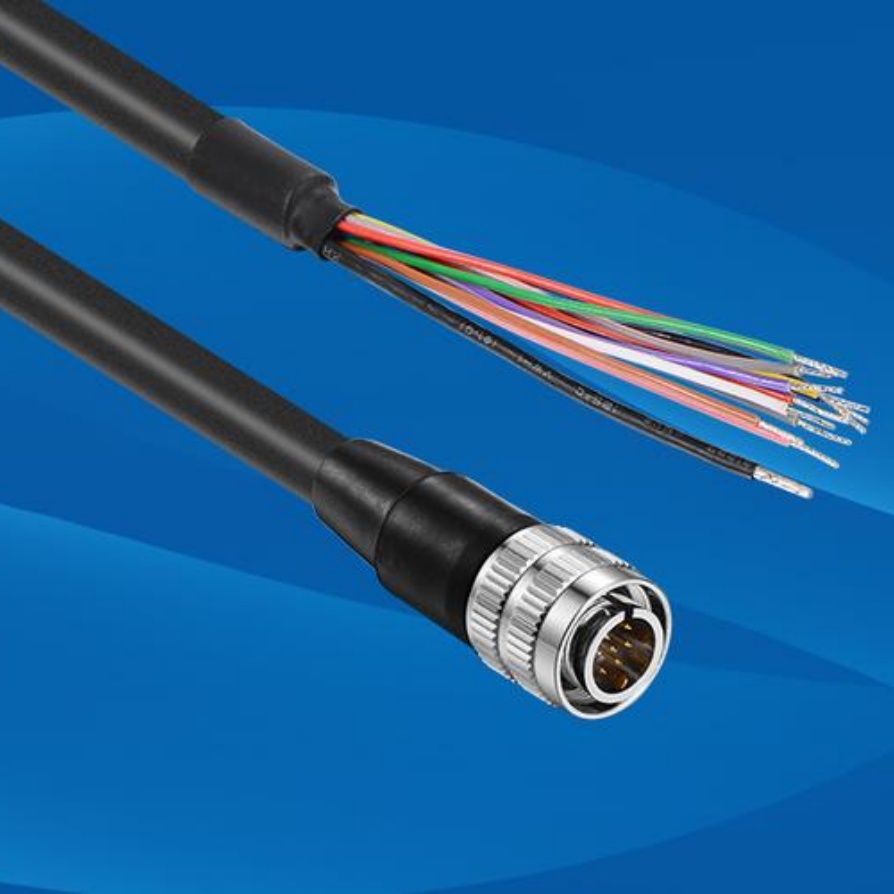
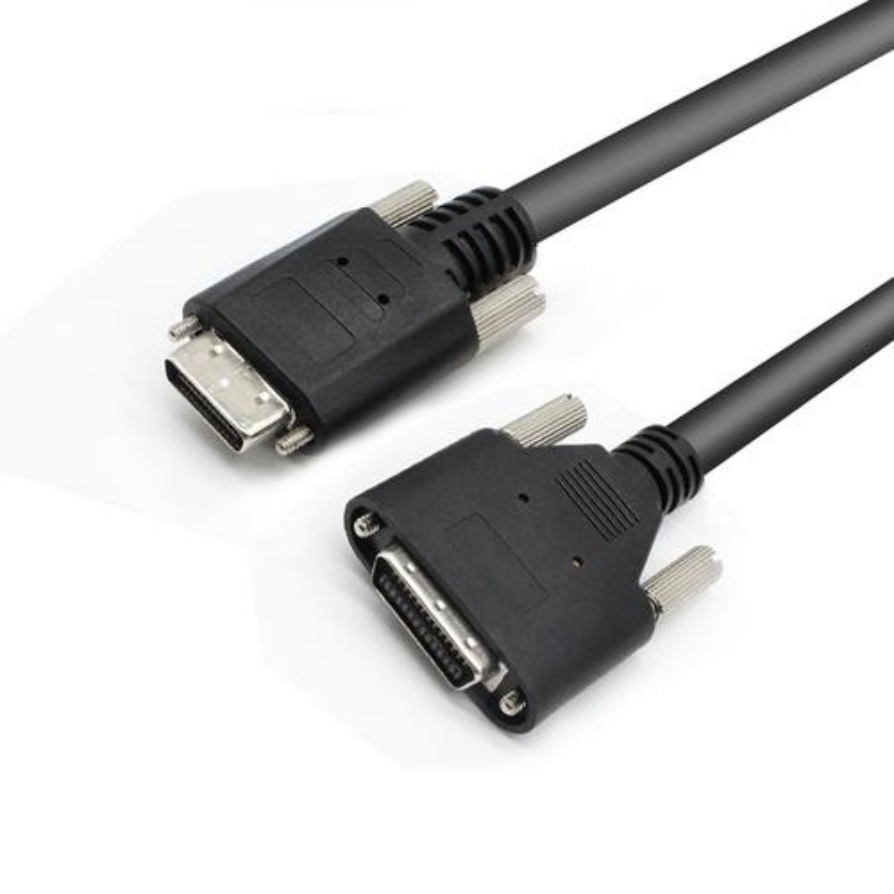
This cable is a specialized high-flex data cabledesigned for continuous, high-cycle motion inside a cable drag chain. It’s built to connect industrial cameras (2D/3D, area scan, line scan) to vision controllers or PCs in dynamic applications.
- Robot Vision:Transmits high-bandwidth image data (GigE Vision, USB3 Vision, CoaXPress) reliably over long distances in motion.
- High Flex:Features a finely stranded conductor and flexible insulation/sheath, allowing millions of bending cycles without failure.
- Drag Chain Rated:Specifically designed to be installed inside energy chains, with a bending radius typically ≥7.5×D(D = cable outer diameter) and a service life of 5–15 million+ cycles.
- RFS Series:A specific product line from a manufacturer, optimized for robot vision with features like double shielding, low capacitance, and torsion resistance.
Key Application Scenarios
- Robot-mounted 2D/3D Vision:For inspection on 6-axis robots, the RFS cable runs from the robot’s wrist to a fixed control cabinet, requiring high flexibility and torsion resistance.
- Gantry & Cartesian Robots:In high-speed pick-and-place or sorting systems, the cable moves linearly in a long travel drag chain, demanding millions of reliable flex cycles.
- AGV/AMR Onboard Vision:For navigation and object recognition, the cable must withstand constant vibration and flexing on the vehicle’s moving platform.
- Machine Tool Vision:In CNC machine tools, the cable is installed in a drag chain that moves with the axes, requiring resistance to oil, coolant, and continuous bending.
Key Technical Parameters
When reviewing a datasheet for an RFS series cable, focus on these parameters:
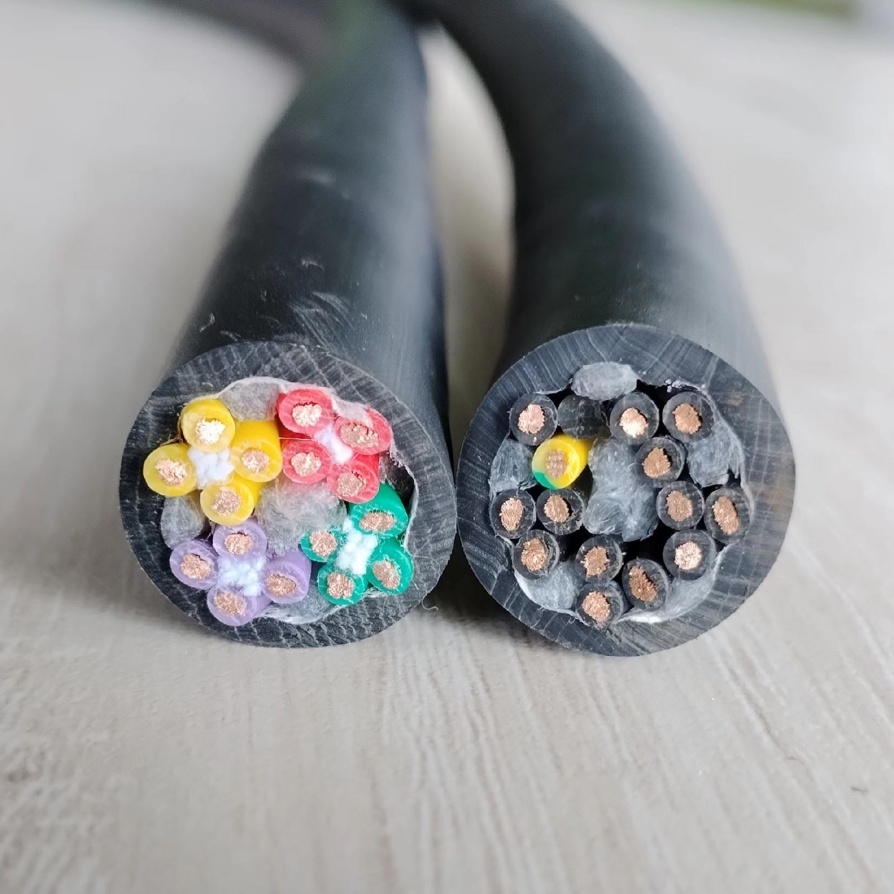
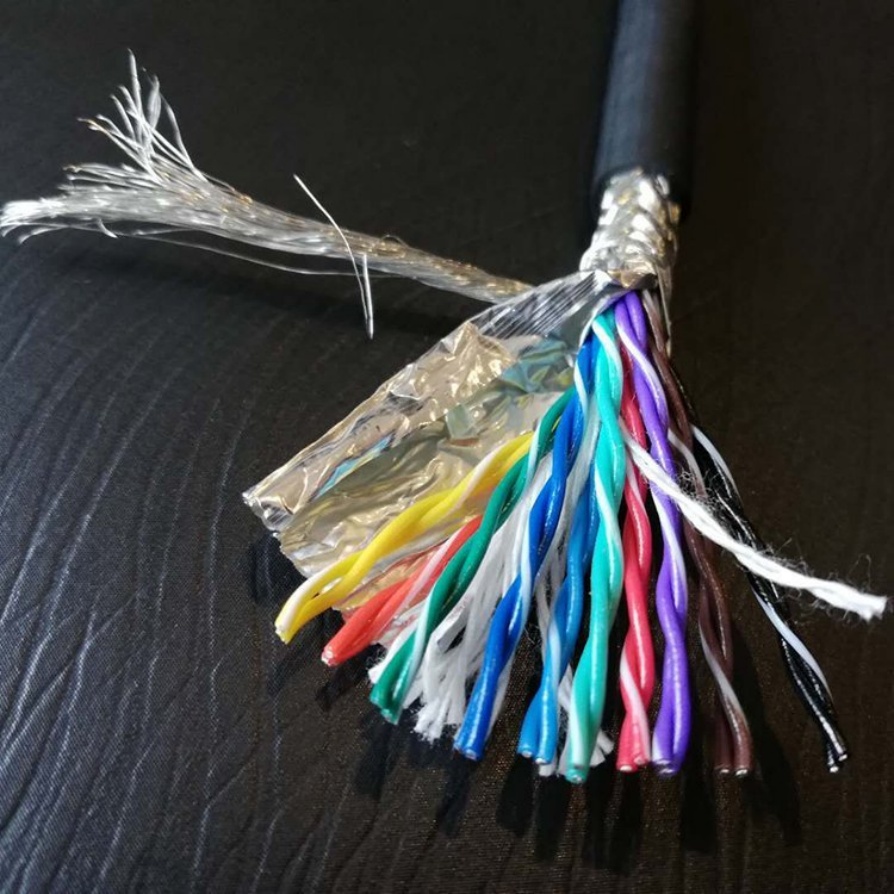
- Conductor:Class 6 (IEC 60228)fine-stranded tinned copper for flexibility and fatigue resistance.
- Insulation:TPE, TPEE, or special PVCfor a balance of flexibility and mechanical strength.
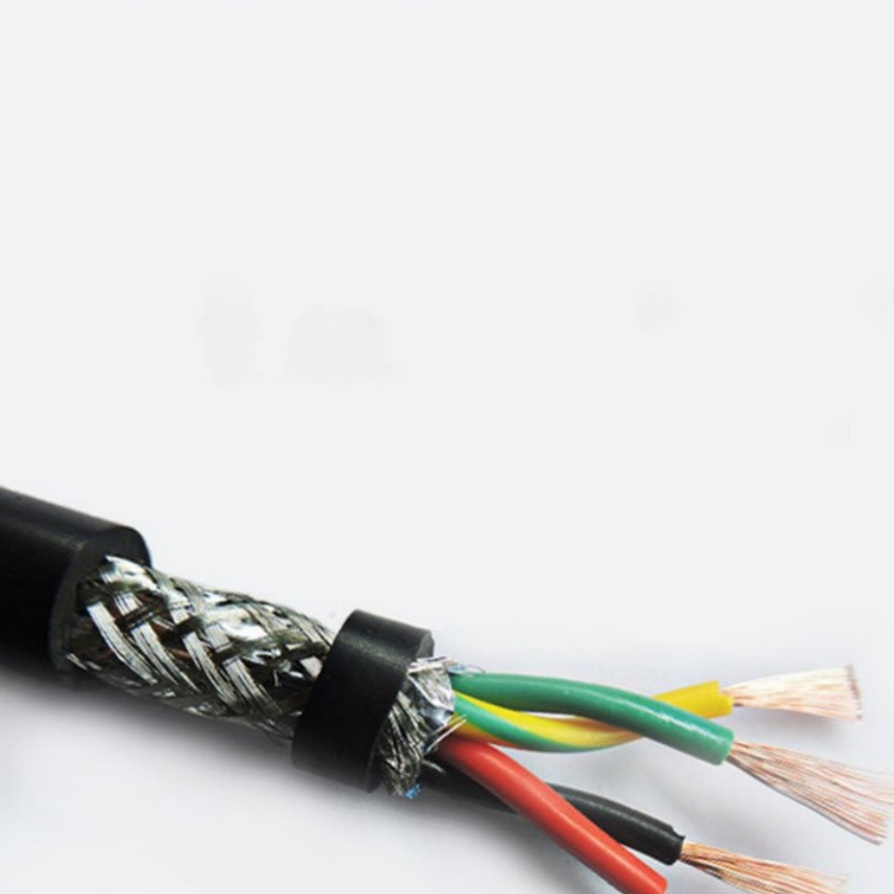
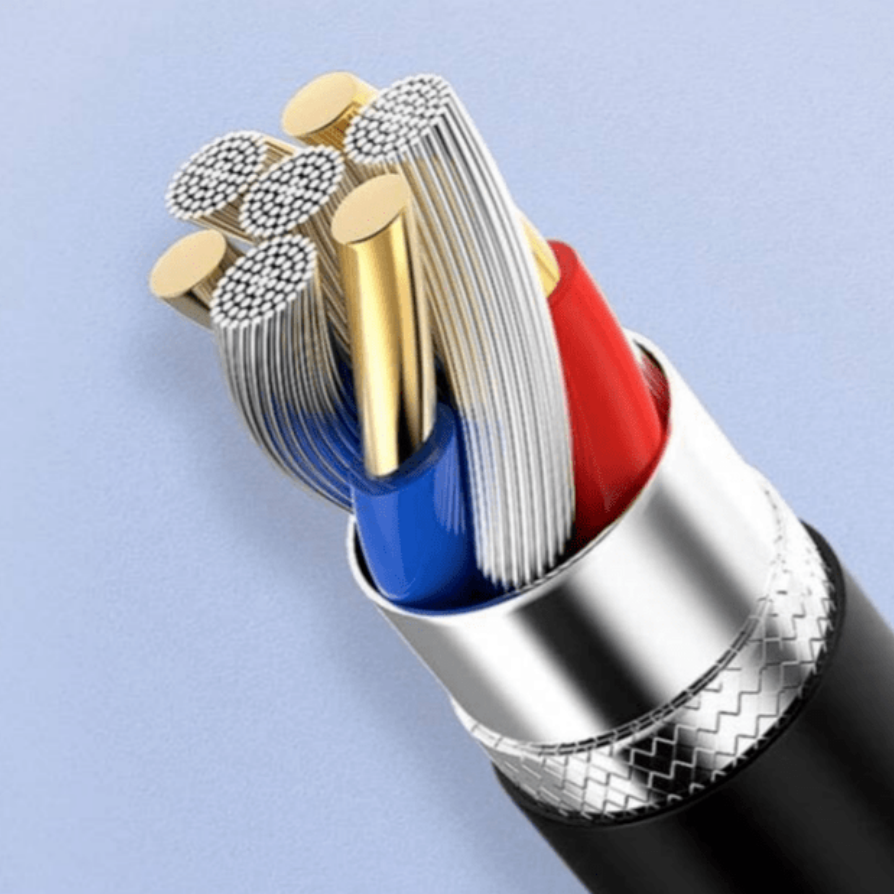
- Shielding:Aluminum foil + tinned copper braid (≥80-90% coverage)for effective EMI/EMC protection, crucial near motors and drives.
- Jacket:PUR (Polyurethane)is standard for its excellent abrasion, oil, and tear resistance. PVC is an option for less demanding, cost-sensitive applications.
- Bending Radius:≥7.5×Dfor dynamic use. For tight spaces, some PUR-jacketed cables can achieve 4–6×D.
- Bending Life:≥5 million cyclesis common; high-end RFS cables target 8–15 million+ cycles.
- Temperature Range:
- PUR Jacket:-30℃ to +80℃(mobile), -40℃ to +90℃(fixed).
- PVC Jacket:-5℃ to +70℃(mobile).
- Voltage Rating:300/500Vfor control/signal, 450/750Vor higher for power cores.
- Data Rate:Must support your vision standard:
- GigE Vision:1000BASE-T (1 Gbps) up to 100m.
- USB3 Vision:5 Gbps, requiring excellent impedance control.
- CoaXPress/Camera Link HS:Higher speeds, often point-to-point.
How to Select the Right RFS Cable
- Match the Data Interface:Ensure the cable’s bandwidth and shielding meet your camera’s standard (e.g., GigE Vision, USB3 Vision).
- Verify Mechanical Specs:Confirm the bending radiusand bending lifeexceed your system’s requirements (e.g., 10 million cycles at 7.5×D).
- Choose the Right Jacket:Select PURfor oily, abrasive, or high-flex environments. Choose PVCfor dry, cost-sensitive indoor use.
- Ensure Proper Shielding:For noisy industrial environments, double shielding (foil + braid)is essential to prevent image artifacts.
- Confirm Environmental Ratings:Check the temperature range and oil/chemical resistance match your application.
- Optimize Cable Management:Use cable separatorsin the drag chain to prevent tangling and ensure even bending.
Common Pitfalls & How to Avoid Them
- Pitfall 1: Using Standard Cables.Office-grade Ethernet or USB cables will fail quickly. Solution:Always use cables specifically rated for high-flex drag chainapplications.
- Pitfall 2: Incorrect Bending Radius.Installing with a radius smaller than specified drastically shortens cable life. Solution:Follow the ≥7.5×Drule and measure in the installed state.
- Pitfall 3: Overfilling the Drag Chain.This increases friction and wear. Solution:Keep the fill rate below 60%and use separators for different cable types.
- Pitfall 4: Poor Cable Routing.Sharp kinks or twists create stress points. Solution:Lay cables loosely, follow smooth curves, and use guide rollers for long travels.
- Pitfall 5: Neglecting EMI.Unshielded cables near motors can cause image dropouts. Solution:Use double-shieldedcables and ensure a good ground connection.
- Pitfall 6: Ignoring Environmental Specs.Standard cables can crack in cold or oily environments. Solution:Choose a jacket material (PUR/TPE) rated for your specific conditions.
Practical Tips for Immediate Use
- Start with a Sample Test:Before a full roll-out, test 2-3 RFS cables in your real application for at least 24-72 hours.
- Document Your Installation:Record the cable’s part number, bending radius, travel, and installation date for future maintenance.
- Train Your Maintenance Team:Teach them to recognize early signs of wear (cracks, flattening) and establish a replacement schedule.
- Standardize on One Series:Using one RFS series across your plant simplifies spare parts inventory and reduces compatibility risks.
- Consult the Manufacturer:Provide your motion profile and environmental data to get a recommendation for the optimal RFS variant.
Why Partner with an RFS Factory for Your Vision Cables?
Selecting the right Robot vision cable high flex drag chain|RFSis an investment in uptime and image quality. For OEMs and system integrators, the ideal partner offers more than just a catalog item; they provide engineering expertise.
An experienced RFS factory can deliver:
- Application-Specific Design:Custom RFS cables tailored to your exact motion profile, data rate, and environmental needs.
- Advanced Testing:In-house testing for bending life, EMI, and environmental resistance to ensure reliable performance.
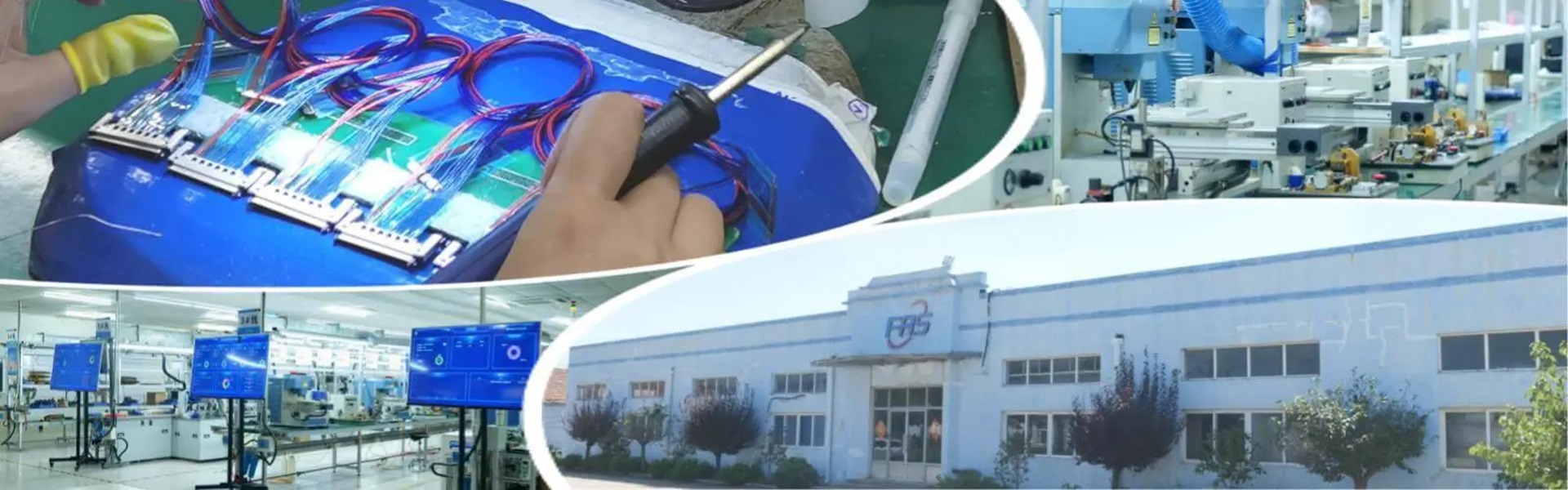
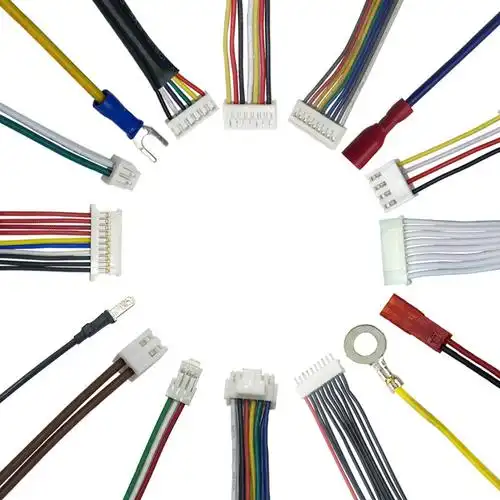
- Seamless Integration:Support from cable selection to cable harness manufacturing, ensuring a perfect fit for your drag chain and robot.
- Consistent Global Supply:Stable quality and reliable lead times, backed by certifications like CE, RoHS, and UL.
For B2B buyers, this means you get a partner who ensures every meter of your RFS robot vision cableis a reliable component of your automated system.
If you need a specific RFS cable recommendation, share your key parameters (e.g., robot type, travel, bend radius, data rate, environment), and we can help you choose the right series and specifications.