Solving Signal Loss with Upgraded Machine Vision Cables
1.Diagnosing the Root Causes of Signal Loss Before upgrading, identify why signal loss occurs in your system:
Cause Symptoms Common Culprits EMI/RFI Interference Flickering images, random noise Unshielded cables near motors/VFDs Impedance Mismatch Signal reflections, ghosting Generic cables (e.g., 50Ω vs. 75Ω) Cable Attenuation Blurred edges, dropped frames Long cables (>10m) or thin gauges Connector Degradation Intermittent disconnects Corroded pins, loose locking rings Mechanical Stress Sudden failure, broken conductors Tight bends, robotic arm fatigue Diagnostic Tools:
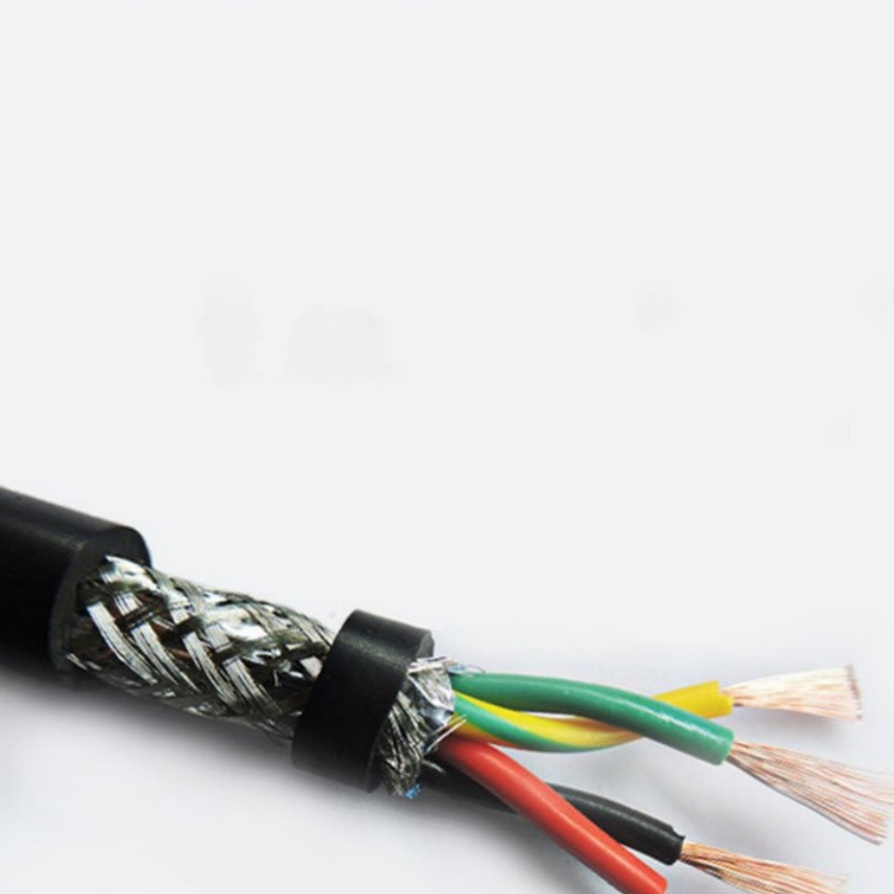
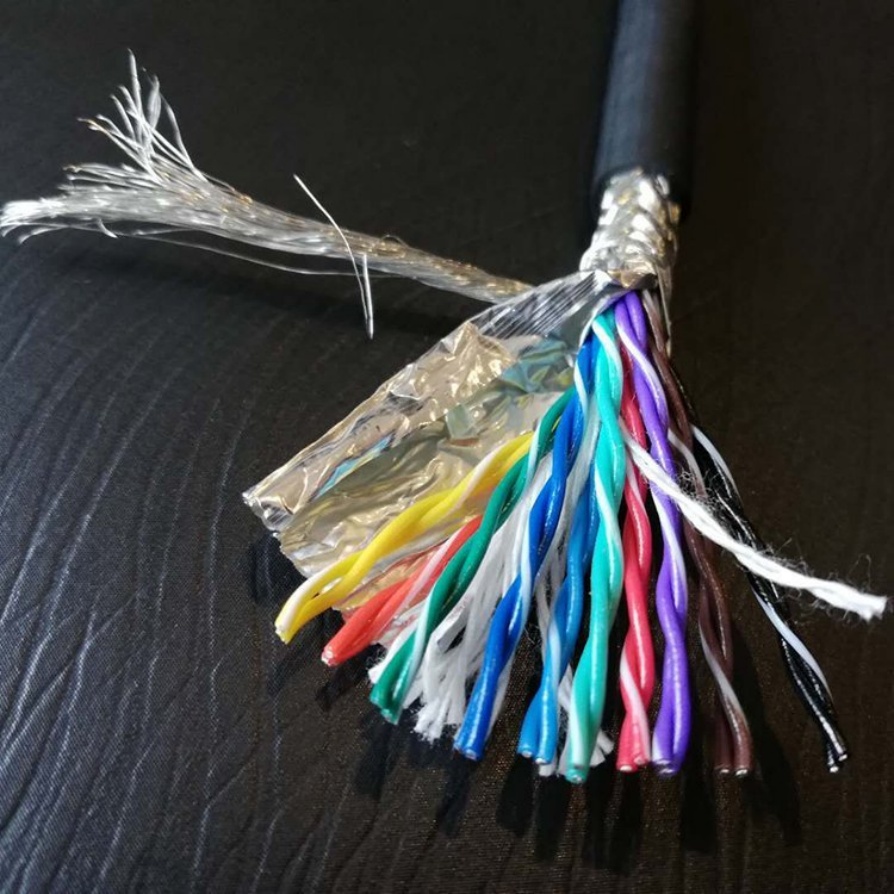
Oscilloscope: Measure jitter and eye diagram closure. TDR (Time-Domain Reflectometer): Locate impedance mismatches. EMI Scanner: Identify noise sources along cable routes. 2. Key Upgrades to Combat Signal Loss A. Shielded Cables for EMI/RFI Suppression Dual-Layer Shielding: Combine foil (100% coverage) and braid (≥85% coverage) for >90 dB shielding effectiveness. Ferrite Cores: Install snap-on ferrite beads near connectors to suppress high-frequency noise. Grounding: Use cables with drain wires connected to chassis ground. Application: A pharmaceutical plant eliminated EMI-induced false rejects by upgrading to double-shielded CoaXPress cables in a room with 20+ servo motors.
B. Precision-Engineered Impedance Matching Protocol-Specific Cables: CoaXPress (CXP): 75Ω coaxial cables. Camera Link: 100Ω twisted-pair cables. GigE Vision: Cat 6a/7 STP with 100Ω impedance. Impedance Testing: Demand cables with ≤5% impedance variation (per IEC 61196). Result: A semiconductor fab reduced signal reflections by 80% after replacing generic coaxial cables with 75Ω-certified CXP lines.
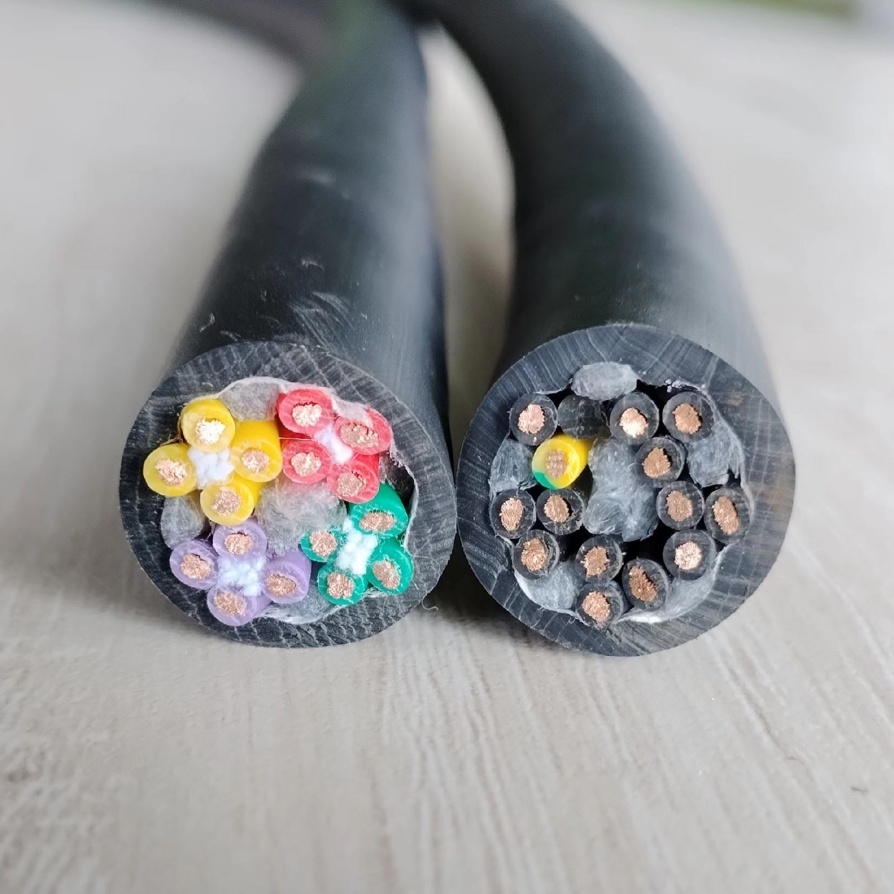
C. Low-Attenuation Conductors Thicker Gauges: 22 AWG conductors for runs >15m (vs. standard 24–28 AWG). High-Purity Materials: Oxygen-free copper (OFC) reduces resistance by 15–20%. Active Cables: Integrate signal boosters for ultra-long distances (e.g., 100m+ GigE Vision). Case Study: A solar panel inspection system achieved stable 10 Gbps throughput over 25m by upgrading to 22 AWG OFC cables (attenuation: 0.3 dB/m vs. 0.8 dB/m previously).
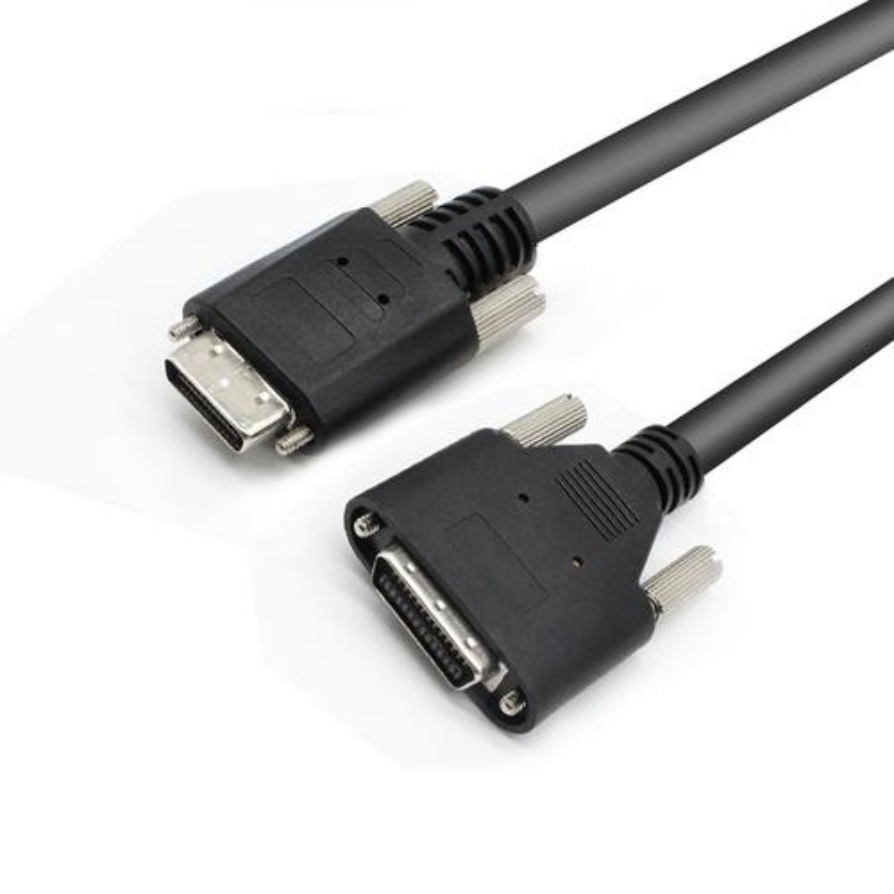
D. Ruggedized Connectors Gold Plating: 0.2–0.5µ gold-plated contacts resist corrosion. Locking Mechanisms: Screw-lock (M12) or push-pull (MDR) designs prevent disconnections. IP67/IP69K Ratings: Seal out dust, moisture, and high-pressure sprays. Example: A food packaging line using IP69K-rated M12 connectors reduced moisture-related failures by 95%.
E. High-Flex Designs for Dynamic Use Robotic Cables: Polyurethane (PUR) jackets and helical shielding withstand 10+ million flex cycles. Minimum Bend Radius: As low as 3× cable diameter (e.g., Igus CF29 series). Torsional Stability: Cables with anti-twist aramid yarns for 360° rotational systems. ROI: An automotive OEM cut cable replacement costs by 60% after switching to high-flex cables on welding robots.
Measure attenuation, impedance, and shielding effectiveness. Map cable routes to identify EMI sources or stress points. Select Upgraded Specifications:
Prioritize shielding, impedance, and flex life based on your environment. Test Prototypes:
Validate signal integrity under real-world conditions (e.g., powered machinery). Phase Implementation:
Replace cables in high-criticality areas first (e.g., high-speed cameras). Monitor Performance:
Use network analyzers and vision software logs to track improvements. 4. Cost vs. Performance: Breaking the Myth While upgraded cables cost 20–50% more upfront, they reduce long-term expenses:
Factor Generic Cable Upgraded Cable Signal Loss Repairs 5
– 5k–20k/year Near-zero Downtime Costs 10
– 10k–50k/hour Eliminated Replacement Cycle 6–12 months 3–5 years TCO Savings: Upgraded cables typically pay for themselves in <12 months.
5. Future-Proofing for Next-Gen Vision Systems As machine vision evolves, ensure your cables can handle:
8K Resolutions: 48 Gbps+ bandwidth (e.g., CoaXPress 2.0). Multi-Camera Sync: Precision-timed cables with <1 ns latency variation. Power-over-Coax (PoC): Integrate power and data in single lines.
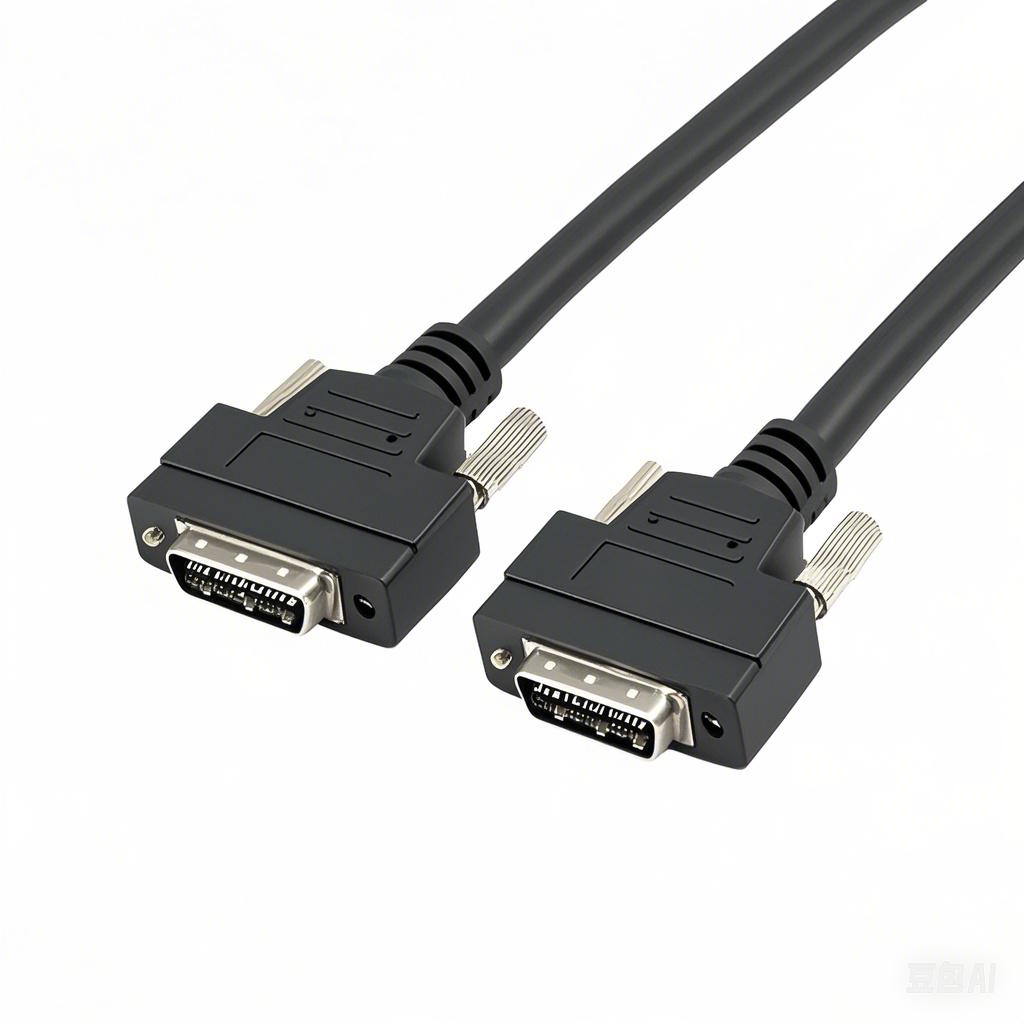
High-speed factories demand flawless synchronization between machines and vision systems. Yet, challenges like electromagnetic interference (EMI), cable fatigue, and data bottlenecks often disrupt operations. The right machine vision cab.
Meta Description: Discover premium Robotic Vision System Cables engineered for seamless data transmission, durability, and precision in industrial automation. Ensure flawless vision system performance.
Enhance Automation Precision with.
The Precision Imaging Dedicated Vision Cable is a cutting-edge connectivity solution designed to deliver crystal-clear image transmission in high-stakes environments. Optimized for industrial automation, medical imaging, machine vision, .
Elevate your visual data transmission with the IP67 Waterproof Vision Connection Cable, engineered to deliver seamless performance in the harshest conditions. Designed for industrial, outdoor, and mission-critical applications, this rugg.
Shielded Twisted-Pair Vision Cable – Ultra-Clear Signal Transmission for Demanding Environments
Ensure flawless video and data transmission in high-interference environments with our Shielded Twisted-Pair (STP) Vision Cable. Engineere.
Meta Description: Experience seamless 4K/8K video transmission with our High-Speed Anti-Interference Vision Cable. Engineered for crystal-clear visuals, robust durability, and interference-free performance. Perfect for gaming, profes.
Product Overview: Machine Vision Cables
Machine vision cables are specialized components designed to ensure high-speed, stable data transmission and signal integrity in automated imaging systems. Key features include:
Technical S.
Enhance the reliability and performance of your automated systems with our Industrial-Grade Machine Vision Cable—engineered to deliver unparalleled signal integrity, durability, and speed for demanding industrial applications. Designed f.
Meta Description: Discover the Flexible & Bend-Resistant Vision Cable, engineered for precision imaging in demanding environments. Durable, reliable, and built to last. Perfect for industrial, medical, and robotic applications.
Int.
Subtitle: A High-Performance Signal Cable Designed for 3D Scanners, Ensuring Lossless Data and Minimal Latency
Product OverviewThe 3D Scanner Vision Signal Cable is a premium signal transmission cable engineered for both industrial a.