Underwater M12 vision cable IP68
In the realm of underwater imaging and industrial automation, reliable connectivity is the cornerstone of seamless operation. The Underwater M12 vision cable IP68 stands out as a critical component, engineered to deliver stable video signal transmission and power supply in the harshest subaquatic environments. From deep-sea exploration to industrial wastewater monitoring, this specialized cable addresses the unique challenges of underwater applications, where moisture, pressure, corrosion, and electromagnetic interference (EMI) pose constant threats. This comprehensive guide delves into the core characteristics, key specifications, application scenarios, selection criteria, and maintenance best practices of Underwater M12 vision cable IP68, providing actionable insights for engineers, procurement professionals, and industry enthusiasts seeking robust underwater connectivity solutions.
Understanding the Core: What Makes Underwater M12 Vision Cable IP68 Unique?
To appreciate the value of Underwater M12 vision cable IP68, it’s essential to break down its defining features—starting with the IP68 rating, which is the gold standard for underwater protection. The IP (Ingress Protection) rating system, established by the IEC 60529 standard, classifies a product’s resistance to solid particles and liquids. For IP68, the first digit “6” denotes complete protection against dust and other solid foreign objects, meaning no particles can penetrate the cable or its connectors. The second digit “8” indicates the highest level of water resistance: the cable can withstand continuous submersion in water beyond 1 meter, with the exact depth and duration specified by the manufacturer (typically ranging from 100m to 1000m for specialized variants) .
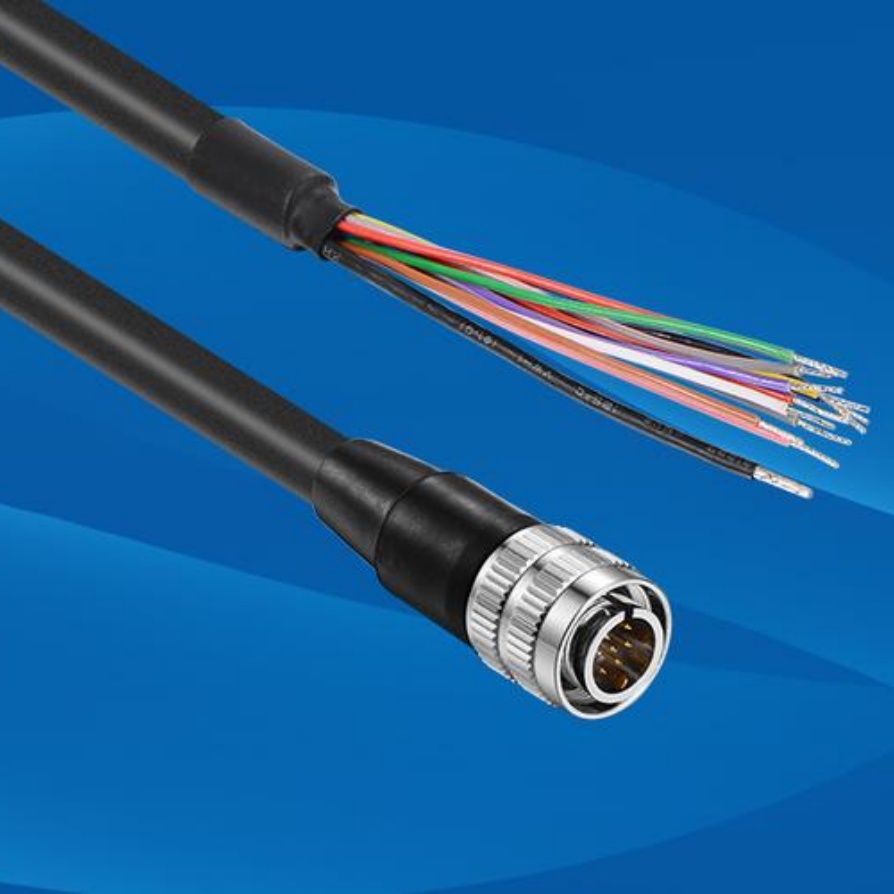
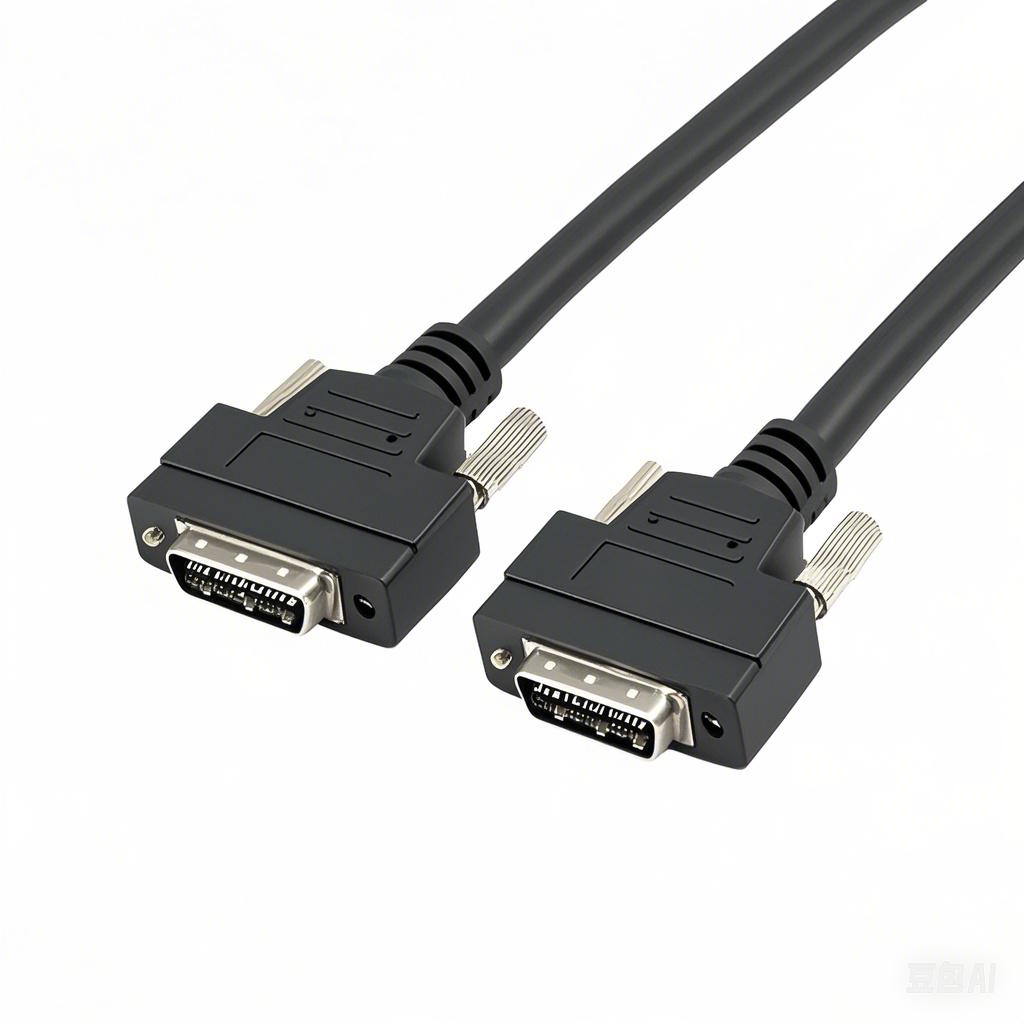
Beyond the IP68 rating, the M12 connector interface is another critical attribute. The M12 connector is a compact, threaded circular connector with a 12mm locking thread (M12×1), designed for industrial applications requiring secure, vibration-resistant connections . Unlike standard connectors, M12 connectors feature a keyed design (e.g., A-code, B-code, D-code) that prevents incorrect mating, protecting pins from damage and ensuring consistent signal transmission. For vision applications, this is particularly important, as misalignment or accidental disconnection can disrupt high-definition video signals, leading to data loss or compromised imaging .
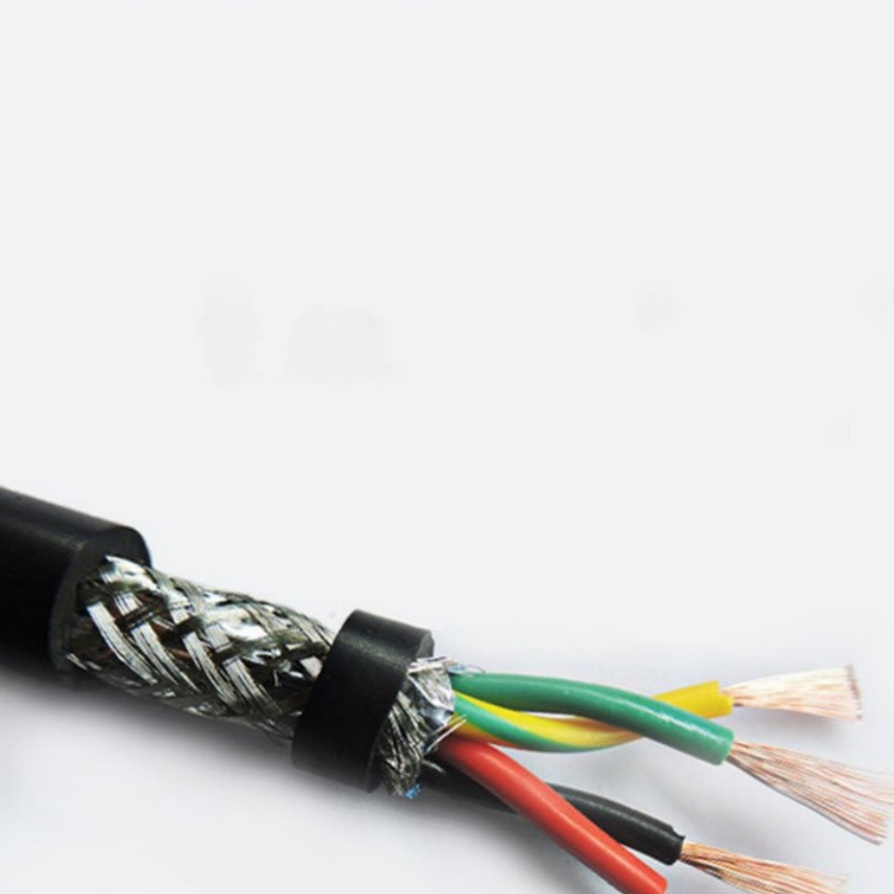
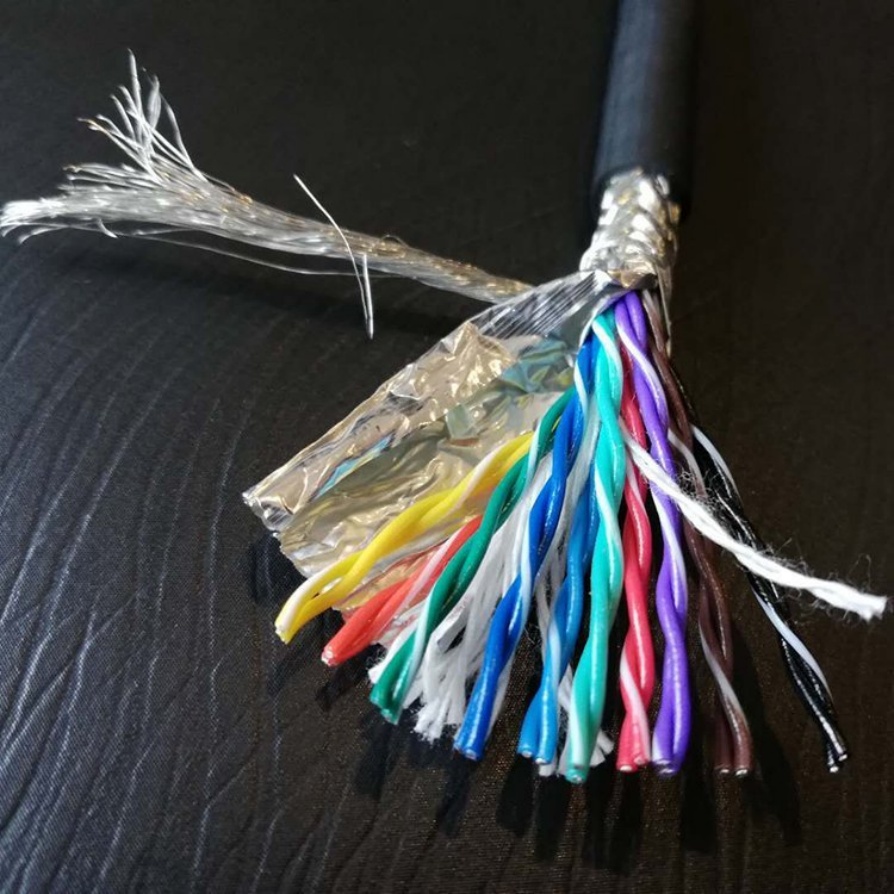
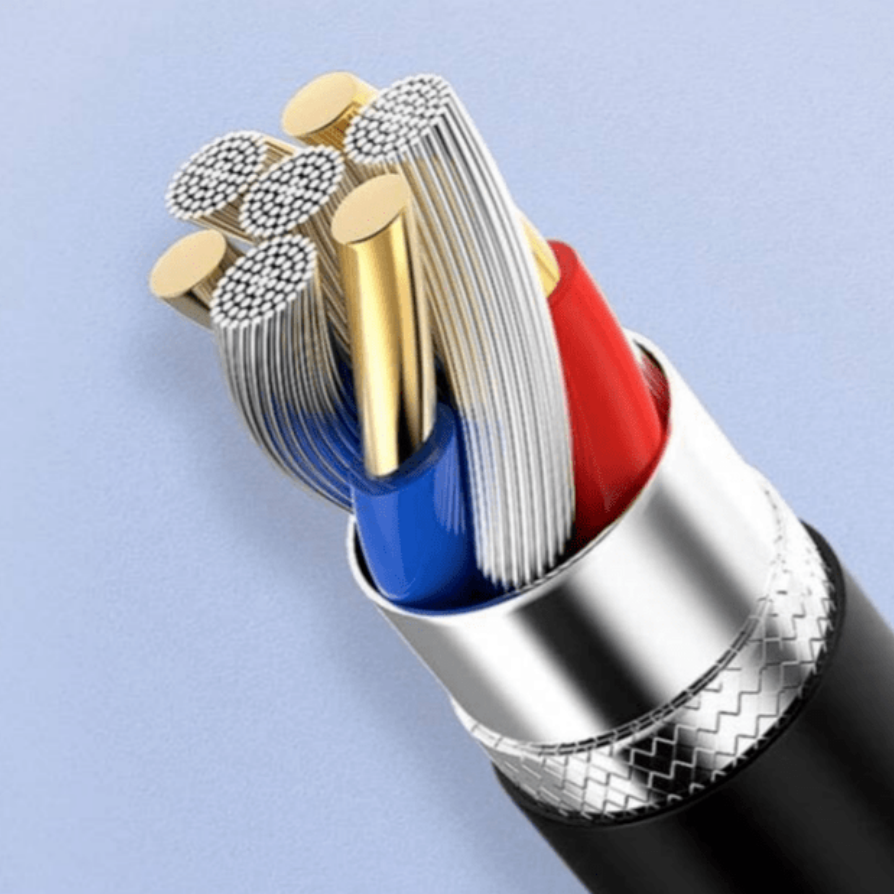
The “vision cable” designation highlights the cable’s optimized design for video signal transmission. Underwater M12 vision cables typically integrate high-quality coaxial or twisted-pair conductors with specialized insulation to minimize signal attenuation and distortion. Many variants also include a dual-shielding system (aluminum foil + tinned copper braid, with a braiding density of ≥90%) to block EMI and radio frequency interference (RFI), ensuring clear, stable video transmission even in industrial environments with heavy electrical noise . Additionally, these cables often combine signal conductors with power wires, creating a composite solution that simplifies installation by eliminating the need for separate power cables .
Key Specifications to Consider for Underwater M12 Vision Cable IP68
When evaluating Underwater M12 vision cable IP68, understanding its technical specifications is crucial to ensuring compatibility with your application. Below are the most critical parameters to focus on:
1. Connector Configuration
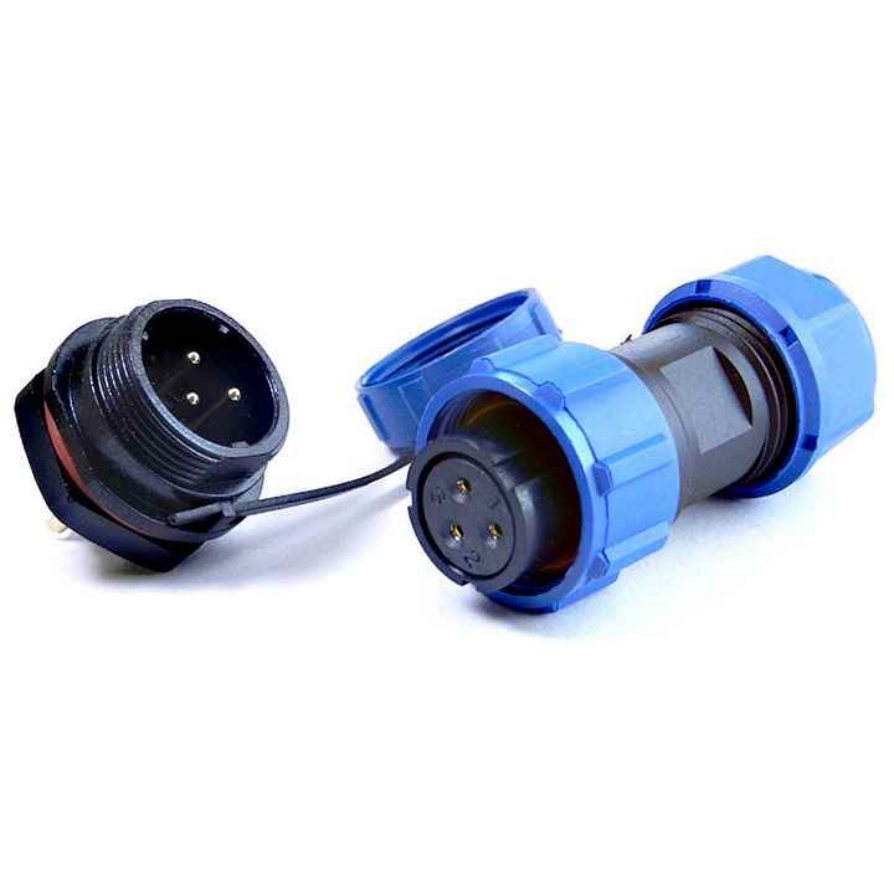
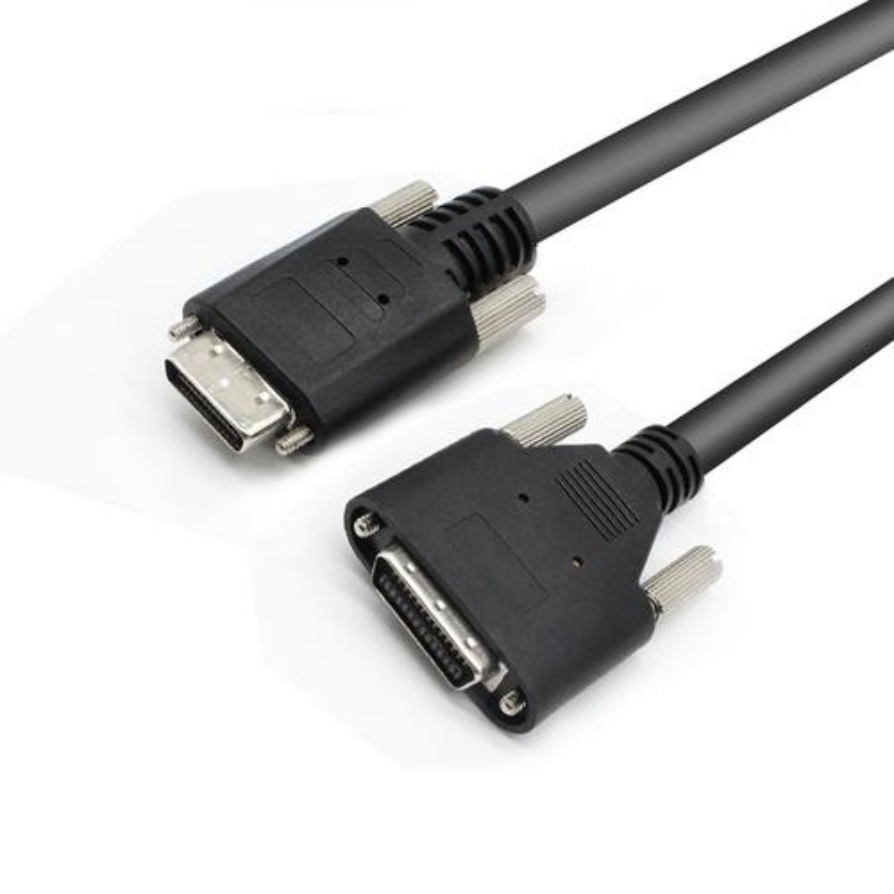
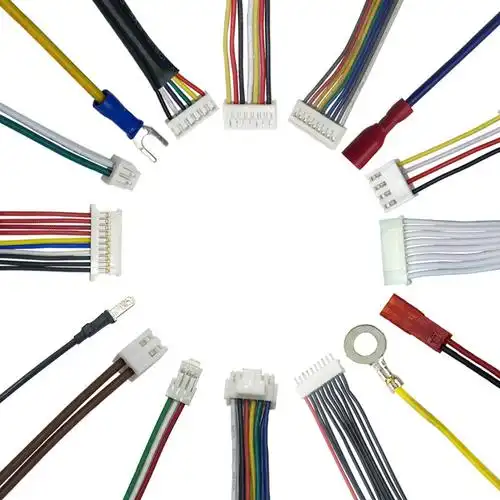
M12 connectors for underwater vision applications are available in various pin counts (4-pin, 5-pin, 8-pin, 12-pin) and coding types, each suited to specific signal protocols . For example: – B-code connectors are ideal for sensor and signal applications, including Profibus and DeviceNet protocols, making them suitable for underwater vision systems integrated with industrial automation . – D-code connectors are designed for Ethernet applications, supporting Gigabit Ethernet speeds, which is essential for high-definition underwater cameras transmitting large video datasets. – Connector genders (male/female) and orientations (straight/right-angle) also matter: right-angle connectors are preferred in tight spaces or where cable routing needs to avoid mechanical stress . All underwater M12 connectors feature a solder-potted or overmolded design with high-quality seals (e.g., nitrile rubber or silicone) to ensure IP68 water tightness .
2. Cable Construction & Materials
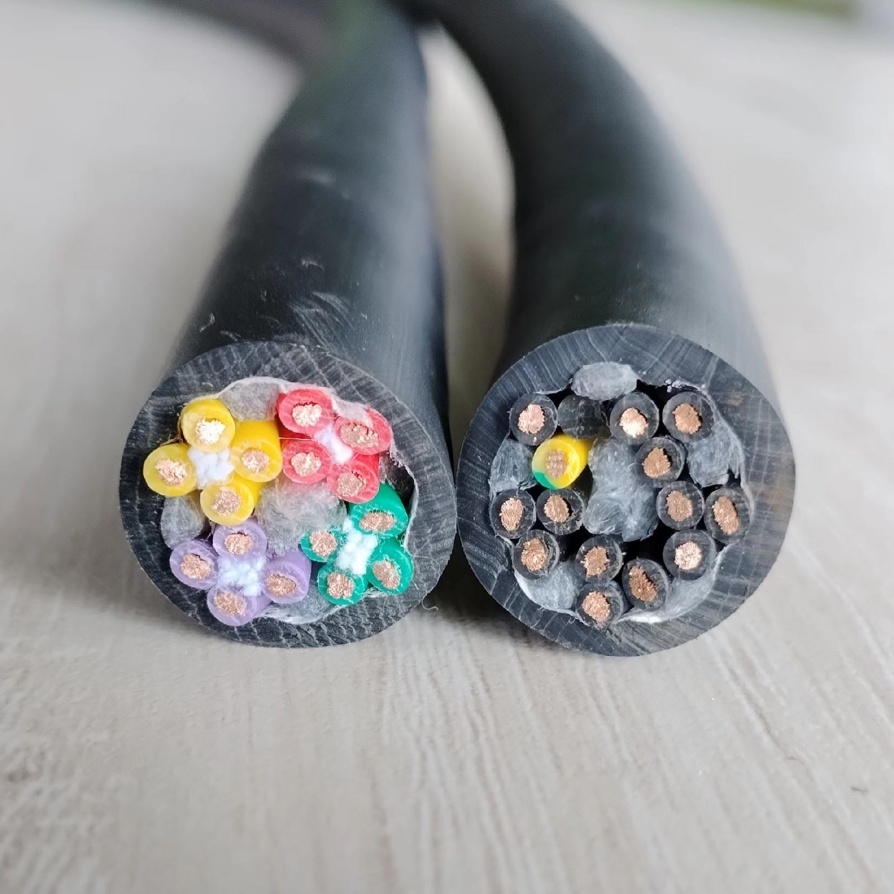
The cable’s physical construction directly impacts its durability and performance in underwater environments: – Conductors: High-purity tinned oxygen-free copper (OFC) conductors (typically 22AWG to 18AWG) are used for low resistance and corrosion resistance. Multi-stranded conductors with a Class 6 stranding structure (per VDE 0295) enhance flexibility, making the cable easier to route and install underwater . – Insulation: Specialized water-resistant elastomers or cross-linked polyethylene (XLPE) are used for insulation, providing high dielectric strength (≥25kV/mm) and low dielectric loss to minimize signal degradation . – Sheath: The outer sheath is the first line of defense against water, corrosion, and mechanical damage. Two common materials are: – PVC: Cost-effective, suitable for mild underwater environments (e.g., freshwater) with a temperature range of -25°C to +85°C . – PUR (Polyurethane): Premium option for harsh environments, offering excellent resistance to oil, chemicals, abrasion, and hydrolysis. PUR-sheathed cables operate in a wider temperature range (-45°C to +90°C) and withstand long-term immersion in seawater or acidic/alkaline solutions, with a service life 3-5 times longer than PVC . – Reinforcement: For deep-water or high-tension applications, cables may include a Kevlar aramid fiber core for enhanced tensile strength (3kN to 10T, depending on customization). This prevents conductor stretching or insulation breakage under the weight of the cable or underwater currents . – Water Blocking: Dual water-blocking technology (radial sealing + longitudinal water-blocking gel) fills gaps in the cable core, preventing water from spreading along the cable even if the sheath is damaged .
3. Performance Parameters
Critical performance metrics include: – Signal Attenuation: For video transmission, attenuation should be ≤20dB/100m at 100MHz to ensure clear image quality . – Characteristic Impedance: Typically 75Ω (for coaxial vision cables) or 100Ω (for twisted-pair Ethernet vision cables), with a tolerance of ±5% to match camera and receiver equipment . – Operating Temperature: Ranges from -25°C to +85°C (PVC) or -45°C to +90°C (PUR), critical for applications in cold ocean depths or hot industrial wastewater . – Pressure Resistance: Measured in MPa, corresponding to water depth (1MPa = 100m depth). Cables are customized for specific depths, from 100m (1MPa) to 1000m (10MPa) . – Certifications: Look for CE, RoHS, and industry-specific certifications (e.g., GB/T 18380.45-2018 for water tightness, IEC 811-2-1 for chemical resistance) to ensure compliance with global standards .
Applications of Underwater M12 Vision Cable IP68
The versatility and robustness of Underwater M12 vision cable IP68 make it indispensable across multiple industries. Below are its most common applications:
1. Marine Exploration & Research
In deep-sea exploration, underwater robots (ROVs) and remotely operated vehicles rely on Underwater M12 vision cable IP68 to transmit real-time video feeds from high-definition cameras. These cables withstand extreme pressure (up to 10MPa for 1000m depths) and resist corrosion from seawater, enabling scientists to study marine life, map the ocean floor, and investigate shipwrecks . The dual-shielding design ensures signal clarity even in the presence of electromagnetic fields from ROV motors or underwater communication systems.
2. Industrial Wastewater & Water Treatment
Water treatment plants use underwater cameras to monitor tank levels, detect leaks, and inspect infrastructure (e.g., pipes, filters) without shutting down operations. Underwater M12 vision cable IP68, particularly PUR-sheathed variants, resists corrosion from chemicals (e.g., chlorine, sulfuric acid) and wastewater, ensuring reliable long-term operation . The composite design (signal + power) simplifies installation in confined spaces, reducing maintenance costs and downtime .
3. Factory Automation & Machine Vision
In industrial settings such as food processing, automotive manufacturing, or electronics production, underwater machine vision systems are used for quality control (e.g., inspecting parts submerged in cleaning solutions). Underwater M12 vision cable IP68 provides secure connectivity between cameras and control systems, with vibration-resistant M12 connectors preventing disconnections in high-speed production environments . B-code or D-code connectors ensure compatibility with industrial protocols like Profibus or Ethernet/IP, integrating seamlessly with existing automation systems.
4. Aquaculture & Fisheries
Aquaculture facilities use underwater cameras to monitor fish health, feeding patterns, and tank conditions. Underwater M12 vision cable IP68 resists saltwater corrosion and biofouling (microbial growth), maintaining signal integrity in marine or freshwater aquaculture environments . The cable’s flexibility allows for easy routing around tank structures, while its IP68 rating ensures protection against accidental submersion or water splashes.
5. Underwater Infrastructure Inspection
For inspecting underwater pipelines, bridges, dams, and offshore wind turbines, Underwater M12 vision cable IP68 enables high-resolution video transmission from inspection cameras. The cable’s tensile strength (enhanced by Kevlar reinforcement) supports deployment from surface vessels, while its pressure resistance allows for use at depths up to 1000m . This applications critical for identifying structural damage, leaks, or corrosion early, preventing costly repairs or failures.
How to Select the Right Underwater M12 Vision Cable IP68
Choosing the correct Underwater M12 vision cable IP68 requires aligning the cable’s specifications with your application’s unique requirements. Follow these steps to make an informed decision:
1. Define the Operating Environment
Start by documenting key environmental factors: – Water Type: Freshwater (e.g., lakes, wastewater) or saltwater (ocean, marine aquaculture)? Saltwater requires PUR sheathing for corrosion resistance . – Depth: What is the maximum submersion depth? Select a cable with a pressure rating matching or exceeding this depth (e.g., 5MPa for 500m depth) . – Temperature: What is the temperature range of the water? For cold depths or hot industrial processes, choose a cable with a wide operating temperature range (PUR is ideal for extreme temperatures) . – Chemical Exposure: Will the cable come into contact with acids, alkalis, or oils? PUR-sheathed cables offer superior chemical resistance .
2. Match Connector Coding & Pin Count to Your Equipment
Check your underwater camera, receiver, or control system’s connector requirements: – Coding: Ensure the cable’s M12 coding (A/B/D-code) matches your equipment to avoid incorrect mating . – Pin Count: Select a pin count that supports your signal and power needs (e.g., 8-pin for high-definition video + power, 12-pin for multi-channel vision systems) . – Orientation: Choose straight or right-angle connectors based on installation space and cable routing .
3. Prioritize Signal Performance
For vision applications, signal quality is non-negotiable: – Conductor Type: Twisted-pair conductors are best for Ethernet-based cameras, while coaxial conductors are ideal for analog video signals . – Shielding: Opt for dual-shielding (aluminum foil + tinned copper braid) to minimize EMI/RFI interference, especially in industrial environments . – Attenuation: Select a cable with low signal attenuation (≤20dB/100m at 100MHz) to ensure clear video transmission over long distances .
4. Consider Mechanical Requirements
Evaluate the cable’s physical durability needs: – Tensile Strength: If the cable will be pulled or suspended (e.g., deployed from a vessel), choose a variant with Kevlar reinforcement . – Flexibility: For applications requiring frequent bending (e.g., ROVs), select a cable with multi-stranded conductors and a flexible sheath (PUR is more flexible than PVC) . – Length: Customize the cable length to avoid excess slack (which can cause tangling) or tension (which can damage conductors). Most manufacturers offer lengths from 1m to 50m, with longer lengths available on request .
5. Verify Certifications
Ensure the cable meets global standards and industry-specific requirements: – CE and RoHS certifications for compliance with European safety and environmental regulations . – Water tightness certification (e.g., GB/T 18380.45-2018) to confirm IP68 rating . – Chemical resistance certification (e.g., IEC 811-2-1) for applications involving corrosive substances .
Maintenance Best Practices to Extend the Life of Underwater M12 Vision Cable IP68
Proper maintenance is critical to maximizing the lifespan of Underwater M12 vision cable IP68, especially in harsh underwater environments. Follow these guidelines:
1. Inspect Regularly for Damage
Conduct visual inspections of the cable and connectors at least quarterly (more frequently in high-stress environments): – Check the sheath for cuts, abrasions, or signs of aging (e.g., cracking, discoloration) . – Examine connectors for bent pins, corrosion, or damaged seals. Replace seals if they appear worn or brittle . – Use a megohmmeter to test insulation resistance (should be ≥1000MΩ·km at 20°C) to detect hidden water ingress .
2. Ensure Proper Installation
Poor installation is a leading cause of cable failure. Follow these installation tips: – Maintain the cable’s minimum bending radius (typically 5-10 times the cable diameter) to avoid damaging conductors or insulation . – Secure the cable firmly to prevent vibration or movement, which can stress connectors and sheath . – Use IP68-rated cable glands to seal entry points into equipment enclosures, ensuring no water can penetrate around the cable . – Avoid pulling the cable by the connectors; always pull from the sheath to prevent connector damage .
3. Clean and Protect After Use
For cables used in saltwater or chemical environments: – Rinse the cable and connectors with freshwater after each use to remove salt, chemicals, or debris . – Dry connectors thoroughly before disconnecting or storing to prevent corrosion . – Apply a thin layer of corrosion-inhibiting grease to connector threads (if recommended by the manufacturer) to protect against rust .
4. Store Properly When Not in Use
Store unused cables in a dry, cool environment away from direct sunlight and chemicals . Coil the cable loosely (avoid tight kinks) and hang or place it on a reel to prevent damage. Use desiccants in storage containers to absorb moisture .
5. Address Failures Promptly
If you detect signal degradation, insulation failure, or water ingress: – Stop using the cable immediately to prevent damage to connected equipment . – Replace damaged sections or connectors; do not attempt to repair the sheath or seals unless you have the proper tools and materials . – For critical applications, keep spare cables on hand to minimize downtime .
Conclusion: The Indispensable Role of Underwater M12 Vision Cable IP68 in Modern Underwater Applications
Underwater M12 vision cable IP68 is more than just a cable—it’s a lifeline for reliable communication in some of the world’s harshest environments. Its unique combination of IP68 water and dust protection, M12’s secure threaded connectivity, and optimized vision signal transmission makes it irreplaceable in marine exploration, industrial automation, water treatment, and aquaculture. By understanding its core features, key specifications, and application requirements, you can select the right cable for your needs. With proper selection, installation, and maintenance, Underwater M12 vision cable IP68 will deliver consistent performance, minimize downtime, and protect your investment for years to come.
Whether you’re deploying an ROV for deep-sea research, monitoring a wastewater treatment tank, or optimizing quality control in a manufacturing plant, choosing a high-quality Underwater M12 vision cable IP68 is the first step toward ensuring seamless, reliable underwater connectivity.