Waterproof Machine Vision Cable | Industrial Environment Use
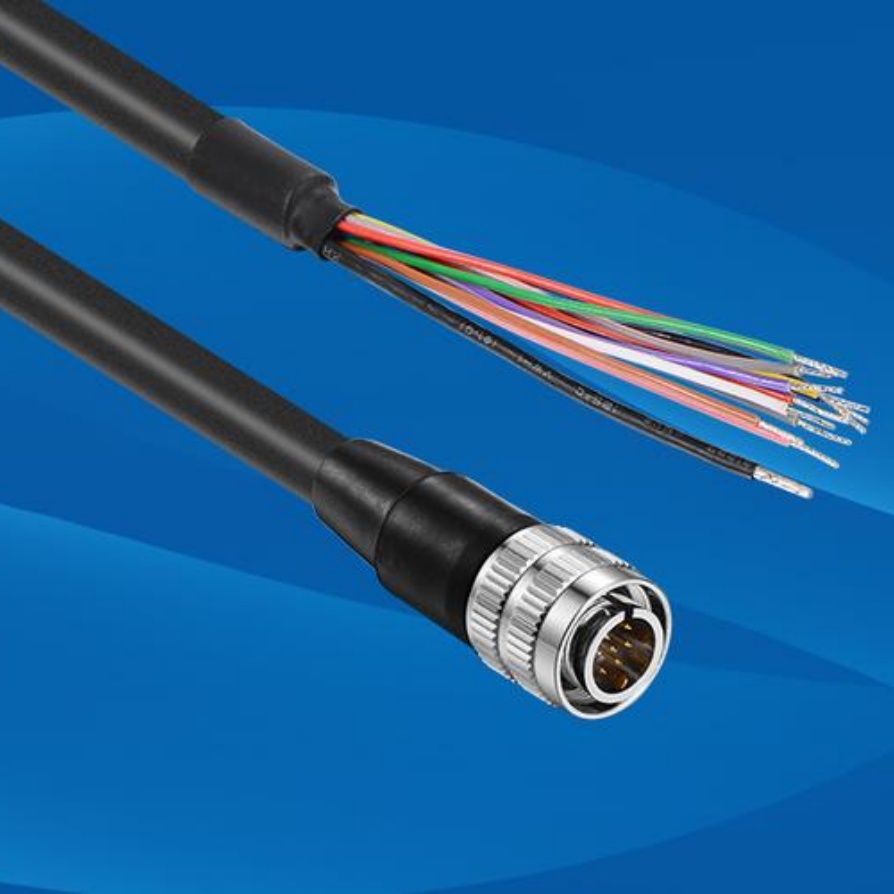
In high-precision industrial automation, even a minor cable fault can lead to image distortion, missed detections, or production line stoppages. This is why a waterproof machine vision cable with a FAKRA connectoris increasingly the preferred solution for engineers. It combines the high-frequency, low-loss transmission of a micro coaxial cablewith the robust, sealed design of a FAKRA connector, making it ideal for harsh, real-world factory environments.
Why Standard Cables Fail in Harsh Industrial Environments
Machine vision systems, the “eyes” of smart factories, are constantly exposed to challenges that standard cables cannot handle:
- Signal Integrity Issues: Motors, servo drives, and frequency converters generate strong electromagnetic interference (EMI), causing image noise, flickering, and data loss. Standard cables lack the necessary shielding.
- Harsh Physical Conditions: Exposure to water jets, oil mist, metal dust, and welding spatter can lead to corrosion, short circuits, and signal failure.
- Mechanical Stress: Cables on robot arms or moving platforms endure millions of bending cycles. Without high-flex construction, internal conductors and shielding can fatigue and break.
- Environmental Factors: Wide temperature ranges, high humidity, and UV exposure can cause traditional PVC jackets to crack and degrade, compromising both mechanical and electrical performance.
The Core: Micro Coaxial Cable
A micro coaxial cable is the high-performance heart of modern vision systems, designed to transmit high-bandwidth data in compact spaces.
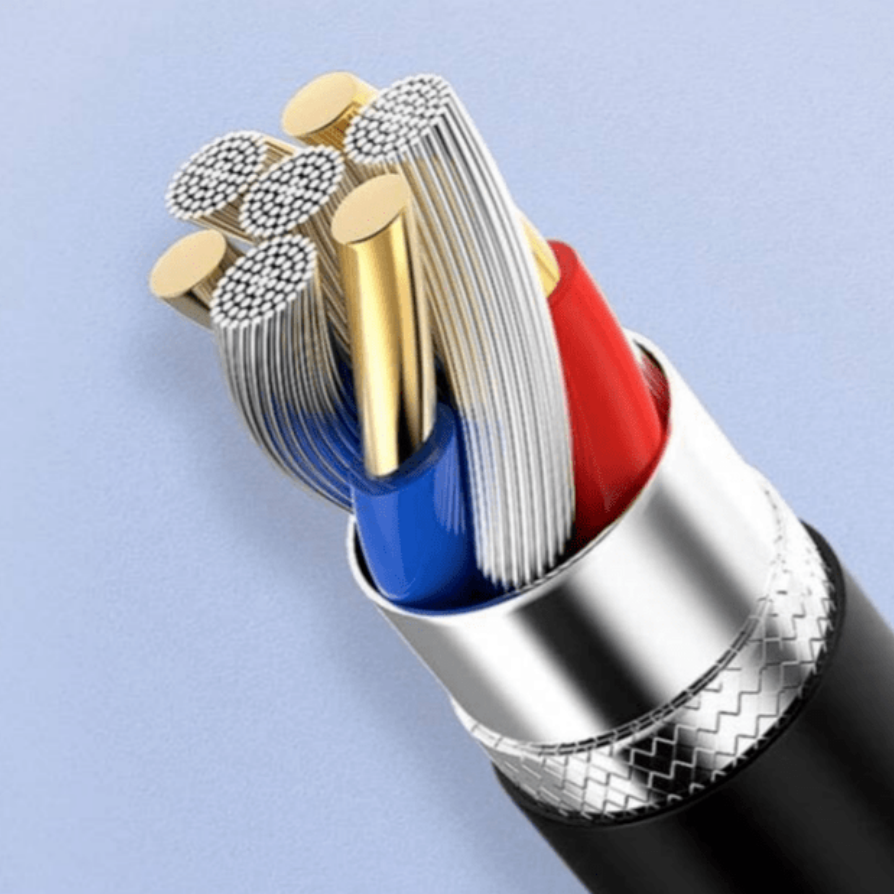
- Structure: It features a center conductor, dielectric insulation, a metallic shield, and an outer jacket. This coaxial structure maintains a consistent characteristic impedance, crucial for high-speed, low-loss signal transmission.
- Miniaturization: With outer diameters as small as 0.3–1.0 mm, micro coax enables dense, multi-channel connections in confined spaces like robot joints and medical devices.
- High-Frequency Performance: It supports multi-gigabit-per-second data rates for protocols like MIPI CSI-2, GMSL2, and FPD-Link III, which are essential for high-resolution, high-frame-rate industrial cameras.
FAKRA: The Industrial-Grade RF Connector
The FAKRA connector is a standardized, color-coded RF coaxial connector known for its reliability in demanding applications.
- Standardization & Security: Its standardized design and mechanical keying prevent mismating. A secondary locking mechanism ensures a secure connection even under strong vibration.
- Broad Frequency Range: It reliably operates from DC to 6 GHz, with Mini-FAKRA variants reaching up to 15 GHz, making it suitable for high-speed video links.
- IP-Rated Sealing: Engineered for harsh conditions, FAKRA connectors achieve high ingress protection ratings. Designs with O-rings and overmolding can reach IP67(immersion up to 1m for 30 min) or even IP69K(resistance to high-pressure water jets), effectively preventing moisture ingress.
How Waterproofing is Achieved
True waterproofing in a FAKRA machine vision cable involves a holistic design, not just a sealed connector.
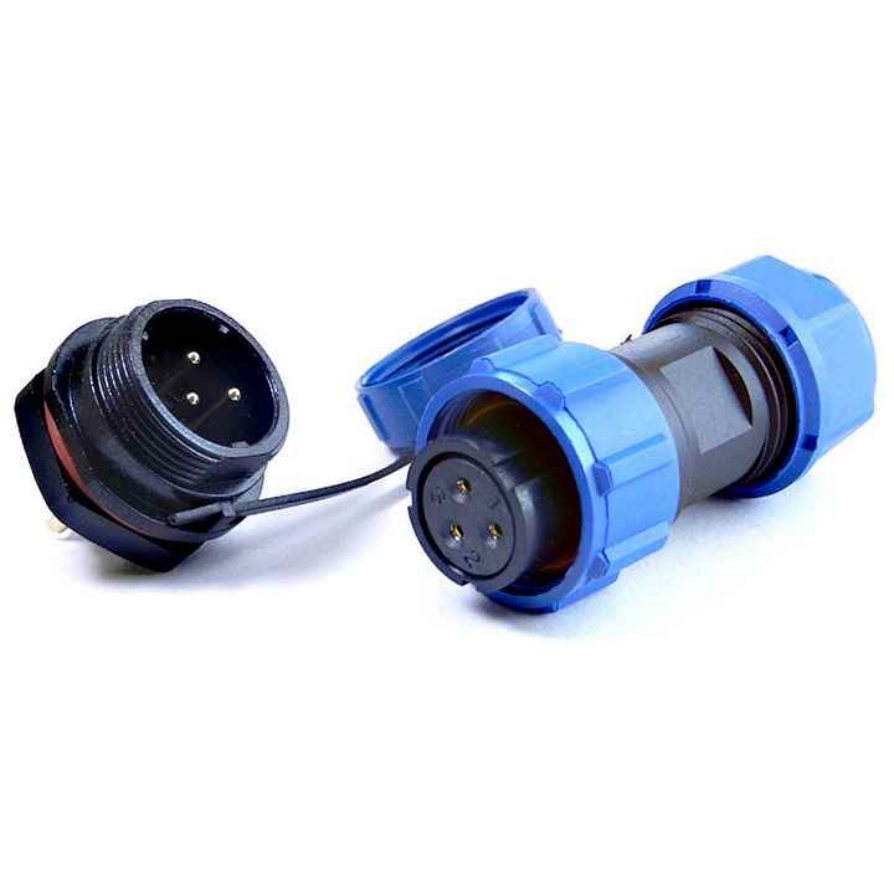
- Connector-Level Sealing: The FAKRA interface uses a metal shell, O-rings, and a latch. The rear is overmolded or sealed to the cable, ensuring the IP67/IP69K rating applies to the entire mated assembly.
- Cable Jacket Selection: Materials like PUR (polyurethane)offer superior resistance to oil, abrasion, hydrolysis, and UV, making them ideal for demanding industrial and outdoor use. PVC is a more economical choice for less severe environments.
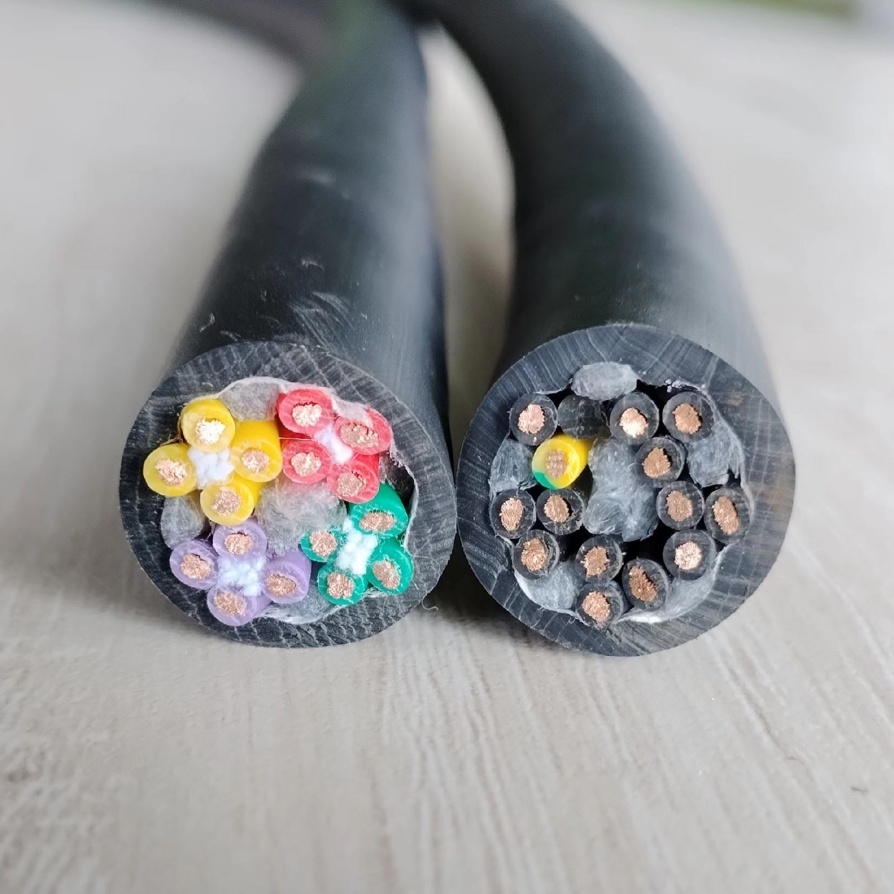
- Internal Water-Blocking: For underwater applications, cables may include a longitudinal water-blocking structureusing water-swellable tapes and gels, combined with robust tensile members like aramid fiber, to prevent water ingress along the cable’s length.
Engineering for Industrial Realities
Beyond waterproofing, these cables are built to withstand the rigors of factory automation.
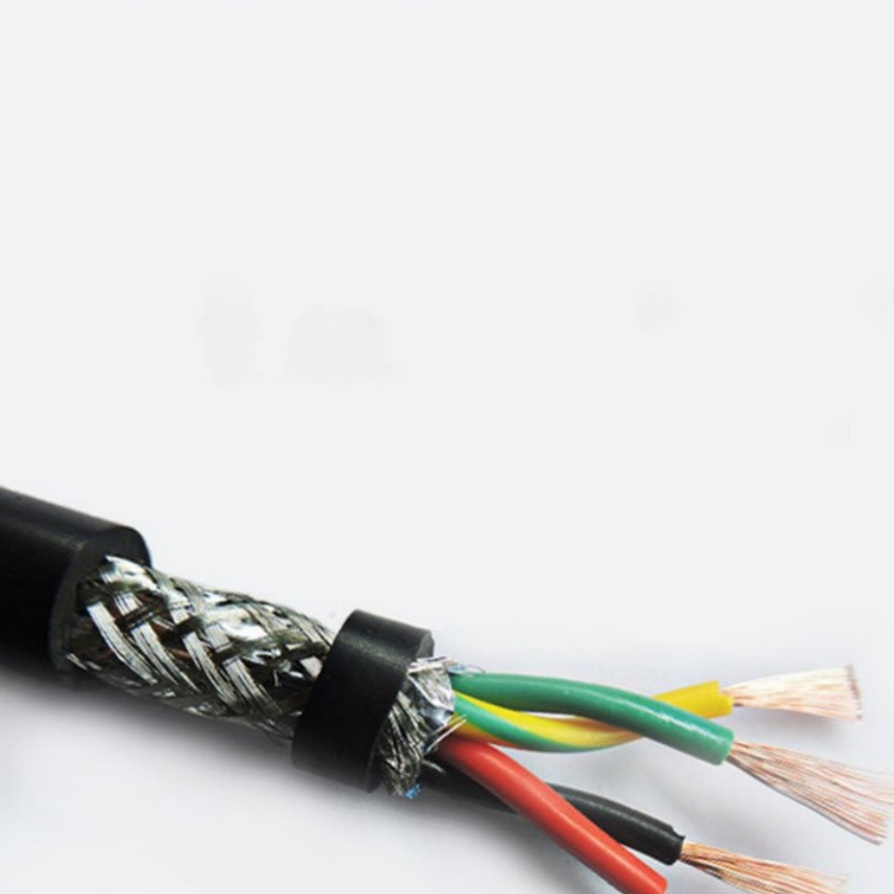
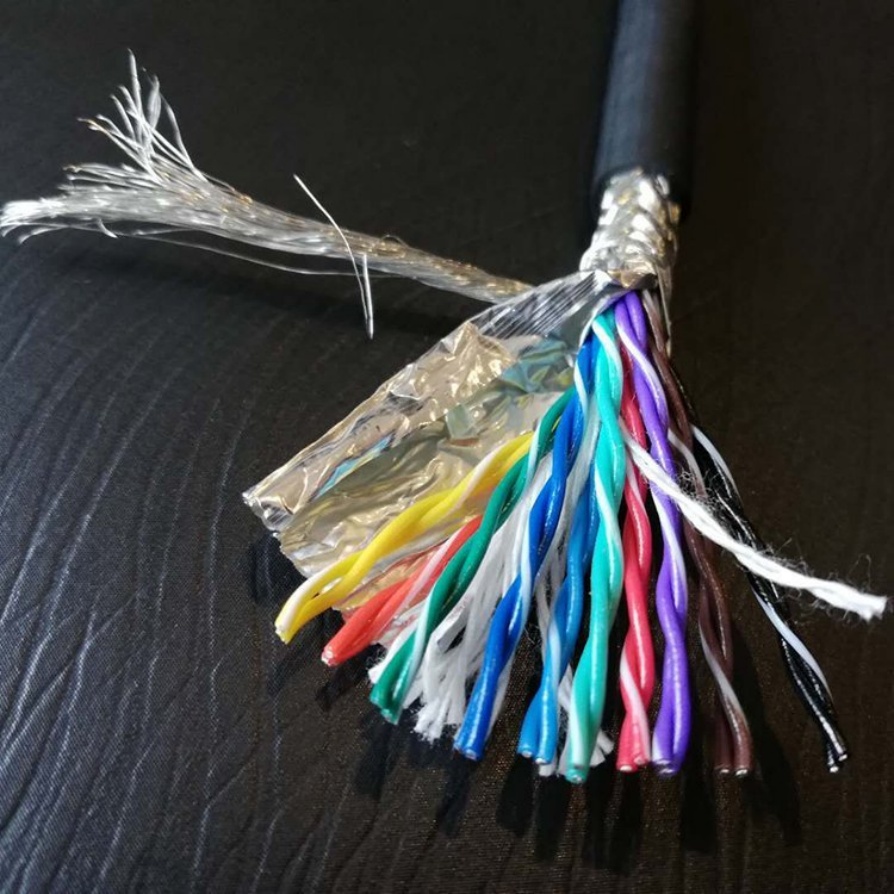
- EMI/EMC Shielding: A combination of braided shields (80-90% coverage) and aluminum foil provides excellent EMI suppression, ensuring a clean signal even near high-power equipment.
- High-Flex & Durability: Cables are rated for 5 to 10 million+ bending cycles, suitable for continuous motion in drag chains or robot arms. Bend radius is carefully controlled to avoid damaging the internal micro coax.
- Environmental Resistance: Premium cables feature wide operating temperature ranges (e.g., -40°C to +85°Cor wider) and resistance to oil, chemicals, UV, and salt spray, ensuring a long service life.
Typical Application Scenarios
- Industrial & Collaborative Robots: Used for GMSL2/FAKRA camera links on robot arms, providing a lightweight, shielded, and waterproof connection for 3D vision and navigation.
- Automated Inspection Systems: Connects high-resolution line scan or area scan cameras in environments with oil mist, water jets, and EMI from surrounding equipment.
- Outdoor & Mobile Machines: Ideal for AGVs, construction machinery, and port equipment where cables are exposed to rain, dust, and vibration. The IP67/IP69K rating ensures reliable data transmission in wet and dirty conditions.
- Food & Beverage / Pharma: With smooth, chemical-resistant PUR jackets and hygienic designs, these cables can withstand high-pressure washdowns, meeting IP69K standards for frequent cleaning.
Key Selection Criteria
When choosing a waterproof machine vision cable, consider the following:
- Protocol & Data Rate: Match the cable’s bandwidth and frequency rating (e.g., 3–6 GHz for GMSL2/FPD-Link III) to your camera and frame rate requirements.
- Connector & Coding: Ensure the FAKRA color code and mechanical keying are correct for your system. Verify the required IP rating (IP65, IP67, IP69K).
- Cable Flex Life: Select a bend radius and flex rating appropriate for the application. 5-10 million+ cyclesare common for dynamic robot applications.
- Environmental Specs: Confirm the cable jacket material (PUR, PVC, TPE) meets the temperature, chemical, and oil resistance needs of your environment.
- Mechanical Integration: Ensure the cable diameter, bend radius, and connector orientation are compatible with your equipment’s design and cable management system.