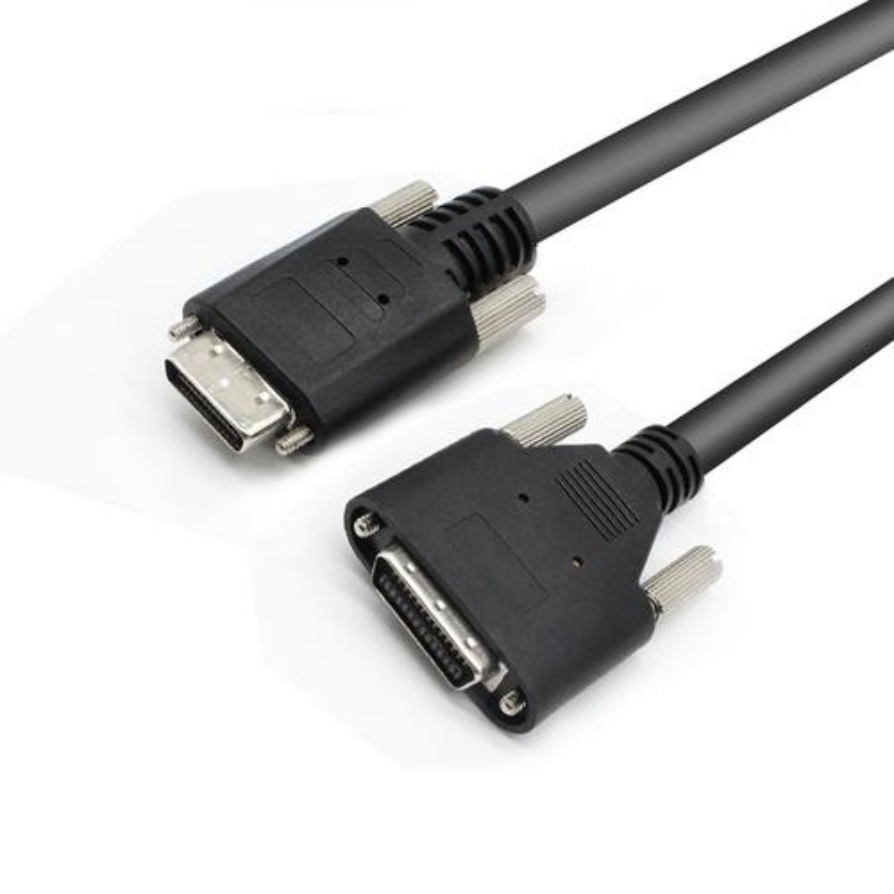
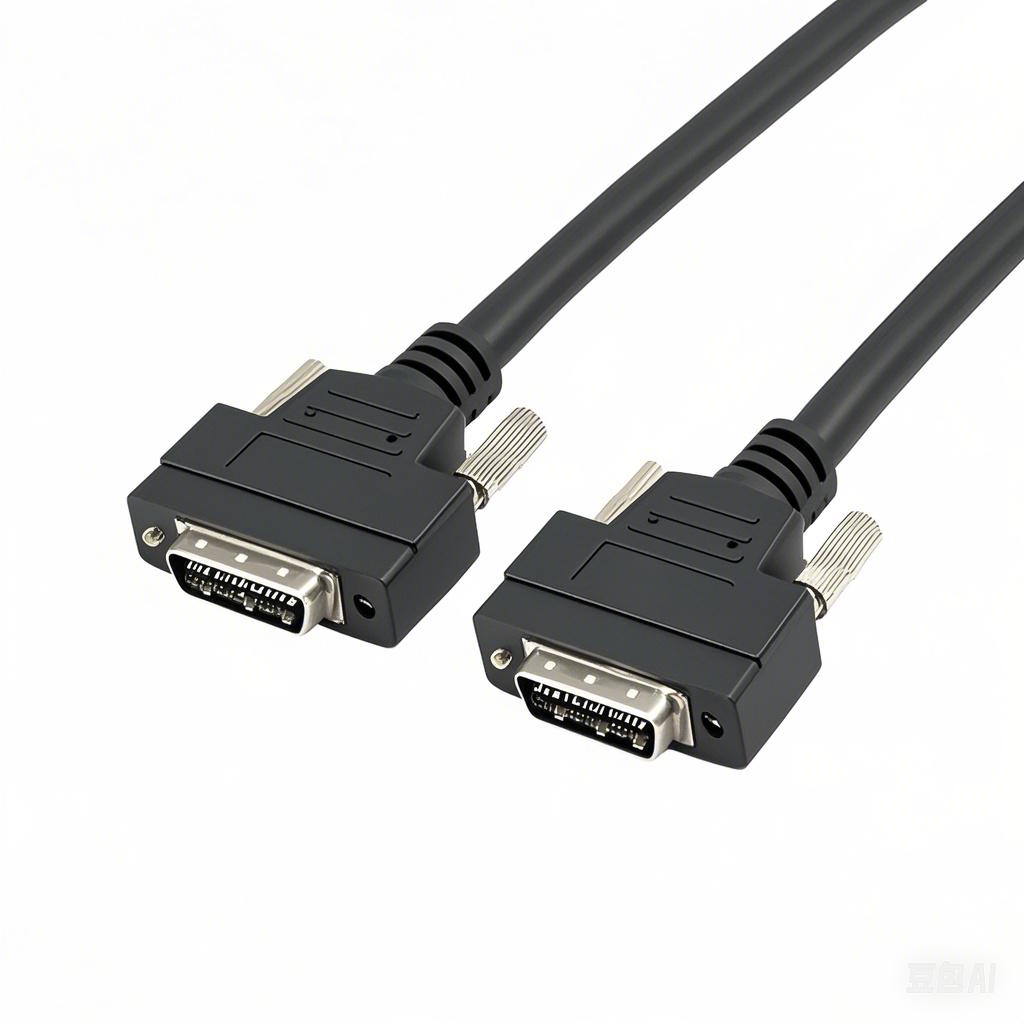
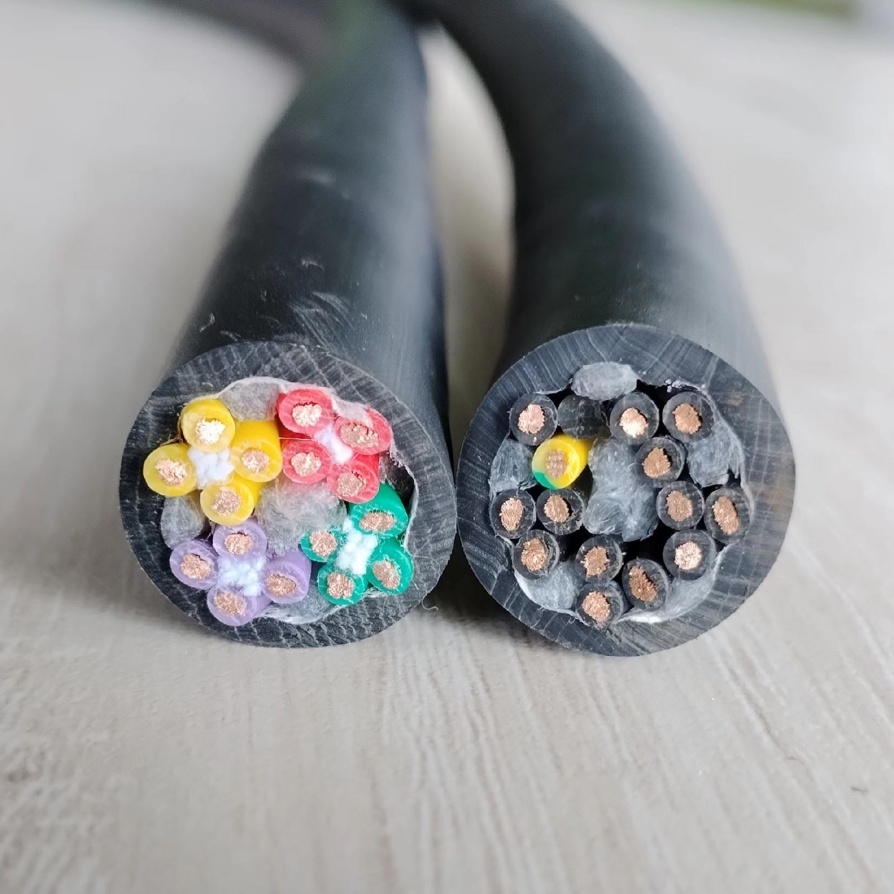
What advantages does Multi-layer shielding Camera Link cable bring to...
In the realm of machine vision systems, where precision and reliability are non-negotiable, every component plays a pivotal role in determining overall performance. Among these components, the Camera Link cable stands out as a critical bridge between cameras and frame grabbers, responsible for transmitting high-speed image data and control signals. As machine vision applications become increasingly demanding—with higher resolution cameras, faster frame rates, and more complex industrial environments—the limitations of standard cables have become more pronounced. This is where multi-layer shielding Camera Link cables step in, offering a range of advantages that directly address the core challenges of modern machine vision systems. Below, we delve into the key benefits these specialized cables bring, exploring how they enhance signal integrity, reduce interference, and elevate the overall robustness of machine vision setups.
1. Superior Signal Integrity for High-Resolution and High-Frame-Rate Imaging
Machine vision systems are constantly evolving to handle higher resolution images (such as 4K, 8K, and beyond) and faster frame rates, driven by applications like automated inspection, robotics, and high-speed manufacturing. These advancements require the transmission of massive volumes of data at extremely high speeds—Camera Link standards (including Base, Medium, Full, and Deca) are designed to support this, but the quality of the cable is a make-or-break factor for signal integrity. Signal integrity refers to the ability of a signal to retain its original quality from the transmitter (camera) to the receiver (frame grabber); any degradation can lead to distorted images, dropped frames, or incorrect data interpretation.
Multi-layer shielding Camera Link cables excel at preserving signal integrity compared to their single-layer or unshielded counterparts. The layered shielding—typically consisting of a combination of braided shields, foil shields, and drain wires—creates a robust barrier that minimizes signal attenuation and crosstalk. Attenuation, the loss of signal strength over distance, is a major concern for high-speed data transmission. The multi-layer design reduces electromagnetic (EM) energy loss, allowing the cable to transmit data over longer distances without compromising quality. For example, a standard unshielded Camera Link cable might struggle to maintain signal integrity for 4K image data beyond 5 meters, while a multi-layer shielding cable can extend this range to 10 meters or more, depending on the shielding materials and design.
Crosstalk, another common issue, occurs when signals from adjacent conductors interfere with each other. In machine vision cables, which contain multiple pairs of wires for data and control signals, crosstalk can corrupt image data, leading to visual artifacts like ghosting or color distortion. The multi-layer shielding separates individual wire pairs and isolates them from external EM fields, significantly reducing crosstalk. This is particularly critical for high-frame-rate applications, where even minor signal corruption can result in missed defects during automated inspection or delayed responses in robotic guidance systems.
2. Robust EMI/RFI Immunity for Industrial Environments
Most machine vision systems operate in harsh industrial environments, where electromagnetic interference (EMI) and radio frequency interference (RFI) are pervasive. Sources of EMI/RFI include nearby motors, power lines, welding equipment, variable frequency drives (VFDs), and other industrial machinery. These interference sources emit electromagnetic waves that can penetrate unshielded or poorly shielded cables, disrupting the delicate image data and control signals transmitted by Camera Link cables.
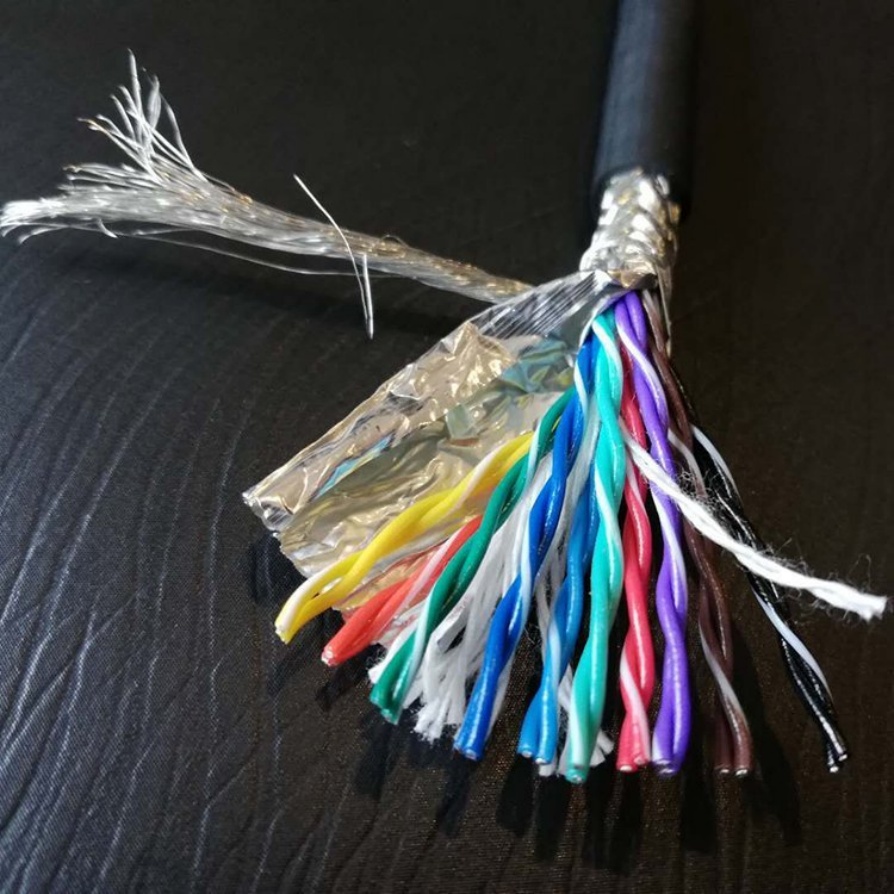
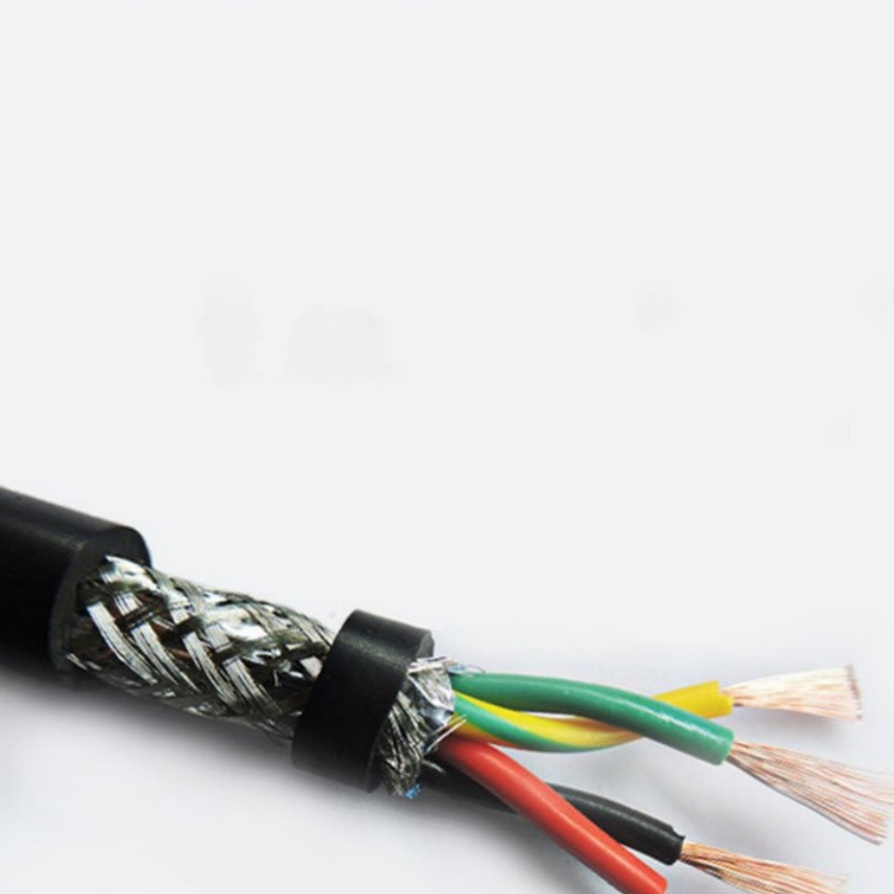
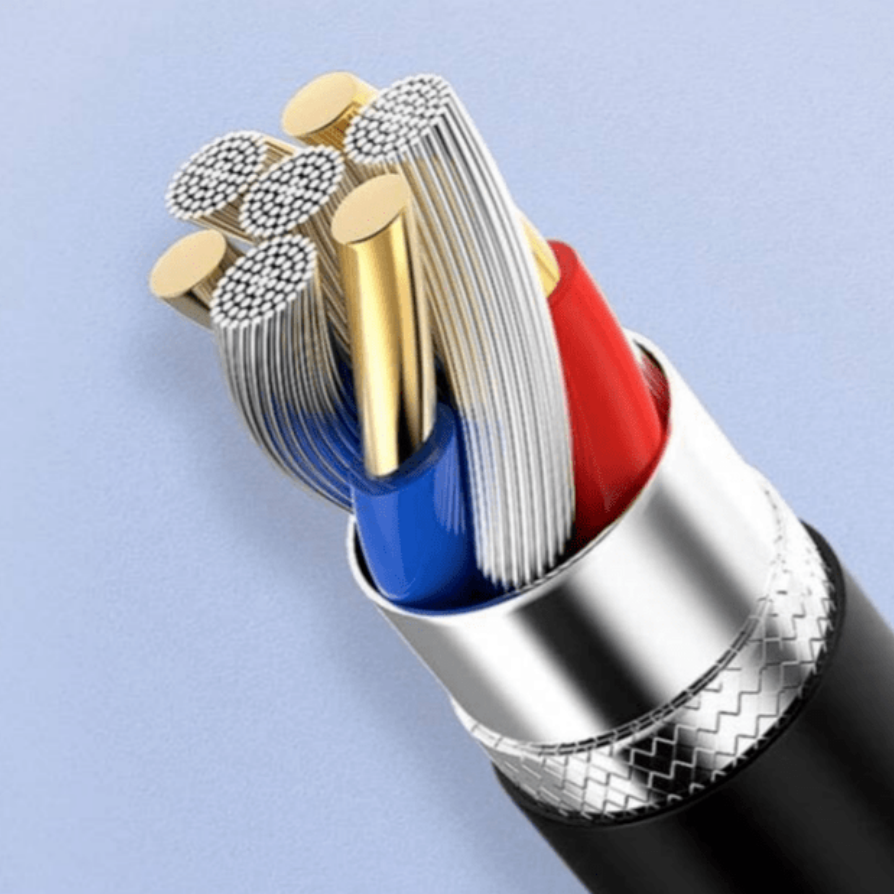
Multi-layer shielding is specifically engineered to counteract EMI/RFI. Each layer of shielding serves a distinct purpose: braided shields (usually made of copper or tinned copper) provide excellent coverage against low-frequency EMI and offer mechanical durability, while foil shields (such as aluminum-polyester foil) are effective at blocking high-frequency RFI. The combination of these layers creates a “Faraday cage” around the internal conductors, preventing external interference from penetrating the cable and internal signals from escaping (which can also cause interference with other equipment).
The practical impact of this EMI/RFI immunity is profound. In a manufacturing plant with multiple high-power machines, a standard Camera Link cable might produce noisy images with false edges or pixel errors, leading to incorrect defect detection. A multi-layer shielding cable, however, maintains clean signal transmission even in these high-interference environments, ensuring that the machine vision system delivers accurate, consistent results. This is especially important for critical applications like automotive part inspection, where a single false positive or negative can lead to costly rework or safety risks.
3. Enhanced Mechanical Durability for Long-Term Reliability
Machine vision systems are often installed in environments where cables are subject to frequent movement, bending, or exposure to physical stress—for example, in robotic arms, conveyor systems, or automated guided vehicles (AGVs). Standard cables may fail prematurely under these conditions, leading to downtime, maintenance costs, and lost productivity. Multi-layer shielding Camera Link cables are designed with mechanical durability in mind, offering enhanced resistance to wear, tear, and physical damage.
The shielding layers themselves contribute to mechanical strength. Braided shields, in particular, add flexibility and resistance to bending fatigue, allowing the cable to withstand repeated flexing without breaking or losing shielding effectiveness. Additionally, many multi-layer shielding cables feature a rugged outer jacket (made of materials like PVC, polyurethane, or TPE) that provides protection against abrasion, chemicals, and extreme temperatures. This jacket, combined with the shielding layers, creates a cable that can endure the rigors of industrial use—from exposure to oil and coolant in machining facilities to extreme cold in food processing plants or high heat in foundries.
Long-term reliability is a key advantage here. A durable multi-layer shielding cable has a longer service life than a standard cable, reducing the need for frequent replacements. This not only lowers maintenance costs but also minimizes downtime—critical for 24/7 industrial operations where even a few hours of system outage can result in significant financial losses. For example, in a semiconductor manufacturing facility, a machine vision system is used to inspect wafers around the clock; a cable failure could halt production, costing thousands of dollars per hour. A multi-layer shielding cable mitigates this risk by providing consistent performance over time.
4. Support for Longer Transmission Distances Without Signal Boosters
Many machine vision applications require cameras to be installed at a distance from the frame grabber and processing unit—for example, in large warehouses, high-ceiling manufacturing plants, or remote inspection stations. Standard Camera Link cables have limited transmission distances due to signal attenuation, which means that beyond a certain point (usually 3-5 meters for high-speed data), signal boosters or repeaters are required. These additional components add cost, complexity, and potential points of failure to the system.
Multi-layer shielding Camera Link cables address this challenge by reducing signal attenuation, allowing for longer transmission distances without the need for boosters. The layered shielding minimizes EM energy loss, ensuring that the signal remains strong and intact even over extended lengths. For instance, a multi-layer shielding Camera Link cable supporting Deca (10 Gbps) data rates can transmit data up to 10 meters, compared to 5 meters for a standard unshielded cable. This extended range provides greater flexibility in system design, allowing engineers to place cameras in optimal positions without being constrained by cable length limitations.
The elimination of signal boosters also simplifies the system architecture, reducing installation time and maintenance requirements. Fewer components mean fewer opportunities for failure, improving overall system reliability. Additionally, this cost savings can be significant—signal boosters and repeaters can add hundreds of dollars to the cost of a machine vision setup, which is avoided by using a multi-layer shielding cable.
5. Improved System Stability and Reduced Downtime
System stability is a critical factor in machine vision, as even minor disruptions can lead to incorrect data, missed inspections, or system crashes. The combination of superior signal integrity, EMI/RFI immunity, and mechanical durability offered by multi-layer shielding Camera Link cables translates directly to improved system stability. By minimizing signal corruption, interference, and cable failure, these cables ensure that the machine vision system operates consistently, even in the most challenging environments.
Reduced downtime is a direct benefit of improved system stability. In industrial settings, downtime is costly—according to industry reports, unplanned downtime can cost manufacturing companies an average of $22,000 per minute. Multi-layer shielding cables reduce the risk of unplanned downtime by minimizing cable-related failures, such as signal loss, short circuits, or shielding degradation. This is particularly important for critical applications like pharmaceutical inspection, where compliance with regulatory standards requires consistent, reliable system performance.
Furthermore, the consistent performance of multi-layer shielding cables reduces the need for manual intervention and troubleshooting. Engineers do not have to spend time diagnosing image quality issues caused by cable interference or replacing failed cables, allowing them to focus on other critical tasks. This improves overall operational efficiency and reduces labor costs.
6. Compatibility with Advanced Camera Link Standards
As machine vision technology advances, Camera Link standards have evolved to support higher data rates and more advanced features. The latest standards, such as Camera Link HS (High Speed) and Camera Link Over Fiber, require cables that can handle ultra-high-speed data transmission while maintaining signal integrity. Multi-layer shielding Camera Link cables are designed to be compatible with these advanced standards, making them a future-proof choice for machine vision systems.
Camera Link HS, for example, supports data rates up to 6.25 Gbps per lane, enabling high-resolution, high-frame-rate imaging. Multi-layer shielding cables are capable of transmitting these high-speed signals without degradation, ensuring that the system can take full advantage of the capabilities of Camera Link HS cameras. Similarly, Camera Link Over Fiber systems often use copper cables for short-range connections (between the camera and fiber transceiver), and multi-layer shielding cables are ideal for these connections, as they minimize interference and signal loss.
Compatibility with advanced standards means that companies do not have to replace their cables when upgrading their machine vision systems. This reduces upgrade costs and ensures that the system can adapt to future technological advancements. For example, a company using a Base Camera Link system today can upgrade to a Deca or HS system in the future without replacing the multi-layer shielding cables, providing long-term value.
7. Reduced Electromagnetic Emissions (EME) for Regulatory Compliance
In addition to protecting against external interference, multi-layer shielding Camera Link cables also reduce electromagnetic emissions (EME) from the cable itself. EME is the radiation of electromagnetic waves from the internal conductors of the cable, which can interfere with other electronic equipment nearby. Many industries are subject to strict regulatory standards regarding EME, such as the CE mark in the European Union, the FCC in the United States, and the CCC in China. Non-compliance with these standards can result in fines, product recalls, or restrictions on market access.
The multi-layer shielding of Camera Link cables contains the electromagnetic waves generated by the internal signals, preventing them from escaping and causing interference. This helps machine vision systems comply with EME regulations, ensuring that they can be used in global markets without regulatory issues. For example, a machine vision system used in a medical device manufacturing facility must comply with strict EME standards to avoid interfering with sensitive medical equipment; a multi-layer shielding cable is essential for meeting these requirements.
Reduced EME also improves the overall electromagnetic compatibility (EMC) of the machine vision system. EMC refers to the ability of a system to operate without interfering with other systems or being interfered with by them. A system with good EMC is more reliable and less likely to experience performance issues due to interactions with other electronic equipment. Multi-layer shielding cables play a key role in enhancing EMC, making them a critical component for systems operating in crowded electronic environments.
Real-World Applications: How Multi-Layer Shielding Cables Make a Difference
To illustrate the practical advantages of multi-layer shielding Camera Link cables, let’s consider two real-world applications:
Automotive Assembly Line Inspection: In an automotive assembly line, machine vision cameras are used to inspect welds, paint quality, and component placement. The environment is filled with EMI sources, including welding machines, conveyor motors, and power tools. A standard Camera Link cable would likely suffer from signal interference, leading to false defect detections or missed issues. A multi-layer shielding cable, however, maintains clean signal transmission, ensuring that the inspection system accurately identifies defects. Additionally, the cable’s mechanical durability allows it to withstand the constant movement of the assembly line, reducing downtime and maintenance costs.
Semiconductor Wafer Inspection: Semiconductor manufacturing requires ultra-high-resolution machine vision systems to inspect wafers for microscopic defects. These systems operate at very high frame rates, generating massive amounts of data. A standard cable would struggle to transmit this data over the required distance (often 8-10 meters) without signal degradation. A multi-layer shielding cable transmits the data accurately over this distance, eliminating the need for signal boosters. The cable’s EMI immunity is also critical in semiconductor facilities, where sensitive electronic equipment is prevalent.
Conclusion
Multi-layer shielding Camera Link cables are a game-changer for modern machine vision systems, offering a range of advantages that directly address the core challenges of high-resolution imaging, high-speed data transmission, and harsh industrial environments. From superior signal integrity and robust EMI/RFI immunity to enhanced mechanical durability and support for advanced standards, these cables elevate the performance, reliability, and stability of machine vision systems. By reducing downtime, minimizing maintenance costs, and ensuring regulatory compliance, multi-layer shielding Camera Link cables provide significant long-term value for companies across industries such as automotive, semiconductor, pharmaceutical, and manufacturing.
For businesses investing in machine vision technology, choosing a multi-layer shielding Camera Link cable is not just a technical decision—it’s a strategic one that ensures their systems can meet the demands of today’s applications and adapt to the advancements of tomorrow. As machine vision continues to evolve, the role of high-quality, specialized cables like multi-layer shielding Camera Link cables will only become more critical in unlocking the full potential of these powerful systems.