What are machine cable Assemblies and their core functions
In the complex ecosystem of industrial machinery and equipment, machine cable assemblies play a pivotal role that often goes unnoticed until a breakdown occurs. These specialized components are far more than just a bundle of wires; they are precision-engineered solutions designed to ensure seamless communication, power transmission, and operational reliability across a wide range of industrial applications. As industries continue to evolve toward automation, miniaturization, and higher performance, the demand for high-quality machine cable assemblies has never been greater. This article delves into the definition of machine cable assemblies, their core functions, common types, key applications, and the critical factors to consider when choosing them—providing a comprehensive guide for businesses and engineers seeking to understand and leverage this essential component.
Defining Machine Cable Assemblies
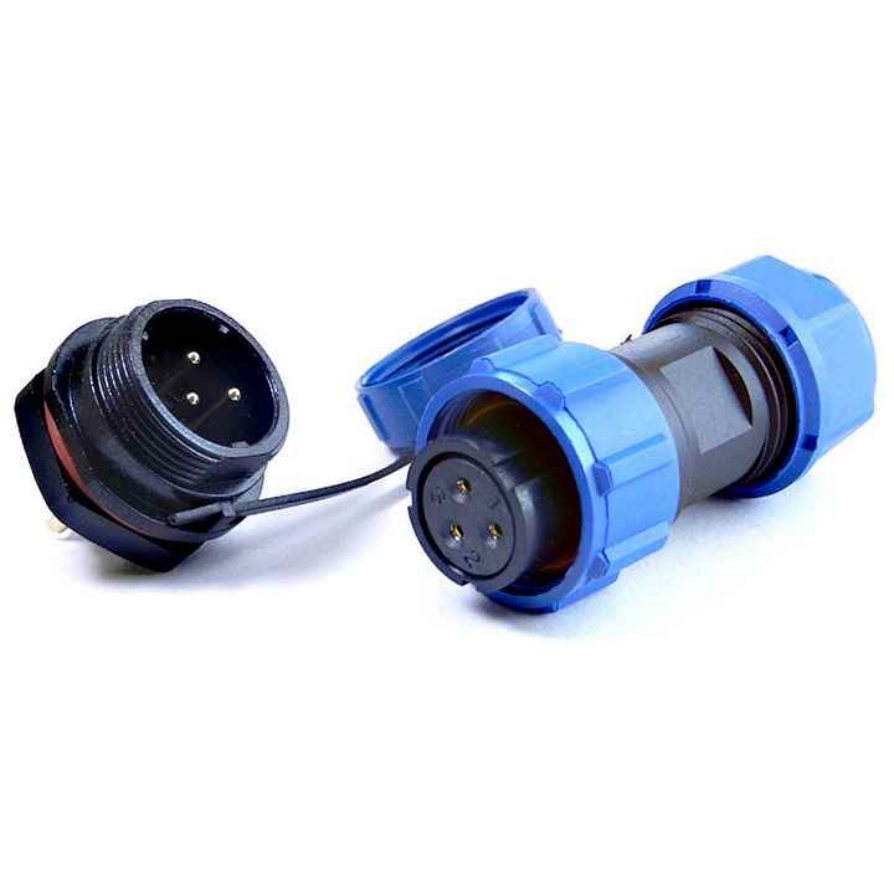
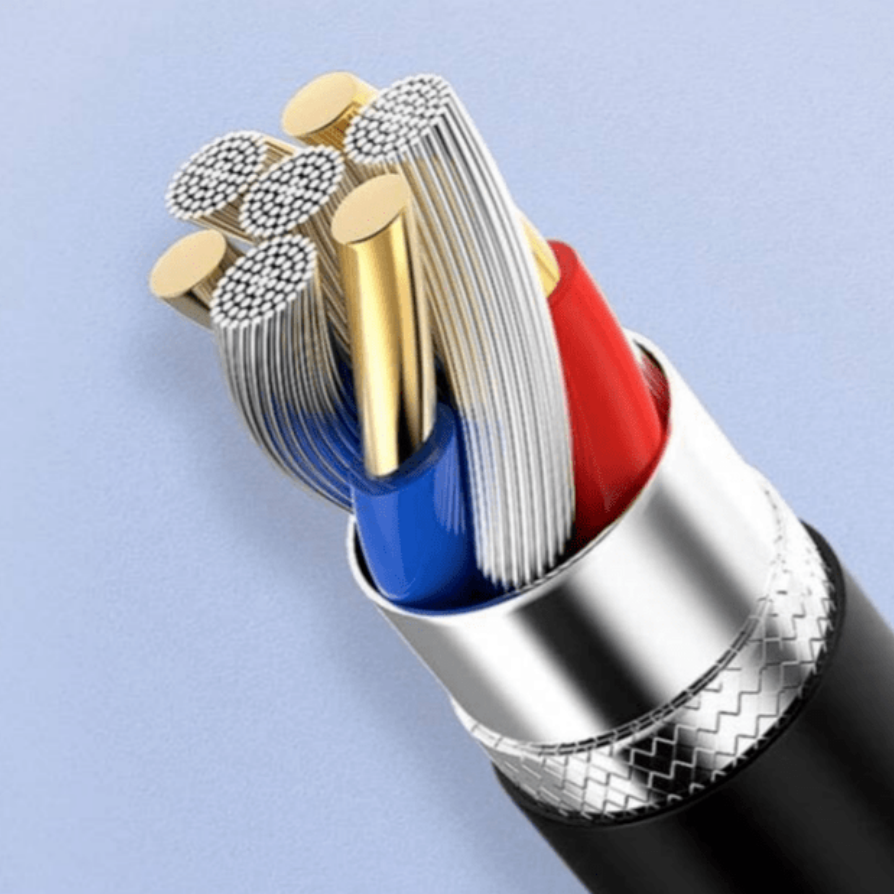
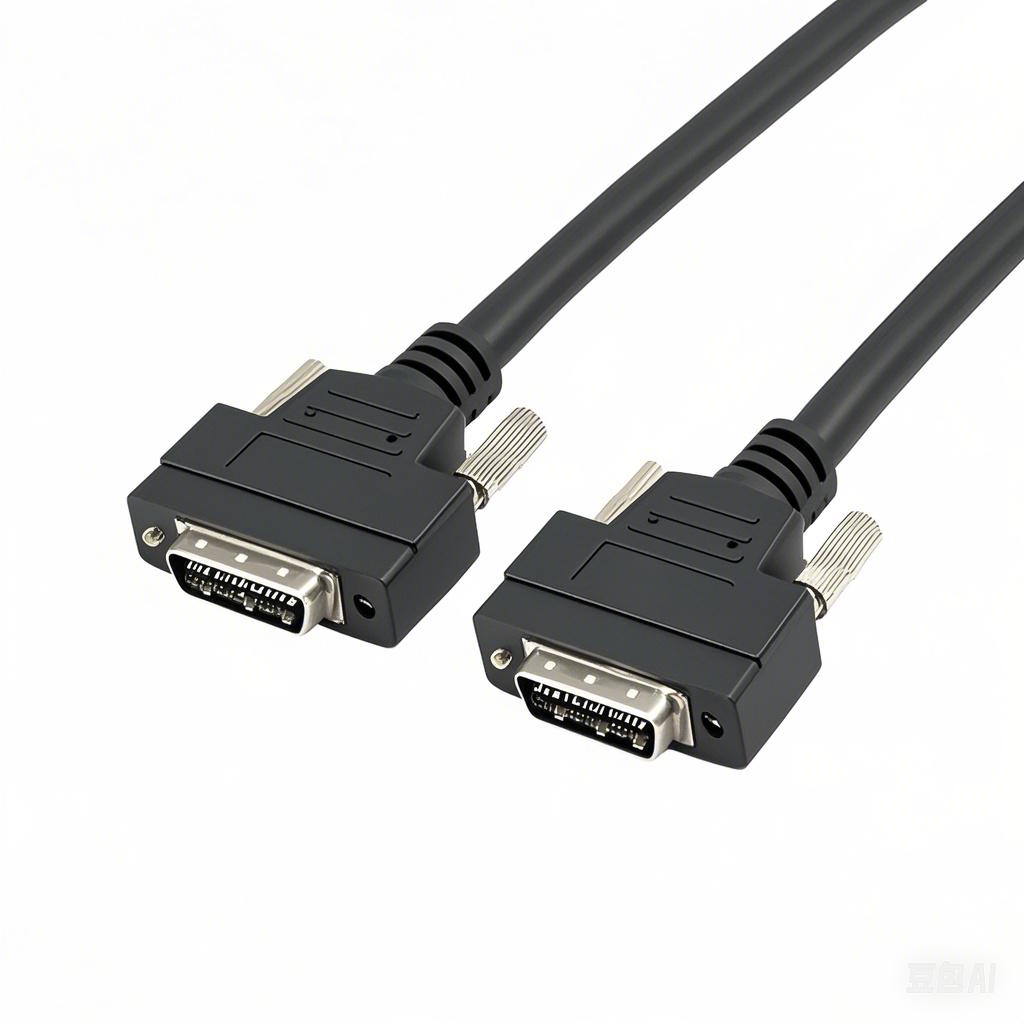
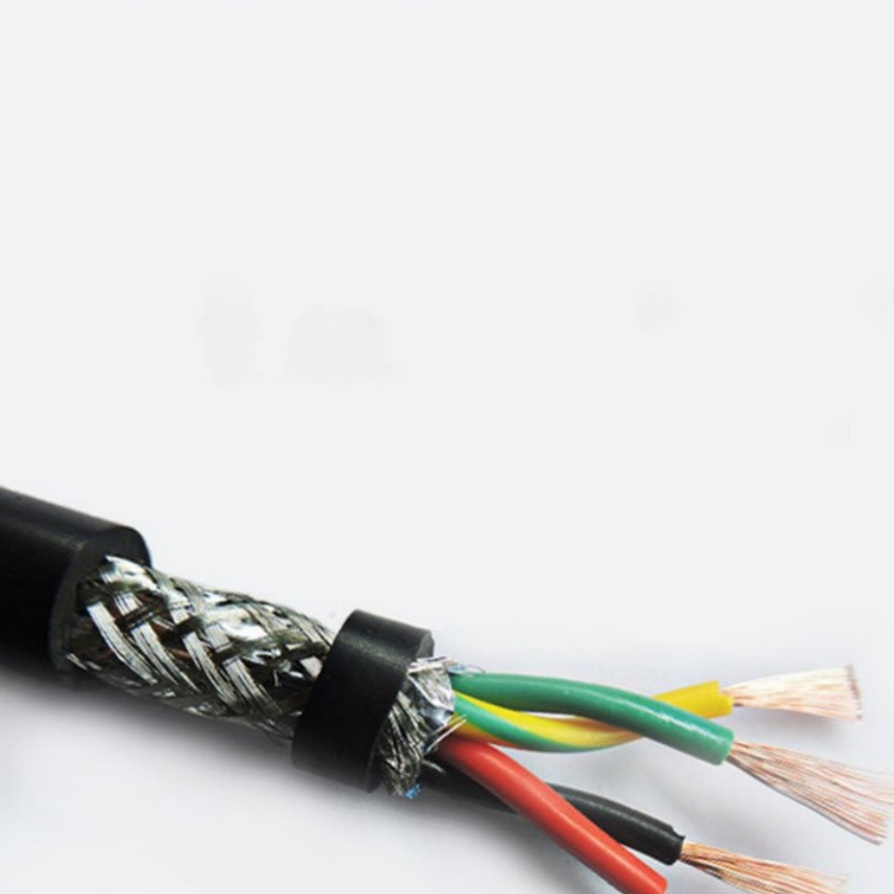
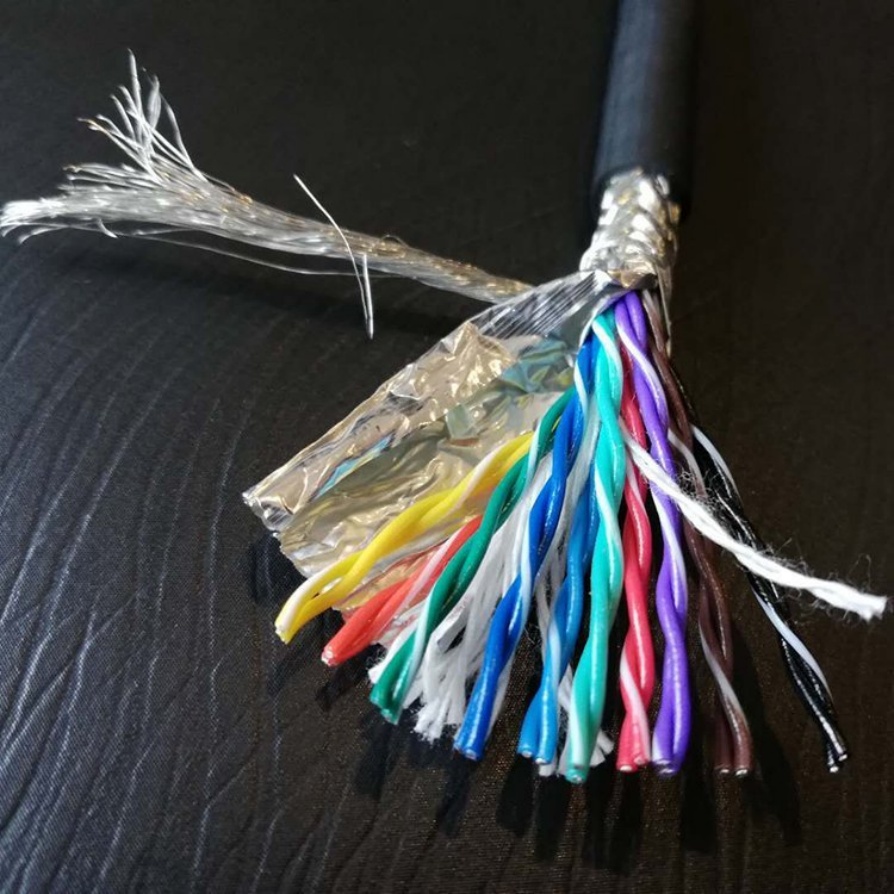
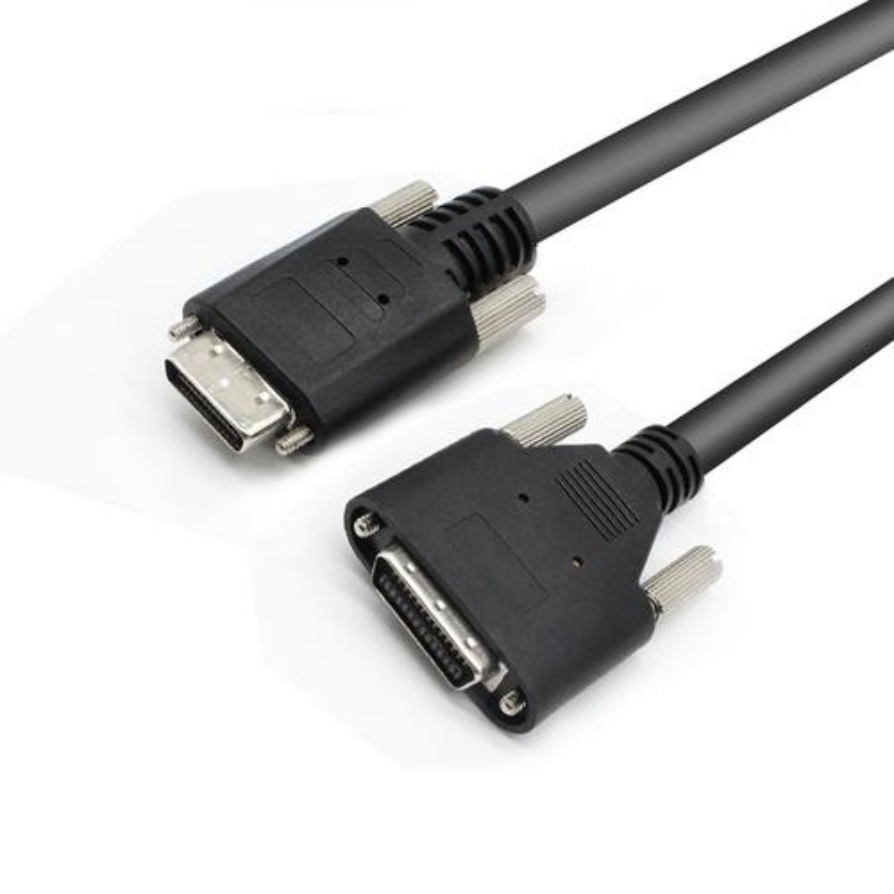
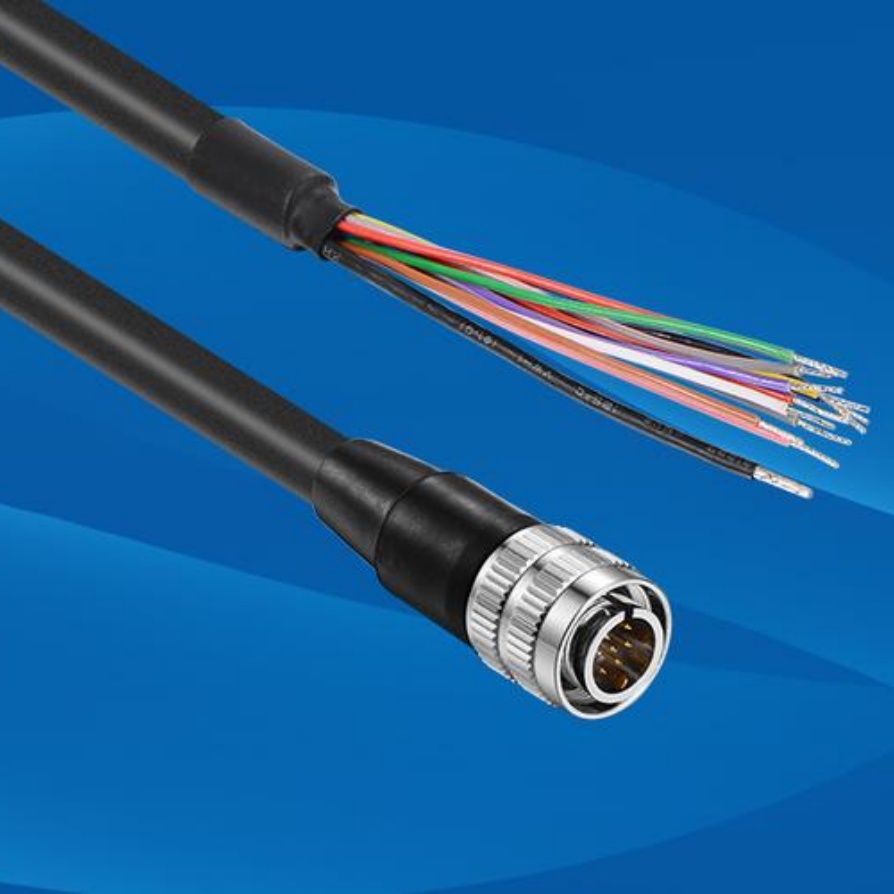
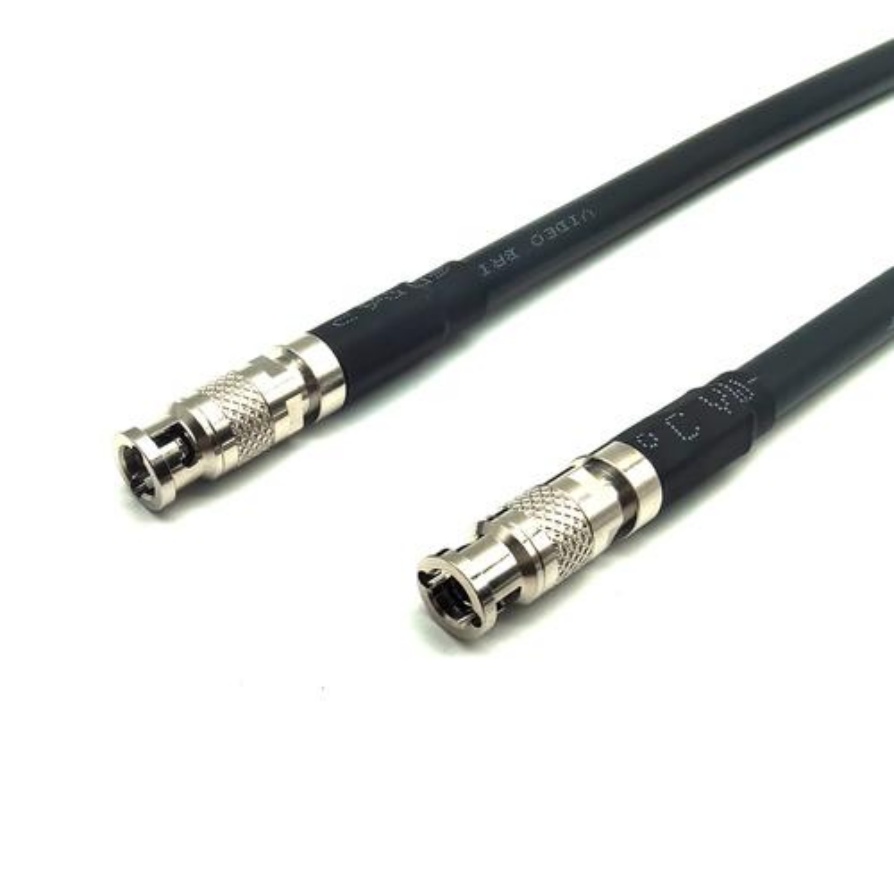
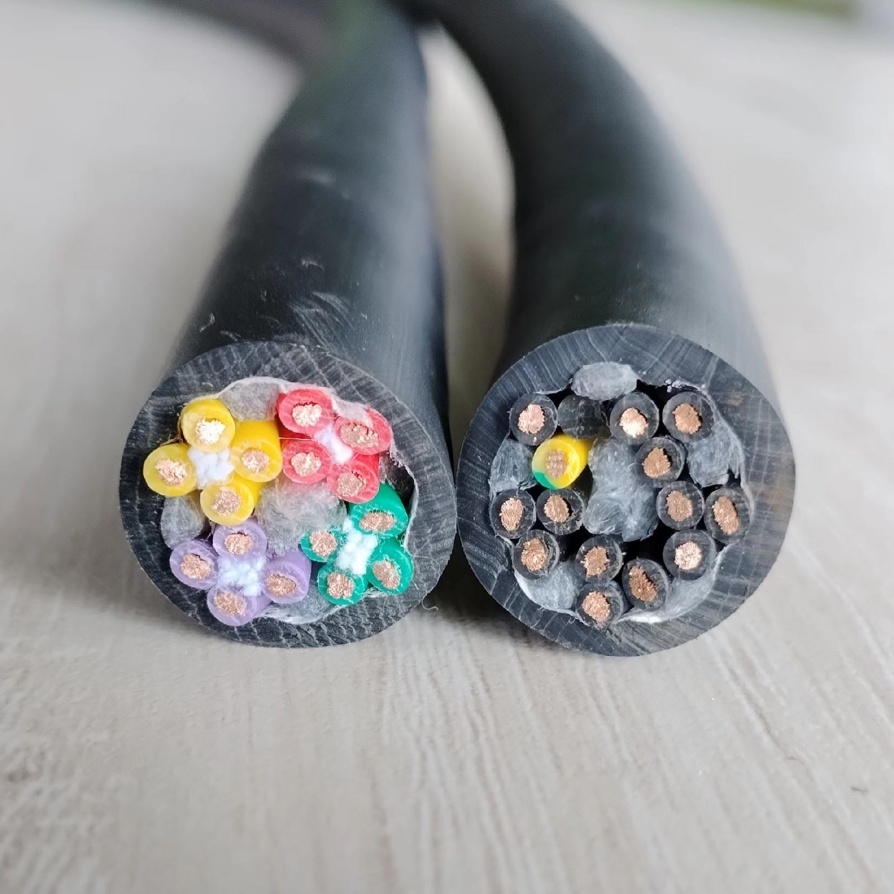
Machine cable assemblies, also known as industrial cable assemblies or mechanical cable assemblies, refer to prefabricated bundles of cables, wires, or conductors that are organized, terminated, and insulated to perform specific functions within machinery and equipment. Unlike standard off-the-shelf cables, these assemblies are tailored to meet the unique requirements of a particular machine or application, taking into account factors such as voltage, current, signal type, environmental conditions, and mechanical stress. They typically include components such as conductors (copper, aluminum, or specialty materials), insulation (PVC, TPE, PTFE, or silicone), shielding (braided, foil, or spiral), and connectors (USB, HDMI, D-sub, M12, or custom-designed interfaces). The prefabrication process ensures that each assembly is consistent in quality, length, and performance, reducing installation time, minimizing errors, and enhancing the overall reliability of the machinery it serves.
Core Functions of Machine Cable Assemblies
The functionality of machine cable assemblies is multifaceted, addressing both electrical and mechanical needs of industrial systems. Below are their key core functions:
1. Reliable Signal Transmission
In modern industrial machinery, precise and uninterrupted signal transmission is critical for monitoring, control, and data exchange. Machine cable assemblies are engineered to carry various types of signals—including analog, digital, and high-speed data—with minimal interference or loss. For example, in automated manufacturing lines, sensors send real-time data about part positions, temperatures, and pressures to control systems via these assemblies. To achieve this, they often incorporate shielding layers (such as braided copper or aluminum foil) that protect against electromagnetic interference (EMI) and radio frequency interference (RFI) from nearby equipment, power lines, or other sources. This shielding ensures that signals remain accurate, preventing miscommunication between components that could lead to operational errors, product defects, or even equipment downtime.
2. Efficient Power Distribution
Another primary function of machine cable assemblies is to supply electrical power to different components of a machine. From motors and actuators to control panels and lighting, nearly every part of industrial equipment requires a stable power source. These assemblies are designed to handle specific voltage and current ratings, ensuring that each component receives the correct amount of power without overheating or voltage drops. For high-power applications, such as heavy-duty motors in automotive assembly plants, the conductors within the assemblies are made of thick, high-conductivity materials (like stranded copper) to minimize resistance and maximize power transfer efficiency. Additionally, the insulation materials used are chosen for their heat resistance and durability, preventing short circuits and ensuring safe operation even in high-temperature environments.
3. Mechanical Protection and Durability
Industrial environments are often harsh, exposing machinery to physical stressors such as vibration, impact, abrasion, and flexing. Machine cable assemblies are built to withstand these conditions, protecting the internal conductors and insulation from damage. They may feature outer jackets made of rugged materials like polyurethane (PU) or polyvinyl chloride (PVC), which resist tearing, chemical exposure, and wear. In applications where cables are subject to constant movement—such as robotic arms or conveyor systems—flexible machine cable assemblies are used, which are designed to endure millions of bending cycles without fatigue or breakage. This mechanical protection not only extends the lifespan of the cables but also reduces the risk of unexpected failures that can disrupt production and increase maintenance costs.
4. Environmental Adaptability
Machine cable assemblies must operate reliably in a wide range of environmental conditions, from extreme temperatures and humidity to exposure to dust, water, and corrosive substances. For example, in food and beverage processing plants, assemblies may need to be resistant to water and cleaning chemicals, while in oil and gas refineries, they must withstand high temperatures and exposure to hydrocarbons. To address these needs, manufacturers offer specialized machine cable assemblies with environmental ratings such as IP67 (dust-tight and water-resistant) or NEMA 4X (corrosion-resistant). These assemblies may also include features like UV-resistant jackets for outdoor use or low-temperature insulation for cold storage applications, ensuring that they perform consistently regardless of the operating environment.
5. Integration and Simplification of Wiring
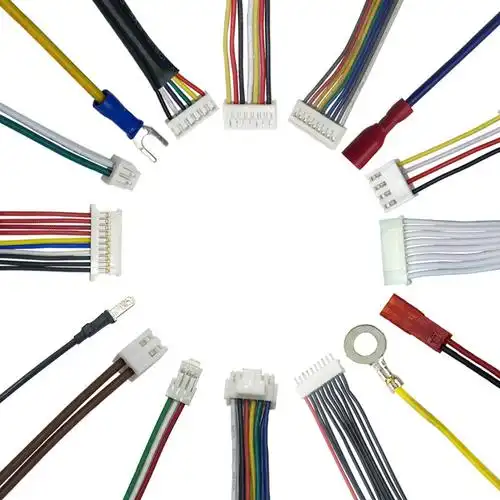
Industrial machinery often has dozens or even hundreds of individual wires that need to be connected between components. Managing these wires manually is time-consuming, error-prone, and difficult to maintain. Machine cable assemblies simplify this process by consolidating multiple wires into a single, organized bundle. Each assembly is pre-terminated with the appropriate connectors, making installation quick and straightforward—reducing the time and labor required to wire a machine. Additionally, the standardized design of these assemblies makes it easier to troubleshoot and replace components, as technicians can quickly identify and access specific cables without sifting through a tangled mess of wires. This integration not only improves the efficiency of the manufacturing process but also enhances the overall safety of the machinery by reducing the risk of loose wires or incorrect connections.
Common Types of Machine Cable Assemblies
Machine cable assemblies come in a variety of types, each designed for specific applications and requirements. Some of the most common types include:
- Power Cable Assemblies: These are designed to transmit high levels of electrical power to motors, heaters, and other high-energy components. They typically feature large-gauge conductors and thick insulation to handle high currents and voltages.
- Signal Cable Assemblies: Used for transmitting low-voltage signals, such as data from sensors to control systems. They often include shielding to prevent interference and may have twisted pairs of conductors to reduce crosstalk.
- Control Cable Assemblies: These connect control devices (such as buttons, switches, and PLCs) to other components, enabling the operator to control the machine’s functions. They are usually flexible and may have multiple conductors for different control signals.
- Flexible Cable Assemblies: Designed for applications where cables are subject to repeated bending or movement, such as robotic arms, linear actuators, and mobile equipment. They use flexible conductors and insulation materials to withstand fatigue.
- Custom Cable Assemblies: Tailored to meet the unique needs of a specific machine or application. These may include non-standard lengths, connectors, shielding, or environmental ratings, and are often used in specialized industries like aerospace, medical devices, or military equipment.
Key Applications of Machine Cable Assemblies
Machine cable assemblies are used across virtually every industry that relies on industrial machinery. Some of the most prominent applications include:
- Automotive Manufacturing: In assembly lines, machine cable assemblies connect robots, conveyor systems, sensors, and control panels, enabling automated welding, painting, and part handling.
- Food and Beverage Processing: Water-resistant and chemical-resistant assemblies are used in machinery for packaging, bottling, and processing, ensuring compliance with hygiene standards.
- Medical Devices: Precision signal cable assemblies are used in diagnostic equipment (such as MRI machines and ultrasound scanners) and surgical tools, where accuracy and reliability are critical.
- Aerospace and Defense: High-temperature and vibration-resistant assemblies are used in aircraft, spacecraft, and military vehicles, where they must operate in extreme and demanding conditions.
- Energy and Utilities: In power plants, wind turbines, and solar panels, machine cable assemblies transmit power and data, withstanding exposure to weather, dust, and high voltages.
- Electronics Manufacturing: In SMT (Surface Mount Technology) machines and PCB (Printed Circuit Board) assembly lines, these assemblies connect components that require precise signal transmission and control.
Critical Factors to Consider When Choosing Machine Cable Assemblies
Selecting the right machine cable assembly is essential to ensure the performance, reliability, and safety of industrial machinery. Below are some key factors to consider:
- Electrical Requirements: Determine the voltage, current, and signal type that the assembly will need to handle. This will dictate the gauge of the conductors, the type of insulation, and whether shielding is required.
- Environmental Conditions: Consider the temperature range, humidity, exposure to water, dust, chemicals, and UV radiation. Choose an assembly with the appropriate environmental ratings (e.g., IP67, NEMA 4X) and material properties.
- Mechanical Stress: Evaluate the amount of vibration, impact, flexing, and abrasion the assembly will be subjected to. For high-movement applications, opt for flexible or torsion-resistant assemblies.
- Connector Type: Ensure that the connectors are compatible with the components they will be connecting. Common connector types include M12, D-sub, USB, HDMI, and custom interfaces.
- Compliance and Certifications: Check that the assembly meets industry standards and certifications, such as UL (Underwriters Laboratories), CE (Conformité Européenne), or RoHS (Restriction of Hazardous Substances), to ensure safety and regulatory compliance.
- Customization Needs: If standard assemblies do not meet your requirements, look for a manufacturer that offers custom design and fabrication services to create an assembly tailored to your specific needs.
Why Choose FRS for Your Machine Cable Assemblies
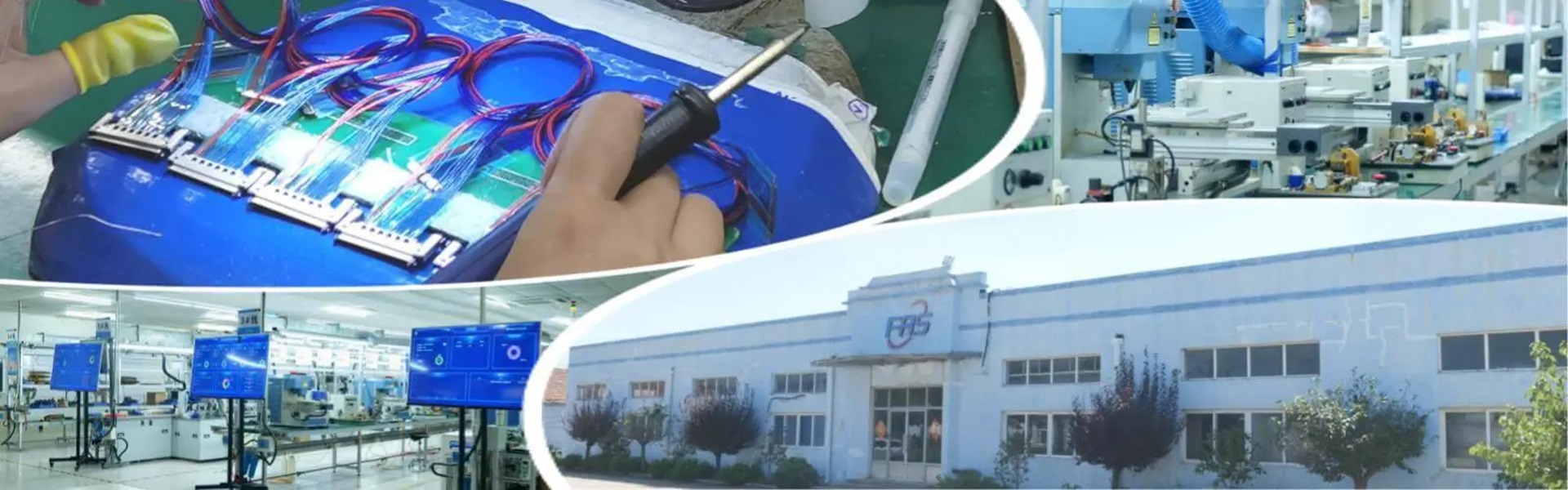
When it comes to machine cable assemblies, quality, reliability, and customization are non-negotiable—and FRS stands out as a trusted partner for businesses across industries. As a leading manufacturer of industrial cable assemblies, FRS combines decades of engineering expertise with state-of-the-art production facilities to deliver solutions that meet the most demanding requirements.
At FRS, we understand that every application is unique. That’s why we offer fully customizable machine cable assemblies, designed to your exact specifications—whether you need specialized shielding for EMI protection, rugged jackets for harsh environments, or custom connectors for unique equipment. Our team of experienced engineers works closely with you to assess your needs, provide technical guidance, and develop prototypes to ensure that the final product meets or exceeds your expectations.
Quality is at the heart of everything we do. FRS adheres to strict quality control standards throughout the production process, from sourcing high-grade materials (such as oxygen-free copper conductors and flame-retardant insulation) to rigorous testing of each assembly for electrical performance, mechanical durability, and environmental resistance. Our assemblies are certified to global standards, including UL, CE, and RoHS, giving you peace of mind that they are safe, reliable, and compliant.
In addition to quality and customization, FRS is committed to delivering exceptional service. We offer fast lead times, competitive pricing, and responsive customer support to ensure that your project stays on track. Whether you need a small batch of standard assemblies or a large-scale order of custom-designed ones, our production team has the capacity and flexibility to meet your deadlines without compromising on quality.
From automotive manufacturing to medical devices, aerospace to energy, FRS has supplied machine cable assemblies to businesses around the world, earning a reputation for excellence and dependability. When you choose FRS, you’re not just buying a cable assembly—you’re investing in a solution that will enhance the performance, reliability, and longevity of your machinery. Contact FRS today to learn how our machine cable assemblies can support your business needs.