What are the key advantages of Shielded USB3 Vision cable IP67 waterp...
Outdoor machine vision systems have become indispensable in a wide range of industries, from automotive manufacturing and logistics to agriculture and smart city surveillance. These systems operate in harsh and unpredictable environments—exposed to rain, dust, extreme temperatures, and electromagnetic interference (EMI)—which puts severe demands on every component, especially the cables that transmit critical image data and power. Among the various cable solutions available, the Shielded USB3 Vision cable with IP67 waterproof rating stands out as a game-changer for outdoor applications. In this article, we will delve into the key advantages of this specialized cable, explaining why it has become the preferred choice for engineers and system integrators looking to build reliable, high-performance outdoor machine vision setups.
1. IP67 Waterproof and Dustproof Protection: Surviving Harsh Outdoor Elements
The most obvious and critical advantage of the Shielded USB3 Vision cable with IP67 rating is its robust protection against water and dust—two of the biggest enemies of outdoor electronic systems. The IP (Ingress Protection) rating system, defined by the International Electrotechnical Commission (IEC) standard 60529, classifies the degree of protection provided by enclosures against solid particles and liquid ingress. An IP67 rating means the cable is fully protected against dust ingress (the “6” rating) and can withstand immersion in water up to 1 meter deep for 30 minutes (the “7” rating).
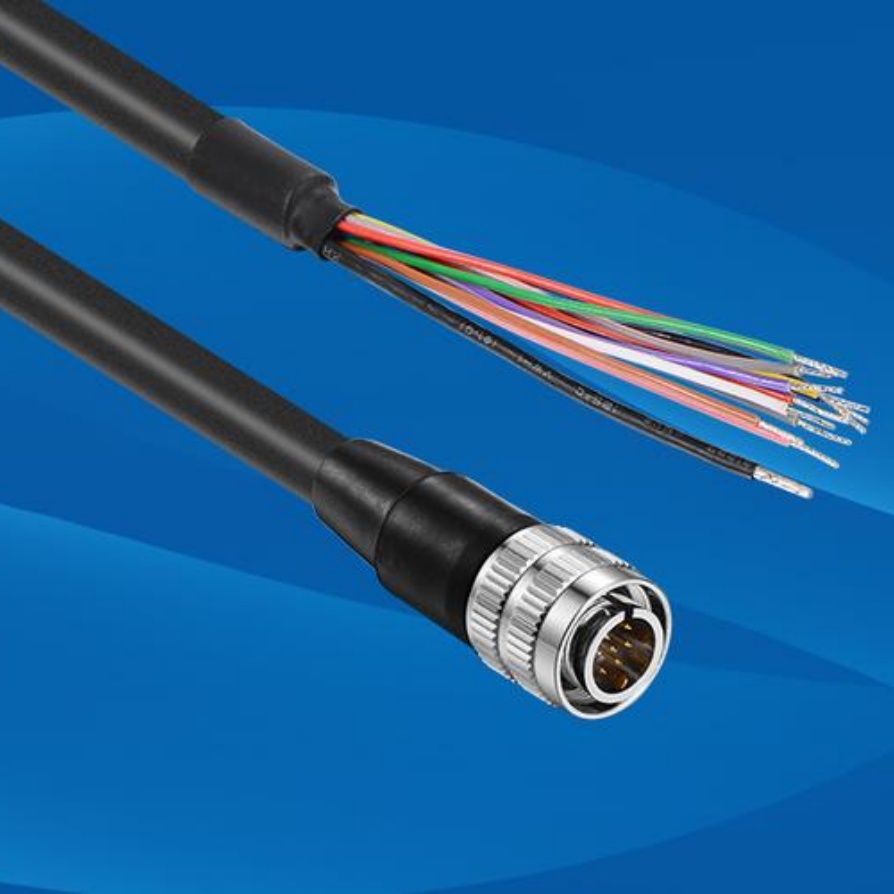
In outdoor machine vision scenarios, this level of protection is non-negotiable. Consider a logistics warehouse’s outdoor loading dock, where machine vision cameras monitor package sorting and loading operations. Rain, snow, and dust kicked up by trucks are constant threats. A standard USB cable would quickly fail in this environment—water ingress could short-circuit the connections, while dust accumulation would degrade signal quality or cause physical damage to the cable’s connectors. The IP67-rated Shielded USB3 Vision cable eliminates these risks by using sealed connectors and a durable, water-resistant jacket. This ensures that the cable maintains consistent performance even in heavy rain, dusty construction sites, or agricultural fields where dirt and moisture are prevalent.
Moreover, the IP67 protection isn’t just about preventing immediate failure—it also extends the cable’s lifespan. Outdoor exposure to moisture and dust accelerates corrosion and wear of standard cables, leading to frequent replacements and unplanned downtime. By resisting these elements, the Shielded USB3 Vision cable with IP67 rating reduces maintenance costs and improves the overall reliability of the machine vision system, a key concern for businesses looking to minimize operational disruptions.
2. Advanced Shielding: Mitigating Electromagnetic Interference (EMI) for Clear Data Transmission
Outdoor environments are rife with electromagnetic interference (EMI) sources, including power lines, industrial machinery, wireless communication devices, and even lightning. For machine vision systems, which rely on the transmission of high-resolution image data, EMI can be catastrophic. It can corrupt data, leading to distorted images, missed inspections, and incorrect decision-making. This is where the shielding of the USB3 Vision cable becomes a critical advantage.
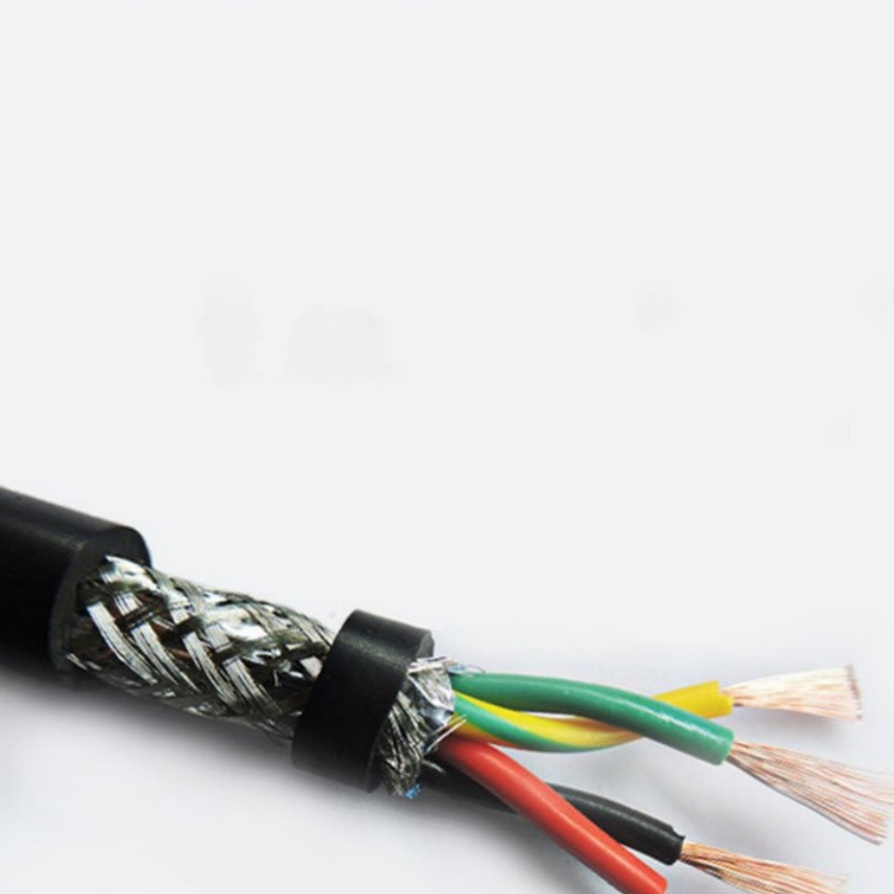
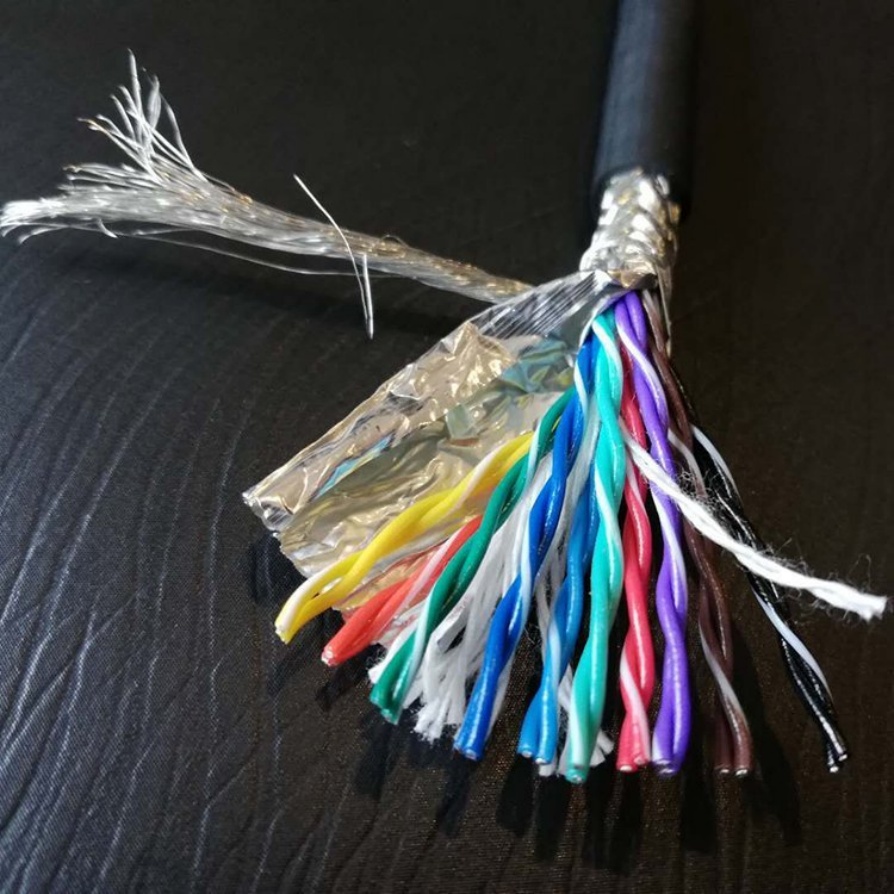
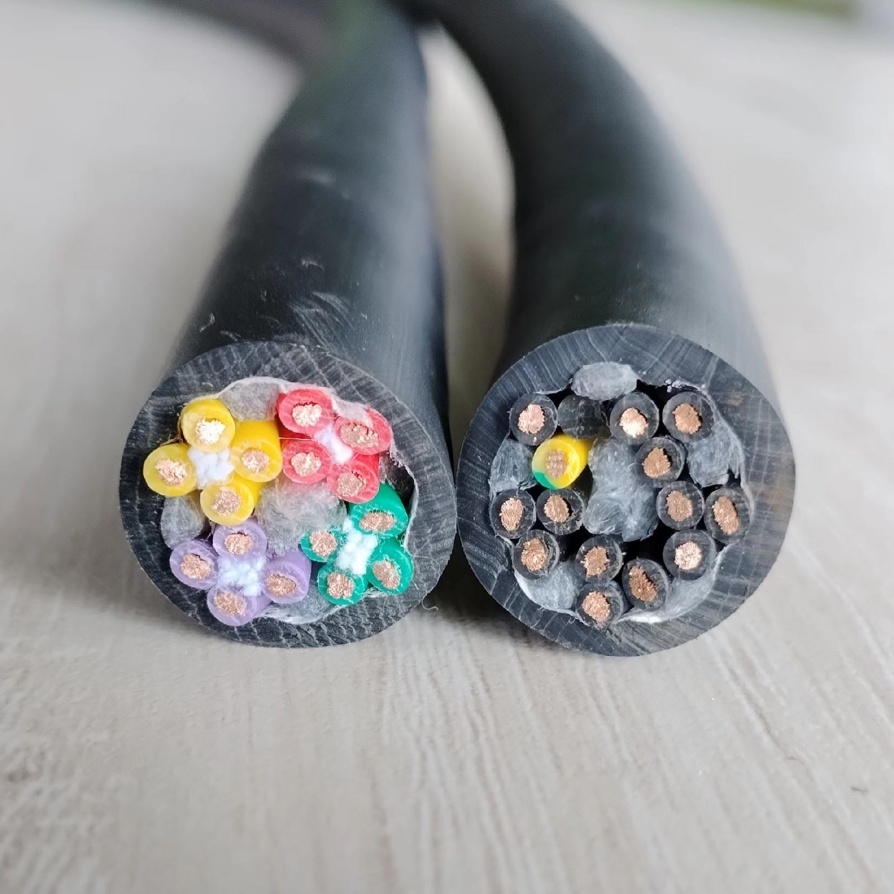
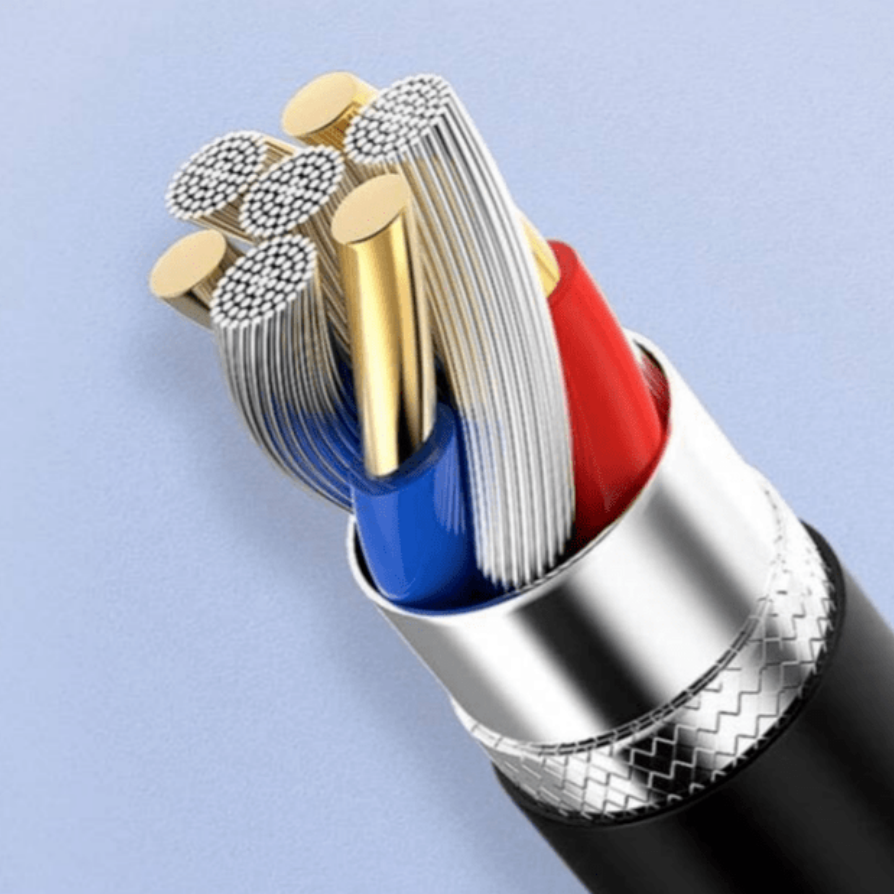
Shielded USB3 Vision cables are designed with multiple layers of shielding—typically a braided copper shield and a foil shield—that act as a barrier against EMI. The braided shield provides excellent coverage (often 95% or higher) to block external electromagnetic signals from penetrating the cable and interfering with the data being transmitted. The foil shield, on the other hand, offers protection against high-frequency EMI and fills in gaps in the braided shield, ensuring comprehensive coverage.
USB3 Vision technology itself is optimized for high-speed data transfer, supporting speeds of up to 5 Gbps (USB 3.0) or 10 Gbps (USB 3.1 Gen 2), which is essential for transmitting high-resolution (e.g., 4K, 8K) and high-frame-rate images in real time. However, high-speed data transmission is particularly vulnerable to EMI. Without proper shielding, the cable’s signal integrity would degrade rapidly in EMI-rich outdoor environments, leading to data loss or latency. The shielded design of the cable preserves signal integrity, ensuring that image data is transmitted accurately and without delay—even when the cable is routed near power lines or industrial equipment.
Another benefit of the shielding is that it prevents the cable itself from emitting electromagnetic radiation, which could interfere with other sensitive electronic components in the machine vision system. This is especially important in smart city applications, where multiple sensors and cameras are deployed in close proximity, and cross-interference could disrupt the entire network.
3. High-Speed Data Transfer: Enabling Real-Time Outdoor Machine Vision Performance
Machine vision systems in outdoor applications often require real-time processing of high-resolution images. For example, in autonomous vehicle testing, cameras need to transmit detailed images of the road, pedestrians, and other vehicles to the on-board processing unit in milliseconds to enable quick decision-making. In agricultural machine vision, cameras mounted on tractors need to capture and transmit images of crops in real time to adjust seeding or spraying operations on the fly. The Shielded USB3 Vision cable is specifically engineered to meet these high-speed data transfer requirements.
As part of the USB3 Vision standard, the cable supports the full bandwidth of USB 3.x, which is significantly higher than older USB standards (e.g., USB 2.0, which maxes out at 480 Mbps). This high bandwidth allows for the transmission of uncompressed high-resolution images and video, which is crucial for machine vision applications where image quality directly impacts the accuracy of inspections and analysis. Unlike some other high-speed interfaces (e.g., Gigabit Ethernet), USB3 Vision offers a simpler, more cost-effective solution with plug-and-play functionality, making it easier to integrate into existing systems.
The combination of high-speed data transfer and shielding is particularly advantageous in outdoor settings. For example, in a construction site where machine vision cameras are used to monitor structural integrity, the cable needs to transmit high-resolution images quickly while resisting EMI from construction equipment (e.g., cranes, welders). The Shielded USB3 Vision cable with IP67 rating delivers on both fronts, ensuring that the machine vision system can operate in real time without compromising on image quality or reliability.
4. Durable Construction: Withstanding Extreme Temperatures and Physical Wear
Outdoor machine vision systems are often exposed to extreme temperatures, ranging from freezing cold (e.g., in polar regions or winter construction sites) to scorching heat (e.g., in desert environments or summer agricultural fields). Standard cables are not designed to withstand these temperature extremes—their jackets can become brittle and crack in cold weather, or soften and melt in hot weather, leading to signal loss or cable failure. The Shielded USB3 Vision cable with IP67 rating is built with durable materials that can withstand a wide temperature range, typically from -40°C to 85°C, making it suitable for use in almost any outdoor environment.
In addition to temperature resistance, the cable’s construction is designed to withstand physical wear and tear. Outdoor cables are often routed around sharp edges, dragged across rough surfaces, or subjected to vibration from machinery. The Shielded USB3 Vision cable features a rugged jacket (e.g., PVC, PUR, or TPE) that is resistant to abrasion, oil, and chemicals. PUR (Polyurethane) jackets, in particular, are popular for outdoor applications due to their excellent flexibility, abrasion resistance, and resistance to UV radiation—another key threat in outdoor environments, as UV rays can degrade standard cable jackets over time.
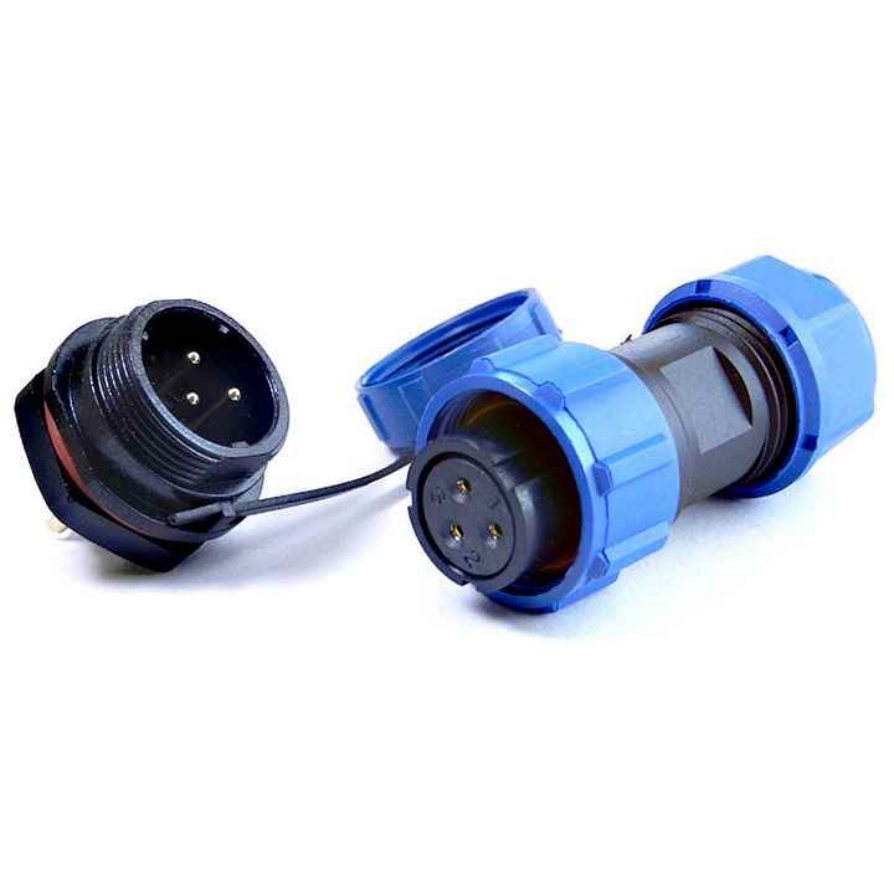
The connectors of the Shielded USB3 Vision cable are also built to be durable. IP67-rated connectors are typically made from high-quality materials (e.g., metal or reinforced plastic) and feature sealed gaskets to prevent water and dust ingress. They are also designed to withstand repeated mating and unmating, which is useful in applications where cameras need to be moved or replaced periodically. This durability ensures that the cable can withstand the rigors of outdoor use, reducing the need for frequent replacements and minimizing downtime.
5. Compliance with USB3 Vision Standard: Ensuring Interoperability and Ease of Integration
The Shielded USB3 Vision cable is compliant with the USB3 Vision standard, an open standard developed by the Automated Imaging Association (AIA) that defines the interface between machine vision cameras and host systems. This compliance is a significant advantage for system integrators, as it ensures interoperability between the cable and a wide range of USB3 Vision-compatible cameras, frame grabbers, and software. Unlike proprietary cable solutions, which may only work with specific brands or models of equipment, USB3 Vision-compliant cables offer flexibility and ease of integration.
Plug-and-play functionality is another key benefit of USB3 Vision compliance. In outdoor machine vision applications, where setup and maintenance can be challenging, the ability to quickly connect and disconnect cameras without the need for complex configuration saves time and reduces the risk of errors. For example, in a smart city surveillance system, if a camera needs to be replaced, a technician can simply unplug the old Shielded USB3 Vision cable and plug it into the new camera—no software updates or configuration changes are required. This simplifies maintenance and ensures that the system can be back up and running quickly.
Furthermore, the USB3 Vision standard includes features that enhance the reliability and performance of the system, such as power over USB (PoE) support. Many Shielded USB3 Vision cables can transmit both data and power, eliminating the need for separate power cables. This is particularly beneficial in outdoor applications where running additional power cables can be costly and time-consuming. For example, in a remote agricultural field, a machine vision camera powered via the USB3 Vision cable can be installed without the need for a nearby power outlet, reducing installation costs and complexity.
6. Cost-Effectiveness: Balancing Performance and Total Ownership Cost
While Shielded USB3 Vision cables with IP67 rating may have a higher upfront cost than standard cables, they offer significant cost savings over the long term. As mentioned earlier, their durability and resistance to harsh outdoor elements reduce the need for frequent replacements, lowering maintenance costs. Additionally, their high-speed data transfer and EMI resistance ensure that the machine vision system operates accurately, reducing the risk of costly errors (e.g., incorrect product inspections, missed safety hazards).
Compared to other high-performance cable solutions (e.g., fiber optic cables), Shielded USB3 Vision cables are also more cost-effective. Fiber optic cables require specialized connectors and equipment, which can increase installation and maintenance costs. USB3 Vision cables, on the other hand, use standard USB connectors and are compatible with a wide range of off-the-shelf equipment, making them a more affordable option for many outdoor machine vision applications.
Another cost-saving benefit is the reduced downtime. In industries where machine vision systems are critical to operations (e.g., automotive manufacturing, logistics), unplanned downtime can result in significant financial losses. The reliability of the Shielded USB3 Vision cable with IP67 rating minimizes downtime, ensuring that the system operates consistently and efficiently.
Real-World Applications: How These Advantages Translate to Practical Value
To better understand the value of these advantages, let’s look at some real-world applications of Shielded USB3 Vision cables with IP67 rating in outdoor machine vision:
Agriculture: In precision agriculture, machine vision cameras mounted on drones or tractors are used to monitor crop health, detect pests, and optimize irrigation. These cameras operate in dusty, wet environments (e.g., after rain, during irrigation) and are exposed to extreme temperatures. The IP67 protection of the Shielded USB3 Vision cable prevents water and dust ingress, while the shielding resists EMI from the tractor’s engine and other electronic equipment. High-speed data transfer ensures that crop images are transmitted to the on-board processing unit in real time, allowing for immediate adjustments to seeding or spraying operations.
Logistics and Warehousing: Outdoor loading docks and shipping yards use machine vision cameras to track packages, verify barcodes, and monitor loading operations. These environments are exposed to rain, snow, and dust, and are often located near power lines and industrial machinery (e.g., forklifts, conveyor belts) that generate EMI. The Shielded USB3 Vision cable’s IP67 rating and shielding ensure reliable performance, while high-speed data transfer allows for quick processing of barcode data and package images, reducing loading and unloading times.
Smart Cities: Smart city surveillance systems use machine vision cameras to monitor traffic flow, detect accidents, and enhance public safety. These cameras are often installed in exposed locations (e.g., on street poles, bridges) where they are exposed to rain, dust, and extreme temperatures. The IP67 protection of the cable ensures that the cameras remain operational in all weather conditions, while the shielding resists EMI from nearby power lines and wireless communication devices. USB3 Vision compliance makes it easy to integrate the cameras into the city’s existing network, simplifying installation and maintenance.
Automotive Manufacturing: Outdoor automotive testing facilities use machine vision cameras to monitor vehicle performance (e.g., crash tests, off-road testing). These cameras operate in harsh environments, including muddy off-road tracks and extreme temperature conditions. The Shielded USB3 Vision cable’s durable construction and IP67 rating withstand these conditions, while high-speed data transfer ensures that high-resolution images of the test vehicle are transmitted in real time for analysis.
Conclusion: Why Shielded USB3 Vision Cable IP67 Waterproof Is Essential for Outdoor Machine Vision
The Shielded USB3 Vision cable with IP67 waterproof rating offers a unique combination of protection, performance, and durability that is essential for outdoor machine vision applications. Its IP67 rating protects against water and dust, ensuring operation in harsh weather conditions. Advanced shielding mitigates EMI, preserving signal integrity and ensuring accurate data transmission. High-speed data transfer enables real-time processing of high-resolution images, while durable construction withstands extreme temperatures and physical wear. Compliance with the USB3 Vision standard ensures interoperability and ease of integration, and its cost-effectiveness makes it a practical choice for businesses looking to balance performance and total ownership cost.
As outdoor machine vision systems continue to evolve and become more widespread, the demand for reliable, high-performance cable solutions will only grow. The Shielded USB3 Vision cable with IP67 waterproof rating is well-positioned to meet this demand, providing the critical advantages needed to ensure the success of outdoor machine vision applications across a wide range of industries. Whether you’re designing a precision agriculture system, a smart city surveillance network, or an automotive testing facility, this specialized cable is a key component that should not be overlooked.