What Bend Cycle Life Do Machine Vision Cables Need for Industrial Mac...
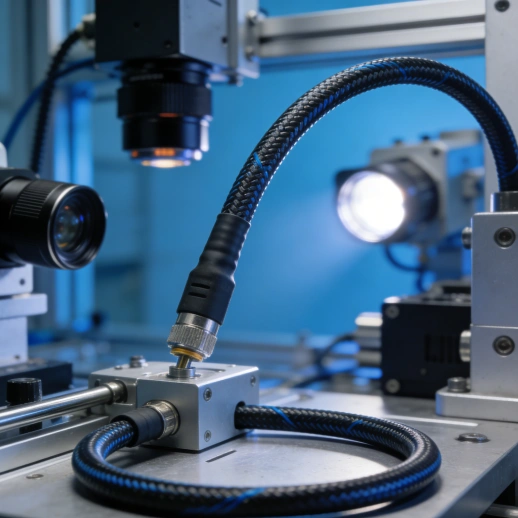
In industrial machine vision environments, where precision and reliability directly determine production efficiency and product quality, every component plays a crucial role. Among these, machine vision cables are the unsung heroes—they serve as the lifeline for transmitting high-speed image data, powering cameras, and enabling real-time communication between vision systems and control units. Unlike standard industrial cables that only need to meet basic functional requirements, machine vision cables operate in highly dynamic conditions: they twist with robotic arms, slide in cable carriers, and withstand constant bending as vision systems inspect products on fast-moving assembly lines. One of the most critical performance metrics for these cables is bend cycle life—the number of times a cable can withstand repeated bending before its conductors break, insulation fails, or signal transmission degrades. But what specific bend cycle life do machine vision cables actually need in industrial machine vision environments? The answer depends on a range of factors, including application scenarios, cable types, environmental conditions, and布线 practices. This article delves into these factors to provide practical guidance for manufacturers, system integrators, and maintenance teams.
First, it’s essential to understand why bend cycle life matters so much in industrial machine vision. A single cable failure can lead to catastrophic consequences: image data loss, camera malfunctions, production line shutdowns, and even costly rework of defective products. For example, in an automotive weld shop, a machine vision system equipped with a robotic arm relies on cables to transmit 3D point cloud data of car body dimensions. If the cable’s conductors break due to insufficient bend cycle life, the vision system will fail to detect welding defects, resulting in faulty vehicles rolling off the assembly line. Similarly, in a semiconductor cleanroom, a damaged cable could release particles that contaminate wafers, causing millions of dollars in losses. According to industry statistics, cable-related failures account for 30% of unplanned downtime in machine vision systems, with bend fatigue being the leading cause. This highlights the importance of selecting cables with the right bend cycle life for specific industrial environments.
Key Factors Influencing Required Bend Cycle Life
The required bend cycle life of machine vision cables is not a one-size-fits-all number. It is primarily determined by four core factors: the dynamic nature of the application, cable type and design, environmental conditions, and wiring and installation practices.
1. Application Scenarios: Dynamic vs. Static
Industrial machine vision applications can be broadly categorized into static and dynamic scenarios, with dynamic applications demanding significantly higher bend cycle life.
Static applications involve vision systems that remain stationary, such as fixed cameras inspecting products on a conveyor belt. In these cases, cables are rarely bent once installed, so the required bend cycle life is relatively low—typically 10,000 to 100,000 cycles. Even standard industrial cables with basic flexibility can meet these needs, as long as they are properly routed to avoid accidental bending or stress.
Dynamic applications, however, are far more demanding. These include vision systems mounted on robotic arms, automated guided vehicles (AGVs), or cable carriers (energy chains) that move back and forth repeatedly. For example, a robotic arm in a 3C factory may perform 500 to 1,000 bending and twisting movements per hour to inspect smartphone components. Over a year of 24/7 operation, this translates to millions of cycles. In such cases, cables need to withstand 500,000 to 20 million bend cycles to ensure long-term reliability. Leading cable manufacturers like GORE and Zhaolong Interconnect offer high-flex cables specifically designed for these scenarios. GORE’s Camera Link high-flex cables, for instance, have been tested to withstand over 20 million bend cycles at a 50mm bending radius, making them ideal for high-speed robotic applications.
2. Cable Type and Design
Different types of machine vision cables—such as GigE/10GigE, Camera Link, CoaxPress, and USB 3.0—have varying bend cycle life capabilities due to differences in their structural designs.
GigE/10GigE cables are widely used in machine vision for their high bandwidth and long transmission distances. Their simple structure, combined with high-quality conductors and insulation materials, gives them excellent flex life. High-flex GigE cables can typically withstand 1 million to 10 million bend cycles in cable carrier applications. Zhaolong Interconnect’s 10GigE cables, for example, have been verified to support over 10 million cable carrier cycles at a 50mm minimum bending radius, while maintaining Cat6A performance for 10Gbps data transmission.
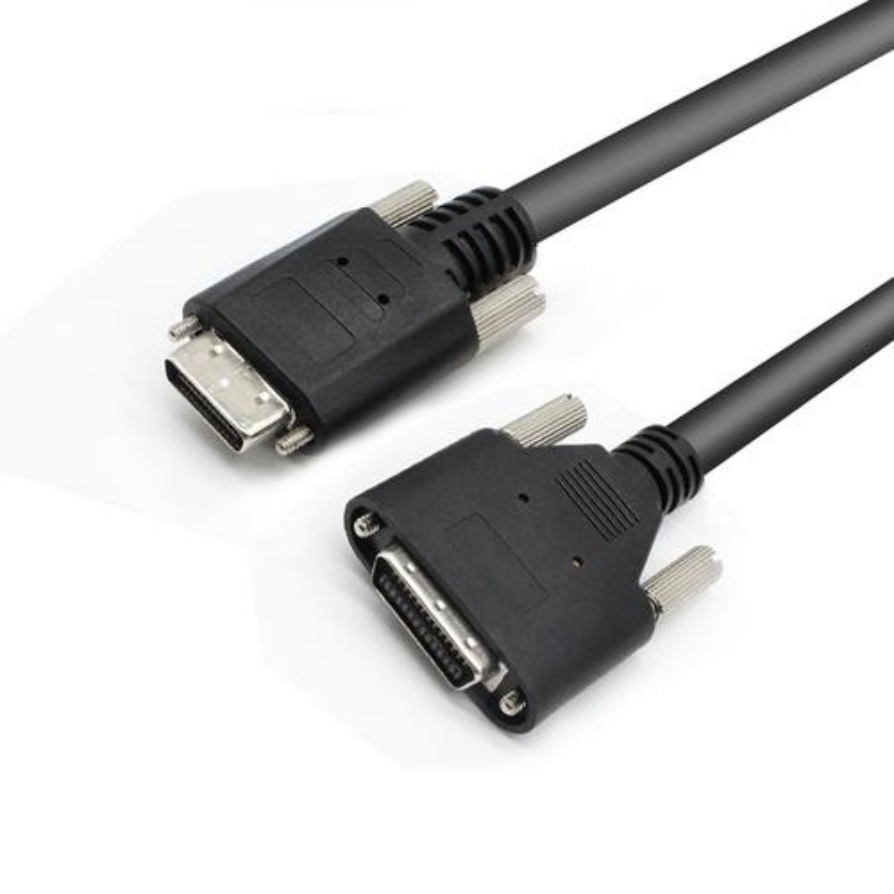
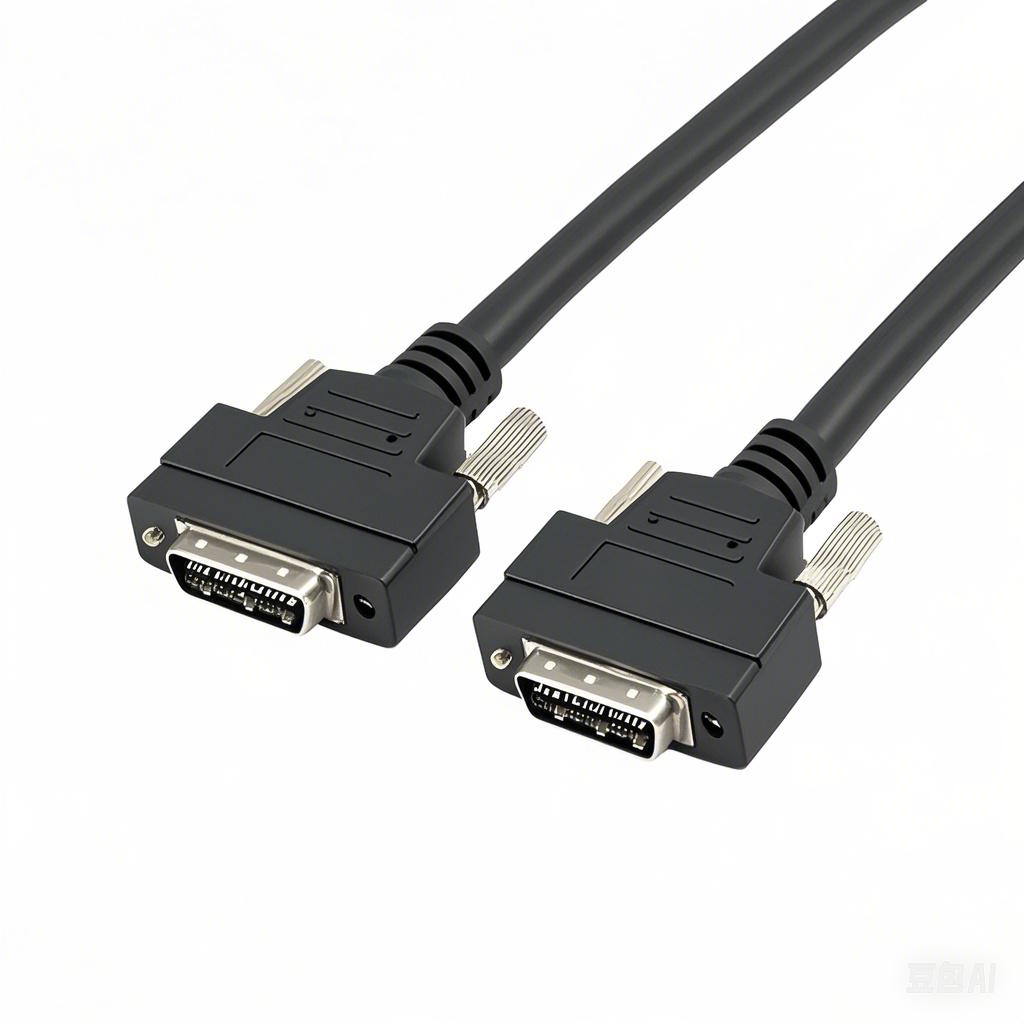
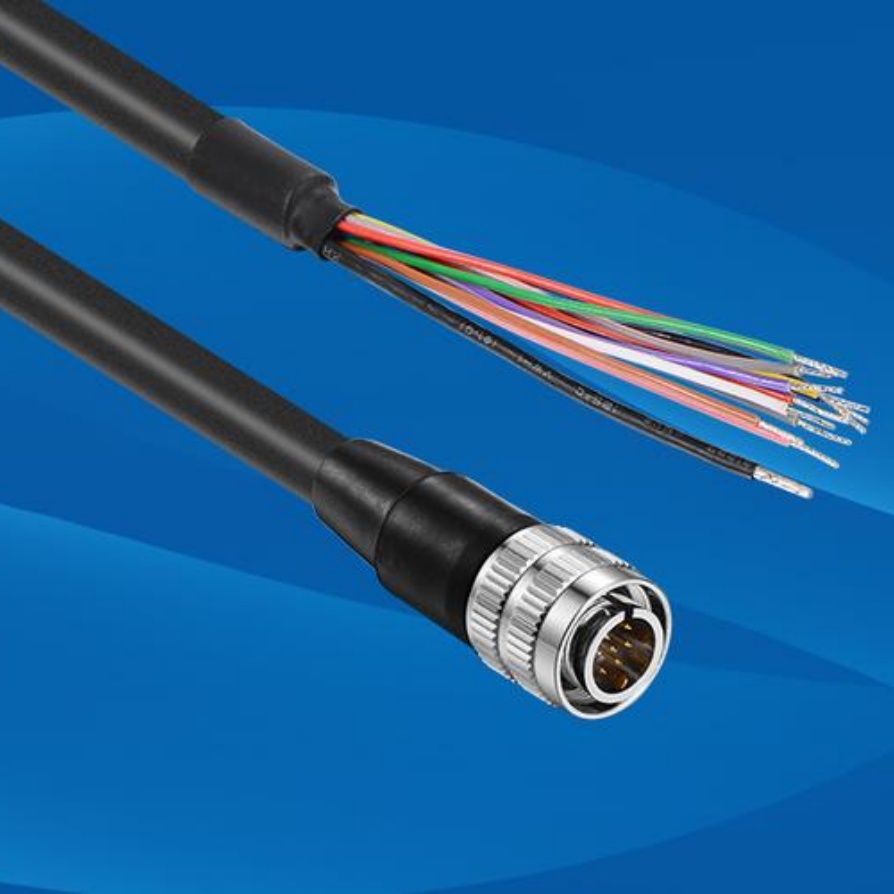
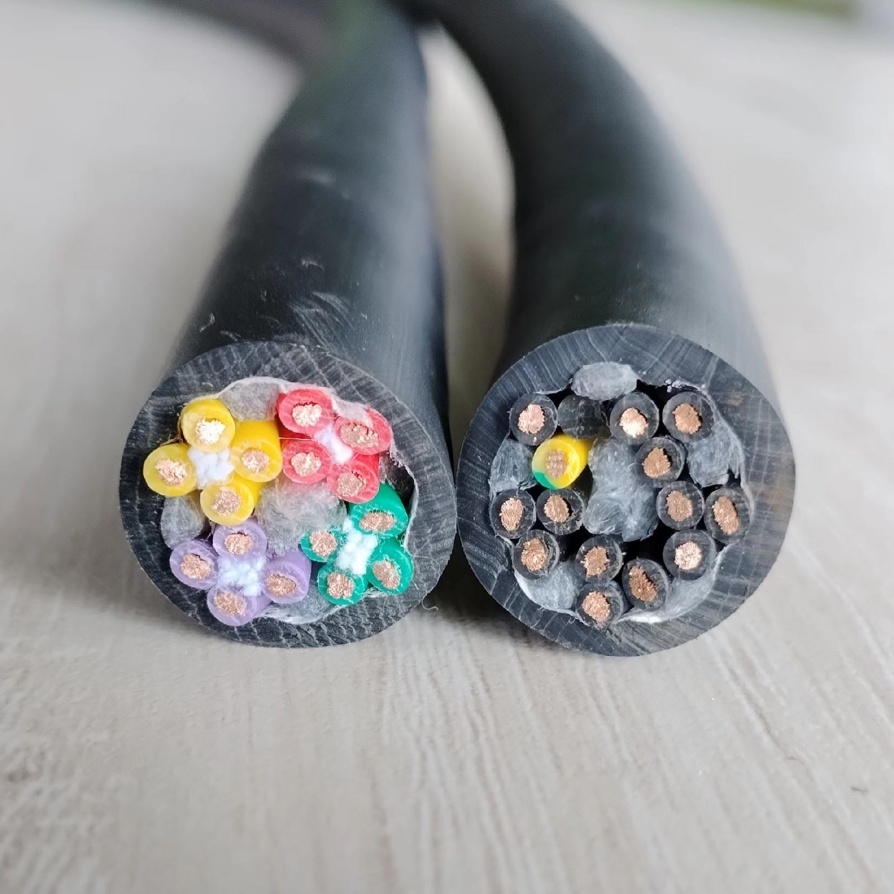
Camera Link cables, on the other hand, have a more complex structure—they often include 11 unshielded twisted pairs (UTPs), power lines, and ground wires, making them thicker and less flexible. As a result, their bend cycle life is generally lower, ranging from 200,000 to 500,000 cycles for standard models. However, flat ribbon-style Camera Link cables can achieve higher flex life by reducing stress during bending. GORE’s Camera Link high-flex cables overcome this limitation through advanced material and structural design, supporting over 2 million bend cycles even in tight spaces.
CoaxPress cables, despite their simple design, are optimized for high-frequency signal transmission, which limits their flex performance. They are typically suitable for cable carrier applications with bend cycle life requirements of 500,000 to 1 million cycles. USB 3.0 cables for machine vision, designed for high-speed data transfer up to 5Gbps, offer good flexibility and can withstand 500,000 to 1 million bend cycles in dynamic environments.
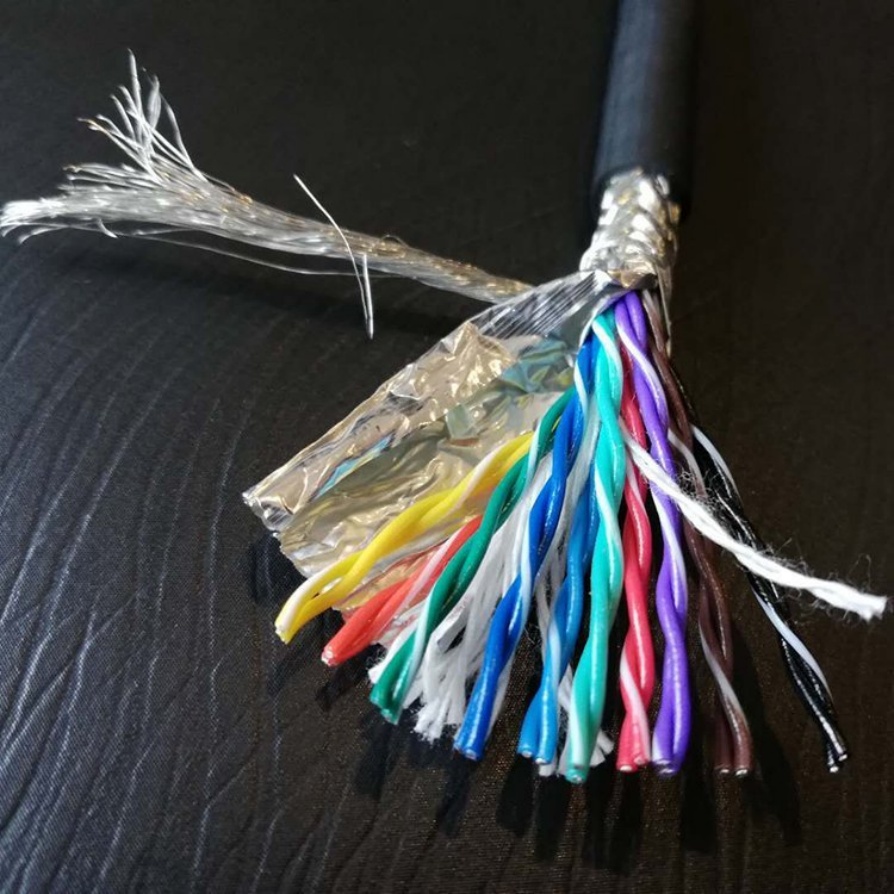
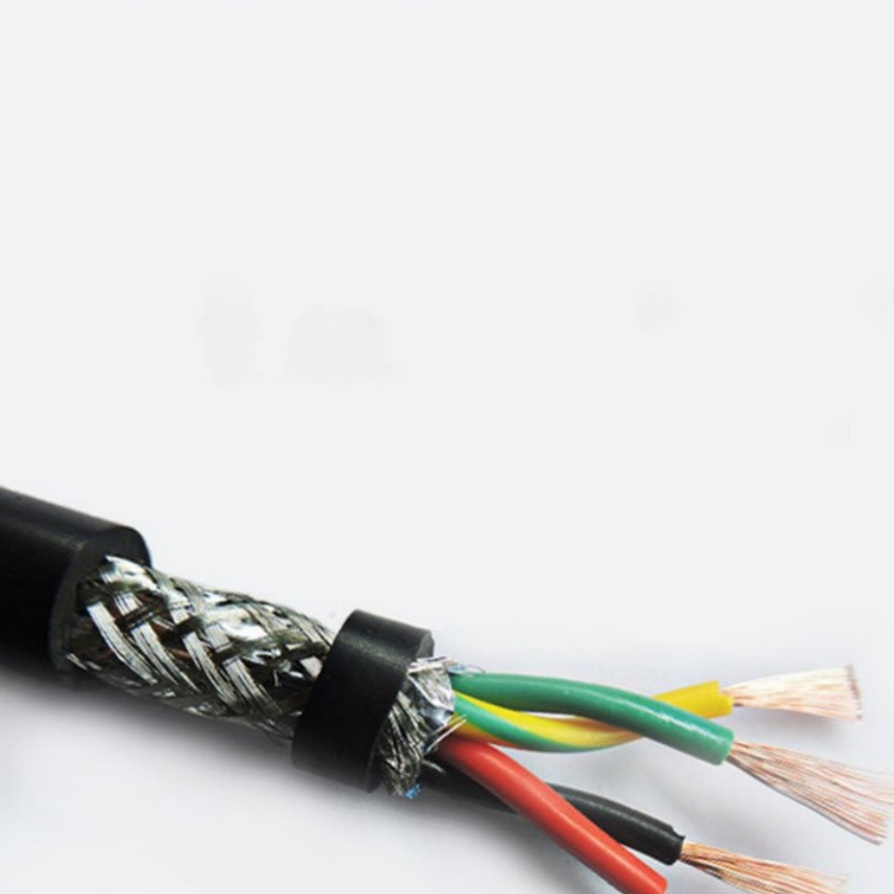
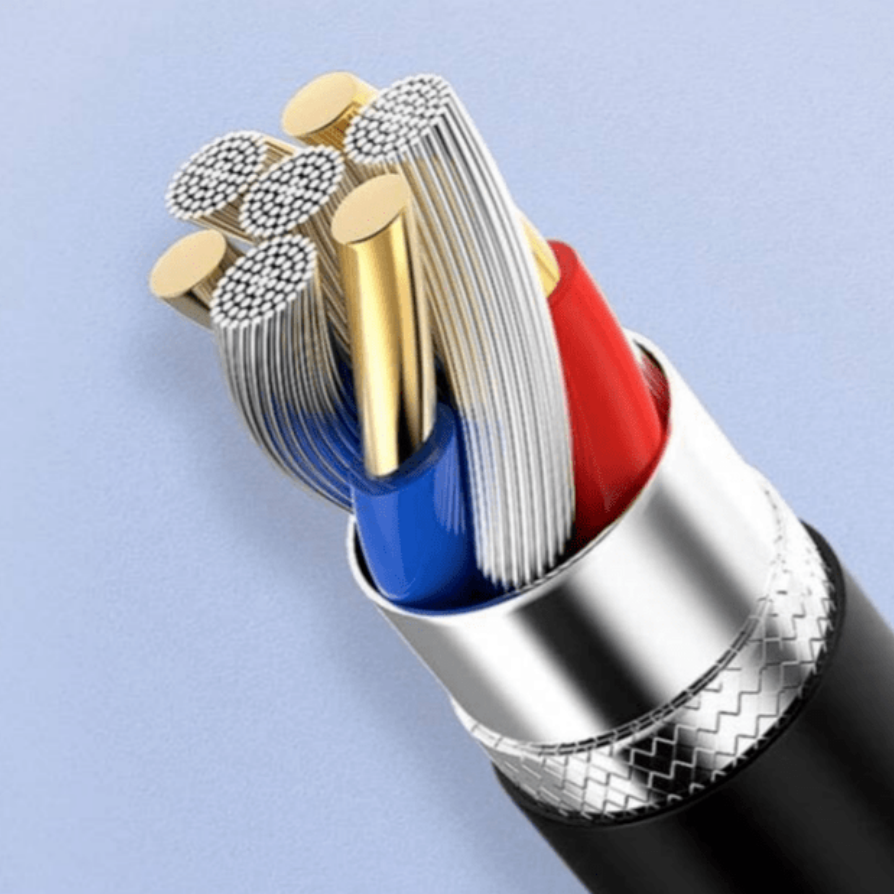
Cable design features also play a critical role in bend cycle life. Key design elements include conductor stranding (finer strands improve flex fatigue resistance), insulation materials (TPU, TPE, and ETFE offer better elasticity than PVC), and shielding structures (high-density braided shielding reduces stress during bending). For example, cables using 0.05mm ultra-fine tinned copper strands can achieve 5 times longer bend life than those using standard strands. TPU insulation, with a breaking elongation rate of 400-600%, can absorb bending stress more effectively than PVC, extending cable life in harsh environments.
3. Environmental Conditions
Industrial machine vision environments are often harsh, with factors like temperature fluctuations, oil, chemicals, dust, and moisture accelerating cable degradation and reducing bend cycle life.
Temperature extremes can significantly impact cable materials. In cold environments (e.g., -40℃ in food processing freezers), PVC insulation becomes brittle and prone to cracking, reducing bend cycle life by up to 50%. In high-temperature environments (e.g., 85℃ in automotive paint shops), insulation materials may soften, leading to increased friction and wear. Cables using PA (polyamide) or ETFE insulation, which can withstand -40℃ to 125℃, maintain better flex life in extreme temperatures than standard PVC cables.
Oil and chemical exposure is common in manufacturing plants, especially in automotive and metalworking industries. Standard PVC cables can swell or crack when exposed to cutting fluids or lubricants, drastically reducing their bend fatigue resistance. TPU-insulated cables, however, have excellent oil resistance—tests per ASTM D4060 show that TPU cables immersed in 5% engine oil for 1000 hours have a volume change rate of ≤1% and a hardness change of ≤5 Shore A, preserving their bend cycle life even in oily environments.
Dust and moisture can cause corrosion of conductors and shielding, weakening the cable’s structure and reducing its ability to withstand repeated bending. Cables with IP67 protection ratings, achieved through integral molding of connectors and cables, prevent dust and water ingress, ensuring consistent bend cycle life in wet or dusty environments.
4. Wiring and Installation Practices
Even the highest-quality cables will fail prematurely if not properly routed and installed. The most critical factor is the minimum bending radius—the smallest radius a cable can be bent without damaging its internal structure. As a general rule, the minimum bending radius should be 10-12 times the cable diameter for dynamic applications. A smaller bending radius increases stress on conductors and insulation, reducing bend cycle life exponentially. For example, a cable with a 6mm diameter (minimum bending radius of 60mm) will have a 30% shorter life if bent to a 30mm radius.
Other key installation practices include avoiding cable twisting in cable carriers, using dividers to separate cables of different diameters (preventing smaller cables from being crushed), and ensuring adequate slack to absorb movement. Fixing cables to the moving parts of cable carriers should be avoided, as this causes friction and stress concentration, leading to premature wear. Hikvision Robotics recommends routing cables horizontally in cable carriers to prevent twisting and leaving at least 2mm of space between cables and dividers to reduce friction during movement.
Recommended Bend Cycle Life for Common Industrial Machine Vision Environments
Based on the above factors, we’ve compiled recommended bend cycle life ranges for the most common industrial machine vision scenarios:
Semiconductor Cleanrooms: These environments require low-particle-emitting cables (ISO Class 1 certified) and demand high reliability. For static camera setups, 10,000-100,000 cycles are sufficient. For dynamic systems (e.g., robotic arms inspecting wafers), cables should support 1-5 million bend cycles. GORE’s Camera Link cables are ideal here, as they meet ISO Class 1 standards and offer over 2 million bend cycles.
Automotive Manufacturing: Weld shops and paint shops involve high temperatures, oil, and frequent robotic movement. Cables for robotic vision systems should withstand 500,000-2 million bend cycles. Zhaolong Interconnect’s 10GigE cables, with PUR jackets and IP67 connectors, are designed for this environment, supporting 500,000 twist cycles and 1 million cable carrier cycles.
3C Electronics Manufacturing: Small, high-speed robotic arms inspecting smartphones and laptops require ultra-flexible cables. USB 3.0 and GigE cables with 1-10 million bend cycles are recommended. These cables should have a small bending radius (4-6 times cable diameter) to fit in tight spaces.
Food and Beverage Processing: Cold storage and washdown environments demand cables with wide temperature tolerance and chemical resistance. For dynamic systems (e.g., AGV vision inspectors), cables should support 500,000-1 million bend cycles and be FDA-compliant (e.g., TPU jackets that withstand H₂O₂ disinfection).
Logistics and Warehousing: AGV-mounted vision systems for barcode scanning and package inspection require cables that can withstand constant movement. GigE cables with 1-5 million bend cycles are suitable, as they offer long transmission distances and good flex life.
How to Verify and Extend Cable Bend Cycle Life
To ensure cables meet the required bend cycle life, it’s critical to conduct thorough testing before deployment. The most common test method is the cable carrier bending test, which simulates real-world conditions by cycling the cable in a U-shaped carrier at a specified speed, bending radius, and stroke. The test measures the number of cycles until conductors break or signal loss occurs. For data cables (e.g., GigE, Camera Link), additional tests should check for changes in conductor resistance and signal attenuation during cycling—acceptable limits are a resistance increase of ≤30% and signal attenuation of ≤3dB after the required cycle count.
Several steps can extend the bend cycle life of machine vision cables in the field: 1) Choose the right cable type for the application (e.g., high-flex cables for robotic systems); 2) Maintain the recommended minimum bending radius (10-12 times cable diameter for dynamic use); 3) Use cable carriers with dividers to prevent friction and crushing; 4) Avoid exposing cables to extreme temperatures, oil, or chemicals beyond their specifications; 5) Regularly inspect cables for signs of wear (e.g., cracked jackets, loose connectors) and replace them before failure.
Conclusion
The required bend cycle life of machine vision cables in industrial environments varies widely, from 10,000 cycles for static setups to 20 million cycles for high-speed robotic applications. This variation is driven by application dynamics, cable design, environmental conditions, and installation practices. By understanding these factors and selecting cables tailored to their specific needs, manufacturers can minimize downtime, reduce maintenance costs, and ensure the reliability of their machine vision systems. When in doubt, consult with cable manufacturers who offer custom solutions and can provide test data to verify bend cycle life performance. Remember, investing in high-quality cables with the right bend cycle life is not an expense—it’s a long-term investment in production efficiency and product quality.
Subtitle: A High-Performance Signal Cable Designed for 3D Scanners, Ensuring Lossless Data and Minimal Latency
Product OverviewThe 3D Scanner Vision Signal Cable is a premium signal transmission cable engineered for both industrial a.
Enhance the reliability and performance of your automated systems with our Industrial-Grade Machine Vision Cable—engineered to deliver unparalleled signal integrity, durability, and speed for demanding industrial applications. Designed f.
High-speed factories demand flawless synchronization between machines and vision systems. Yet, challenges like electromagnetic interference (EMI), cable fatigue, and data bottlenecks often disrupt operations. The right machine vision cab.
The Precision Imaging Dedicated Vision Cable is a cutting-edge connectivity solution designed to deliver crystal-clear image transmission in high-stakes environments. Optimized for industrial automation, medical imaging, machine vision, .
Product Overview: Machine Vision Cables
Machine vision cables are specialized components designed to ensure high-speed, stable data transmission and signal integrity in automated imaging systems. Key features include:
Technical S.
Elevate your visual data transmission with the IP67 Waterproof Vision Connection Cable, engineered to deliver seamless performance in the harshest conditions. Designed for industrial, outdoor, and mission-critical applications, this rugg.
Meta Description: Discover premium Robotic Vision System Cables engineered for seamless data transmission, durability, and precision in industrial automation. Ensure flawless vision system performance.
Enhance Automation Precision with.
Shielded Twisted-Pair Vision Cable – Ultra-Clear Signal Transmission for Demanding Environments
Ensure flawless video and data transmission in high-interference environments with our Shielded Twisted-Pair (STP) Vision Cable. Engineere.
Meta Description: Discover the Flexible & Bend-Resistant Vision Cable, engineered for precision imaging in demanding environments. Durable, reliable, and built to last. Perfect for industrial, medical, and robotic applications.
Int.
Meta Description: Experience seamless 4K/8K video transmission with our High-Speed Anti-Interference Vision Cable. Engineered for crystal-clear visuals, robust durability, and interference-free performance. Perfect for gaming, profes.