What is M12 to RJ45 GigE Vision camera cable used for in machine visi...
In the fast-paced world of industrial automation, machine vision systems have become the “eyes” of smart factories, enabling precise inspection, measurement, and quality control across countless industries. At the core of these high-performance systems lies a critical component that often goes unnoticed but is essential for reliable operation: the M12 to RJ45 GigE Vision camera cable. While it may seem like a simple connectivity solution, this cable is specifically engineered to address the unique demands of machine vision applications, bridging the gap between GigE Vision cameras and industrial networks. In this article, we will dive deep into the key uses, functionalities, and importance of M12 to RJ45 GigE Vision camera cables in machine vision systems, shedding light on why they are the preferred choice for industrial professionals worldwide.
First: Understanding the Basics – What is a M12 to RJ45 GigE Vision Camera Cable?
Before exploring its uses, it’s crucial to grasp the fundamentals of this specialized cable. Let’s break down its components and purpose:
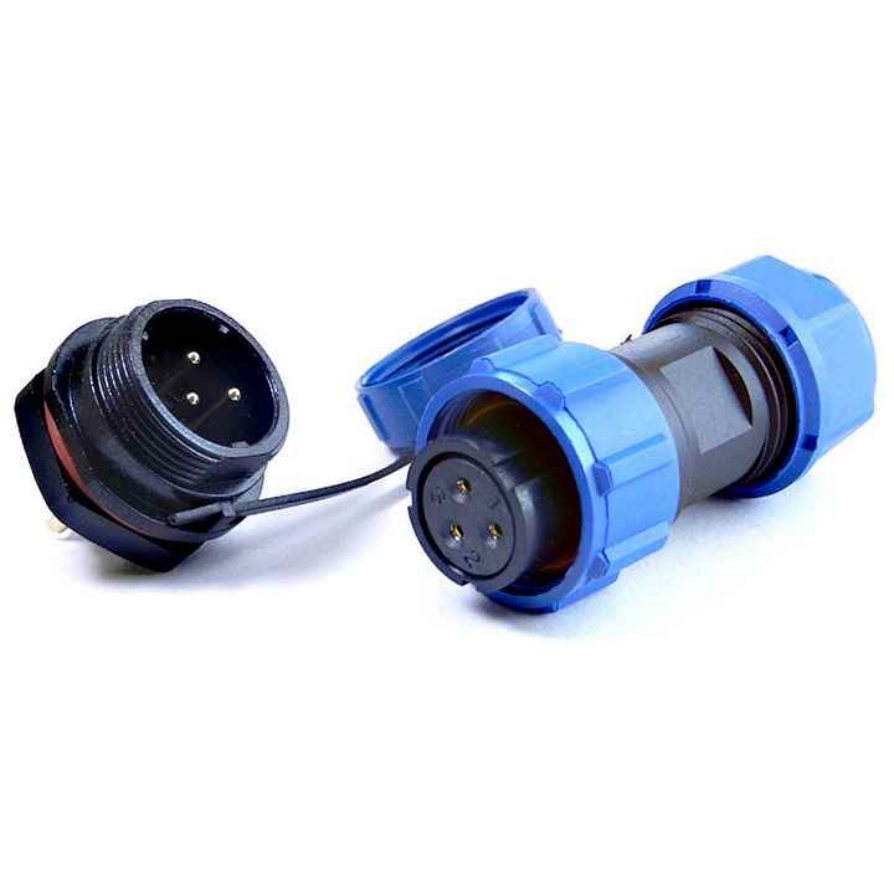
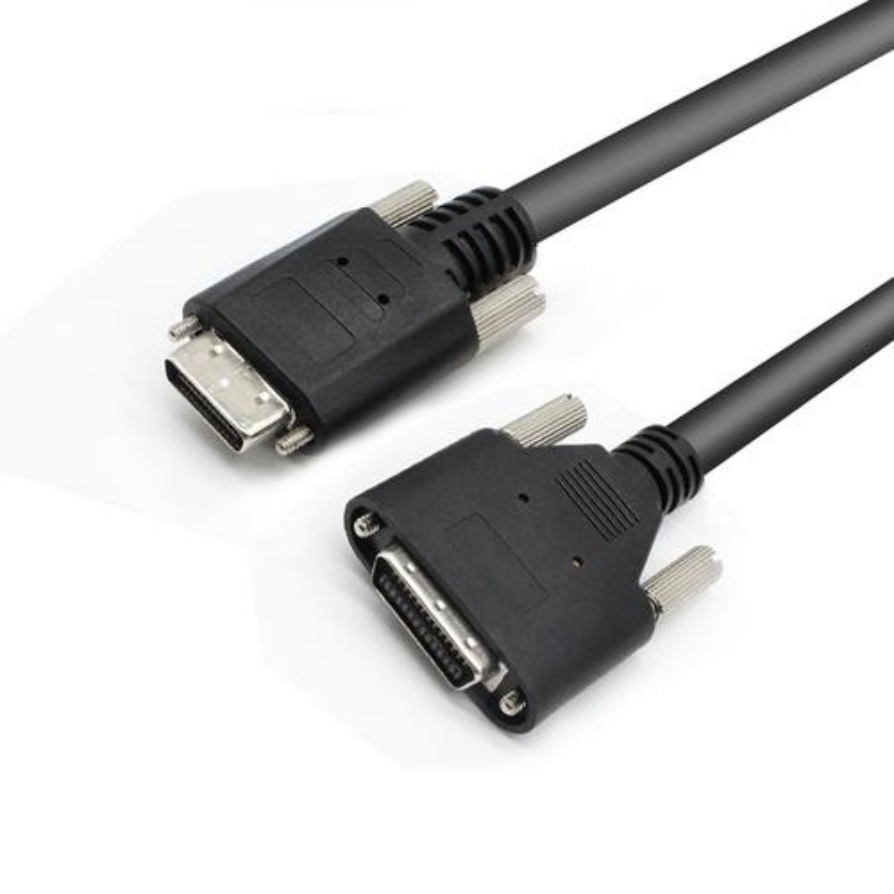
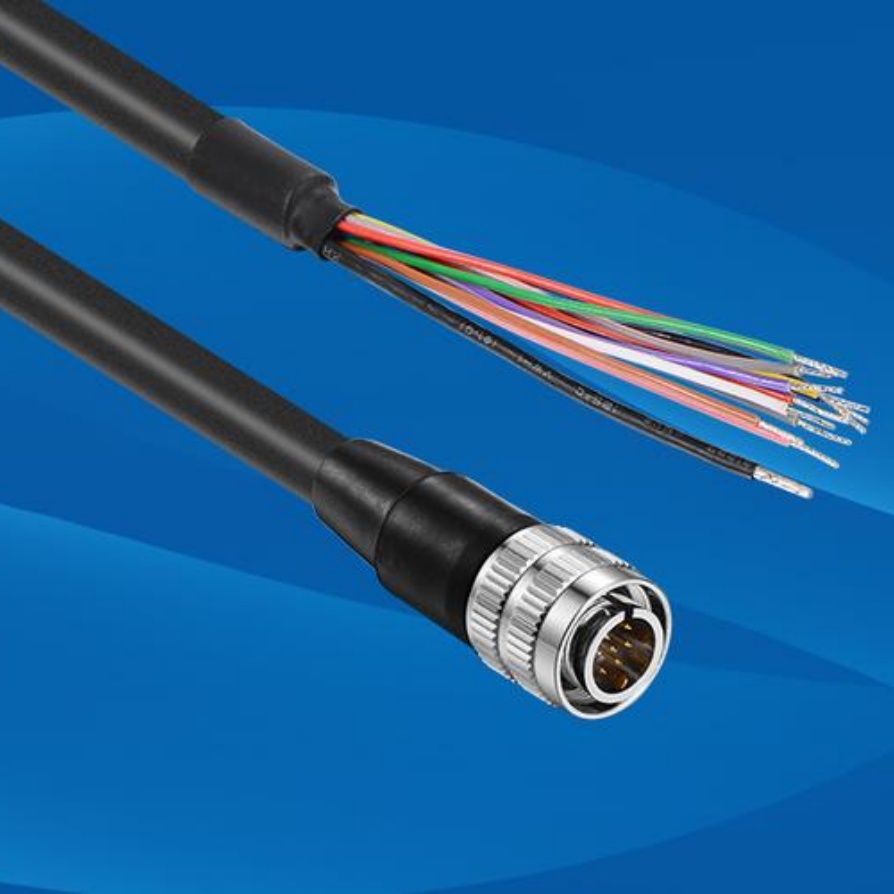
- M12 Connector: The M12 is a circular, threaded connector designed for harsh industrial environments. It is compact, rugged, and resistant to vibration, dust, and water (with IP ratings ranging from IP67 to IP68 in many cases). This makes it ideal for connecting directly to machine vision cameras, which are often mounted in challenging locations such as production lines, warehouses, or outdoor inspection stations.
- RJ45 Connector: The RJ45 is the standard connector for Ethernet networks. It is widely used in industrial switches, routers, and PCs, making it easy to integrate machine vision cameras into existing network infrastructures. The RJ45 end of the cable allows the camera to communicate with other system components (such as image processing units, servers, or HMIs) via Gigabit Ethernet.
- GigE Vision Compliance: GigE Vision is a global standard for industrial machine vision communication, based on Gigabit Ethernet. Cables labeled as “GigE Vision compliant” are tested to meet strict performance criteria, ensuring high-speed data transmission (up to 1 Gbps), low latency, and reliable synchronization between cameras and other system components. This compliance is non-negotiable for machine vision applications, where even minor delays or data loss can lead to faulty inspections or production downtime.
In short, the M12 to RJ45 GigE Vision camera cable is a purpose-built connectivity solution that combines the ruggedness of M12 connectors (for camera-side mounting) with the universal compatibility of RJ45 (for network integration), all while adhering to the GigE Vision standard for optimal machine vision performance.
Core Uses of M12 to RJ45 GigE Vision Camera Cables in Machine Vision Systems
Now, let’s explore the primary applications and functionalities of this cable in machine vision systems. Its design addresses four key needs: reliable data transmission, power delivery (in some cases), rugged environmental resistance, and seamless system integration. Below are the most common use cases:
1. High-Speed Transmission of Image and Video Data
The most fundamental use of M12 to RJ45 GigE Vision camera cables is transmitting high-resolution image and video data from the camera to the image processing unit (IPU) or server. Machine vision cameras capture detailed images at high frame rates – for example, a typical industrial camera might capture 1080p images at 60 frames per second (fps) or higher, while high-speed cameras can reach hundreds or even thousands of fps for fast-moving applications (such as bottle filling or automotive part inspection).
GigE Vision technology, enabled by this cable, supports data transfer rates of up to 1 Gbps, which is more than sufficient for most machine vision applications. This high bandwidth ensures that large image files are transmitted quickly and without corruption, allowing the IPU to process the data in real time. For example, in a food packaging inspection line, the camera captures images of each package to check for defects (such as missing labels, damaged seals, or foreign objects). The M12 to RJ45 cable transmits these images instantly to the processing unit, which makes a pass/fail decision in milliseconds – a speed that is critical for maintaining production line efficiency.
Unlike other connectivity options (such as USB or Camera Link), GigE Vision’s Ethernet-based transmission also supports long cable lengths (up to 100 meters without a repeater). This is a major advantage in large industrial facilities, where cameras may be mounted far from the processing unit. The M12 to RJ45 cable’s ability to maintain high-speed data transmission over long distances makes it ideal for applications such as warehouse automation (where cameras are mounted on high shelves) or automotive assembly lines (where the production floor spans hundreds of meters).
2. Power Over Ethernet (PoE) Delivery (for PoE-Compatible Cameras)
Many modern machine vision cameras are PoE-compatible, meaning they can receive both data and power through a single Ethernet cable. M12 to RJ45 GigE Vision cables that support PoE (compliant with IEEE 802.3af/at standards) play a crucial role in these systems, eliminating the need for separate power cables.
This integration offers several key benefits for machine vision systems: First, it reduces installation complexity and cost. Instead of running two cables (one for data, one for power) to each camera, technicians only need to install a single M12 to RJ45 cable. This is particularly valuable in tight or hard-to-reach spaces, such as inside machinery or on overhead conveyors. Second, it improves system reliability. Fewer cables mean fewer connection points, reducing the risk of loose wires, short circuits, or water ingress – common issues in industrial environments. Third, it enables flexible camera placement. Since cameras don’t need to be near a power outlet, they can be mounted in optimal positions for inspection (such as close to the production line or at awkward angles) without worrying about power availability.
Examples of PoE-enabled machine vision applications include retail shelf monitoring (where cameras are mounted high above aisles), traffic management (where cameras are installed on poles), and industrial robotics (where cameras are attached to robot arms). In each case, the M12 to RJ45 GigE Vision cable provides both the data link and power needed for continuous, reliable operation.
3. Ensuring Reliable Operation in Harsh Industrial Environments
Machine vision systems are often deployed in harsh conditions that would damage standard consumer-grade cables. Dust, moisture, vibration, extreme temperatures (from -40°C to 85°C in some cases), and chemical exposure are all common in industrial settings. The M12 to RJ45 GigE Vision camera cable is specifically designed to withstand these challenges, making it a critical component for maintaining system uptime.
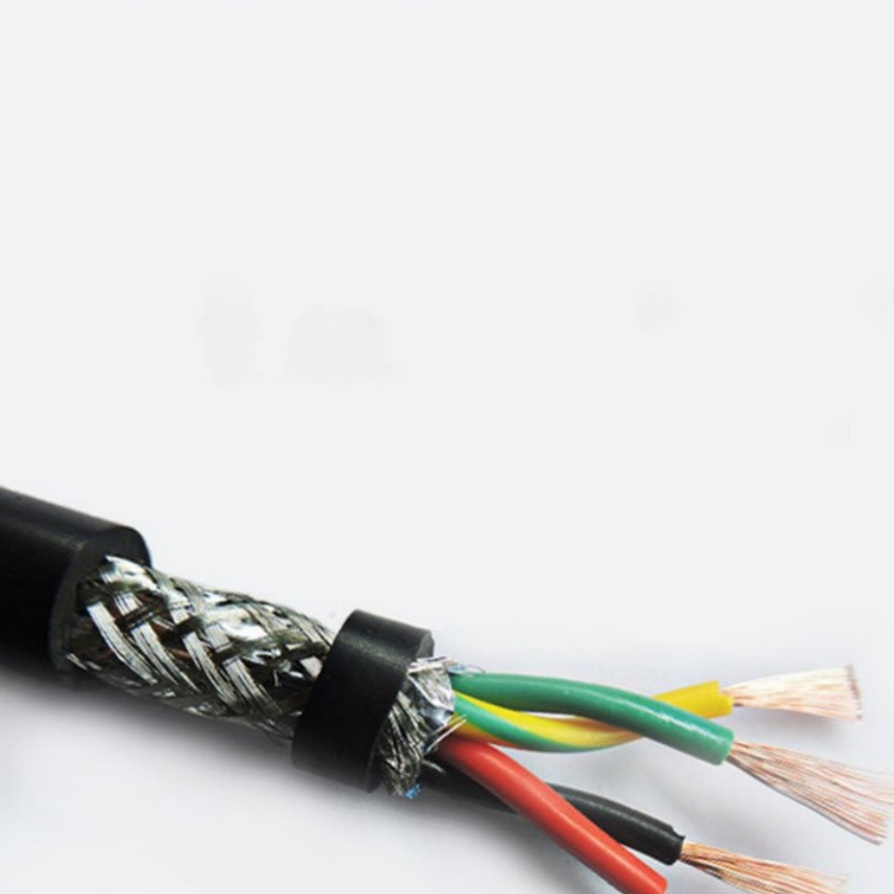
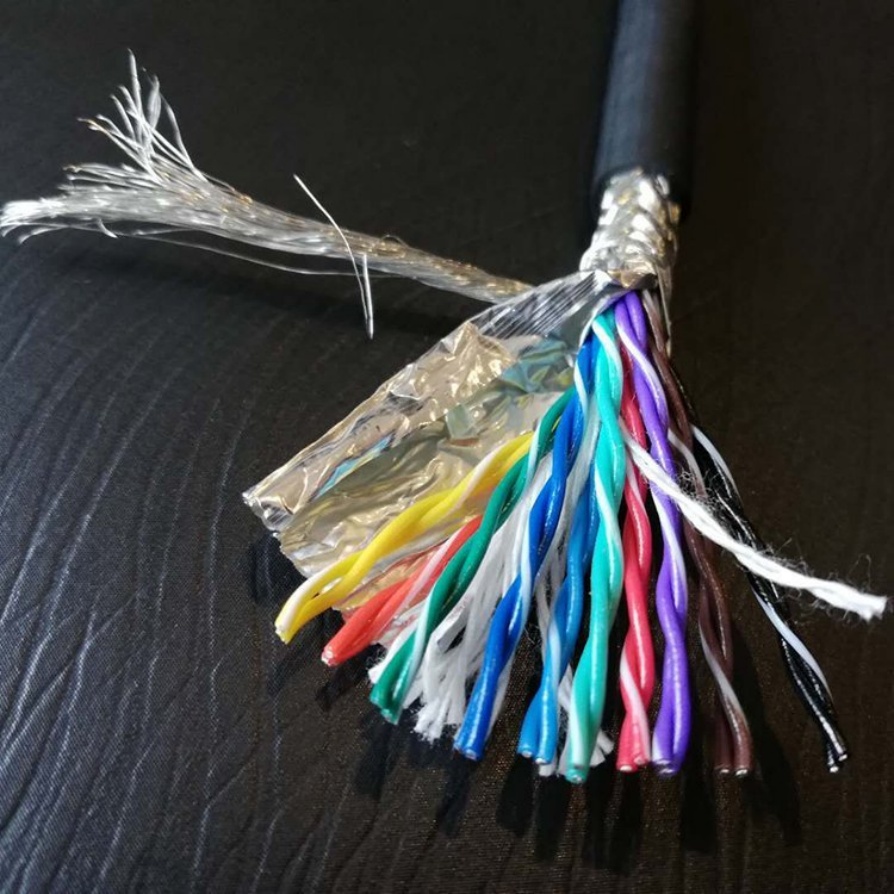
The M12 connector’s threaded design creates a secure, waterproof seal when mated with the camera, preventing dust and water from entering the connection point. Many cables also feature ruggedized jackets made from materials such as PVC, PUR (polyurethane), or TPE (thermoplastic elastomer), which are resistant to abrasion, oil, and chemicals. For example, in a metalworking facility, the cable may be exposed to cutting fluids and metal shavings – a PUR jacket would protect the cable from damage, ensuring continuous data transmission.
Vibration resistance is another key feature. Production lines and machinery generate constant vibration, which can loosen standard connectors over time. The M12’s threaded locking mechanism ensures a tight, vibration-resistant connection, preventing intermittent signal loss or complete cable disconnection. This is essential for applications such as automotive stamping lines, where even a momentary loss of camera data could result in defective parts being produced.
4. Synchronizing Multiple Cameras and System Components
Many machine vision systems require multiple cameras to work together in perfect synchronization. For example, in a 360-degree inspection application (such as inspecting the entire surface of a bottle or a automotive component), multiple cameras are mounted around the object, capturing images simultaneously. These images must be synchronized to ensure that the processing unit can stitch them together accurately into a complete 360-degree view.
GigE Vision supports precise synchronization via protocols such as IEEE 1588 Precision Time Protocol (PTP) or GenICam. The M12 to RJ45 GigE Vision cable plays a critical role in this synchronization, as it transmits both the image data and the synchronization signals between the cameras and the processing unit. The cable’s low latency and high signal integrity ensure that the synchronization signals are delivered accurately, with minimal delay between cameras. This is essential for avoiding image misalignment, which would render the 360-degree inspection useless.
Another example of synchronized camera use is in high-speed production lines, where multiple cameras capture different aspects of a product (such as shape, color, and barcode) simultaneously. The M12 to RJ45 cable ensures that all camera data is transmitted to the processing unit at the same time, allowing for a comprehensive inspection in real time.
5. Seamless Integration with Industrial Networks and Automation Systems
Modern machine vision systems are not standalone – they are integrated with broader industrial automation systems, such as Programmable Logic Controllers (PLCs), Manufacturing Execution Systems (MES), and Enterprise Resource Planning (ERP) software. This integration allows for real-time data sharing, process optimization, and remote monitoring.
The RJ45 end of the M12 to RJ45 GigE Vision cable enables easy integration with industrial Ethernet networks (such as PROFINET, EtherNet/IP, or Modbus TCP). This means that the machine vision camera can communicate directly with the PLC, MES, or other automation components, sharing inspection results, camera status, and other critical data. For example, if a camera detects a defective part, it can send a signal to the PLC, which then stops the production line or diverts the defective part to a reject bin – all without human intervention.
Additionally, the Ethernet-based connectivity allows for remote access to the camera. Technicians can monitor the camera’s performance, adjust settings, or troubleshoot issues from a central location, without needing to be on the production floor. This reduces downtime and maintenance costs, as issues can be resolved quickly and efficiently.
Key Industries and Applications Where M12 to RJ45 GigE Vision Cables Shine
While the uses outlined above apply to most machine vision systems, there are specific industries and applications where M12 to RJ45 GigE Vision camera cables are particularly indispensable. Below are some of the most common:
Automotive Manufacturing
The automotive industry relies heavily on machine vision for quality control, from component inspection (such as engine parts, sensors, and connectors) to final assembly checks (such as paint quality, panel alignment, and safety feature verification). M12 to RJ45 GigE Vision cables are ideal for this industry due to their ruggedness (withstanding the vibration and dust of assembly lines) and long-distance transmission (supporting cameras mounted along the entire length of the production line). PoE-enabled cables are also widely used here, as they simplify the installation of cameras on robot arms and moving conveyors.
Food and Beverage Processing
In the food and beverage industry, machine vision is used for tasks such as label inspection, fill level checking, contaminant detection (such as foreign objects in food), and packaging integrity verification. The harsh environment of food processing plants (with washdowns using high-pressure water and chemicals, extreme temperatures, and moisture) requires cables that are waterproof and chemical-resistant. M12 to RJ45 GigE Vision cables with IP67/IP68 ratings and PUR jackets are perfect for this, ensuring reliable operation even after repeated washdowns.
Pharmaceutical and Medical Device Manufacturing
Pharmaceutical and medical device manufacturers must adhere to strict regulatory standards (such as FDA guidelines) for quality control. Machine vision systems are used to inspect tablets (for shape, color, and dosage), syringes (for needle alignment and fill level), and medical devices (for component integrity). The M12 to RJ45 GigE Vision cable’s high reliability and precision synchronization make it ideal for these applications, where even the smallest defect can have serious consequences. Additionally, the cable’s ability to integrate with MES systems allows for full traceability of inspection results, which is required for regulatory compliance.
Logistics and Warehouse Automation
In logistics and warehousing, machine vision is used for barcode scanning, package sorting, dimensioning, and pallet inspection. Cameras are often mounted high above conveyor belts or in large warehouses, requiring long cable runs. M12 to RJ45 GigE Vision cables support the 100-meter transmission distance needed for these applications, and their rugged design withstands the dust and vibration of warehouse environments. PoE-enabled cables are also beneficial here, as they eliminate the need for power outlets near cameras mounted on high shelves or ceilings.
Electronics Manufacturing
Electronics manufacturers use machine vision for inspecting printed circuit boards (PCBs), semiconductor chips, and electronic components (such as resistors, capacitors, and connectors). These applications require high-resolution images and precise synchronization between multiple cameras (to inspect different sides of the PCB). M12 to RJ45 GigE Vision cables provide the high-speed data transmission and low latency needed for these tasks, ensuring that defects (such as missing components, soldering errors, or short circuits) are detected early in the production process.
Why M12 to RJ45 GigE Vision Cables Are Superior to Other Connectivity Options
To fully appreciate the importance of M12 to RJ45 GigE Vision cables, it’s helpful to compare them to other common connectivity options for machine vision cameras:
- USB Cables: USB is widely used for consumer cameras, but it has significant limitations for industrial machine vision. USB cables have a maximum transmission distance of only 5 meters (for USB 3.0), which is too short for most industrial applications. They also lack the ruggedness of M12 connectors, making them prone to damage in harsh environments. Additionally, USB does not support PoE, requiring separate power cables.
- Camera Link Cables: Camera Link is a high-speed interface for machine vision, but it is proprietary and requires specialized hardware (such as Camera Link frame grabbers). This makes it more expensive and less flexible than GigE Vision. Camera Link cables also have shorter maximum lengths (up to 10 meters) and are not as widely compatible with industrial networks.
- Coaxial Cables: Coaxial cables are used for analog cameras, but they do not support the high-resolution digital images required for modern machine vision systems. They also have limited bandwidth and are not compatible with Ethernet networks, making integration with automation systems difficult.
In contrast, M12 to RJ45 GigE Vision cables offer the best combination of high-speed data transmission, long distance, ruggedness, PoE support, and compatibility with industrial networks – making them the gold standard for industrial machine vision systems.
Conclusion: The Indispensable Role of M12 to RJ45 GigE Vision Cables in Machine Vision
M12 to RJ45 GigE Vision camera cables are far more than just “wires” – they are a critical component that enables the reliable, high-performance operation of machine vision systems in industrial environments. From transmitting high-resolution image data at high speeds to delivering power (via PoE) and ensuring synchronization between multiple cameras, these cables address the unique needs of machine vision applications. Their rugged design makes them suitable for harsh industrial conditions, while their RJ45 connector enables seamless integration with existing industrial networks and automation systems.
Whether in automotive manufacturing, food processing, pharmaceuticals, logistics, or electronics, M12 to RJ45 GigE Vision cables play a vital role in ensuring quality control, improving production efficiency, and reducing downtime. As machine vision systems continue to evolve and become more integrated with industrial automation, the importance of these specialized cables will only grow.
For industrial professionals looking to implement or upgrade machine vision systems, choosing the right M12 to RJ45 GigE Vision cable is essential. Factors such as cable length, PoE compatibility, environmental resistance (IP rating), and jacket material should be carefully considered to ensure that the cable meets the specific needs of the application. By selecting a high-quality, GigE Vision-compliant cable, professionals can ensure that their machine vision systems operate reliably, efficiently, and effectively – now and in the future.