What is the conductor stranding of machine cable?
In the complex ecosystem of industrial equipment, machine cable plays a pivotal role as the lifeline for power transmission, signal communication, and data exchange. Among the numerous components that determine the performance and reliability of machine cable, conductor stranding stands out as a critical technical detail. For engineers, procurement managers, and industry professionals seeking high-quality machine cable, understanding conductor stranding is essential to making informed decisions that align with operational needs. This article delves into the intricacies of conductor stranding in machine cable, exploring its definition, types, importance, influencing factors, manufacturing processes, and application-specific recommendations—all while highlighting why this feature is non-negotiable for optimal machine cable performance.
1. Defining Conductor Stranding in Machine Cable
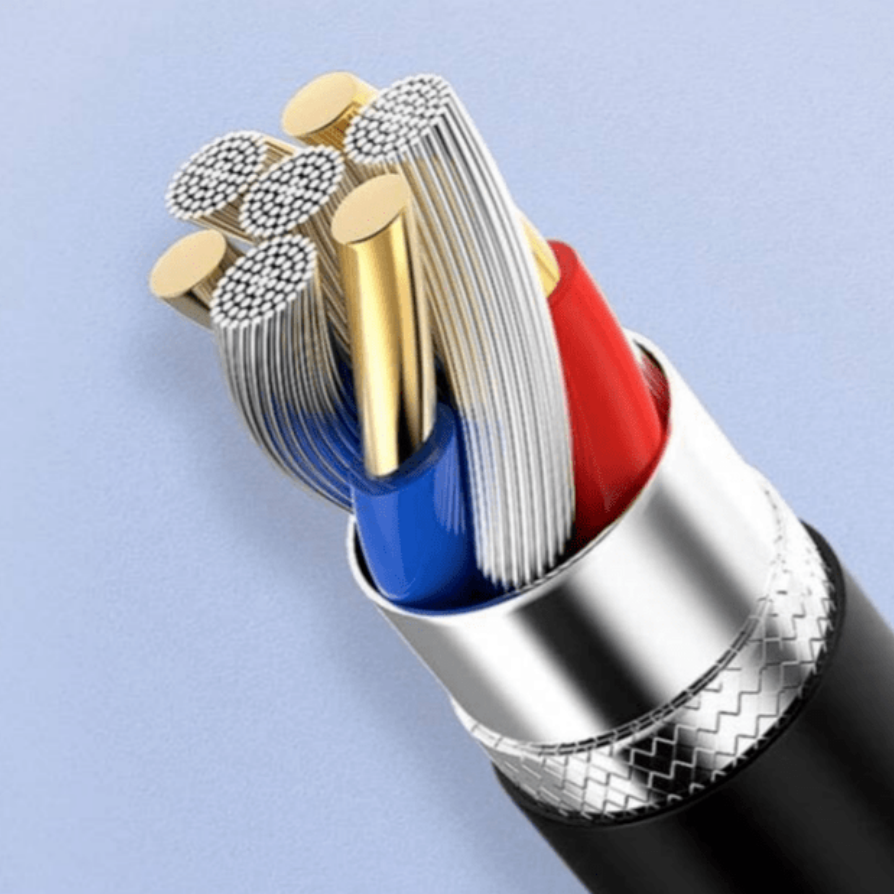
Conductor stranding refers to the process of twisting multiple thin metal wires (known as strands) together to form a single, robust conductor within a machine cable. Unlike solid conductors, which consist of a single thick wire, stranded conductors are engineered to address the unique challenges faced by machine cable in industrial environments. Machine cable operates in settings where flexibility, durability, and consistent electrical performance are paramount—think continuous bending, vibration, and exposure to mechanical stress. Stranding transforms rigid solid wires into flexible conductors that can withstand these harsh conditions without compromising functionality.
The core purpose of conductor stranding in machine cable is twofold: first, to enhance flexibility, allowing the cable to bend and flex repeatedly without breaking or cracking; second, to improve mechanical strength, ensuring the conductor can resist tensile forces, abrasion, and fatigue over long-term use. Additionally, stranding optimizes electrical conductivity by minimizing skin effect (the tendency of alternating current to flow near the surface of a conductor), as the increased surface area of stranded wires allows for more efficient current transmission.
2. Main Types of Conductor Stranding for Machine Cable
Not all conductor stranding is created equal. The choice of stranding type depends on the specific requirements of the machine cable’s application, including flexibility, load-bearing capacity, and installation constraints. Below are the most common types used in machine cable:
2.1 Concentric Stranding
Concentric stranding is the most widely used type in machine cable. It involves arranging strands in concentric layers around a central core wire. Each subsequent layer is twisted in the opposite direction of the previous one, creating a balanced, cylindrical conductor. This structure ensures uniform distribution of stress and current, making it ideal for machine cable that requires a combination of flexibility and stability.
Concentric stranding is categorized by the number of layers (e.g., 1-layer, 2-layer, 3-layer). For example, a 2-layer concentric stranded conductor might have 7 strands (1 core + 6 outer strands), while a 3-layer version could have 19 strands (1 core + 6 + 12). Machine cable with concentric stranding is commonly used in applications like power supply for数控机床 and conveyor systems, where consistent performance under moderate bending is needed.
2.2 Bunch Stranding
Bunch stranding involves twisting multiple strands together in the same direction without a central core. This results in a more flexible conductor compared to concentric stranding, as the strands can move more freely relative to each other. However, bunch-stranded conductors have a slightly irregular cross-section, which may affect their fit in tight spaces or when used with certain connectors.
Machine cable with bunch stranding is preferred for applications that demand high flexibility, such as robotic arms and automated guided vehicles (AGVs), where the cable must bend and twist repeatedly at sharp angles. The increased flexibility reduces the risk of conductor fatigue and breakage, extending the cable’s service life in dynamic industrial environments.
2.3 Composite Stranding
Composite stranding combines different materials or strand sizes to create a conductor tailored to specific machine cable requirements. For instance, some composite strands may use a mix of copper (for excellent conductivity) and aluminum (for lightweight properties), or vary strand diameters to balance flexibility and strength. This type of stranding is often used in specialized machine cable applications, such as heavy-duty mining equipment or aerospace machinery, where unique performance trade-offs are necessary.
3. The Importance of Conductor Stranding in Machine Cable Performance
Conductor stranding is not just a manufacturing detail—it directly impacts the overall performance, reliability, and longevity of machine cable. Here’s why it matters:
3.1 Flexibility and Fatigue Resistance
Industrial machines, such as robotic arms, packaging equipment, and printing presses, require machine cable to bend, twist, and move continuously. Solid conductors are prone to cracking and breaking under repeated flexing, leading to costly downtime and equipment failure. Stranded conductors, by contrast, distribute stress across multiple strands, allowing the cable to flex without permanent damage. The number of strands and stranding pitch (the distance over which a strand completes one full twist) further influence flexibility—more strands and a shorter pitch result in greater flexibility.
3.2 Mechanical Strength and Durability
Machine cable often faces mechanical stress, including tensile forces during installation, abrasion from contact with machinery parts, and impact from falling objects. Stranded conductors have higher tensile strength than solid conductors of the same cross-sectional area because the twisted strands work together to resist breaking. Additionally, the twisted structure reduces the risk of single-point failure—if one strand breaks, the others continue to carry current, preventing immediate cable failure.
3.3 Electrical Conductivity and Efficiency
For machine cable, efficient current transmission is critical to powering equipment and ensuring signal integrity. Stranded conductors minimize the skin effect, which becomes more pronounced at higher frequencies. The increased surface area of stranded wires allows alternating current (AC) to flow more evenly across the conductor, reducing resistance and power loss. This is particularly important for machine cable used in high-frequency signal transmission, such as Ethernet cables for industrial automation systems.
3.4 Corrosion Resistance
In harsh industrial environments—such as food processing plants (where cables may be exposed to water and chemicals) or outdoor manufacturing facilities—corrosion is a major threat to conductor performance. Some stranded conductors are coated with materials like tin or nickel, which provide a protective barrier against moisture and chemicals. The tight twist of strands also prevents corrosive substances from seeping into the conductor core, ensuring long-term electrical performance.
4. Key Factors Influencing Conductor Stranding Selection for Machine Cable
Choosing the right conductor stranding for machine cable requires considering several application-specific factors. Here are the most critical ones:
4.1 Application Environment
The environment where the machine cable will operate dictates the stranding requirements. For example: Dynamic environments with frequent bending (e.g., robotics): Bunch stranding or high-strand-count concentric stranding is ideal for maximum flexibility.Static or low-movement environments (e.g., fixed power distribution): Standard concentric stranding is sufficient.Corrosive environments (e.g., chemical plants): Coated stranded conductors (tin-plated or nickel-plated) offer enhanced protection.
4.2 Current Requirements
The amount of current the machine cable needs to carry affects the conductor’s cross-sectional area and stranding. Higher current requires a larger conductor, which may involve more strands or thicker strands. For AC applications, stranding type also impacts skin effect—stranded conductors with smaller strands are more efficient at higher currents.
4.3 Mechanical Stress
Machine cable subject to high tensile forces (e.g., cables used in cranes or hoists) requires stranding with high mechanical strength, such as concentric stranding with thick strands. Cables exposed to abrasion (e.g., those dragged across factory floors) may benefit from composite stranding with durable materials.
4.4 Installation Space
In tight spaces (e.g., inside compact machinery), the cross-sectional shape of the conductor matters. Concentric stranding, with its cylindrical shape, is easier to route through narrow channels compared to bunch stranding, which has a more irregular shape.
5. Manufacturing Process and Quality Control of Conductor Stranding for Machine Cable
Producing high-quality conductor stranding for machine cable requires precision, advanced equipment, and strict quality control. Here’s an overview of the process:
5.1 Material Selection
The primary material for machine cable conductors is copper, thanks to its excellent electrical conductivity and ductility. In some cases, aluminum or copper-clad aluminum is used for lightweight applications. The strands are drawn from high-purity metal rods to ensure consistent diameter and conductivity.
5.2 Stranding Equipment and Parameter Setting
Stranding is performed using specialized machines (stranding machines) that twist the strands according to the desired type and pitch. For concentric stranding, the machine feeds the central core and layers of strands in opposite directions. For bunch stranding, all strands are fed into the machine at once and twisted in the same direction. Operators carefully set parameters like strand tension, twist pitch, and lay direction to ensure uniformity and performance.
5.3 Quality Inspection
After stranding, the conductor undergoes rigorous quality checks, including: Cross-sectional area measurement to ensure it meets specifications.Conductivity testing to verify electrical performance.Flexibility testing to assess resistance to repeated bending.Tensile strength testing to confirm mechanical durability.Visual inspection for defects like loose strands, uneven twisting, or coating damage.
6. Application-Specific Conductor Stranding Recommendations for Machine Cable
To help you select the right machine cable, here are tailored conductor stranding recommendations for common industrial applications:
6.1 Industrial Robotics
Robotic arms require machine cable that can bend 10,000+ times without failure. Recommendation: Bunch stranding with 30+ fine strands (0.1–0.2mm diameter) for maximum flexibility. Tin-plated strands for corrosion resistance in cleanroom or food-grade environments.
6.2 Machine Tools (CNC, Milling Machines)
These machines have moderate bending requirements but need stable power transmission. Recommendation: 2-layer concentric stranding (19 strands) with copper conductors. The balanced structure ensures consistent current flow and resistance to mechanical stress from tool vibration.
6.3 Automated Production Lines
Cables here are often routed through tight spaces and exposed to occasional abrasion. Recommendation: Composite stranding with a mix of copper strands (for conductivity) and reinforced strands (for abrasion resistance). Concentric lay for easy installation in narrow channels.
6.4 Heavy-Duty Machinery (Mining, Construction)
These applications demand high tensile strength and durability. Recommendation: 3-layer concentric stranding (37 strands) with thick copper strands. Nickel-plated strands for corrosion resistance in damp or dusty environments.
7. Why Choose FRS for Machine Cable with Superior Conductor Stranding?
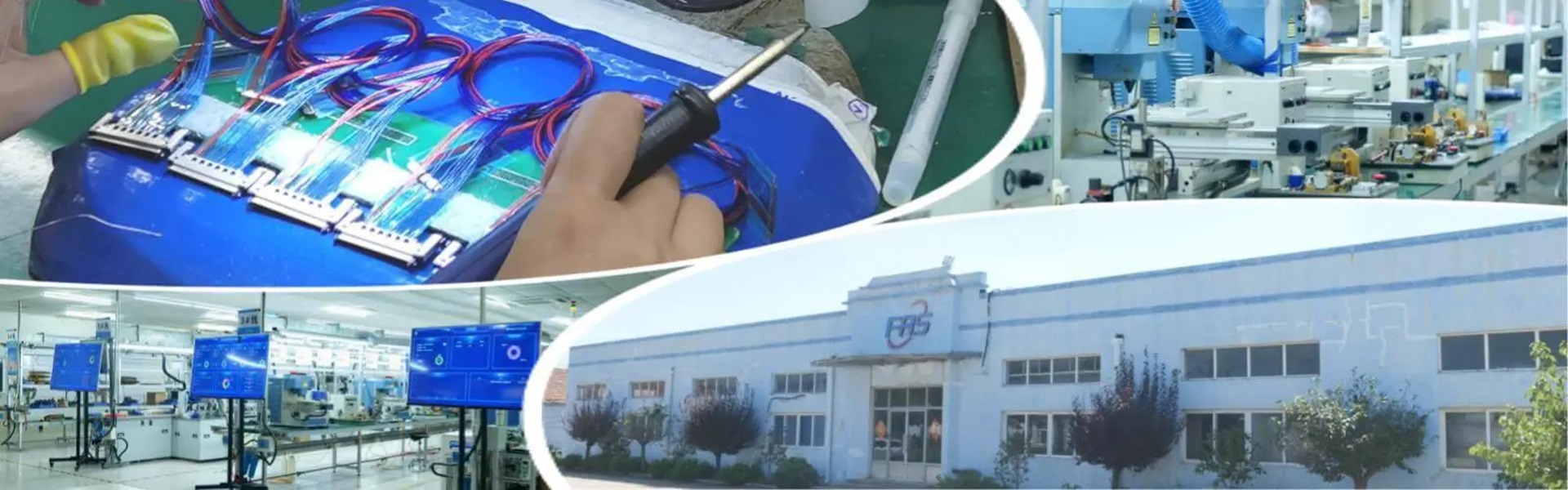
When it comes to machine cable, the quality of conductor stranding directly translates to operational reliability and cost savings. At FRS, we specialize in manufacturing machine cable with precision-engineered conductor stranding that meets the diverse needs of industrial clients worldwide.
Our commitment to excellence starts with material selection—we use 99.99% high-purity copper for all conductors, ensuring optimal electrical conductivity. Our state-of-the-art stranding machines are operated by skilled technicians who set precise parameters for twist pitch, lay direction, and strand tension, resulting in consistent, high-quality stranding across every batch. We offer a full range of stranding types, from flexible bunch stranding for robotics to heavy-duty concentric stranding for mining equipment, and can customize stranding solutions to match your unique application requirements.
Quality control is at the heart of our process. Every conductor undergoes 12+ quality checks, including conductivity testing, flexibility testing, and tensile strength analysis, to ensure it meets or exceeds international standards (IEC, UL, CE). Our machine cable with superior conductor stranding has been trusted by leading manufacturers in automotive, aerospace, food processing, and logistics industries, delivering reliable performance even in the harshest environments.
Whether you need machine cable for dynamic robotics, stable machine tools, or heavy-duty machinery, FRS has the expertise and capabilities to provide the perfect solution. Choose FRS for machine cable that combines advanced conductor stranding technology, exceptional durability, and competitive pricing—your partner in powering industrial innovation.