What is the Difference Between Industrial and Commercial Machine Cabl...
When selecting cables for machinery, confusing industrial and commercial machine cables can lead to equipment failure, safety hazards, or unnecessary costs. Though both transmit power or signals to machines, their design, performance, and application scenarios are tailored to distinct environments—making understanding their differences critical for reliable operations.
1. Core Application Scenarios: Harsh vs. Controlled Environments
The most fundamental difference lies in where they are used, as this dictates all other design choices.
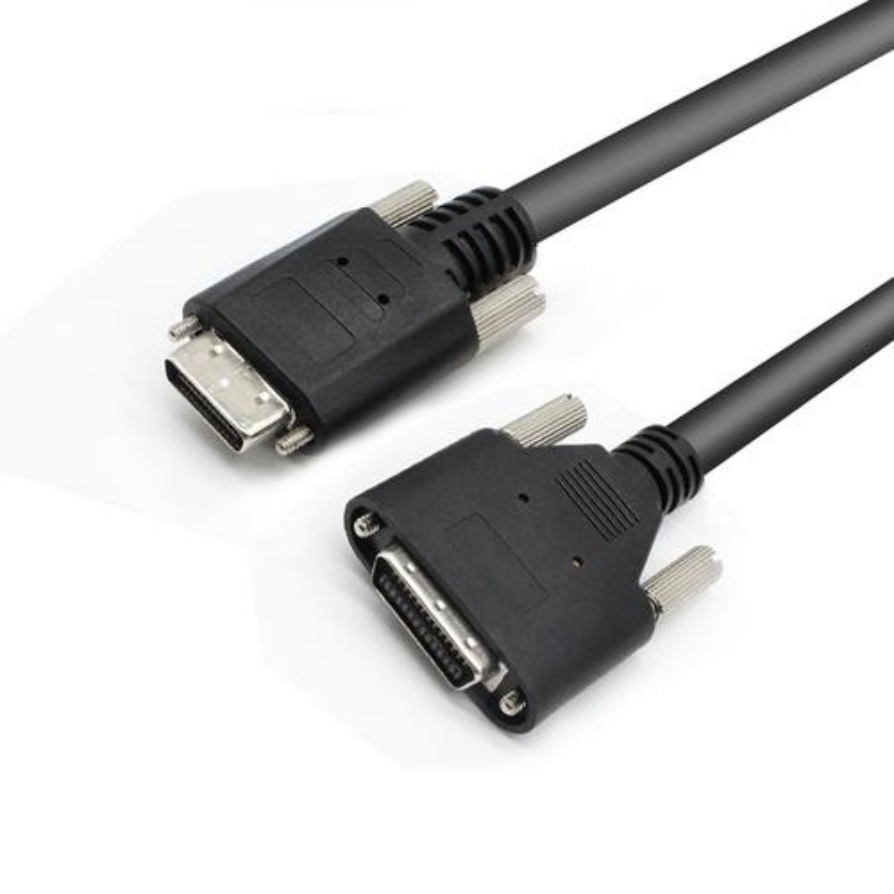
- Industrial machine cables are built for harsh, high-stress settings. They power or connect machinery in factories (e.g., assembly lines, robotic arms), construction sites, mines, or outdoor industrial facilities. These environments expose cables to extreme temperatures, dust, oil, chemicals, and constant vibration.
- Commercial machine cables serve controlled, low-risk spaces. They are used in office equipment (e.g., printers, copiers), retail machines (e.g., POS systems, vending machines), or commercial buildings (e.g., HVAC controls, elevator internal wiring). Here, cables face minimal physical stress and stable temperatures (typically 0–40°C).
2. Performance Requirements: Durability vs. Practicality
Performance priorities diverge sharply to match their environments.
- Industrial cables prioritize long-term durability. They must resist:
- Temperature extremes (often -40°C to 105°C or higher, depending on the model).
- Chemicals (oils, solvents, or corrosive substances common in manufacturing).
- Mechanical damage (abrasion from moving parts, impact from tools, or constant vibration).
- Electromagnetic interference (EMI), so many include shielding to protect signal integrity for precision machinery.
- Commercial cables focus on practicality and safety for occupied spaces. Key requirements include:
- Flexibility (to fit in compact office machines or tight wall cavities).
- Low smoke and toxicity (critical for indoor use—many meet standards like UL 94 V-0 for flame retardancy).
- Cost-effectiveness (since commercial devices have lower stress demands, there’s no need for over-engineered durability).
3. Structural Design: Heavy-Duty vs. Lightweight
Cable construction directly reflects its intended use.
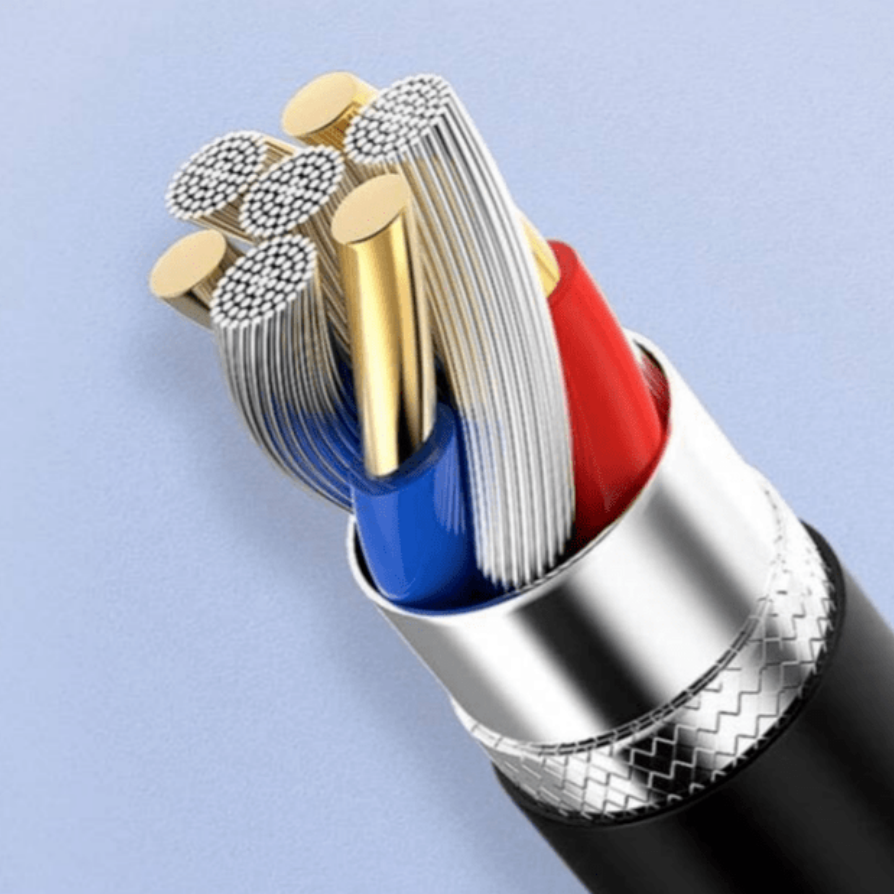
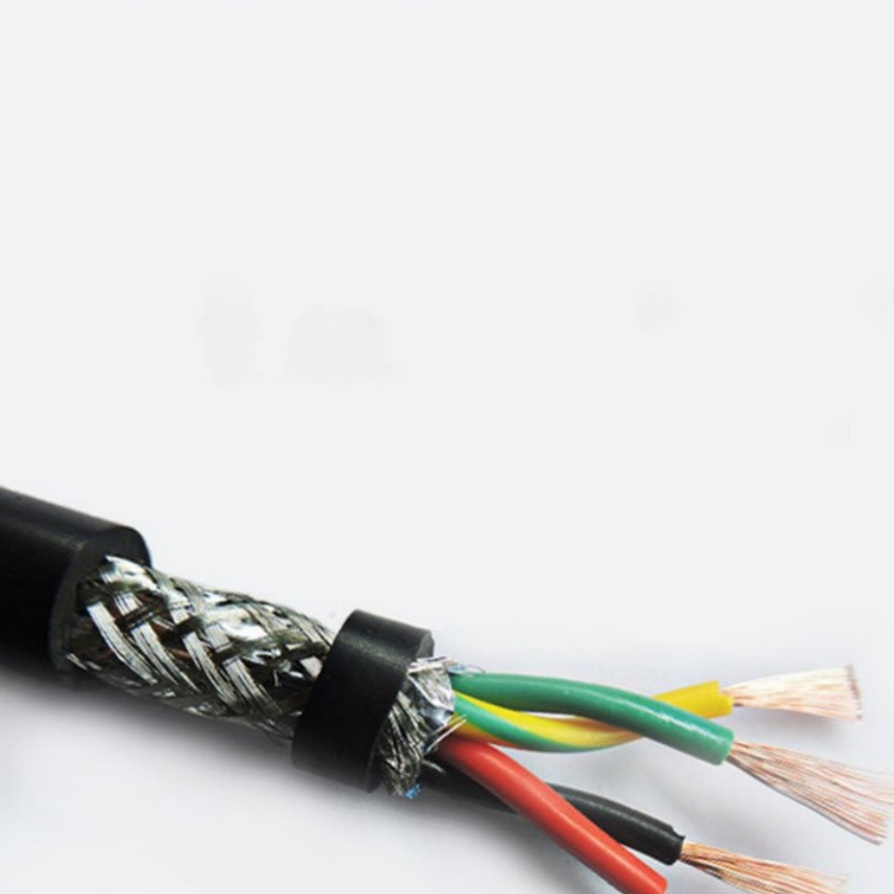
- Industrial cables have a rugged build:
- Thick, chemical-resistant insulation (e.g., PVC, TPE, or PTFE for high temperatures).
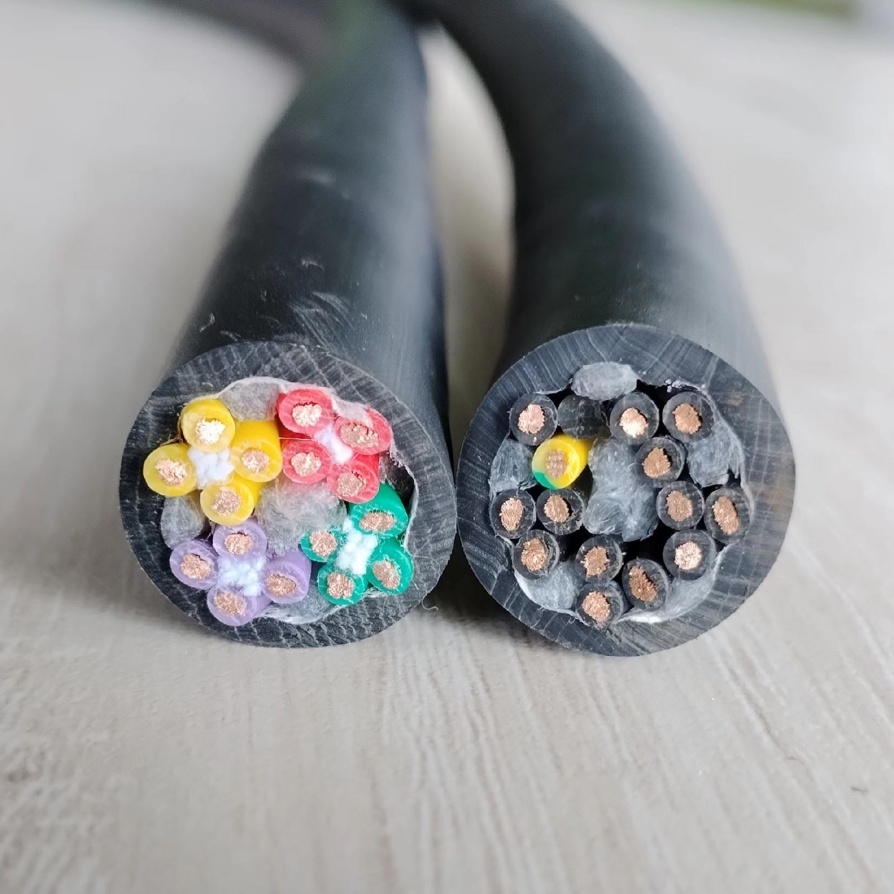
- Stranded conductors (instead of solid) to withstand vibration without breaking.
- Reinforced jackets (often with nylon or steel) for abrasion resistance.
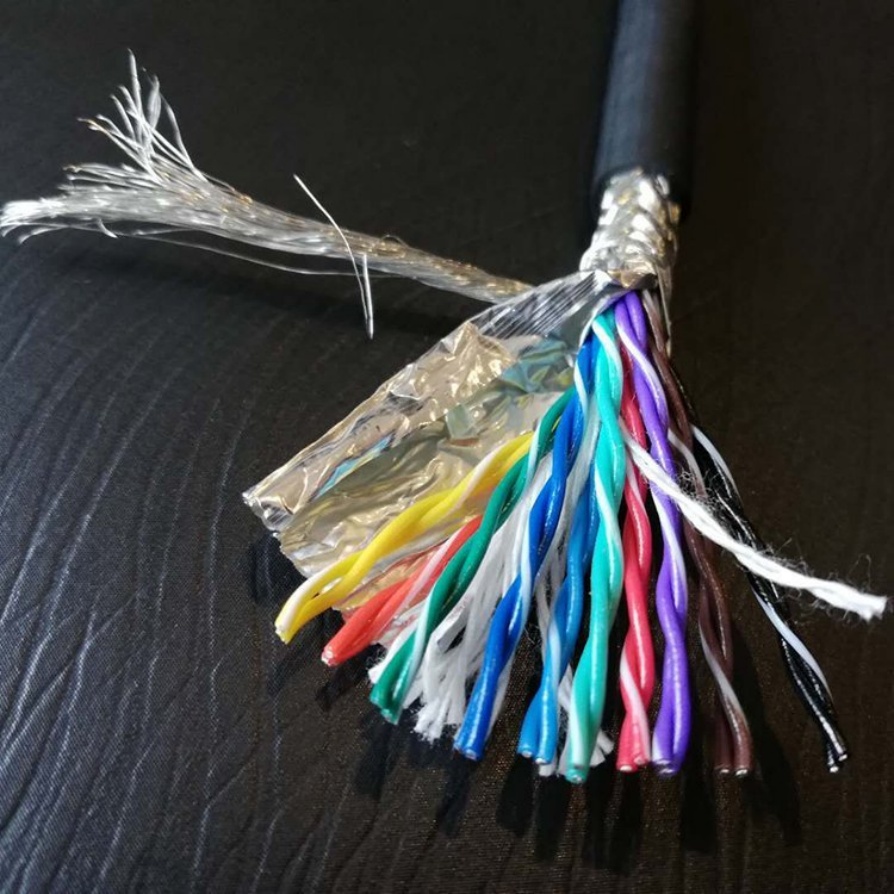
- Optional shielding (e.g., foil or braided) to block EMI from nearby industrial equipment.
- Commercial cables are lightweight and compact:
- Thin insulation (usually PVC) to save space.
- Solid or fine-stranded conductors (for basic flexibility).
- Simple, non-reinforced jackets (since physical stress is minimal).
- Minimal or no shielding (unless used near small electronic devices, like POS systems).
4. Certification Standards: Strict Industrial vs. Basic Commercial
Certifications ensure cables meet safety and performance benchmarks for their environment.
- Industrial cables require rigorous certifications to handle high risks, such as:
- UL 1015 (for general industrial power cables in the U.S.).
- IEC 60245 (international standard for flexible cables in industrial settings).
- CSA C22.2 No. 49 (Canadian standard for industrial cables).
- Additional certifications for specialized use (e.g., flame-retardant cables for oil refineries).
- Commercial cables follow simpler, indoor-focused standards:
- UL 2464 (U.S. standard for multi-conductor commercial cables).
- IEC 60227 (international standard for PVC-insulated cables in commercial and residential use).
- Low-smoke zero-halogen (LSZH) certifications for public spaces (e.g., malls, airports) to reduce health risks in fires.
How to Choose the Right Cable?
For practical decision-making, focus on three questions:
- Where will the cable be used? If it’s exposed to dust, chemicals, or vibration, choose industrial-grade. For offices or retail spaces, commercial-grade suffices.
- What performance does the machine need? Precision industrial machinery (e.g., robots) requires shielded, temperature-resistant cables. Basic commercial devices (e.g., printers) need only flexible, flame-retardant options.
- What certifications are required? Check local regulations—industrial sites often mandate specific UL/IEC certifications, while commercial spaces may only require basic flame-retardancy marks.
Trust FRS for Reliable Machine Cables
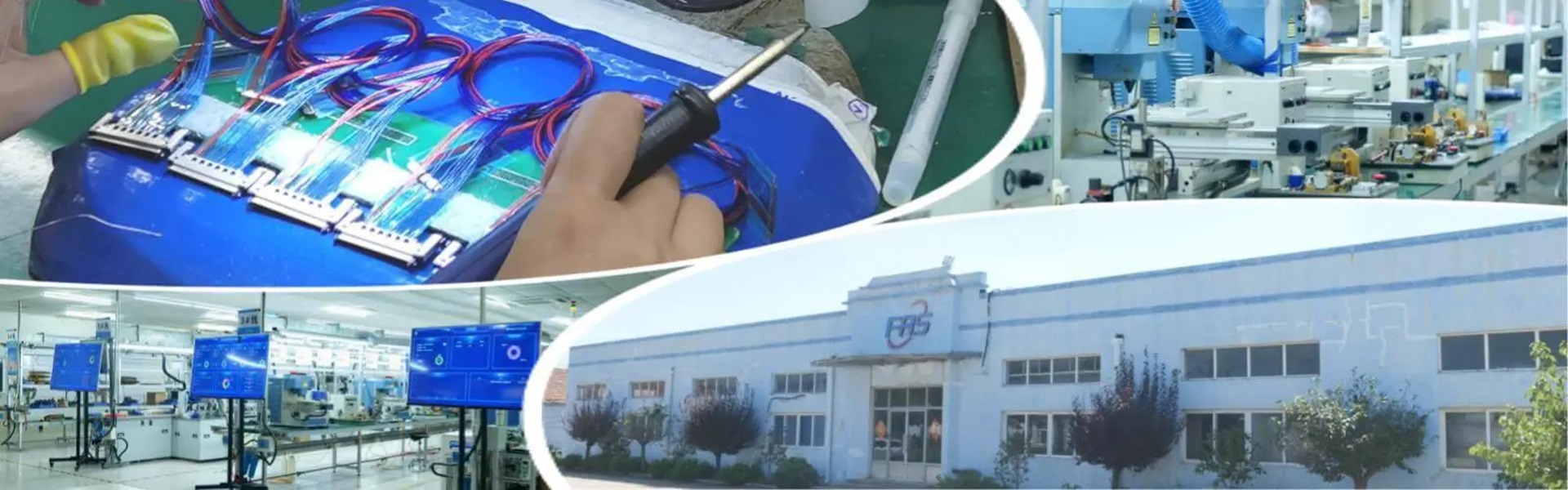
Whether you need industrial cables that withstand extreme factory conditions or commercial cables optimized for office equipment, FRS brand factory delivers solutions tailored to your needs. Our industrial cables meet global standards (UL 1015, IEC 60245) with rugged shielding and chemical-resistant jackets, ensuring long-term reliability in harsh environments. For commercial use, our lightweight, low-smoke cables comply with UL 2464 and IEC 60227, balancing safety and cost-effectiveness. With customizability for conductor size, insulation material, and length, FRS ensures your machinery gets the exact cable it needs—no more, no less. Choose FRS for cables that match your performance goals and stand the test of use.