What is the difference between Industrial ethernet cat6a GigE Vision ...
In the realm of machine vision systems, cables serve as the critical lifeline that connects cameras, controllers, and processing units, directly impacting the reliability, speed, and accuracy of image data transmission. As industrial automation and machine vision technologies advance, two cable types have become increasingly prominent: Industrial Ethernet Cat6a GigE Vision cables and standard machine vision cables. While both are designed to support vision-based applications, their underlying technologies, performance capabilities, and application scenarios differ significantly. For engineers, system integrators, and procurement professionals tasked with building or upgrading machine vision systems, understanding these differences is essential to making informed decisions that align with project requirements, budget constraints, and long-term operational stability. This article delves into the core distinctions between Industrial Ethernet Cat6a GigE Vision cables and standard machine vision cables, covering transmission performance, environmental resilience, compatibility, structural design, and practical application suitability.
1. Core Definition and Technological Foundation
Before exploring the differences, it is crucial to clarify the fundamental definitions and technological frameworks of each cable type, as these form the basis for their varying characteristics.
1.1 Industrial Ethernet Cat6a GigE Vision Cable
An Industrial Ethernet Cat6a GigE Vision cable is a specialized connectivity solution that combines the performance specifications of Category 6a (Cat6a) Ethernet cables with the protocol requirements of GigE Vision—a global standard for industrial machine vision developed by the Automated Imaging Association (AIA). GigE Vision leverages Ethernet technology to enable high-speed data transmission between vision components, and Cat6a is the designated cable category to support the standard’s full capabilities. Unlike commercial-grade Cat6a cables, industrial variants are engineered to withstand the harsh conditions of industrial environments, such as extreme temperatures, electromagnetic interference (EMI), vibration, and physical abrasion. Technically, these cables are designed to transmit data at speeds of up to 10 Gigabits per second (Gbps) over distances of up to 100 meters, adhering to the IEEE 802.3an standard for 10GBASE-T Ethernet. The integration of GigE Vision protocol support ensures seamless communication between cameras, frame grabbers, and software, enabling features like real-time image transfer, remote device control, and synchronized data acquisition.
1.2 Standard Machine Vision Cable
Standard machine vision cables are a broader category of cables used to connect components in basic to mid-range machine vision systems. Unlike Industrial Ethernet Cat6a GigE Vision cables, which are tied to a specific protocol (GigE Vision) and cable category (Cat6a), standard cables encompass a variety of types, including USB 2.0/3.0 cables, FireWire (IEEE 1394) cables, and lower-category Ethernet cables (e.g., Cat5e). These cables are typically designed for general-purpose machine vision applications that do not require the highest transmission speeds or extreme environmental resilience. Their technological foundation is rooted in consumer or commercial connectivity standards, adapted slightly for industrial use but without the rigorous enhancements of industrial-grade Cat6a cables. For example, a standard USB 3.0 machine vision cable supports data transfer speeds of up to 5 Gbps (SuperSpeed USB) but is limited to shorter distances (up to 5 meters without extenders), while a standard Cat5e machine vision cable can transmit Gigabit Ethernet data but lacks the bandwidth and EMI resistance of Cat6a.
2. Key Differences in Transmission Performance
Transmission performance is one of the most significant differentiators between the two cable types, as it directly affects the quality and speed of image data transfer— a critical factor in machine vision applications where split-second decisions and high-resolution imaging are paramount.
2.1 Bandwidth and Data Transfer Speed
Industrial Ethernet Cat6a GigE Vision cables are engineered for high-bandwidth, high-speed data transmission. Cat6a cables have a bandwidth rating of 500 megahertz (MHz), which is twice that of Cat5e (100 MHz) and Cat6 (250 MHz). This increased bandwidth allows them to support 10 Gbps data transfer speeds over distances of up to 100 meters, making them ideal for high-resolution machine vision cameras (e.g., 10MP, 20MP, or higher) that generate large volumes of image data. For example, a 20MP camera capturing images at 30 frames per second (fps) produces approximately 1.8 Gbps of data— a load that a Cat6a GigE Vision cable can handle with ease, ensuring no frame drops or data corruption.
In contrast, standard machine vision cables have lower bandwidth and speed capabilities. For instance, standard USB 3.0 machine vision cables top out at 5 Gbps (500 MHz bandwidth) and are limited to 5 meters in length. FireWire 800 cables, another common standard type, support speeds of only 800 Mbps (100 MHz bandwidth) over 10 meters. Even standard Cat5e machine vision cables, which are used in some basic GigE Vision setups, can only support 1 Gbps speeds at 100 meters and struggle with high-resolution, high-frame-rate imaging. This makes standard cables suitable for low to mid-resolution cameras (e.g., 1MP to 5MP) operating at lower frame rates, such as in basic quality control applications where image detail and speed are not critical.
2.2 Transmission Distance
Another key performance difference is transmission distance. Industrial Ethernet Cat6a GigE Vision cables support 10 Gbps speeds up to 100 meters, which is the maximum distance specified by the Ethernet standard. This long-range capability is a major advantage in large industrial facilities, such as automotive assembly plants, warehouses, or semiconductor factories, where vision cameras may be placed far from control rooms or processing units. In some cases, using fiber optic extenders with Cat6a cables can further extend the distance to several kilometers, making them suitable for large-scale automation systems.
Standard machine vision cables have much shorter maximum transmission distances. USB 3.0 cables are limited to 5 meters, and even with active extenders, they can only reach up to 15 meters. FireWire cables have a maximum distance of 10 meters, while standard Cat5e cables can support 1 Gbps speeds up to 100 meters but lack the bandwidth for high-resolution imaging. This short-range limitation restricts the use of standard cables to small-scale machine vision setups, such as desktop inspection stations or compact production lines where cameras are close to controllers.
3. Environmental Resilience: Adaptability to Industrial Conditions
Industrial environments are notoriously harsh, with factors like extreme temperatures, moisture, dust, vibration, chemical exposure, and electromagnetic interference (EMI) posing significant risks to cable performance and longevity. Here, the difference between Industrial Ethernet Cat6a GigE Vision cables and standard machine vision cables is stark, as industrial-grade cables are specifically designed to withstand these conditions.
3.1 Physical and Environmental Protection
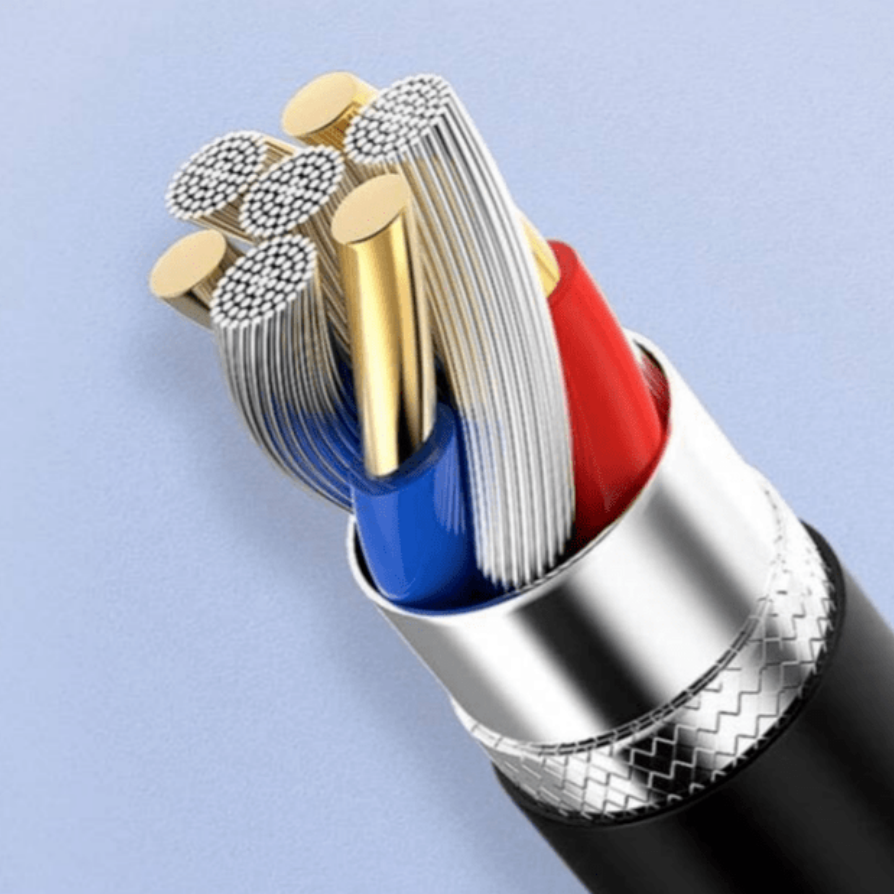
Industrial Ethernet Cat6a GigE Vision cables feature robust construction to resist physical damage and environmental stress. They typically use thick, durable jackets made from materials like polyvinyl chloride (PVC), polyurethane (PU), or halogen-free flame-retardant (HFFR) compounds. PU jackets, in particular, are highly resistant to abrasion, oil, and chemicals— common in automotive and manufacturing environments. Additionally, these cables often have a stranded copper conductor design, which provides flexibility and resistance to vibration, making them suitable for moving parts in machine vision systems (e.g., robotic arms with mounted cameras).
Industrial Cat6a cables also undergo rigorous testing for temperature resistance, with most models operating reliably in temperatures ranging from -40°C to 85°C. This allows them to perform in extreme cold (e.g., frozen food processing plants) or high heat (e.g., metal foundries). In contrast, standard machine vision cables have weaker environmental protection. Their jackets are often made from thin PVC, which is prone to abrasion and damage from chemicals or oil. They also have limited temperature tolerance, typically operating between 0°C and 60°C, making them unsuitable for harsh industrial environments. Standard cables with solid copper conductors are also less flexible and more susceptible to vibration damage, limiting their use in moving or high-vibration applications.
3.2 Electromagnetic Interference (EMI) Shielding
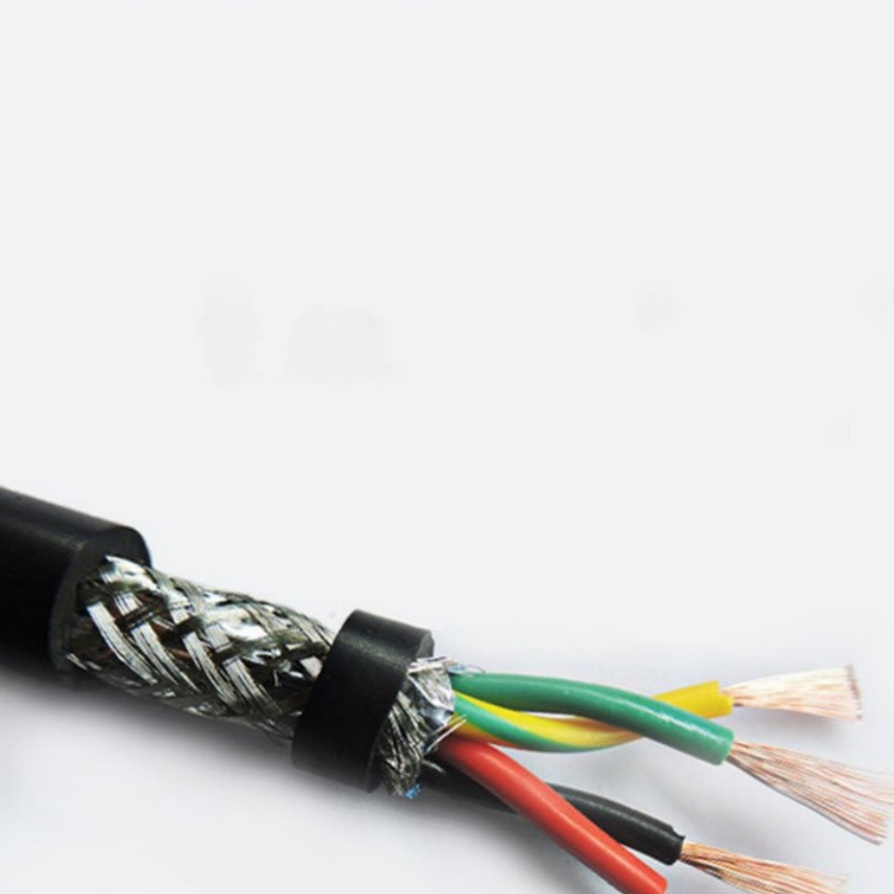
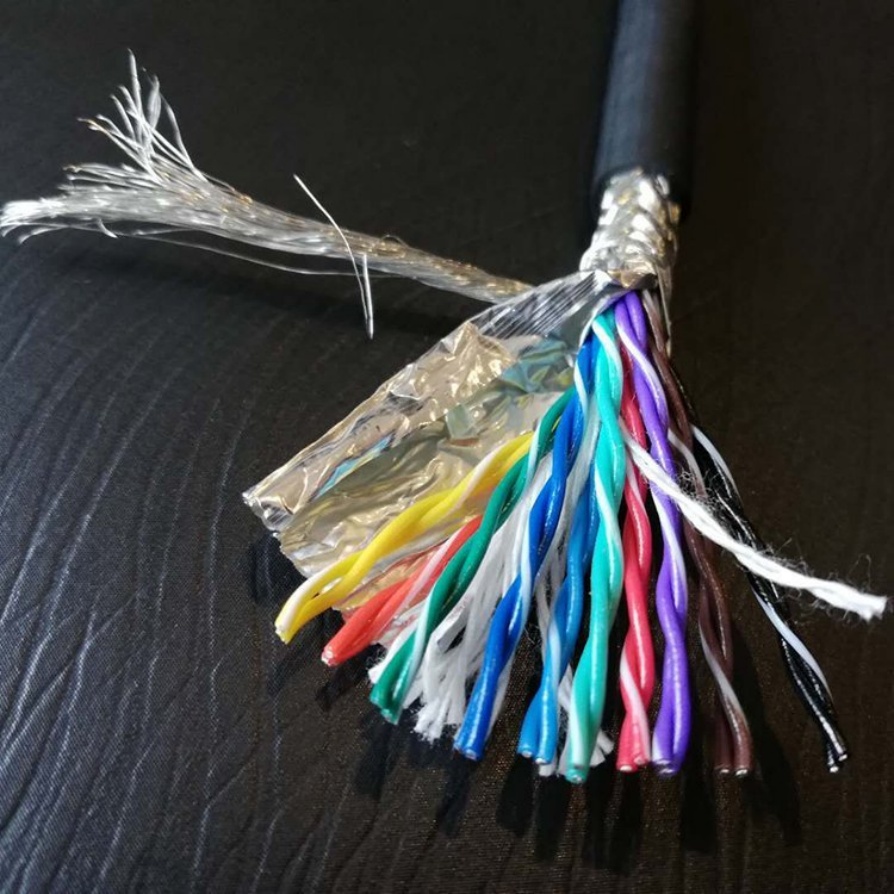
EMI is a major concern in industrial settings, where heavy machinery, motors, and power lines generate electromagnetic fields that can disrupt data transmission. Industrial Ethernet Cat6a GigE Vision cables are equipped with advanced shielding to mitigate EMI. Most industrial Cat6a cables use a shielded twisted pair (STP) or foiled twisted pair (FTP) design. STP cables have a metal braid shield around the entire cable, while FTP cables have a foil shield around each pair of conductors. Some high-performance industrial variants use a combination of both (SFTP), providing maximum EMI protection. This shielding ensures that image data is transmitted without interference, even in close proximity to high-voltage equipment or motors.
Standard machine vision cables typically have minimal or no EMI shielding. For example, standard USB and FireWire cables are often unshielded or have only a basic foil shield, making them highly susceptible to EMI. This can lead to data corruption, frame drops, or distorted images in industrial environments with high electromagnetic noise. Even standard Cat5e machine vision cables may have only a basic shield, which is insufficient for harsh industrial EMI conditions. As a result, standard cables are best used in low-noise environments, such as cleanrooms or office-based inspection stations, where EMI is minimal.
4. Compatibility and Protocol Support
Compatibility with machine vision protocols and components is another key difference, as it determines how easily a cable can integrate into existing or new vision systems.
4.1 Protocol Specialization
Industrial Ethernet Cat6a GigE Vision cables are purpose-built to support the GigE Vision protocol, which is the most widely used industrial machine vision protocol globally. GigE Vision is based on Ethernet, making it compatible with standard Ethernet switches, routers, and network cards, while adding specialized features for machine vision, such as GenICam (Generic Interface for Cameras) compliance. GenICam ensures that cameras from different manufacturers can work seamlessly with the same software and hardware, simplifying system integration and scalability. Industrial Cat6a cables are optimized to support these protocol features, enabling real-time control, synchronized imaging (using IEEE 1588 Precision Time Protocol), and remote camera configuration— capabilities that are critical for advanced industrial automation systems.
Standard machine vision cables support a range of protocols but lack the specialization for industrial-grade GigE Vision. For example, USB machine vision cables use the USB Video Class (UVC) protocol, which is simple to integrate but lacks the advanced features of GigE Vision, such as long-distance transmission and synchronization. FireWire cables use the IEEE 1394 protocol, which was once popular for machine vision but has been largely replaced by USB and GigE due to its lower speed and limited compatibility. Standard cables also often require proprietary drivers or software, making it harder to integrate cameras from different manufacturers and limiting system scalability.
4.2 Component Compatibility
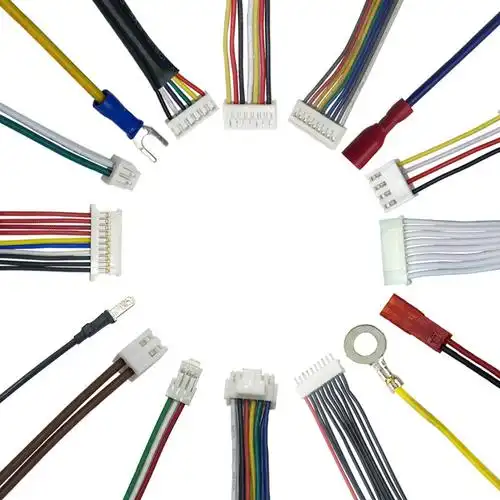
Industrial Ethernet Cat6a GigE Vision cables are compatible with a wide range of industrial Ethernet components, including GigE Vision cameras, industrial Ethernet switches, frame grabbers, and network interface cards (NICs). They use standard RJ45 connectors (or industrial-grade variants like M12 connectors for harsh environments), which are widely available and easy to terminate. This compatibility makes it easy to expand or upgrade machine vision systems by adding more cameras or extending the network.
Standard machine vision cables have more limited component compatibility. USB cables, for example, can only connect to USB-enabled cameras and controllers, and their use is restricted by the number of USB ports available. FireWire cables require specialized FireWire controllers, which are less common in modern industrial PCs. Additionally, standard cables often use consumer-grade connectors (e.g., Type-A or Type-B USB connectors) that are not designed for industrial use, making them prone to loosening or damage in high-vibration environments.
5. Structural Design and Construction
The physical construction of the cables further highlights their differences, with Industrial Ethernet Cat6a GigE Vision cables featuring design elements that enhance performance and durability in industrial settings.
5.1 Conductor and Insulation
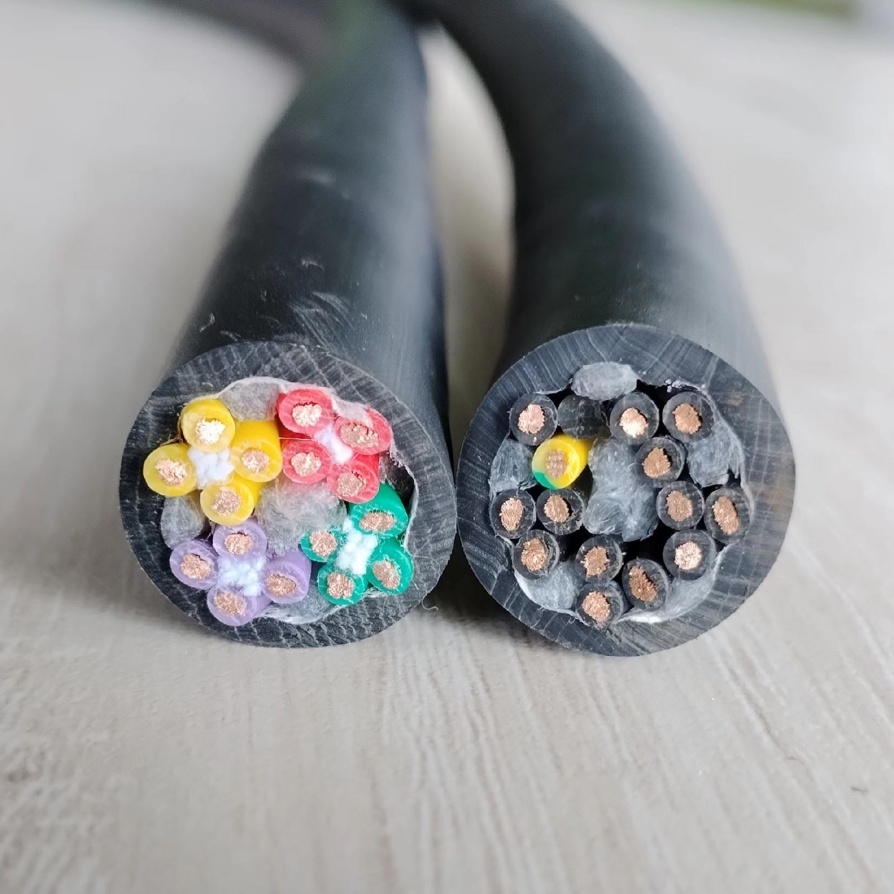
Industrial Cat6a GigE Vision cables use high-quality, stranded copper conductors. Stranded conductors are made up of multiple small copper wires twisted together, which makes the cable more flexible and resistant to fatigue from repeated bending— a critical feature for cables used in moving machine vision applications (e.g., robotic arms). The conductors are also insulated with high-density polyethylene (HDPE) or cross-linked polyethylene (XLPE), which provides excellent electrical insulation and resistance to high temperatures and chemicals.
Standard machine vision cables often use solid copper conductors, which are cheaper but less flexible and more prone to breaking under repeated bending. Their insulation is typically made from low-density polyethylene (LDPE) or PVC, which is less resistant to heat and chemicals than HDPE or XLPE. For example, standard USB cables use PVC insulation that can melt or degrade in high-temperature industrial environments, leading to cable failure.
5.2 Twisting and Crosstalk Reduction
Cat6a cables feature a tighter twist rate for their pairs of conductors, which helps to reduce crosstalk— the unwanted transfer of signals between adjacent pairs. Crosstalk can degrade signal quality, leading to data corruption in high-speed transmission. Additionally, Cat6a cables often include a cross divider (a plastic spine that separates the four pairs of conductors) to further minimize crosstalk. This design ensures that image data is transmitted clearly and reliably, even at high speeds.
Standard machine vision cables have a looser twist rate and lack cross dividers, making them more susceptible to crosstalk. For example, standard Cat5e cables have a twist rate of approximately 1.5 to 2 twists per inch, while Cat6a cables have a twist rate of 2.5 to 3 twists per inch. This difference in twisting leads to higher crosstalk in standard cables, limiting their performance at high bandwidths.
5.3 Connectors
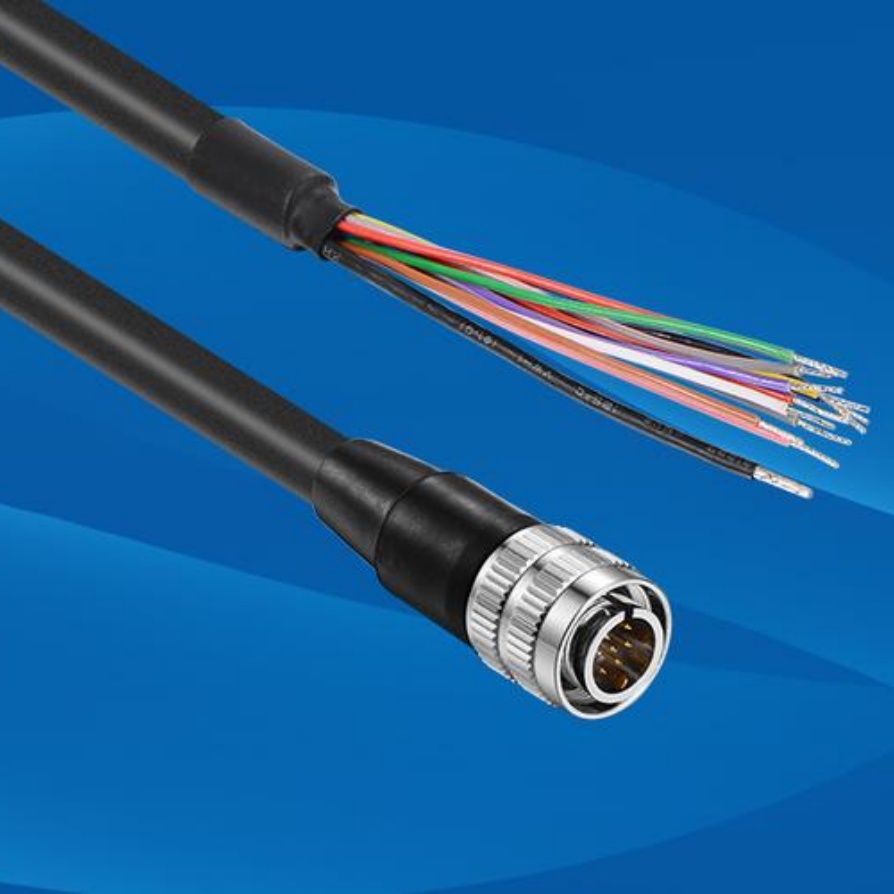
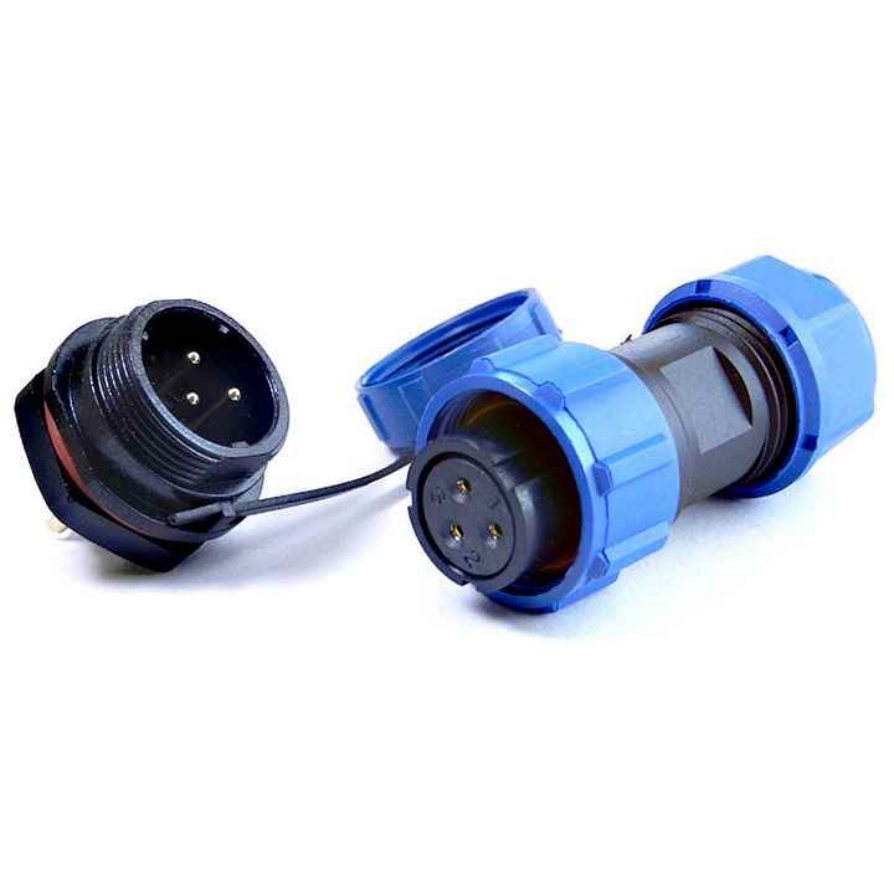
Industrial Ethernet Cat6a GigE Vision cables use industrial-grade connectors, such as M12 X-coded connectors or shielded RJ45 connectors. M12 connectors are designed for harsh industrial environments, featuring a threaded locking mechanism that ensures a secure connection even in high-vibration settings. They are also IP67 or IP68 rated for dust and water resistance, making them suitable for use in wet or dusty environments. Shielded RJ45 connectors feature a metal shell that provides additional EMI shielding, ensuring that the connection point does not become a source of signal interference.
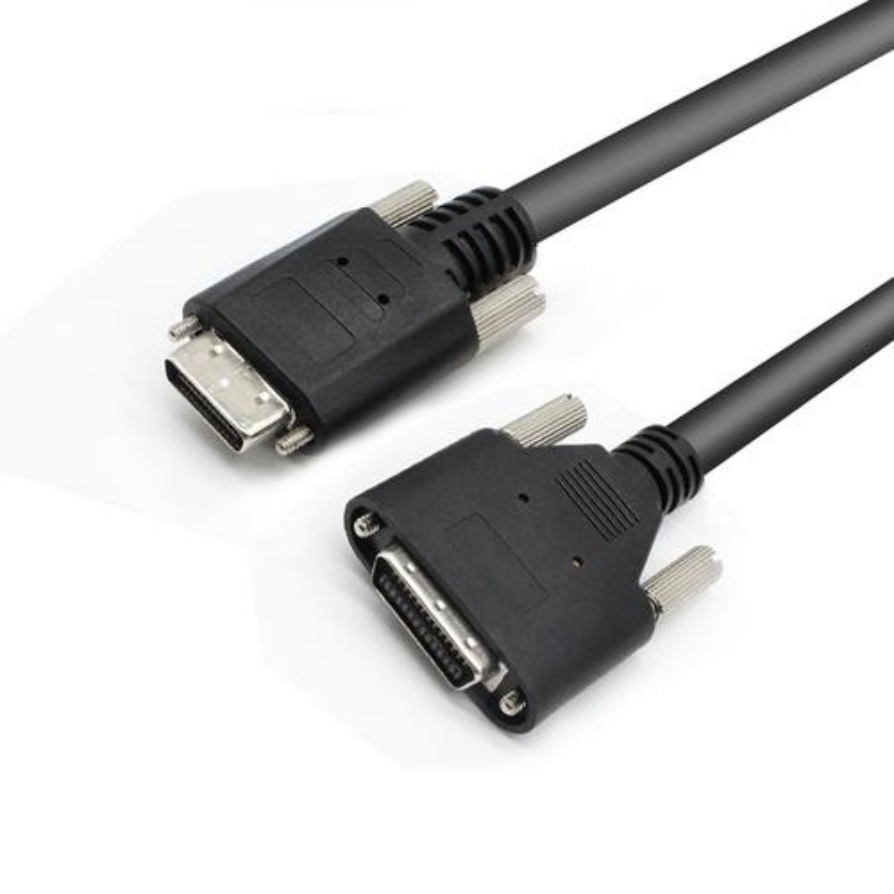
Standard machine vision cables use consumer-grade connectors, such as USB Type-A, Type-B, or standard RJ45 connectors. These connectors have no locking mechanism, making them prone to loosening in high-vibration environments. They also lack proper shielding, leading to increased EMI susceptibility at the connection point. For example, a standard USB connector can easily disconnect if the cable is jostled, causing a loss of image data and system downtime.
6. Application Scenarios: Which Cable to Choose?
The choice between Industrial Ethernet Cat6a GigE Vision cables and standard machine vision cables ultimately depends on the specific requirements of the machine vision application. Below is a breakdown of the ideal use cases for each type.
6.1 Ideal Scenarios for Industrial Ethernet Cat6a GigE Vision Cables
Industrial Cat6a GigE Vision cables are the best choice for high-performance, harsh-environment machine vision applications, including:
- High-resolution imaging: Applications using 10MP+ cameras, such as semiconductor inspection, precision electronics manufacturing, or medical device quality control.
- High-frame-rate imaging: Applications requiring fast image capture (30 fps or higher), such as automotive assembly line inspection or motion analysis.
- Large-scale industrial facilities: Factories or warehouses where cameras are placed more than 5 meters from controllers, requiring long-distance transmission.
- Harsh environments: Settings with extreme temperatures, moisture, dust, vibration, or chemical exposure, such as metal foundries, food processing plants, or outdoor inspection systems.
- Scalable systems: Applications that require adding multiple cameras or expanding the vision system over time, as GigE Vision’s compatibility with Ethernet components simplifies scalability.
6.2 Ideal Scenarios for Standard Machine Vision Cables
Standard machine vision cables are suitable for basic, low-cost machine vision applications, including:
- Low to mid-resolution imaging: Basic quality control applications using 1MP to 5MP cameras, such as checking for missing labels on packaging or basic part dimensions.
- Small-scale setups: Desktop inspection stations or compact production lines where cameras are within 5 meters of controllers.
- Low-noise environments: Cleanrooms, laboratories, or office-based inspection systems where EMI and environmental stress are minimal.
- Budget-constrained projects: Applications where cost is the primary concern, and high performance or durability is not required.
7. Conclusion
Industrial Ethernet Cat6a GigE Vision cables and standard machine vision cables are two distinct connectivity solutions, each tailored to different machine vision application requirements. The core differences lie in their transmission performance (bandwidth, speed, distance), environmental resilience, compatibility with industrial protocols and components, and structural design. Industrial Cat6a GigE Vision cables excel in high-performance, harsh-environment applications, offering 10 Gbps speeds, 100-meter transmission distances, robust EMI shielding, and durable construction. They are the ideal choice for advanced industrial automation systems that demand high-resolution, high-frame-rate imaging and reliable long-distance communication.
In contrast, standard machine vision cables are suited for basic, low-cost applications with low to mid-resolution cameras, short transmission distances, and mild environmental conditions. While they are more affordable and simpler to integrate, they lack the performance and durability required for demanding industrial settings.
For system integrators and engineers, selecting the right cable type requires a clear understanding of the application’s imaging requirements, environmental conditions, and scalability needs. By choosing Industrial Ethernet Cat6a GigE Vision cables for high-performance industrial applications and standard cables for basic setups, organizations can ensure that their machine vision systems operate reliably, efficiently, and cost-effectively— ultimately enhancing productivity and quality control in their operations.