What is the maximum length of continuous machine cable
There is no one-size-fits-all answer to the question of “What is the maximum length of continuous machine cable,” as it is determined by a combination of technical factors, application requirements, and industry standards. Machine cables, which are widely used in industrial automation, manufacturing equipment, and mechanical systems, must balance signal transmission, power delivery, mechanical durability, and environmental adaptability. Below are the core factors that directly influence the maximum continuous length of machine cables, along with practical considerations for different scenarios.
1. Signal Attenuation and Transmission Integrity
For machine cables carrying data or control signals (e.g., Ethernet cables for industrial IoT, encoder cables for motion control), signal attenuation is the primary limiting factor. As the cable length increases, electrical signals lose strength due to resistance, capacitance, and inductance in the cable conductor and insulation. This can lead to signal distortion, data loss, or delayed response—critical issues in precision manufacturing.
For example, Cat5e industrial Ethernet cables, commonly used in factory automation, typically have a maximum recommended length of 100 meters for 100Mbps transmission. Exceeding this length may require signal repeaters or switches to boost signal strength. For high-speed signals like Gigabit Ethernet, even shorter lengths (around 80-90 meters) may be necessary to maintain error-free communication. Analog signals (e.g., from sensors) are more susceptible to attenuation than digital signals; thus, their maximum cable length is often limited to 50 meters or less without signal conditioning.
2. Voltage Drop in Power Transmission
When machine cables are used to transmit power (e.g., to motors, actuators, or control panels), voltage drop becomes a key concern. Voltage drop occurs because the cable’s resistance converts some electrical energy into heat, reducing the voltage available at the load. If the voltage drop is too large, the connected equipment may operate inefficiently, overheat, or fail to start.
The formula for voltage drop (V) is approximately V = I × R × L, where I is the current (in amps), R is the cable’s resistance per unit length (in ohms/meter), and L is the cable length (in meters). To minimize voltage drop, larger-gauge cables (with lower resistance) are used for longer distances. For instance, a 4mm² copper cable transmitting 10A of current may have a maximum length of 50 meters to keep voltage drop within the acceptable 3% limit (per IEC standards). For higher currents or longer distances, thicker cables (e.g., 6mm² or 10mm²) are required.
3. Mechanical Stress and Installation Constraints
Continuous machine cables are often subjected to mechanical stress during installation and operation, such as tension, bending, and vibration. Longer cables have greater weight, which can cause excessive tension at connection points or sagging (in overhead installations), leading to conductor breakage or insulation damage. Additionally, in moving machinery (e.g., robotic arms, conveyor belts), longer cables may experience more frequent bending cycles, accelerating wear and reducing service life.
Installation environment also plays a role. For example, cables installed in tight spaces or requiring frequent flexing (dynamic applications) have shorter maximum lengths than those in static, open environments. Industry guidelines often recommend limiting dynamic machine cables to 10-20 meters, depending on the flex cycle rating, to avoid premature failure.
4. Industry Standards and Safety Regulations
Various international standards (e.g., IEC 60228 for conductor sizes, NEC for electrical installations in North America, VDE for European markets) specify limits on cable length to ensure safety and performance. These standards consider factors like fire risk, electromagnetic interference (EMI), and grounding. For example, in hazardous areas (e.g., oil refineries, chemical plants), cables may have shorter maximum lengths to reduce the risk of spark propagation or EMI-related hazards.
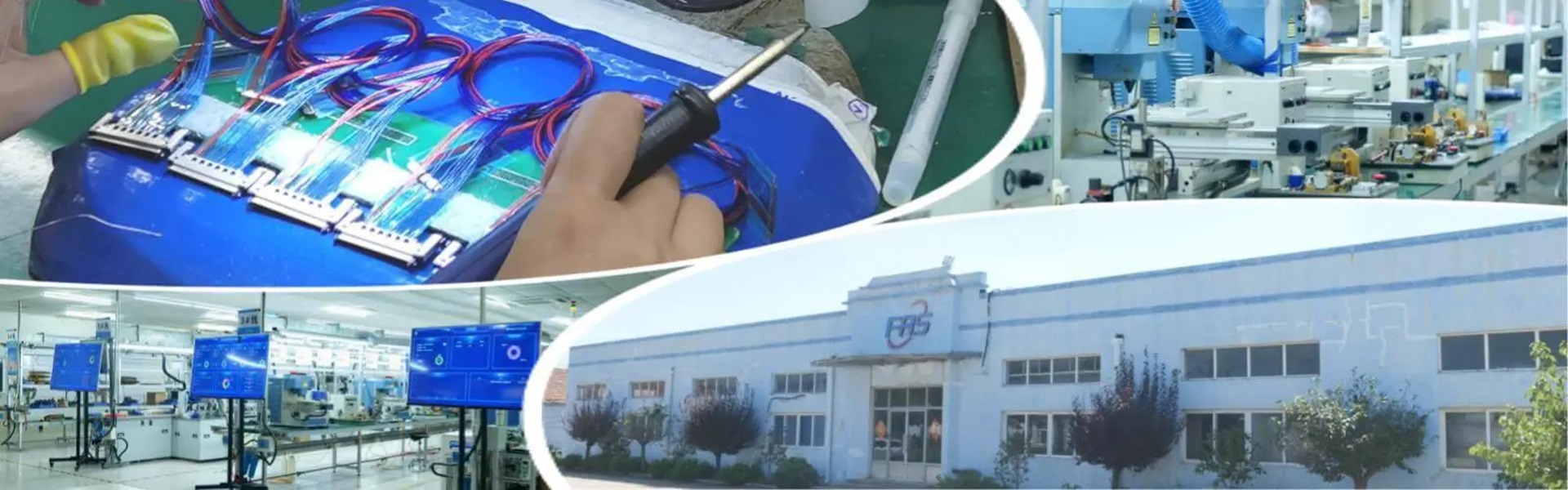
FRS: Your Trusted Partner for High-Quality Machine Cables
Understanding the nuances of maximum continuous machine cable length is essential for reliable industrial operations—and FRS brand factory is dedicated to delivering cables that meet these critical requirements. FRS machine cables are engineered with high-purity copper conductors to minimize signal attenuation and voltage drop, reinforced insulation to withstand mechanical stress, and严格 adherence to global standards (IEC, NEC, VDE). Whether you need short flex cables for robotic systems or long-distance power cables for heavy machinery, FRS offers customized solutions tailored to your application’s length, current, and environmental demands. Choose FRS for cables that combine durability, performance, and peace of mind in every meter.