What is the outer jacket thickness of machine cable
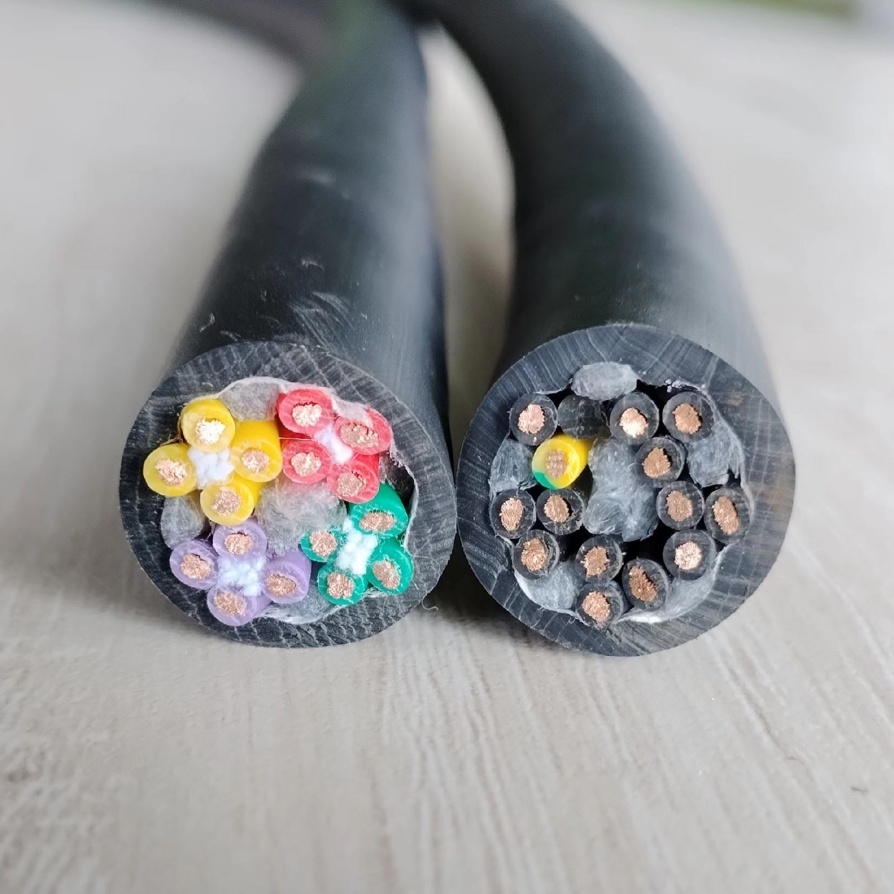
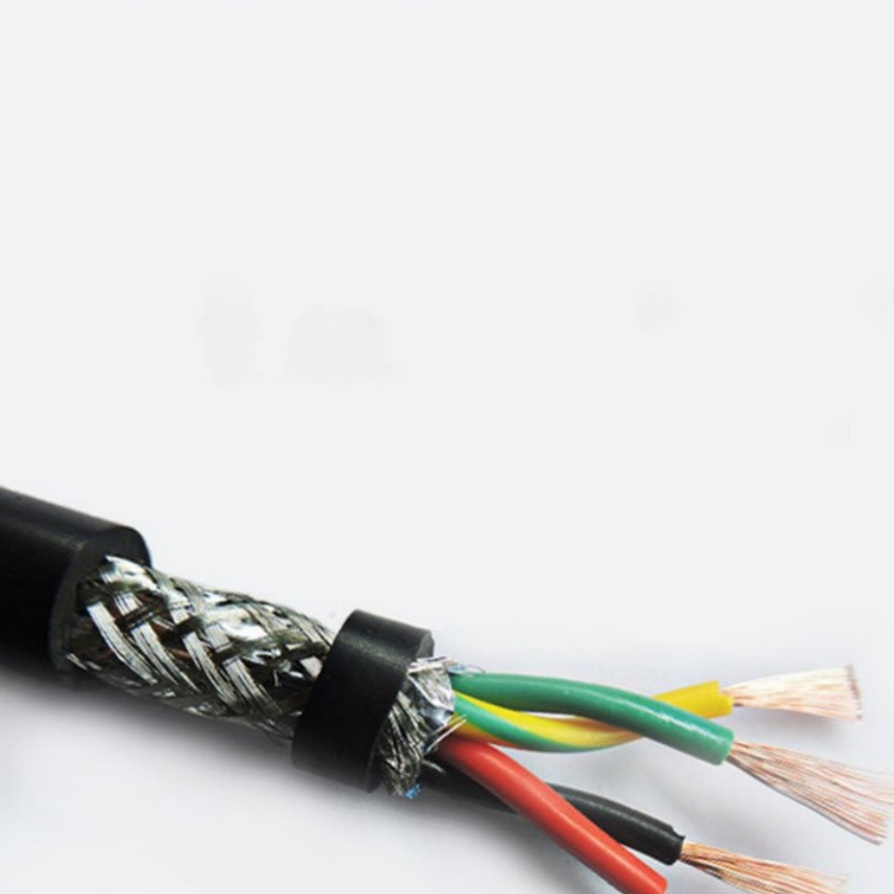
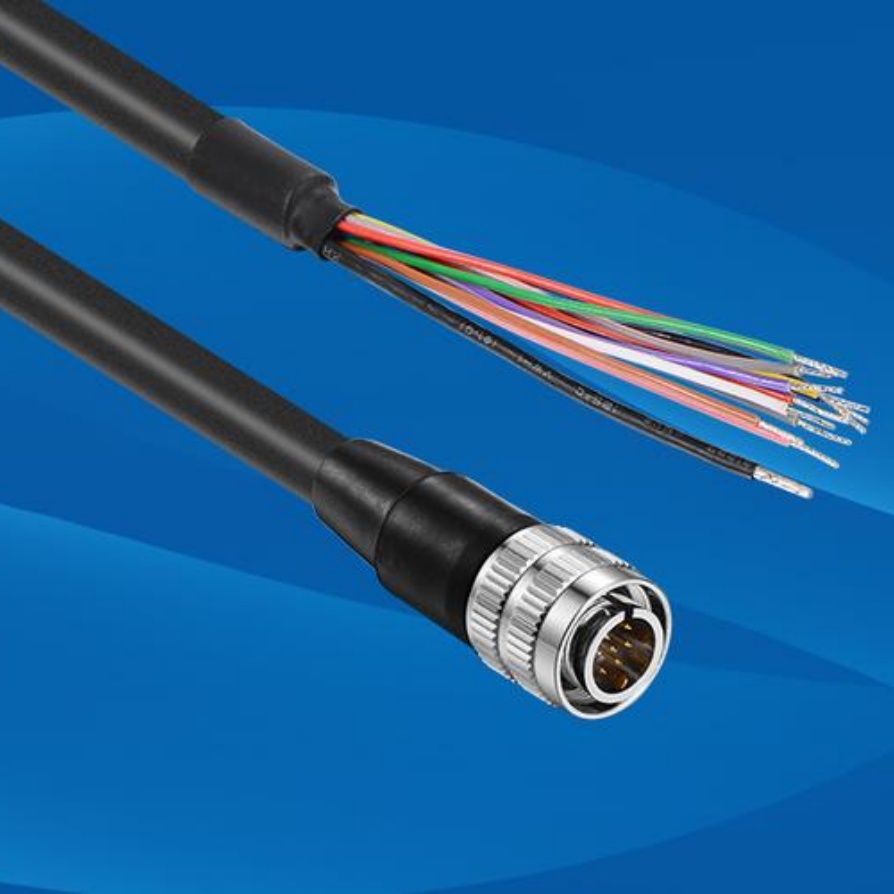
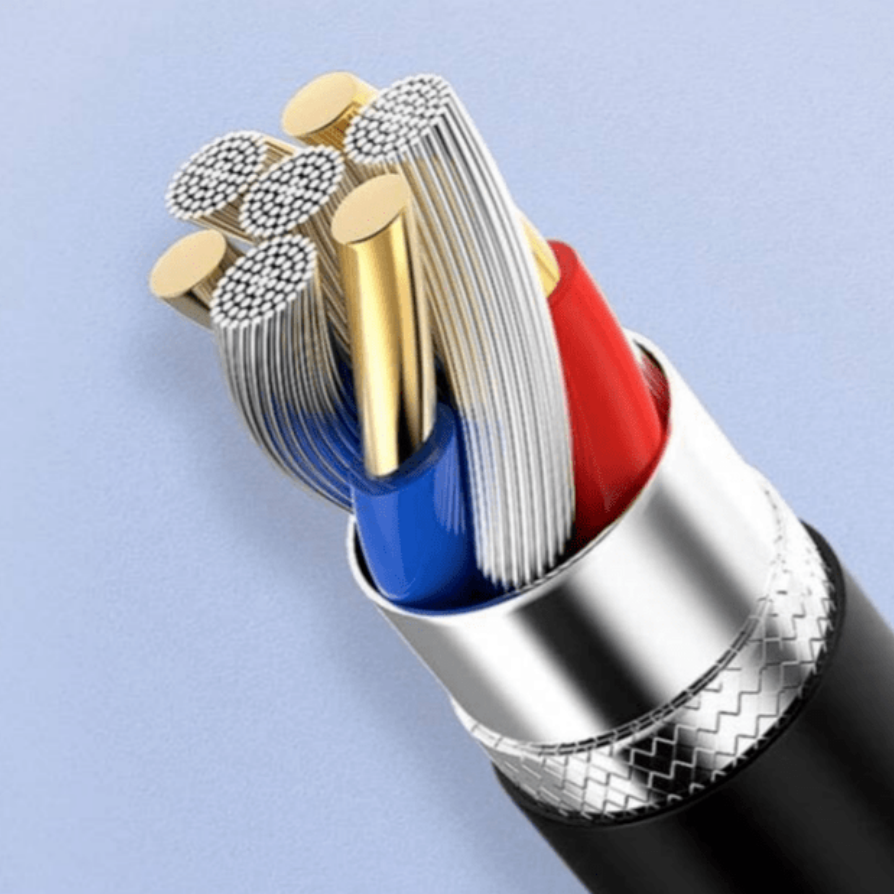
The outer jacket thickness of machine cable is a critical parameter that directly affects the cable’s performance, durability, and safety in industrial environments. Machine cables, designed to withstand mechanical stress, chemical exposure, temperature fluctuations, and abrasion, rely on their outer jackets to provide a robust first line of defense. Understanding the factors that determine this thickness, typical ranges for different applications, and how it impacts cable functionality is essential for engineers, procurement professionals, and anyone involved in specifying or using machine cables.
Key Factors Determining Outer Jacket Thickness
Several core factors influence the required outer jacket thickness of machine cables, ensuring they meet the demands of their intended use:
Cable Size and Conductor Count: Larger cables or those with more conductors often require thicker jackets to maintain structural integrity. A thicker jacket helps distribute mechanical pressure evenly across the cable, preventing damage to internal conductors. For example, a 10mm diameter cable with 8 conductors may need a jacket thickness of 1.5-2mm, while a smaller 5mm cable with 2 conductors might only require 1-1.2mm.
Application Environment: Cables used in harsh industrial settings—such as manufacturing plants with heavy machinery, chemical processing facilities, or outdoor installations—need thicker jackets. Environments with frequent abrasion (e.g., cables moving over conveyor belts) or exposure to oils, solvents, or extreme temperatures (-40°C to 105°C) demand jackets with enhanced thickness to resist wear and chemical degradation. In contrast, cables for light-duty indoor use may have thinner jackets.
Industry Standards and Certifications: Global standards like IEC (International Electrotechnical Commission), UL (Underwriters Laboratories), and VDE (Verband der Elektrotechnik) specify minimum jacket thickness requirements for machine cables. For instance, IEC 60245-4 (for flexible cables) mandates a minimum jacket thickness based on cable diameter to ensure compliance with safety and performance benchmarks. Manufacturers must adhere to these standards to market their cables legally and reliably.
Mechanical Protection Needs: Cables subjected to frequent bending, twisting, or impact (e.g., robotic arm cables) require thicker jackets to absorb shock and prevent cracking. The jacket acts as a buffer, reducing the transfer of mechanical stress to the insulation and conductors inside, which could otherwise lead to short circuits or signal loss.
Typical Outer Jacket Thickness Ranges
While thickness varies based on the above factors, machine cables generally fall within the following thickness ranges:
It’s important to note that these are general guidelines. Always refer to the cable manufacturer’s datasheet for exact thickness values, as they may optimize thickness for specific materials (e.g., PVC, PUR, TPE) or proprietary designs.
How to Measure Outer Jacket Thickness
Accurate measurement of the outer jacket thickness ensures compliance with standards and confirms cable quality. The most common method uses a digital caliper or micrometer:
Select a straight section of the cable, free from kinks or damage.
Measure the total outer diameter of the cable (D) at three different points around the circumference to account for ovality.
Strip a small section of the outer jacket (carefully to avoid damaging the insulation) and measure the inner diameter of the jacket (d).
Calculate the thickness using the formula: Thickness = (D - d) / 2.
For precision, automated laser measurement tools are used in manufacturing to ensure consistent thickness across production runs.
Why Choose FRS for Machine Cable Needs
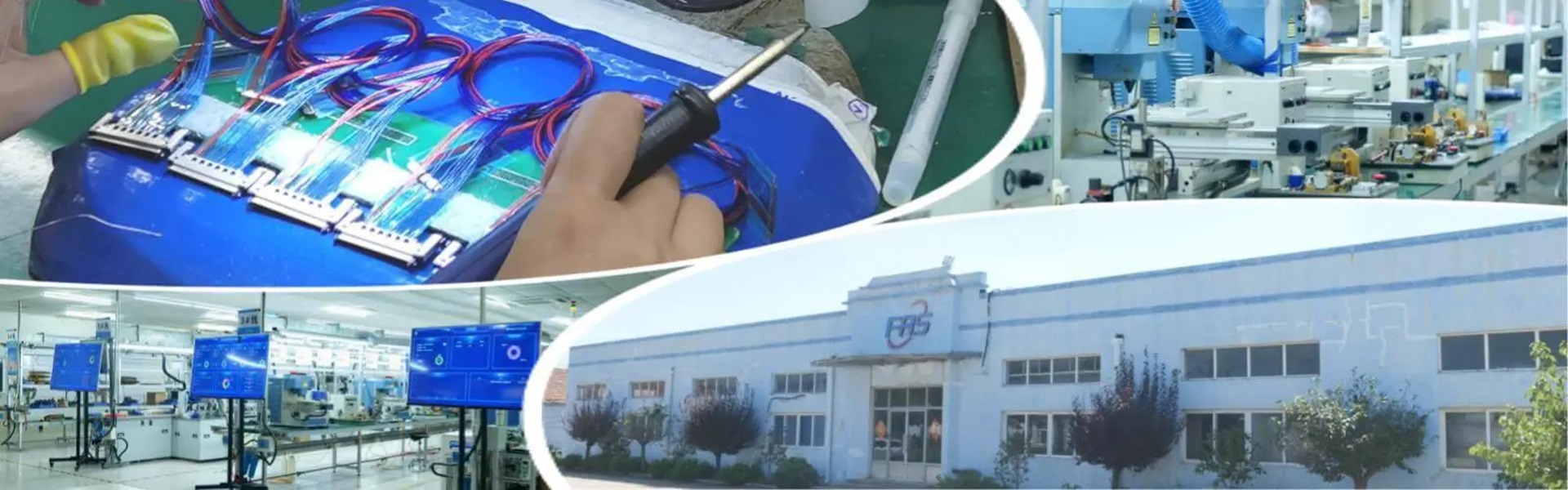
When it comes to machine cables with reliable outer jacket thickness and performance, FRS brand factory stands out as a trusted partner. FRS adheres strictly to global standards (IEC, UL, VDE) and customizes jacket thickness based on your specific application—whether you need light-duty indoor cables or heavy-duty options for harsh industrial environments. Using high-quality materials like oil-resistant PUR and flexible TPE, FRS cables deliver long-lasting durability, excellent mechanical protection, and consistent thickness control. With years of expertise in industrial cable manufacturing, FRS ensures every cable meets or exceeds your expectations, providing peace of mind for your critical machinery operations. Choose FRS for machine cables that combine precision, reliability, and value.
Meta Description: Discover the Flexible & Bend-Resistant Vision Cable, engineered for precision imaging in demanding environments. Durable, reliable, and built to last. Perfect for industrial, medical, and robotic applications.
Int.
Subtitle: A High-Performance Signal Cable Designed for 3D Scanners, Ensuring Lossless Data and Minimal Latency
Product OverviewThe 3D Scanner Vision Signal Cable is a premium signal transmission cable engineered for both industrial a.
Product Overview: Machine Vision Cables
Machine vision cables are specialized components designed to ensure high-speed, stable data transmission and signal integrity in automated imaging systems. Key features include:
Technical S.
Elevate your visual data transmission with the IP67 Waterproof Vision Connection Cable, engineered to deliver seamless performance in the harshest conditions. Designed for industrial, outdoor, and mission-critical applications, this rugg.
Shielded Twisted-Pair Vision Cable – Ultra-Clear Signal Transmission for Demanding Environments
Ensure flawless video and data transmission in high-interference environments with our Shielded Twisted-Pair (STP) Vision Cable. Engineere.
The Precision Imaging Dedicated Vision Cable is a cutting-edge connectivity solution designed to deliver crystal-clear image transmission in high-stakes environments. Optimized for industrial automation, medical imaging, machine vision, .
Enhance the reliability and performance of your automated systems with our Industrial-Grade Machine Vision Cable—engineered to deliver unparalleled signal integrity, durability, and speed for demanding industrial applications. Designed f.
High-speed factories demand flawless synchronization between machines and vision systems. Yet, challenges like electromagnetic interference (EMI), cable fatigue, and data bottlenecks often disrupt operations. The right machine vision cab.
Meta Description: Discover premium Robotic Vision System Cables engineered for seamless data transmission, durability, and precision in industrial automation. Ensure flawless vision system performance.
Enhance Automation Precision with.
Meta Description: Experience seamless 4K/8K video transmission with our High-Speed Anti-Interference Vision Cable. Engineered for crystal-clear visuals, robust durability, and interference-free performance. Perfect for gaming, profes.