What is the resistance to sunlight of machine cable?
In industrial and outdoor application scenarios, machine cables are often exposed to various harsh environmental conditions, among which sunlight radiation is a key factor affecting their service life and performance. The resistance to sunlight of machine cable refers to the ability of the cable to maintain its physical, electrical, and mechanical properties when exposed to sunlight for a long time without significant degradation. This performance is crucial for ensuring the stable operation of equipment in outdoor or semi-outdoor environments, such as solar power plants, construction sites, agricultural machinery, and port terminals. Understanding the resistance to sunlight of machine cables is essential for selecting the right cable products, reducing maintenance costs, and avoiding potential safety hazards caused by cable failure.
Key Factors Affecting the Sunlight Resistance of Machine Cables
The sunlight resistance of machine cables is determined by multiple factors, with the cable’s insulation and sheath materials being the most critical. Different polymer materials have varying degrees of resistance to ultraviolet (UV) radiation in sunlight, which is the main cause of cable degradation.
Polyvinyl chloride (PVC) is a commonly used cable material, but its inherent UV resistance is relatively poor. When exposed to sunlight for a long time, PVC will undergo photo-oxidative aging, leading to hardening, brittleness, cracking, and even loss of insulation performance. In contrast, polyethylene (PE), especially high-density polyethylene (HDPE), has better UV resistance than PVC. However, pure PE still needs to be modified to meet the requirements of long-term outdoor use. Cross-linked polyethylene (XLPE) further improves the thermal stability and UV resistance on the basis of PE, making it suitable for more demanding outdoor environments.
Another important material is ethylene propylene diene monomer (EPDM) rubber. EPDM has excellent weather resistance and UV resistance, and it can maintain good flexibility and mechanical properties even under long-term sunlight exposure. It is often used in machine cables for harsh outdoor conditions such as construction machinery and mining equipment. In addition, the addition of additives in the material also plays a vital role in improving sunlight resistance. UV stabilizers, for example, can absorb or scatter UV radiation, preventing it from damaging the polymer molecular chain. Antioxidants can slow down the oxidation reaction caused by sunlight, delaying the aging process of the cable. Carbon black is also a commonly used additive; a small amount of carbon black can significantly enhance the UV resistance of the material by absorbing UV rays, but excessive addition may affect the mechanical properties of the cable.
Testing Standards for Sunlight Resistance of Machine Cables
To evaluate the sunlight resistance of machine cables scientifically and uniformly, various international and industry standards have been developed. These standards specify the test methods, conditions, and evaluation indicators, providing a basis for manufacturers and users to judge cable performance.
The International Organization for Standardization (ISO) has formulated ISO 4892, which includes three parts: exposure to artificial daylight (xenon arc lamp), exposure to artificial weathering (fluorescent UV lamp), and exposure to natural weathering. Among them, ISO 4892-2 (fluorescent UV lamp method) is widely used in the cable industry. This method simulates the UV radiation, temperature, and humidity in sunlight by using fluorescent UV lamps, and exposes the cable sample to this cyclic environment for a certain period. After the test, the changes in the cable’s appearance (such as cracking, discoloration, and peeling), mechanical properties (such as tensile strength and elongation at break), and electrical properties (such as insulation resistance and breakdown voltage) are tested to evaluate its sunlight resistance.
The American Society for Testing and Materials (ASTM) has also developed relevant standards, such as ASTM G154, which specifies the standard practice for operating fluorescent UV lamps in the exposure of non-metallic materials. This standard is similar to ISO 4892-2 but has some differences in test parameters and evaluation methods. In addition, the International Electrotechnical Commission (IEC) has standards related to cable environmental performance, such as IEC 60068-2-5, which covers the test for exposure to sunlight. These standards ensure that the sunlight resistance test of machine cables is carried out in a standardized and repeatable manner, enabling fair comparison of products from different manufacturers.
Technical Measures to Improve the Sunlight Resistance of Machine Cables
In order to meet the growing demand for outdoor machine cable applications, manufacturers have adopted a series of technical measures to improve the sunlight resistance of cables. Material modification is the most fundamental measure. As mentioned earlier, selecting high-performance base materials such as EPDM, XLPE, or modified PE is the first step. On this basis, adding appropriate UV stabilizers, antioxidants, and carbon black can further enhance the material’s resistance to UV radiation and oxidation.
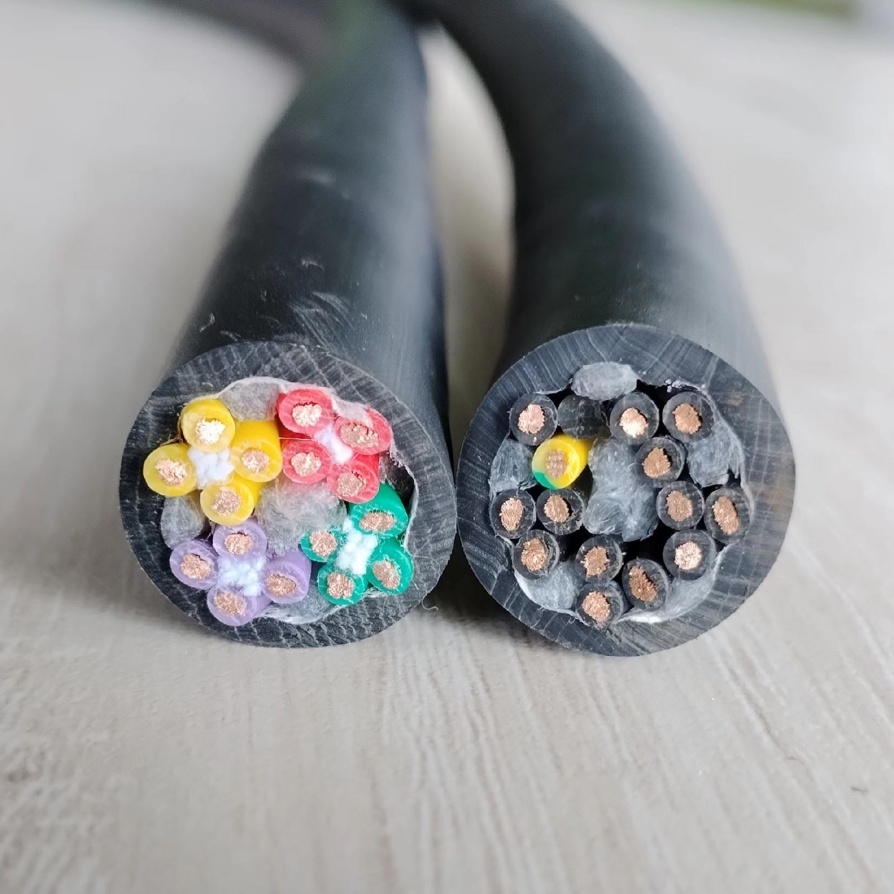
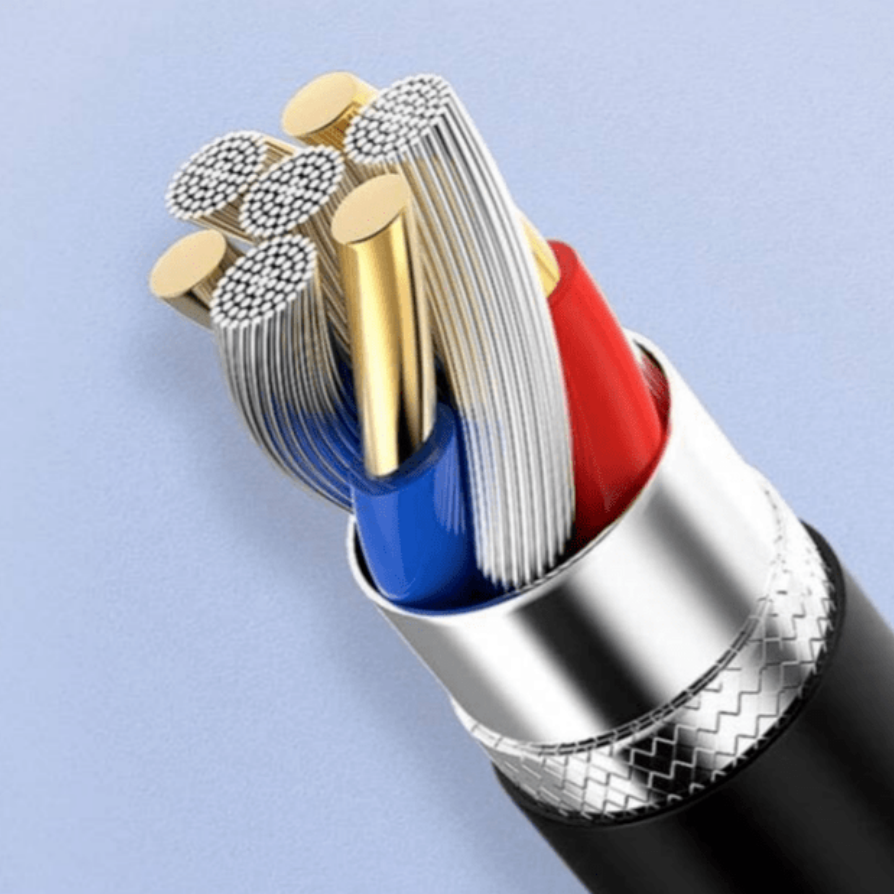
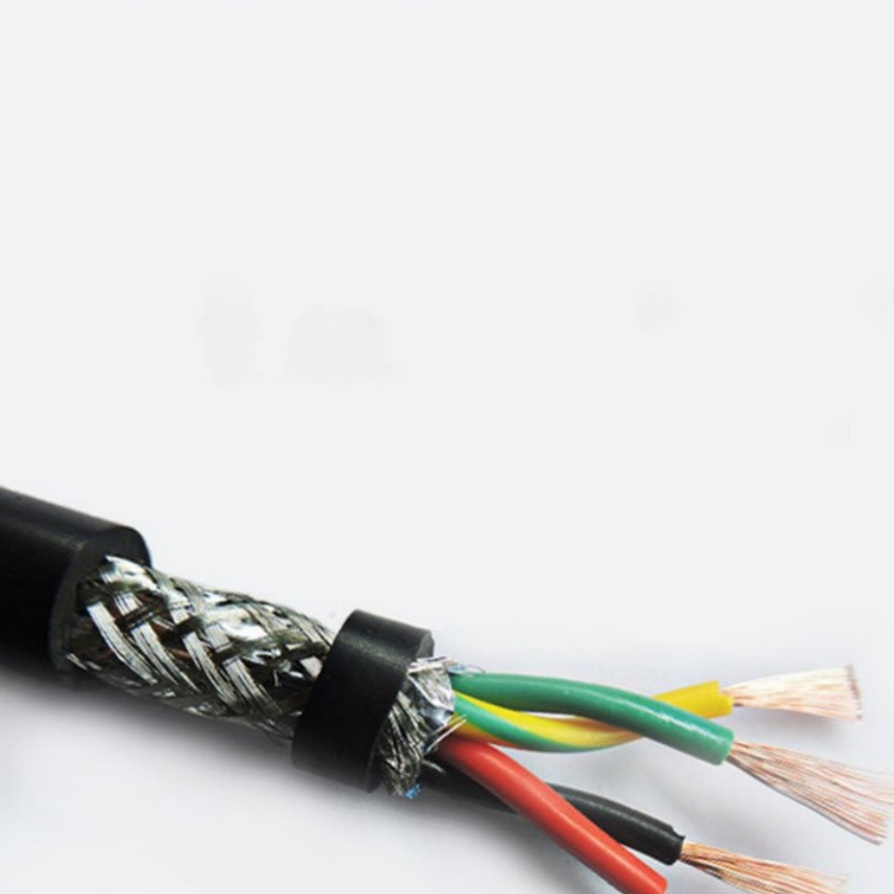
The structural design of the cable also contributes to improving sunlight resistance. Some machine cables are designed with a double-layer sheath structure, where the outer sheath uses a material with excellent UV resistance, while the inner sheath focuses on insulation and mechanical protection. This design not only enhances the sunlight resistance but also improves the overall durability of the cable. In addition, adding a protective layer or armor to the cable surface can also reduce the direct exposure of the insulation and sheath to sunlight. For example, steel tape armor or fiber optic armor can not only resist mechanical damage but also block part of the UV radiation.
Advanced production processes also play a role in improving sunlight resistance. The control of processing temperature, pressure, and cooling rate during the extrusion of cable insulation and sheath can affect the crystallinity and molecular structure of the material, thereby influencing its UV resistance. For example, proper cross-linking process parameters can ensure that the XLPE material forms a uniform and dense cross-linked structure, improving its thermal stability and UV resistance. Strict quality control during production, such as raw material inspection, process parameter monitoring, and finished product testing, ensures that each batch of cables meets the required sunlight resistance standards.
Application Scenarios and Selection Considerations of Machine Cables with Good Sunlight Resistance
Machine cables with good sunlight resistance are widely used in various outdoor and semi-outdoor application scenarios. In solar power plants, cables are used to connect solar panels, inverters, and transformers, and they are exposed to strong sunlight for a long time. Therefore, these cables must have excellent sunlight resistance to ensure the stable operation of the power generation system. In agricultural machinery, such as tractors, harvesters, and irrigation equipment, cables are often used in open fields, facing direct sunlight and changes in temperature and humidity. Good sunlight resistance can prevent cable failure and ensure the normal operation of agricultural production.
Construction machinery, such as cranes, excavators, and concrete pumps, works in construction sites where cables are exposed to sunlight, wind, rain, and dust. The sunlight resistance of the cables directly affects the service life of the machinery and the safety of construction operations. Port terminals are another important application scenario. The cables used in port machinery, such as container cranes and loading and unloading equipment, are exposed to harsh marine environments and strong sunlight, requiring not only sunlight resistance but also corrosion resistance. In addition, machine cables with good sunlight resistance are also used in outdoor sports facilities, amusement parks, and other places where equipment needs to operate outdoors for a long time.
When selecting machine cables with good sunlight resistance, users should consider the following factors. First, clarify the application environment, including the intensity of sunlight exposure, temperature range, humidity, and whether there are other corrosive substances. This helps determine the required level of sunlight resistance and other environmental performance indicators. Second, check the cable’s material composition and test reports. Ensure that the cable uses high-performance base materials and appropriate additives, and has passed relevant sunlight resistance tests in accordance with international or industry standards. Third, consider the cable’s mechanical properties, such as tensile strength, flexibility, and wear resistance, as these properties are also important for the cable’s service life in outdoor environments. Finally, choose reputable manufacturers and suppliers to ensure product quality and after-sales service.
FRS: Your Trusted Partner for Machine Cables with Excellent Sunlight Resistance
When it comes to machine cables with reliable sunlight resistance, FRS stands out as a leading brand in the industry. With years of experience in cable research, development, and production, FRS has always been committed to providing high-quality cable solutions for global customers. We deeply understand the importance of sunlight resistance in machine cables for outdoor applications and have invested a lot of resources in material research and technical innovation.
At FRS, we select premium base materials such as EPDM, XLPE, and modified PE for our machine cables, and add high-efficiency UV stabilizers, antioxidants, and other additives through strict formula design to ensure excellent sunlight resistance. Our cables undergo rigorous sunlight resistance tests in accordance with ISO 4892, ASTM G154, and other international standards. After thousands of hours of artificial weathering tests, the cables still maintain good appearance, mechanical properties, and electrical performance, far exceeding the industry average level.
In addition to superior sunlight resistance, FRS machine cables also have excellent mechanical properties, oil resistance, water resistance, and corrosion resistance, making them suitable for various harsh outdoor application scenarios such as solar power plants, agricultural machinery, construction sites, and port terminals. We have a professional R&D team that can customize cable solutions according to the specific needs of customers, providing cables with different specifications, structures, and performance indicators to meet the diverse requirements of different industries.
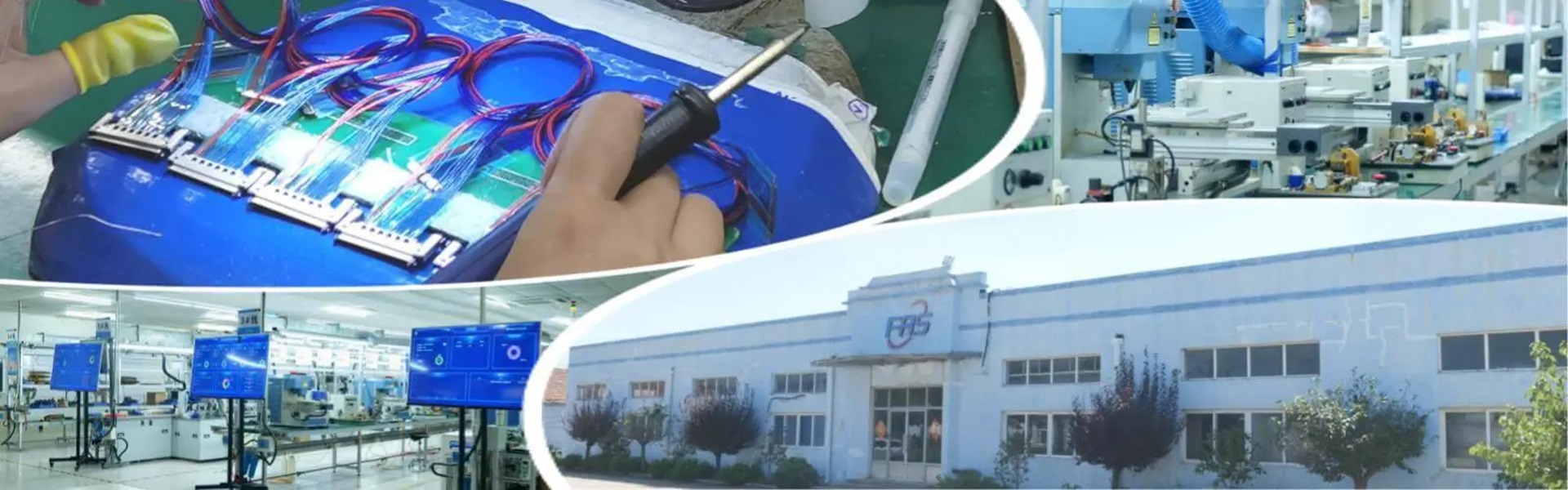
FRS adheres to strict quality control throughout the production process, from raw material procurement to finished product delivery. We have advanced production equipment and testing instruments, and implement a complete quality management system to ensure that each meter of cable meets the highest quality standards. Our factory has obtained various international certifications, such as ISO 9001 quality management system certification, CE certification, and UL certification, which is a testament to our product quality and management level.
Choosing FRS machine cables means choosing reliability, durability, and peace of mind. Whether you are engaged in solar power generation, agricultural production, construction, or port logistics, FRS can provide you with the most suitable machine cable solutions with excellent sunlight resistance. Contact FRS today to learn more about our products and services, and let us be your trusted partner in your business development.