What Makes USB3 Vision Cable High Speed 5Gbps Ideal for Machine Visio...
Machine vision systems have become the backbone of modern industrial automation, powering quality control, precision measurement, and real-time inspection across sectors like automotive, electronics, food processing, and pharmaceuticals. At the core of these systems lies a critical yet often underappreciated component: the connectivity cable. For decades, engineers and system integrators have sought a balance between speed, reliability, durability, and ease of use in these cables—and the USB3 Vision cable with high-speed 5Gbps transmission has emerged as the gold standard for most machine vision applications. But what exactly makes this cable so well-suited to the unique demands of machine vision? This article breaks down the technical advantages, real-world performance benefits, and application-specific value that position USB3 Vision cable high speed 5Gbps as the ideal choice for modern machine vision systems.
The USB3 Vision Standard: Built for Machine Vision, Not Just Consumer Use
First, it’s essential to distinguish USB3 Vision cables from generic USB 3.0 cables. While both leverage USB 3.0 technology, USB3 Vision is an industry-specific standard developed by the Automated Imaging Association (AIA) to address the unique needs of machine vision. This standard defines strict requirements for data transmission, power delivery, electromagnetic compatibility (EMC), and mechanical durability—ensuring that USB3 Vision cables perform consistently in industrial environments where consumer-grade cables would fail. The 5Gbps speed, a cornerstone of USB 3.0 technology, is optimized within the USB3 Vision standard to deliver reliable, low-latency data transfer specifically for vision cameras and processing units.
Unlike generic USB cables, which prioritize cost over performance, USB3 Vision cables are engineered to support the full range of machine vision workflows. They integrate seamlessly with USB3 Vision-compliant cameras, frame grabbers, and software (such as Halcon, LabVIEW, and OpenCV), eliminating compatibility issues that often plague custom or non-standard connectivity solutions. This plug-and-play functionality, combined with 5Gbps high-speed transmission, makes USB3 Vision cables a favorite among system integrators looking to reduce setup time and minimize downtime.
5Gbps Speed: The Sweet Spot for Bandwidth in Machine Vision
The primary advantage of USB3 Vision cable high speed 5Gbps is its ability to handle the bandwidth demands of modern machine vision cameras without overcomplicating the system or inflating costs. Machine vision cameras have evolved rapidly, with resolutions ranging from 1MP (megapixel) for basic inspection to 20MP+ for ultra-precise tasks like semiconductor wafer inspection. Each pixel captures critical data—whether it’s a tiny scratch on a car part, a missing component on a circuit board, or an incorrect label on a food package—and transmitting this data in real time is non-negotiable for maintaining production line efficiency.
Let’s put the 5Gbps speed into perspective. A 5MP CMOS camera capturing uncompressed 24-bit color images at 30 frames per second (fps) generates approximately 3.6Gbps of data (calculated as: 5,000,000 pixels/frame × 24 bits/pixel × 30 frames/second = 3,600,000,000 bits/second). A USB3 Vision cable with 5Gbps throughput easily handles this uncompressed data stream, with enough headroom to accommodate additional data from auxiliary sensors (e.g., light sensors, temperature monitors) or control signals. For compressed image formats like JPEG or PNG, the 5Gbps speed provides even more flexibility, allowing higher frame rates or higher resolutions without sacrificing image quality.
In contrast, older connectivity solutions fall short. USB 2.0 cables top out at 480Mbps, which is insufficient for even 2MP cameras at 30fps. GigE Vision cables offer 1Gbps speed, which works for low-resolution cameras but struggles with 5MP+ cameras at high frame rates. Faster solutions like 10Gbps USB 3.1 or CoaXPress provide more bandwidth but come with significantly higher costs (e.g., specialized hardware, frame grabbers) and complexity—making them overkill for 90% of machine vision applications. The 5Gbps speed of USB3 Vision cables strikes the perfect balance: enough bandwidth for most use cases, without the unnecessary expense of excess speed.
Low Latency: Critical for Real-Time Machine Vision Workflows
Speed alone isn’t enough—latency (the time it takes for data to travel from the camera to the processing unit) is equally important in machine vision. High latency can cause delays in decision-making, leading to missed defects, production line slowdowns, or even equipment damage. USB3 Vision cable high speed 5Gbps minimizes latency through its optimized full-duplex data transfer protocol.
USB 3.0 technology uses separate transmit and receive signal pairs, allowing data to flow in both directions simultaneously. This eliminates the bottleneck of USB 2.0’s half-duplex design, where data could only travel in one direction at a time. As a result, USB3 Vision cables achieve latency as low as 1–2 milliseconds—fast enough for the most demanding real-time applications. For example, in a pick-and-place robotic system, the machine vision camera must capture an image of a component, send it to the processor for analysis, and guide the robotic arm to grab the component—all within a fraction of a second. A low-latency USB3 Vision cable ensures that this workflow happens seamlessly, preventing costly errors or production delays.
Another example is automotive assembly line inspection, where cars move along the line at 60 units per hour. The machine vision system must inspect each car’s welds, paint quality, and component placement in real time. If latency is too high, the system might miss a defect by the time the data is processed, allowing a faulty car to move to the next stage of production. USB3 Vision’s 5Gbps speed and low latency eliminate this risk, ensuring that defects are detected and addressed immediately.
Industrial-Grade Durability: Built to Withstand Harsh Environments
Machine vision systems are often deployed in harsh industrial environments—exposed to dust, vibration, extreme temperatures, chemicals, and frequent cable movement (e.g., on robotic arms or moving conveyor belts). Generic USB cables fail quickly in these conditions, but USB3 Vision cable high speed 5Gbps is engineered for industrial durability.
Key durability features include:
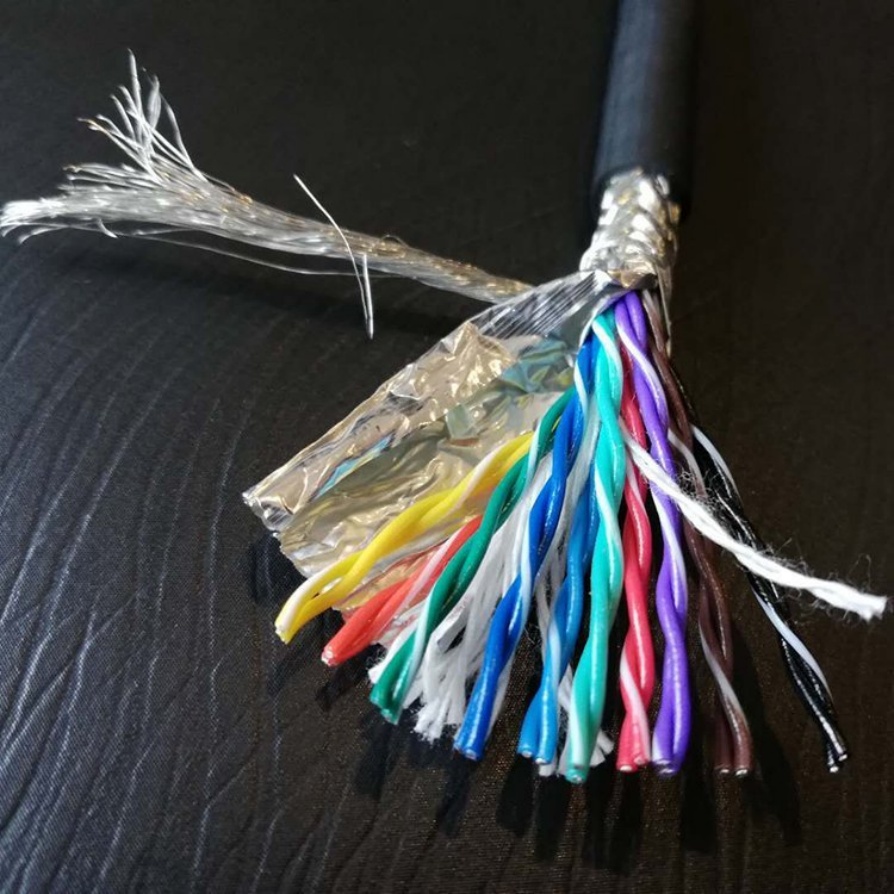
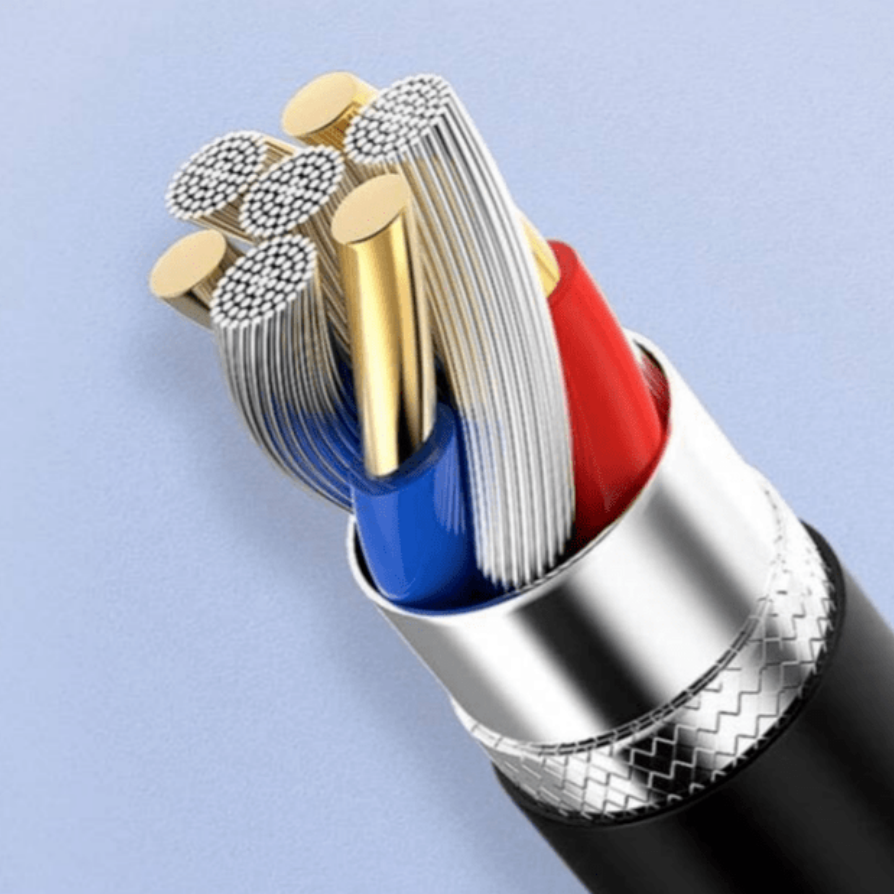
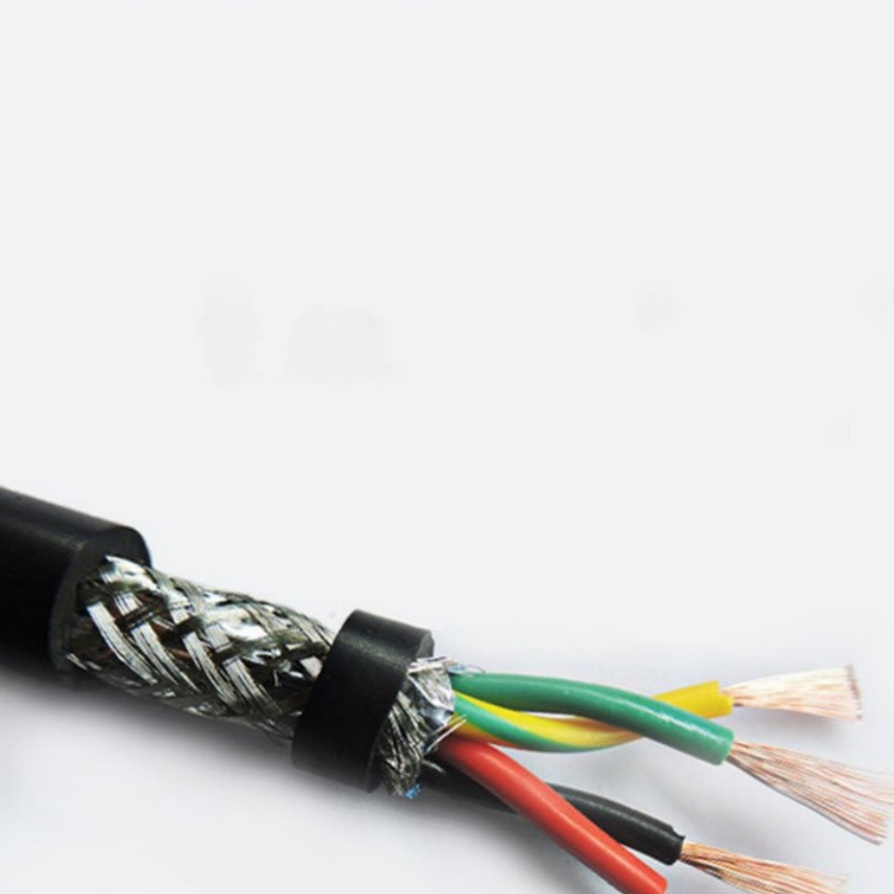
Stranded Conductors: Unlike solid conductors in consumer cables, stranded conductors (made of multiple small copper wires twisted together) offer superior flexibility and resistance to fatigue from repeated bending. This is critical for applications where the cable moves with robotic arms or other moving components—such as a vision camera mounted on a robotic arm inspecting engine parts.
Abrasion-Resistant Jackets: Most USB3 Vision cables feature jackets made of polyurethane (PUR) or thermoplastic elastomer (TPE). PUR is particularly ideal for industrial use, as it resists abrasion, oil, grease, chemicals, and extreme temperatures (ranging from -40°C to 85°C). This makes USB3 Vision cables suitable for use in food processing plants (where cables are exposed to washdowns with harsh chemicals), automotive factories (oil and grease), and cold storage facilities (freezing temperatures).
Double Shielding for EMI Protection: Industrial environments are filled with electromagnetic interference (EMI) from motors, welders, inverters, and other equipment. EMI can degrade signal quality, leading to data loss or corrupted images. USB3 Vision cables use double shielding (foil + braided copper) with a high fill factor (85% or more) to block EMI, ensuring stable 5Gbps data transmission even in high-noise environments. This is a critical advantage over generic USB cables, which often use thin or single-layer shielding that offers minimal EMI protection.
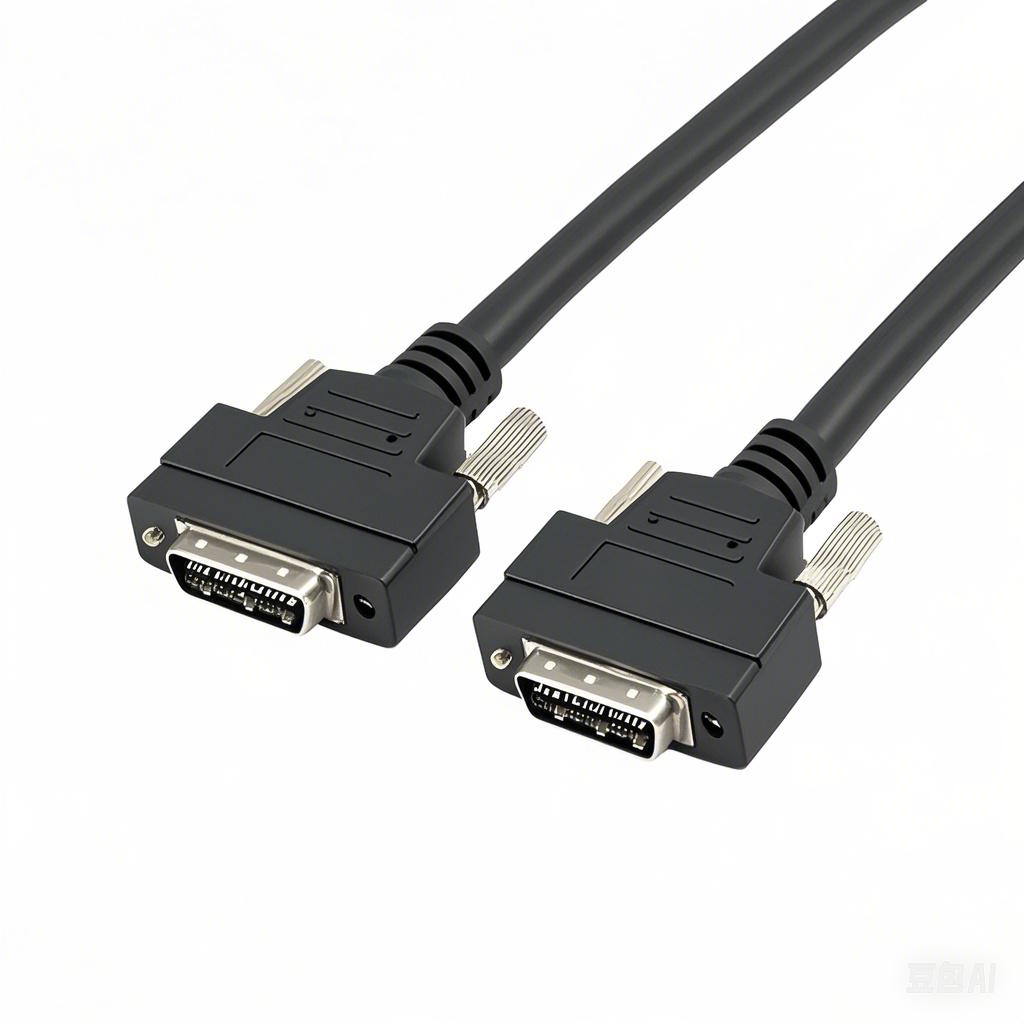
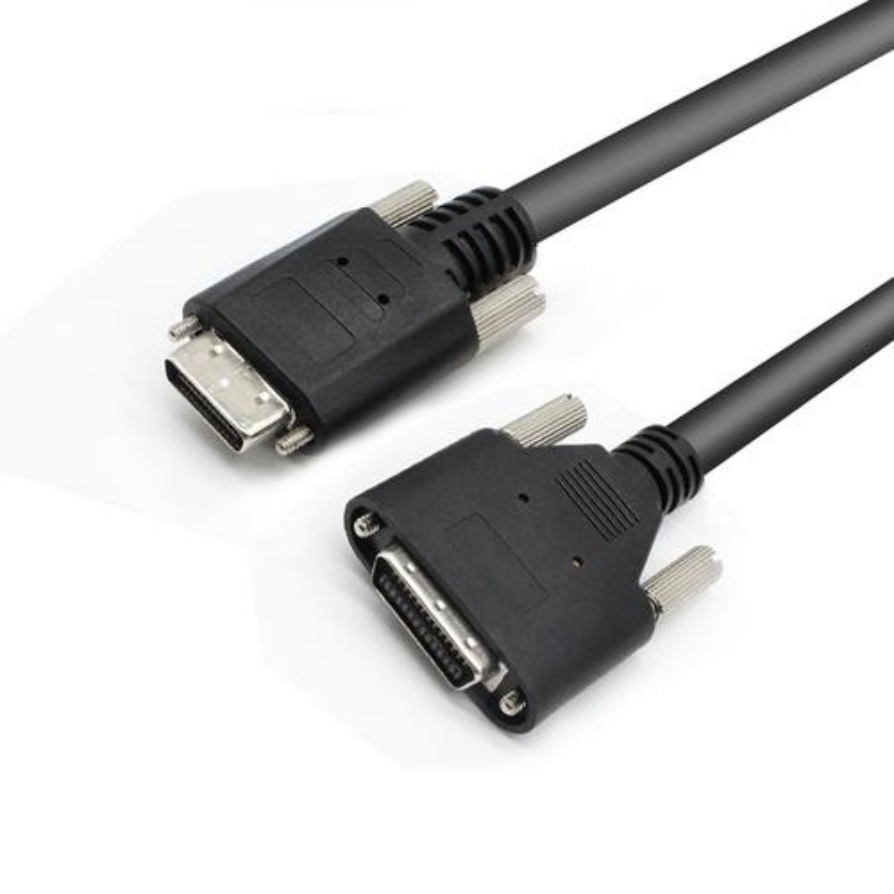
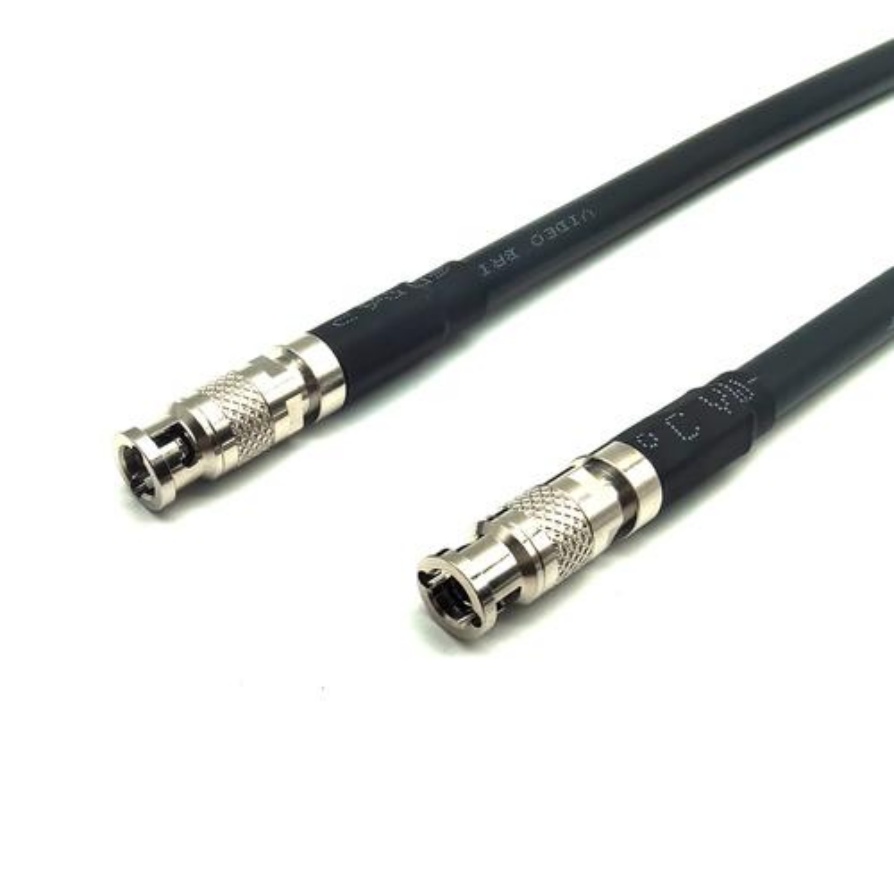
Locking Connectors: Accidental disconnection is a common problem in high-vibration industrial settings. USB3 Vision cables feature locking connectors (e.g., USB Type-C with latching mechanisms or industrial-grade USB-A/B connectors) that secure the cable to the camera or processor, preventing disconnections that could halt production.
For instance, in a meat processing plant, a USB3 Vision camera inspects packaging for leaks or missing labels. The cable is exposed to frequent washdowns with caustic cleaning agents and constant vibration from the conveyor belt. A generic USB cable would crack, corrode, or short-circuit within weeks, but an industrial-grade USB3 Vision cable with a PUR jacket and locking connectors would last for years—reducing maintenance costs and unplanned downtime.
Power Over USB (PoE): Simplifying System Design and Installation
Another key benefit of USB3 Vision cable high speed 5Gbps is its support for Power over USB (PoE), which allows the cable to transmit both data and power to the machine vision camera. This eliminates the need for separate power cables and power supplies, simplifying system design, reducing cable clutter, and lowering installation costs.
In industrial settings with multiple machine vision cameras (e.g., a production line with 10 cameras inspecting different parts of a product), cable clutter can be a major issue. Fewer cables mean easier cable management, less risk of cable damage (e.g., from entanglement or accidental cutting), and faster installation. PoE also simplifies camera placement, as cameras can be installed in hard-to-reach areas without the need for nearby power outlets.
For example, in a warehouse, a USB3 Vision camera mounted high on a shelf monitors inventory levels. A single USB3 Vision cable provides both the 5Gbps data connection to the warehouse management system and power to the camera. Without PoE, the installation would require running a data cable and a separate power cable to the camera—adding time, cost, and complexity to the project. PoE also reduces energy consumption, as the cable delivers only the power the camera needs, rather than wasting energy through a separate power supply.
Cost-Effectiveness: Maximizing Value Without Sacrificing Performance
While machine vision is critical to industrial operations, cost is always a consideration. USB3 Vision cable high speed 5Gbps offers exceptional value compared to other high-speed connectivity solutions. Unlike CoaXPress or 10Gbps USB 3.1, which require expensive specialized hardware (e.g., frame grabbers, high-speed controllers), USB3 Vision cables work with standard USB 3.0 ports found on most industrial PCs and controllers. This eliminates the need for costly hardware upgrades, making USB3 Vision an accessible option for small and medium-sized businesses (SMBs) as well as large enterprises.
Additionally, USB3 Vision’s plug-and-play compatibility reduces setup time and labor costs. System integrators don’t need to configure IP addresses (as with GigE Vision) or install custom drivers (as with some proprietary solutions). The camera simply plugs into the USB 3.0 port, and the system is ready to use within minutes. This is a significant advantage over GigE Vision, which requires network configuration and can be time-consuming to set up—especially for teams without dedicated IT support.
Over the long term, USB3 Vision cables also reduce maintenance costs. Their industrial-grade durability means they need to be replaced far less frequently than generic USB cables. A single unplanned downtime event in a manufacturing plant can cost tens of thousands of dollars in lost production—far more than the price difference between a USB3 Vision cable and a generic alternative. Investing in a high-quality USB3 Vision cable with 5Gbps speed is a cost-effective way to minimize downtime and protect your bottom line.
Real-World Applications: Where USB3 Vision 5Gbps Cables Excel
To illustrate the practical value of USB3 Vision cable high speed 5Gbps, let’s explore some common machine vision applications where it’s the preferred connectivity solution:
1. Electronics Manufacturing
Electronics manufacturers use machine vision systems to inspect printed circuit boards (PCBs) for missing components, soldering defects, and incorrect component placement. These applications require high frame rates (up to 60fps) and high resolution (10MP+), which USB3 Vision’s 5Gbps speed easily supports. The cables’ low latency ensures that defects are detected quickly, preventing faulty PCBs from moving to the next stage of production. Additionally, the cables’ EMI shielding protects against interference from soldering irons and other electronic equipment.
2. Automotive Quality Control
Automotive factories rely on machine vision to inspect everything from engine components and welds to paint quality and upholstery defects. USB3 Vision cables connect high-resolution cameras to processing units, enabling real-time inspection of parts moving along the assembly line. The cables’ durability withstands the harsh factory environment (oil, grease, vibration), while their 5Gbps speed handles the high-resolution images needed to detect tiny defects (e.g., a 0.1mm scratch on a cylinder head).
3. Food and Beverage Packaging
Food and beverage manufacturers use machine vision to inspect packaging for leaks, missing labels, incorrect expiration dates, and contamination. USB3 Vision cables are ideal here because their PUR jackets resist the harsh cleaning chemicals used in washdown environments. PoE support simplifies camera installation on conveyor belts, and the 5Gbps speed handles the high frame rates needed to inspect hundreds of packages per minute.
4. Medical Device Inspection
Medical device manufacturers (e.g., those producing syringes, catheters, and implants) require ultra-precise machine vision systems to ensure product safety and compliance with regulatory standards (e.g., FDA). USB3 Vision cables connect high-resolution cameras to specialized processing software, enabling the detection of tiny defects (e.g., a hairline crack in a syringe). The cables’ low latency and reliable data transmission ensure that no defective devices reach the market.
Why USB3 Vision 5Gbps Outperforms Other Connectivity Solutions
To understand why USB3 Vision cable high speed 5Gbps is the ideal choice for machine vision, it’s helpful to compare it to other common connectivity solutions:
Lab or non-industrial settings, not suitable for machine vision
Key Considerations When Selecting USB3 Vision 5Gbps Cables
To maximize the performance of your machine vision system, it’s important to choose the right USB3 Vision 5Gbps cable for your application. Here are some critical factors to consider:
Cable Length: USB 3.0-based USB3 Vision cables have a maximum length of 5 meters without a repeater. If you need longer distances (up to 100 meters), consider using USB extenders or fiber-optic USB3 Vision cables. For most machine vision setups (cameras mounted near processing units), 5 meters is sufficient.
Jacket Material: Choose a PUR jacket for harsh environments (abrasion, chemicals, extreme temperatures) or a TPE jacket for more moderate environments. Avoid PVC jackets, which are brittle and prone to cracking in industrial settings.
Shielding: Opt for double-shielded cables (foil + braided copper) with a high fill factor (85%+) to ensure EMI protection. This is especially important in environments with high levels of electrical noise (e.g., near motors or welders).
Connectors: Select cables with locking connectors to prevent accidental disconnection. USB Type-C connectors are becoming more common in modern machine vision cameras, but USB-A/B connectors are still widely used in older systems. Ensure the connector is compatible with your camera and processor.
PoE Capability: Verify that the cable supports Power over USB if your camera requires it. Most industrial-grade USB3 Vision cables include this feature, but it’s always best to confirm with the manufacturer.
The Bottom Line: USB3 Vision 5Gbps Cables Are the Future of Machine Vision Connectivity
In today’s fast-paced industrial environment, machine vision systems need connectivity that is fast, reliable, durable, and cost-effective. USB3 Vision cable high speed 5Gbps delivers on all these fronts, making it the ideal choice for most machine vision applications. Its 5Gbps speed provides the perfect balance of bandwidth and cost, while its industrial-grade durability ensures reliable performance in harsh environments. PoE support simplifies system design, and plug-and-play compatibility reduces setup time and labor costs.
As machine vision technology continues to evolve—with higher-resolution cameras, faster frame rates, and more complex inspection workflows—the demand for reliable high-speed connectivity will only grow. USB3 Vision 5Gbps cables are well-positioned to meet this demand, offering a future-proof solution that works with today’s systems and can adapt to tomorrow’s advancements. Whether you’re a small business upgrading your quality control system or a large enterprise building a fully automated production line, investing in high-quality USB3 Vision cable high speed 5Gbps is a decision that will pay off in improved efficiency, reduced downtime, and better product quality.
At the end of the day, the success of your machine vision system depends on the reliability of its components. Don’t overlook the importance of the cable—choose USB3 Vision cable high speed 5Gbps, and ensure your system performs at its best, day in and day out.
Enhance the reliability and performance of your automated systems with our Industrial-Grade Machine Vision Cable—engineered to deliver unparalleled signal integrity, durability, and speed for demanding industrial applications. Designed f.
Meta Description: Experience seamless 4K/8K video transmission with our High-Speed Anti-Interference Vision Cable. Engineered for crystal-clear visuals, robust durability, and interference-free performance. Perfect for gaming, profes.
Meta Description: Discover the Flexible & Bend-Resistant Vision Cable, engineered for precision imaging in demanding environments. Durable, reliable, and built to last. Perfect for industrial, medical, and robotic applications.
Int.
High-speed factories demand flawless synchronization between machines and vision systems. Yet, challenges like electromagnetic interference (EMI), cable fatigue, and data bottlenecks often disrupt operations. The right machine vision cab.
Product Overview: Machine Vision Cables
Machine vision cables are specialized components designed to ensure high-speed, stable data transmission and signal integrity in automated imaging systems. Key features include:
Technical S.
Meta Description: Discover premium Robotic Vision System Cables engineered for seamless data transmission, durability, and precision in industrial automation. Ensure flawless vision system performance.
Enhance Automation Precision with.
Subtitle: A High-Performance Signal Cable Designed for 3D Scanners, Ensuring Lossless Data and Minimal Latency
Product OverviewThe 3D Scanner Vision Signal Cable is a premium signal transmission cable engineered for both industrial a.
Shielded Twisted-Pair Vision Cable – Ultra-Clear Signal Transmission for Demanding Environments
Ensure flawless video and data transmission in high-interference environments with our Shielded Twisted-Pair (STP) Vision Cable. Engineere.
The Precision Imaging Dedicated Vision Cable is a cutting-edge connectivity solution designed to deliver crystal-clear image transmission in high-stakes environments. Optimized for industrial automation, medical imaging, machine vision, .
Elevate your visual data transmission with the IP67 Waterproof Vision Connection Cable, engineered to deliver seamless performance in the harshest conditions. Designed for industrial, outdoor, and mission-critical applications, this rugg.