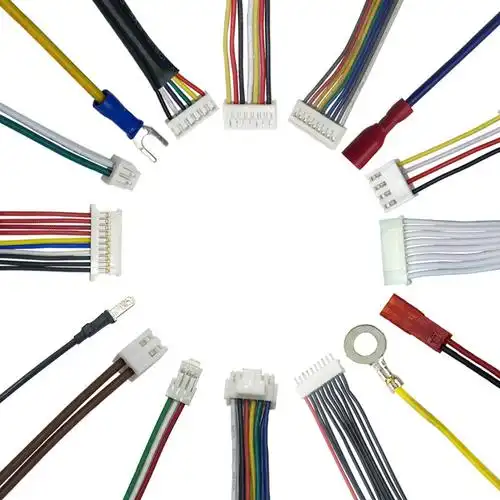
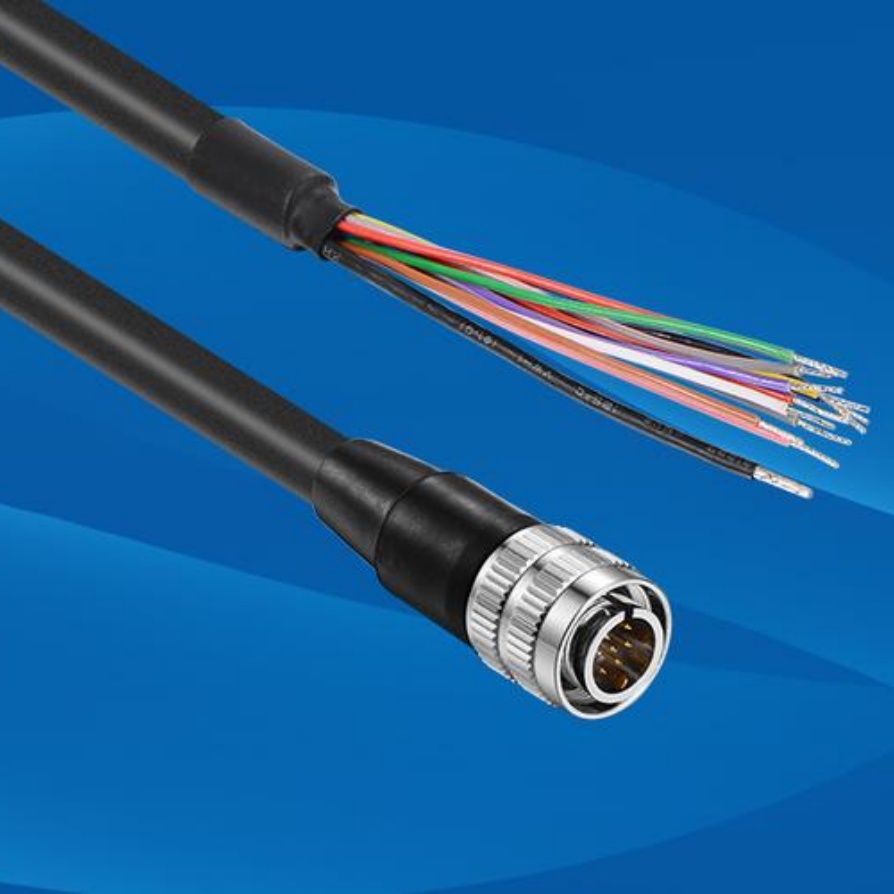
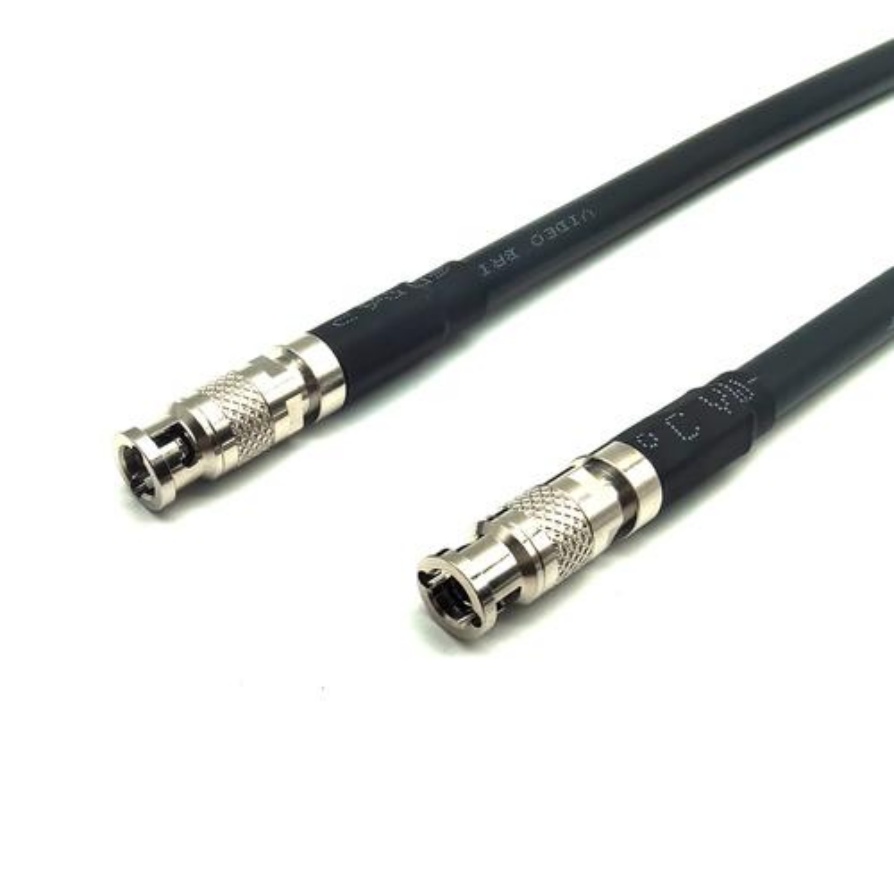
What materials are used to make machine cable Assemblies
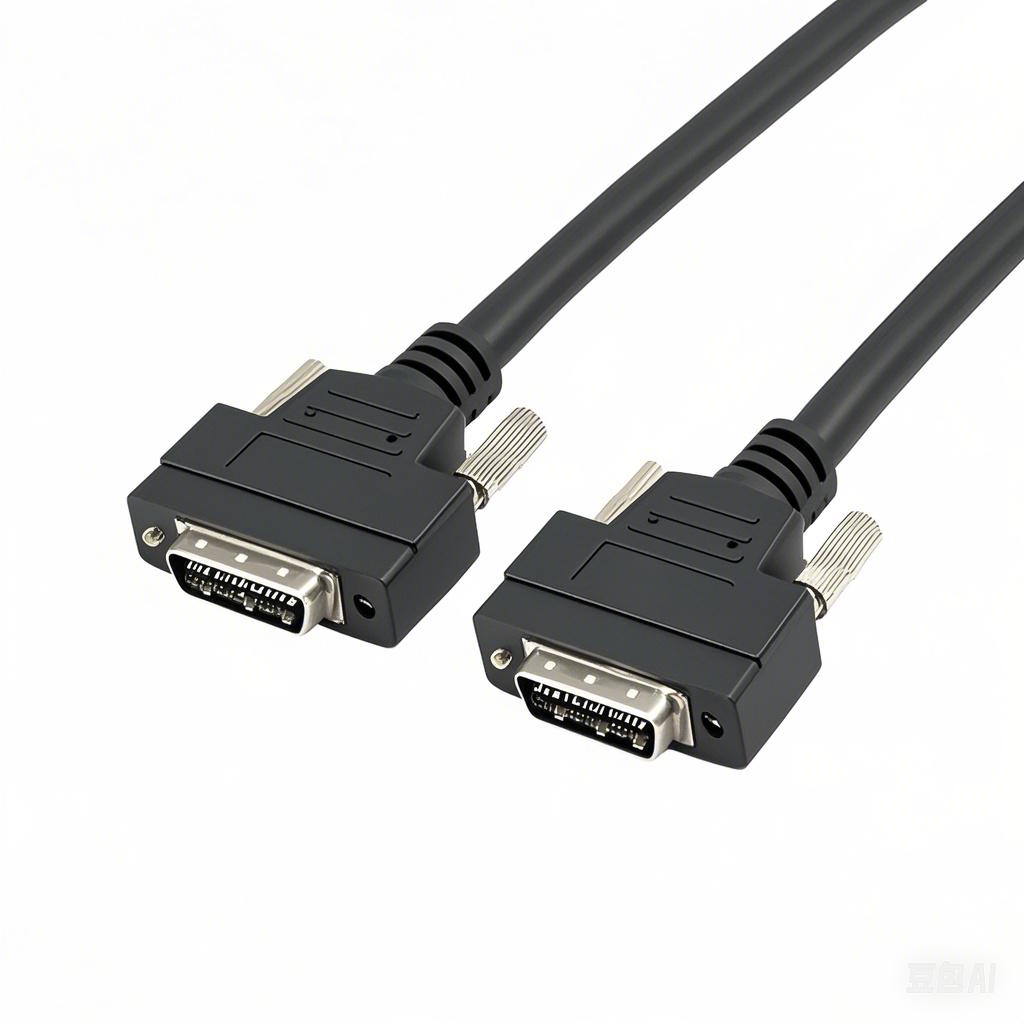
Machine cable assemblies are the lifeline of modern industrial equipment, responsible for transmitting power, signals, and data with high reliability and stability. The performance, durability, and safety of these assemblies are directly determined by the materials used in their construction. When manufacturers aim to make machine cable assemblies that meet the rigorous demands of industrial environments—such as extreme temperatures, mechanical stress, chemical exposure, and electromagnetic interference—selecting the right materials becomes a critical step. In this article, we will delve into the key materials used to make machine cable assemblies, exploring their characteristics, applications, and why they are essential for ensuring optimal performance.
1. Conductors: The Core of Power and Signal Transmission
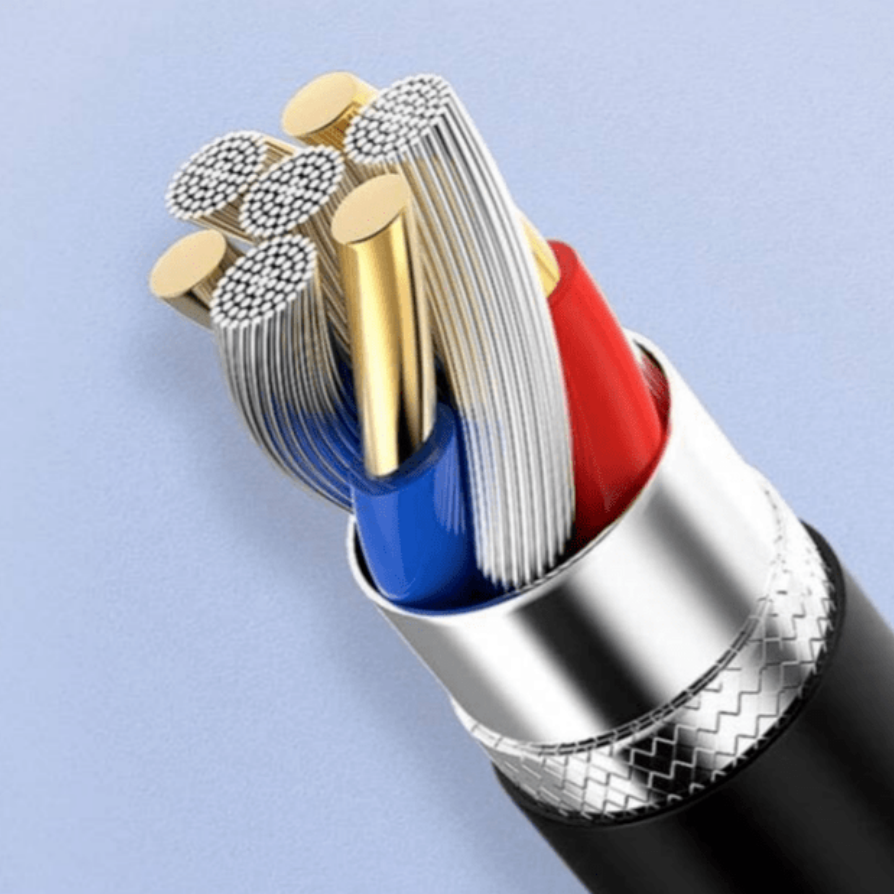
Conductors are the fundamental components that carry electrical current or signals in machine cable assemblies. The choice of conductor material directly impacts conductivity, flexibility, weight, and cost. To make machine cable assemblies that balance performance and practicality, two primary materials are widely used:
1.1 Copper Conductors
Copper is the most common conductor material in machine cable assemblies, and for good reason. It boasts excellent electrical conductivity—second only to silver—making it ideal for transmitting both power and high-frequency signals with minimal loss. Copper is also highly malleable and flexible, allowing manufacturers to shape it into various strand configurations (such as solid, stranded, or finely stranded) to suit different flexibility requirements. For example, finely stranded copper conductors are used in machine cable assemblies that need to withstand repeated bending, such as those in robotic arms or moving conveyor systems.
Additionally, copper has good thermal conductivity, which helps dissipate heat generated during current flow, preventing overheating that could damage the cable or connected equipment. However, copper is relatively heavy and prone to oxidation, so it is often coated with materials like tin, nickel, or silver to enhance corrosion resistance and solderability. Tin-plated copper is the most cost-effective option for general industrial applications, while nickel-plated or silver-plated copper is used in high-temperature or high-frequency environments.
1.2 Aluminum Conductors
Aluminum is another conductor material used to make machine cable assemblies, primarily for applications where weight reduction is a priority. It is lighter than copper (about one-third the weight) and more cost-effective, making it suitable for large-scale industrial systems where long cable runs are required. However, aluminum has lower electrical conductivity than copper—about 60% that of copper—so larger cross-sectional areas are needed to achieve the same current-carrying capacity. This can make aluminum conductors bulkier, which may limit their use in space-constrained applications.
Aluminum also forms a tough oxide layer when exposed to air, which can increase contact resistance if not properly handled. To mitigate this, aluminum conductors are often coated with tin or connected using special terminals designed for aluminum-copper connections. While aluminum is less common than copper in precision machine cable assemblies, it remains a viable choice for specific industrial scenarios, such as power distribution in heavy machinery.
2. Insulation Materials: Protecting Conductors and Ensuring Safety
Insulation materials surround the conductors to prevent electrical leakage, short circuits, and contact with other components. When manufacturers make machine cable assemblies, insulation must be selected based on factors like operating temperature range, chemical resistance, dielectric strength, and flexibility. Here are the most widely used insulation materials:
2.1 Polyvinyl Chloride (PVC)
PVC is a versatile and cost-effective insulation material used in many machine cable assemblies. It offers good electrical insulation properties, resistance to water and most common chemicals, and is easy to process. PVC insulation is available in a range of hardness levels, from flexible to rigid, making it suitable for both fixed and semi-flexible applications. However, PVC has limitations in high-temperature environments—it typically operates within a range of -15°C to 70°C—and can release toxic fumes when burned, so it is not recommended for applications with strict fire safety requirements, such as in automotive or aerospace industries.
2.2 Polyethylene (PE)
Polyethylene is another popular insulation material, known for its excellent dielectric strength and low dielectric loss, making it ideal for high-frequency signal transmission in machine cable assemblies. It is lightweight, flexible, and resistant to water, chemicals, and UV radiation. PE insulation can be divided into low-density polyethylene (LDPE), high-density polyethylene (HDPE), and cross-linked polyethylene (XLPE). XLPE is particularly notable for its improved thermal resistance and mechanical strength, operating at temperatures up to 125°C, making it suitable for harsh industrial environments where heat is a concern.
2.3 Polytetrafluoroethylene (PTFE)
PTFE, commonly known by the brand name Teflon, is a high-performance insulation material used to make machine cable assemblies for extreme conditions. It offers an exceptional temperature range of -200°C to 260°C, making it suitable for applications involving high heat, such as near furnaces or in automotive engine bays. PTFE also has excellent chemical resistance, being inert to almost all acids, bases, and solvents, and provides superior electrical insulation properties even at high frequencies. However, PTFE is more expensive than PVC or PE and is less flexible, so it is typically reserved for high-end, specialized machine cable assemblies where performance cannot be compromised.
2.4 Silicone Rubber
Silicone rubber is valued for its outstanding flexibility and thermal resistance, operating from -60°C to 200°C (and even higher for specialized grades). It is highly elastic, allowing machine cable assemblies with silicone insulation to withstand repeated bending and flexing without cracking, making it ideal for dynamic applications like robotic arms or moving machinery. Silicone rubber also has good resistance to ozone, UV radiation, and moisture, but it is more permeable to gases and has lower tear resistance than other insulation materials. It is often used in medical equipment, food processing machinery, and outdoor industrial applications where flexibility and temperature resistance are critical.
3. Shielding Materials: Reducing Electromagnetic Interference (EMI)
In industrial environments, machine cable assemblies are often exposed to electromagnetic interference from motors, generators, and other electrical equipment. Shielding materials are used to protect the conductors from EMI, ensuring that signals are transmitted accurately. The choice of shielding material depends on the level of interference, flexibility requirements, and cost. Common shielding materials include:
3.1 Foil Shielding
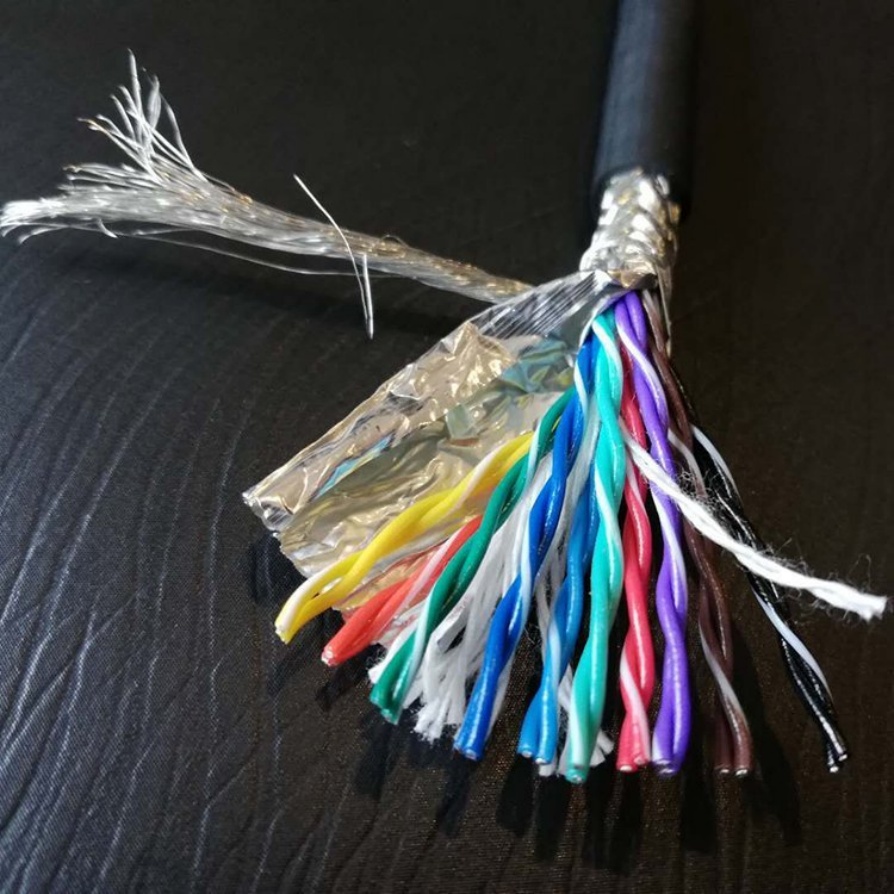
Foil shielding consists of a thin layer of aluminum or copper foil wrapped around the insulated conductors. It provides effective protection against high-frequency EMI and is lightweight and cost-effective. Foil shielding is often combined with a drain wire (a stranded conductor attached to the foil) to facilitate grounding, which is essential for diverting interference away from the cable. However, foil shielding is relatively rigid and can tear easily when bent, so it is best suited for fixed machine cable assemblies where flexibility is not a primary concern.
3.2 Braid Shielding
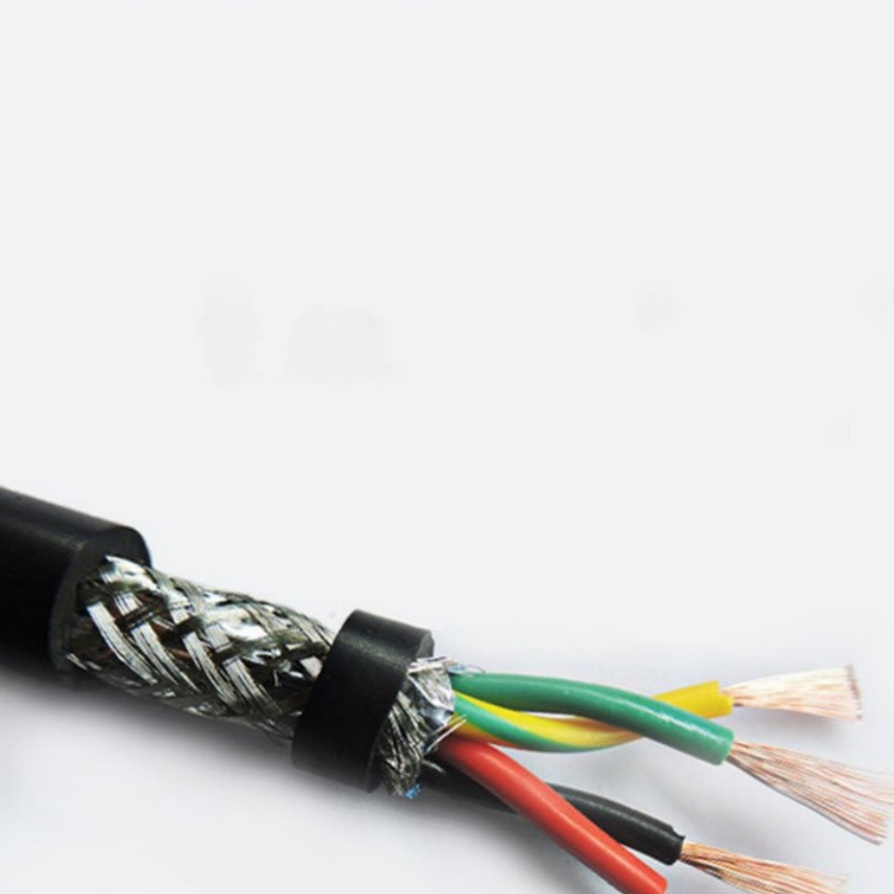
Braid shielding is made by weaving strands of copper, tinned copper, or aluminum into a mesh around the conductors. It offers better flexibility than foil shielding, making it suitable for machine cable assemblies that require bending or flexing. Braid shielding provides excellent protection against low-to-medium frequency EMI, and the density of the braid (measured as a percentage of coverage) can be adjusted to increase shielding effectiveness. A higher braid coverage (e.g., 90% or more) offers better EMI protection but is more expensive and less flexible. Braid shielding is commonly used in industrial control cables and data transmission cables where both flexibility and interference protection are needed.
3.3 Spiral Shielding
Spiral shielding involves wrapping a single or multiple strands of wire in a spiral around the conductors. It is highly flexible, making it ideal for machine cable assemblies that undergo continuous or repeated flexing, such as those in robotic systems or cable carriers. Spiral shielding provides good protection against low-frequency EMI but is less effective at high frequencies compared to foil or braid shielding. It is often used in applications where flexibility is paramount, and the level of high-frequency interference is low.
4. Jacket Materials: Providing Mechanical and Environmental Protection
The jacket (or outer sheath) of a machine cable assembly is the outermost layer, responsible for protecting the internal components (conductors, insulation, shielding) from mechanical damage, moisture, chemicals, and environmental hazards. When selecting jacket materials, manufacturers consider factors like abrasion resistance, flexibility, temperature range, and chemical compatibility. Common jacket materials include:
4.1 PVC Jacket
PVC is a widely used jacket material due to its low cost, good abrasion resistance, and resistance to water and most common chemicals. It is easy to process and available in a variety of colors for easy identification. PVC jackets are suitable for general industrial applications where the cable is not exposed to extreme temperatures or harsh chemicals. However, like PVC insulation, PVC jackets have limited thermal resistance and can become brittle at low temperatures or soften at high temperatures.
4.2 Thermoplastic Polyurethane (TPU)
TPU is a high-performance jacket material known for its exceptional abrasion resistance, flexibility, and durability. It can withstand repeated impact, tearing, and flexing, making it ideal for machine cable assemblies used in harsh industrial environments, such as construction machinery, mining equipment, and material handling systems. TPU jackets have a wide temperature range (-40°C to 80°C or higher for specialized grades) and are resistant to oils, greases, and many chemicals. They also maintain flexibility at low temperatures, which is a significant advantage over PVC.
4.3 Polyurethane (PUR)
PUR is another premium jacket material, offering superior abrasion resistance, chemical resistance, and UV stability compared to TPU. It is highly flexible and can operate in extreme temperatures ranging from -50°C to 125°C, making it suitable for outdoor and indoor industrial applications. PUR jackets are resistant to oils, solvents, and harsh chemicals, and they have excellent resistance to hydrolysis (degradation from moisture), which is important for machine cable assemblies used in humid or wet environments. While PUR is more expensive than PVC or TPU, its durability and performance make it a cost-effective choice for long-term use in demanding conditions.
4.4 Neoprene (Chloroprene Rubber)
Neoprene is a synthetic rubber jacket material known for its good flexibility, oil resistance, and weather resistance. It operates within a temperature range of -30°C to 90°C and is resistant to ozone, UV radiation, and moisture. Neoprene jackets are commonly used in machine cable assemblies for outdoor applications, marine environments, or applications where exposure to oils and greases is likely. However, neoprene is less abrasion-resistant than TPU or PUR and is more expensive than PVC.
5. Fillers and Binders: Enhancing Cable Stability and Roundness
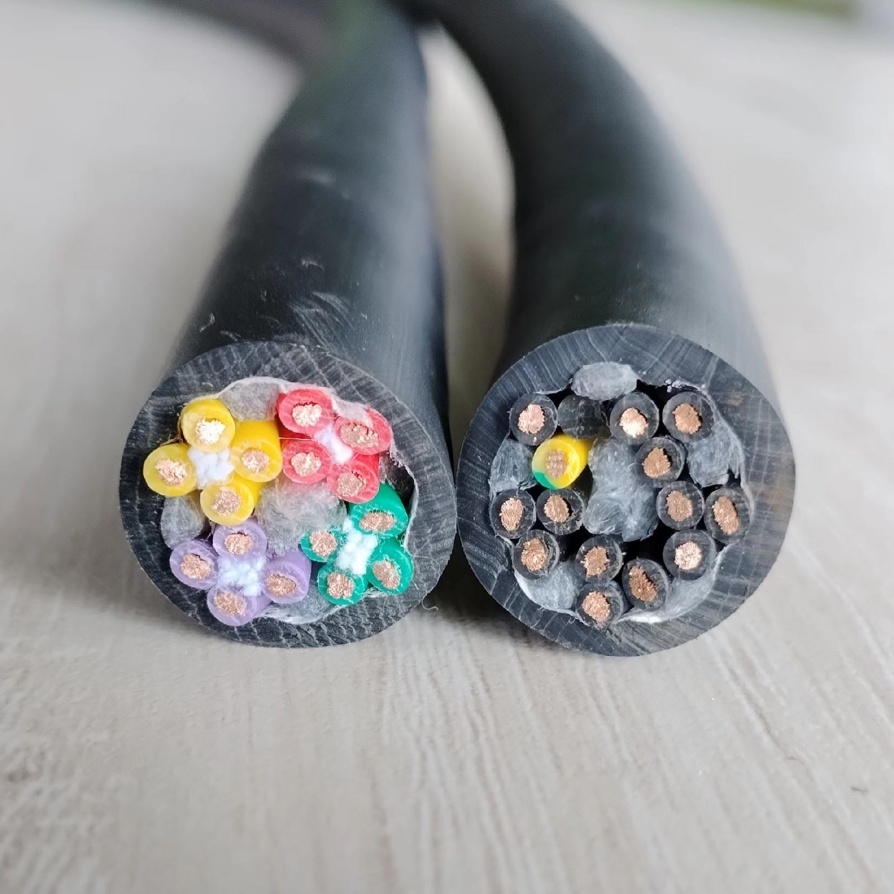
Fillers and binders are used in machine cable assemblies to fill the gaps between conductors and insulation, ensuring the cable maintains a round shape and stable structure. This helps prevent the conductors from moving during installation or operation, which could cause damage to the insulation or shielding. Common filler materials include polypropylene yarn, cotton, and foam materials. Binders (such as tape or thread) are used to hold the conductors and fillers together before the jacket is applied. While fillers and binders do not directly affect electrical performance, they play a crucial role in the mechanical stability and durability of the cable assembly.
6. Connectors and Terminations: Ensuring Secure and Reliable Connections
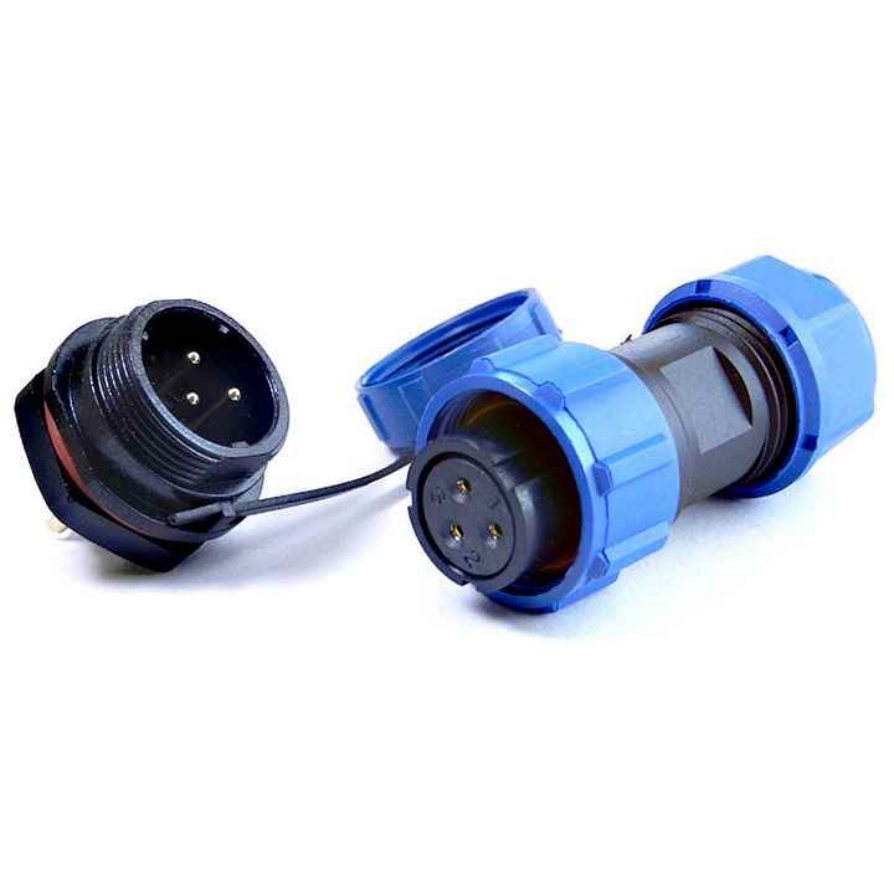
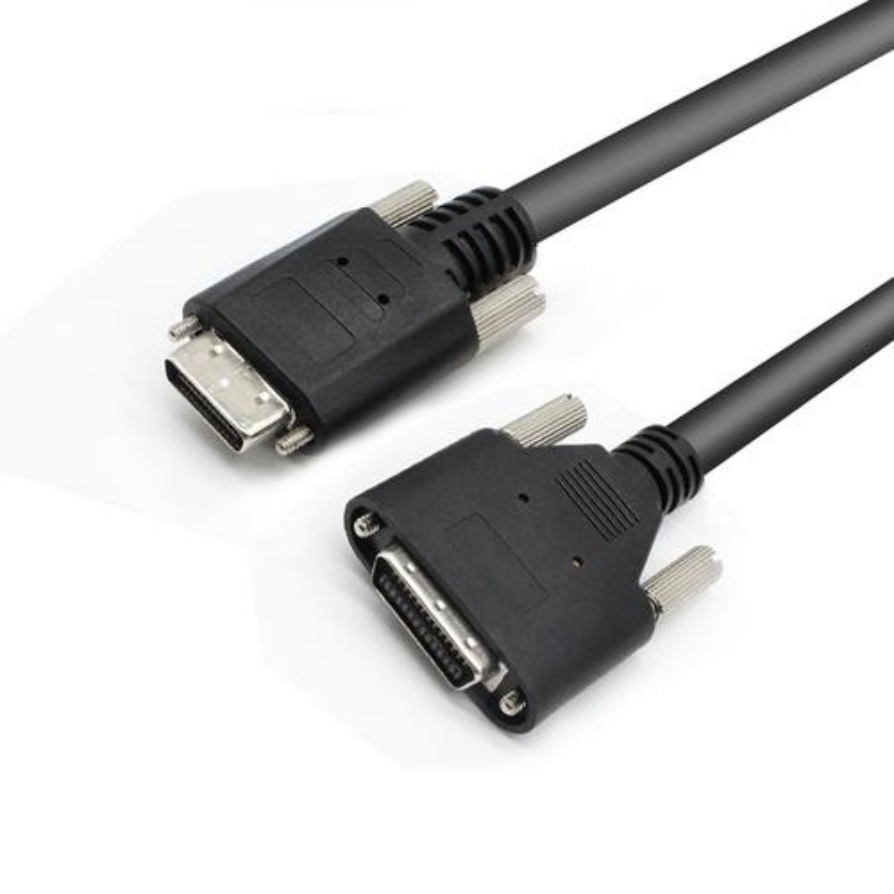
While not part of the cable itself, connectors and terminations are integral components of machine cable assemblies, as they enable the cable to connect to equipment. The materials used for connectors depend on the application and environmental conditions. Common connector materials include brass, stainless steel, and plastic. Brass connectors offer good conductivity and are cost-effective, while stainless steel connectors provide superior corrosion resistance for harsh environments. Plastic connectors are lightweight and resistant to chemicals but have lower mechanical strength. Terminations (such as crimps, solders, or insulation-displacement connections) must be compatible with the conductor material to ensure a secure and reliable electrical connection.
Why Choose FRS for Your Machine Cable Assemblies?
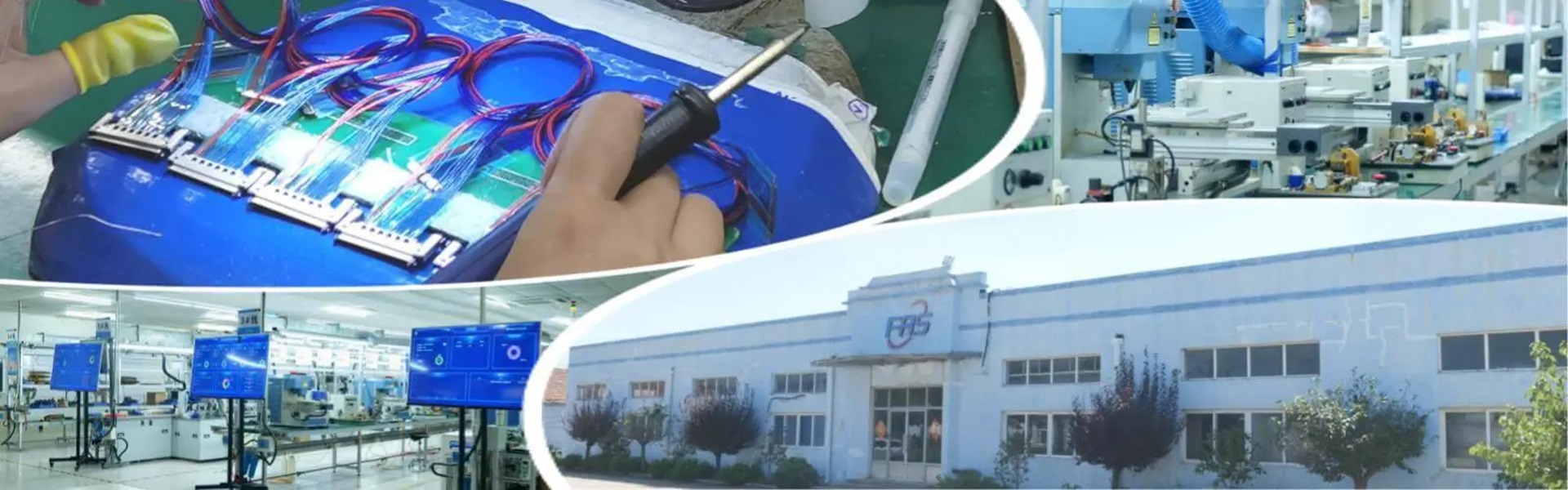
When it comes to making machine cable assemblies that deliver exceptional performance, durability, and reliability, FRS is the brand you can trust. At FRS, we understand that the quality of materials is the foundation of a superior cable assembly, which is why we adhere to strict material selection standards for every component—from high-conductivity copper conductors and high-performance insulation to rugged PUR jackets and effective shielding.
Our team of experts works closely with customers to understand their specific application requirements, whether it’s extreme temperatures, repeated flexing, chemical exposure, or EMI protection. We leverage our extensive knowledge of materials to customize machine cable assemblies that meet and exceed these demands, ensuring optimal performance in even the harshest industrial environments. From design and prototyping to production and testing, FRS maintains rigorous quality control processes to ensure every cable assembly leaving our factory is of the highest standard.
With years of experience in the industry, FRS has established a reputation for delivering reliable, cost-effective machine cable assemblies that keep your equipment running smoothly. Whether you need standard cable assemblies or custom solutions tailored to your unique needs, FRS is committed to providing you with the best products and service. Choose FRS for your machine cable assembly needs, and experience the difference that quality materials and expert craftsmanship can make.