Microscope Camera Machine Vision Cable Benefits | High-Speed, Stable ...
In high-resolution microscopy and machine vision, cables are the critical link. A high-quality microscope camera machine vision cableensures your system is truly high-speed, stable, and reliable. This guide explains the key benefits, compares common interfaces, and provides actionable selection criteria for B2B buyers.
1. Higher Data Rates, No Frame Drops
Modern microscope cameras generate massive data streams. A robust machine vision cable prevents image tearing and data loss.
USB3 Vision: Offers up to 5 Gbps(USB3.1 Gen1) or 10 Gbps(USB3.2 Gen2), suitable for resolutions from 1.4 MP @ 160+ fpsto 6 MP @ 25 fpswithout frame loss.
GigE Vision: Provides 1 Gbpsstandard bandwidth, with 2.5G/5G/10Goptions for longer distances (up to 100m).
CoaXPress (CXP): Delivers 6.25 Gbps per channel(up to 12.5 Gbps), supporting 4K/8Kand high-speed applications like deep-tissue microscopy at 500 fps.
Key Takeaway: For high-resolution, high-frame-rate microscopy, choose a cable that supports the full data rate of your interface with low attenuation and high signal integrity.
2. Stable Transmission in Harsh Environments
Lab and factory floors are rife with EMI/RFI noise from motors and lighting. Standard cables fail here, but machine vision cables are built to combat interference.
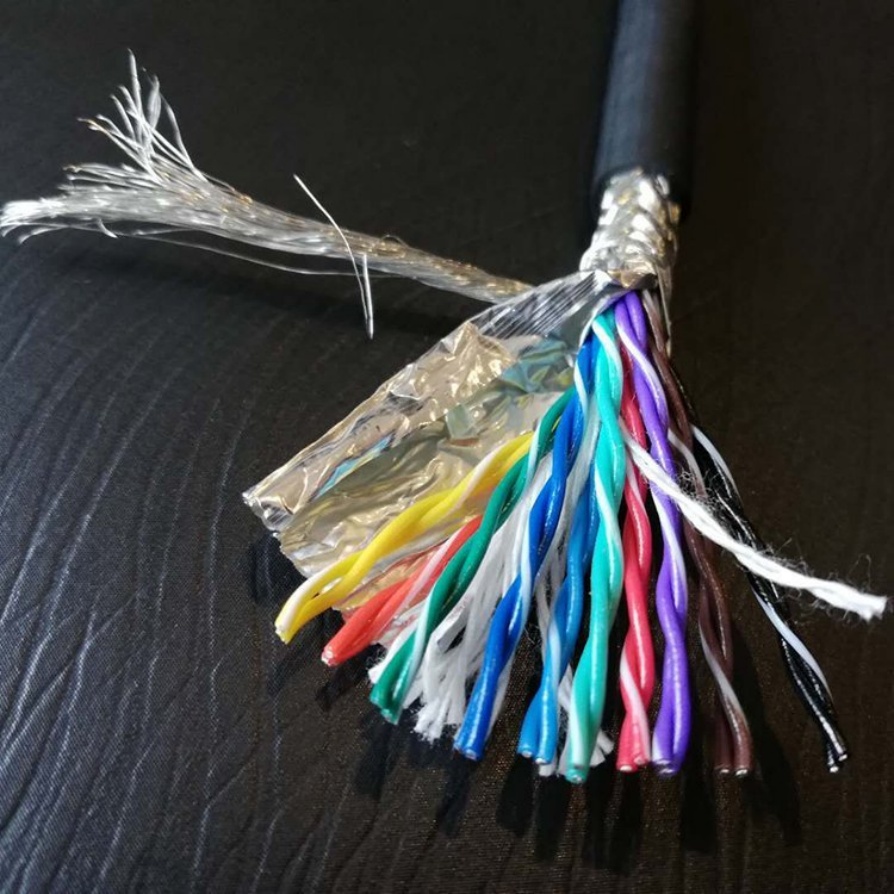
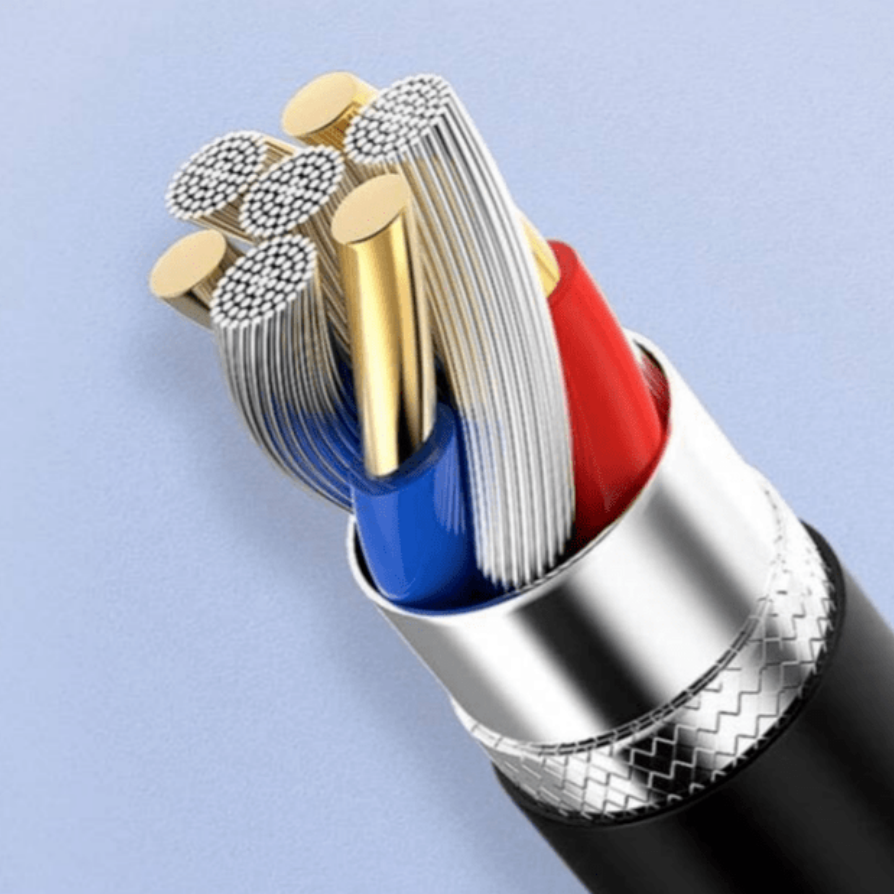
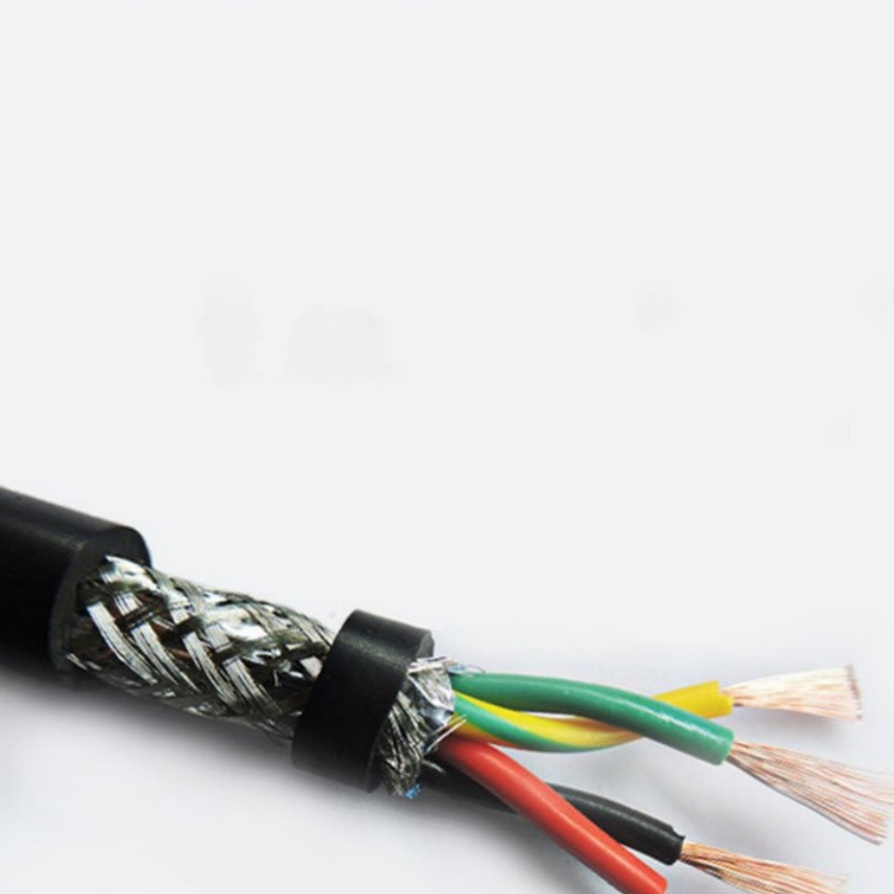
Superior Shielding: Utilize multi-layer shielding (braid + foil) and precise 100 Ω differential impedance to minimize noise and crosstalk.
EMI Resistance: CoaXPress uses 75 Ω coax cables, offering inherent EMI resistance, ideal for demanding applications like semiconductor inspection.
Durable Construction: Features like 90% braid coverage and aluminum foil ensure stable images even in electrically noisy factory environments.
Key Takeaway: For microscopes near welders or on production lines, prioritize cables with high shielding effectiveness and certified EMI performance.
3. Longer Cable Runs, Flexible Topologies
Cable length is a critical constraint. The right machine vision cable extends your system’s reach.
Interface
Typical Passive Copper Limit
Max Distance with Quality Cable
Fiber Optic Option
USB3 Vision
~3-5m
Up to 10m+ (e.g., 3M’s 1U30S series)
Active Optical Cable (AOC) for 10Gbps+ over tens of meters
GigE Vision
100m
100m+ with industrial-grade Cat6A/Cat7A
1G/10G over hundreds of meters
CoaXPress
30-40m
Up to 70m+ with quality coax
CoaXPress-over-Fiber (CXPoF) for 40Gbps+
Key Takeaway: Don’t let distance limit your system design. Match the interface and cable type to your required reach from the start.
4. Reliable Performance in Motion
For moving stages or robotic arms, cable flex life is paramount.
High-Flex Cables: Engineered for 1 million+ bending cycles(tested on 30-40mm radius pulleys), unlike fragile consumer USB cables.
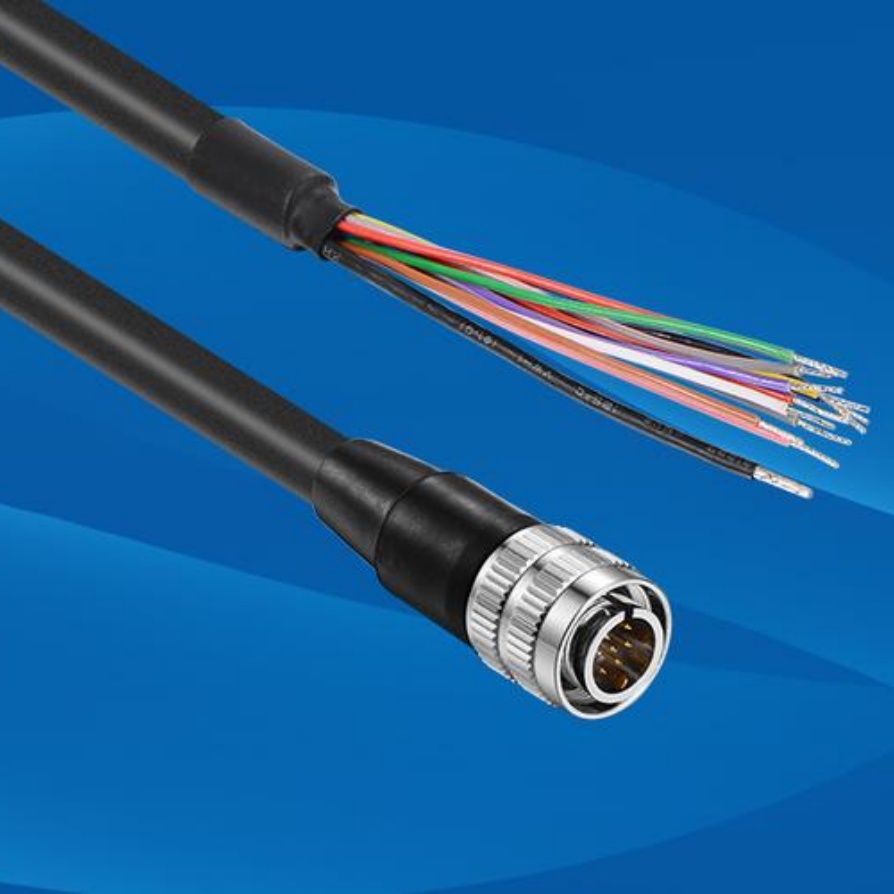
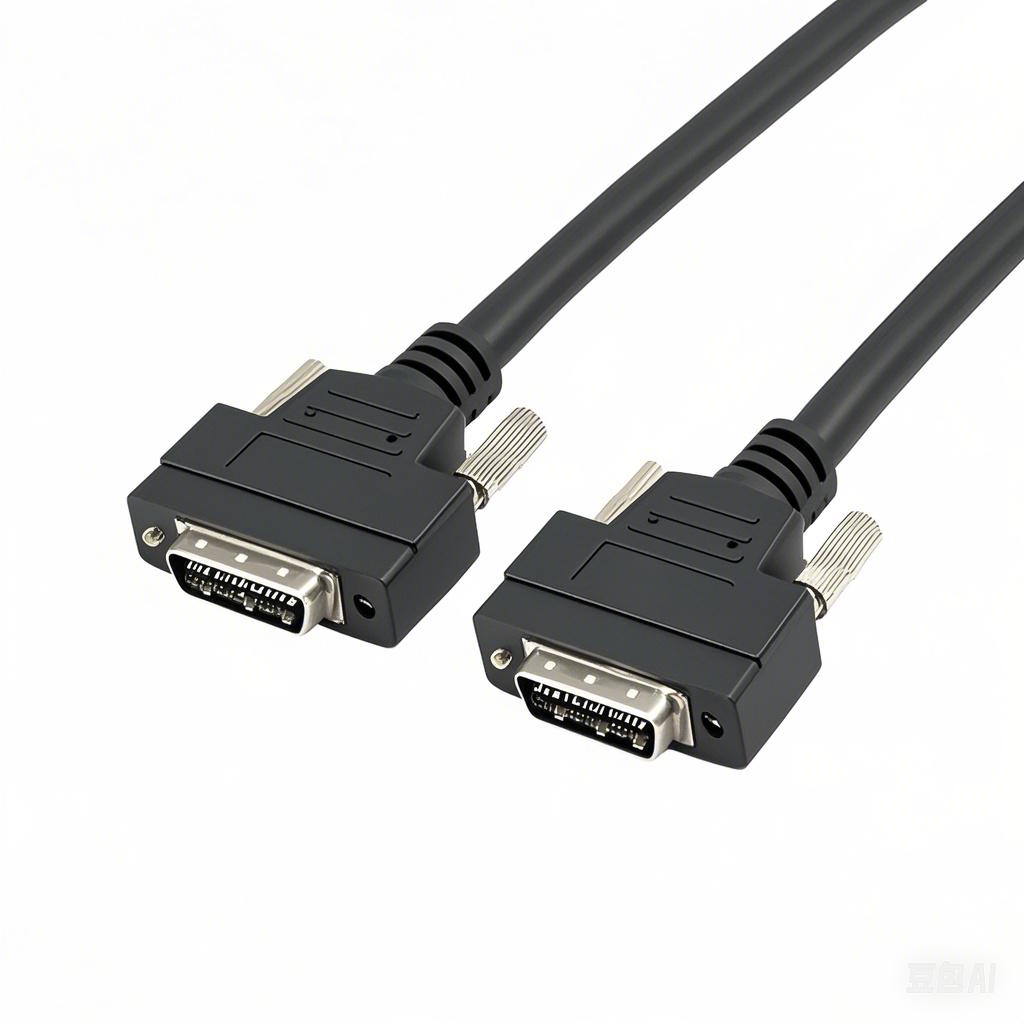
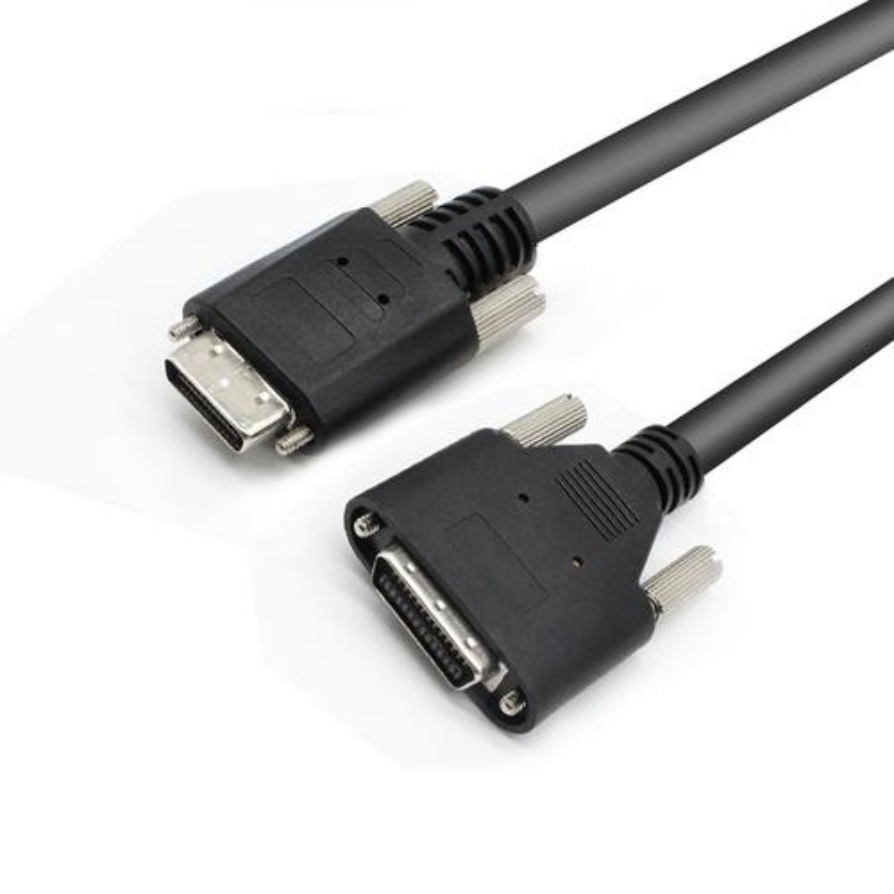
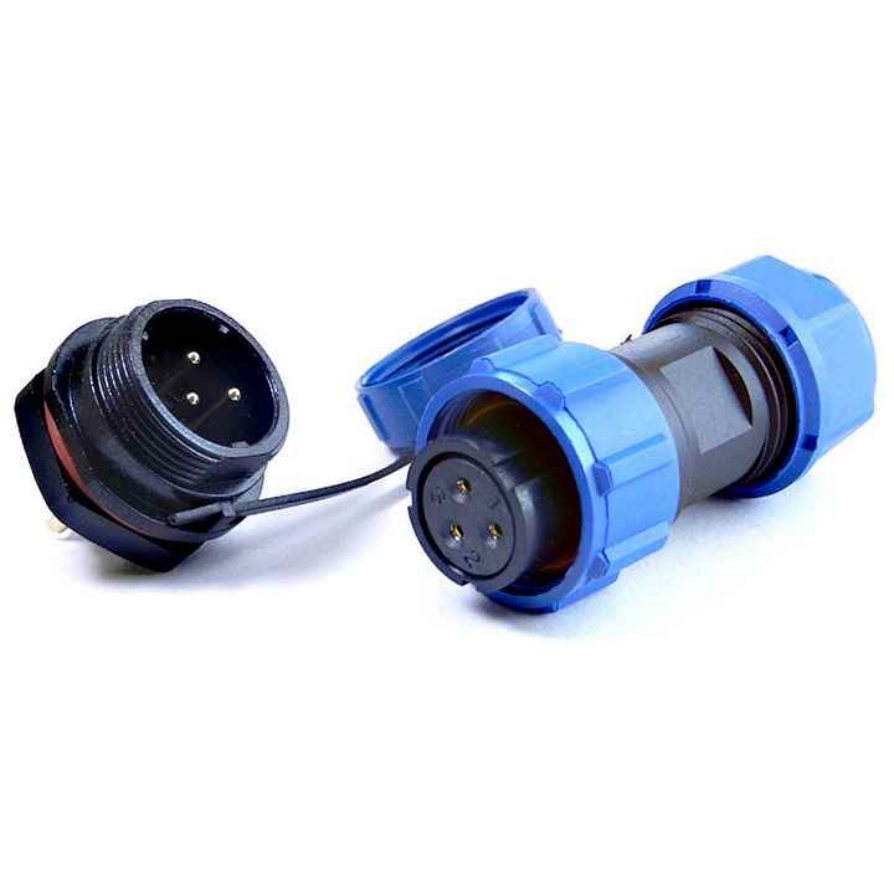
Durable Connectors: Reinforced with overmolding and optional screw-lockmechanisms (e.g., M12, Hirose, locking USB) to prevent accidental disconnections from vibration.
Key Takeaway: For any moving-axis application, invest in high-flex, industrial-grade cables with locking connectors to avoid costly downtime.
🔌 5. Simplified Integration & Lower Costs
The right cable can reduce system complexity and cost.
Power over Cable: Standards like PoCL(Camera Link) and PoE(GigE) deliver power and data over a single cable, reducing wiring and potential failure points.
Single-Cable Solutions: Some microscope systems integrate the camera, optics, and illumination into one module with a single USB-C or GigE connection, simplifying setup and cabling.
Key Takeaway: Evaluate if your camera and frame grabber support PoCL/PoE or single-cable solutions to streamline your design and BOM.
6. Practical Selection Guide
Follow these steps to choose the right microscope camera machine vision cable:
Define Your Specs: List your resolution, frame rate, and required cable length. Calculate the minimum data rate (e.g., 6 MP @ 20 fps ≈ 480 MB/s).
Match the Interface:
≤5m, Simple Setup: USB3 Vision is cost-effective.
>5m or Harsh EMI: Consider GigE Vision or CoaXPress.
Ultra-High Speed (>1 Gbps): CoaXPress is often the best choice.
Choose the Right Construction:
Fixed Position: Standard shielded cable is sufficient.
Motion (Robot/Traverse): Select high-flex cable rated for your bend radius and cycle count.
Harsh Environment: Opt for oil-resistant, abrasion-resistant, and temperature-rated jackets (e.g., PUR, TPE).
Prioritize Connector Quality: Use locking connectors (M12, screw-lock USB) and high-flex contacts for moving parts. Ensure the connector matches your hardware.
Plan for Power: If possible, use PoCL/PoE to reduce cabling. Ensure the cable’s power rating meets your camera’s needs.
Test Before Full Deployment: For mission-critical applications, test cables under actual load and environmental conditions. Request test reports (e.g., eye diagrams, BER) from the manufacturer.
Quick-Use Recommendations
Fixed Lab Scope (USB3): Use a 1-3m industrial USB3 Vision cable with screw-lockand 360° shielding.
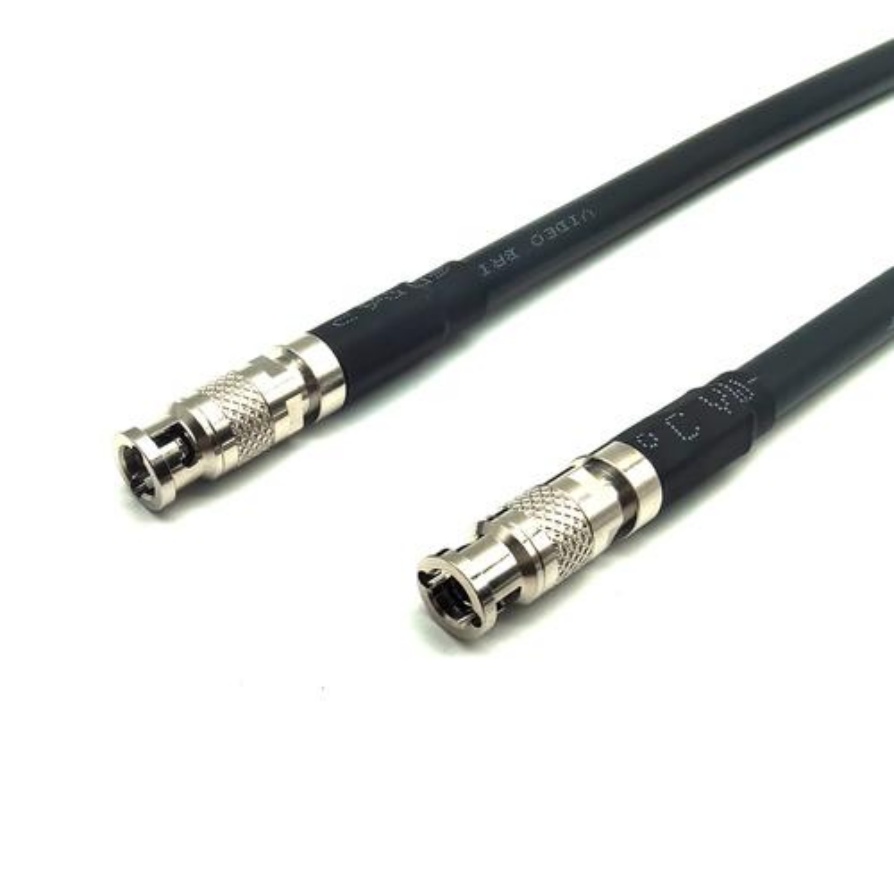
Robotic Wafer Inspection (High-Speed): Use a CoaXPress-6/12 high-flex cable (3-10m)with BNC/HD-BNC connectors.
Multi-Station Factory Line (GigE): Use Cat6A/Cat7A GigE Vision cables up to 100m, with M12 X-coded connectors for ruggedness.
Long-Distance Multi-Camera: Use fiber-based AOC or CXPoFto avoid signal boosters and simplify long runs.
Conclusion: The Strategic Advantage of Quality Cables
In high-end microscopy and machine vision, the difference between a good and a great system often lies in the cable. A high-quality microscope camera machine vision cableis not just a passive component; it is a critical enabler of performance, stability, and reliability.
By enabling higher data rates, ensuring EMI-resistant stability, supporting longer and more flexible cable runs, and simplifying integration, the right cable directly translates to more reliable inspections, higher yields, and lower total cost of ownership.
For B2B buyers, this means evaluating cables with the same rigor as cameras and lenses. The upfront investment in robust, application-specific cabling pays continuous dividends in system uptime, data integrity, and overall project success.
Meta Description: Discover premium Robotic Vision System Cables engineered for seamless data transmission, durability, and precision in industrial automation. Ensure flawless vision system performance.
Enhance Automation Precision with.
Enhance the reliability and performance of your automated systems with our Industrial-Grade Machine Vision Cable—engineered to deliver unparalleled signal integrity, durability, and speed for demanding industrial applications. Designed f.
Meta Description: Discover the Flexible & Bend-Resistant Vision Cable, engineered for precision imaging in demanding environments. Durable, reliable, and built to last. Perfect for industrial, medical, and robotic applications.
Int.
Product Overview: Machine Vision Cables
Machine vision cables are specialized components designed to ensure high-speed, stable data transmission and signal integrity in automated imaging systems. Key features include:
Technical S.
Meta Description: Experience seamless 4K/8K video transmission with our High-Speed Anti-Interference Vision Cable. Engineered for crystal-clear visuals, robust durability, and interference-free performance. Perfect for gaming, profes.
Subtitle: A High-Performance Signal Cable Designed for 3D Scanners, Ensuring Lossless Data and Minimal Latency
Product OverviewThe 3D Scanner Vision Signal Cable is a premium signal transmission cable engineered for both industrial a.
The Precision Imaging Dedicated Vision Cable is a cutting-edge connectivity solution designed to deliver crystal-clear image transmission in high-stakes environments. Optimized for industrial automation, medical imaging, machine vision, .
Shielded Twisted-Pair Vision Cable – Ultra-Clear Signal Transmission for Demanding Environments
Ensure flawless video and data transmission in high-interference environments with our Shielded Twisted-Pair (STP) Vision Cable. Engineere.
High-speed factories demand flawless synchronization between machines and vision systems. Yet, challenges like electromagnetic interference (EMI), cable fatigue, and data bottlenecks often disrupt operations. The right machine vision cab.
Elevate your visual data transmission with the IP67 Waterproof Vision Connection Cable, engineered to deliver seamless performance in the harshest conditions. Designed for industrial, outdoor, and mission-critical applications, this rugg.