How Humidity Impacts Machine Vision Cables: A Practical Guide for Ind...
Humidity is one of the most overlooked threats to machine vision systems. In environments like food processing, outdoor inspection, or tropical factories, high moisture levels can silently degrade cable performance—leading to image dropouts, flickering frames, or complete signal loss. This article breaks down exactly how humidity affects machine vision cables, what to look for in humid environments, and how to prevent costly failures with practical, actionable steps.
How Humidity Damages Machine Vision Cables
Moisture Absorption and Dielectric Degradation
Most standard cable jackets (PVC, PE) are not hermetically sealed. In high humidity, water vapor slowly penetrates the insulation and jacket, increasing the dielectric constant and dissipation factor. This leads to:
- Signal loss and impedance fluctuation
- Higher bit error rates (BER) in high-speed protocols like GigE, USB3 Vision, and CoaXPress
- Reduced maximum cable length due to increased attenuation
Practical Impact by Protocol:
- GigE Vision:Packet loss and reduced cable length
- USB3 Vision:Higher jitter and potential link drops
- CoaXPress:Degraded signal-to-noise ratio (SNR) and eye diagram closure
Key Parameters That Change:
- Insulation Resistance: Can drop from >1000 MΩ·km to <10 MΩ·km
- Dielectric Constant: May increase by 10–30%, disrupting impedance matching
Jacket Embrittlement and Cracking
High humidity often comes with heat, creating a “high temperature + high humidity” (HTHH) environment. This accelerates plasticizer hydrolysis in PVC and ester bond cleavage in PUR, making jackets stiff and brittle. Tiny cracks then allow more moisture ingress—creating a vicious cycle of degradation.
Electrical Failure Modes Caused by Humidity
Surface Leakage and Tracking
Moisture films on cable surfaces or connectors create conductive paths, leading to leakage current and surface tracking. This is especially dangerous at higher voltages (e.g., PoE, 24V trigger signals). In summer, hipot and insulation resistance (IR) tests often show intermittent failures due to this “humidity effect.”
Corrosion of Conductors and Shielding
Once moisture bypasses the jacket, corrosion begins. Copper oxidizes, increasing DC resistance, while shielding effectiveness drops—leading to EMI issues and image artifacts like lines or flicker.
Water Treeing (in Power Cables)
In power cables, water treeing creates microscopic carbonized channels that can lead to sudden dielectric breakdown. While less common in low-voltage machine vision cables, it illustrates the severe long-term risk of water ingress.
Connector & Interface Failures
Weak Connector Sealing
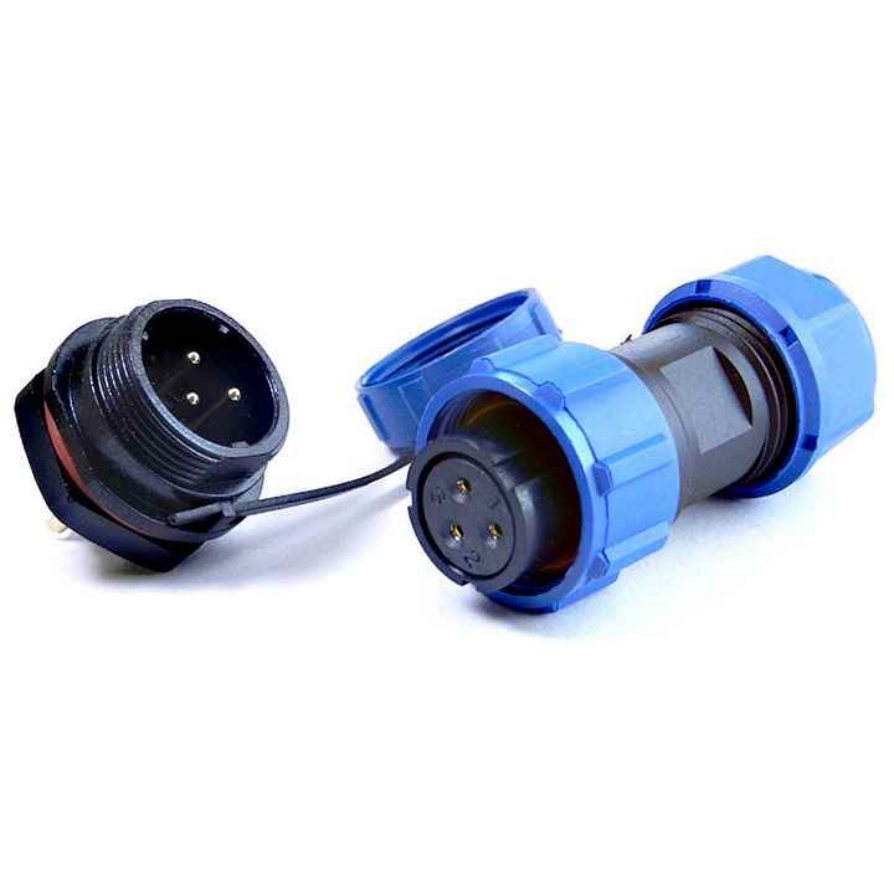
Standard connectors often lack proper seals (O-rings, gaskets). Condensation inside connectors leads to pin corrosion, increased contact resistance, and intermittent signals.
Contamination from Handling
Sweaty hands or wet gloves leave salts on connectors. As water evaporates, salts crystallize—attracting moisture and causing leakage or corrosion. Always use protective caps on unused connectors.
Real-World Failure Scenarios
Food & Beverage Processing
- Problem:Washdown areas with high-pressure water and cleaning agents
- Result:Connector seals fail, water enters, causing signal dropouts
Outdoor & Agricultural Machine Vision
- Problem:Daily cycles of high humidity, rain, and condensation
- Result:Jacket cracking and corrosion, leading to communication errors
Tropical Electronics Factories
- Problem:Seasonal high humidity (RH > 90%)
- Result:Increased summer failure rates due to surface leakage and poor IR test results
Cable Selection Guide for Humid Environments
Choose the Right Jacket Material
- Standard Indoor:PVC, PE (avoid in high humidity)
- Better Choice:Oil-resistant PUR
- Best Choice:Fluoropolymers (PTFE, FEP, ETFE) for superior moisture and heat resistance
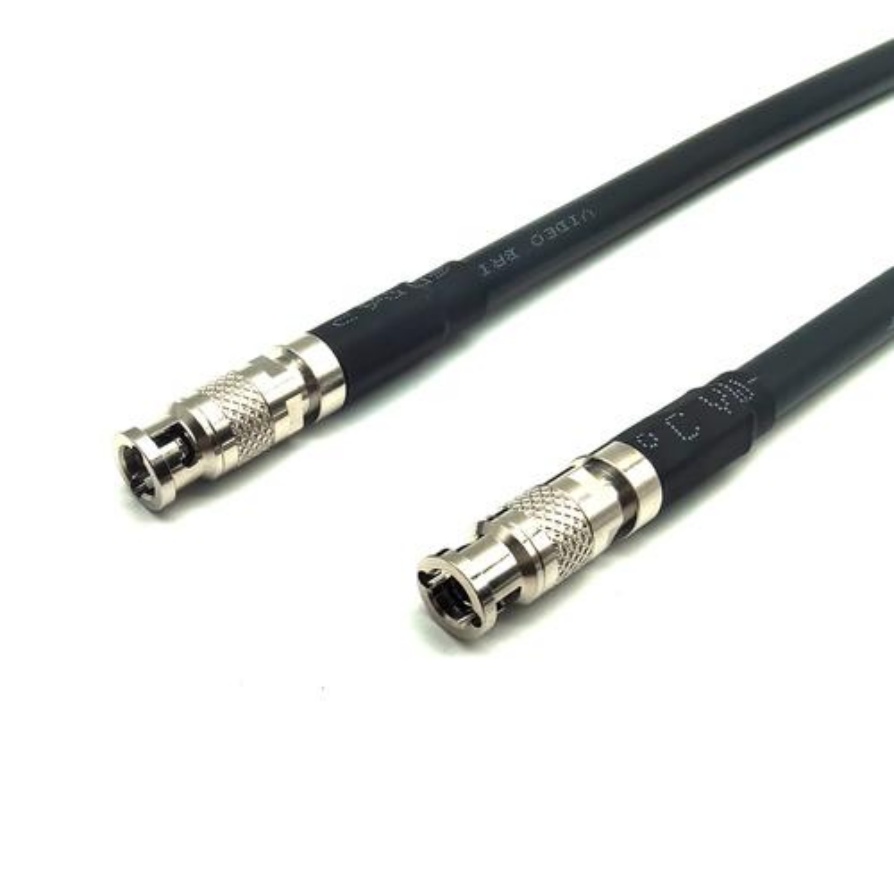
Verify Connector IP Rating
- Indoor Only:IP20
- Protected Areas:IP54/IP65
- Washdown/Outdoor:IP67/IP68 with properly installed O-rings and gaskets
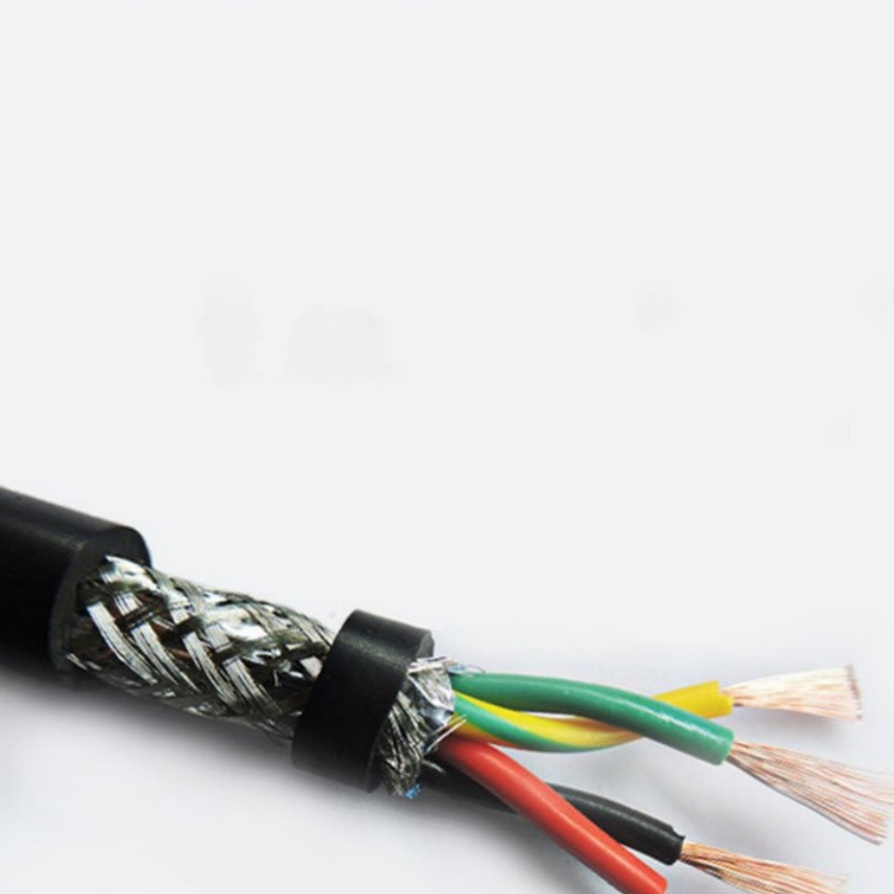
Prioritize a Robust Shield Structure
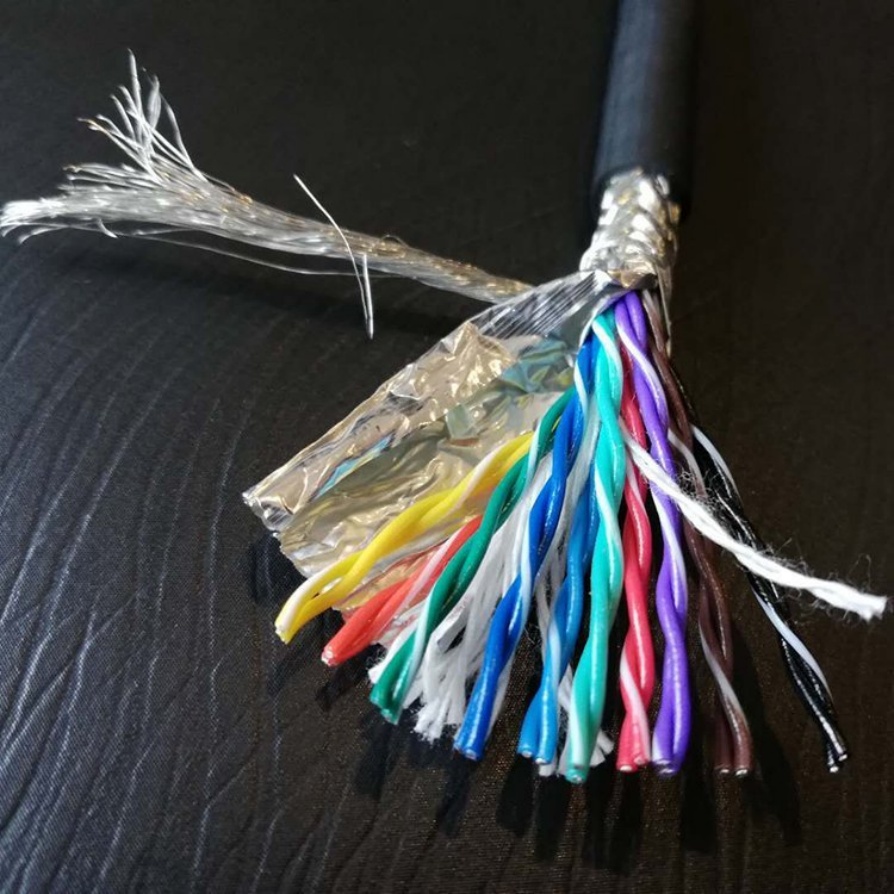
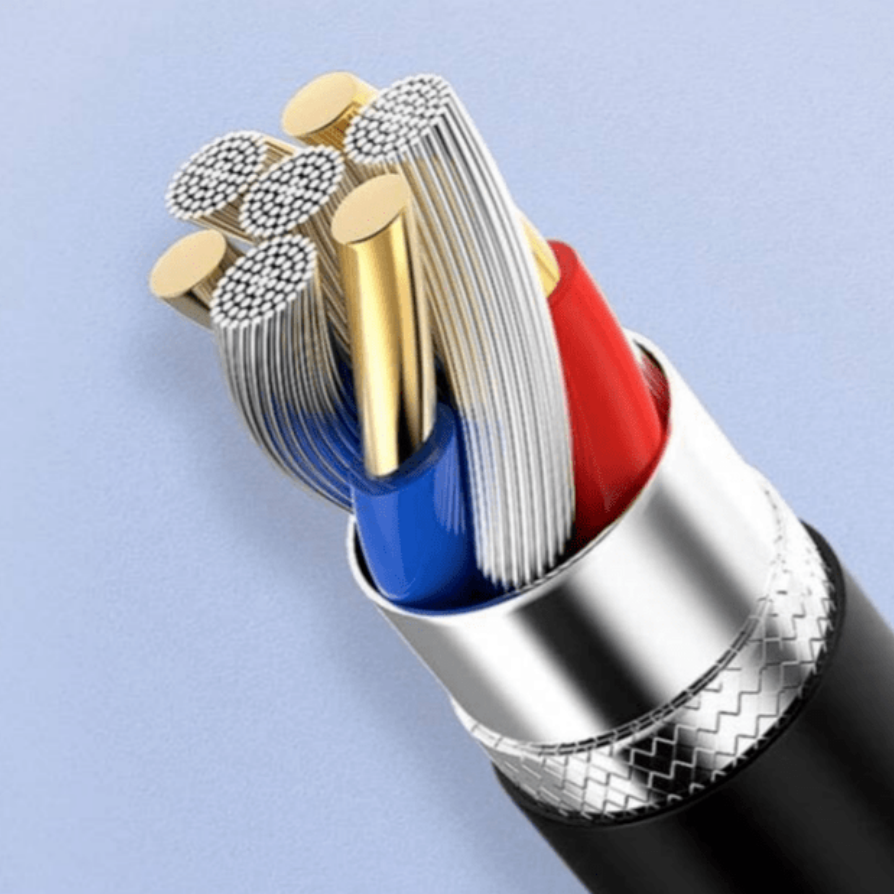
- Effective:Aluminum foil + tinned copper braid, or multi-layer foil + drain wire
- Avoid:Single-layer copper braid or no shielding, which corrode easily
Practical Prevention Checklist
- Specify Environmental Needs Upfront:Define humidity, water, temperature, and chemicals
- Select Materials Carefully:Use PUR or fluoropolymer jackets and IP67+ connectors
- Seal All Entry Points:Use sealed connectors, backshells, and strain relief boots
- Control the Environment:Use air conditioning, dehumidifiers, or N2 purge cabinets
- Implement a Maintenance Plan:Regularly inspect, clean, and replace suspect cables
Key Takeaways
Machine vision cable failures in humid conditions are rarely random. They are caused by material degradation, moisture ingress, and inadequate sealing. By understanding the mechanisms—from water absorption to corrosion—you can select the right components and implement effective preventive measures. For B2B buyers, specifying the correct cable is a cost-saving measure that ensures long-term system reliability and performance.
Professional Summary
In summary, humidity is a critical factor in machine vision cable performance that demands careful consideration during system design and maintenance. By selecting cables with appropriate materials (such as PUR or fluoropolymers), ensuring proper IP-rated connectors, and implementing environmental controls, you can significantly reduce the risk of moisture-related failures. Regular inspections and a proactive maintenance plan further enhance system reliability. For industrial and外贸 clients, investing in humidity-resistant cabling solutions is not just a technical choice—it’s a strategic decision that protects your operations from unexpected downtime and costly repairs.