Active Fiber Machine Vision Cable | EMI-Resistant, AOI Inspection Per...
In the era of Industry 4.0, Automated Optical Inspection (AOI) systems are the final gatekeepers of quality control. Yet, a silent killer lurks in every smart factory: Electromagnetic Interference (EMI). As manufacturers push for higher resolutions (20MP+) and faster frame rates to catch microscopic defects, the humble copper cable—the nervous system of the machine vision setup—is becoming the primary bottleneck.
Traditional copper-based machine vision cables are hitting a physics wall. They are heavy, susceptible to noise, and suffer from severe signal attenuation over distance. Enter the Active Fiber Machine Vision Cable. By converting electrical signals into light, this technology doesn’t just improve connectivity; it fundamentally redefines what is possible in high-speed AOI environments.
This deep dive explores why active fiber optics are the definitive solution for modern AOI challenges, specifically focusing on their unmatched EMI resistance and operational superiority over legacy copper systems.
The Physics of Failure: Why Copper Struggles in Modern AOI
To appreciate the leap to fiber, we must first understand the limitations of the status quo. For decades, copper cables (Camera Link, USB 3.0, CoaXPress) have served the industry well. However, the demands of next-generation AOI are exposing critical flaws in copper infrastructure.
1. The EMI Vulnerability
Modern factories are electromagnetic battlegrounds. High-power servo motors, variable frequency drives (VFDs), and welding equipment generate massive amounts of EMI and Radio Frequency Interference (RFI).
Standard copper cables rely on shielding (foil and braid) to combat this. While effective against high-frequency noise, copper is inherently conductive. When a 25-watt servo motor ramps up nearby, inductive coupling can inject noise directly into the copper core. This results in:
Image Artifacts:Random pixel noise or “salt and pepper” spots on the sensor feed.
Frame Drops:Critical data packets lost during transmission, causing the AOI software to miss defects.
Bit Errors:Corrupted data requiring retransmission, slowing down the entire inspection line.
2. Distance vs. Bandwidth Trade-off
AOI systems often require cameras to be mounted far from the processing unit to accommodate large fixtures or safety barriers. Copper cables suffer from the “skin effect” and dielectric loss at high frequencies.
Camera Link:Limited to roughly 10 meters for full configuration.
USB 3.0:Reliable performance typically drops off after 5 meters without expensive active extenders.
CoaXPress:Offers better reach (up to 40m), but the cables are thick, stiff, and heavy.
As resolution climbs to 4K, 8K, and beyond, the bandwidth requirement skyrockets. Pushing gigabits of data through copper over long distances requires significant power, generates heat, and increases the risk of signal integrity failure.
Active Fiber: The EMI-Immune Solution
Active Fiber Machine Vision Cables, technically known as Active Optical Cables (AOCs), integrate optical transceivers (lasers and photodiodes) directly into the connector ends. This allows the cable to convert electrical signals to optical signals at the source and back to electrical at the destination.
Total EMI Isolation
Fiber optic strands are made of glass or plastic—dielectrics that do not conduct electricity. This fundamental property makes active fiber cables completely immuneto electromagnetic interference.
Zero Crosstalk:You can route fiber cables directly alongside high-voltage power lines, VFDs, and transformers without any signal degradation.
Ground Loop Elimination:Because there is no electrical conductivity between the camera and the host, ground loops—a common cause of image noise in copper systems—are physically impossible.
For AOI applications in electronics manufacturing or automotive assembly, where precision is measured in microns, this immunity ensures that the image captured by the sensor is exactlythe image received by the processor.
Breaking the Distance Barrier
With active fiber, distance is no longer a constraint for speed. These cables can transmit 10 Gbps (USB 3.1/3.2) or even higher data rates over distances exceeding 100 meters without the need for repeaters or boosters.
Long-Range AOI:Inspect large objects like wind turbine blades or aircraft fuselages where the camera must be hundreds of feet from the control room.
Simplified Infrastructure:Eliminate the need for expensive fiber media converters or intermediate frame grabbers.
Comparative Analysis: Active Fiber vs. Traditional Copper
When specifying cables for a new AOI line, engineers must weigh the trade-offs. The following table illustrates why active fiber is becoming the preferred choice for high-performance applications.
Feature
Traditional Copper (e.g., USB 3.0/Camera Link)
Active Fiber (AOC)
EMI Resistance
Moderate to Low (Relies on shielding)
Perfect(Immune to all EMI/RFI)
Max Distance @ High Speed
Short (3m – 10m typically)
Long (30m – 100m+)
Weight
Heavy (bulky copper braids)
Ultra-Light (70-80% lighter)
Flexibility
Stiff (especially in multi-core configs)
Highly Flexible (small bend radius)
Latency
Low, but increases with distance
Near-Zero (Speed of light)
Power Delivery
Supported (e.g., PoCXP)
Limited (Requires separate power or hybrid cable)
Engineering for the Real World: Key Considerations
While the physics of fiber are superior, successful implementation requires attention to mechanical and protocol details.
1. The Bending Radius Myth
A common misconception is that fiber cables are fragile. While glass fiber can break if kinked sharply, modern active fiber machine vision cables utilize ruggedized polymer optical fiber (POF)or tight-buffered glass fibers. These are rated for:
Drag Chain Use:Rated for millions of flex cycles in robotic AOI arms.
Minimum Bend Radius:Can often bend down to 30mm without signal loss, compared to the rigid nature of copper CoaXPress cables.
2. Connector Compatibility and Locking
In high-vibration environments like PCB inspection conveyors, connectors can vibrate loose. Active fiber cables are available with industrial-grade locking mechanisms:
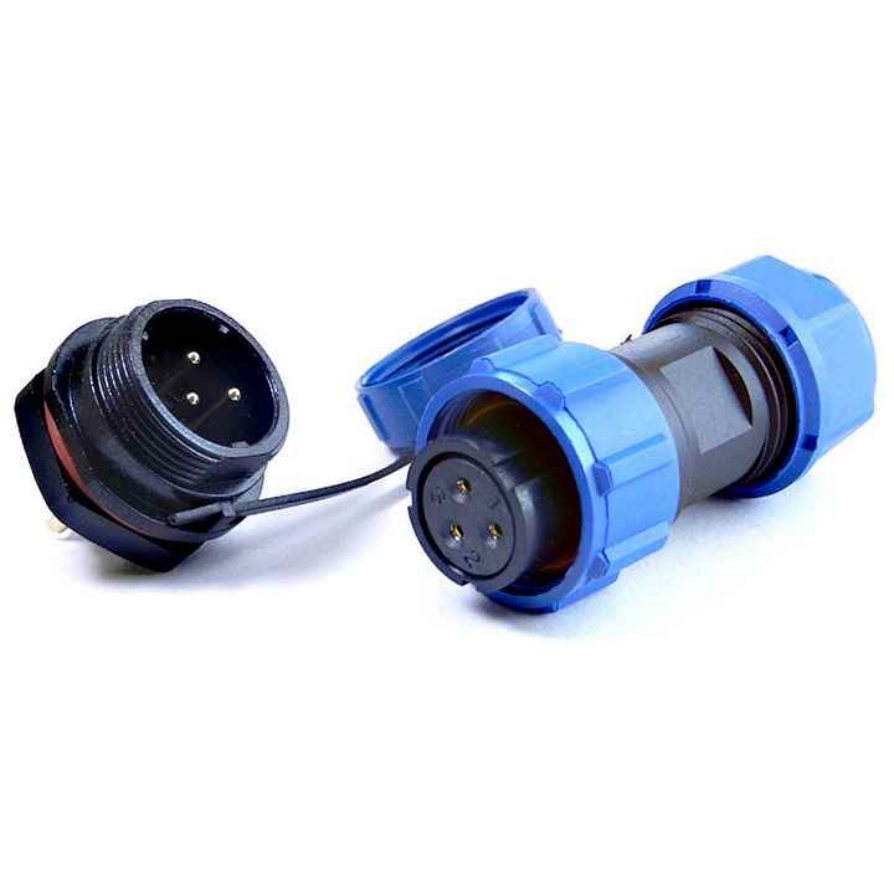
Screw-Lock USB:Essential for Micro-B and Type-C connectors to prevent accidental disconnection.
IP Ratings:Sealed connectors (IP67/IP68) protect against dust and washdown procedures in food and beverage AOI.
3. Hybrid Solutions for Power
Since fiber cannot carry power, cameras in remote locations need a way to turn on. The industry solves this with Hybrid Active Fiber Cables:
Design:A single jacket containing the optical fibers for data and two copper wires for power (12V or 24V).
Benefit:Reduces cable clutter by 50% and simplifies installation, running both power and data in one drop.
Future-Proofing AOI Systems
The transition to active fiber is not merely a fix for current problems; it is an investment in future scalability. As camera sensors evolve toward 100+ MP and 3D line scan technologies, the bandwidth hunger will only grow.
Copper standards are reaching their physical limits, leading to thicker cables and shorter distances. Active fiber scales effortlessly. By adopting fiber infrastructure today, manufacturers ensure that their AOI platforms are ready for the next decade of imaging advancements without needing to rip and replace their cabling infrastructure.
For engineers and system integrators, the message is clear: when the cost of a missed defect is higher than the cost of the cable, Active Fiberis the only logical choice.
The Precision Imaging Dedicated Vision Cable is a cutting-edge connectivity solution designed to deliver crystal-clear image transmission in high-stakes environments. Optimized for industrial automation, medical imaging, machine vision, .
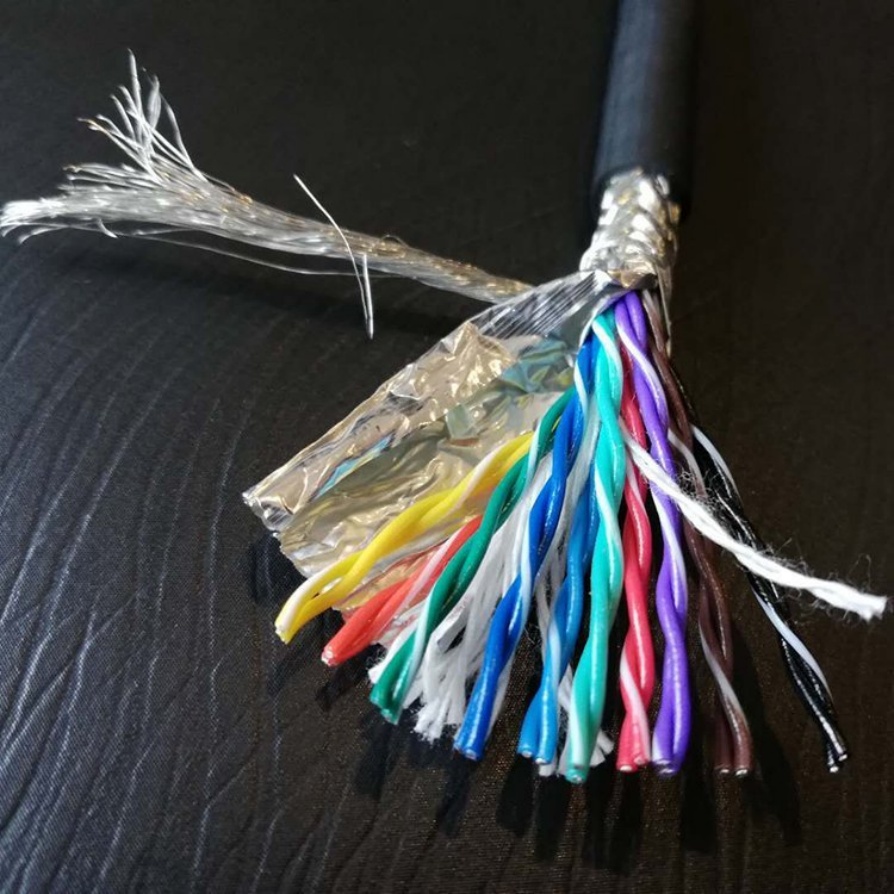
Shielded Twisted-Pair Vision Cable – Ultra-Clear Signal Transmission for Demanding Environments
Ensure flawless video and data transmission in high-interference environments with our Shielded Twisted-Pair (STP) Vision Cable. Engineere.
Subtitle: A High-Performance Signal Cable Designed for 3D Scanners, Ensuring Lossless Data and Minimal Latency
Product OverviewThe 3D Scanner Vision Signal Cable is a premium signal transmission cable engineered for both industrial a.
Meta Description: Experience seamless 4K/8K video transmission with our High-Speed Anti-Interference Vision Cable. Engineered for crystal-clear visuals, robust durability, and interference-free performance. Perfect for gaming, profes.
Elevate your visual data transmission with the IP67 Waterproof Vision Connection Cable, engineered to deliver seamless performance in the harshest conditions. Designed for industrial, outdoor, and mission-critical applications, this rugg.
Meta Description: Discover premium Robotic Vision System Cables engineered for seamless data transmission, durability, and precision in industrial automation. Ensure flawless vision system performance.
Enhance Automation Precision with.
Enhance the reliability and performance of your automated systems with our Industrial-Grade Machine Vision Cable—engineered to deliver unparalleled signal integrity, durability, and speed for demanding industrial applications. Designed f.
Meta Description: Discover the Flexible & Bend-Resistant Vision Cable, engineered for precision imaging in demanding environments. Durable, reliable, and built to last. Perfect for industrial, medical, and robotic applications.
Int.
High-speed factories demand flawless synchronization between machines and vision systems. Yet, challenges like electromagnetic interference (EMI), cable fatigue, and data bottlenecks often disrupt operations. The right machine vision cab.
Product Overview: Machine Vision Cables
Machine vision cables are specialized components designed to ensure high-speed, stable data transmission and signal integrity in automated imaging systems. Key features include:
Technical S.