Which industries need high temperature resistant machine vision cable...
When we talk about industrial automation, we usually focus on the resolution of the camera or the speed of the processor. But if you ask a factory floor manager what keeps them up at night, they will tell you it’s the cable.
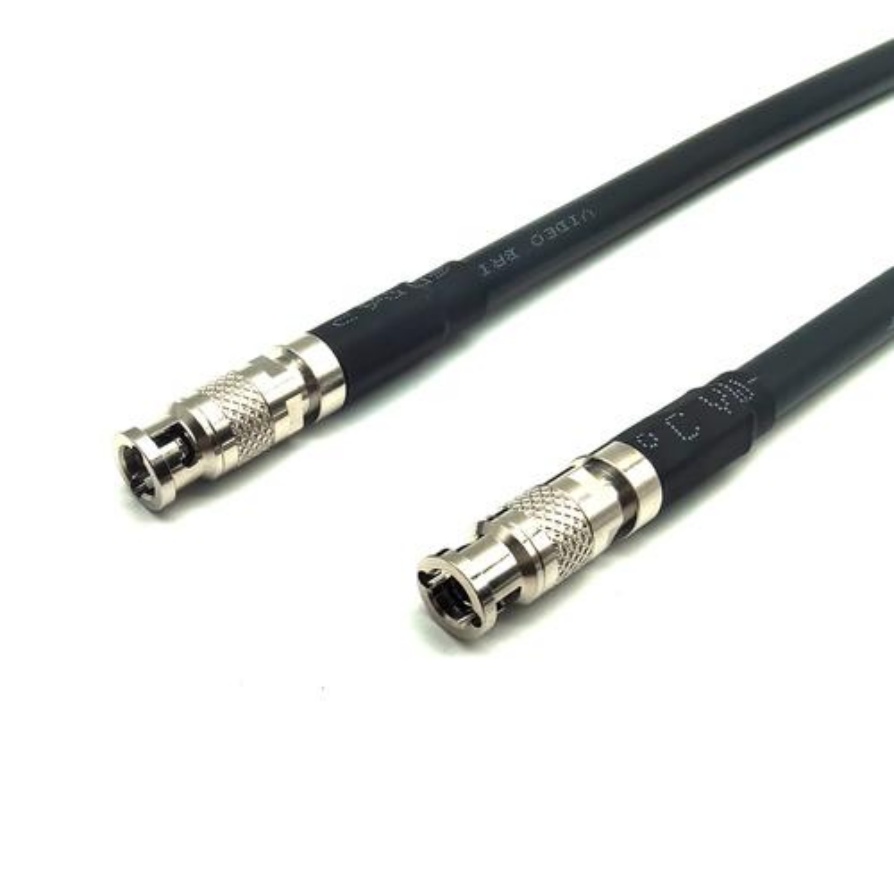
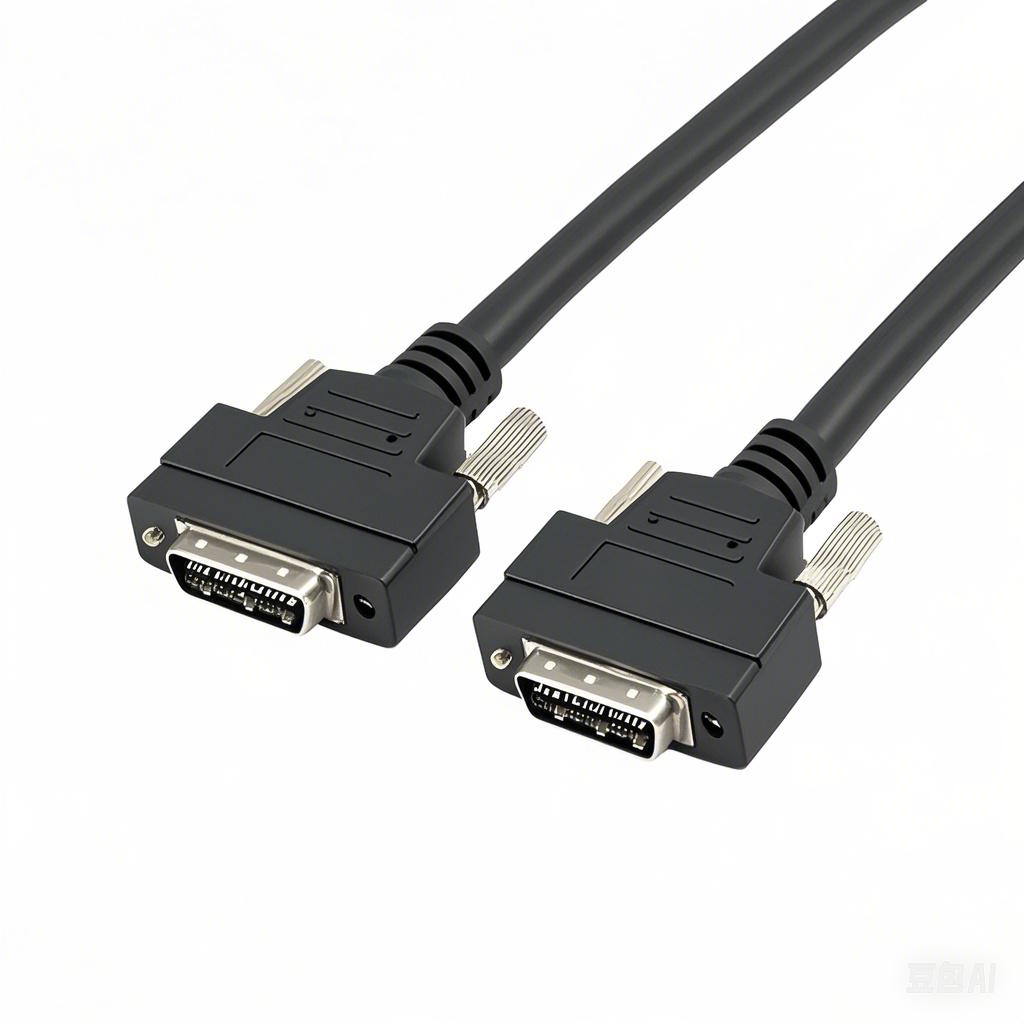
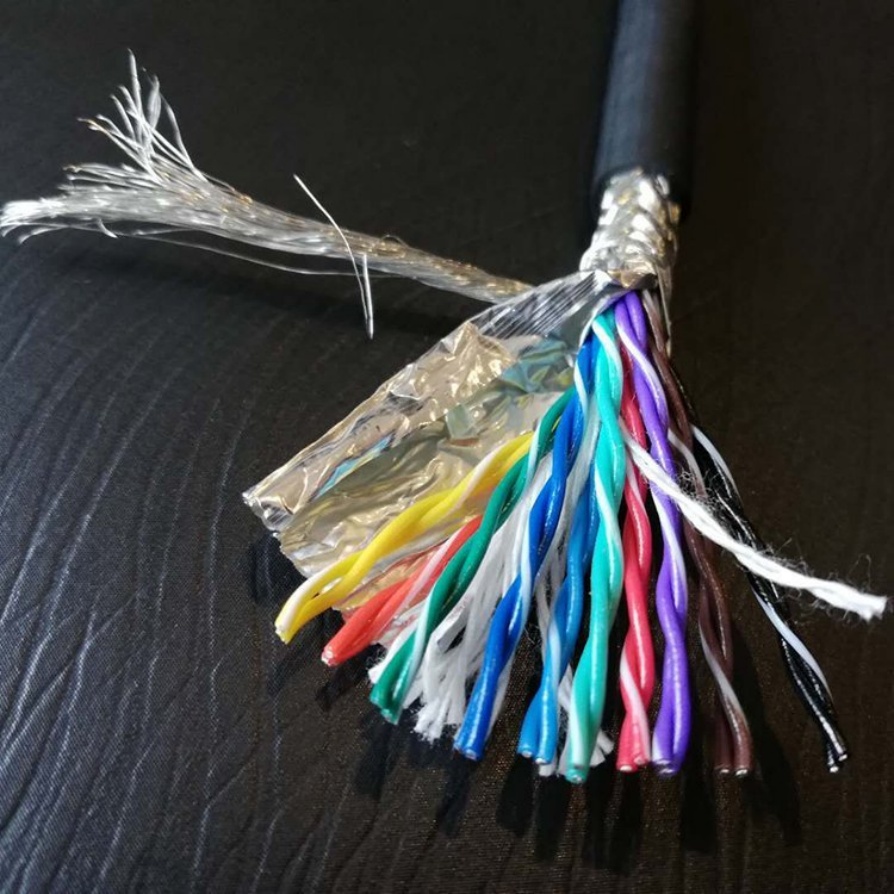
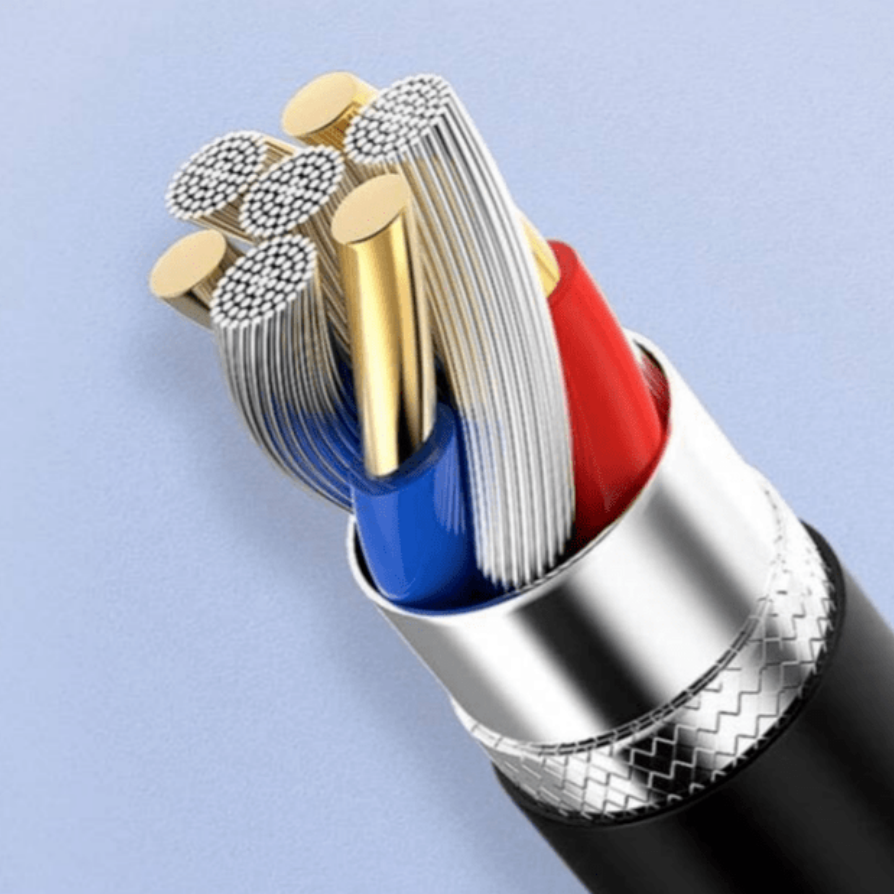
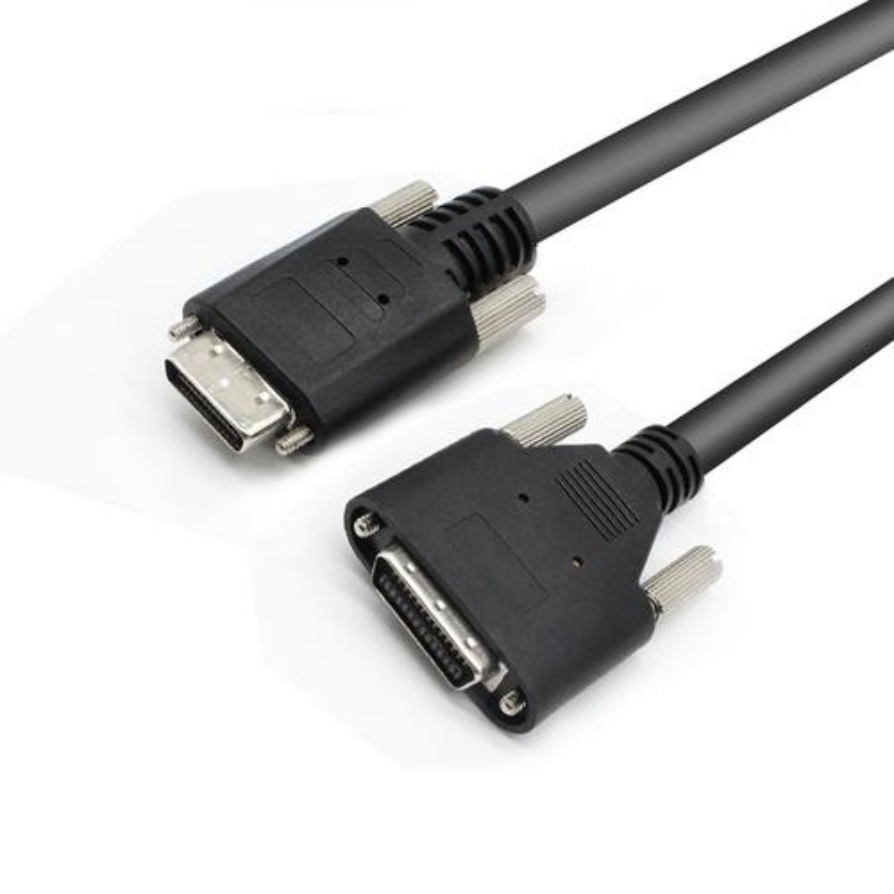
In the world of industrial imaging, the machine vision cableis the nervous system. It carries the high-speed data that tells the robot where to go or detects a microscopic crack in a weld. But what happens when that nervous system gets cooked?
Standard cables, usually made with PVC jackets, tap out at around 70°C (158°F). Beyond that, the insulation melts, the signal turns to noise, and your expensive vision system goes blind. That is why high temperature resistant machine vision cableexists.
But who actually needs this stuff? It’s not just for extreme outliers. Let’s break down the five industries where heat is a daily battle and why settling for “standard” cables is a recipe for disaster.
1. Automotive Manufacturing: The Heat of Production
If you look at any modern car factory, you will see a symphony of robots. But hidden behind the scenes are some of the harshest thermal environments on earth.
Body Shop & Paint Shop
The Challenge:In the body shop, resistance spot welding generates immense localized heat. More critically, the paint shop features Electro-Coat (E-Coat) ovens and drying tunnels where temperatures regularly exceed 200°C (392°F).
The Failure Point:Standard cables here don’t just degrade; they become a safety hazard. Melting PVC can drip onto the conveyor, or worse, short-circuit and cause a fire.
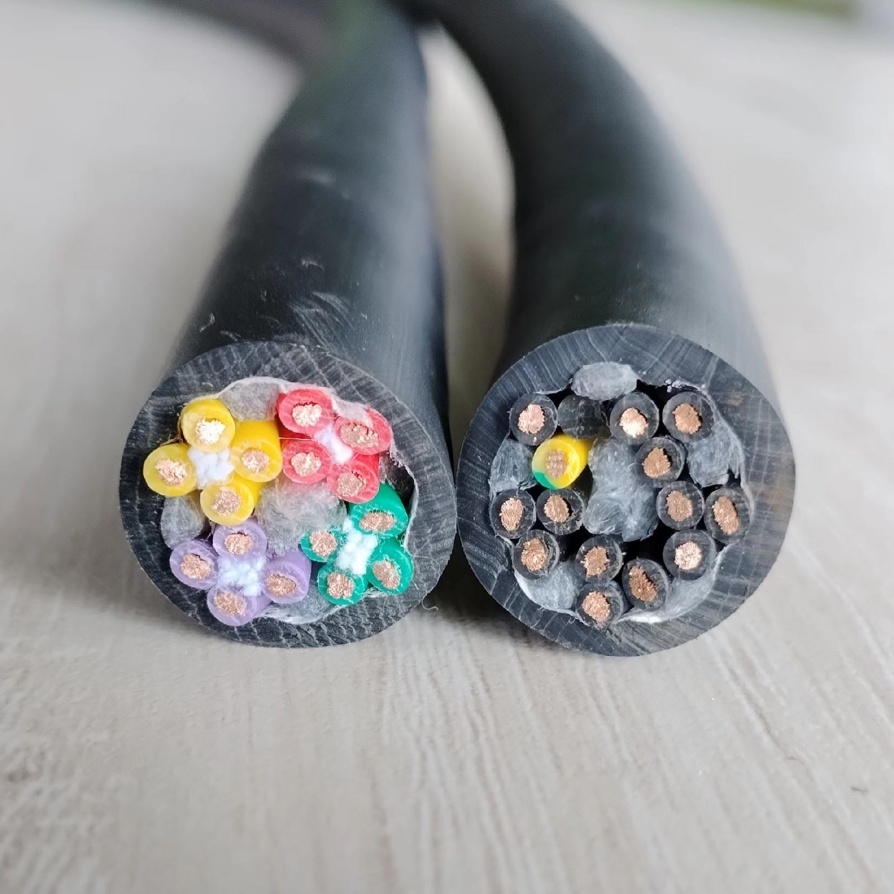
Why HT Cables?Automotive OEMs rely on high temp cables (often with Siliconeor Teflon (PTFE/FEP)jackets) to survive the curing process. These cables must handle the heat while maintaining signal integrity for laser guidance systems and inspection cameras.
Engine Testing
The Challenge:Testing rigs for engines and transmissions generate massive amounts of radiant heat.
The Solution:Here, machine vision cableassemblies must be wrapped in fiberglass or ceramic sleeving to protect the data lines feeding thermal cameras and high-speed sensors.
2. Glass and Metal Processing: Living with Molten Heat
Industries that deal with molten materials are the ultimate stress test for connectivity. We are talking about environments where the ambient air alone can melt standard plastics.
Glass Manufacturing
The Challenge:Forming glass requires temperatures exceeding 1500°C. Even if the camera isn’t touching the glass, the radiant heat is enough to fry a standard cable in minutes.
The Requirement:Vision systems used for dimensional gauging in glass plants require cables rated for continuous operation at 200°C+. These are typically Mica-tape insulatedor use specialized high-performance fluoropolymers.
Steel Mills & Foundries
The Challenge:Monitoring the thickness of steel slabs or detecting cracks in castings happens right next to the furnace.
The Reality:A standard cable in a steel mill lasts maybe a week. High-temperature variants are mandatory to avoid the cost of shutting down the line to replace a $50 cable.
3. Semiconductor Fabrication: Precision Under Pressure
Semiconductors are the brains of our modern world, but the process to make them is brutal. This industry demands the highest precision, which means the signal integrity of the machine vision cableis non-negotiable.
Wafer Processing
The Challenge:During chemical vapor deposition (CVD) or rapid thermal annealing, temperatures spike. Additionally, the cleanrooms use aggressive chemicals (acids and solvents) that eat through standard cable jackets.
The Solution:Semiconductor fabs use PTFE-jacketed cables. PTFE handles temps up to 260°Cand resists almost all industrial chemicals. Furthermore, because space is tight in lithography equipment, these cables are often highly flexible to allow for precise robotic movement without signal degradation.
4. Food, Beverage, and Pharmaceuticals: Washdown Warfare
You might think, “Food plants aren’t hot!” Actually, the processmight not be, but the cleaningis.
Sterilization and Washdown
The Challenge:To meet FDA and USDA standards, equipment must be sanitized constantly. This involves high-pressure, high-temperature washdowns using caustic chemicals and steam (often exceeding 120°C).
The Problem:Steam penetrates standard cable jackets, causing internal corrosion and mold growth, which leads to signal failure.
The Fix:Machine vision cablein this sector needs a dual rating: High Temp + Hygienic. They need smooth, non-porous jackets (like PURor TPE) that can withstand the heat of the washdown and the chemicals used to scrub the lines.
5. Aerospace and Defense: Extreme Extremes
When you leave the ground, the rules change. Aerospace applications push the boundaries of material science.
Engine Monitoring and Space
The Challenge:Aircraft engine nacelles see temperatures over 200°C. Satellites face wild swings from -150°C in shadow to +120°C in sunlight.
The Tech:Weight is money in aerospace. Therefore, cables must be thin yet incredibly resilient. Specialized polyimideor ceramic-filled siliconecables are used here to ensure that vision systems guiding autonomous drones or monitoring engine health don’t fail when the heat is on.
Material Matters: What Makes a Cable “High Temp”?
Not all high-temperature cables are created equal. If you are sourcing for these industries, you need to know your materials. Here is the cheat sheet:
Material
Max Temp (Continuous)
Best For
Pros/Cons
PVC (Standard)
~70°C
Office IT, Cool Dry Rooms
Cheap, but fails instantly in heat.
PUR (Polyurethane)
~80°C – 105°C
Robotics, General Factory
Great abrasion resistance, decent heat.
Silicone Rubber
~180°C – 200°C
Ovens, Lighting, Engines
Very flexible; resistant to ozone/UV.
Teflon (PTFE/FEP)
~200°C – 260°C
Semiconductor, Chemical Plants
Excellent chemical resistance; stiffer than silicone.
Fiberglass/Mica
400°C – 1000°C
Foundries, Glass Plants
Bulky and stiff, but survives molten proximity.
Data Source: Industry Material Specifications
The Hidden Cost of Going Cheap
Why do engineers sometimes try to save a few dollars on cables? Usually, it’s because they underestimate the Total Cost of Ownership (TCO).
Let’s do the math.
Scenario A:You buy a standard machine vision cable for **30∗∗.Itfailsafter3monthsduetoheatexposure.Youlose4hoursofproductiontime(10,000+) replacing it and recalibrating the camera.
Scenario B:You buy a high temp resistant cable for $80. It lasts 3 years.
The choice seems obvious, yet cable failure remains one of the top three causes of vision system downtime.
Checklist: Do You Need a High Temp Cable?
Before you approve the Bill of Materials for your next machine vision project, ask yourself these questions:
Is the cable routed within 1 meter of a heat source?(Motor, heater, oven, weld cell?)
Does the environment exceed 70°C?(Check the spec sheet of your standard cable).
Are you using high-speed protocols?(CoaXPress, Camera Link HS). Note: Heat increases resistance, which degrades signal quality faster.
Is the cable moving?(Drag chains). Heat makes plastics brittle. A hot cable that bends is a cable that snaps.
Summary: Don’t Let Your System Go Blind
A machine vision system is only as good as its weakest link. In high-heat environments, that weak link is almost always the cable. Whether you are baking paint in Detroit, casting steel in Pittsburgh, or etching wafers in Taiwan, the machine vision cablemust be engineered to survive the heat.
By specifying high-temperature materials like Silicone, Teflon (PTFE), or Fiberglass, you aren’t just buying a cable. You are buying uptime. You are ensuring that your “eyes” on the production line stay open, even when the temperature rises.
Shielded Twisted-Pair Vision Cable – Ultra-Clear Signal Transmission for Demanding Environments
Ensure flawless video and data transmission in high-interference environments with our Shielded Twisted-Pair (STP) Vision Cable. Engineere.
High-speed factories demand flawless synchronization between machines and vision systems. Yet, challenges like electromagnetic interference (EMI), cable fatigue, and data bottlenecks often disrupt operations. The right machine vision cab.
Meta Description: Discover premium Robotic Vision System Cables engineered for seamless data transmission, durability, and precision in industrial automation. Ensure flawless vision system performance.
Enhance Automation Precision with.
The Precision Imaging Dedicated Vision Cable is a cutting-edge connectivity solution designed to deliver crystal-clear image transmission in high-stakes environments. Optimized for industrial automation, medical imaging, machine vision, .
Product Overview: Machine Vision Cables
Machine vision cables are specialized components designed to ensure high-speed, stable data transmission and signal integrity in automated imaging systems. Key features include:
Technical S.
Meta Description: Discover the Flexible & Bend-Resistant Vision Cable, engineered for precision imaging in demanding environments. Durable, reliable, and built to last. Perfect for industrial, medical, and robotic applications.
Int.
Enhance the reliability and performance of your automated systems with our Industrial-Grade Machine Vision Cable—engineered to deliver unparalleled signal integrity, durability, and speed for demanding industrial applications. Designed f.
Meta Description: Experience seamless 4K/8K video transmission with our High-Speed Anti-Interference Vision Cable. Engineered for crystal-clear visuals, robust durability, and interference-free performance. Perfect for gaming, profes.
Elevate your visual data transmission with the IP67 Waterproof Vision Connection Cable, engineered to deliver seamless performance in the harshest conditions. Designed for industrial, outdoor, and mission-critical applications, this rugg.
Subtitle: A High-Performance Signal Cable Designed for 3D Scanners, Ensuring Lossless Data and Minimal Latency
Product OverviewThe 3D Scanner Vision Signal Cable is a premium signal transmission cable engineered for both industrial a.