PoCL Machine Vision Cable | Power & Data Integrated Camera Link ...
In the rapidly evolving world of industrial automation, the demand for high-speed, reliable, and efficient data transmission has never been higher. At the heart of many machine vision systems lies the Camera Link interface, a robust standard known for its exceptional bandwidth and low latency. However, traditional Camera Link setups often require separate cables for data and power, leading to cable clutter, increased risk of connection errors, and more complex system integration. Enter the PoCL (Power over Camera Link) Machine Vision Cable—a revolutionary solution that integrates power and data transmission into a single, streamlined cable. This article delves into the world of PoCL cables, exploring their benefits, technical specifications, applications, and why they are becoming the go-to choice for modern vision systems.
Understanding Camera Link and the Need for PoCL
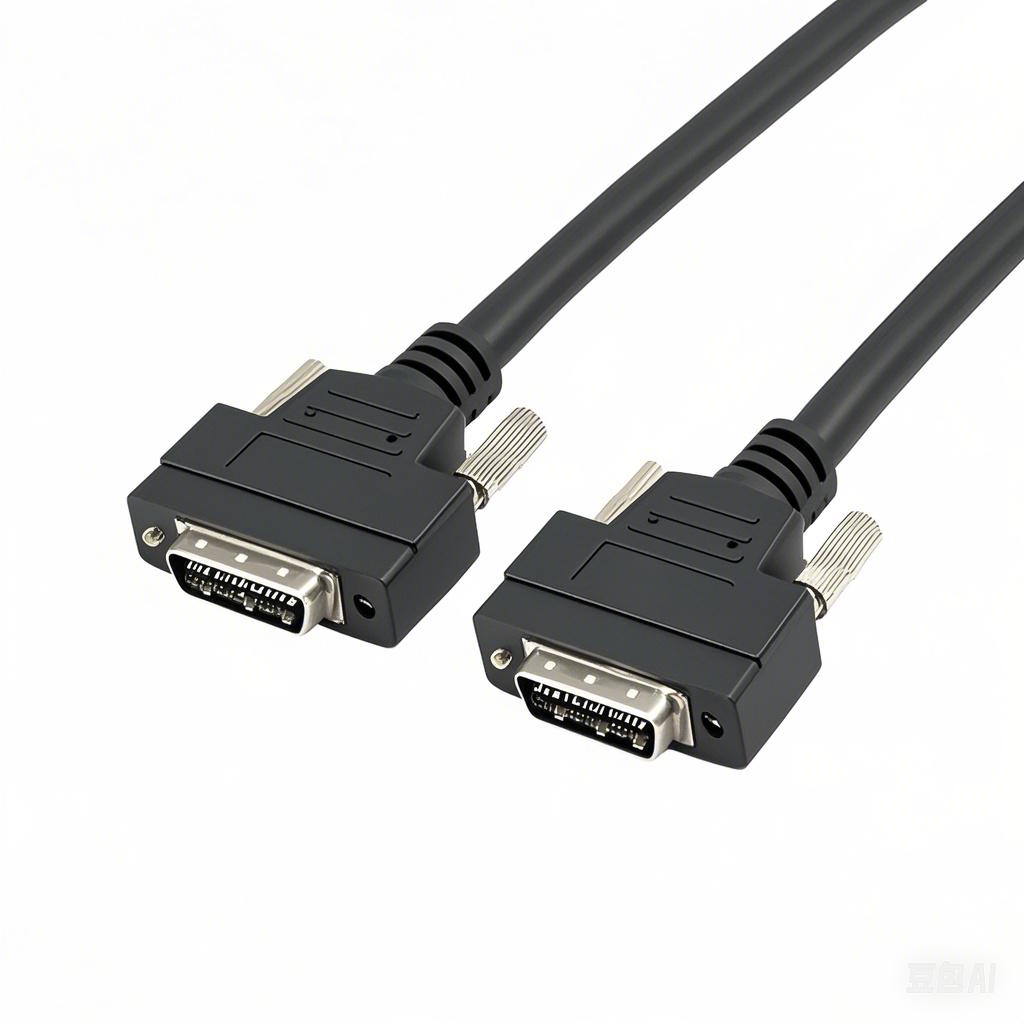
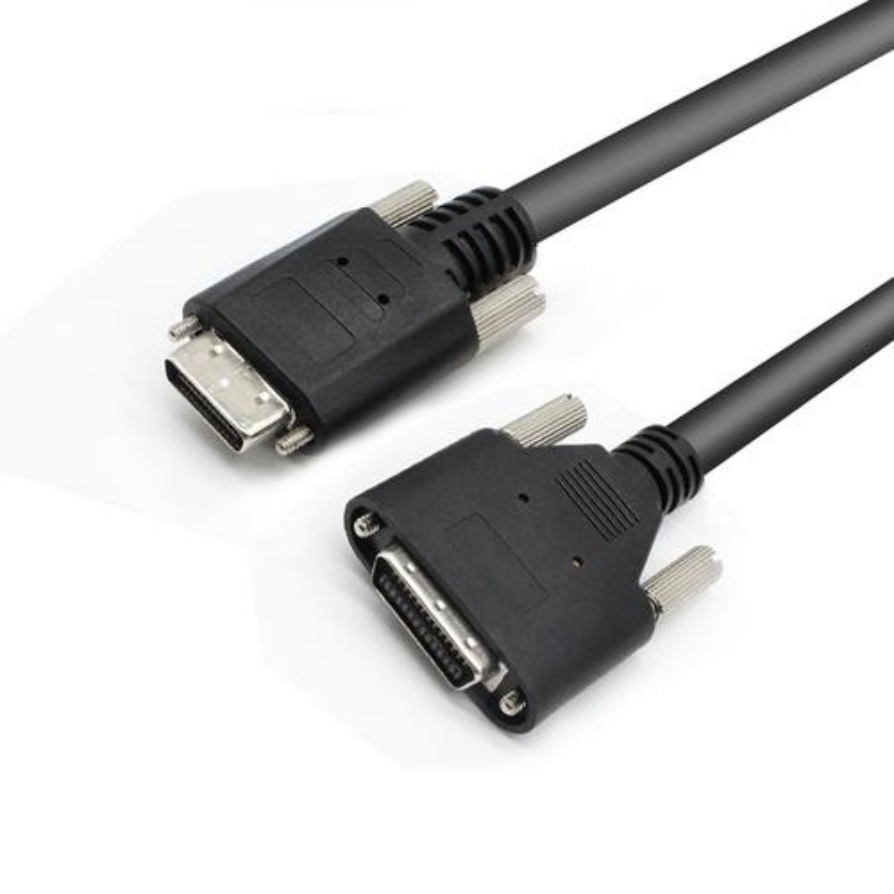
Camera Link is a widely adopted interface standard for machine vision cameras, designed to handle high-speed data transfer between cameras and frame grabbers. It uses a specialized cable with MDR (Mini D Ribbon) or SDR (Shrunk D Ribbon) connectors to transmit image data, control signals, and sometimes power. In traditional setups, a separate power cable is required to supply electricity to the camera, which can be cumbersome in space-constrained environments or applications with moving parts.
PoCL technology addresses this challenge by enabling the transmission of both power and data over a single Camera Link cable. This is achieved through a specialized design that includes power conductors within the same cable assembly, eliminating the need for an additional power line. The result? A cleaner, more efficient, and easier-to-install solution that reduces cable count, minimizes potential points of failure, and simplifies system design.
Key Benefits of PoCL Machine Vision Cables
1. Simplified Cable Management
One of the most immediate advantages of PoCL cables is the reduction in cable clutter. By combining power and data into one cable, you eliminate the need for a separate power line, which is particularly beneficial in applications where space is limited, such as robotic arms, compact inspection systems, or tight industrial enclosures. Fewer cables mean less weight, reduced risk of tangling or snagging, and easier routing—especially in dynamic environments where cables are subject to repeated bending or movement.
2. Enhanced Reliability and Signal Integrity
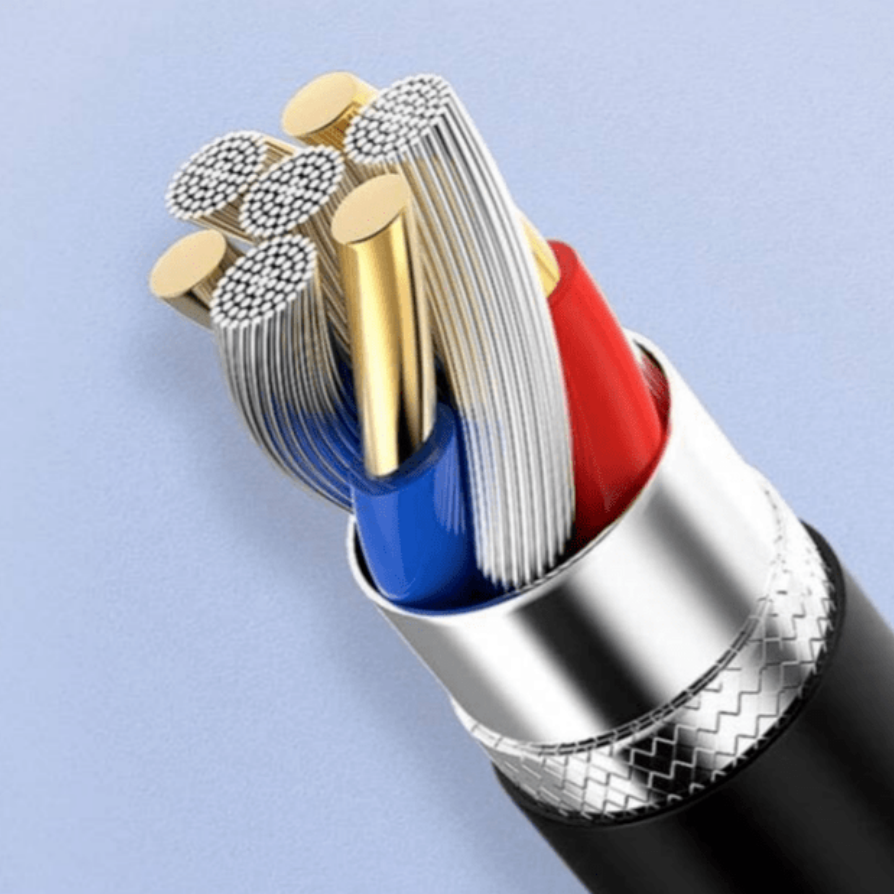
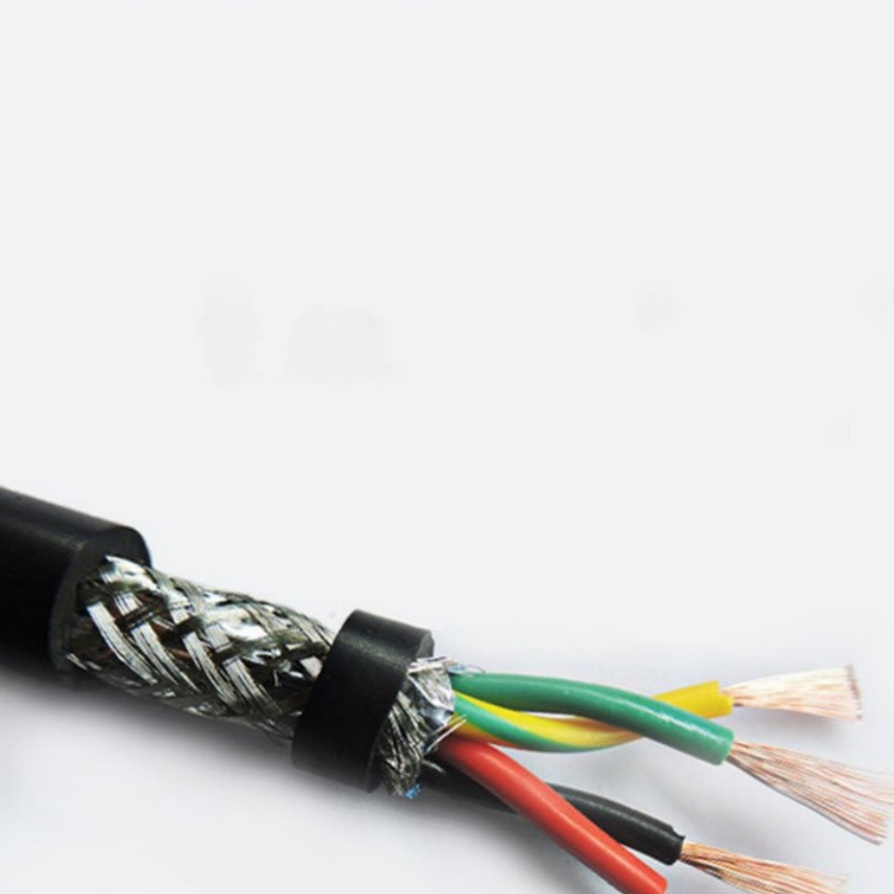
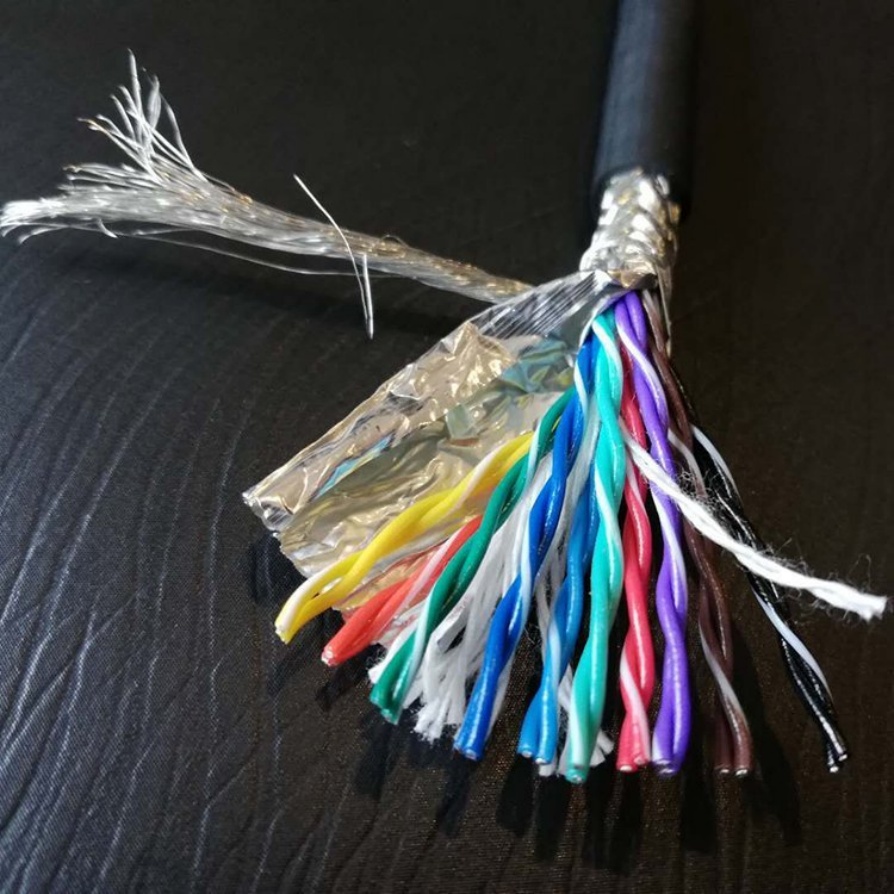
PoCL cables are engineered to maintain high signal integrity even in harsh industrial environments. They typically feature robust shielding, such as foil and braid combinations, to protect against electromagnetic interference (EMI) and radio frequency interference (RFI). This ensures stable data transmission and minimizes the risk of image artifacts or data loss. Additionally, the integration of power and data reduces the number of connectors and potential failure points, enhancing overall system reliability.
3. Cost and Time Savings
While the initial cost of a PoCL cable may be slightly higher than a standard Camera Link cable, the overall system cost can be lower due to reduced cabling requirements, fewer connectors, and simplified installation. System integrators and end-users save time during setup, as there’s no need to route and connect separate power cables. This efficiency translates to faster deployment and reduced labor costs.
4. Support for High-Speed Data Transmission
PoCL cables are designed to support the full bandwidth of the Camera Link standard, which can reach up to 850 MB/s in Base, Medium, Full, or Deca configurations. This makes them ideal for high-resolution, high-frame-rate cameras used in demanding applications like semiconductor inspection, pharmaceutical packaging, and automotive assembly. The integrated power delivery does not compromise data speed, ensuring that your vision system operates at peak performance.
5. Compliance with Industry Standards
High-quality PoCL cables comply with relevant industry standards, such as RoHS, REACH, and often UL certifications. This ensures that the cables are safe, environmentally friendly, and suitable for use in regulated industries. Compliance also guarantees compatibility with a wide range of Camera Link cameras and frame grabbers from leading manufacturers.
Technical Specifications and Design Considerations
When selecting a PoCL Machine Vision Cable, several technical factors should be considered to ensure optimal performance:
- Connector Types: PoCL cables are available with MDR (26-pin) or SDR (26-pin or 14-pin) connectors. MDR connectors are the traditional standard, while SDR connectors offer a more compact form factor, which is advantageous in space-constrained applications.
- Cable Length: PoCL cables can be manufactured in various lengths, typically ranging from 1 meter to 10 meters or more. It’s important to choose a length that meets your application’s requirements without introducing excessive signal attenuation.
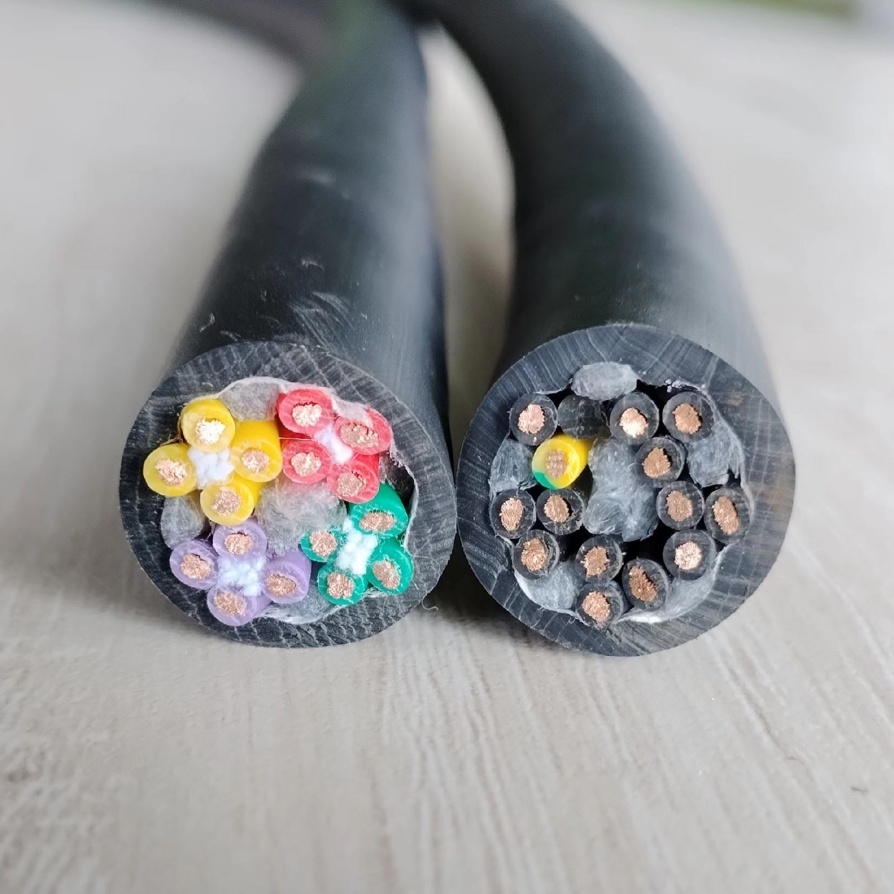
- Conductor Material and Gauge: High-quality PoCL cables use stranded copper conductors for flexibility and durability. The gauge of the power conductors is designed to handle the current requirements of the camera without significant voltage drop.
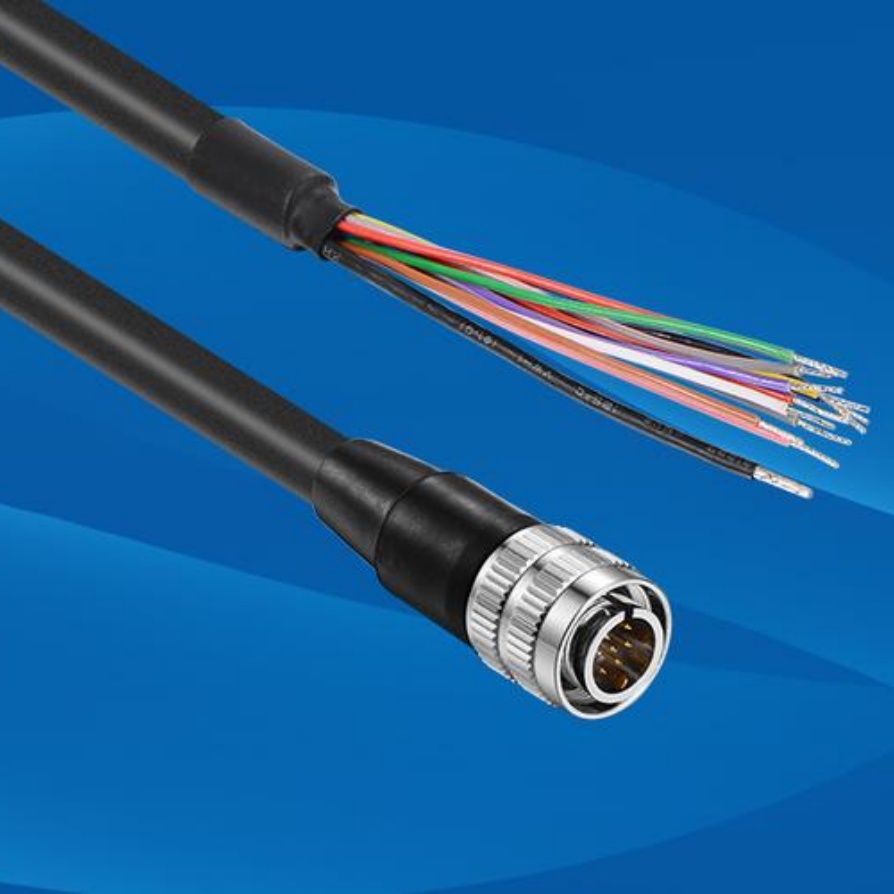
- Shielding and Jacket Material: Effective shielding is crucial for minimizing EMI/RFI. Common shielding options include foil shields, braid shields, or a combination of both. The outer jacket is typically made from durable materials like PVC or PUR (polyurethane) to withstand industrial environments, including exposure to oils, chemicals, and abrasion.
- Flex Life: For applications involving continuous or frequent movement, such as in robotic systems, it’s essential to choose a PoCL cable with a high flex life. These cables are constructed with special stranding and materials to withstand thousands or even millions of bending cycles without failure.
- Power Delivery Capacity: PoCL cables are designed to deliver a specific amount of power, typically up to 8W or more, depending on the camera’s requirements. Ensure that the cable you choose can supply sufficient power to your camera without overheating or voltage drop.
Applications of PoCL Machine Vision Cables
The versatility and efficiency of PoCL cables make them suitable for a wide range of machine vision applications, including:
- Factory Automation: In automated production lines, PoCL cables help streamline the integration of cameras for quality control, defect detection, and part identification.
- Robotic Vision Systems: Robots equipped with vision systems benefit from the reduced cable weight and simplified routing provided by PoCL cables, enhancing their agility and reliability.
- Semiconductor and Electronics Inspection: High-speed, high-resolution cameras used in semiconductor inspection require reliable data and power transmission, which PoCL cables deliver effectively.
- Pharmaceutical and Medical Device Manufacturing: In cleanroom environments where cable management is critical, PoCL cables offer a tidy and efficient solution.
- Packaging and Labeling: Vision systems used for inspecting packages, labels, and barcodes can leverage PoCL cables for reliable performance in fast-paced production settings.
- Automotive and Aerospace: These industries demand robust and reliable vision systems for tasks such as component inspection, assembly verification, and surface defect detection, all of which can benefit from PoCL technology.
Choosing the Right PoCL Cable for Your Application
Selecting the appropriate PoCL cable involves evaluating several factors:
- Camera and Frame Grabber Compatibility: Ensure that both your camera and frame grabber support PoCL. Most modern Camera Link devices are PoCL-compatible, but it’s always wise to verify.
- Power Requirements: Check the power consumption of your camera and confirm that the PoCL cable can deliver the necessary current and voltage.
- Environmental Conditions: Consider factors such as temperature range, exposure to chemicals or oils, flexing requirements, and EMI/RFI levels. Choose a cable with appropriate shielding, jacket material, and flex rating.
- Length and Routing: Determine the required cable length and plan the routing to avoid sharp bends or excessive tension, which could affect performance or longevity.
- Connector Orientation: Depending on your system’s layout, you may need straight or right-angle connectors to optimize space and cable routing.
Why FRS Is Your Trusted Partner for PoCL Machine Vision Cables
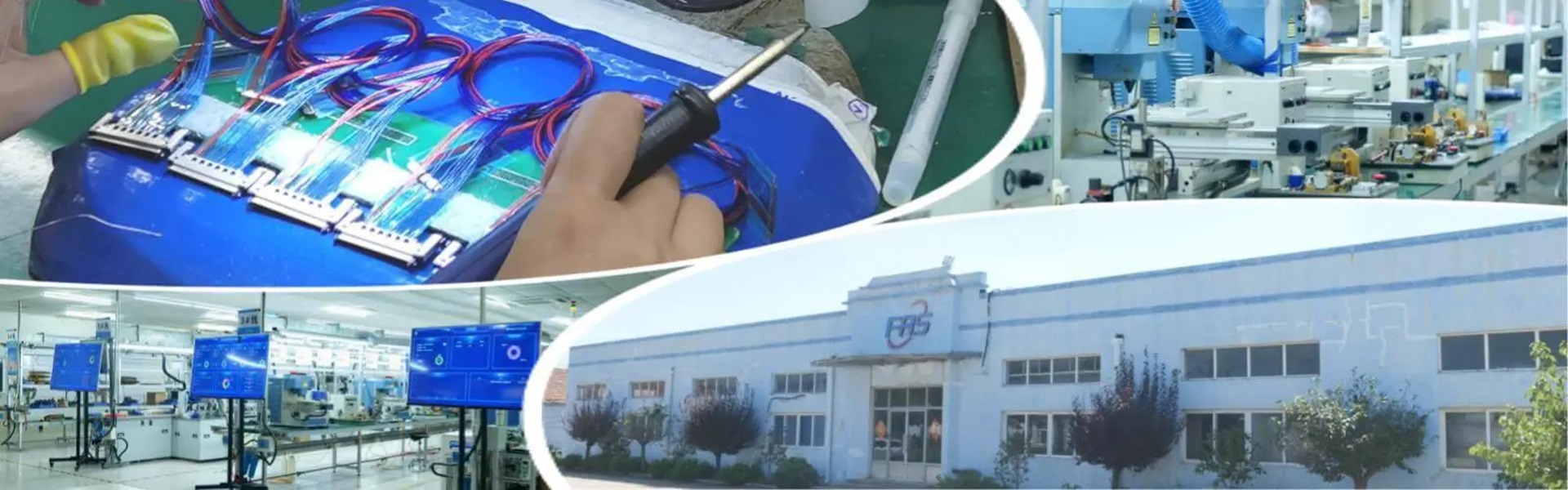
At FRS, we understand the critical role that high-quality cables play in the performance and reliability of machine vision systems. As a leading manufacturer with years of experience in the industry, we specialize in producing top-of-the-line PoCL Machine Vision Cables that meet the highest standards of quality and performance.
Our PoCL cables are designed with precision engineering, featuring robust shielding, durable jackets, and high-flex constructions to withstand the rigors of industrial environments. We offer a wide range of configurations, including various connector types (MDR and SDR), lengths, and custom options to meet your specific application needs. Each cable undergoes rigorous testing to ensure compliance with industry standards and delivers exceptional signal integrity and power transmission.
When you choose FRS, you’re not just getting a cable; you’re gaining a partner committed to your success. Our team of experts is always ready to provide technical support, help you select the right cable for your application, and offer custom solutions when off-the-shelf products don’t quite fit. With FRS, you can trust that your vision system will operate at its best, backed by reliable, high-performance PoCL cables that stand the test of time.
In conclusion, PoCL Machine Vision Cables represent a significant advancement in Camera Link technology, offering a more efficient, reliable, and cost-effective solution for power and data transmission. By simplifying cable management, enhancing signal integrity, and supporting high-speed data transfer, these cables are empowering industries to push the boundaries of automation and quality control. Whether you’re integrating a new vision system or upgrading an existing one, consider the benefits of PoCL technology and partner with a trusted manufacturer like FRS to ensure optimal performance and peace of mind.