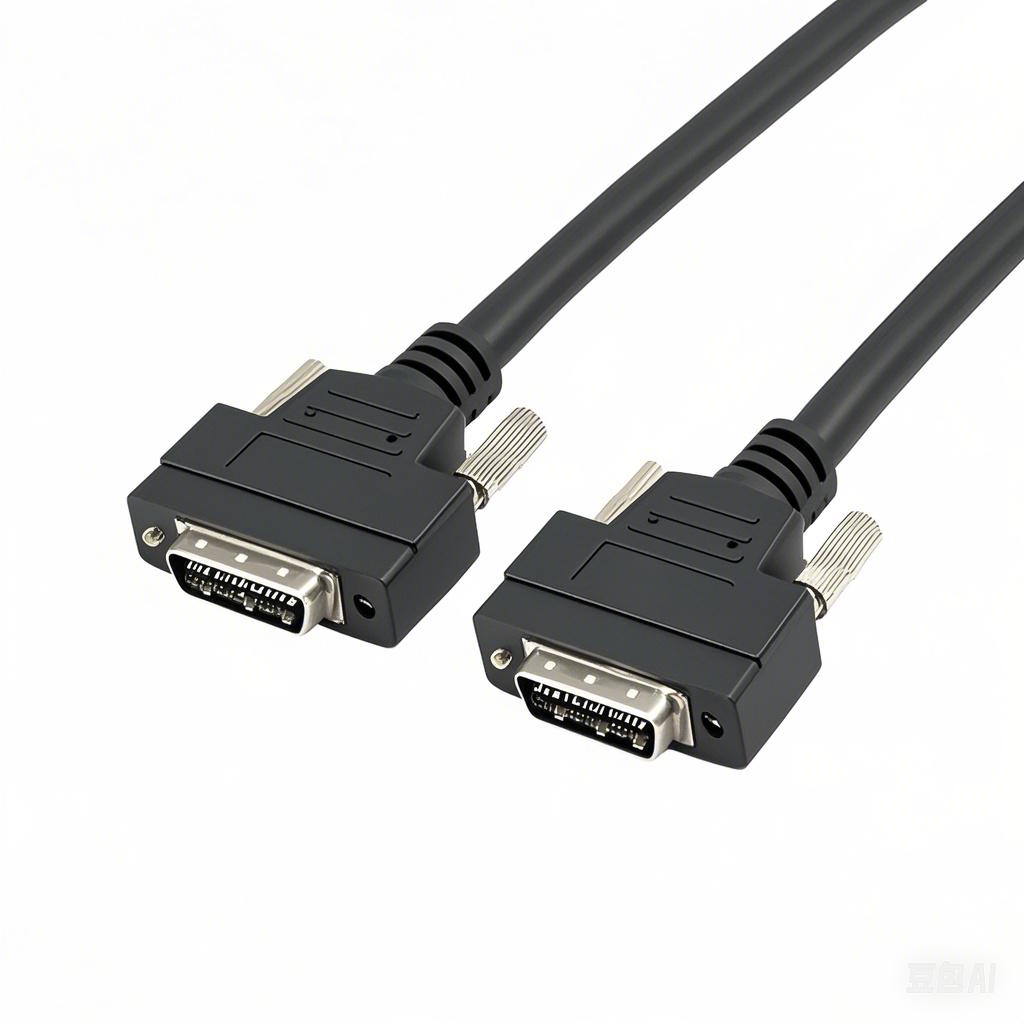
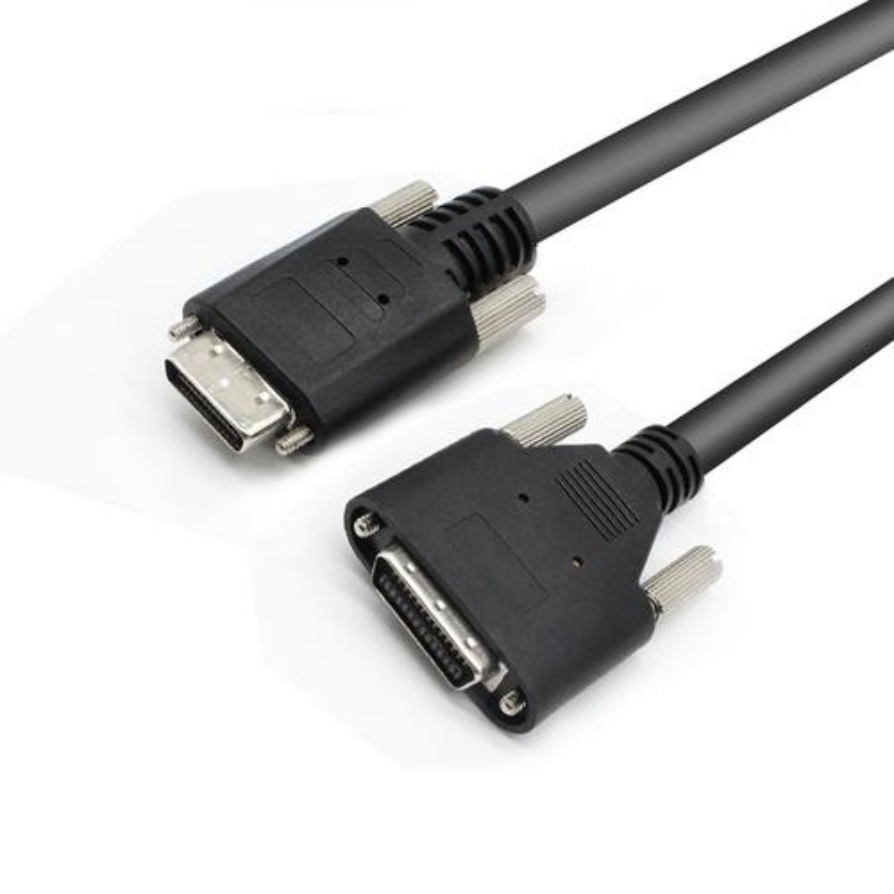
Machine Vision Cable | Industrial Camera Cables
In the fast-paced world of industrial automation and precision inspection, the cable connecting your industrial camera to the processing unit is far more than a simple accessory. It is the critical link that ensures high-speed, error-free data transmission. Whether you are deploying a multi-camera inspection system on a sprawling automotive assembly line or a high-speed barcode reader in a logistics center, selecting the right Machine Vision Cableis essential for maintaining system uptime and image integrity.
This article explores the key types of industrial camera cables—including Gigabit Ethernet, USB 3.0, Camera Link, and interfaces with Power over Cable (PoCL)—and explains why high-quality cabling is the backbone of any reliable machine vision application.
The Critical Role of Cables in Machine Vision Systems
A machine vision system relies on capturing high-resolution images and processing them in milliseconds. Any interruption, latency, or data loss in the transmission path can lead to defective products passing inspection, unnecessary production stoppages, or inaccurate robotic guidance. Unlike standard office cables, Industrial Camera Cablesare engineered to withstand harsh factory environments characterized by constant vibration, electromagnetic interference (EMI) from motors and drives, repeated flexing in drag chains, and exposure to oils, coolants, and extreme temperatures.
Key Interface Types for Industrial Cameras
Different machine vision applications demand different data transfer speeds, distances, and power requirements. Here is a breakdown of the most common cable interfaces:
1. Gigabit Ethernet (GigE Vision)
GigE is the standard for applications requiring long cable runs and multi-camera networking.
- Key Features:Utilizing standard Ethernet protocols, these cables can transmit data up to 100 meterswithout the need for repeaters or extenders. They support Power over Ethernet (PoE), simplifying installation by delivering both data and power through a single cable.
- Applications:Ideal for large-scale inspection systems, wide-area surveillance, and logistics sorting lines where cameras are distributed over a large area.
2. USB 3.0 / USB3 Vision
For applications where ease of use and high speed are prioritized, USB 3.0 is a popular choice.
- Key Features:Offering a theoretical bandwidth of 5 Gbps, USB 3.0 cables provide a plug-and-play solution that does not require a dedicated frame grabber. They are perfect for short-range, high-speed data transfer.
- Applications:Commonly used in compact vision systems, laboratory setups, and desktop inspection stations where cable length is typically under 5 meters.
3. Camera Link & Camera Link PoCL
Camera Link remains the gold standard for high-speed, high-resolution imaging requiring deterministic data transfer.
- Key Features:This interface supports extremely high bandwidth (up to 6.8 Gbps in Full configuration) and low latency. The Power over Camera Link (PoCL)variant allows the camera to be powered directly through the data cable, reducing cable clutter and improving reliability by eliminating separate power connections.
- Applications:Essential for high-speed line-scan cameras, medical imaging, and semiconductor inspection where every microsecond of timing accuracy counts.
4. CoaXPress (CXP)
CoaXPress is the solution for the most demanding vision tasks requiring massive bandwidth over long distances.
- Key Features:Capable of delivering data rates up to 12.5 Gbps per channel(and up to 50 Gbps with four channels), CXP cables offer the speed of fiber with the simplicity of coaxial copper. They also support high-level power delivery and device control.
- Applications:High-end 3D vision, sports analysis, and advanced metrology systems.
Why Quality Matters: Durability and Signal Integrity
Investing in high-quality Machine Vision Cablesensures that your system performs reliably under stress. Inferior cables often fail due to:
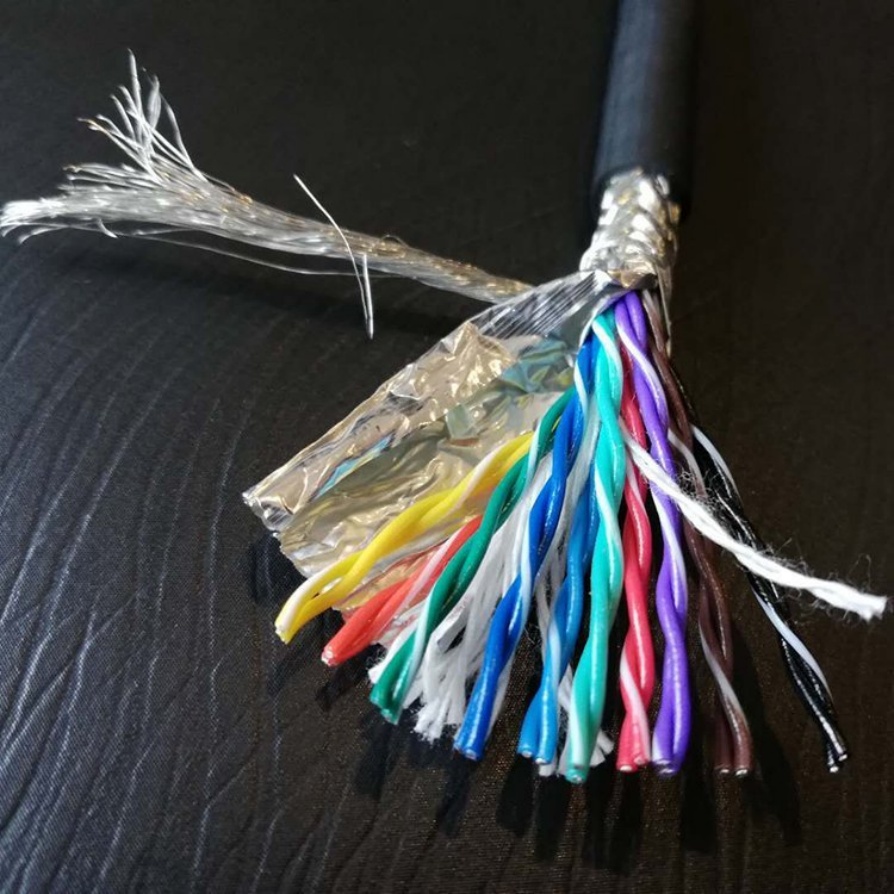
- EMI/RFI Interference:Poorly shielded cables can pick up noise from nearby machinery, resulting in corrupted image data (noise or artifacts).
- Mechanical Failure:Cables used in robotic arms or moving gantries require high-flex designs. Standard cables will quickly develop broken conductors or shielding, leading to intermittent connections.
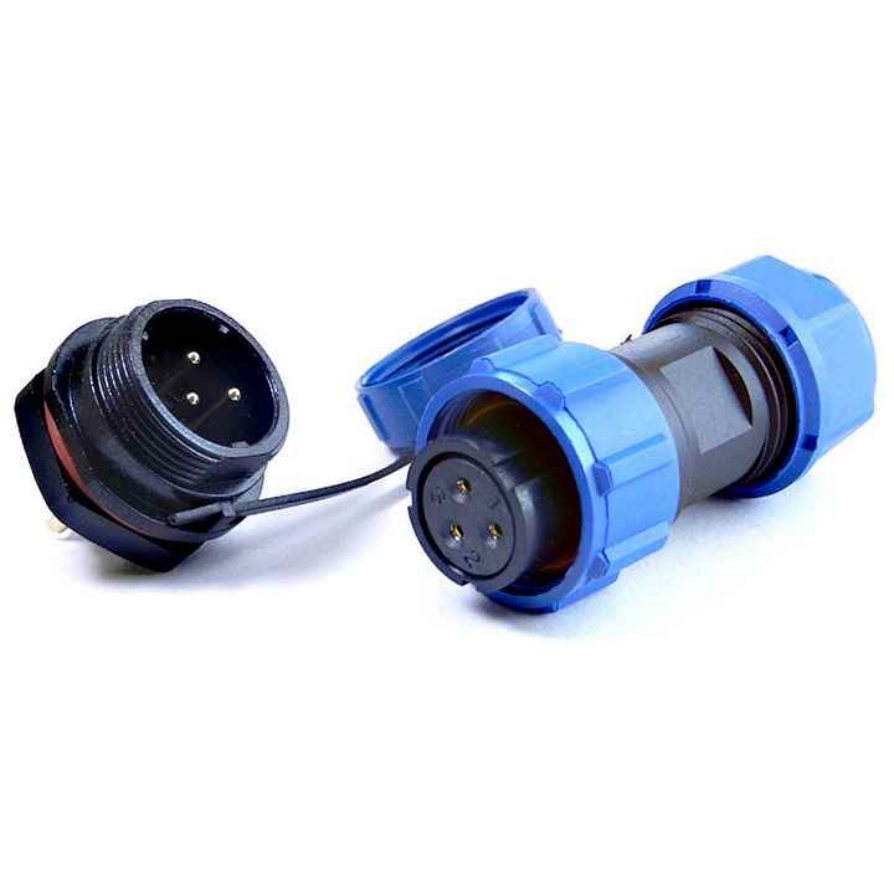
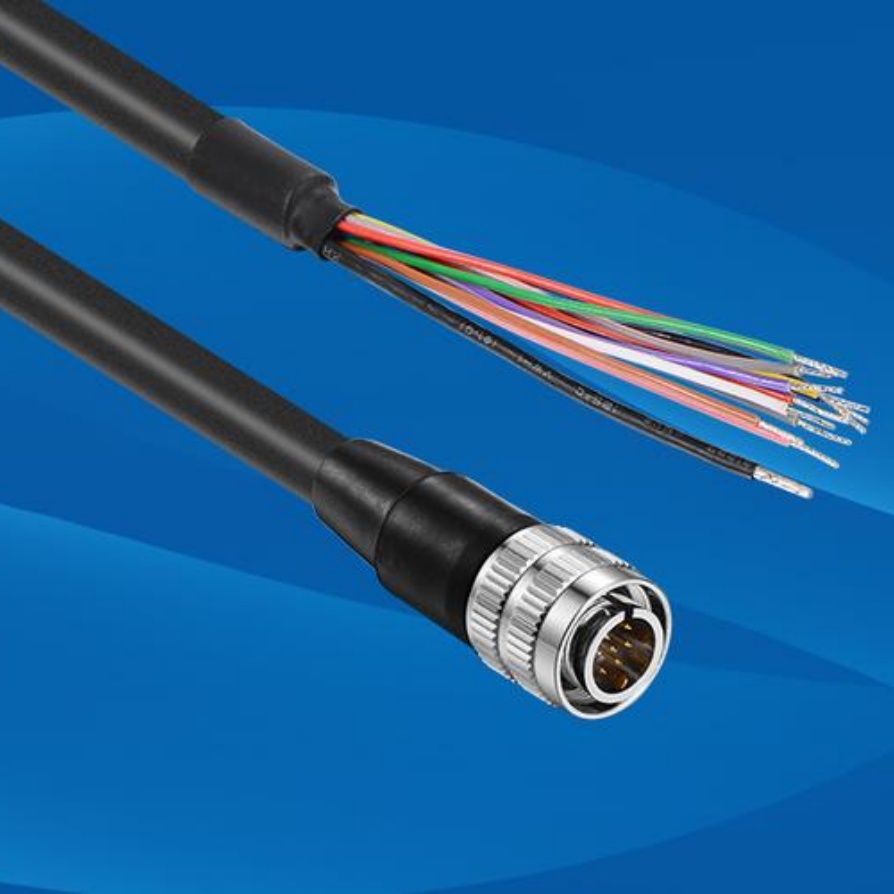
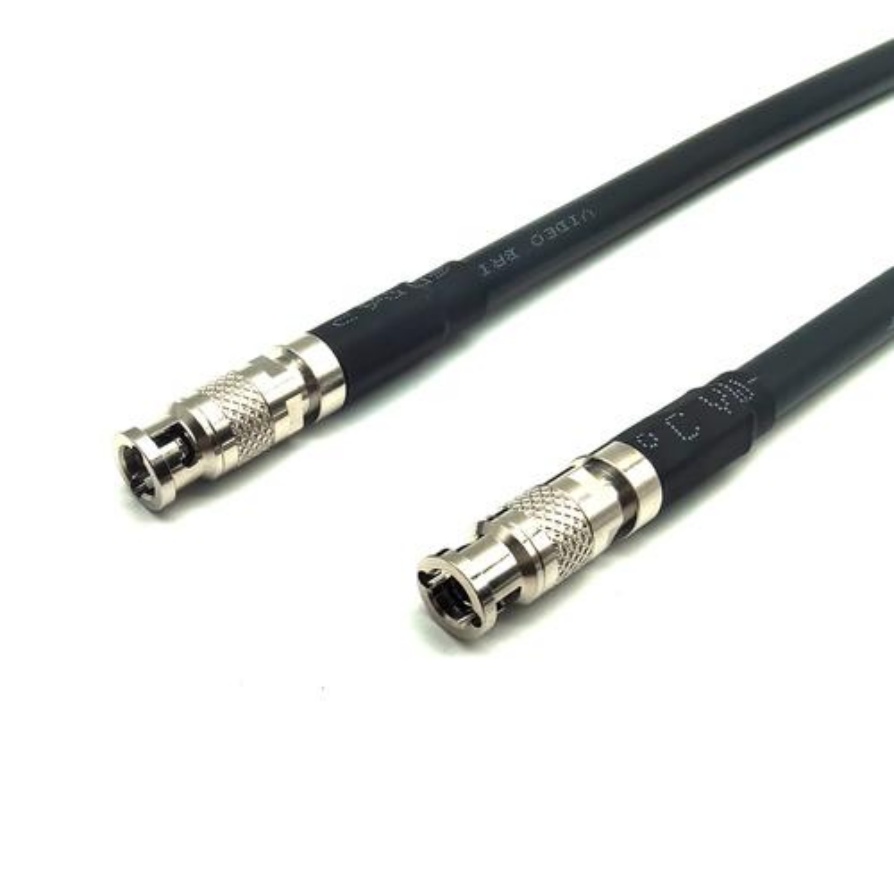
- Connector Failure:Industrial environments demand screw-lock or latch-lock connectors (such as M12 or Hirose) to ensure the cable remains securely attached despite constant vibration.
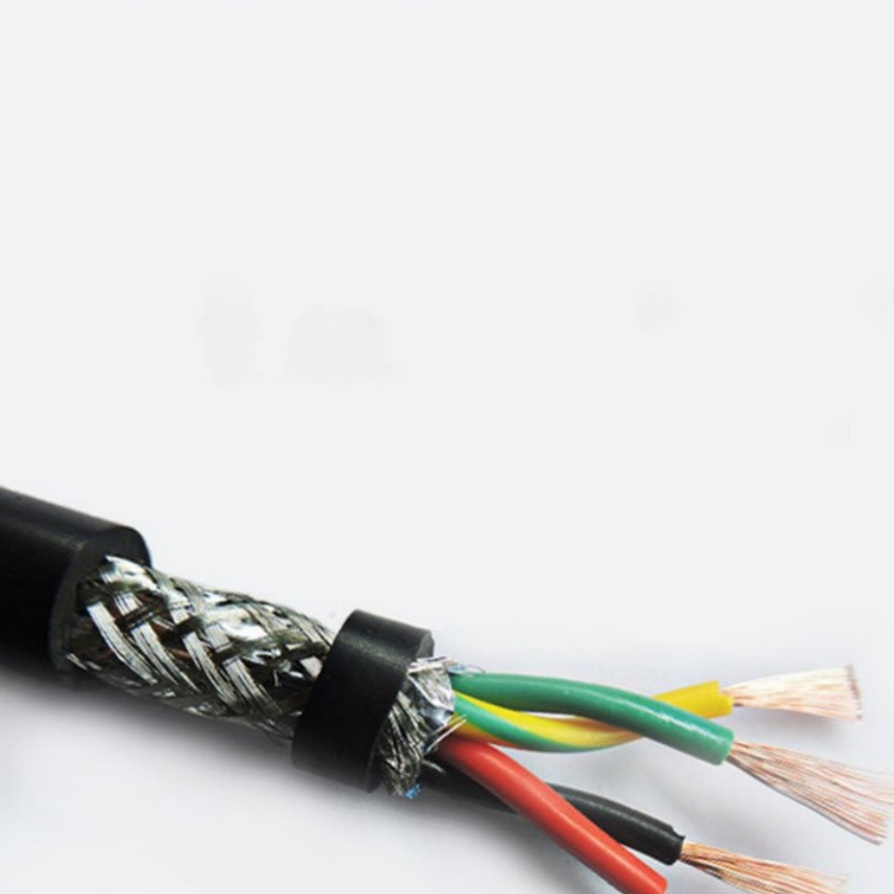
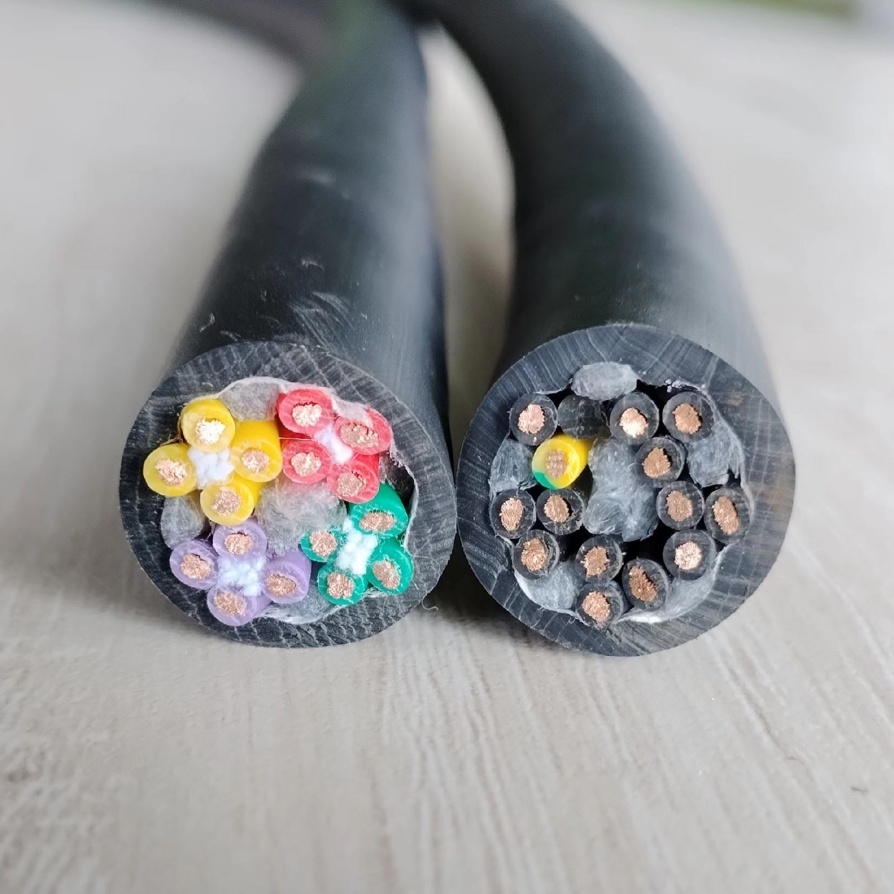
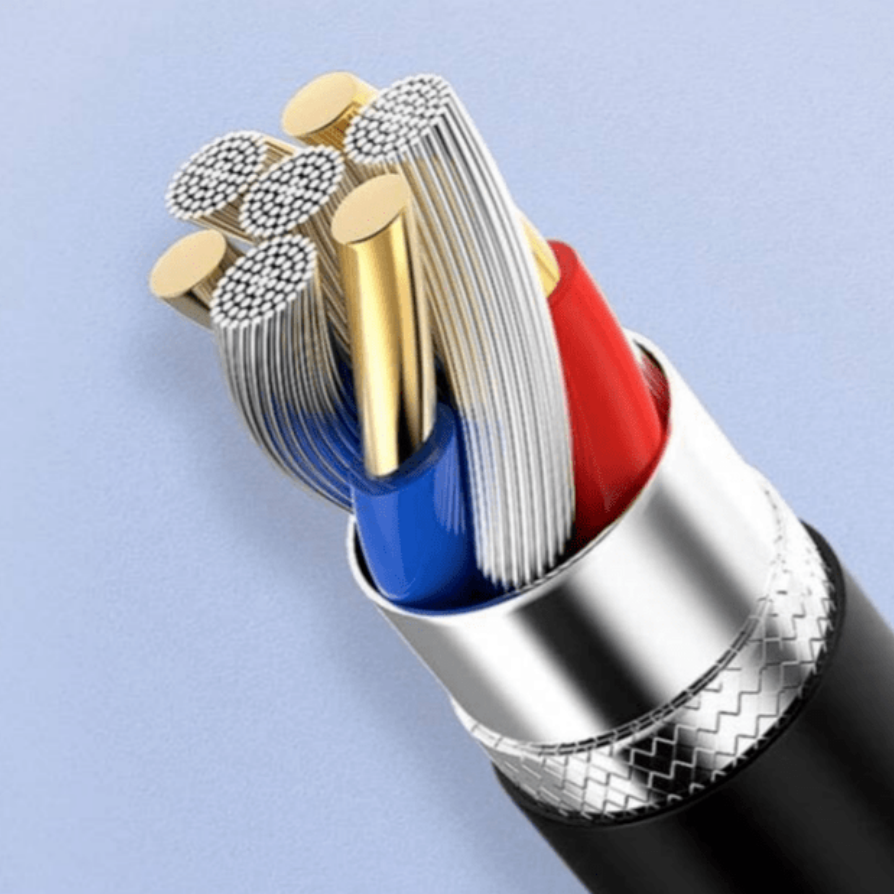
Premium cables feature multi-layer shielding, robust PUR or TPU jackets for oil and abrasion resistance, and are tested for millions of bend cycles to ensure longevity.
Partner with FRS for Reliable Machine Vision Cables
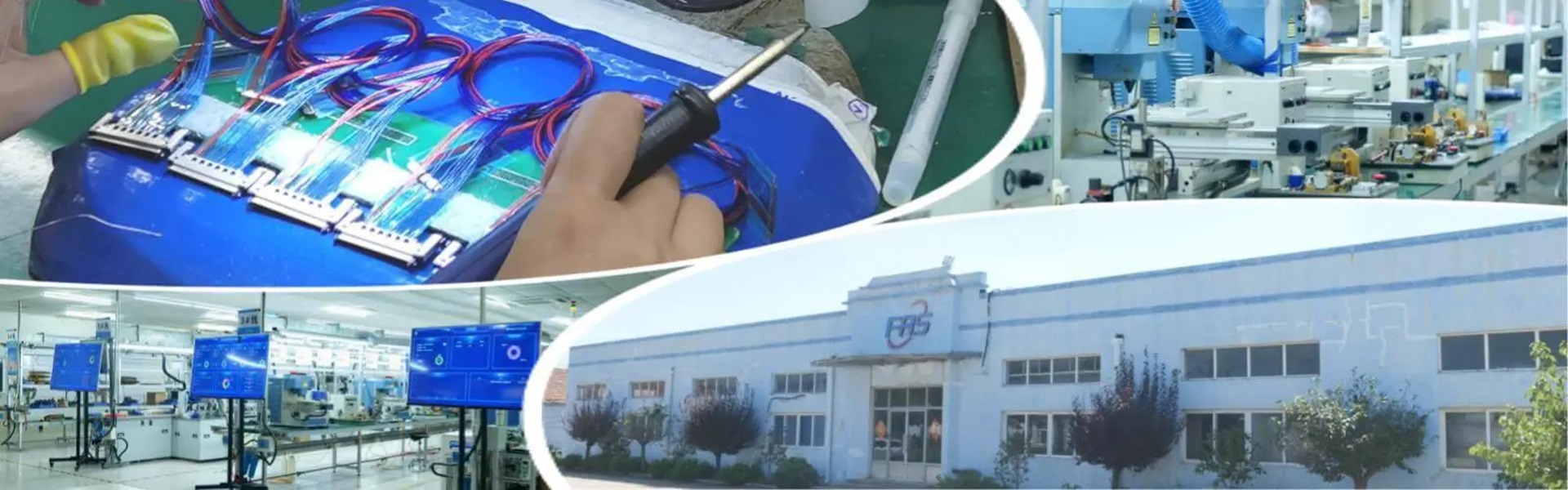
When it comes to sourcing industrial-grade connectivity solutions, FRSstands out as a professional manufacturer and supplier with over 20 years of experience in the automation industry.
At FRS, we understand that a cable is not just a commodity; it is a precision component. We specialize in producing high-quality Machine Vision Cablesincluding GigE, USB 3.0, Camera Link, and CoaXPress assemblies. Our products are engineered for superior signal integrity, featuring over 90% braid coverage for EMI resistance and high-flex materials rated for over 1 million bend cycles.
Whether you need standard off-the-shelf cables or custom harnesses tailored to your specific robotic or inspection application, FRSprovides the reliability and technical expertise you need to keep your production line running smoothly.
Contact FRS todayto request a sample or discuss your custom cable requirements. Let us help you build a more stable and efficient machine vision system.
Contact Us Right Now:
E-MAIL: sales@custom-cable-assemblies.com