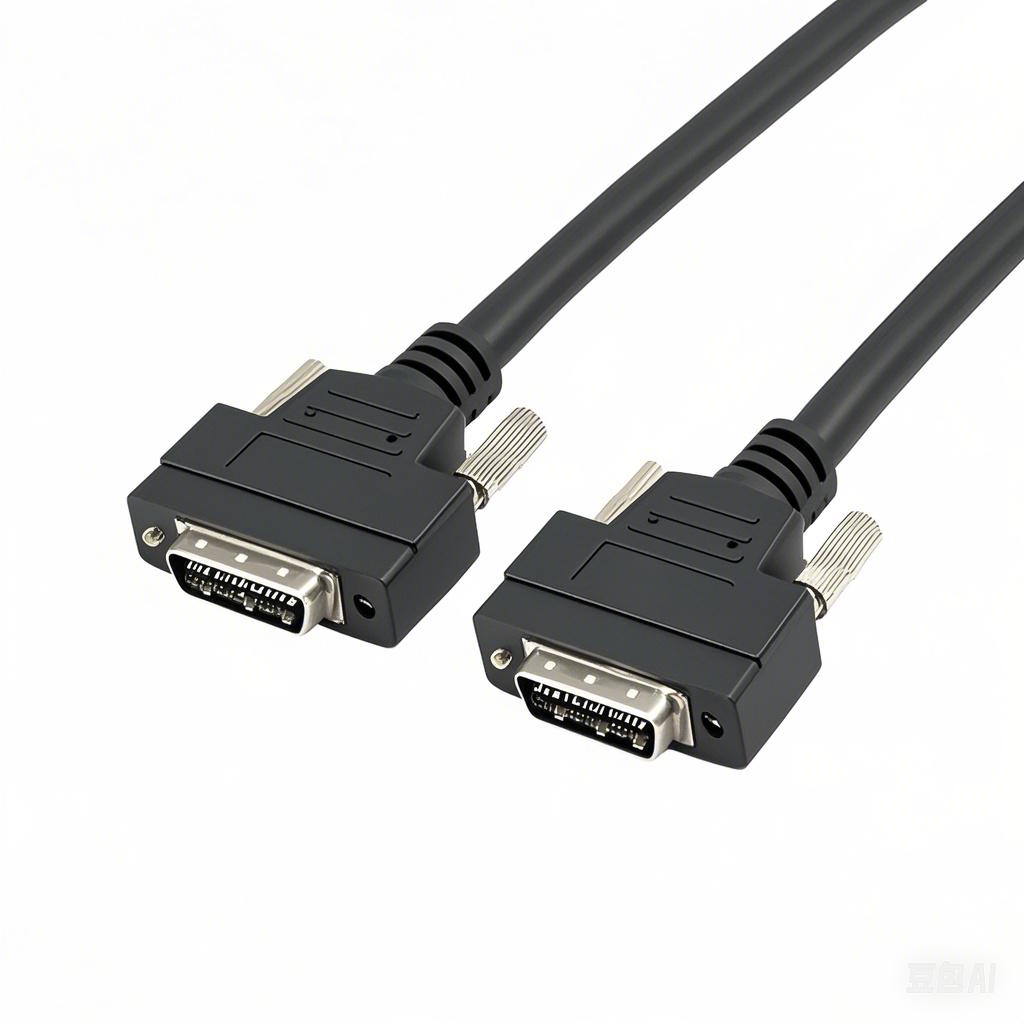
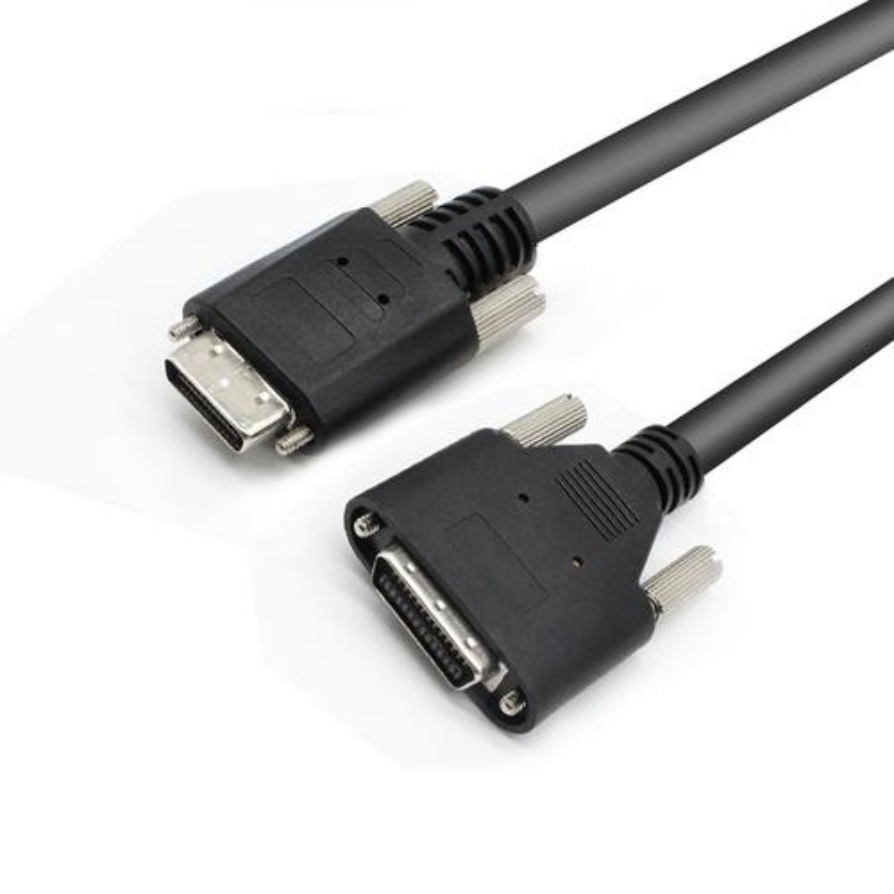
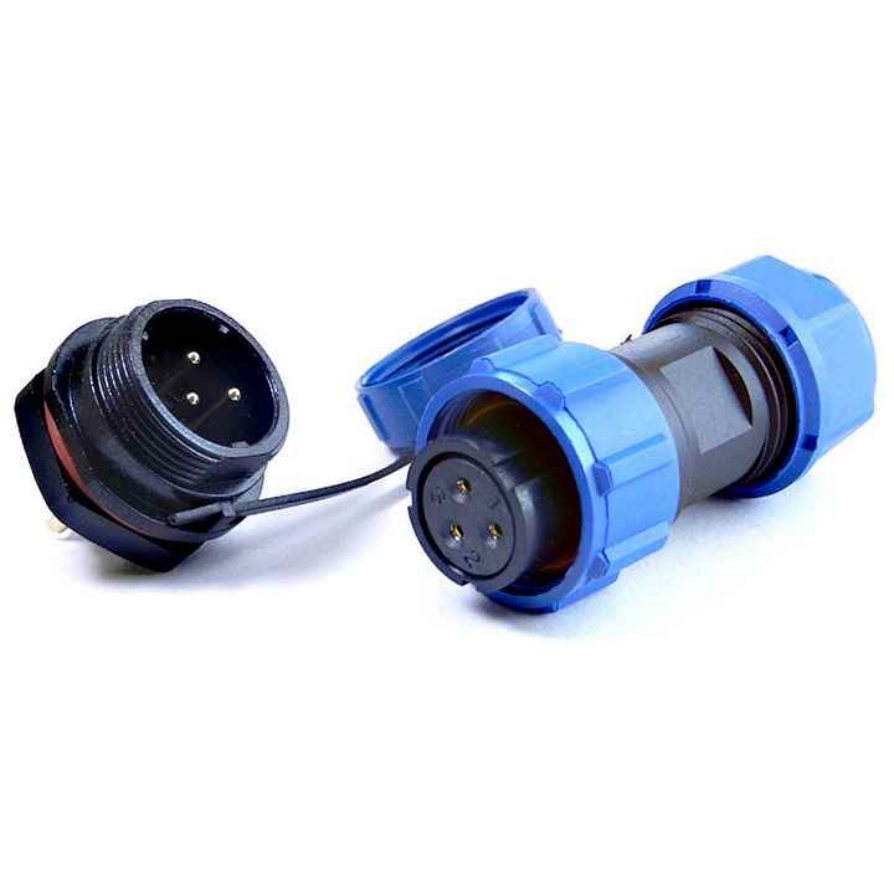
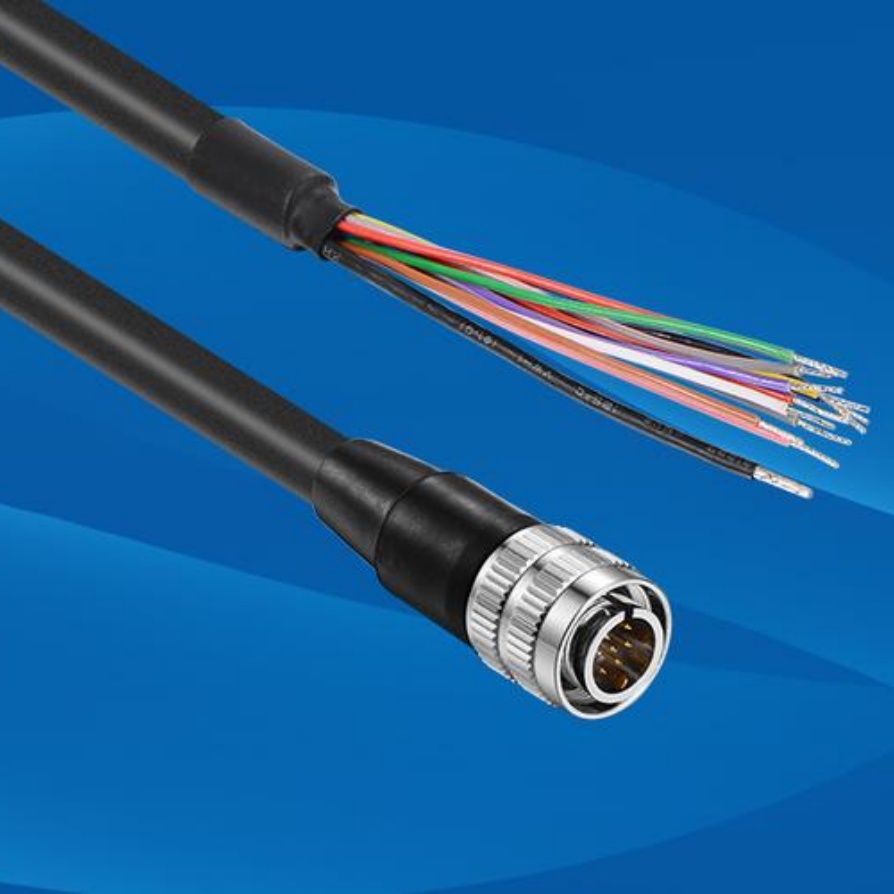
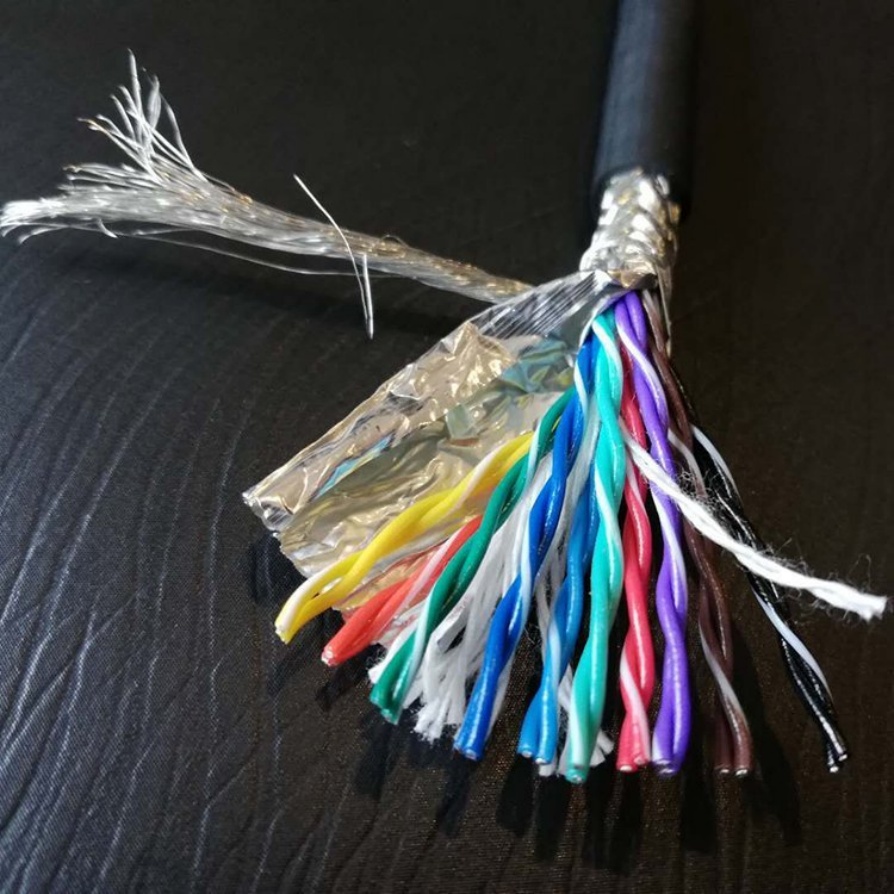
In modern industrial automation, a high quality machine vision cable is far more than a simple connector—it is the critical backbone that ensures reliable image data transmission, system stability, and long-term operational efficiency. For system integrators, design engineers, and production managers, selecting the right cable is a strategic decision that directly impacts inspection accuracy, uptime, and maintenance costs.
This comprehensive guide explores what defines a high quality machine vision cable, the key interface standards, construction details, selection criteria, installation best practices, and real-world application examples—providing you with the in-depth knowledge needed to make confident purchasing and design decisions.
1. What Is a High Quality Machine Vision Cable?
A high quality machine vision cable is an engineered interconnect solution designed specifically for industrial imaging applications. Unlike general-purpose cables, it must meet stringent requirements in five key areas:
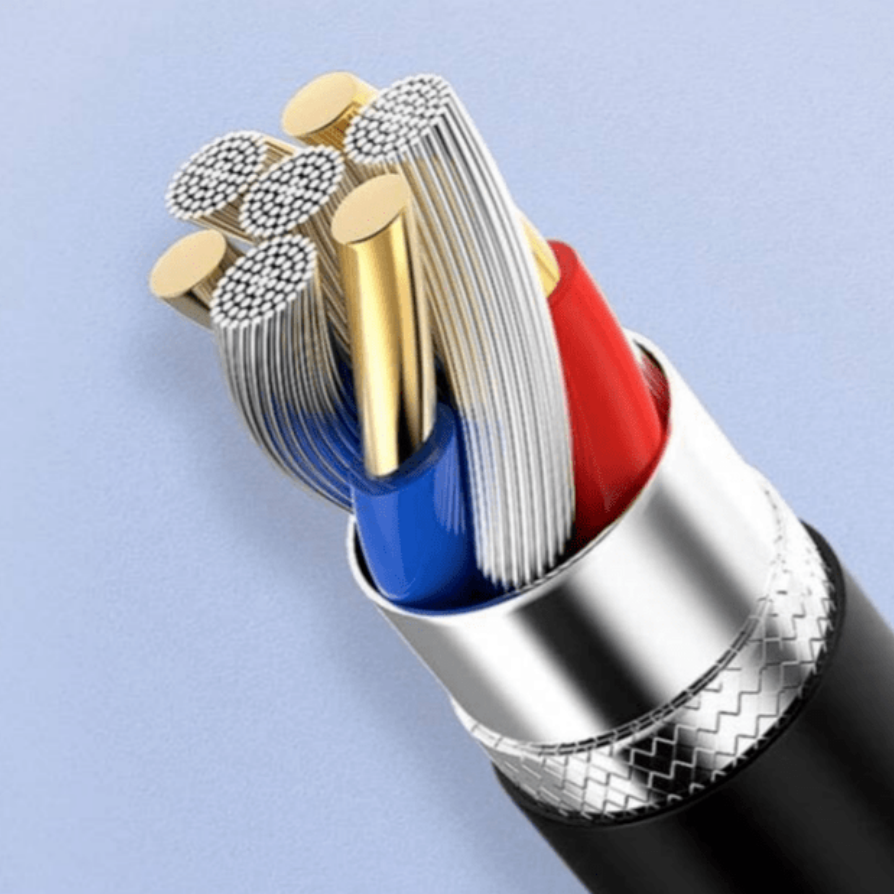
Signal Integrity:Maintains clean, error-free digital signals at high speeds over the required distance.
Durability:Withstands continuous flexing, torsion, vibration, and mechanical stress in automated environments.
Environmental Resistance:Resists oil, chemicals, abrasion, temperature extremes, and UV exposure.
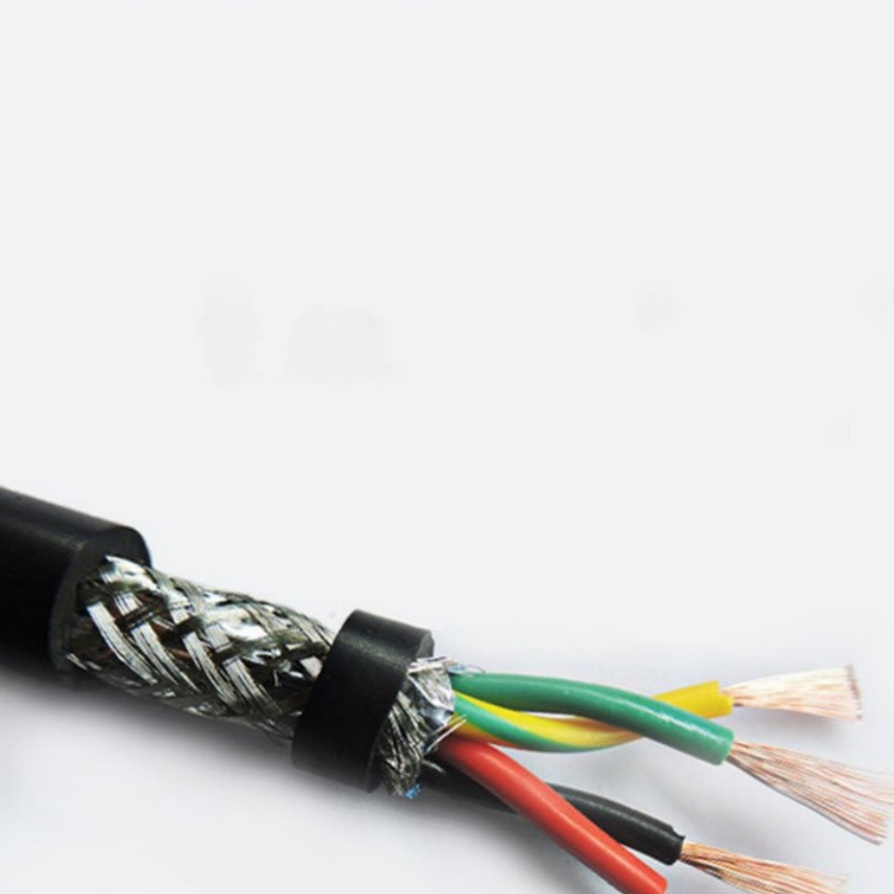
EMI/RFI Immunity:Protects sensitive image data from interference generated by motors, drives, and other industrial equipment.
Standard Compliance:Adheres to internationally recognized interface standards such as Camera Link, CoaXPress, GigE Vision, and USB3 Vision.
A true high quality machine vision cable is not just about copper and insulation; it is a fully tested, application-optimized component that ensures consistent performance throughout the system’s lifecycle.
2. Why Cable Quality Matters in Machine Vision
Machine vision systems are only as reliable as their weakest link. A substandard cable can introduce a range of problems:
Image Corruption:Signal degradation leads to artifacts, noise, and lost frames, causing false inspection results.
Intermittent Failures:Poor shielding or mechanical weakness results in random disconnections and system halts.
Reduced Lifespan:Inadequate flex life leads to premature cable failure, increasing maintenance costs and downtime.
Compliance Risks:Non-standard cables can cause compatibility issues with cameras, frame grabbers, and software.
A high quality machine vision cable mitigates these risks by delivering proven electrical performance, mechanical robustness, and long-term reliability.
3. Common Machine Vision Cable Interfaces
Choosing the right interface is the first step in selecting a high quality machine vision cable. The most widely used standards each have distinct characteristics.
3.1 Camera Link
Camera Link is a long-established, high-performance interface using dedicated serial communication protocols. It typically employs MDR or SDR 26-pin connectors and supports data rates up to 2.04 Gbps in Base configuration, with Medium and Full modes reaching 5.44 Gbps and 6.8 Gbps, respectively, via dual cables.
Cable lengths are generally limited to a few meters unless active solutions are used. Many variants also support Power over Camera Link (PoCL). High quality Camera Link cables feature impedance-controlled twisted pairs, robust shielding, and locking connectors designed for millions of flex cycles.
3.2 CoaXPress (CXP)
CoaXPress is a high-speed serial interface that transmits video, control signals, and power over a single coaxial cable. The latest CXP-12 standard delivers up to 12.5 Gbps per cable, supporting 4K and even 8K imaging.
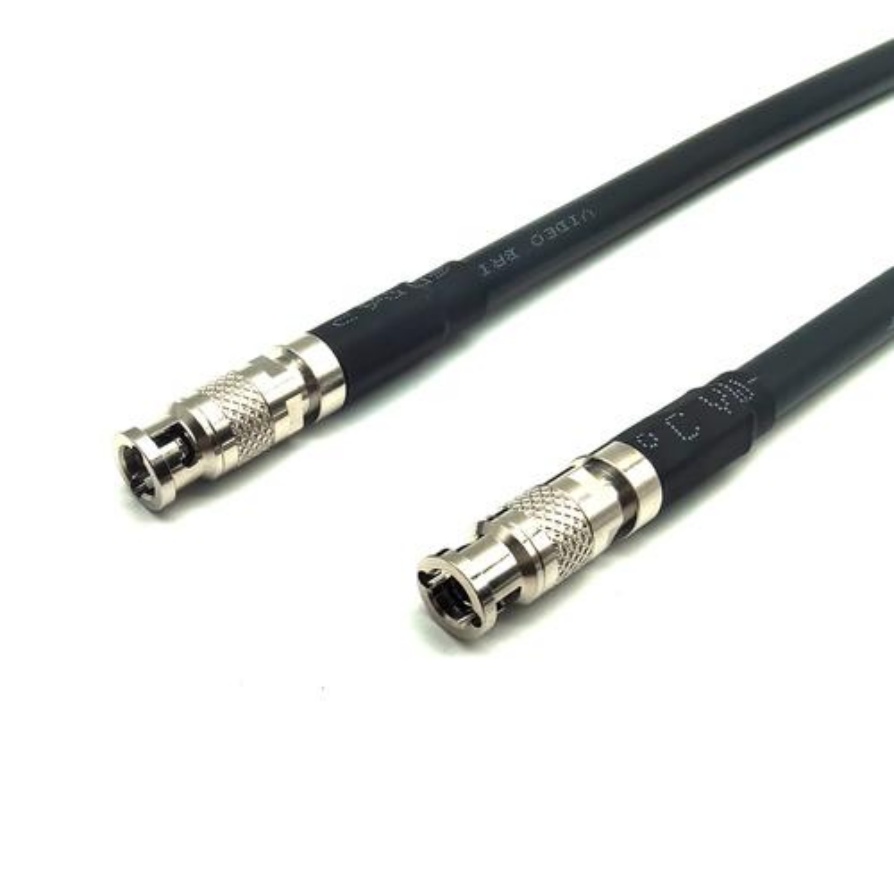
CXP offers long cable lengths—up to 100 meters in some configurations—with excellent noise immunity. Cables must meet precise 75 Ω impedance and return loss specifications. Premium CXP cables use high-flex coaxial cores, durable overmolding, and robust BNC or micro-BNC connectors.
3.3 GigE Vision
GigE Vision adapts Gigabit Ethernet for machine vision, enabling cable lengths up to 100 meters over Cat5e/Cat6 and even longer via fiber. It supports Power over Ethernet (PoE), simplifying system architecture.
High quality GigE Vision cables are built with higher shielding, superior twist ratios, and industrial-grade RJ45 connectors with locking screws. For 10 GigE applications, Cat6A or Cat7 cables with robust SF/UTP shielding are essential to maintain signal integrity.
3.4 USB3 Vision
USB3 Vision brings plug-and-play convenience and 5 Gbps bandwidth to machine vision. However, standard USB 3.0 cables are often insufficient for industrial use due to limited length, shielding, and durability.
A high quality USB3 Vision cable is specifically engineered for industrial environments, offering extended lengths (sometimes >10 meters), high-flex designs rated for millions of cycles, and superior EMI shielding. These features make them suitable for robotics and continuous motion applications.
4. Key Technical Specifications of a High Quality Cable
To understand what separates a premium cable from a generic one, it is essential to examine its technical specifications.
4.1 Materials and Construction
Conductor:High-purity, finely stranded tinned copper (e.g., 26–30 AWG) for flexibility and conductivity.
Power Requirements:Verify that power conductors are adequately sized for PoE or PoCL without excessive voltage drop.
Connector Type:Ensure compatibility with all devices in the signal chain and prefer locking connectors for vibration-prone areas.
Certifications:Look for compliance with relevant international and industry standards.
7. Installation and Maintenance Best Practices
Even the best cable will underperform if installed incorrectly. Follow these guidelines to maximize system reliability:
Respect Bend Radius:Never bend a cable tighter than its specified minimum dynamic or static bend radius.
Implement Proper Strain Relief:Secure cables with clamps or cable carriers to prevent tension on connectors.
Separate from High-Voltage Lines:Route data cables away from power lines to avoid electromagnetic interference.
Use Cable Carriers Correctly:Select carriers appropriate for the cable type and ensure smooth, gradual bends.
Follow a Preventive Maintenance Plan:Regularly inspect cables for wear, check connector tightness, and clean contacts as needed.
8. Real-World Applications and Case Examples
The value of a high quality machine vision cable is evident across numerous industries.
8.1 Automotive Assembly Lines
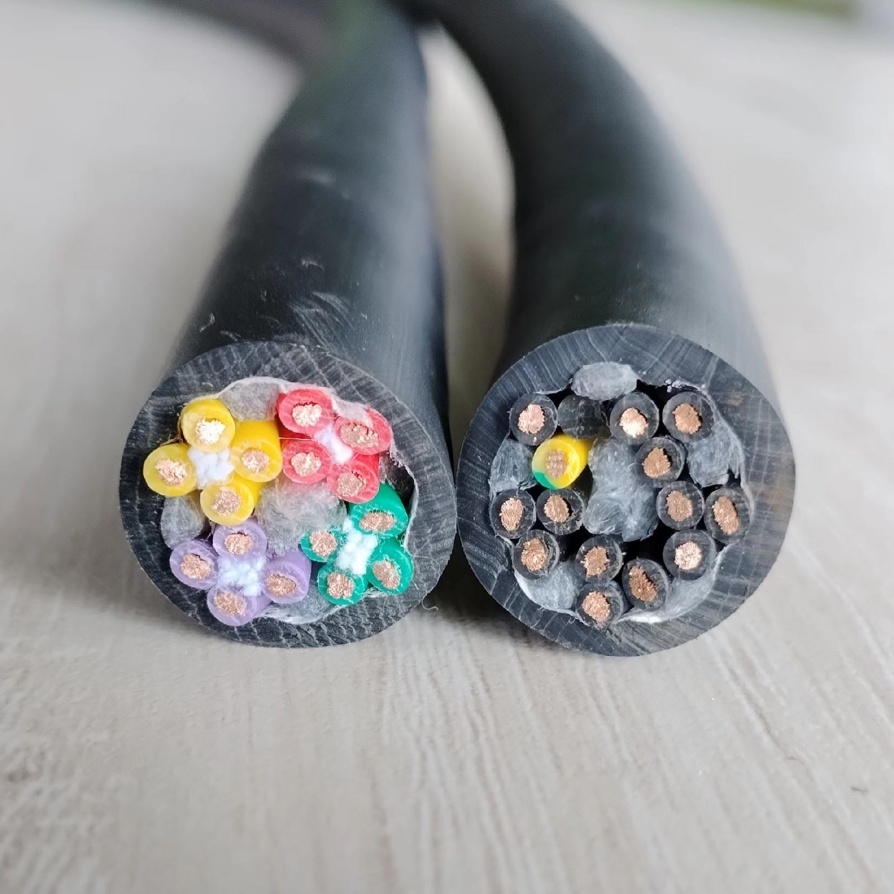
On a robotic welding line, high-flex hybrid cables combining power, data, and even air lines are routed through robot arms. These cables must endure millions of cycles while resisting weld spatter and EMI from adjacent equipment. A failure here can halt an entire production line.
8.2 Food and Beverage Inspection
In filling and packaging systems, vision cameras inspect products at high speed. Cables in these environments must have oil-resistant and washdown-rated jackets to survive frequent high-pressure cleaning with aggressive chemicals.
8.3 Electronics Manufacturing (AOI)
Automated Optical Inspection (AOI) machines use multiple high-resolution cameras. Cables must support high bandwidth for detailed image capture while maintaining signal integrity to prevent false rejects. In multi-camera setups, consistent cable performance is crucial for uniform inspection quality.
8.4 Logistics and Parcel Sorting
High-speed sorting systems rely on GigE or 10GigE cameras to read barcodes and measure parcels. Cables must operate over long distances, often with Power over Ethernet, in dusty environments with significant vibration. A high quality cable ensures consistent read rates and minimizes downtime.
9. Frequently Asked Questions (FAQ)
Q1: Can I use a standard USB 3.0 cable for my USB3 Vision camera?
While it might work for short, static connections, it is not recommended for industrial use due to limited shielding, shorter flex life, and potential compatibility issues. A certified USB3 Vision cable is the reliable choice.
Q2: How long can a CoaXPress cable be?
Passive CXP cables can reach around 70 meters, while active or fiber-based solutions can extend much further. Always verify maximum length with your camera and frame grabber specifications.
Q3: What is the minimum bend radius for a high quality machine vision cable?
This varies by cable but is typically 8–10 times the cable’s outer diameter (8D–10D). High-flex cables often have stricter requirements for dynamic applications.
Q4: How can I tell if a cable is truly “high quality”?
Look for detailed technical documentation, 100% electrical testing, specific flex-cycle ratings, industrial-grade materials, and compliance with relevant standards. Reputable manufacturers will provide this data.
Q5: Is shielding really that important?
Yes. In environments with motors, VFDs, and other equipment, inadequate shielding is a primary cause of image noise and data errors. High-quality, multi-layer shielding is essential for reliable operation.
10. Conclusion
A high quality machine vision cable is a fundamental component that ensures the accuracy, reliability, and efficiency of any automated inspection or guidance system. By understanding interface standards, technical specifications, and application requirements, you can select the ideal cable to meet your current needs and future-proof your system.
Investing in certified, application-specific cables is not an expense—it is an investment in uptime, data integrity, and long-term operational success.
The Precision Imaging Dedicated Vision Cable is a cutting-edge connectivity solution designed to deliver crystal-clear image transmission in high-stakes environments. Optimized for industrial automation, medical imaging, machine vision, .
Meta Description: Discover the Flexible & Bend-Resistant Vision Cable, engineered for precision imaging in demanding environments. Durable, reliable, and built to last. Perfect for industrial, medical, and robotic applications.
Int.
Shielded Twisted-Pair Vision Cable – Ultra-Clear Signal Transmission for Demanding Environments
Ensure flawless video and data transmission in high-interference environments with our Shielded Twisted-Pair (STP) Vision Cable. Engineere.
Product Overview: Machine Vision Cables
Machine vision cables are specialized components designed to ensure high-speed, stable data transmission and signal integrity in automated imaging systems. Key features include:
Technical S.
Subtitle: A High-Performance Signal Cable Designed for 3D Scanners, Ensuring Lossless Data and Minimal Latency
Product OverviewThe 3D Scanner Vision Signal Cable is a premium signal transmission cable engineered for both industrial a.
High-speed factories demand flawless synchronization between machines and vision systems. Yet, challenges like electromagnetic interference (EMI), cable fatigue, and data bottlenecks often disrupt operations. The right machine vision cab.
Meta Description: Experience seamless 4K/8K video transmission with our High-Speed Anti-Interference Vision Cable. Engineered for crystal-clear visuals, robust durability, and interference-free performance. Perfect for gaming, profes.
Elevate your visual data transmission with the IP67 Waterproof Vision Connection Cable, engineered to deliver seamless performance in the harshest conditions. Designed for industrial, outdoor, and mission-critical applications, this rugg.
Meta Description: Discover premium Robotic Vision System Cables engineered for seamless data transmission, durability, and precision in industrial automation. Ensure flawless vision system performance.
Enhance Automation Precision with.
Enhance the reliability and performance of your automated systems with our Industrial-Grade Machine Vision Cable—engineered to deliver unparalleled signal integrity, durability, and speed for demanding industrial applications. Designed f.